
Using teacher perspective metrics to reflect on learning

![Bibliography Beetham, H. (2008) Review: Design for Learning programme phase 2. JISC report. [online].](https://slidetodoc.com/presentation_image/6250ba43668c000261b8e6e6b8fd84f7/image-11.jpg "Bibliography Beetham, H. (2008) Review: Design for Learning programme phase 2. JISC report. [online].")
- Slides: 11
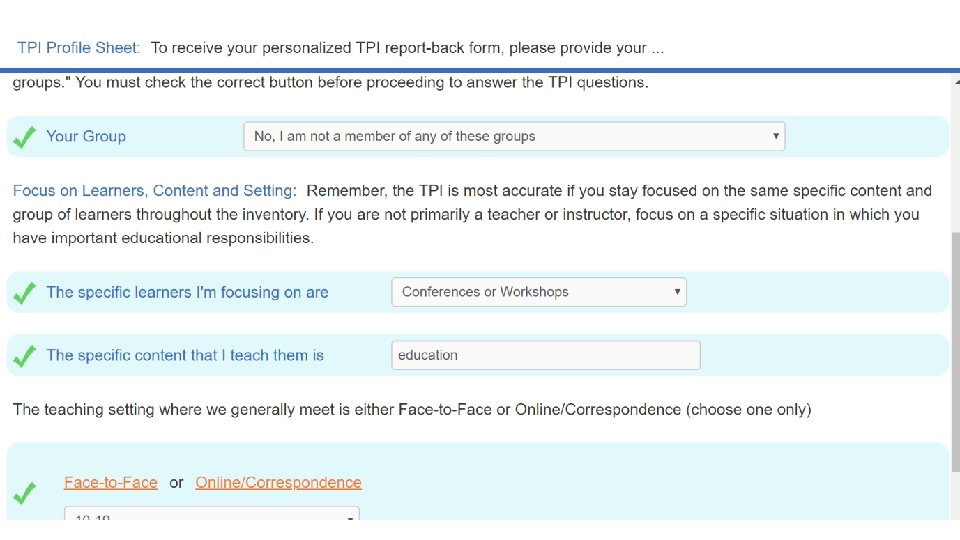
Using teacher perspective metrics to reflect on learning designs for improving student learning Dr Helen Walmsley-Smith Staffordshire University #edatdata #sedaconf Create a (free) account and take the TPI here: www. teachingperspectives. com/tpi/
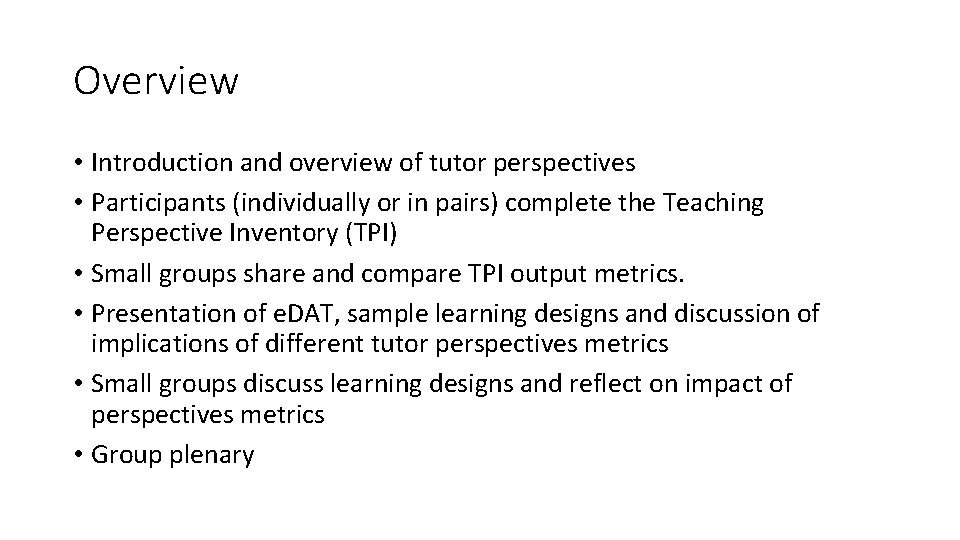
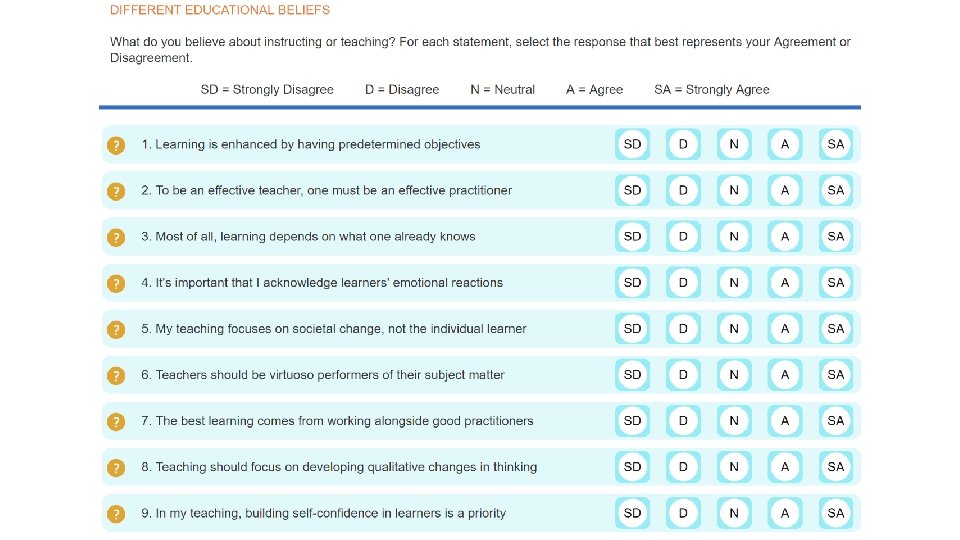
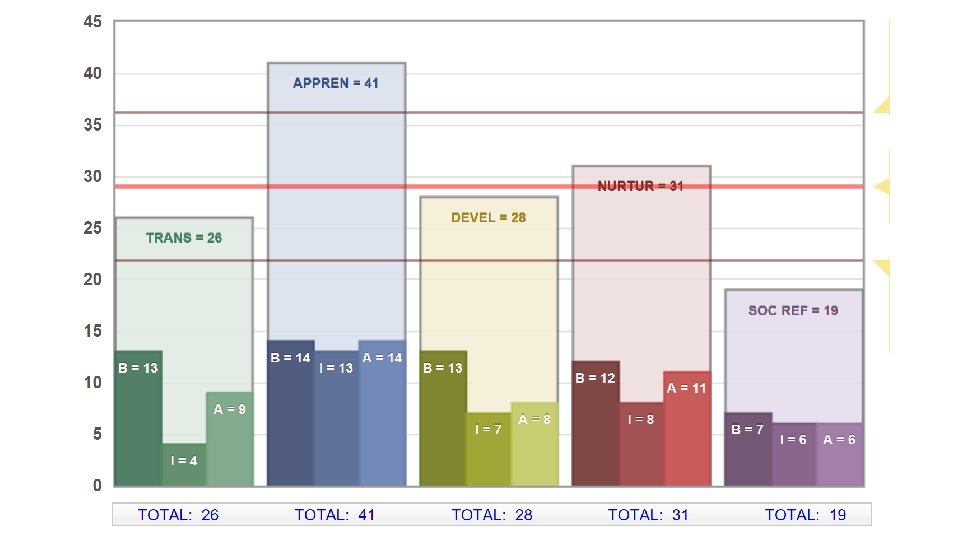
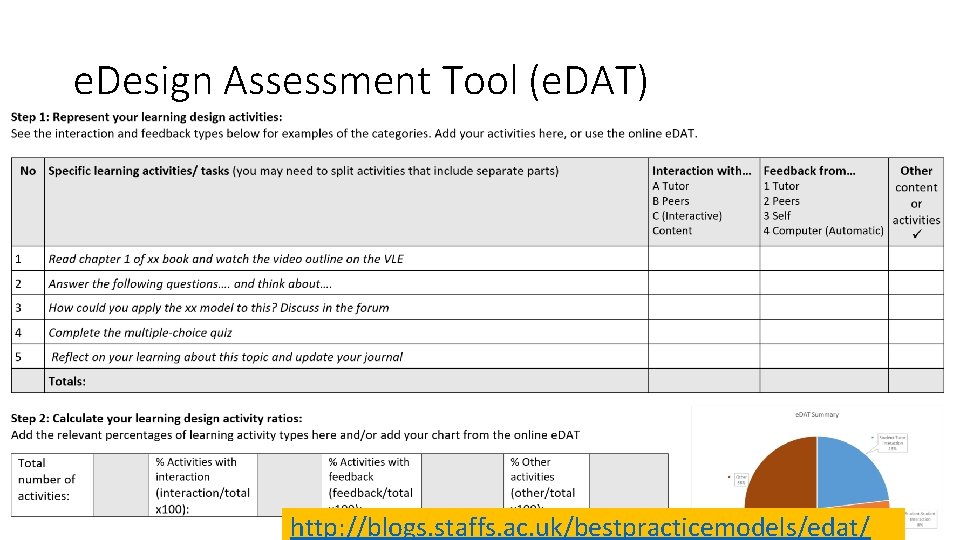
Overview • Introduction and overview of tutor perspectives • Participants (individually or in pairs) complete the Teaching Perspective Inventory (TPI) • Small groups share and compare TPI output metrics. • Presentation of e. DAT, sample learning designs and discussion of implications of different tutor perspectives metrics • Small groups discuss learning designs and reflect on impact of perspectives metrics • Group plenary
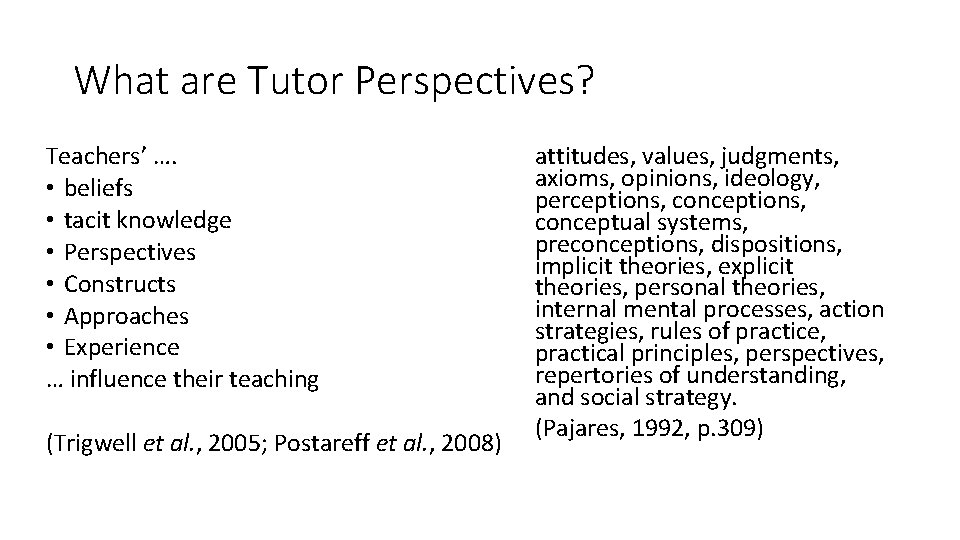
What are Tutor Perspectives? Teachers’ …. • beliefs • tacit knowledge • Perspectives • Constructs • Approaches • Experience … influence their teaching (Trigwell et al. , 2005; Postareff et al. , 2008) attitudes, values, judgments, axioms, opinions, ideology, perceptions, conceptual systems, preconceptions, dispositions, implicit theories, explicit theories, personal theories, internal mental processes, action strategies, rules of practice, practical principles, perspectives, repertories of understanding, and social strategy. (Pajares, 1992, p. 309)
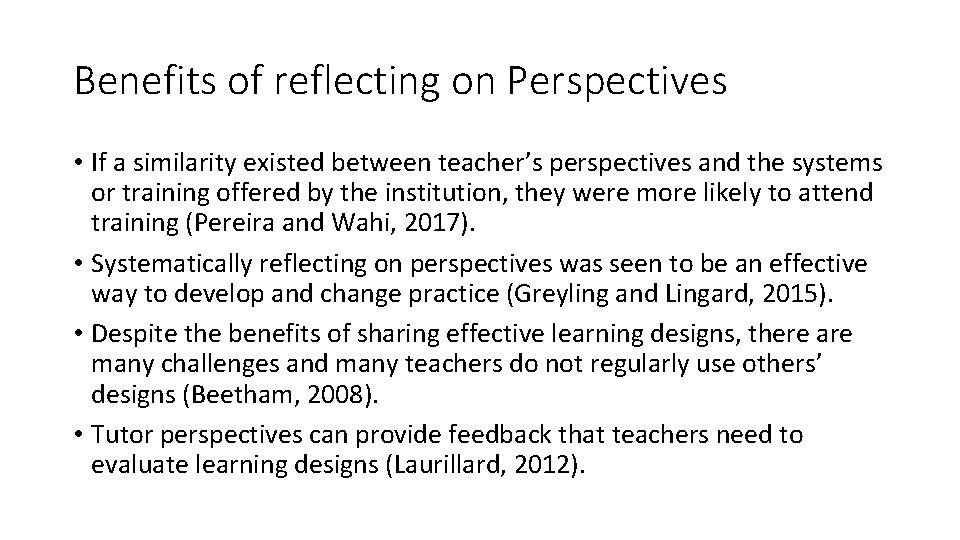
Benefits of reflecting on Perspectives • If a similarity existed between teacher’s perspectives and the systems or training offered by the institution, they were more likely to attend training (Pereira and Wahi, 2017). • Systematically reflecting on perspectives was seen to be an effective way to develop and change practice (Greyling and Lingard, 2015). • Despite the benefits of sharing effective learning designs, there are many challenges and many teachers do not regularly use others’ designs (Beetham, 2008). • Tutor perspectives can provide feedback that teachers need to evaluate learning designs (Laurillard, 2012).
www. teachingperspectives. com/tpi/ (Pratt, 2014)
e. Design Assessment Tool (e. DAT) http: //blogs. staffs. ac. uk/bestpracticemodels/edat/
Questions? • How could the TPI and e. DAT inform your practice? • What are the implications of a Tutor Perspective approach? #edatdata #sedaconf Watch this space… SEDA small research project….
Bibliography Beetham, H. (2008) Review: Design for Learning programme phase 2. JISC report. [online]. Available from: http: //studylib. net/doc/7322064/review--design-for-learning-programme-phase-2 [Accessed April 30, 2017]. Greyling, W. , Lingard, O. (2015) Reflecting on a vocational educator’s theory of practice: a co-constructed account. Personal Construct Theory & Practice. 12, 18– 33. Laurillard, D. (2012) Teaching as a Design Science: Building Pedagogical Patterns for Learning and Technology [Vitalsource e-book]. Abingdon: Routledge. Pajares, M. F. (1992) Teachers’ Beliefs and Educational Research: Cleaning up a Messy Construct. Review of Educational Research. 62(3), 307– 332. Pereira, A. S. , Wahi, M. M. (2017) Course Management System’s Compatibility with Teaching Style Influences Willingness to Complete Training. Online Learning. 21(1), 36– 59. Postareff, L. , Katajavuori, N. , Lindblom-Ylänne, S. , Trigwell, K. (2008) Consonance and dissonance in descriptions of teaching of university teachers. Studies in Higher Education. 33(1), 49– 61. Pratt, D. D. (2014) Teaching Perspectives Inventory. [online]. Available from: http: //www. teachingperspectives. com/tpi/ [Accessed April 3, 2017]. Trigwell, K. , Prosser, M. , Ginns, P. (2005) Phenomenographic pedagogy and a revised ‘Approaches to teaching inventory’. Higher Education Research & Development. 24(4), 349– 360. Walmsley, H. (2017) e. Design Assessment Tool (e. DAT). [online]. Available from: http: //blogs. staffs. ac. uk/bestpracticemodels/edat/ [Accessed November 19, 2017].