
Using Storyboarding to Organize a Graphic Narrative ENG
Using Storyboarding to Organize a Graphic Narrative ENG 240: Graphic Novel Prof. Heidi Bollinger

In ENG 24 o, students create their own graphic narratives (comic books). Why? Students in the class read analyze graphic novels throughout the semester. The project allows students to participate in the genre they have been studying.

Students choose: Like any piece of writing, the graphic narrative involves making lots of CHOICES what story to depict theme(s) visual and textual style medium: students may hand-draw or paint, incorporate collage/photographs, or use digital software. intended reading audience and purpose format and dimensions: book format, poster board, or Power. Point. As a group, students agreed that the page requirement would be ten pages, minimum
A title Panels of different sizes To show their knowledge of graphic novels, students must utilize certain elements: Bordered panels and open panels Text elements: Speech balloons Captions Thought balloons Sound effects At least one panel with no text At least one close-up image of a face, figure, or object Purposeful use of black and white and/or color
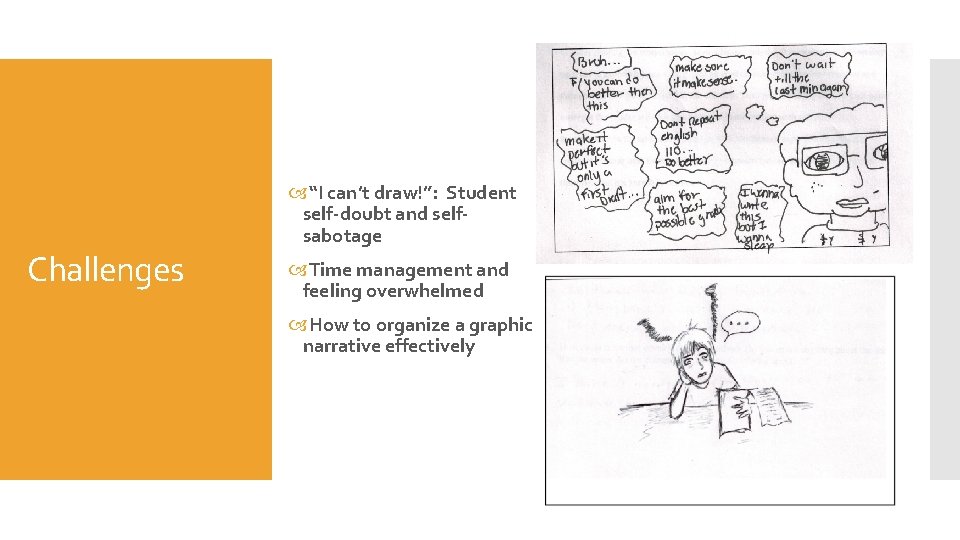
Challenges “I can’t draw!”: Student self-doubt and selfsabotage Time management and feeling overwhelmed How to organize a graphic narrative effectively
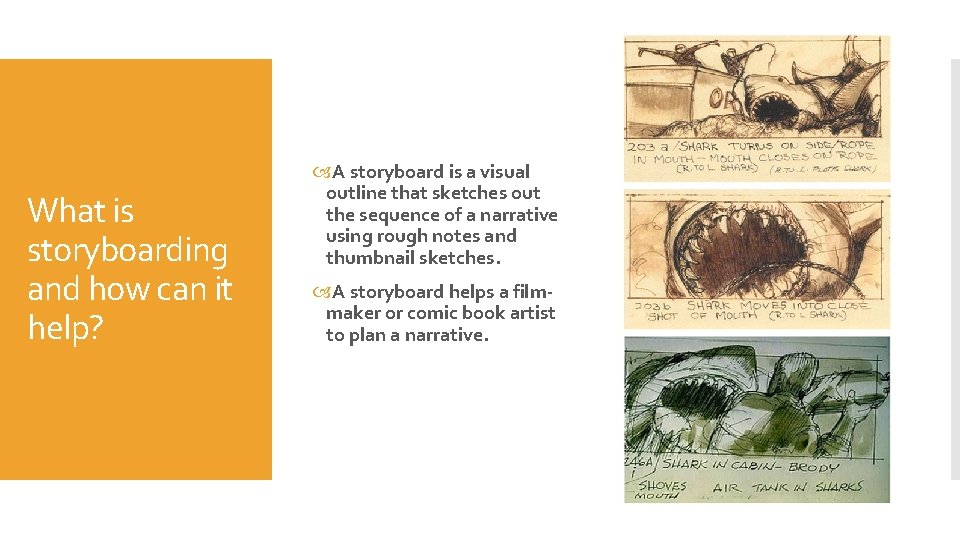
What is storyboarding and how can it help? A storyboard is a visual outline that sketches out the sequence of a narrative using rough notes and thumbnail sketches. A storyboard helps a filmmaker or comic book artist to plan a narrative.
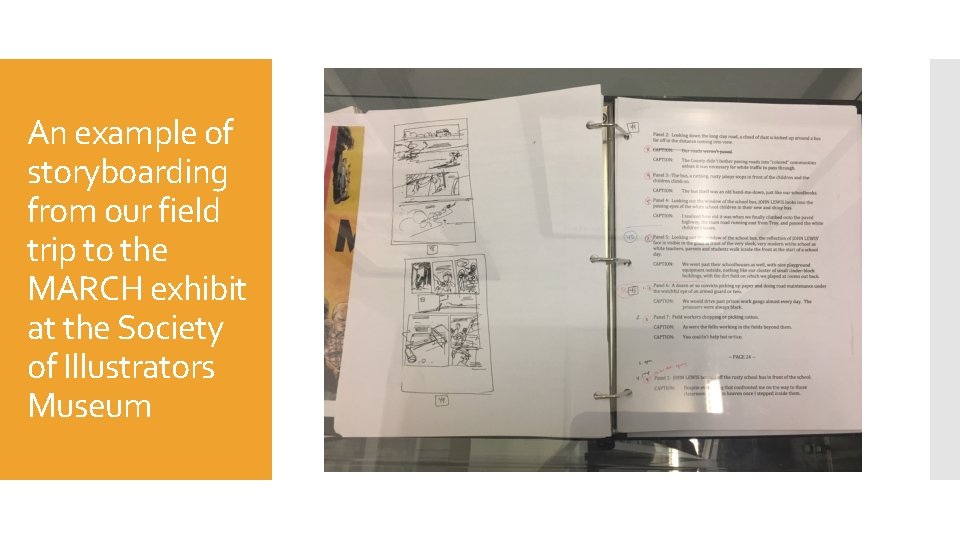
An example of storyboarding from our field trip to the MARCH exhibit at the Society of Illustrators Museum
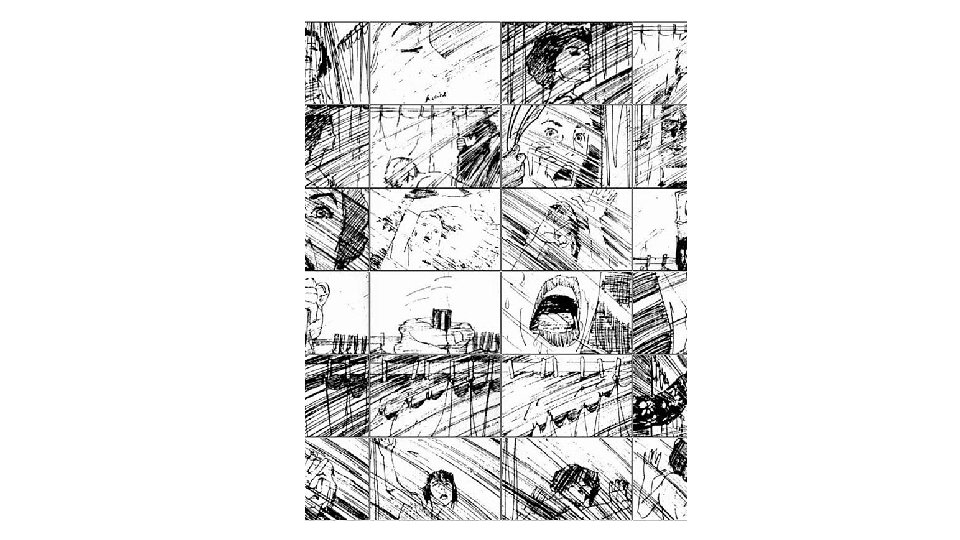
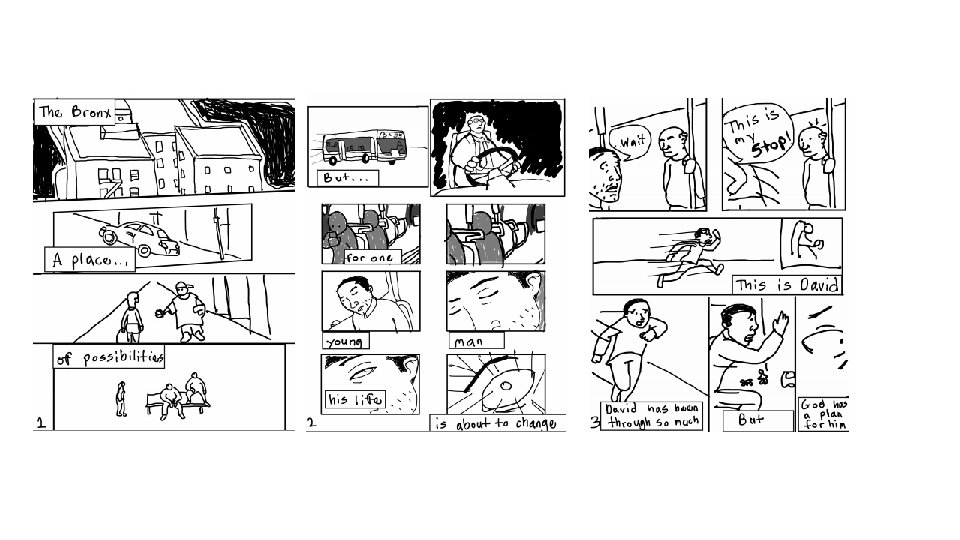
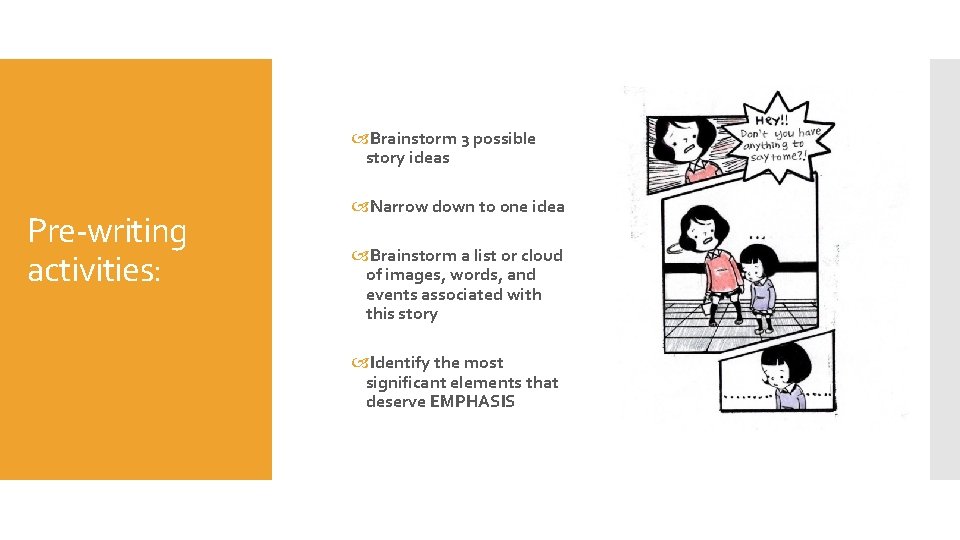
Brainstorm 3 possible story ideas Pre-writing activities: Narrow down to one idea Brainstorm a list or cloud of images, words, and events associated with this story Identify the most significant elements that deserve EMPHASIS
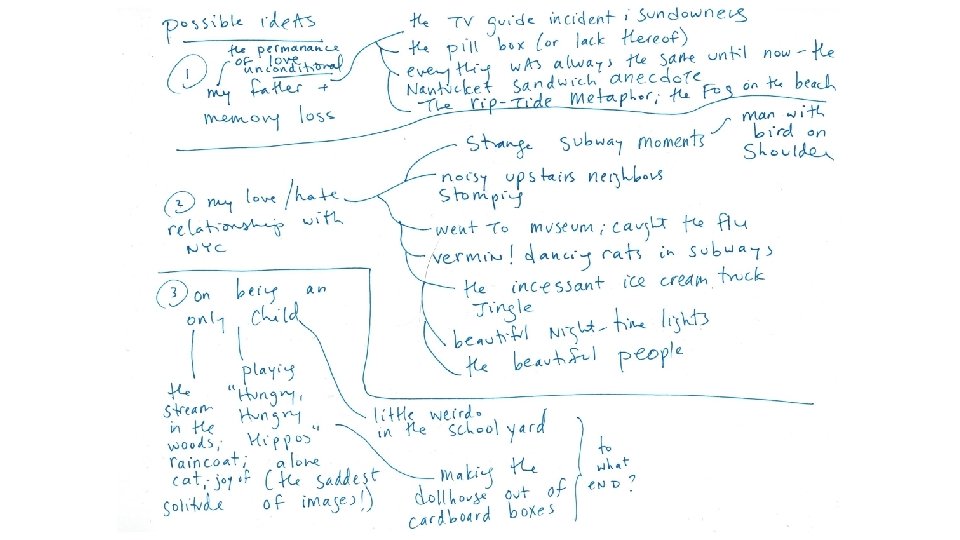
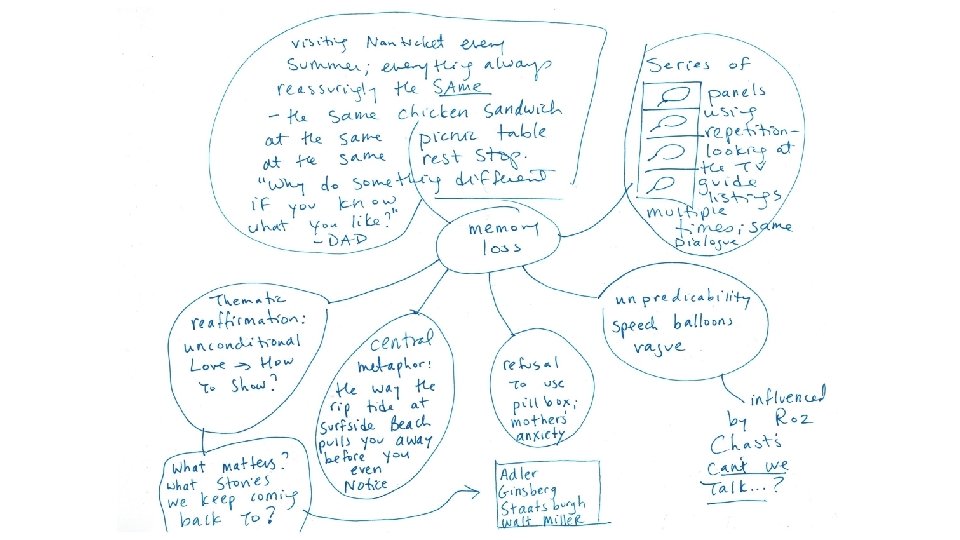
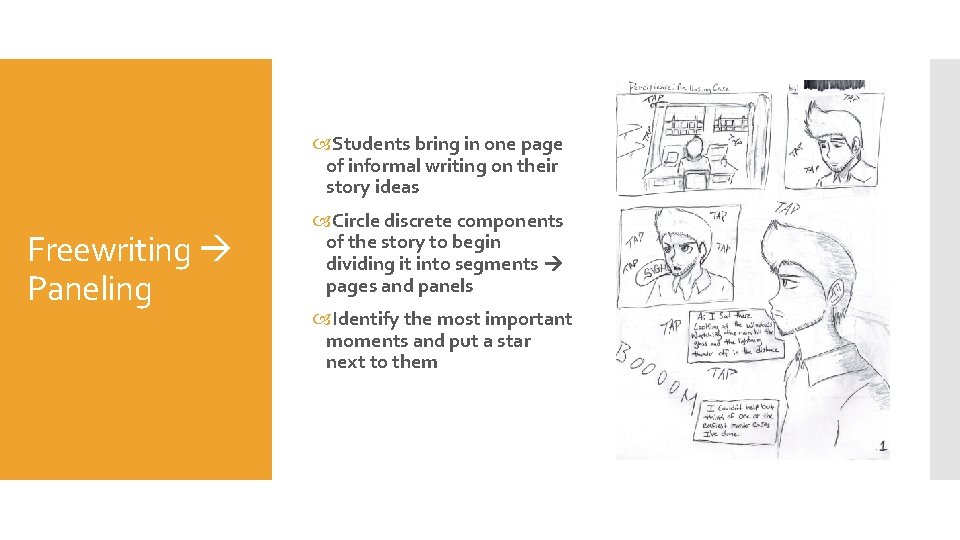
Students bring in one page of informal writing on their story ideas Freewriting Paneling Circle discrete components of the story to begin dividing it into segments pages and panels Identify the most important moments and put a star next to them
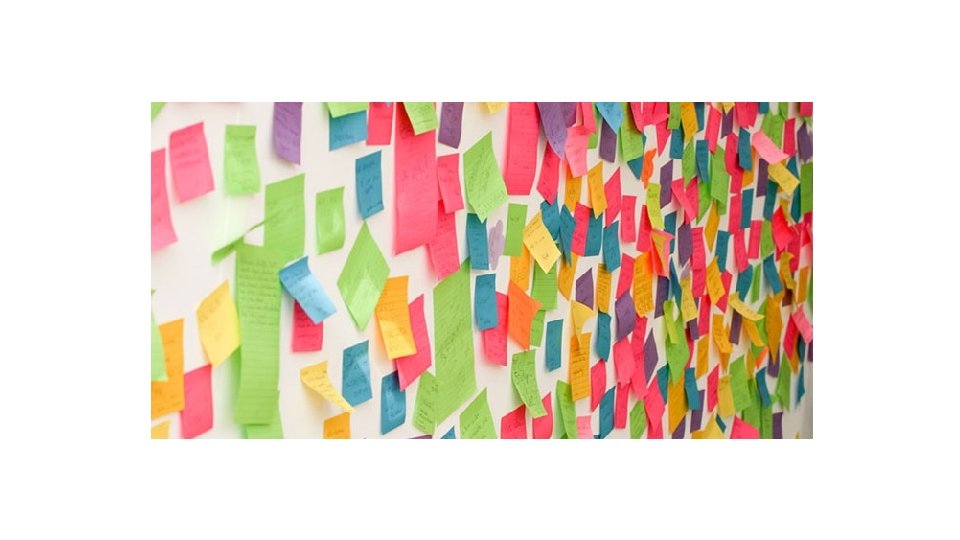
Storyboarding in the classroom: students sketch out their storyboards on big pieces of paper that I provide, and then do “show and tell” in small groups
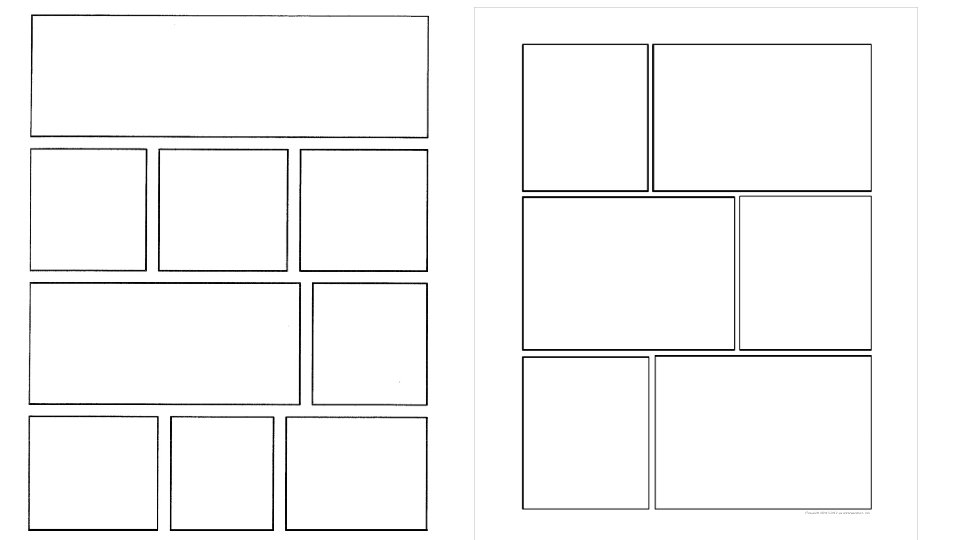
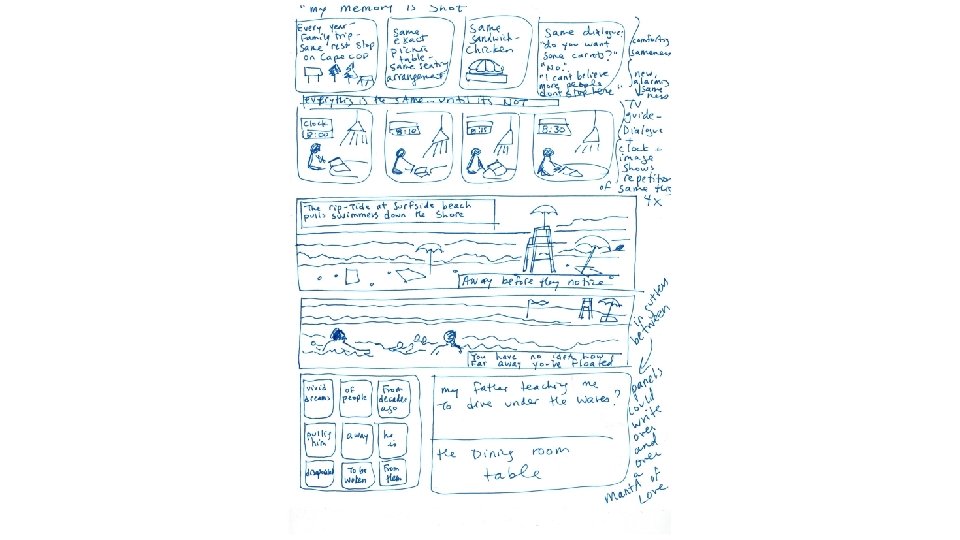
A title Students can decide how they want all of the required elements to fit into their storyboard: Panels of different sizes Bordered panels and open panels Text elements: Speech balloons Captions Thought balloons Sound effects At least one panel with no text At least one close-up image of a face, figure, or object Purposeful use of black and white and/or color
But what does storyboarding a comic book have to do with writing, really? Trying out ideas in a playful way Breaking down a complex idea into smaller steps Thinking about the relationship of a whole and its parts Thinking about a journey from beginning to middle to end Deciding on what deserves the greatest emphasis and hierarchizing information
- Slides: 20