
Using Social Media Part One Introduction to Social
- Slides: 52
Using Social Media Part One: Introduction to Social Media A CIL-NET Teleconference/Webinar Presented by Michele Martin and Carol Voss Wednesday, January 13, 2010 3: 00 -4: 40 p. m. EST
Using Social Media Part One: Introduction to Social Media A CIL-NET Teleconference/Webinar Presented by Michele Martin and Carol Voss Wednesday, January 13, 2010 3: 00 -4: 40 p. m. EST
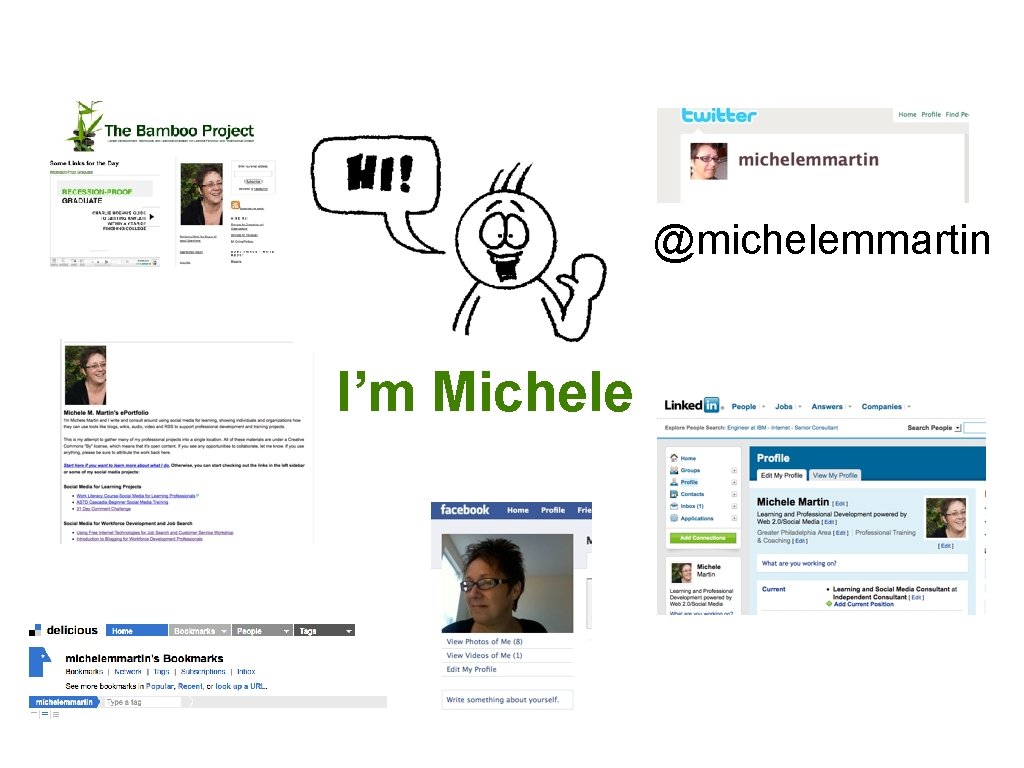
@michelemmartin I’m Michele
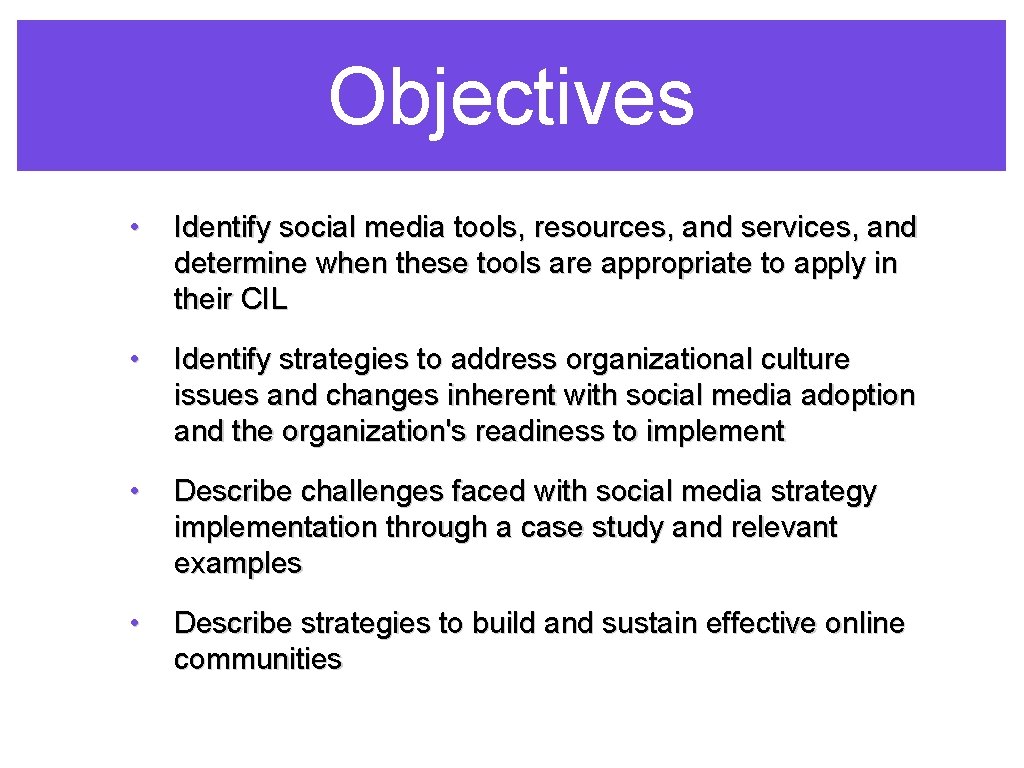
Objectives • Identify social media tools, resources, and services, and determine when these tools are appropriate to apply in their CIL • Identify strategies to address organizational culture issues and changes inherent with social media adoption and the organization's readiness to implement • Describe challenges faced with social media strategy implementation through a case study and relevant examples • Describe strategies to build and sustain effective online communities
We want questions!
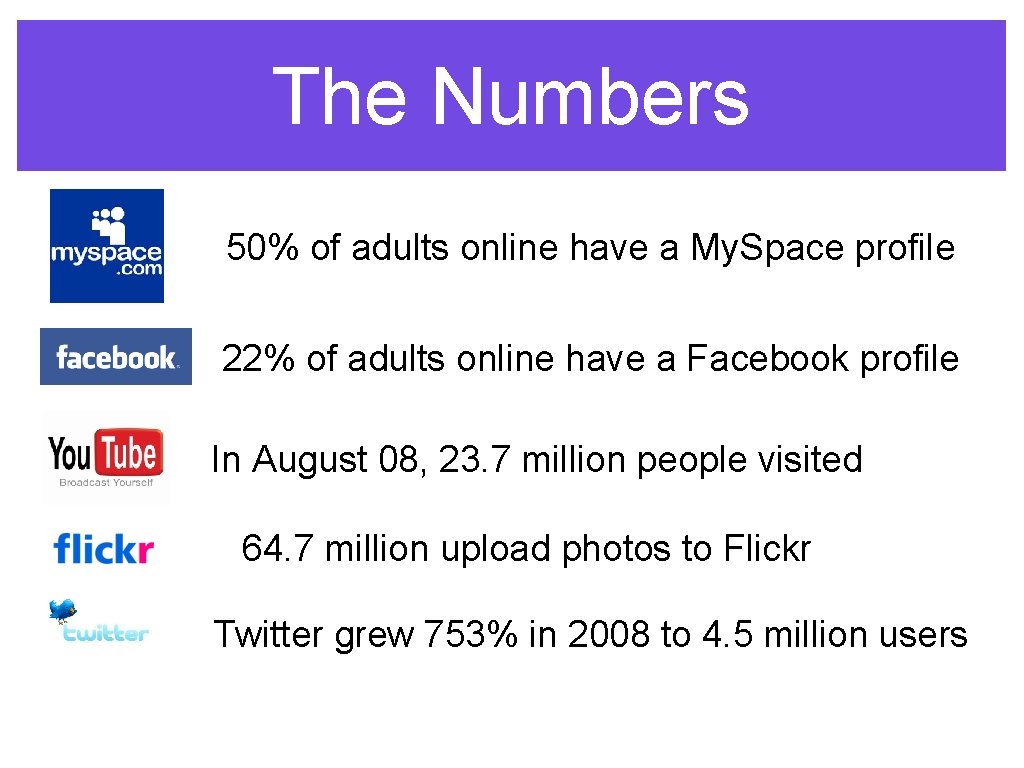
The Numbers 50% of adults online have a My. Space profile 22% of adults online have a Facebook profile In August 08, 23. 7 million people visited 64. 7 million upload photos to Flickr Twitter grew 753% in 2008 to 4. 5 million users
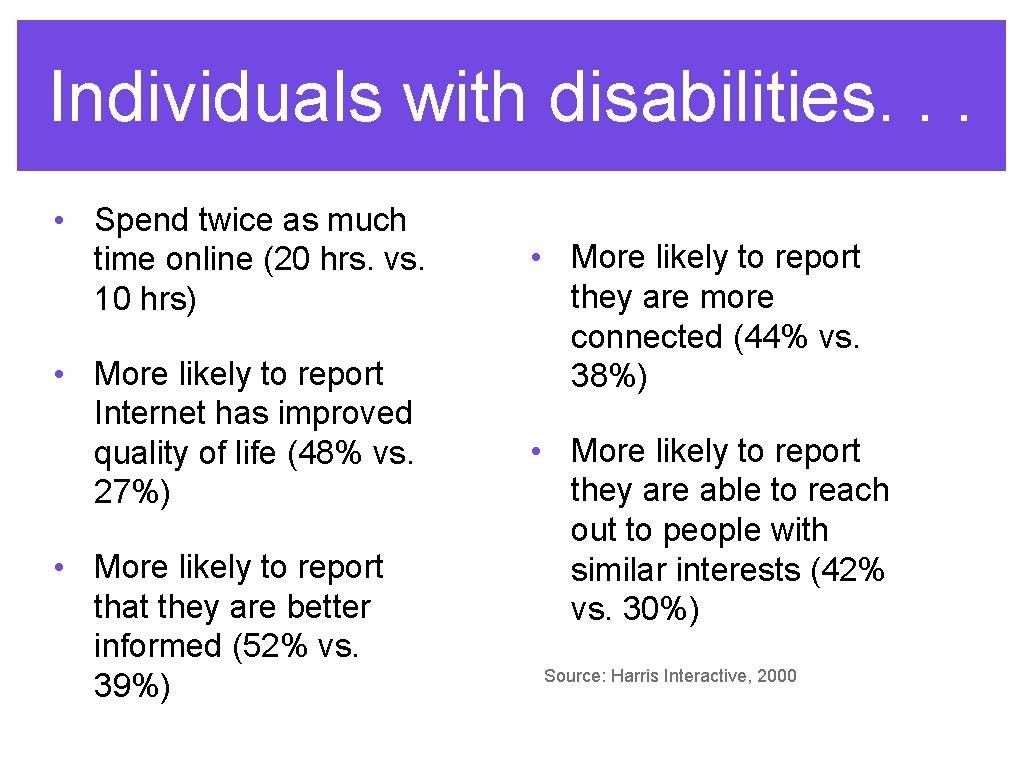
Individuals with disabilities. . . • Spend twice as much time online (20 hrs. vs. 10 hrs) • More likely to report Internet has improved quality of life (48% vs. 27%) • More likely to report that they are better informed (52% vs. 39%) • More likely to report they are more connected (44% vs. 38%) • More likely to report they are able to reach out to people with similar interests (42% vs. 30%) Source: Harris Interactive, 2000
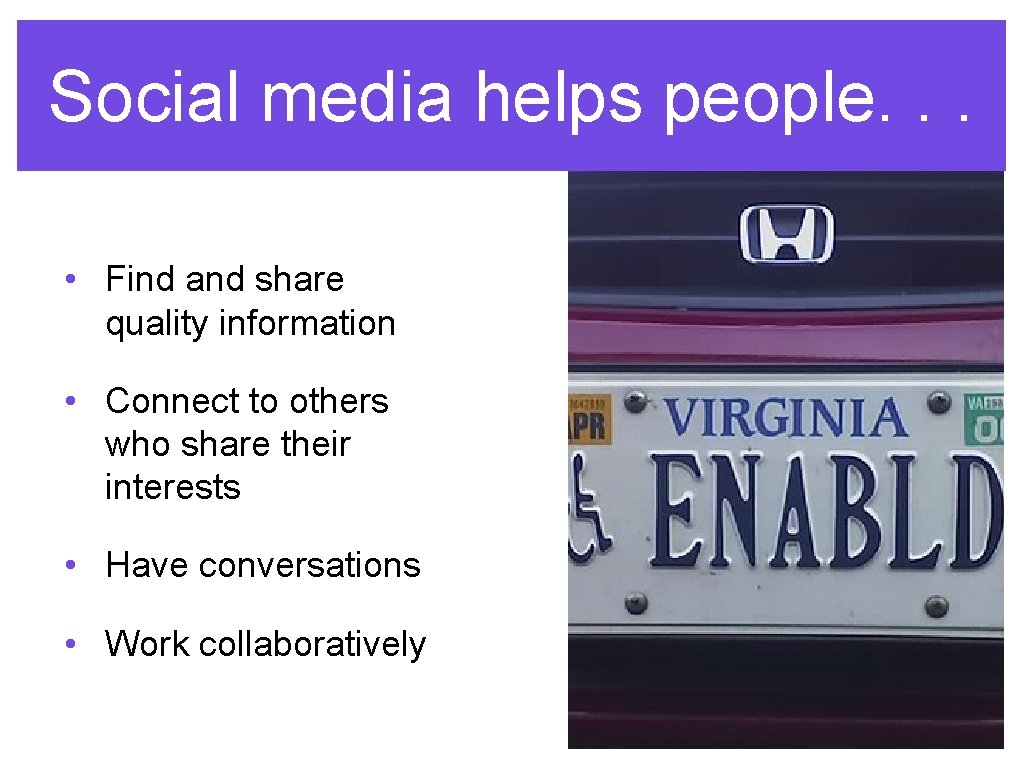
Social media helps people. . . • Find and share quality information • Connect to others who share their interests • Have conversations • Work collaboratively
Social media helps organizations. . . • Listen • Build community • Participate in online conversations • Raise money • Tell their stories • Provide inexpensive professional development • Create awareness
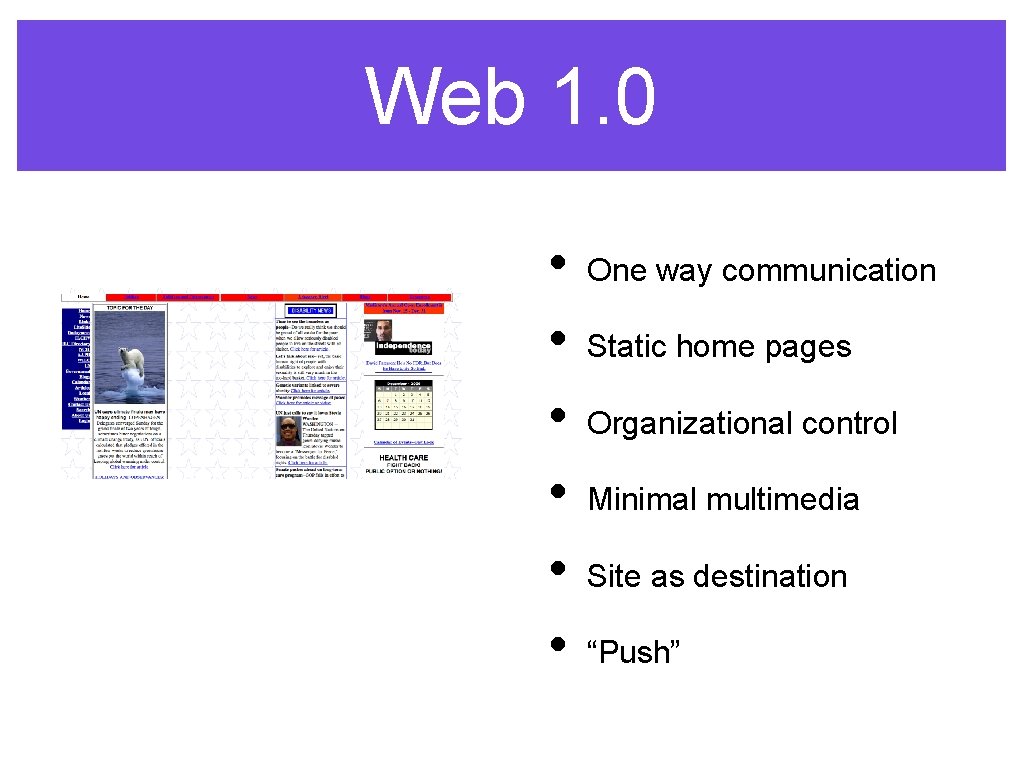
Web 1. 0 • • • One way communication Static home pages Organizational control Minimal multimedia Site as destination “Push”
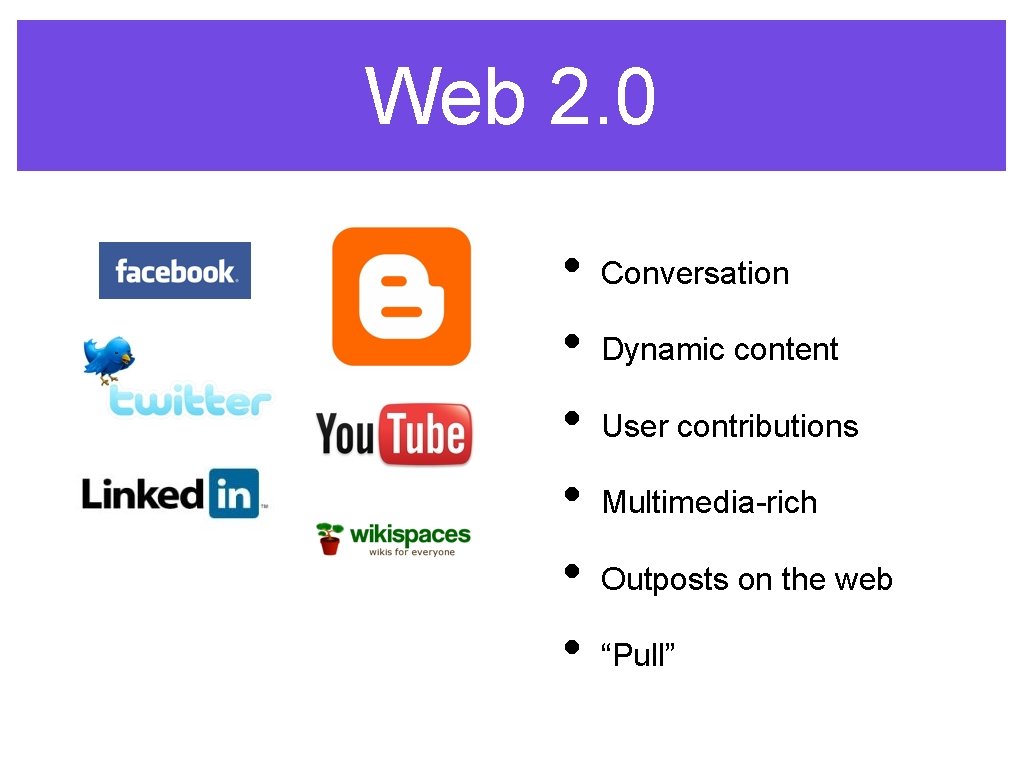
Web 2. 0 • • • Conversation Dynamic content User contributions Multimedia-rich Outposts on the web “Pull”
Social Media is NOT. . .
Social Media is. . . Conversations
And. . . Sharing ideas & information
And. . . Working collaboratively
And. . . Having a voice
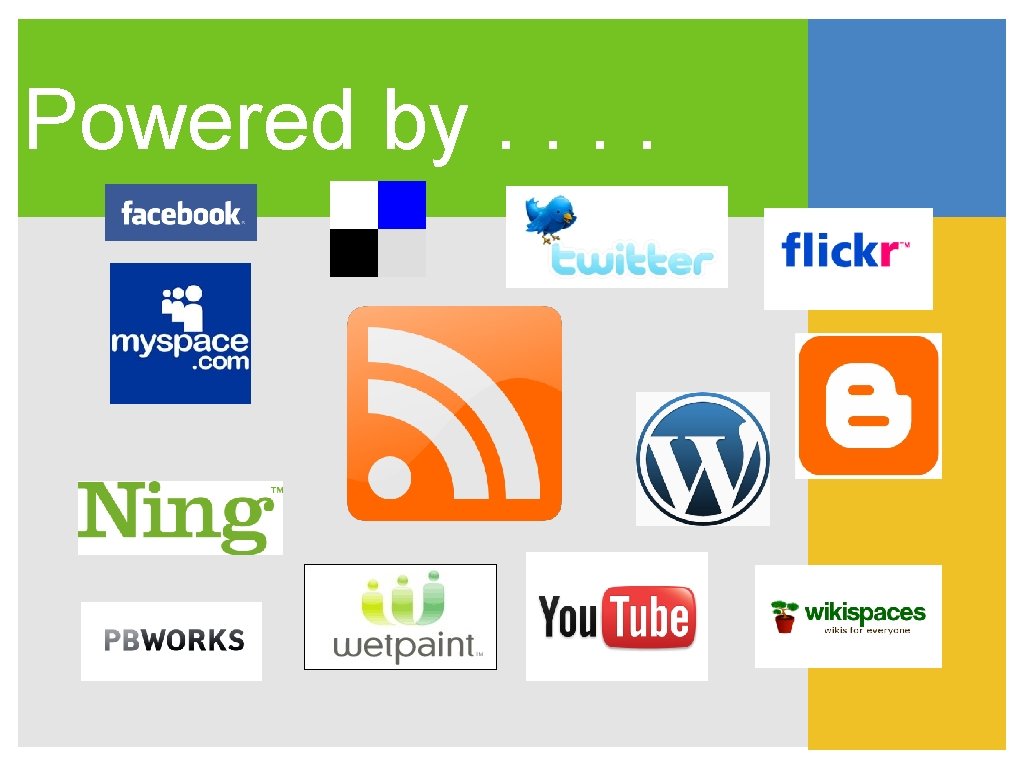
Powered by. .
What questions do you have?
How is Social Media Being Used?
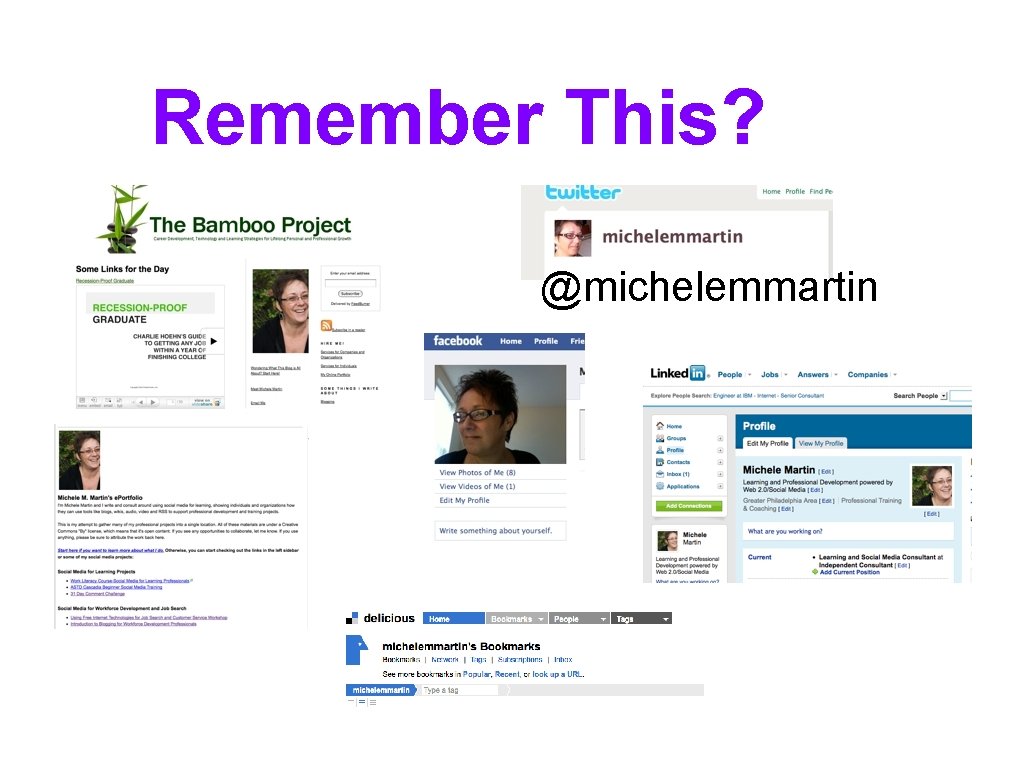
Remember This? @michelemmartin
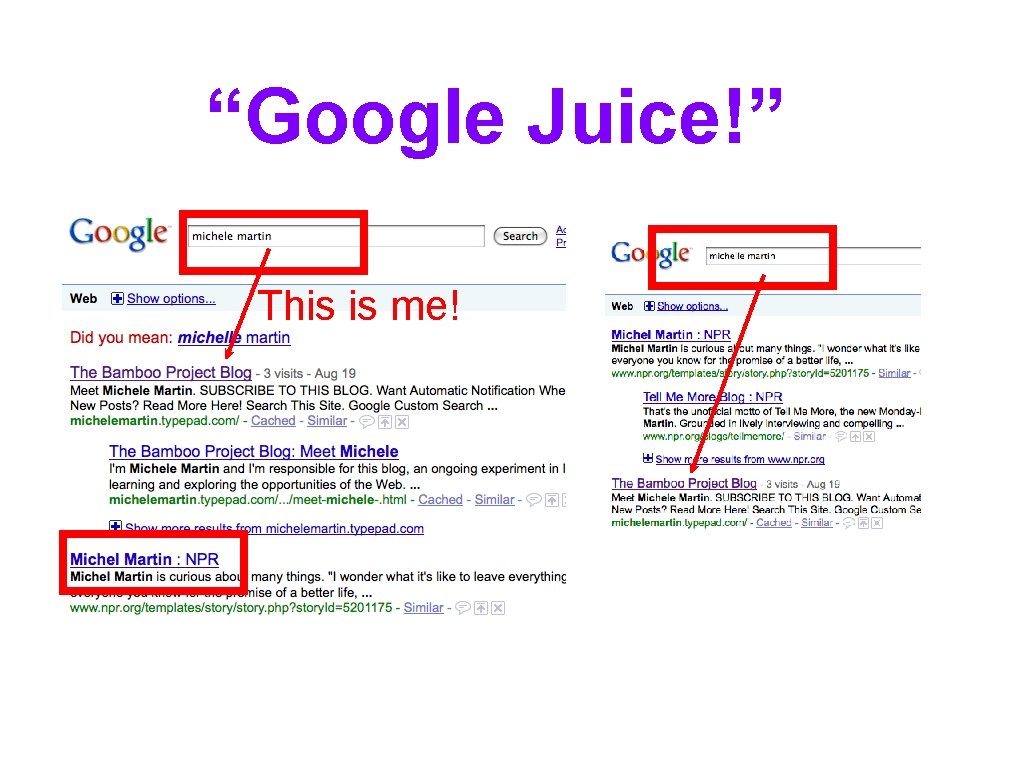
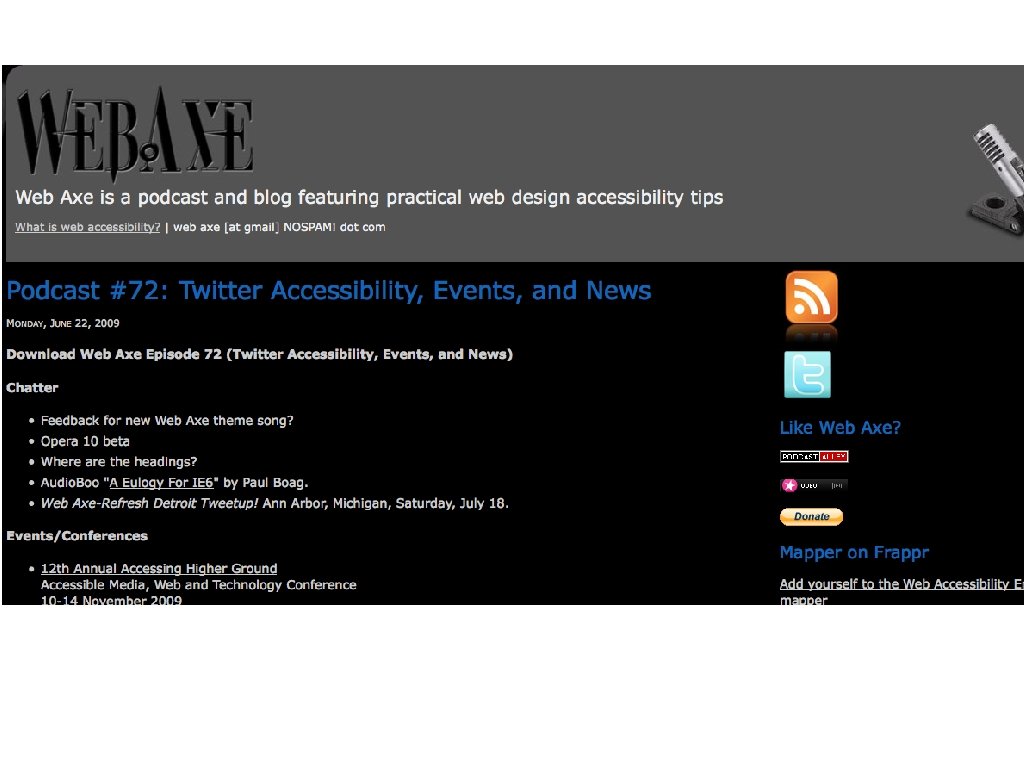
“Google Juice!” This is me!
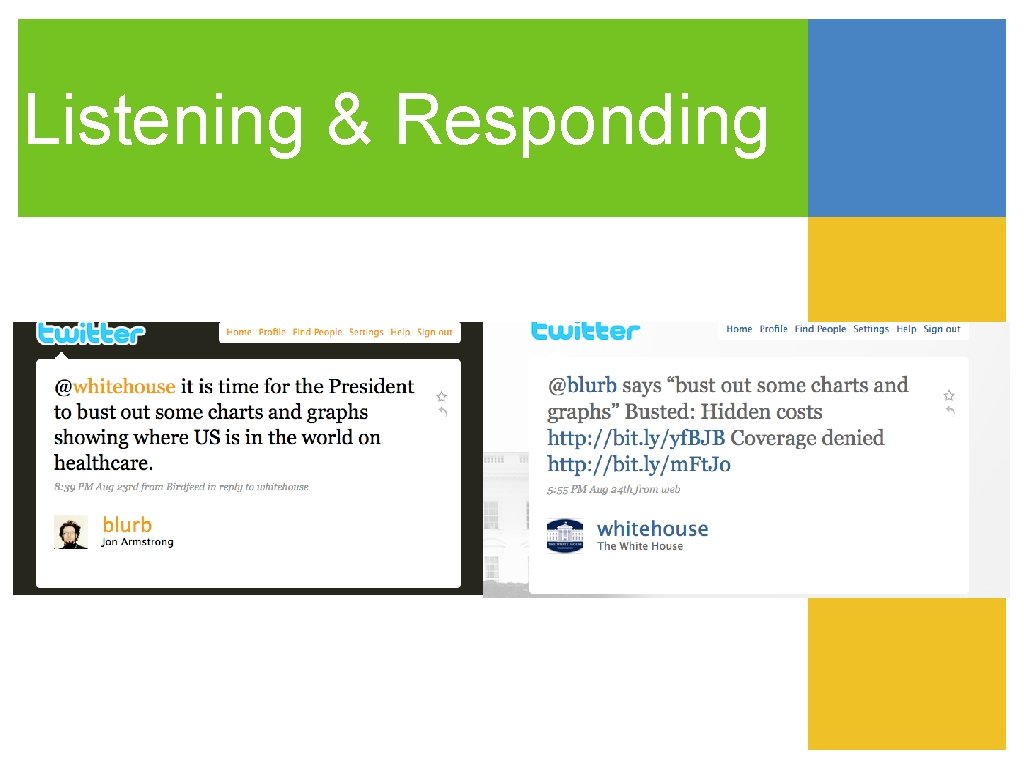
Listening & Responding
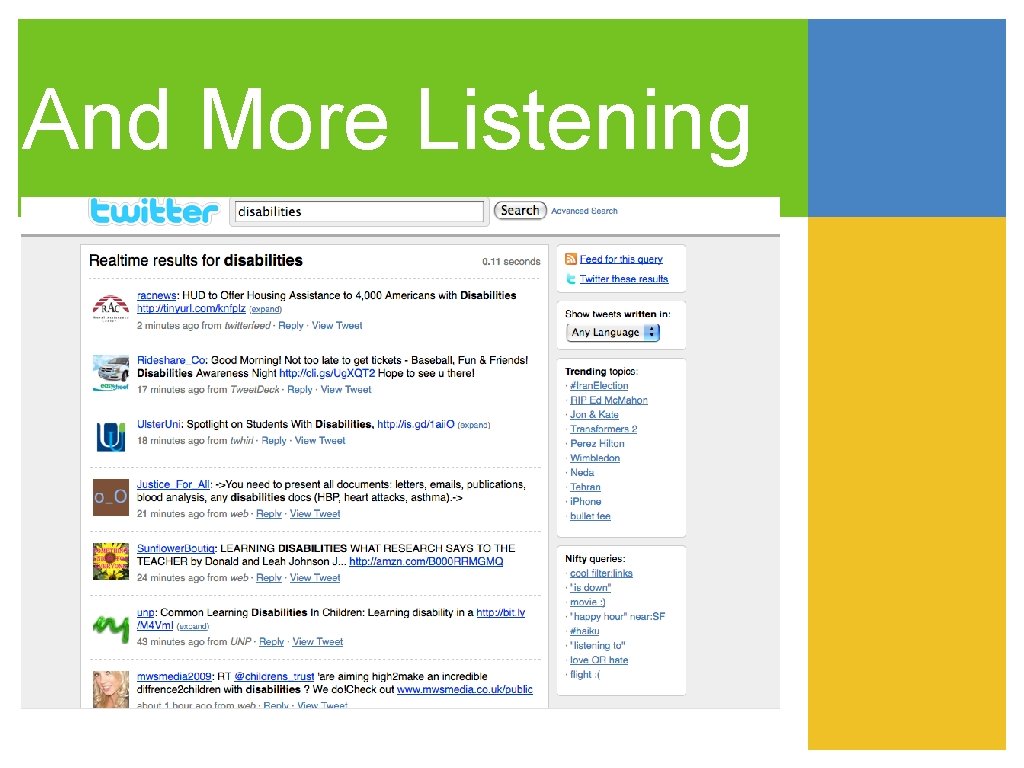
And More Listening
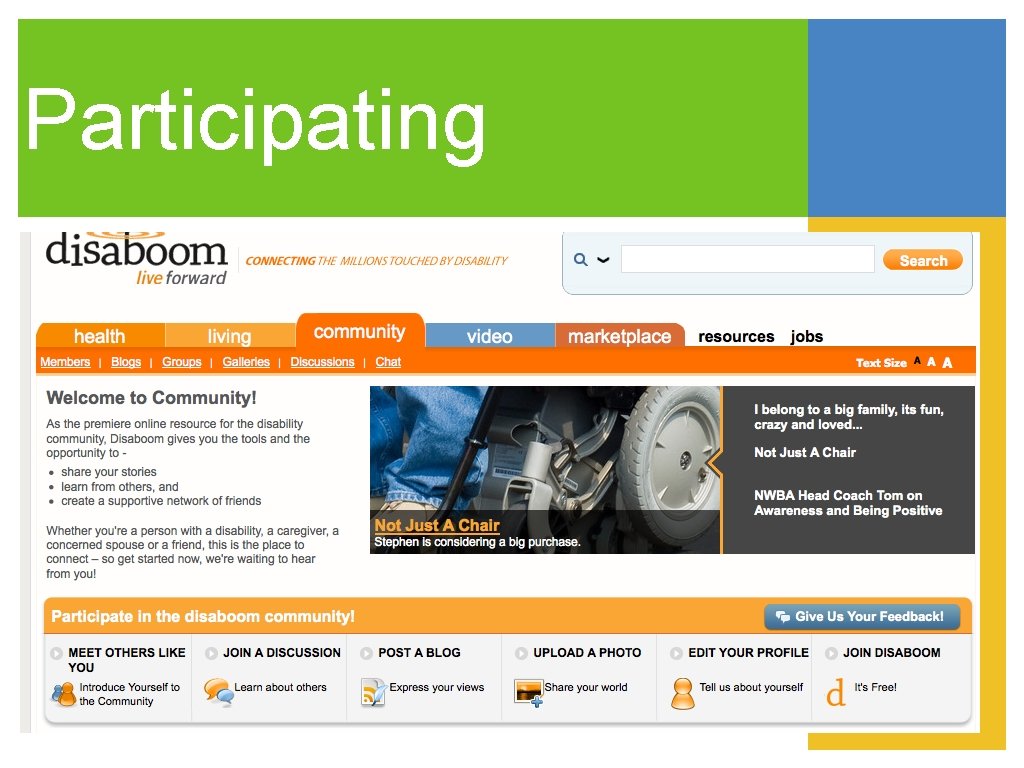
Participating
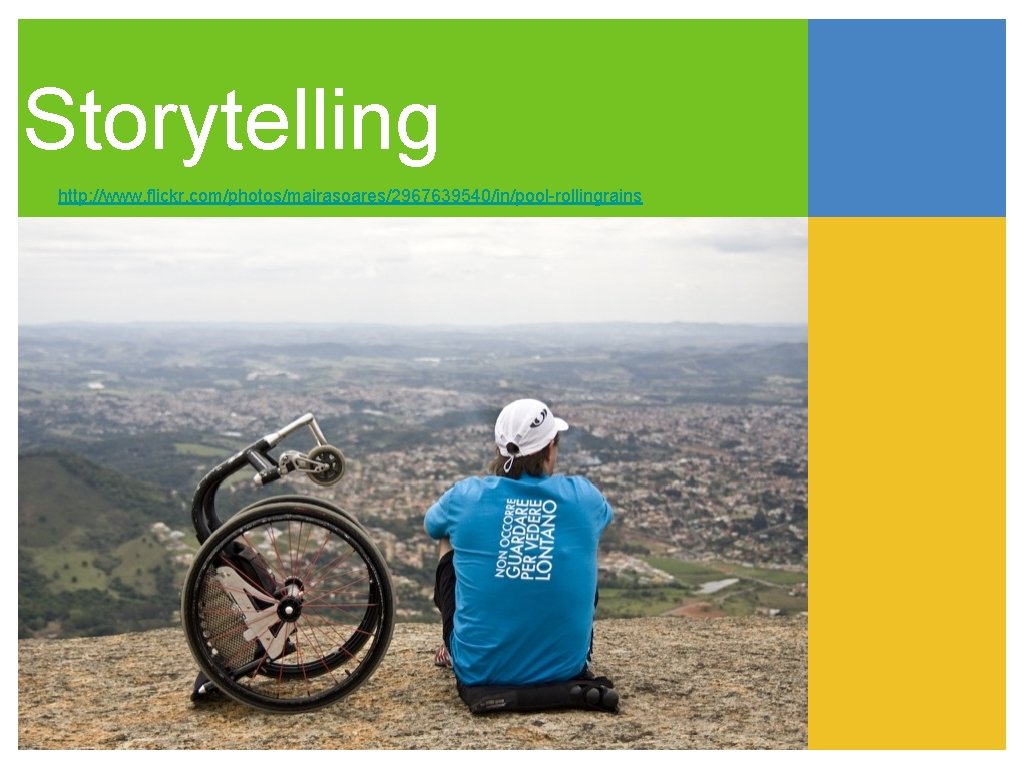
Storytelling http: //www. flickr. com/photos/mairasoares/2967639540/in/pool-rollingrains
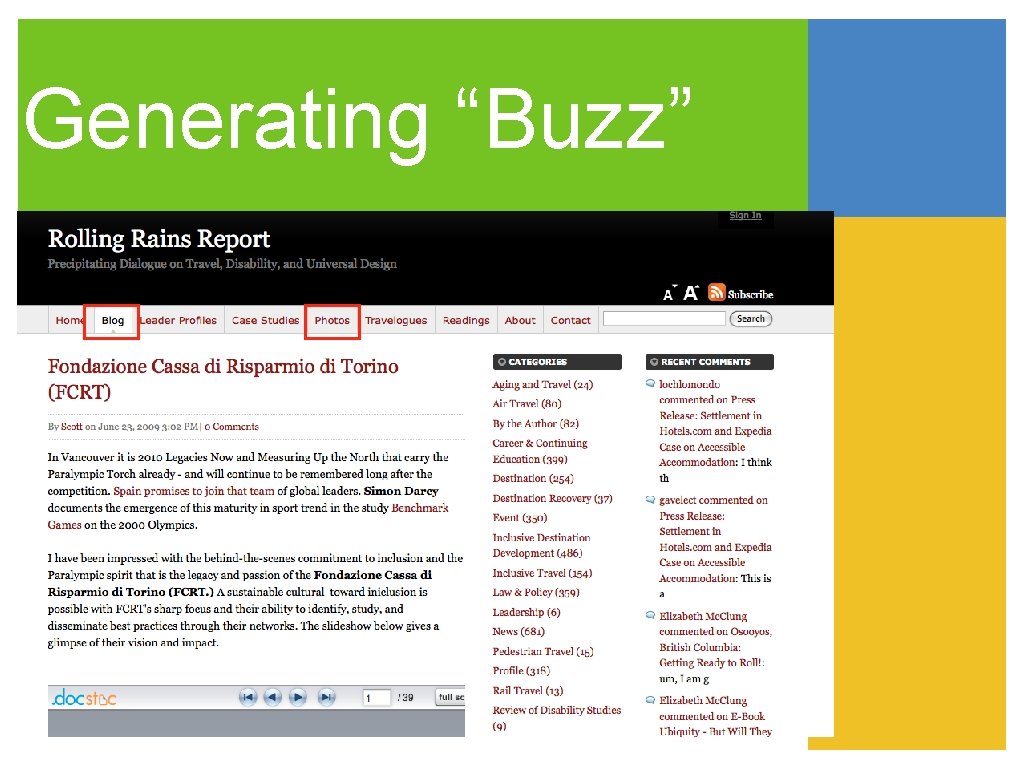
Generating “Buzz”
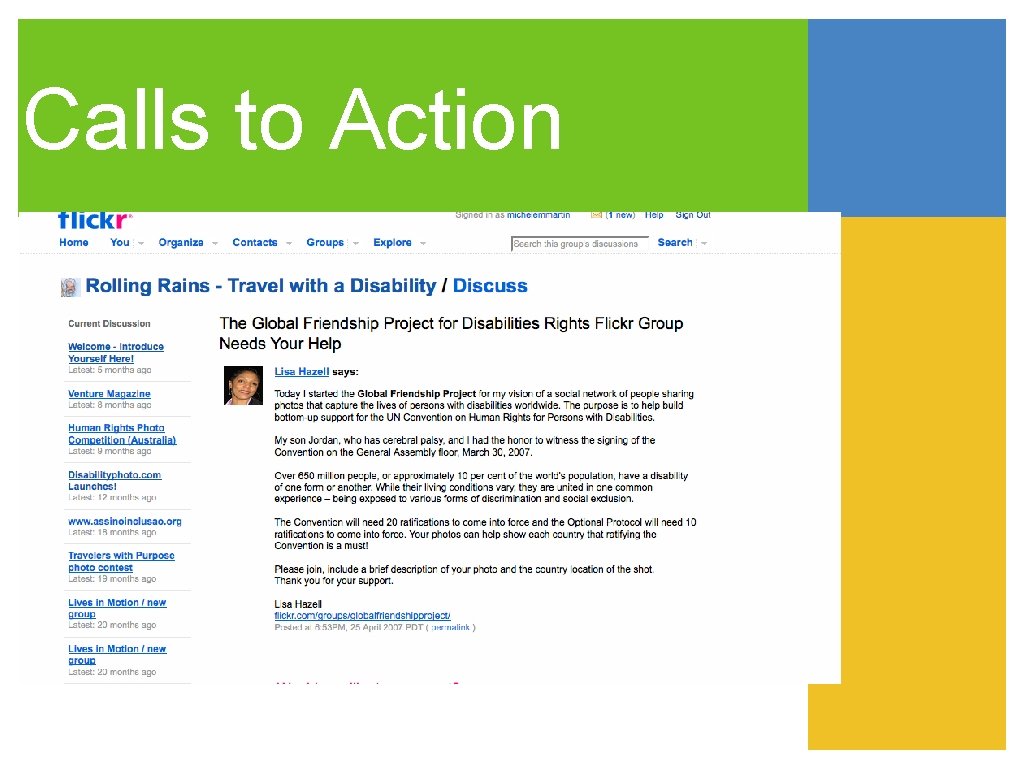
Calls to Action
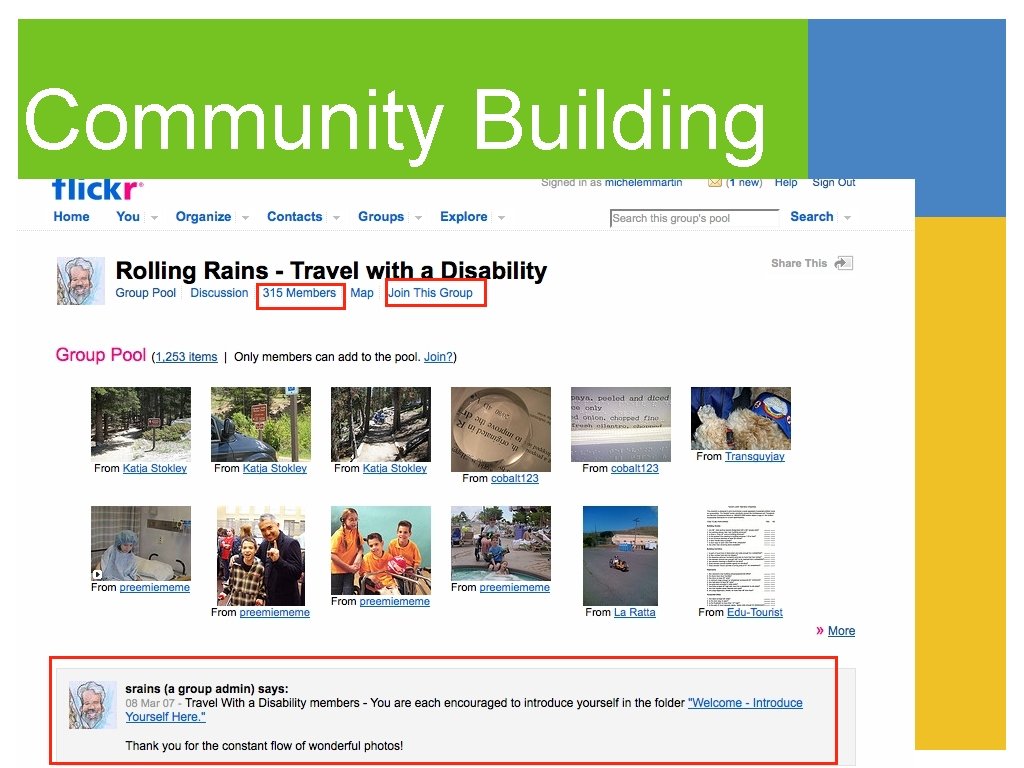
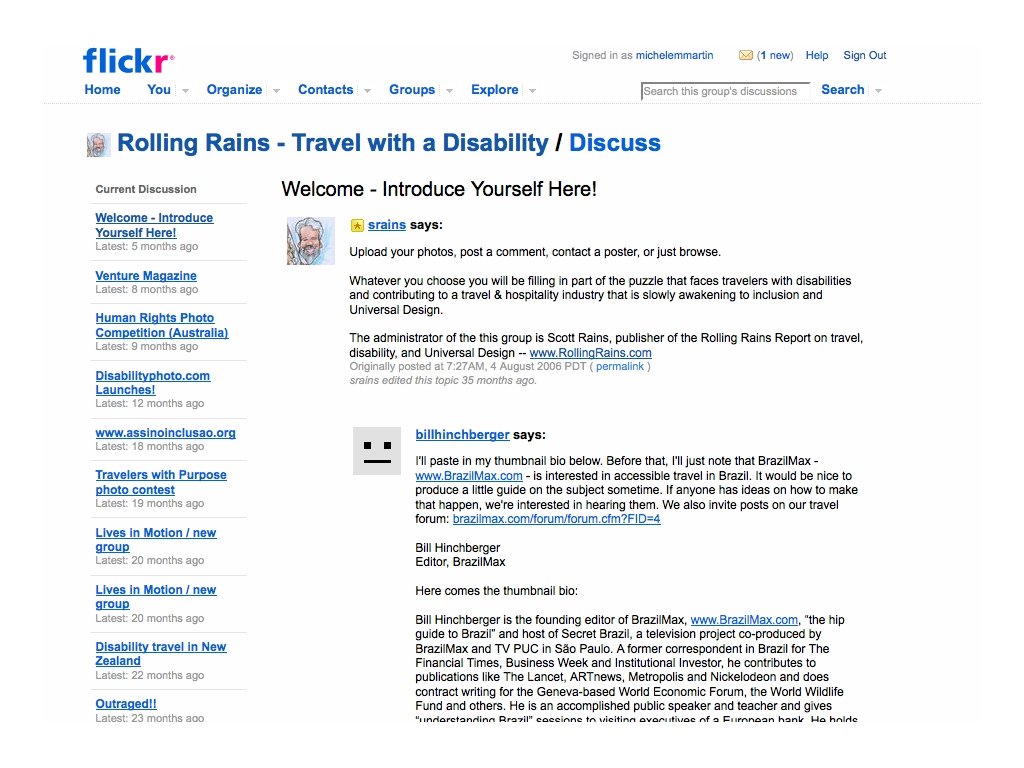
Community Building
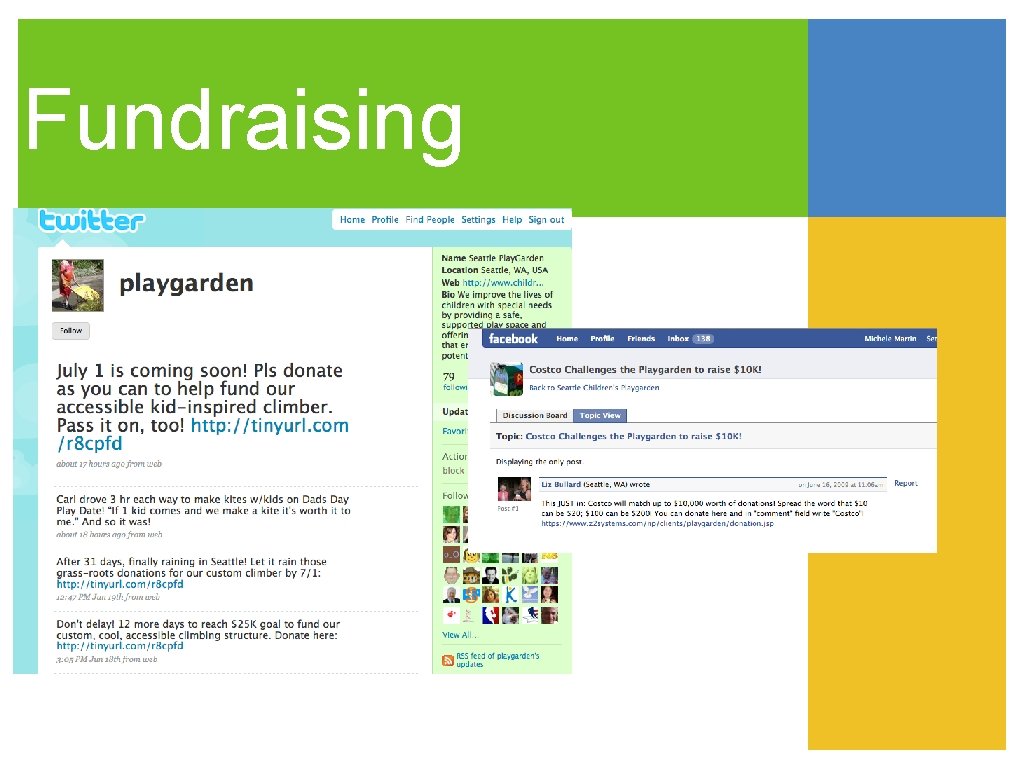
Fundraising
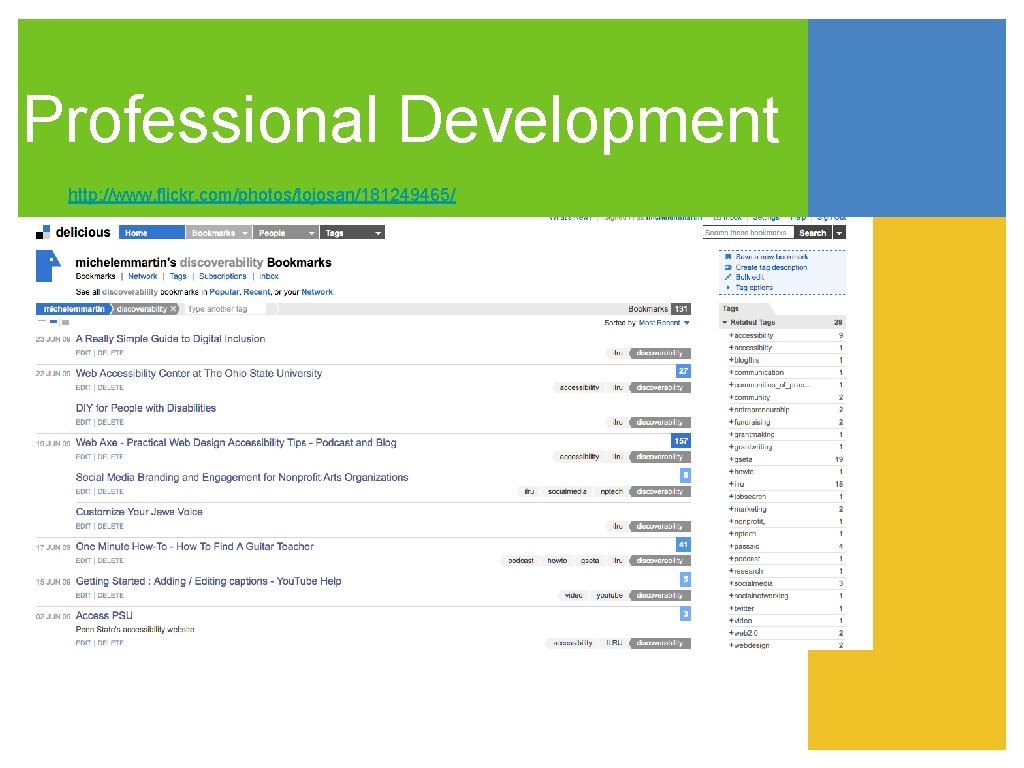
Professional Development http: //www. flickr. com/photos/tojosan/181249465/
Questions?
What are the “Rules? ”
Social Media is NOT. . . Broadcasting
Social Media IS. . . Conversation
Social Media is NOT. . . Your Power
Social Media is. . . http: //www. flickr. com/photos/lincolnblues/1443915052/ Collaboration
Social Media is Not. . . http: //www. flickr. com/photos/rtarga/223776150/ Control
Social Media Is. . . Messy
Social Media is Not. . . “Walled gardens”
Social Media Is. . . Transparency
Social Media is Not. . . Formal
Social Media Is. . . Informal
How could YOU be using social media?
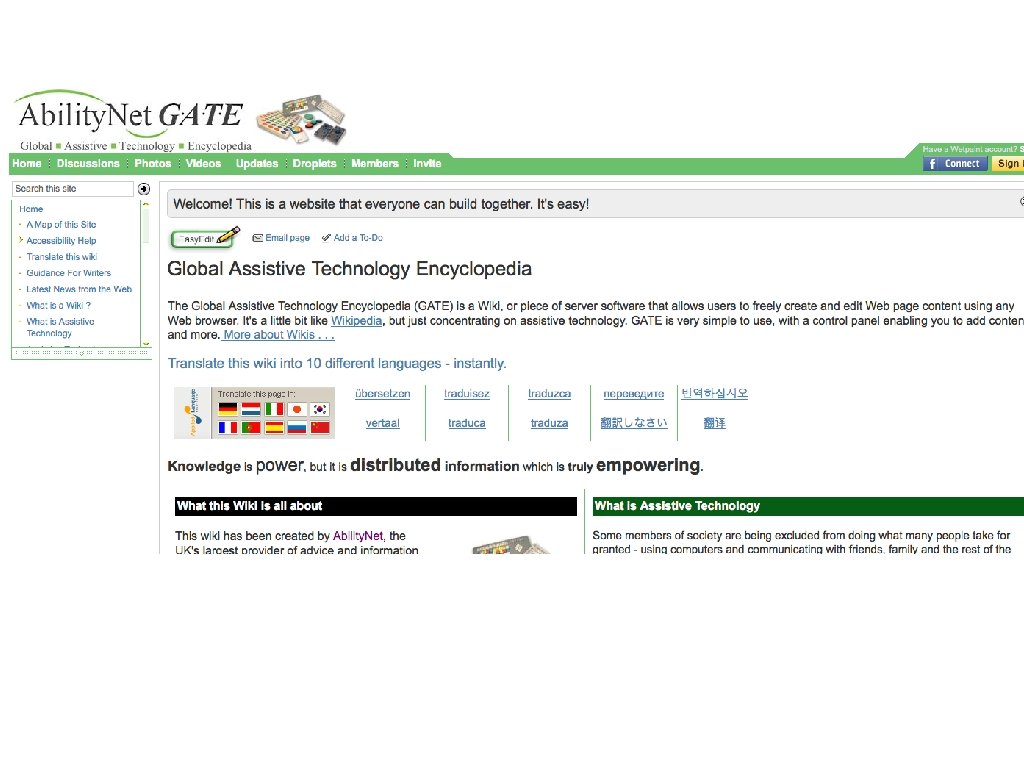
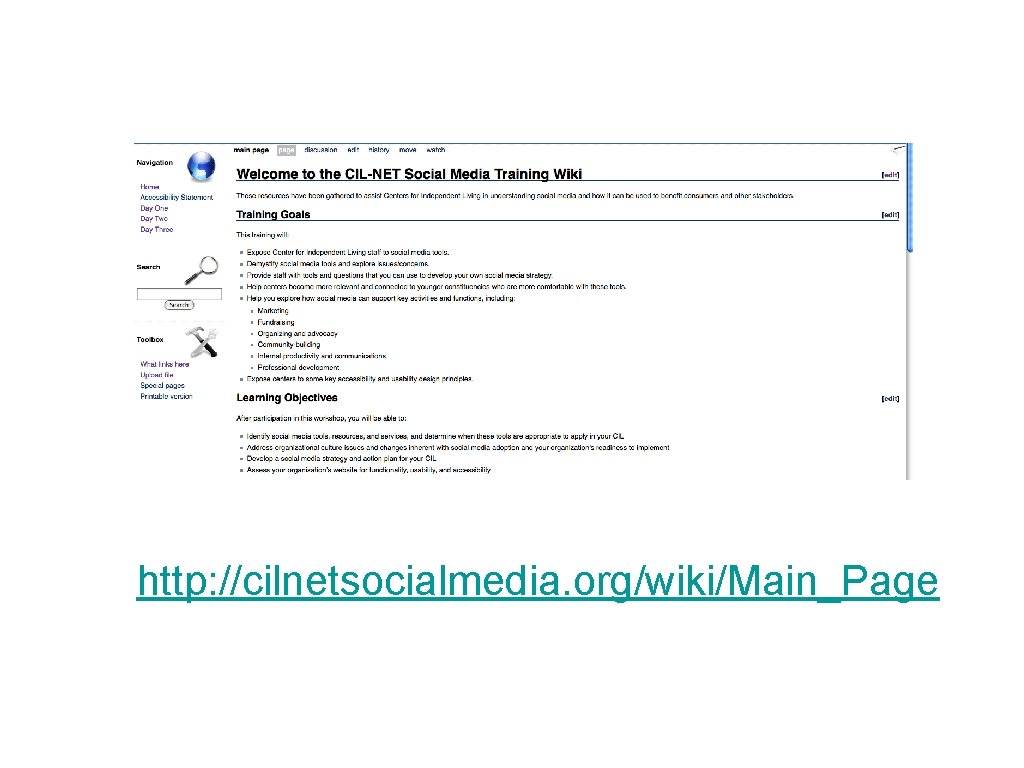
http: //cilnetsocialmedia. org/wiki/Main_Page
What’s Next? • Explore the wiki • Attend webinar on January 20, 2010. • Experiment!
Wrap Up and Evaluation Please complete an evaluation of today’s program at: https: //vovici. com/wsb. dll/s/12291 g 41 dfb
Sources • We. Are. Media. org: The Social Media Starter Kit for Nonprofits • http: //www. wearemedia. org/ • Social Media for Nonprofits by Primal Media • http: //www. slideshare. net/Primal. Media/social -media-non-profits
• Support for development of this Webinar/teleconference was provided by the U. S. Department of Education, Rehabilitation Services Administration under grant number H 132 B 070002 -09. No official endorsement of the Department of Education should be inferred. The content of this webinar is licensed under a Creative Commons Attribution-Non-Commercial-Share-Alike Unported license. Permission is granted for duplication of any portion of this Power. Point presentation, providing that the following credit is given to the We. Are. Media Project, Michele Martin and CIL-NET project: Presented as part of the CIL-NET, a program of the IL NET, an ILRU/NCIL/APRIL National Training and Technical Assistance Project. Material in this presentation created by Michele Martin, adapted from work created by the We. Are. Media Project (www. wearemedia. org/)