
USING HIGHFIDELITY HUMAN SIMULATORS TO TEACH GUIDELINES FOR
- Slides: 14
USING HIGH-FIDELITY HUMAN SIMULATORS TO TEACH GUIDELINES FOR THE USE OF AMIODARONE IN ADVANCED LIFE SUPPORT IN SILICO – A PILOT STUDY MAXIMILIAN KROLL, SOPHIE ROBERTSON, IAN MORRISON, JERRY MORSE & DEREK SCOTT
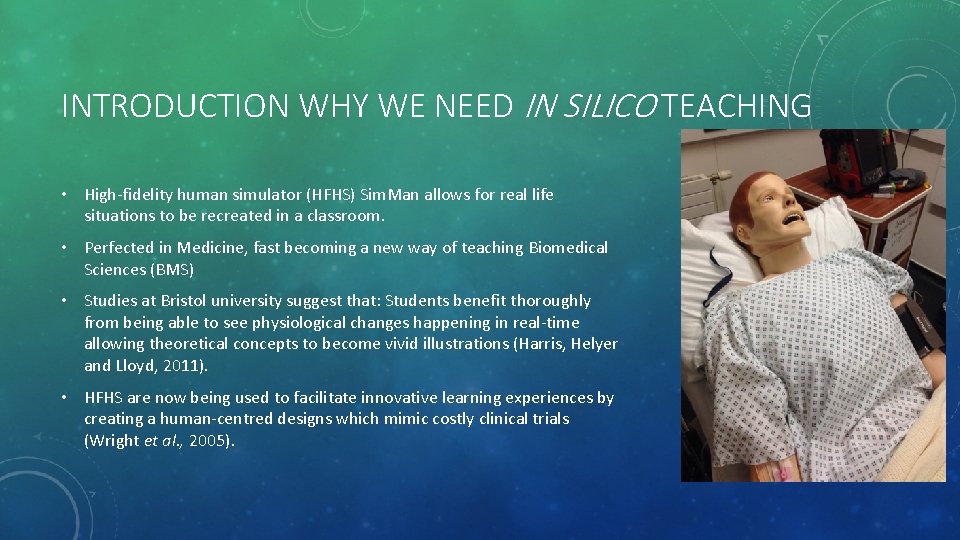
INTRODUCTION WHY WE NEED IN SILICO TEACHING • High-fidelity human simulator (HFHS) Sim. Man allows for real life situations to be recreated in a classroom. • Perfected in Medicine, fast becoming a new way of teaching Biomedical Sciences (BMS) • Studies at Bristol university suggest that: Students benefit thoroughly from being able to see physiological changes happening in real-time allowing theoretical concepts to become vivid illustrations (Harris, Helyer and Lloyd, 2011). • HFHS are now being used to facilitate innovative learning experiences by creating a human-centred designs which mimic costly clinical trials (Wright et al. , 2005).
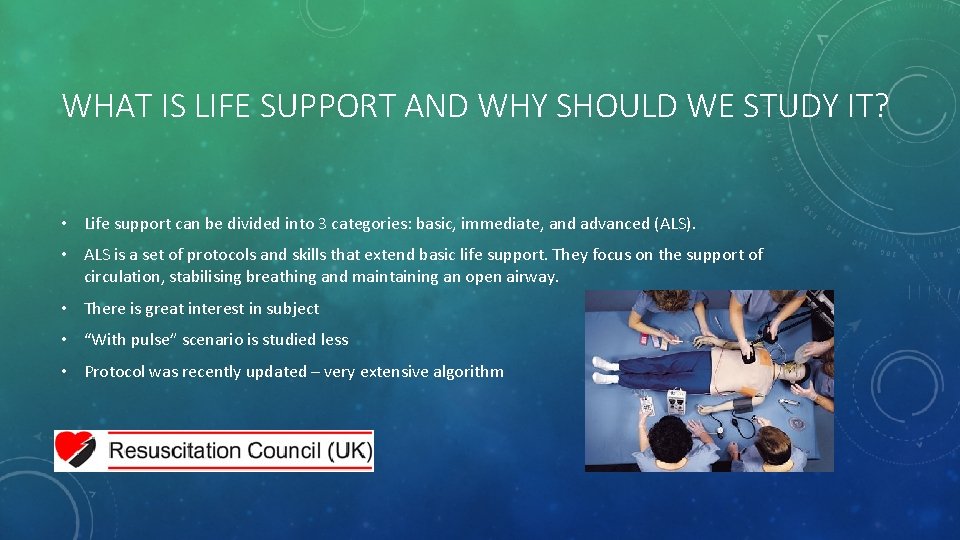
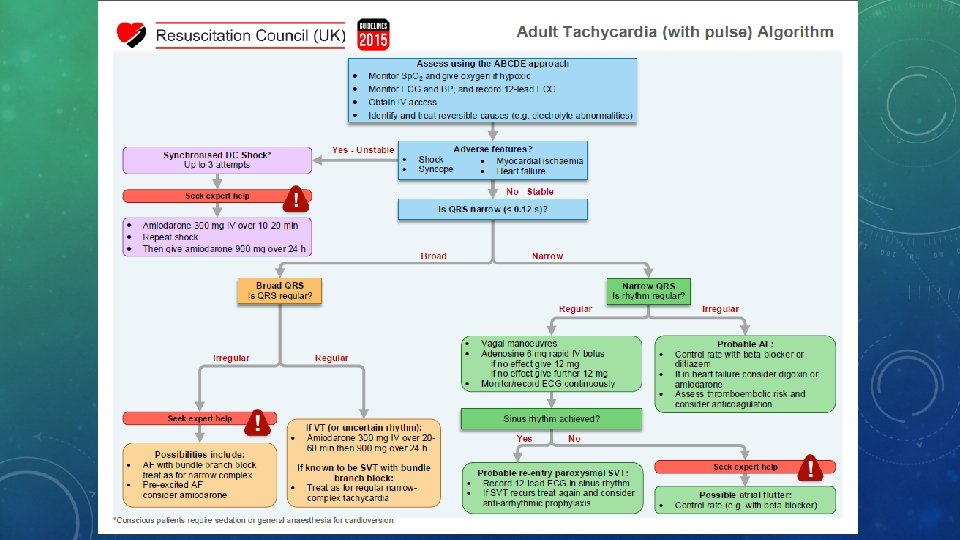
WHAT IS LIFE SUPPORT AND WHY SHOULD WE STUDY IT? • Life support can be divided into 3 categories: basic, immediate, and advanced (ALS). • ALS is a set of protocols and skills that extend basic life support. They focus on the support of circulation, stabilising breathing and maintaining an open airway. • There is great interest in subject • “With pulse” scenario is studied less • Protocol was recently updated – very extensive algorithm
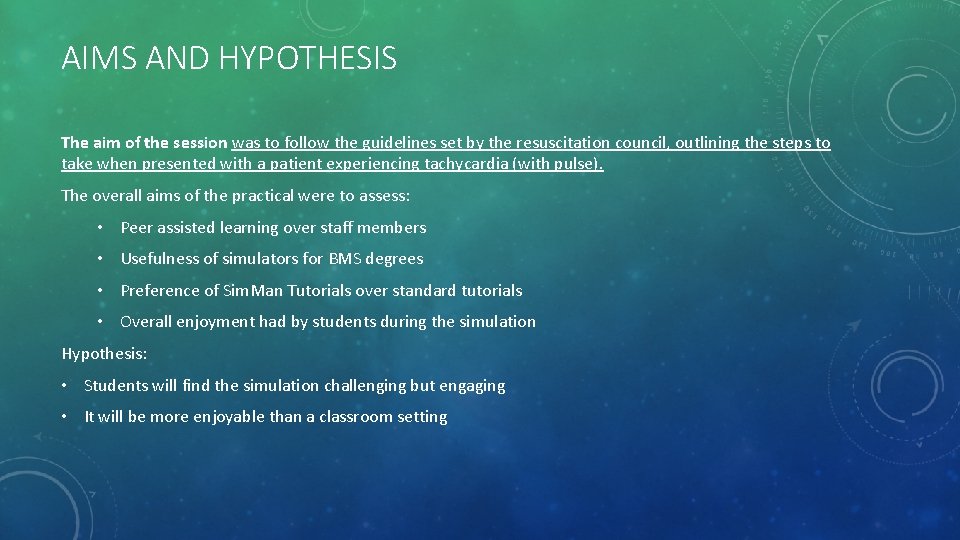
AIMS AND HYPOTHESIS The aim of the session was to follow the guidelines set by the resuscitation council, outlining the steps to take when presented with a patient experiencing tachycardia (with pulse). The overall aims of the practical were to assess: • Peer assisted learning over staff members • Usefulness of simulators for BMS degrees • Preference of Sim. Man Tutorials over standard tutorials • Overall enjoyment had by students during the simulation Hypothesis: • Students will find the simulation challenging but engaging • It will be more enjoyable than a classroom setting
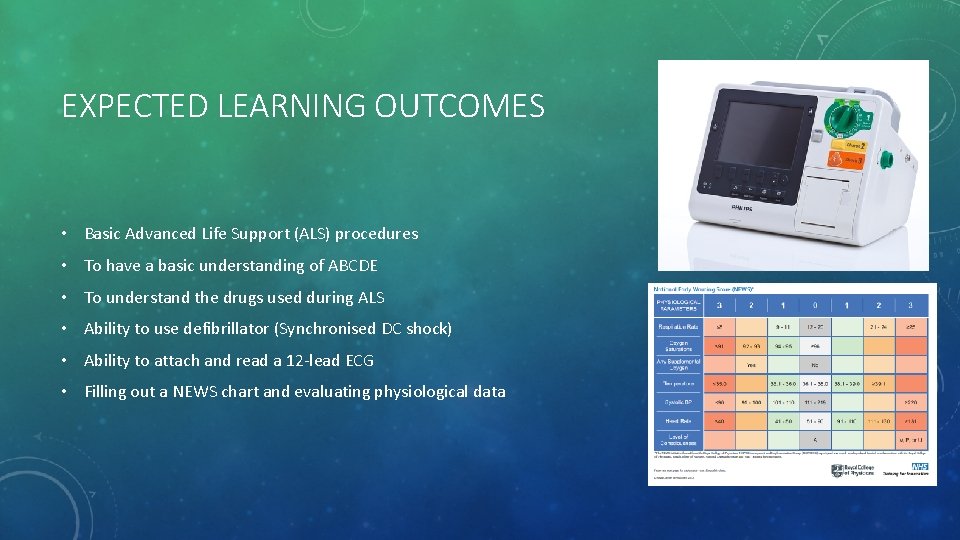
EXPECTED LEARNING OUTCOMES • Basic Advanced Life Support (ALS) procedures • To have a basic understanding of ABCDE • To understand the drugs used during ALS • Ability to use defibrillator (Synchronised DC shock) • Ability to attach and read a 12 -lead ECG • Filling out a NEWS chart and evaluating physiological data
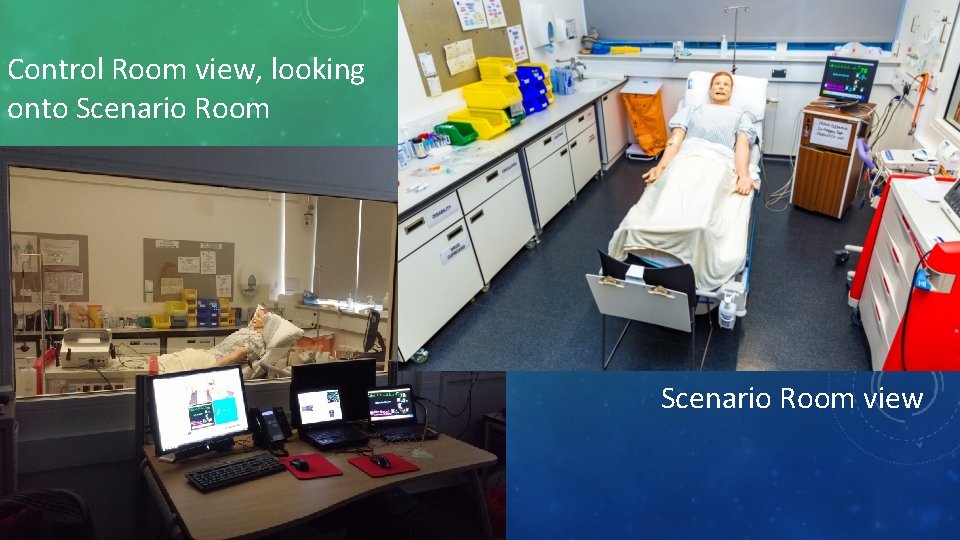
Control Room view, looking onto Scenario Room view
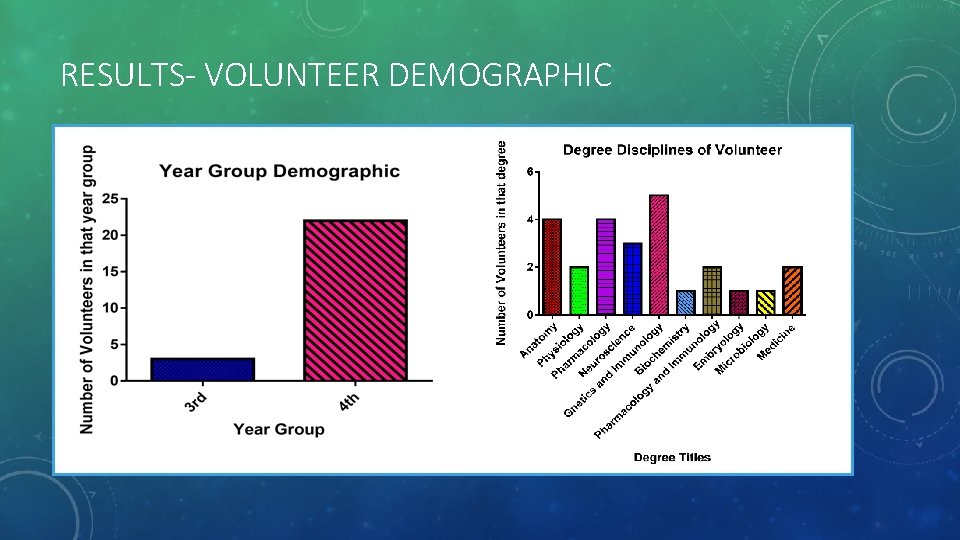
RESULTS- VOLUNTEER DEMOGRAPHIC
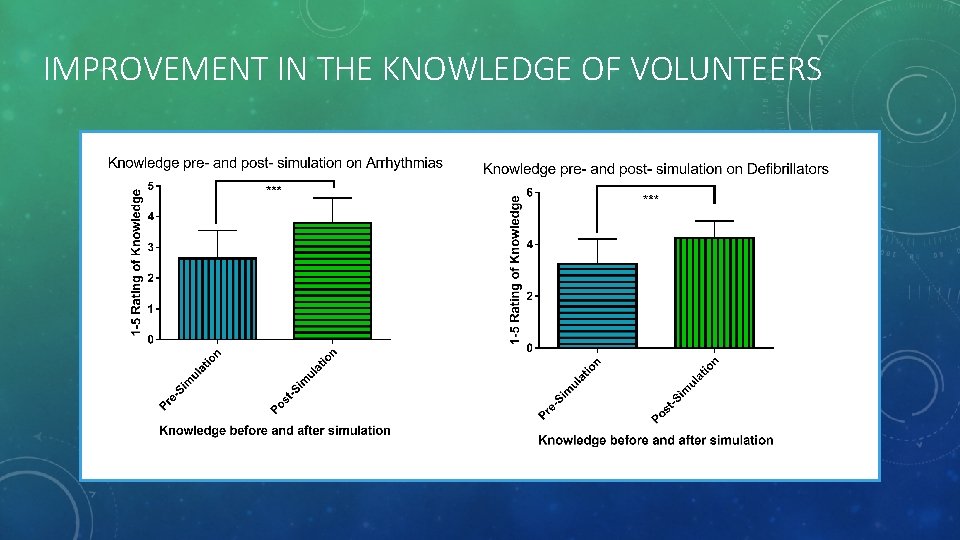
IMPROVEMENT IN THE KNOWLEDGE OF VOLUNTEERS
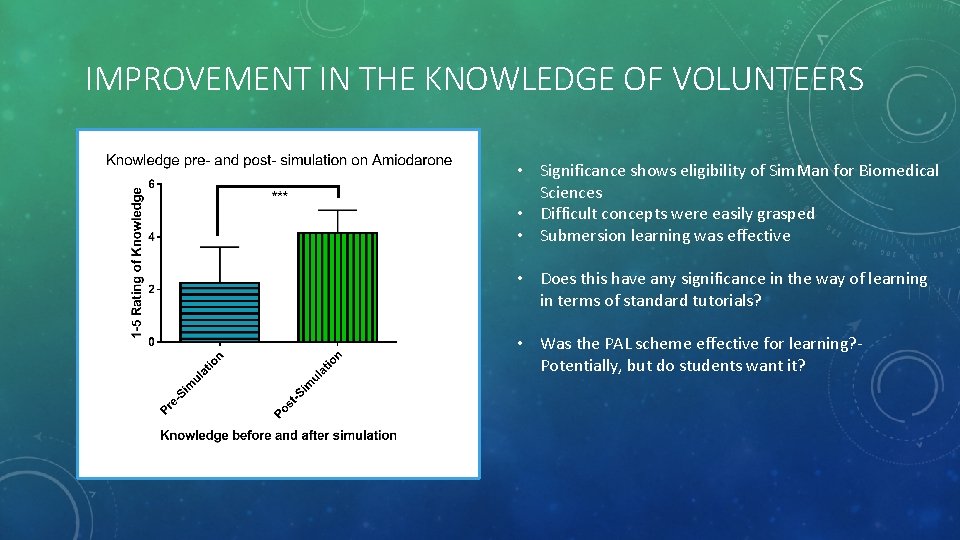
IMPROVEMENT IN THE KNOWLEDGE OF VOLUNTEERS • Significance shows eligibility of Sim. Man for Biomedical Sciences • Difficult concepts were easily grasped • Submersion learning was effective • Does this have any significance in the way of learning in terms of standard tutorials? • Was the PAL scheme effective for learning? Potentially, but do students want it?
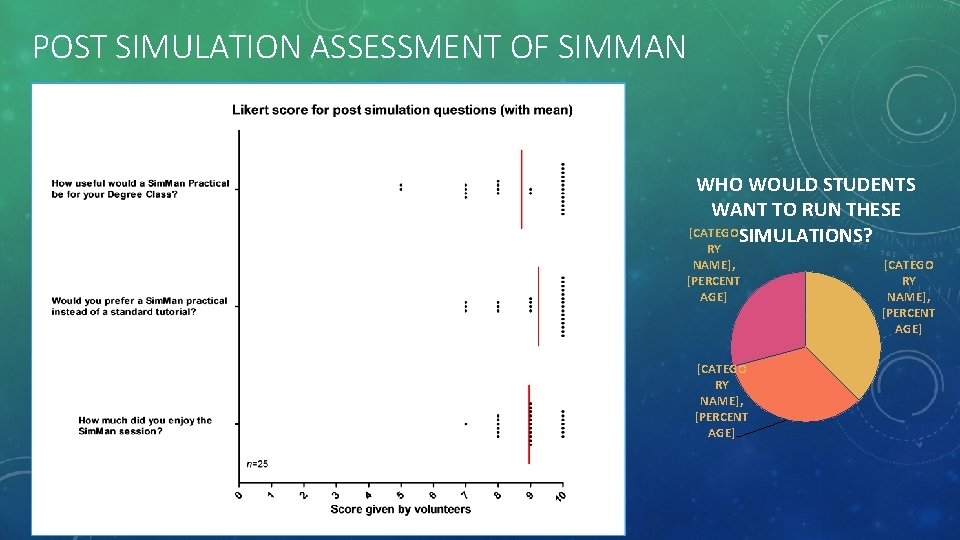
POST SIMULATION ASSESSMENT OF SIMMAN WHO WOULD STUDENTS WANT TO RUN THESE [CATEGOSIMULATIONS? RY NAME], [PERCENT AGE] [CATEGO RY NAME], [PERCENT AGE]
DISCUSSION AND FUTURE EXPERIMENTS • Surprisingly good results when taking into account that almost all of our volunteers had never encountered Sim. Man before. • It takes a long time to program a scenario in the beginning, but is quicker with progressing knowledge and once programmed, you can reuse scenarios again and again. • Relevance and adaption of Sim. Man tutorials for degree classes • Recruiting volunteers via Virtual Learning Environment and word of mouth • How this can be furthered in Uof. A- future in OSPEs for pharmacologists?
CONCLUSION • BMS students were like “ducks to water” with simulation based learning. • Students stated they would choose simulations over paper tutorials for a variety of subjects. • Majority open to the PAL scheme, and welcome the idea! • Met he hypothesis- challenging to begin with, but was fully enjoyed.
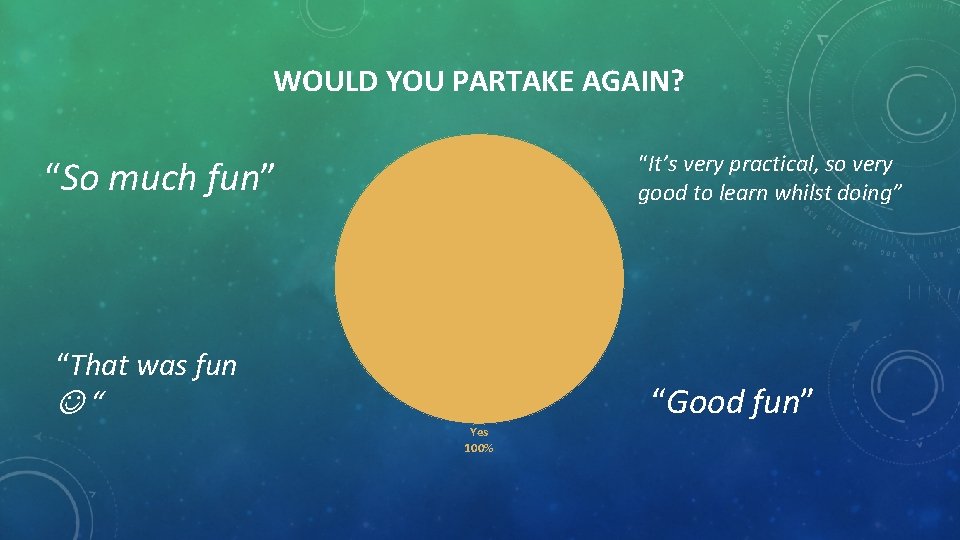
WOULD YOU PARTAKE AGAIN? “It’s very practical, so very good to learn whilst doing” “So much fun” “That was fun “ “Good fun” Yes 100%