
Using Collaboration in Performance Tasks Background Collaboration in
Using Collaboration in Performance Tasks
Background Collaboration in C. S. Principles ● Curriculum Framework ○ Computational Thinking Practice ○ Learning Objectives ● Performance Task
Computational Thinking Practice Students are expected to: ● Collaborate with another student in solving a computational problem; ● Share the workload by providing individual contributions to overall collaborative effort; ● Foster a constructive collaborative climate by resolving conflicts and facilitating the contributions of a partner;
Collaboration in Learning Objectives L. O. 1. 2. 4 Collaborate in the creation of computational artifacts. L. O. 3. 1. 2 Collaborate when processing information to gain insight and knowledge. L. O. 5. 1. 3 Collaborate to develop a program.

Collaboration in Performance Tasks students are required to: ● work in pairs to create artifact & written report ● work individually to create artifact and report ● write individual reflection describing collaborative process
C. S. Benefits of Collaboration ● students learn marketable skills ● challenges negative stereotypes about C. S. ● class appeals to a wider audience ● increases interest in C. S.
Educational Benefits ● Enhanced Learning ● makes class more engaging ● Fewer Mistakes/Common Problems ● Reduces Reliance on Instructor ● Students keep one another on task

Collaboration Challenges ● Student Misconceptions about Collaboration Divide and Conquer Strategy for Group Work o Grade Anxiety o ● C. S. P. Instructors must refrain from any: coaching of students o provision of any formative feedback to students o once students begin Performance Tasks o
Strategies for Collaboration ● creating environment that fosters and supports collaboration Peer Reviews o Peer Instruction o Class Discussion Forum o ● De-emphasizing Grades/Ranking/Competition
Learning about Collaboration ● Experiential Learning Activities o help students understand skills needed ● Specific Examples: o Broken Circles o realsearchgroup. org/pairlearning/ Resources for Educators → Collaboration
Pair Programming ● What is Pair Programming? o Driver o Navigator ● What it is NOT
How to Pair Students ● Instructor Assigned Pairs o Criteria Based § Experience/Aptitude/Motivation § Affinity/Interests ● Student Selected Pairs ● Guided Student Choice
Pair Programming Implementation ● Pair Early ● Video or Live Demonstrations ● Handouts ● Posters ● Reflections
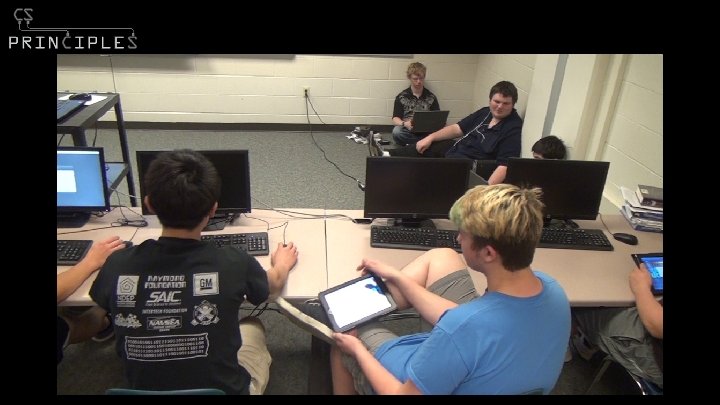
Adapting Pair Programming ● Approach can be used with Data ● Software tools are different ● Roles, Rules and Procedures are the same
Assessment Ideas ● Fairness in Grading Practices ● Participation Points ● Feedback on Reflections ● Quizzes ● Individual Assignments
Summary & Conclusions ● student needs for Performance Task success ● Learn How to Collaborate o using a formal structured approach ● Practice Collaborating o o early in course before starting Performance Task ● Reflect upon and write about Collaboration
References ● csprinciples. org: Curriculum Framework o Performance Tasks o Teacher Guide o ● NCWIT: o Pair Programming In-A-Box ● etr. org/youthandit o Youth & Technology Guide to Pair Programming
- Slides: 20