
Using Coherent Marine Radar to Detect Surface Currents
- Slides: 10
Using Coherent Marine Radar to Detect Surface Currents Lisa Nyman Björn Lund, Roland Romeiser, and Hans Graber Rosenstiel School of Marine and Atmospheric Science, University of Miami SOMa. R-4 Workshop - May 9, 2017
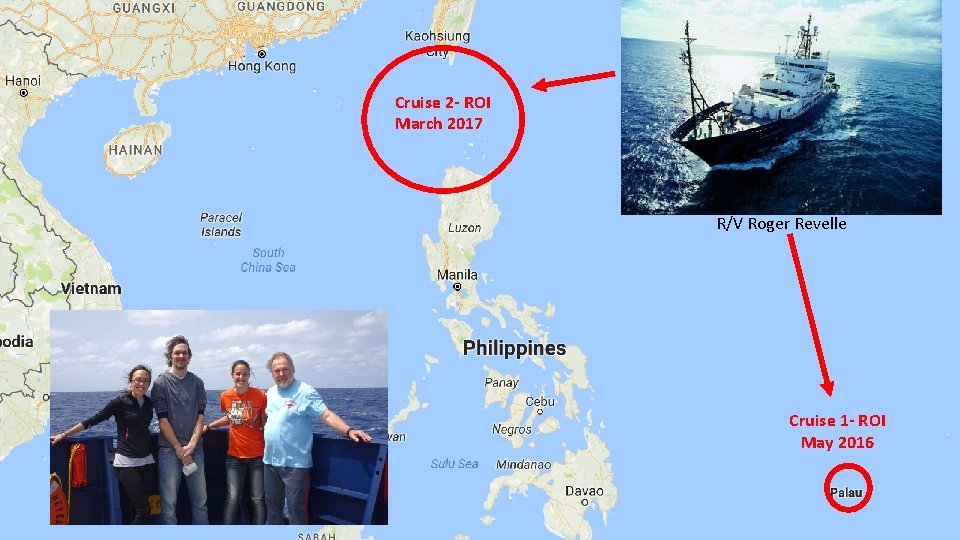
Cruise 2 - ROI March 2017 R/V Roger Revelle Cruise 1 - ROI May 2016
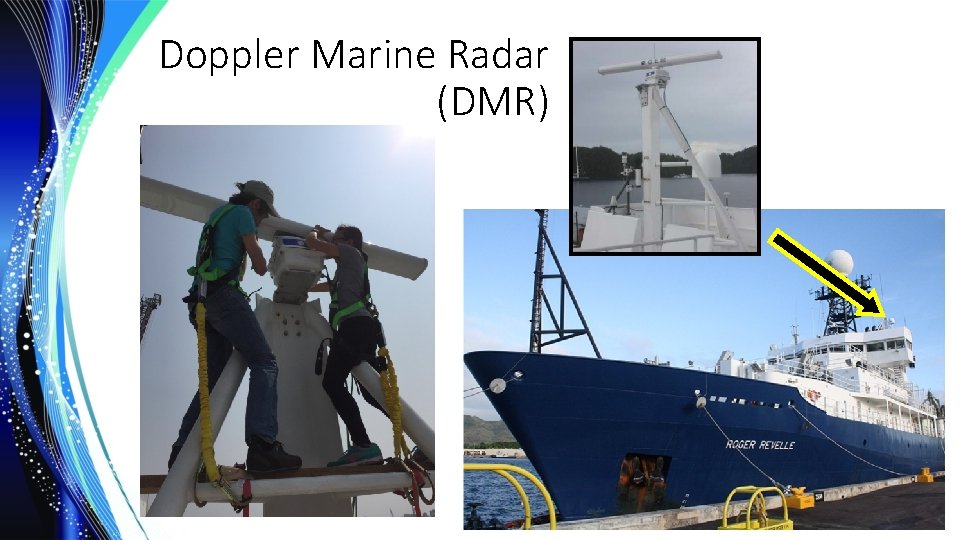
Doppler Marine Radar (DMR)
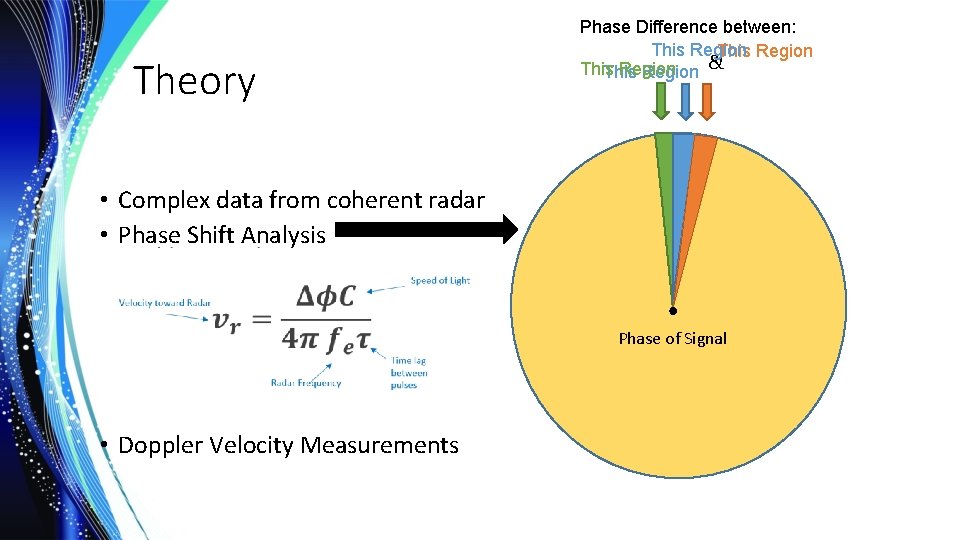
Theory Phase Difference between: This Region & This Region • Complex data from coherent radar • Phase Shift Analysis Phase of Signal • Doppler Velocity Measurements
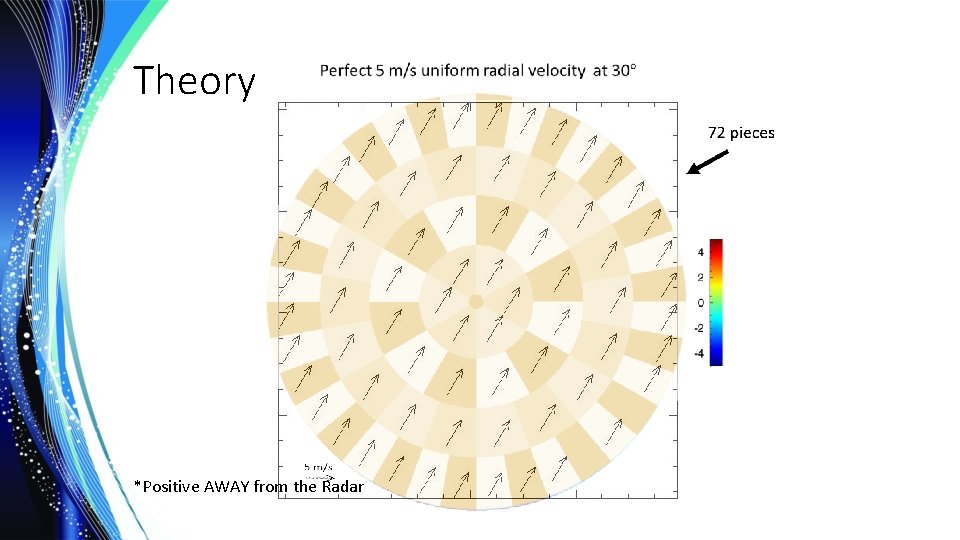
Theory 72 pieces *Positive AWAY from the Radar
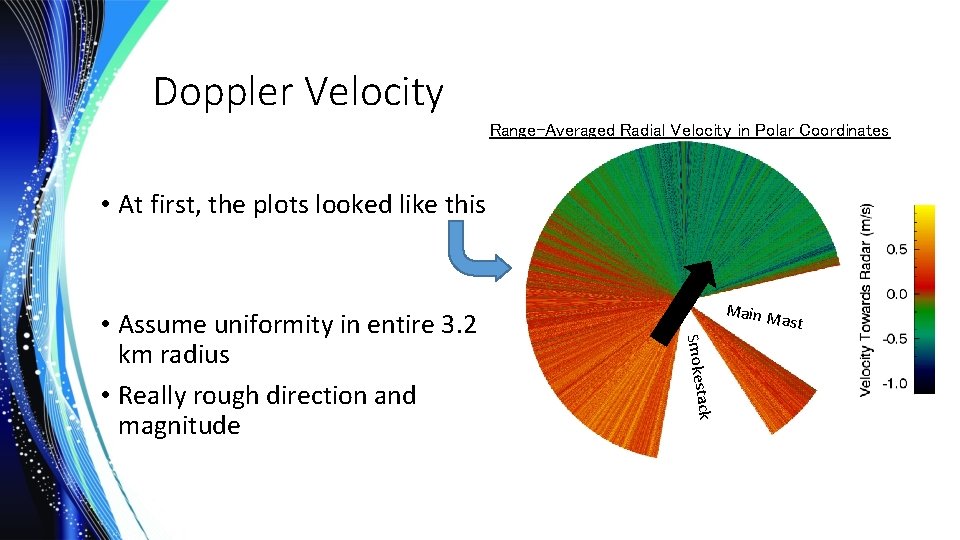
Doppler Velocity Range-Averaged Radial Velocity in Polar Coordinates • At first, the plots looked like this Smokest ack • Assume uniformity in entire 3. 2 km radius • Really rough direction and magnitude Main M ast
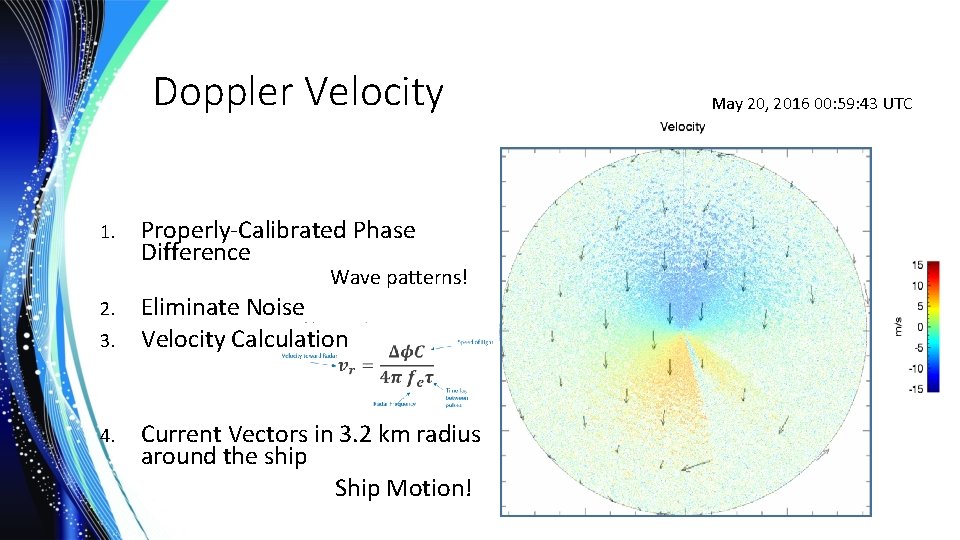
Doppler Velocity 1. Properly-Calibrated Phase Difference Wave patterns! 2. 3. 4. Eliminate Noise Velocity Calculation Current Vectors in 3. 2 km radius around the ship Ship Motion! May 20, 2016 00: 59: 43 UTC
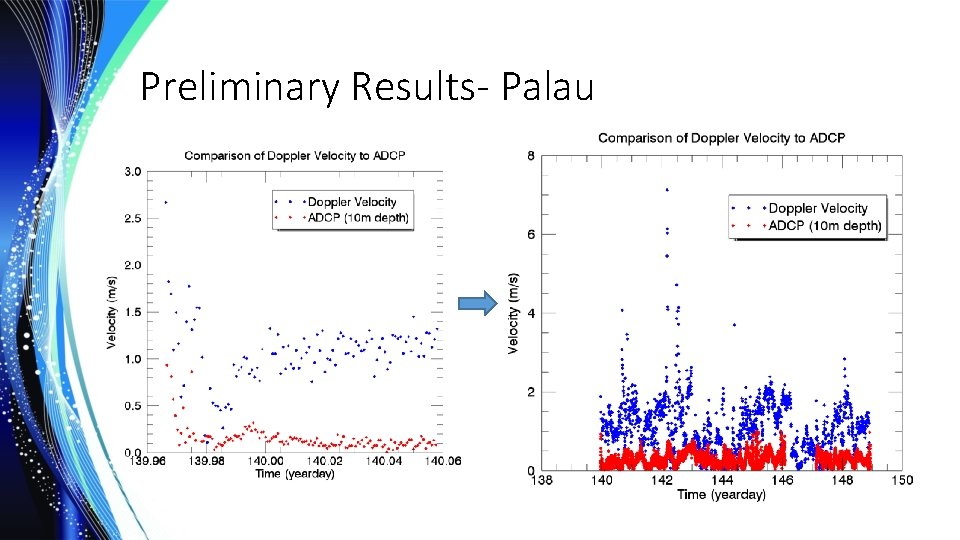
Preliminary Results- Palau
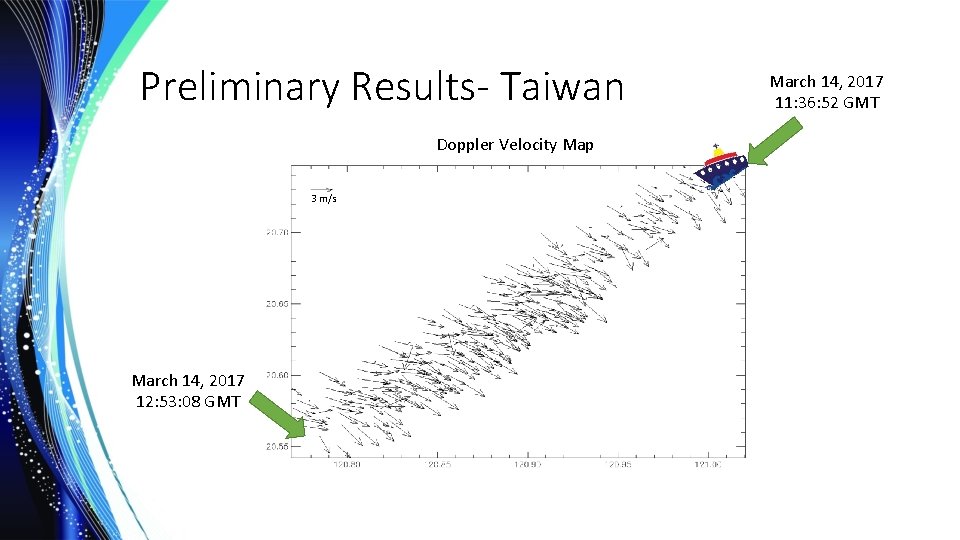
Preliminary Results- Taiwan Doppler Velocity Map 3 m/s March 14, 2017 12: 53: 08 GMT March 14, 2017 11: 36: 52 GMT
Future Work • Single-Look • Adjustment for wave motions • Adjustment for wind contribution • Optimize to run in real-time on a vessel • Multi-look Idea • Temporal average while ship is moving • No “blind spots” • Less noise