
Using Cognitive Complexity to Strengthen Instruction High School

- Slides: 21
Using Cognitive Complexity to Strengthen Instruction High School Mathematics Workshop Newnan High School January 20, 2015
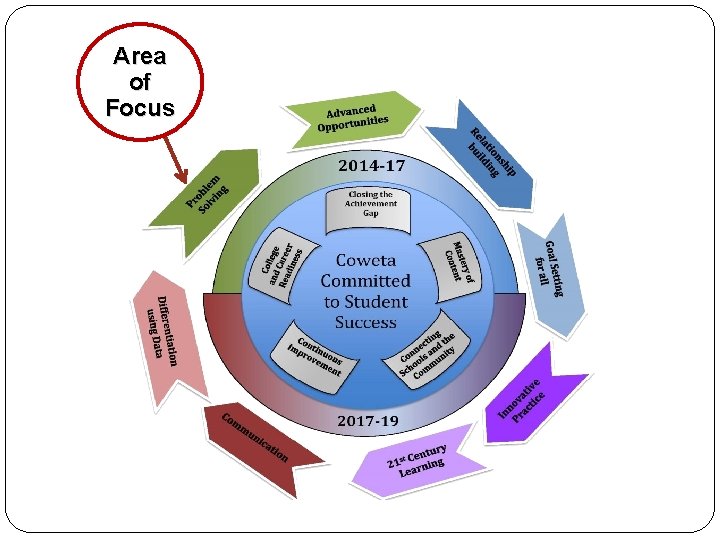
Area of Focus
Session goal and agenda Goal Identify characteristics of cognitively complex problems, and modify items to increase the level of cognitive demand promote problem solving Agenda Cognitive complexity Characteristics of cognitive complexity Analysis of item levels Modification strategies to raise cognitive demand “Tweak” items to increase complexity Update from Ga. DOE Calculators
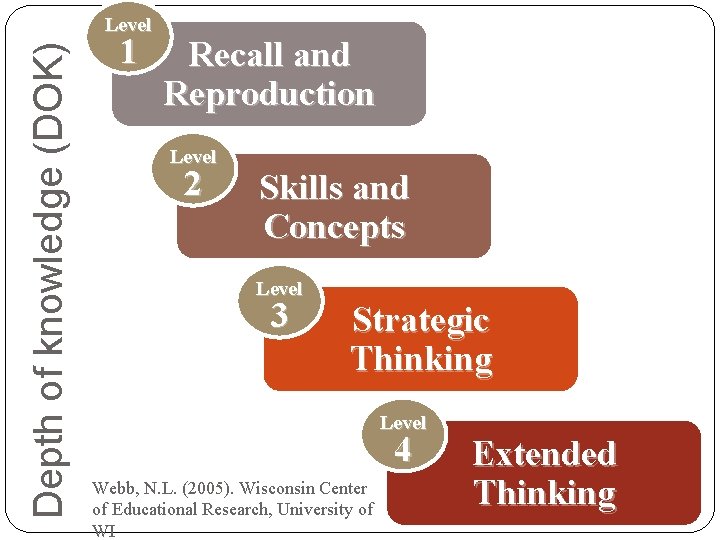
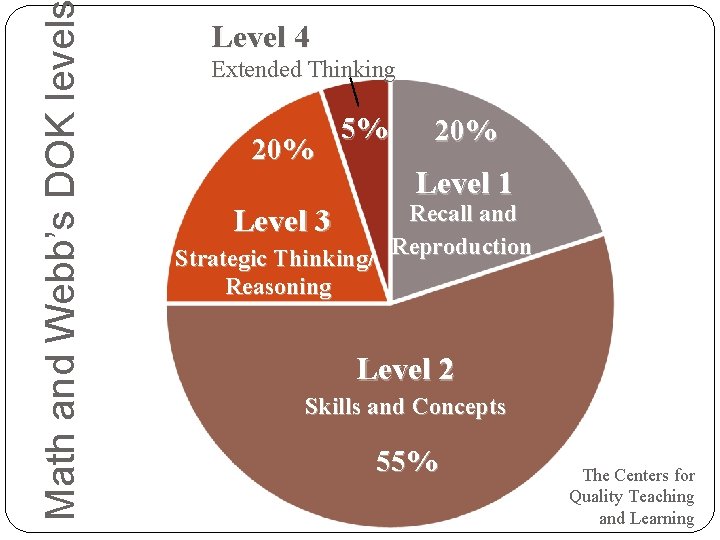
Depth of knowledge (DOK) Level 1 Recall and Reproduction Level 2 Skills and Concepts Level 3 Strategic Thinking Level 4 Webb, N. L. (2005). Wisconsin Center of Educational Research, University of WI Extended Thinking
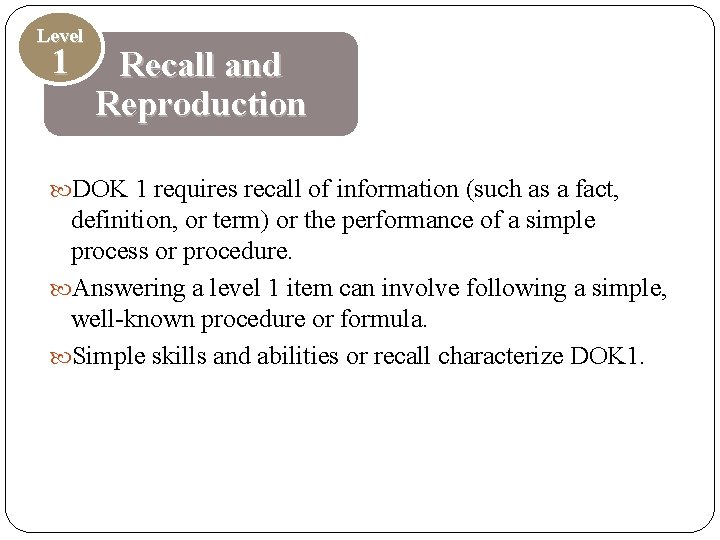
Level 1 Recall and Reproduction DOK 1 requires recall of information (such as a fact, definition, or term) or the performance of a simple process or procedure. Answering a level 1 item can involve following a simple, well-known procedure or formula. Simple skills and abilities or recall characterize DOK 1.
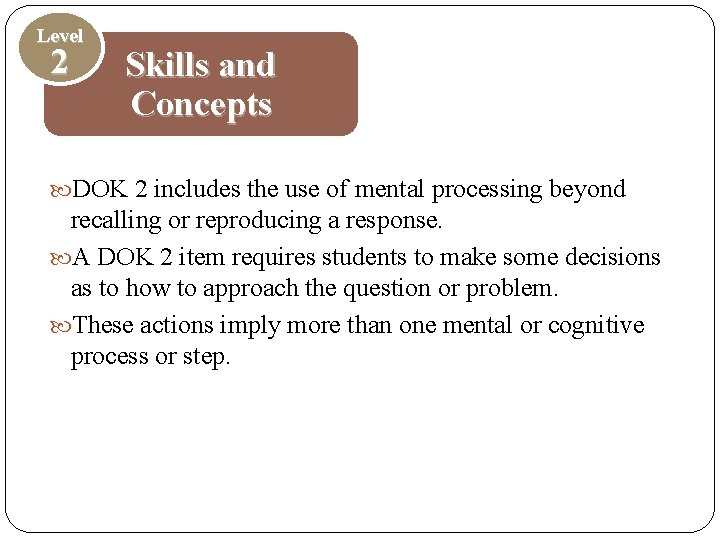
Level 2 Skills and Concepts DOK 2 includes the use of mental processing beyond recalling or reproducing a response. A DOK 2 item requires students to make some decisions as to how to approach the question or problem. These actions imply more than one mental or cognitive process or step.
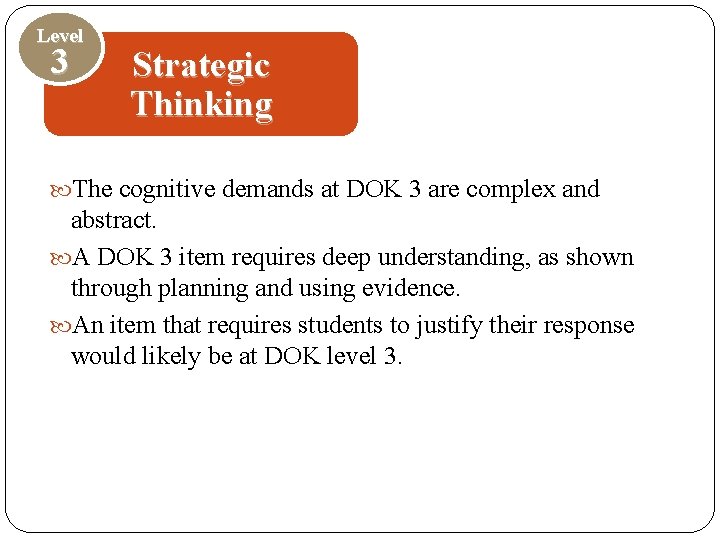
Level 3 Strategic Thinking The cognitive demands at DOK 3 are complex and abstract. A DOK 3 item requires deep understanding, as shown through planning and using evidence. An item that requires students to justify their response would likely be at DOK level 3.
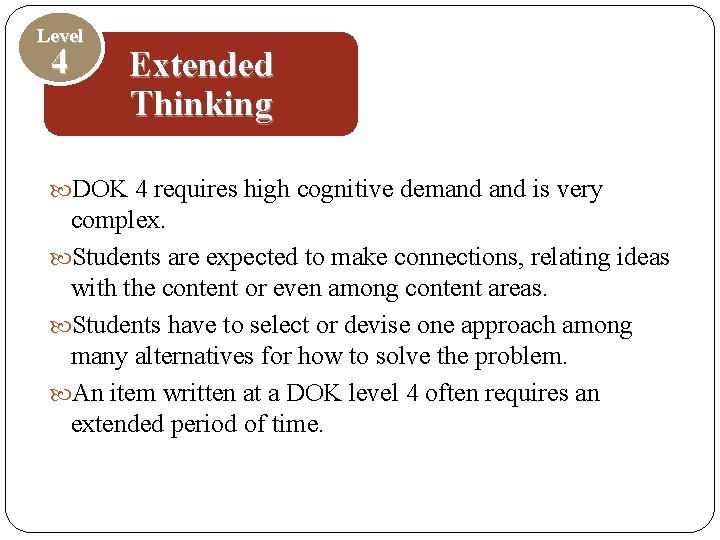
Level 4 Extended Thinking DOK 4 requires high cognitive demand is very complex. Students are expected to make connections, relating ideas with the content or even among content areas. Students have to select or devise one approach among many alternatives for how to solve the problem. An item written at a DOK level 4 often requires an extended period of time.
Math and Webb’s DOK level Level 4 Extended Thinking 20% 5% 20% Level 1 Recall and Strategic Thinking/ Reproduction Reasoning Level 3 Level 2 Skills and Concepts 55% The Centers for Quality Teaching and Learning
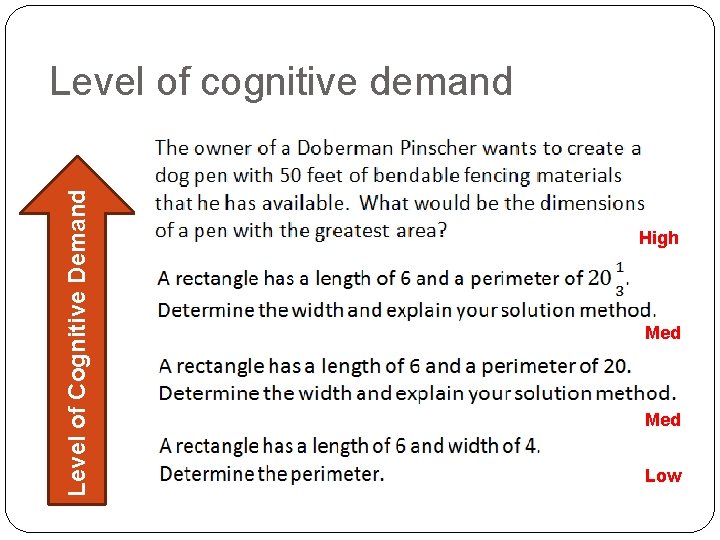
Level of Cognitive Demand Level of cognitive demand High Med Low
Analysis of items Use the sample items provided. Identify the level of cognitive demand of each item as “low” (DOK 1), “medium” (DOK 2), or “high” (DOK 3). Share your ideas with your group. Be able to justify your group’s consensus.
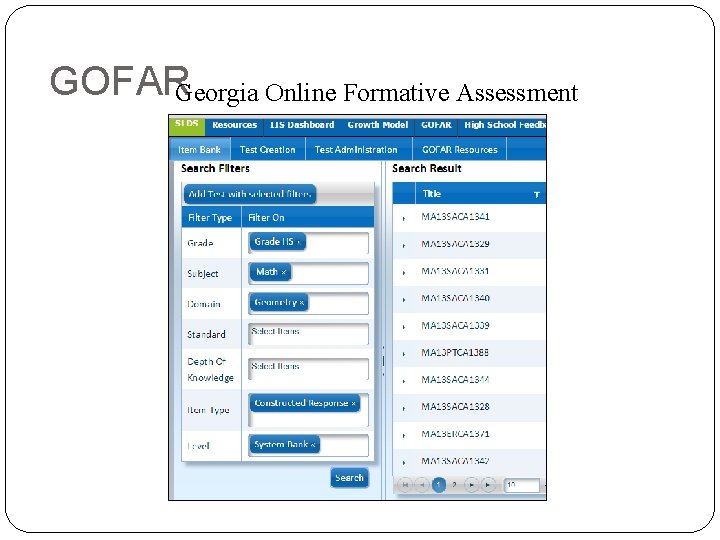
GOFARGeorgia Online Formative Assessment Resource
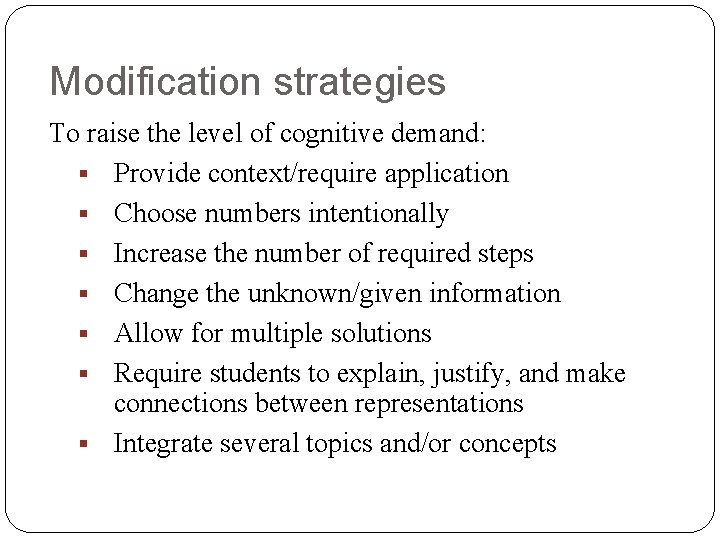
Modification strategies To raise the level of cognitive demand: § Provide context/require application § Choose numbers intentionally § Increase the number of required steps § Change the unknown/given information § Allow for multiple solutions § Require students to explain, justify, and make connections between representations § Integrate several topics and/or concepts
Modify items to increase demand Select one of the low-level problems and modify it to raise the level of cognitive demand to a “high-level. ” Record your modified problem on the handout to share and on chart paper to post.
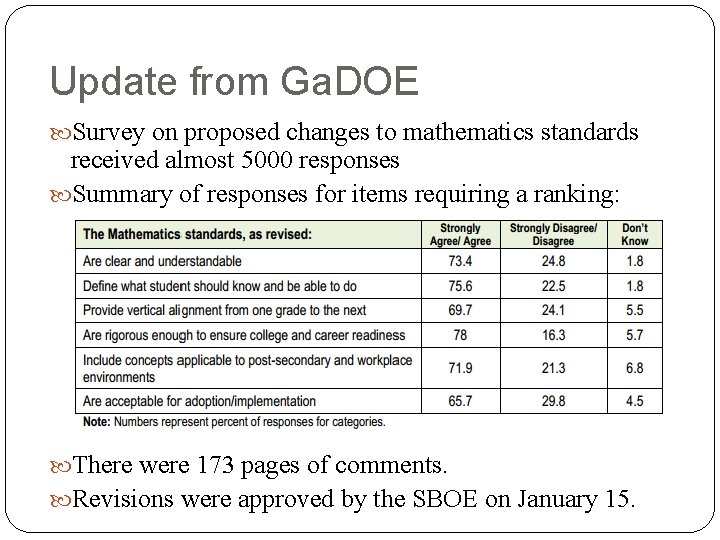
Update from Ga. DOE Survey on proposed changes to mathematics standards received almost 5000 responses Summary of responses for items requiring a ranking: There were 173 pages of comments. Revisions were approved by the SBOE on January 15.
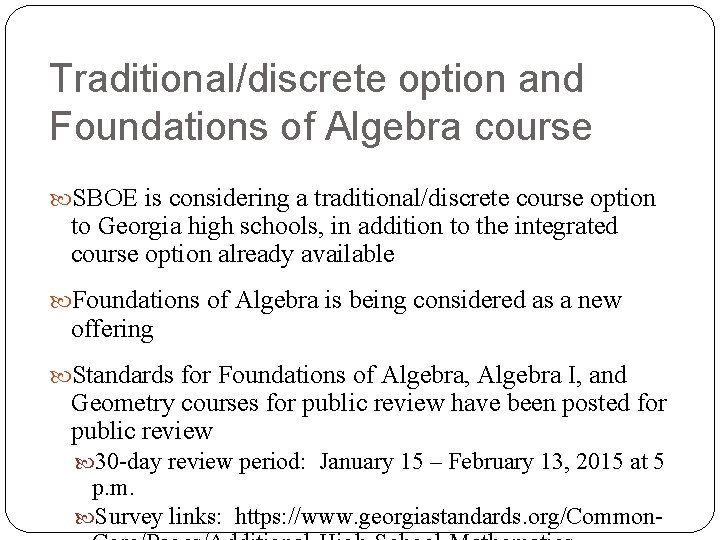
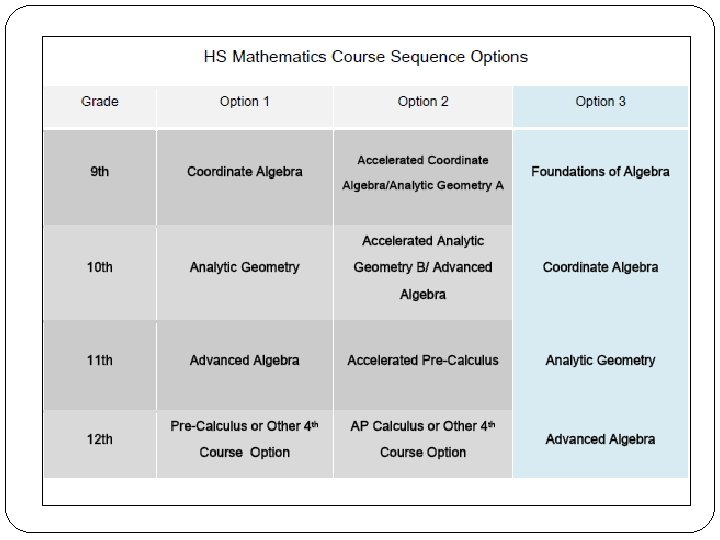
Traditional/discrete option and Foundations of Algebra course SBOE is considering a traditional/discrete course option to Georgia high schools, in addition to the integrated course option already available Foundations of Algebra is being considered as a new offering Standards for Foundations of Algebra, Algebra I, and Geometry courses for public review have been posted for public review 30 -day review period: January 15 – February 13, 2015 at 5 p. m. Survey links: https: //www. georgiastandards. org/Common-
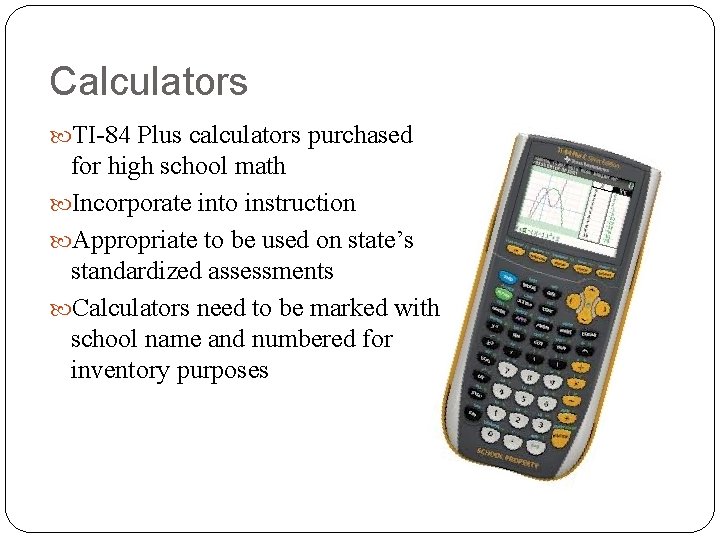
Calculators TI-84 Plus calculators purchased for high school math Incorporate into instruction Appropriate to be used on state’s standardized assessments Calculators need to be marked with school name and numbered for inventory purposes
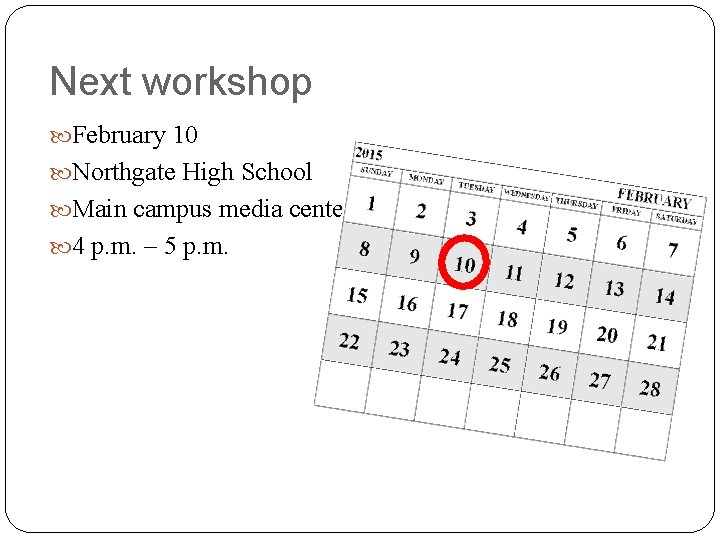
Next workshop February 10 Northgate High School Main campus media center 4 p. m. – 5 p. m.
References Georgia Department of Education. (2015). Additional high school mathematics courses. Retrieved from https: //www. georgiastandards. org/Common-Core/Pages/Additional-High -School-Mathematics-Courses. aspx Georgia Department of Education. (n. d. ). Georgia Online Formative Assessment Resource, Statewide Longitudinal Data System. Retrieved through Infinite Campus. Stein, M. K. , Smith, M. S. , Henningsen, M. A. , & Silver, E. A. (2000). Implementing standards-based mathematics instruction: A casebook for professional development. New York, NY: Teachers College Press. Virginia Department of Education. (n. d. ). Modifying resources to promote problem solving and critical thinking. Retrieved from http: //www. doe. virginia. gov/instruction/mathematics/professional_develo pment/index. shtml