
Using chants and songs in the classroom Session


- Slides: 23
Using chants and songs in the classroom
Session aims • Why use chants and songs? • Introduce different examples of songs and chants for classroom use • Focus on chants and pronunciation • Focus on songs and listening
Children learn languages through… • actively seeking to interpret meaning from context • making creative use of the language they know. • an instinct for talking and interacting. • indirect learning e. g. through games and songs. • a capacity to find fun. • an ability to use fantasy and imagination. (S Halliwell, Teaching English in the Primary Classroom)
Why use chants and songs • To improve pronunciation • To develop listening skills • To integrate oral, aural, visual and kinaesthetic learning styles • To make language memorable (chunks) • To present language in a fun and non-threatening way • To change the pace of the lesson and motivate learners. • To develop concentration, coordination and confidence • Songs give new insights into the target culture
Songs and chants for classroom use • Music for Maintaining a Positive and Orderly Classroom Environment • Songs for Classroom Management and Establishing Classroom Procedures • Songs for Starting the Day and Music to Say Good-Bye and End the Day • Songs that Teach Conversational English and English Vocabulary • Songs that Teach English Grammar and a Systematic Approach to Learning English • Language and Grammar Songs Especially for Children
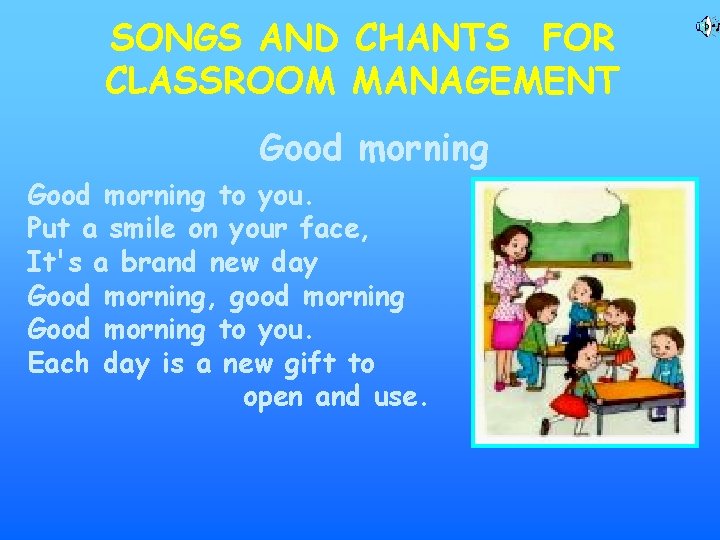
SONGS AND CHANTS FOR CLASSROOM MANAGEMENT Good morning to you. Put a smile on your face, It's a brand new day Good morning, good morning Good morning to you. Each day is a new gift to open and use.
SONGS AND To the tune: Twinkle, Twinkle Little Star CHANTS FOR Children, children, look this way, CLASSROOM Listen to what I will say, MANAGEMENT Fold your hand, sit up straight, Please be quiet as you wait. Children, children, look this way, Listen to what I will say. ACTION CHANT Open them, close them, Give your hands a clap. Open them, close them, Fold them in your lap.
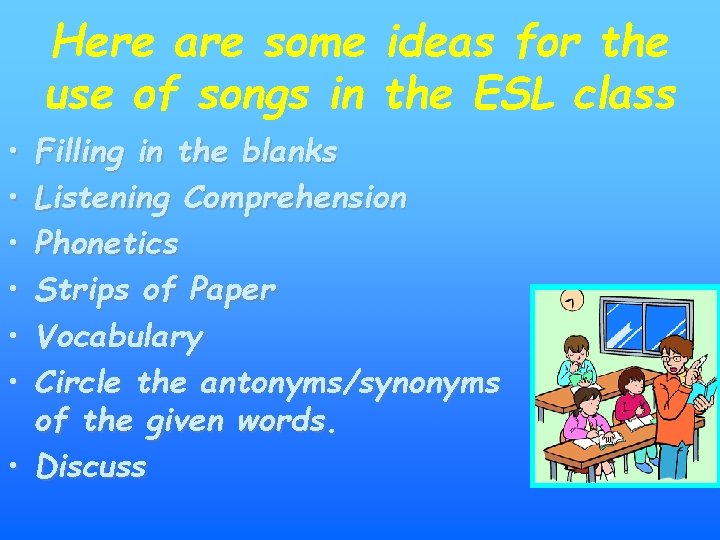
Here are some ideas for the use of songs in the ESL class • • • Filling in the blanks Listening Comprehension Phonetics Strips of Paper Vocabulary Circle the antonyms/synonyms of the given words. • Discuss
• • • What do I need to think about when planning chants and songs? The rhythm and intonation The patterns of connected speech The visuals to use The actions to use The interaction patterns Whether you’re going to say/sing the chant/song or play a recording.
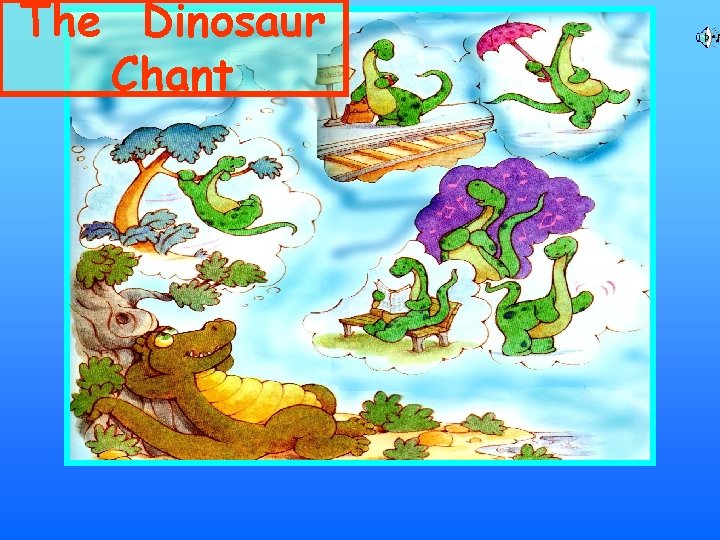
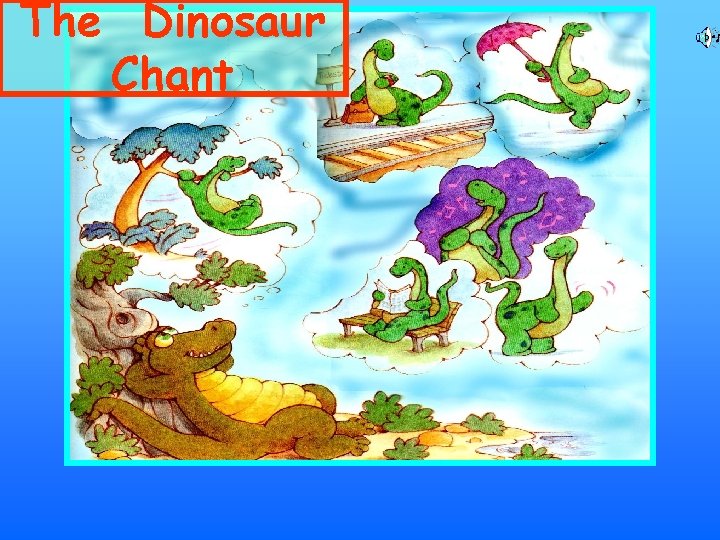
The Dinosaur Chant
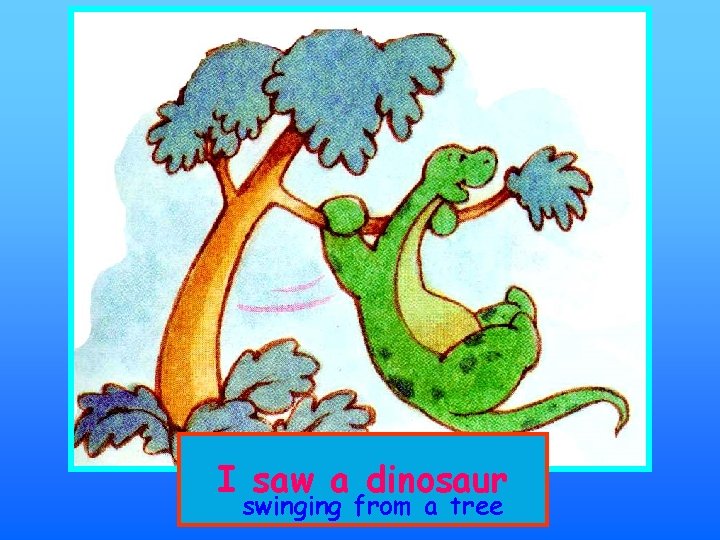
I saw a dinosaur swinging from a tree
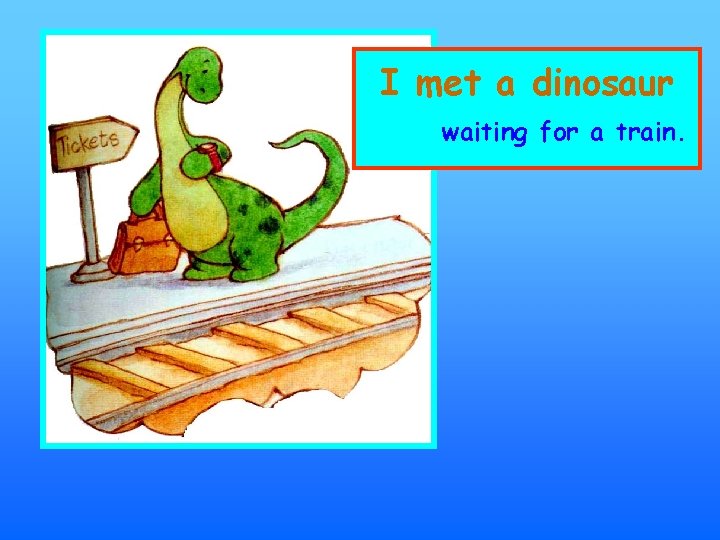
I met a dinosaur waiting for a train.
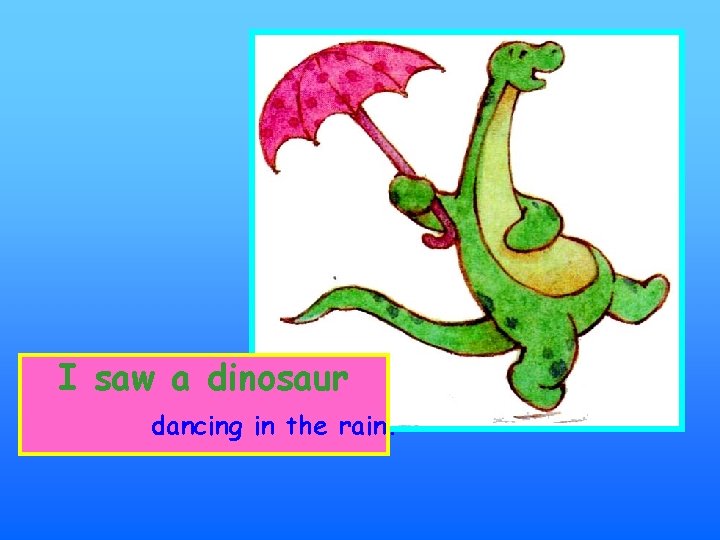
I saw a dinosaur dancing in the rain.
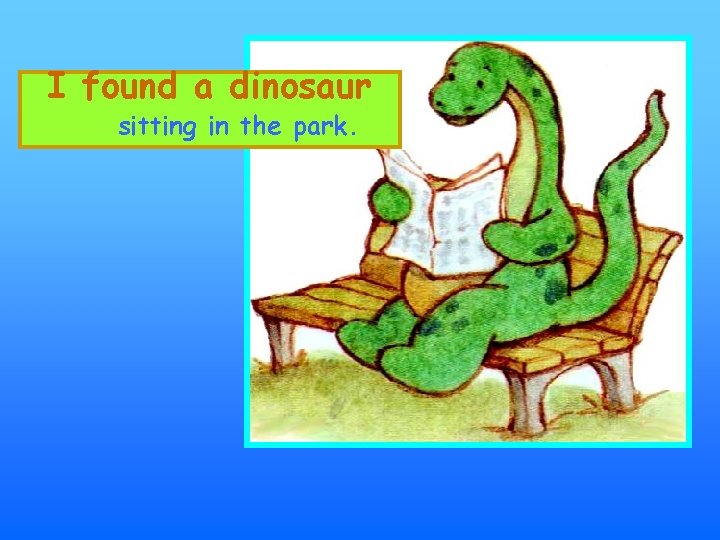
I found a dinosaur sitting in the park.
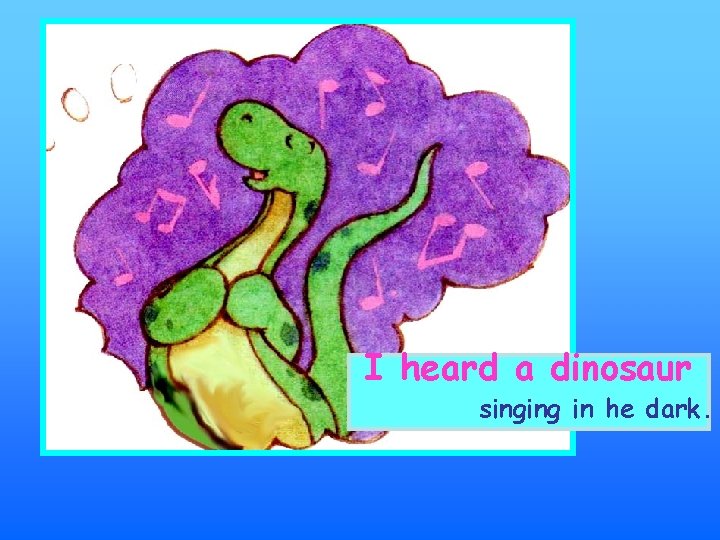
I heard a dinosaur singing in he dark.
I heard a dinosaur say, I “Hello. ” heard a dinosaur say, “Let’s go!”
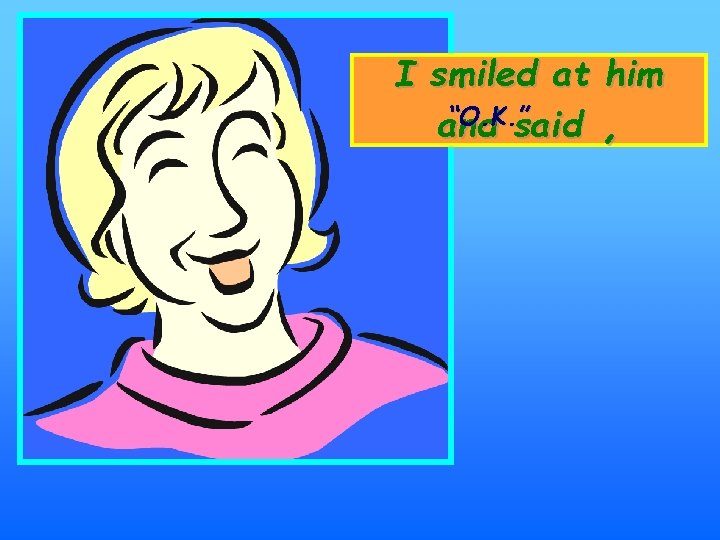
I smiled at him “O. K. ” and said ,
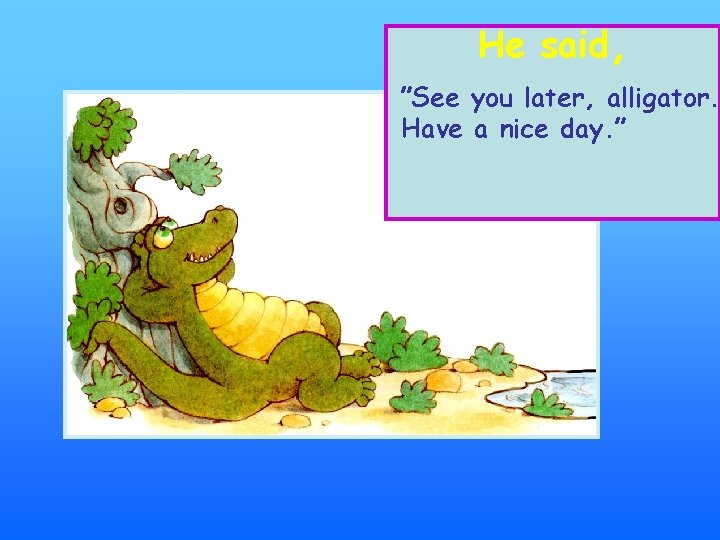
He said, ”See you later, alligator. Have a nice day. ”
The Dinosaur Chant
This song is helpful for: Structures • Simple past affirmative statements: I saw a dinosour. • Simple past information questions with what: What did you see? • Prepositional phrases: from a tree, in the rain, in th park, in the dark. Expressions: O. K. , Have a nice day. , See you later, alligator. ( humorous form for Goodbye)
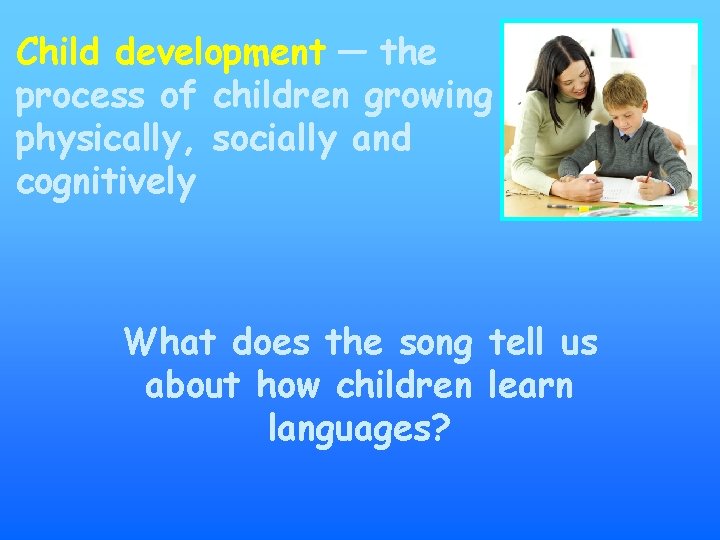
Child development — the process of children growing physically, socially and cognitively What does the song tell us about how children learn languages?
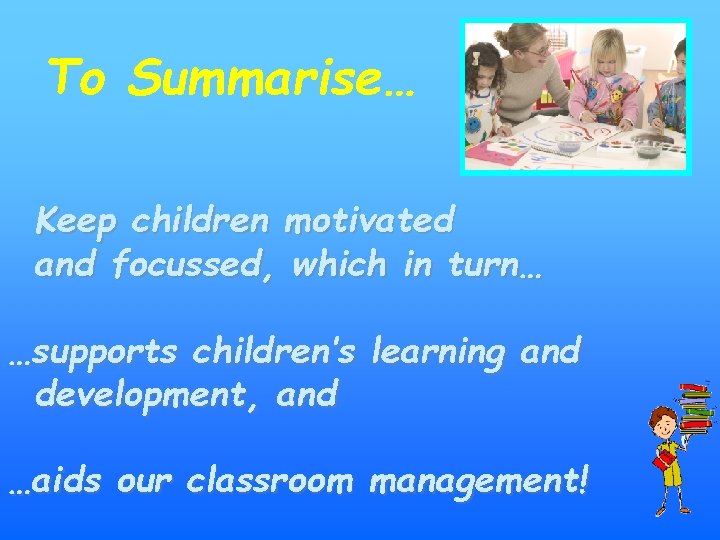
To Summarise… Keep children motivated and focussed, which in turn… …supports children’s learning and development, and …aids our classroom management!
REMEMBER…. Set a GOOD EXAMPLE Provide children with POSITIVE REINFORCEMENT HAVE FUN and ENJOY the experience of teaching young learners