
Using Bufkit to Diagnose Winter Weather Central Iowa
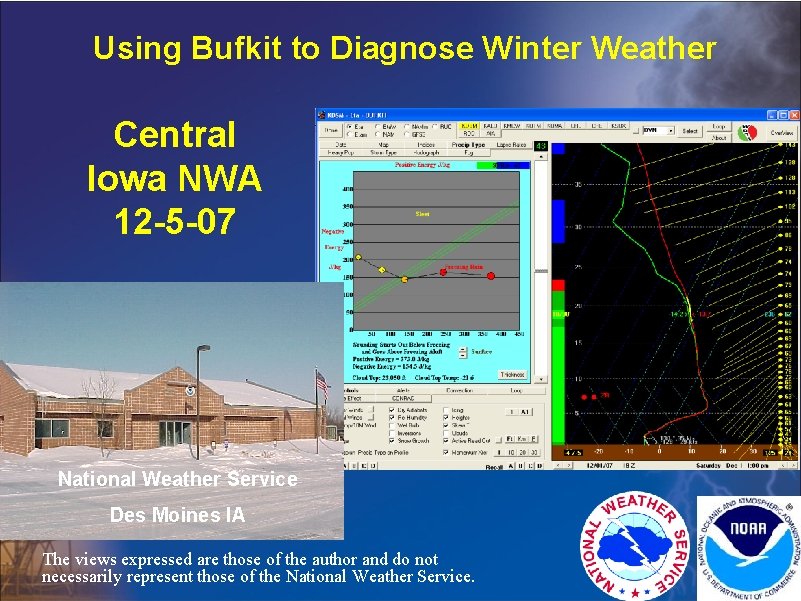
Using Bufkit to Diagnose Winter Weather Central Iowa NWA 12 -5 -07 National Weather Service Des Moines IA The views expressed are those of the author and do not necessarily represent those of the National Weather Service.
Outline • Cross-section mode • Shear profile • Instability • Precipitation Type • Other uses?
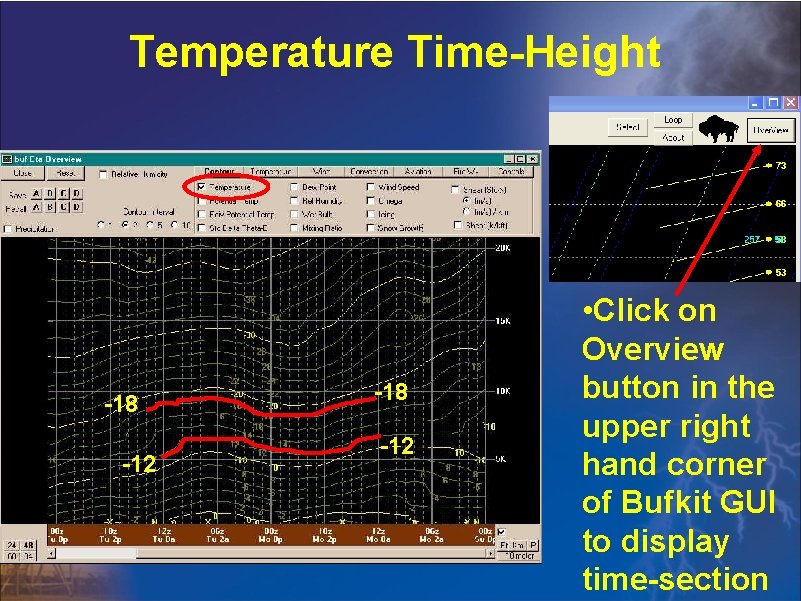
Temperature Time-Height -18 -12 • Click on Overview button in the upper right hand corner of Bufkit GUI to display time-section
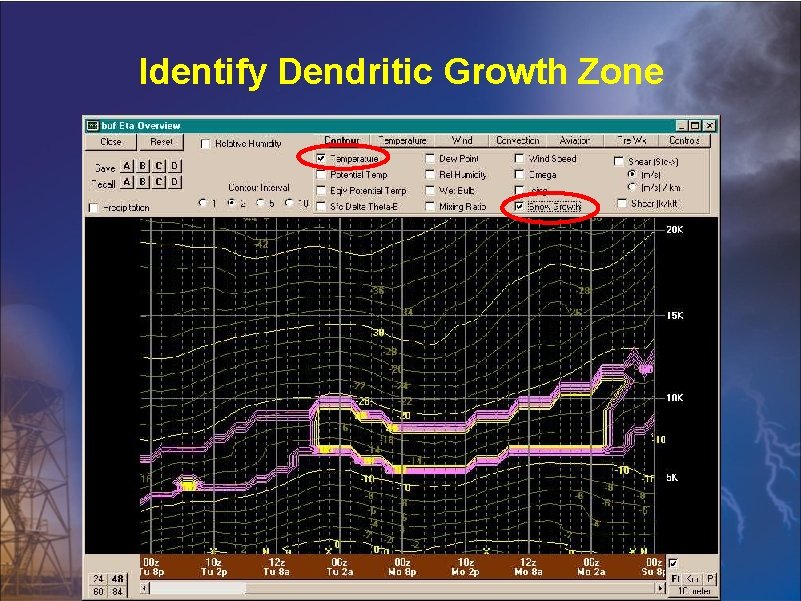
Identify Dendritic Growth Zone
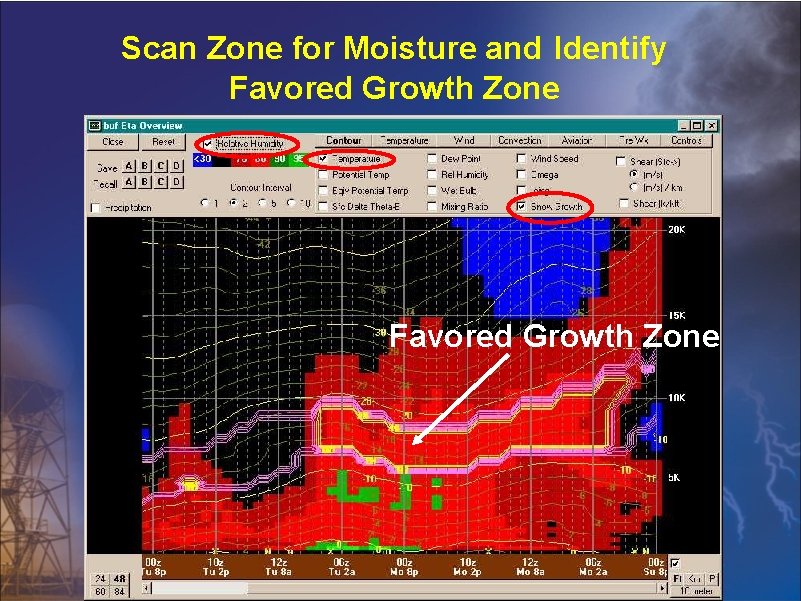
Scan Zone for Moisture and Identify Favored Growth Zone
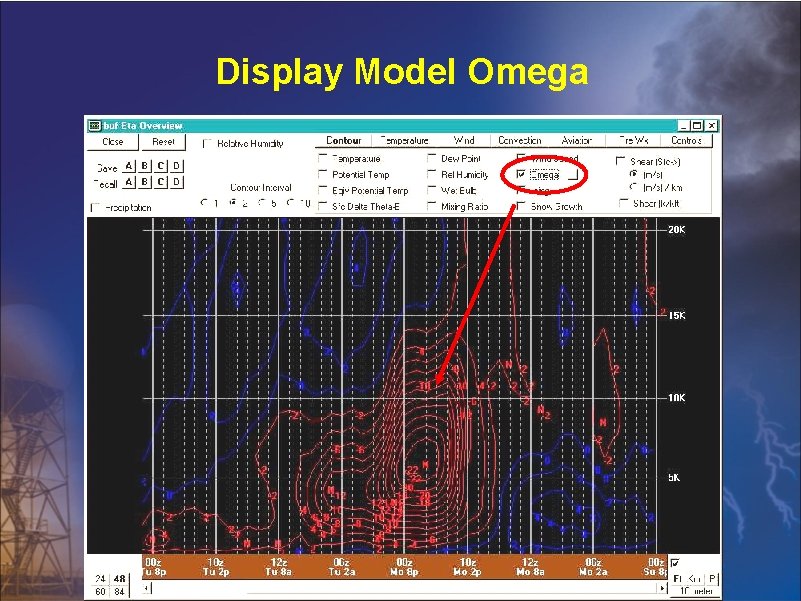
Display Model Omega
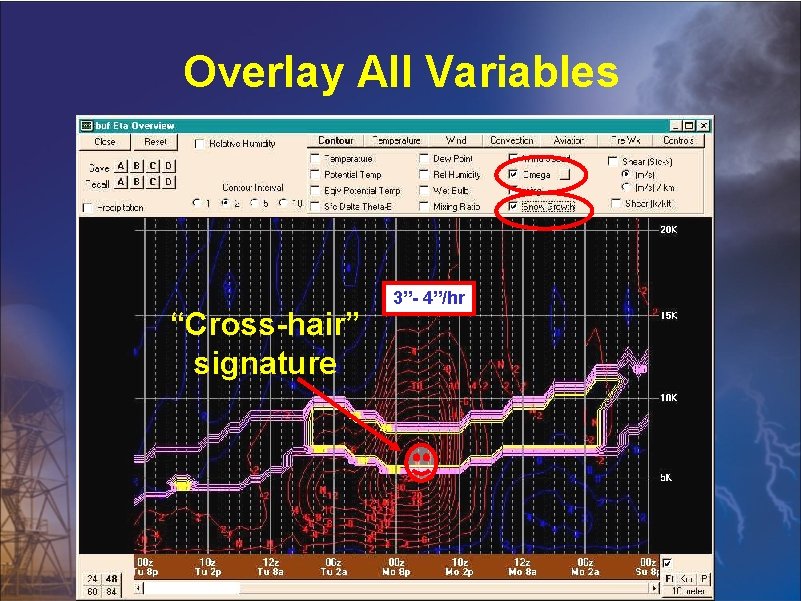
Overlay All Variables “Cross-hair” signature 3”- 4”/hr
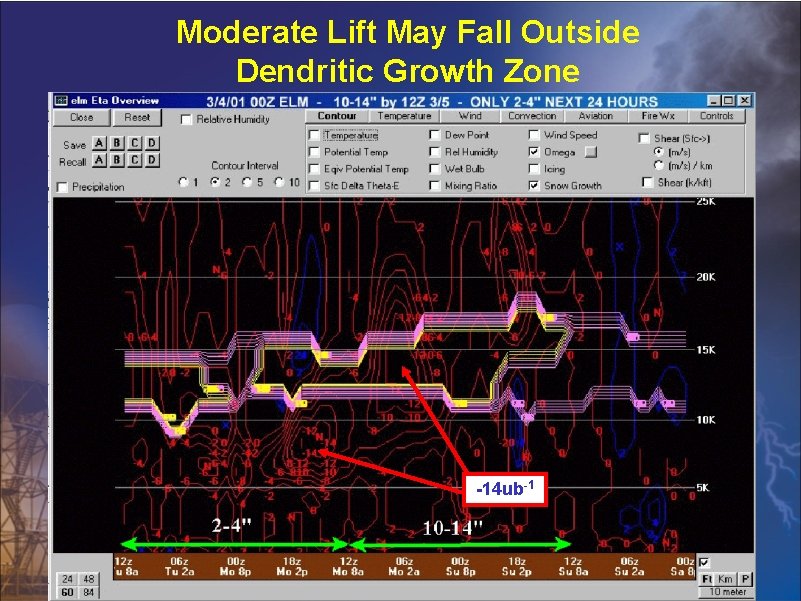
Moderate Lift May Fall Outside Dendritic Growth Zone -14 ub-1
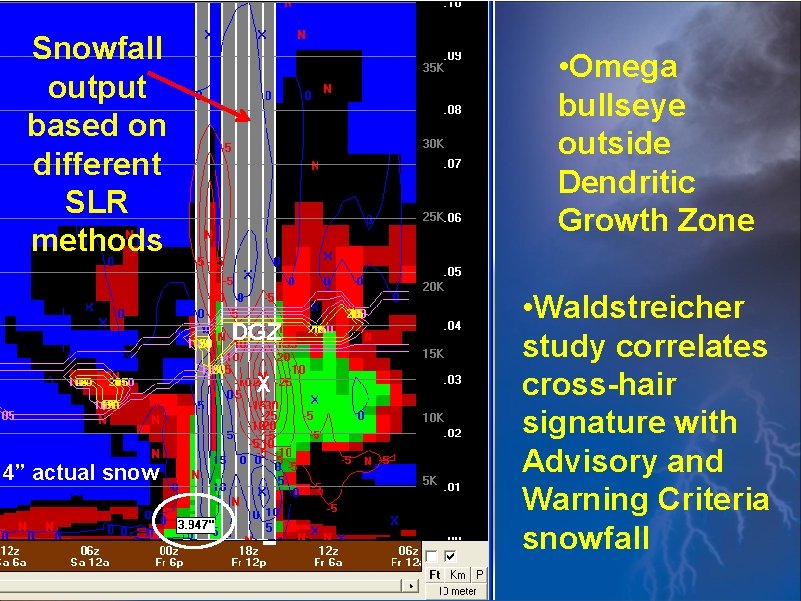
Snowfall output based on different SLR methods • Omega bullseye outside Dendritic Growth Zone DGZ X 4” actual snow • Waldstreicher study correlates cross-hair signature with Advisory and Warning Criteria snowfall
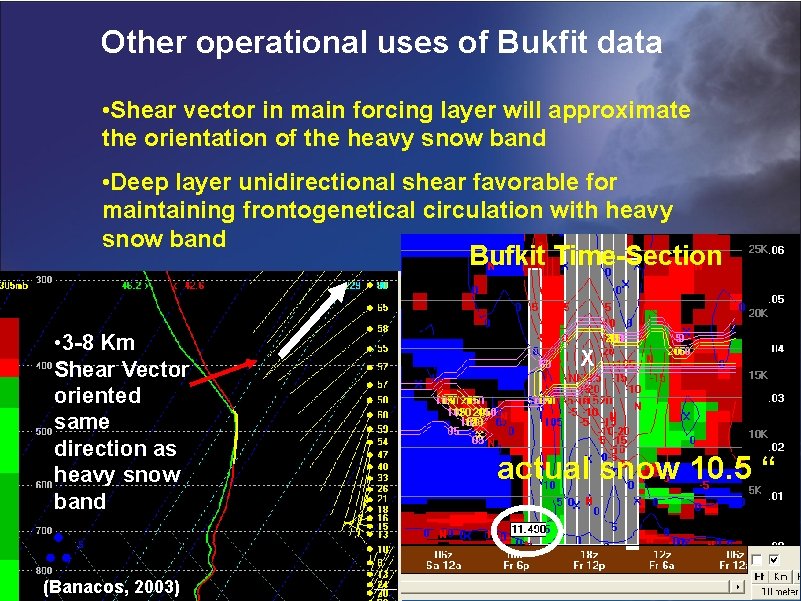
Other operational uses of Bukfit data • Shear vector in main forcing layer will approximate the orientation of the heavy snow band • Deep layer unidirectional shear favorable for maintaining frontogenetical circulation with heavy snow band Bufkit Time-Section • 3 -8 Km Shear Vector oriented same direction as heavy snow band (Banacos, 2003) X actual snow 10. 5 “
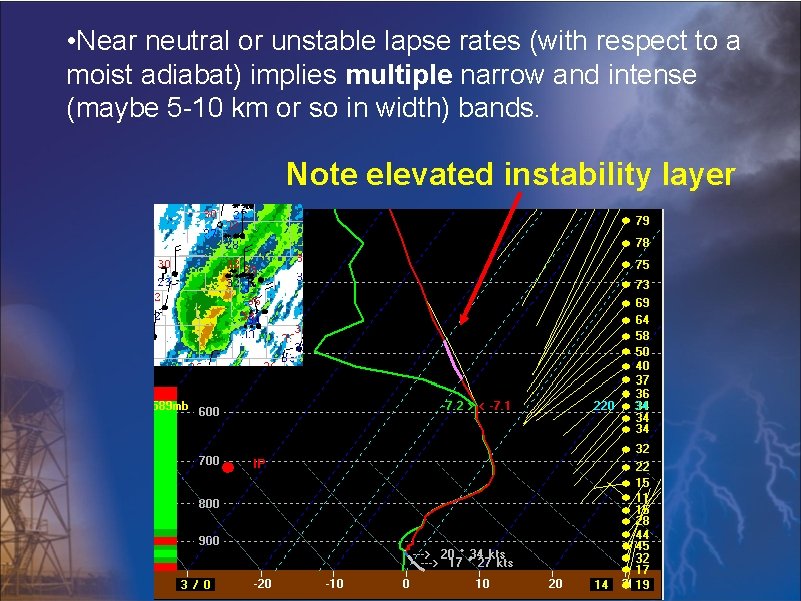
• Near neutral or unstable lapse rates (with respect to a moist adiabat) implies multiple narrow and intense (maybe 5 -10 km or so in width) bands. Note elevated instability layer
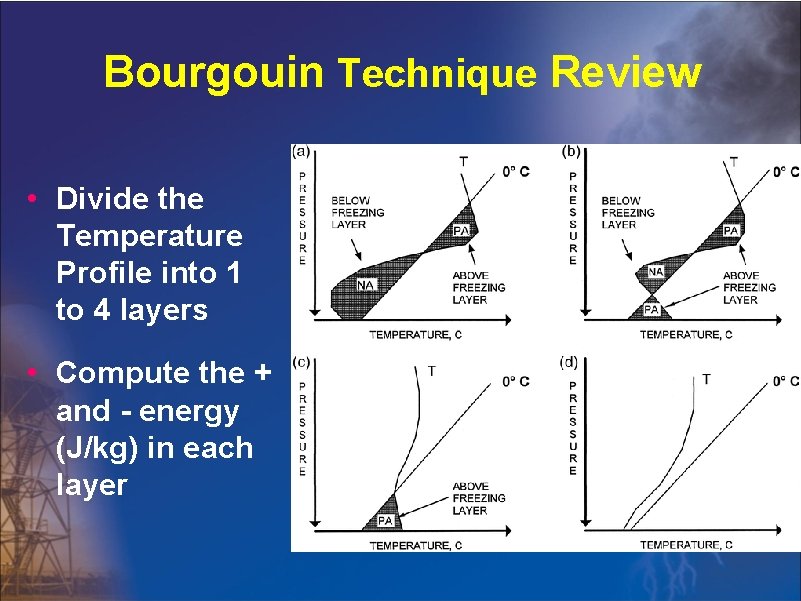
Bourgouin Technique Review • Divide the Temperature Profile into 1 to 4 layers • Compute the + and - energy (J/kg) in each layer
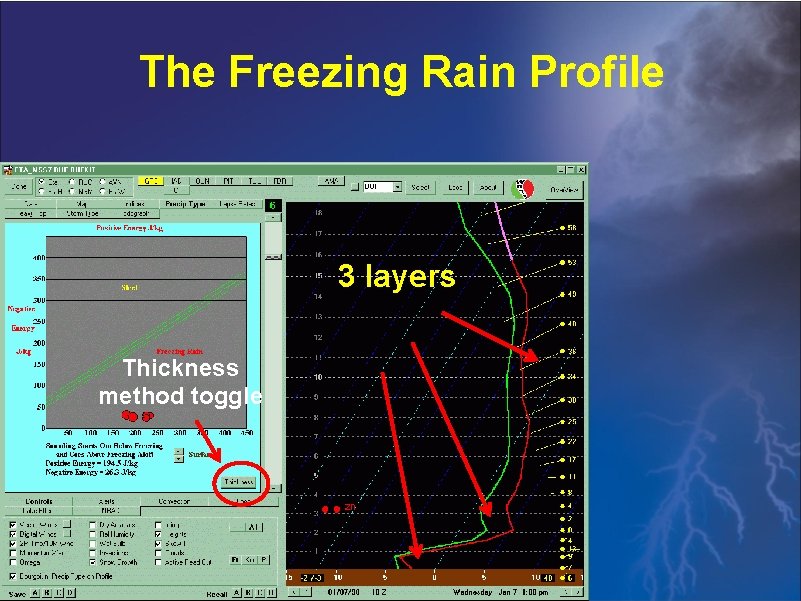
The Freezing Rain Profile 3 layers Thickness method toggle
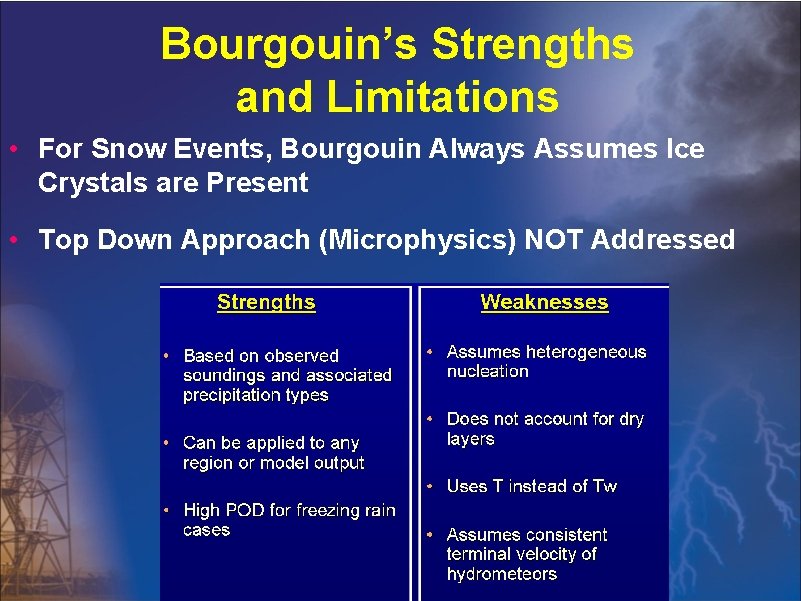
Bourgouin’s Strengths and Limitations • For Snow Events, Bourgouin Always Assumes Ice Crystals are Present • Top Down Approach (Microphysics) NOT Addressed
Summary • A detailed Bufkit analysis should be part of every winter weather decision making process • Waldstreicher study showed potential in differentiating Warning vs Advisory criteria using cross-hair technique • Utilize full functionality, including overview mode, precipitation type, shear profiles, instability, SLR’s
Any questions? …ask Chris Karstens Bufkit Resources: http: //www. meteor. iastate. edu/~ckarsten/bufkit. html http: //www. wdtb. noaa. gov/tools/BUFKIT/index. html Rich. Kinney@noaa. gov
- Slides: 16