
Using ASHRAE 180 To Increase Filter Sales Robert
Using ASHRAE 180 To Increase Filter Sales Robert G. Baker, ASHRAE OPMP, DL, DS BBJ Environmental Solutions Tampa, Florida rbaker@bbjenviro. com 813 -217 -5273

What we will cover • Why maintenance is so important • ASHRAE’s new HVAC maintenance standard (S 180) • What we are trying to maintain • Utilizing the standard • Achieving greater energy efficiency by managing pressure drop • The role of air cleaning • Where the standard is going

The new‘Burbs’

The earth is flat We are competing for: • Jobs • Cash • Food • Resources • Energy

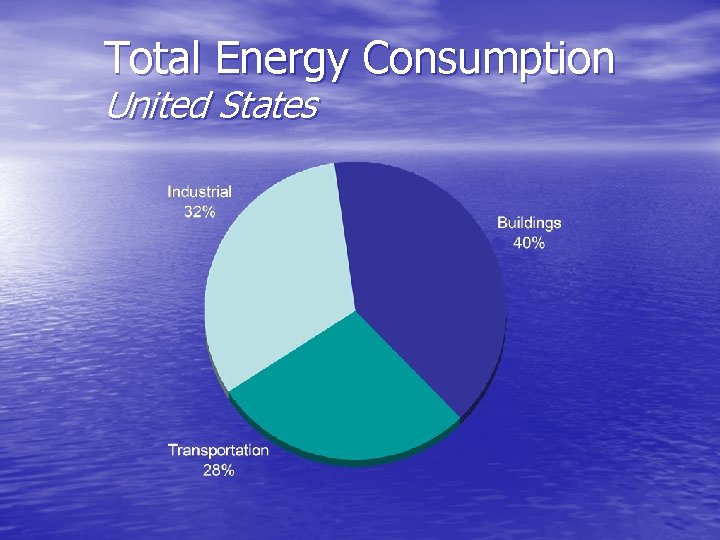
Total Energy Consumption United States

ASHRAE ‘Tips’ • • • Demand accurate design and construction records and understand how the system works Demand accurate commissioning information; keep records up-to-date. Change things that don’t work. Check calibration of sensors against data and common sense. Look for patterns in occupant complaints and apply cause analysis. Decide whether to get to know the occupants or stay remote. Establish lines of communication.
Tips (contd. ) • • • Collect key data and use it to plot trends. Establish energy baseline and sustain performance. Use qualified well-trained staff. Operations and maintenance cost will exceed construction costs over the life of the building. Read and apply ASHRAE/ACCA Standard 180, Standard Practice for Inspection and Maintenance of Commercial Building HVAC Systems. Read and apply Chapter 38 of the ASHRAE Handbook, HVAC Application. Take the test and obtain ASHRAE OPMP Certification.
Especially Important • Collect key data and use it to plot trends. • Establish energy baseline and sustain performance.
Our Concentration: AIR MOVEMENT SYSTEM
Impact on Performance • Adequate – high efficiency • Lacking – compromised performance

ASHRAE/ACCA/ANSI S-180 • Title – Standard Practice for Inspection and Maintenance of Commercial Building HVAC Systems

Commercial Buildings (definition) • Buildings shall include, but are not limited to governmental and educational facilities, healthcare, hospitality, institutions, offices, places of assembly, restaurants, retail, and wholesale.
Standard 180 • Purpose • The purpose of this standard is to establish minimum HVAC inspection and maintenance requirements that preserve a system’s ability to achieve acceptable thermal comfort, energy efficiency, and indoor air quality in commercial buildings.

Standard 180 • Scope • This standard provides minimum requirements for the HVAC system inspection and maintenance practice in new and existing buildings. Where specifically noted in this standard, different requirements apply.

What Does the Standard Require? • Written Maintenance Program
Written Maintenance Program • May be hard copy or electronic • Many building information systems will facilitate

What Does the Standard Require? • Written Maintenance Program • Inventory of Components to be Maintained
• Inventory of items to be inspected and maintained (4. 2. 1) – Components of HVAC systems that impact the building’s performance shall be inventoried…
Standard 180 – Airside Components • • • Table 5 -1: Air Distribution Table 5 -2: Air Handlers Table 5 -12: Free Standing Coils Table 5 -14: Fan Coils Table 5 -15: Furnaces Table 5 -16: Duct Free Splits Table 5 -17(18): PTAC(PTHP) Table 5 -20: Rooftops Table 5 -22: Boxes (VAV etc. ) Table 5 -24: WSHP
If so important, why so many: Airside Performance Issues? • Air leaks • Infiltration • Air flow volume • Restrictions (filters; coils) • Fans • Dampers • Controls • …
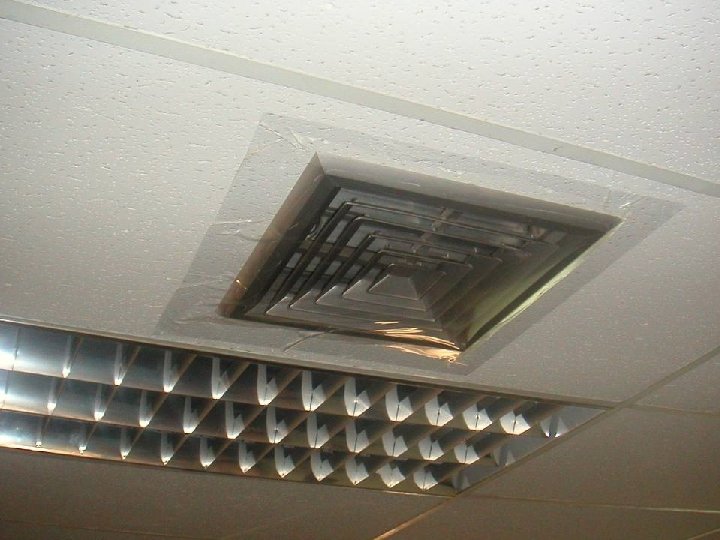

Possible Reasons • Lack of personnel • Training/knowledge • Data • Salesmanship • People not motivated to change!
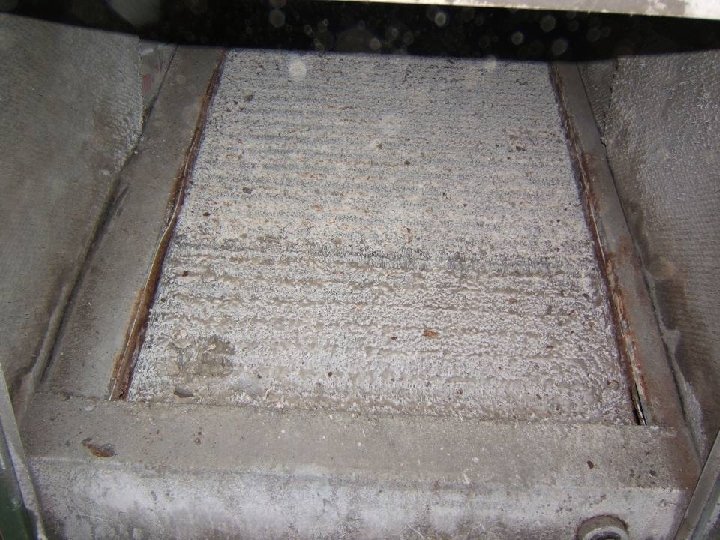
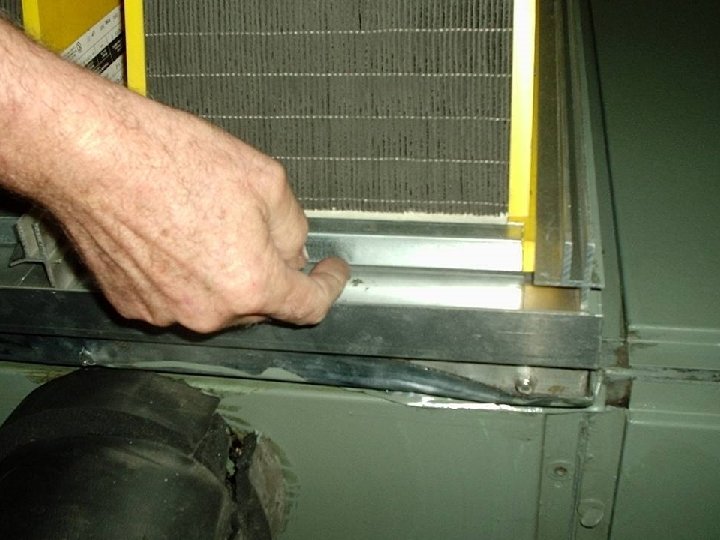
Standard 180 and Air Cleaning Key Tasks - • Check for particulate accumulation on filters. Clean or replace if accumulation results in pressure drop or airflow outside of established operating limits. – Monthly

Or Use Data
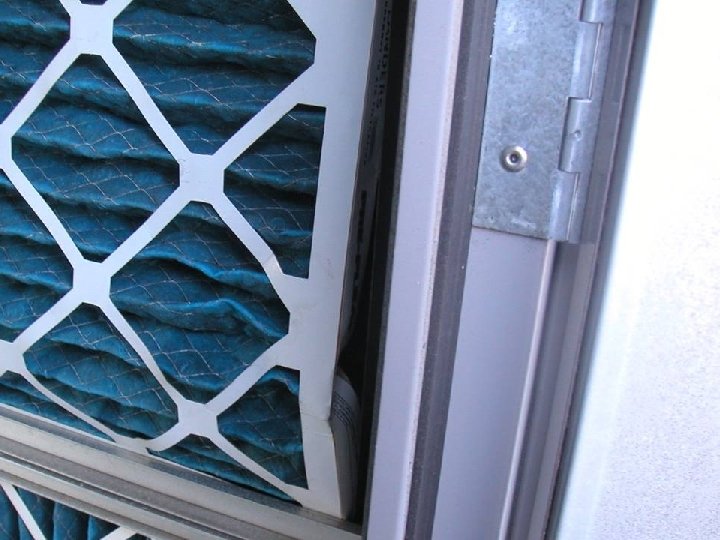
Standard 180 and Air Cleaning Key Tasks - • Check for particulate accumulation on filters. Clean or replace if accumulation results in pressure drop or airflow outside of established operating limits. – Monthly • Check air filter and housing integrity. Correct as needed. – At filter change
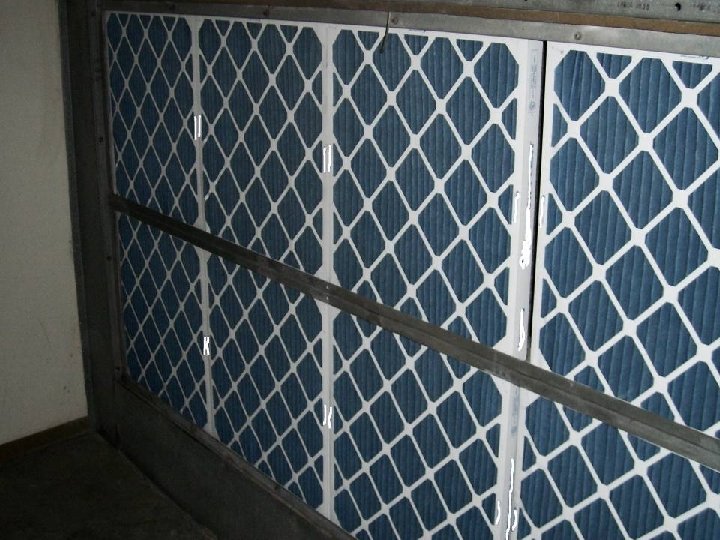
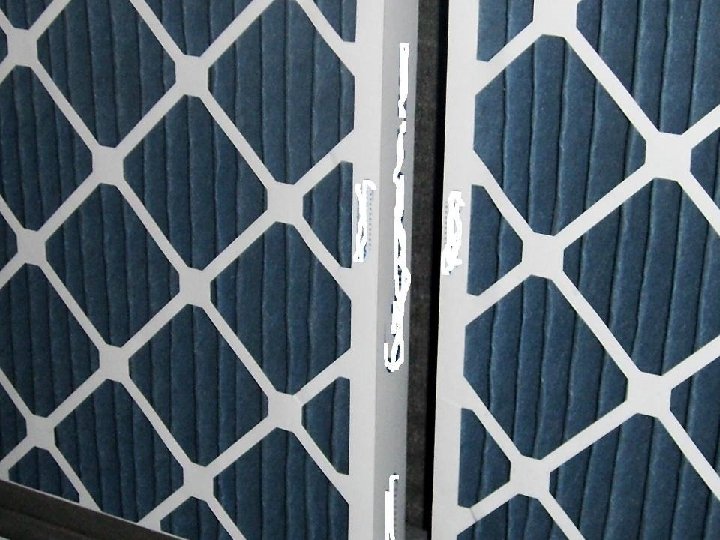
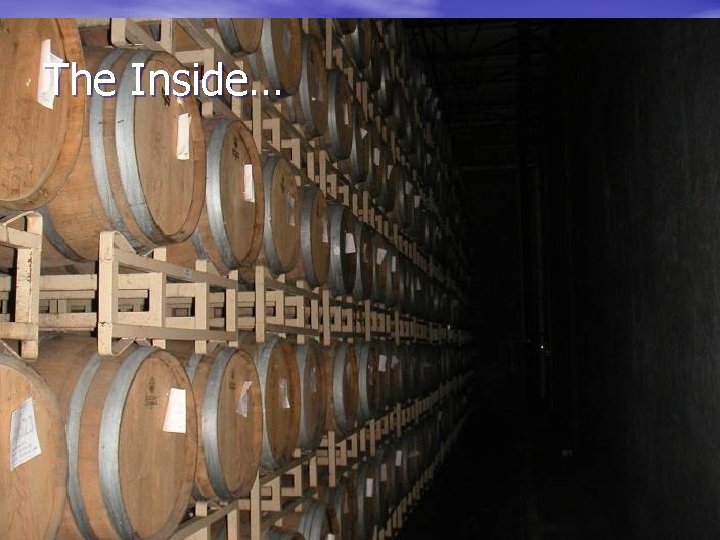
The Inside…
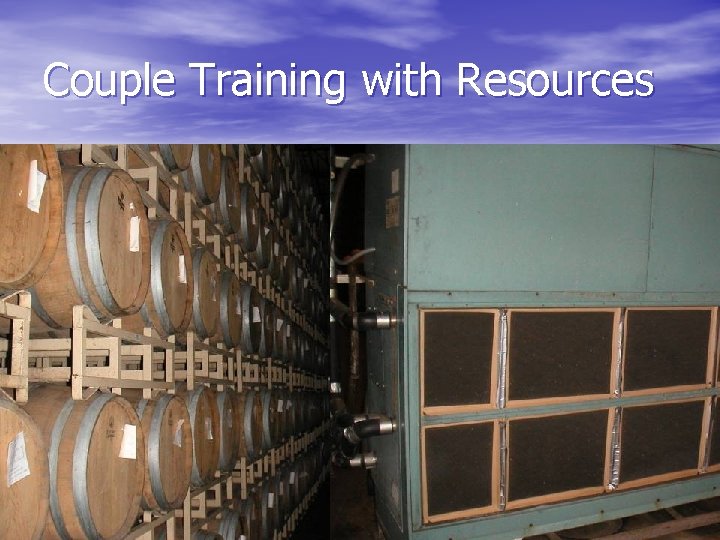
Couple Training with Resources
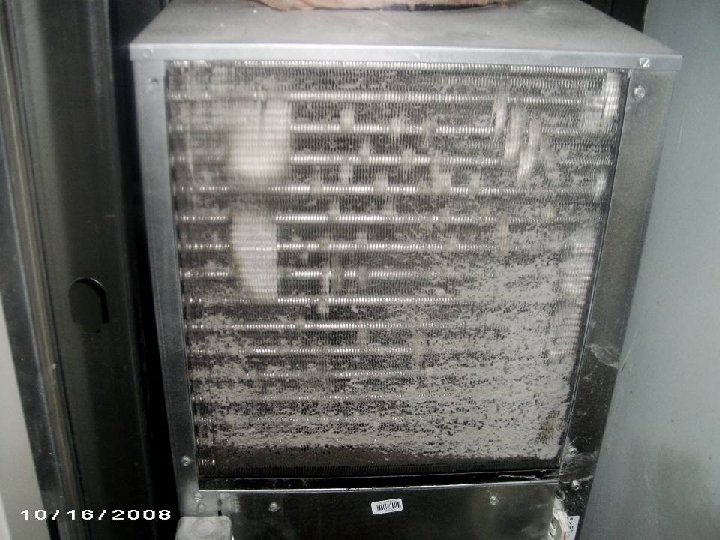
Standard 180 and Air Cleaning Key Tasks - • Check for particulate accumulation on filters. Clean or replace if accumulation results in pressure drop or airflow outside of established operating limits. – Monthly • Check air filter and housing integrity. Correct as needed. – At filter change • Check integrity of all panels on equipment. Replace fasteners as needed to ensure proper integrity and fit/finish of equipment. – Annually
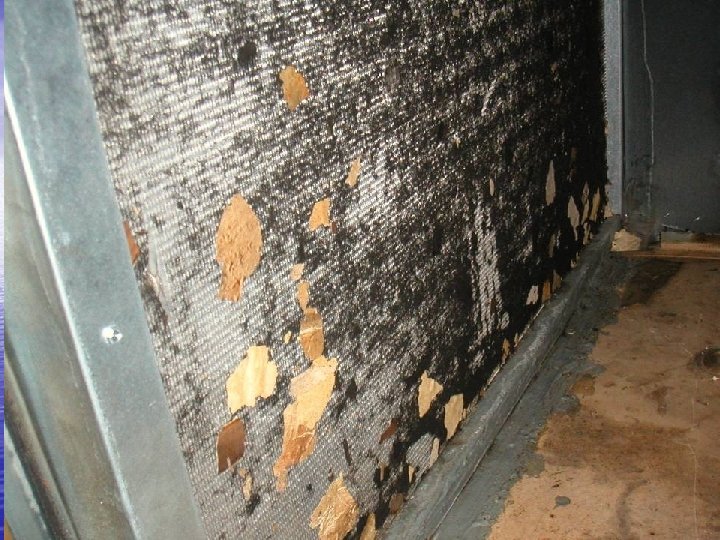
Standard 180 and Air Cleaning Other Related - • Visually inspect grilles, registers and diffusers for dirt accumulation. Clean as needed to remove dirt build up – Simi-annually • Inspect for evidence of moisture carryover beyond the drain pan from cooling coils. Make corrections or repairs as necessary. Visually inspect areas of moisture accumulation for biological growth. If present, clean or disinfect as needed. – Annually • Visually inspect internally lined ductwork until the first turn or up to 20 feet into the supply plenum from air handler for visible biological contamination, and take corrective action. – Annually
Standard 180 and Air Cleaning Indicators - • Check for properation of cooling or heating coil. Clean, restore or replace as required. – Simi-annually • Check coil fins for evidence of build-up or fouling. Restore if possible. Replace coil if necessary to return to proper functioning. – Annually • Check fan blades. Clean, repair or replace as needed to ensure properation. – Annually • Check for fouling, corrosion or degradation. Clean or repair as needed. – Annually • Inspect for evidence of moisture carryover beyond the drain pan from cooling coils. Make corrections or repairs as necessary. – Annually
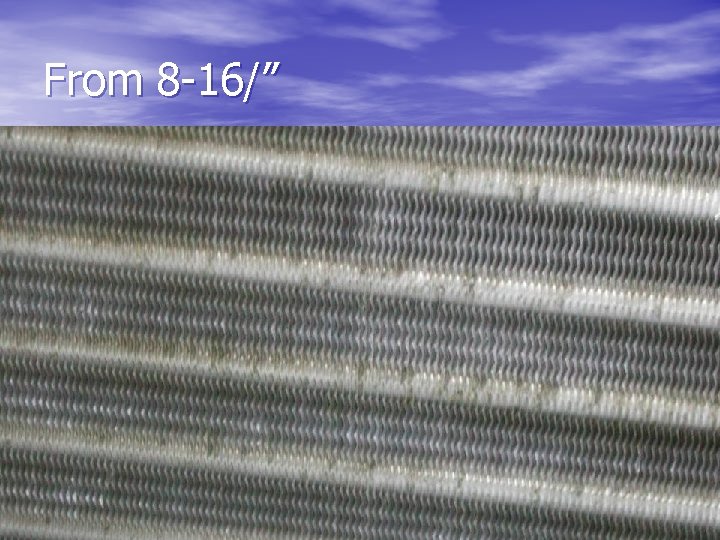
From 8 -16/”
What Does the Standard Require? • Written Maintenance Program • Inventory of Components to be Maintained • Condition Indicators
Condition Indicators • Performance Objectives • Allowed Variance
Condition Indicators • Appendix A – Performance Objective Examples • Appendix B – Example indicators of unacceptable performance
Inventory - For each component • Task description – What has to be done
Tasks Vary – Simple to Complex • Visually inspect grilles, registers and diffusers for • dirt accumulation. Clean as needed to remove dirt build up Check control system and devices for evidence of improperation. Repair, adjust or replace components to ensure properation
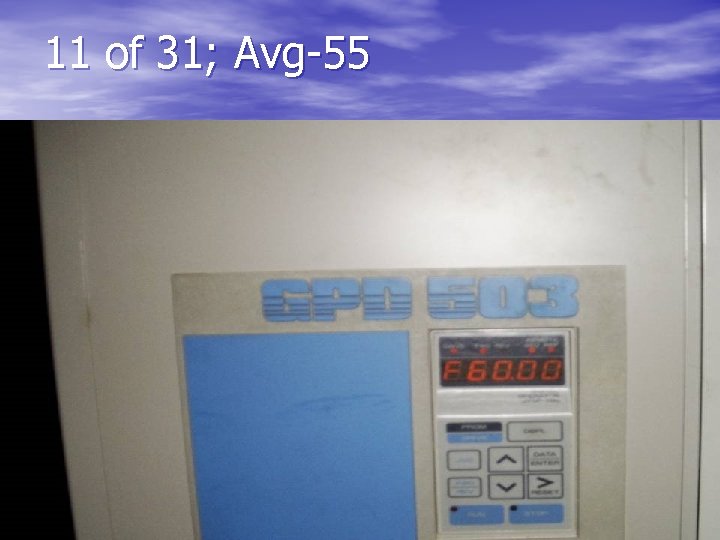
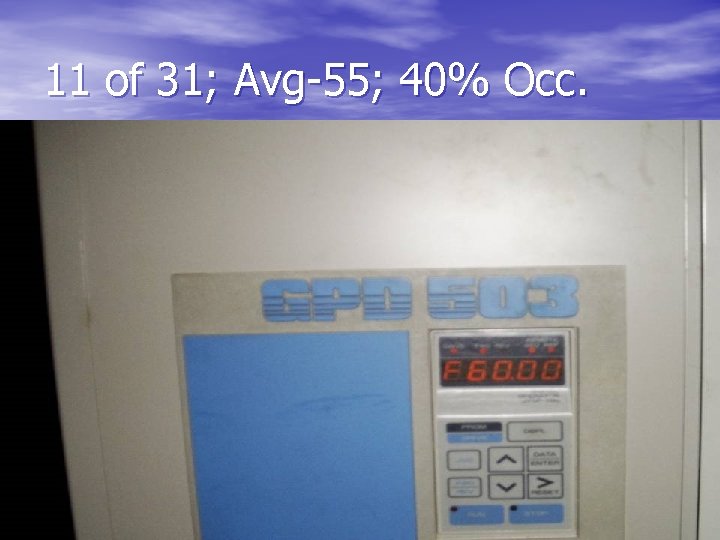
11 of 31; Avg-55
11 of 31; Avg-55; 40% Occ.
What turns it on?
Do they work together?
Inventory - For each component • Task description – What has to be done – Since inspection is a common theme of most tasks, access is important.
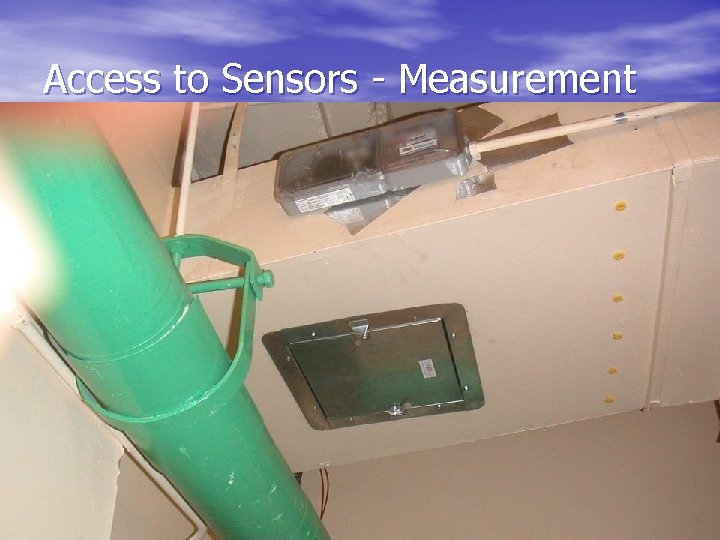
Access to Sensors - Measurement
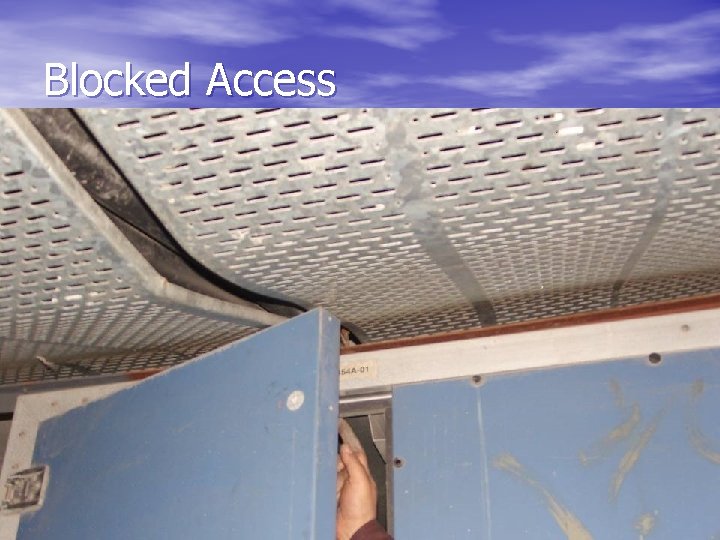
Blocked Access
Inventory - For each component • Task description – What has to be done • Frequency – How often it has to be done
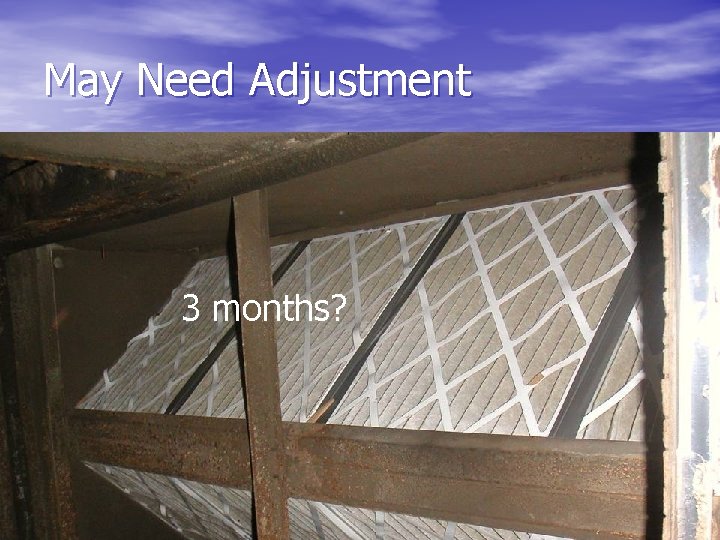
May Need Adjustment 3 months?
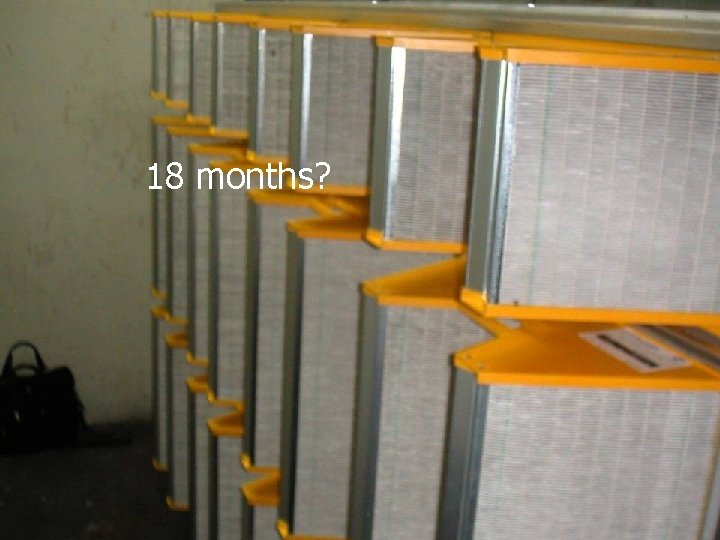
18 months?
Inventory - For each component • Task description – What has to be done • Frequency – How often it has to be done • Performance objectives – May be several for each task
Inventory - For each component • Task description – What has to be done • Frequency – How often it has to be done • Performance objectives • Condition Indicators – Observation related
Inventory - For each component • Task description – What has to be done • Frequency – How often it has to be done • Performance objectives – May be several for each task • Condition Indicators – Observation related – Performance Related
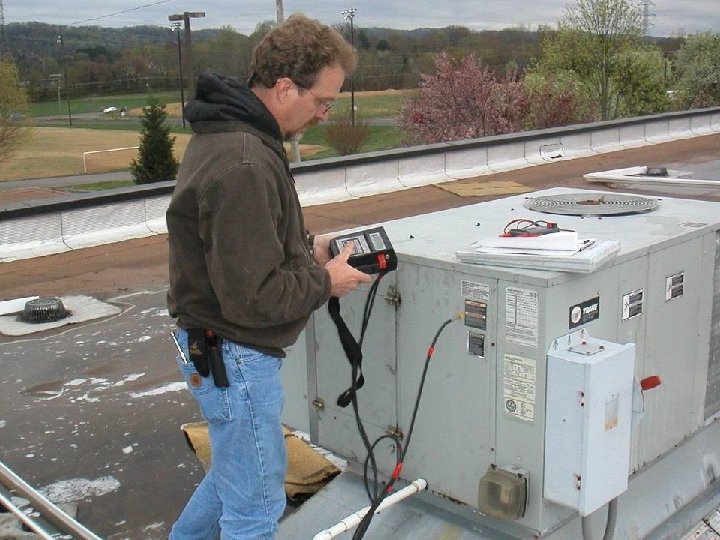
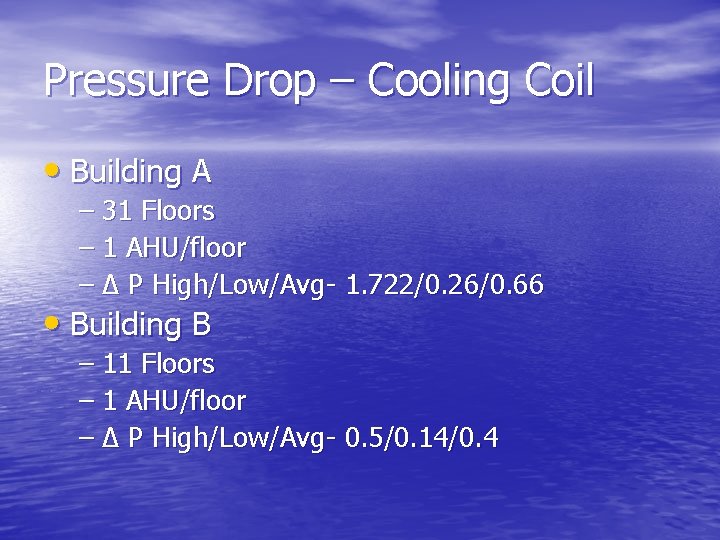
Pressure Drop – Cooling Coil • Building A – 31 Floors – 1 AHU/floor – ∆ P High/Low/Avg- 1. 722/0. 26/0. 66 • Building B – 11 Floors – 1 AHU/floor – ∆ P High/Low/Avg- 0. 5/0. 14/0. 4
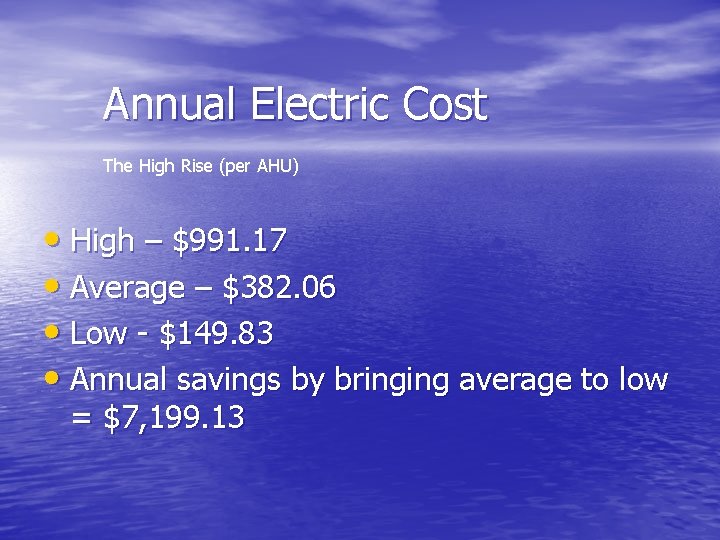
Annual Electric Cost The High Rise (per AHU) • High – $991. 17 • Average – $382. 06 • Low - $149. 83 • Annual savings by bringing average to low = $7, 199. 13
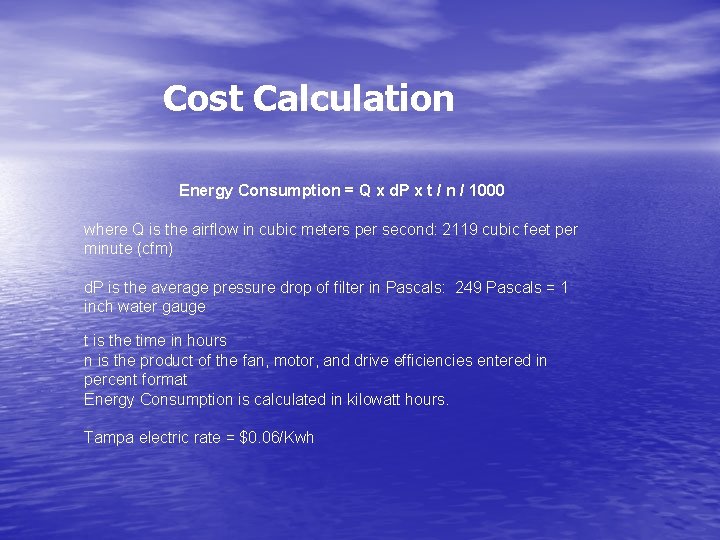
Cost Calculation Energy Consumption = Q x d. P x t / n / 1000 where Q is the airflow in cubic meters per second: 2119 cubic feet per minute (cfm) d. P is the average pressure drop of filter in Pascals: 249 Pascals = 1 inch water gauge t is the time in hours n is the product of the fan, motor, and drive efficiencies entered in percent format Energy Consumption is calculated in kilowatt hours. Tampa electric rate = $0. 06/Kwh
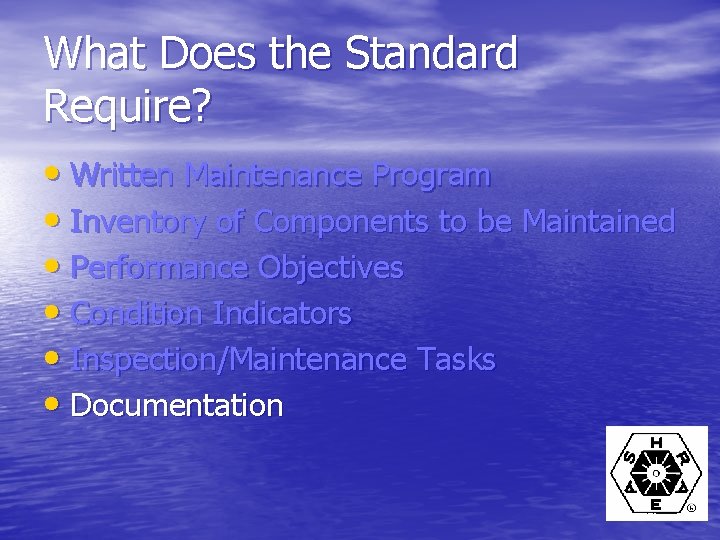
What Does the Standard Require? • Written Maintenance Program • Inventory of Components to be Maintained • Performance Objectives • Condition Indicators • Inspection/Maintenance Tasks • Documentation
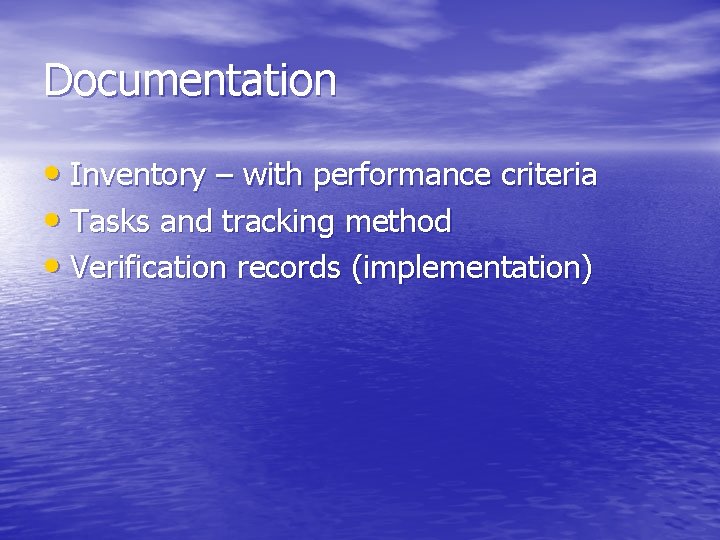
Documentation • Inventory – with performance criteria • Tasks and tracking method • Verification records (implementation)
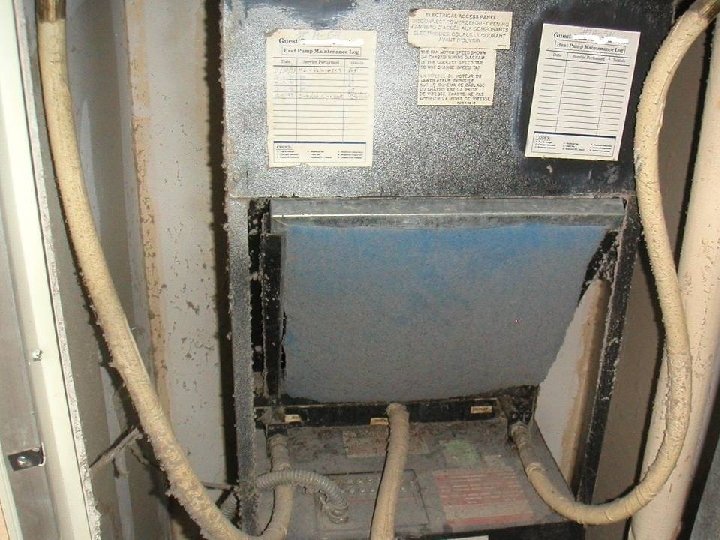
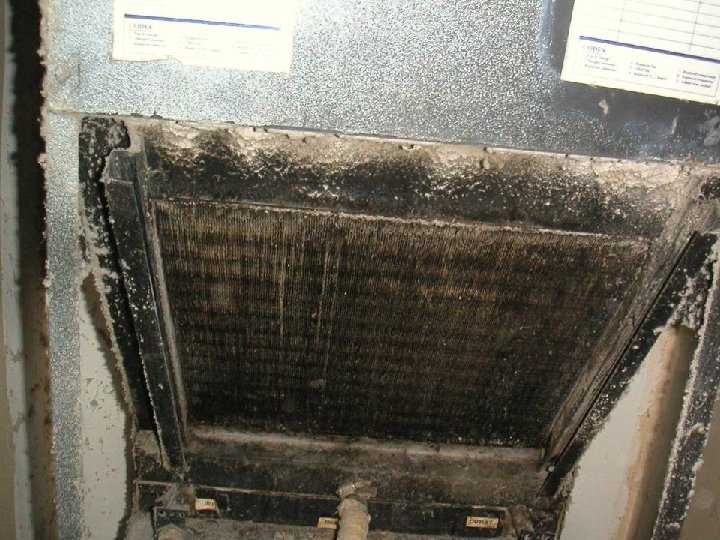

Maintenance Repays Costs Many Times
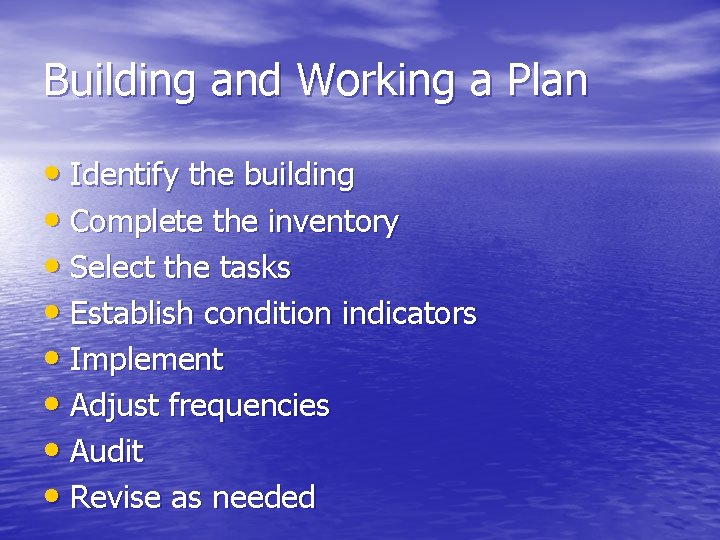
Building and Working a Plan • Identify the building • Complete the inventory • Select the tasks • Establish condition indicators • Implement • Adjust frequencies • Audit • Revise as needed

Codes and Standard 180 • Basis for code inclusion
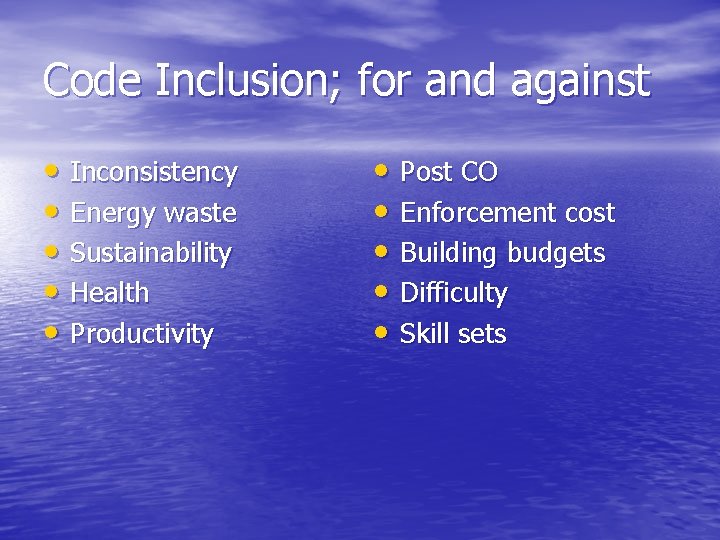
Code Inclusion; for and against • Inconsistency • Energy waste • Sustainability • Health • Productivity • Post CO • Enforcement cost • Building budgets • Difficulty • Skill sets

Codes and Standard 180 • Basis for code inclusion • How to implement
Code Implementation • Annual inspection/w associated fee • Review of Maintenance Plan • Confirmation of Inventory • Spot check of inspection records (10%) • Physical verification of condition – No pass: 6 month re-inspection?

Your Opinions, Please… and Questions…

For Further Information • Robert Baker • 408 14 th Street SW • Ruskin, FL 33570 • 813 -217 -5273 • rbaker@bbjenviro. com
- Slides: 74