
Use of ECMO in Severe Sepsis Dr LAU





- Slides: 36
Use of ECMO in Severe Sepsis Dr LAU Chun Wing, Arthur Associate Consultant Intensive Care Unit Pamela Youde Nethersole Eastern Hospital, Hong Kong Presented at the ECMO Case Discussion Meeting co-organized with ICU, United Christian Hospital on 23 rd January, 2015
Life is like a giant puzzle. Everyday we struggle to find its pieces to make it into a complete picture.
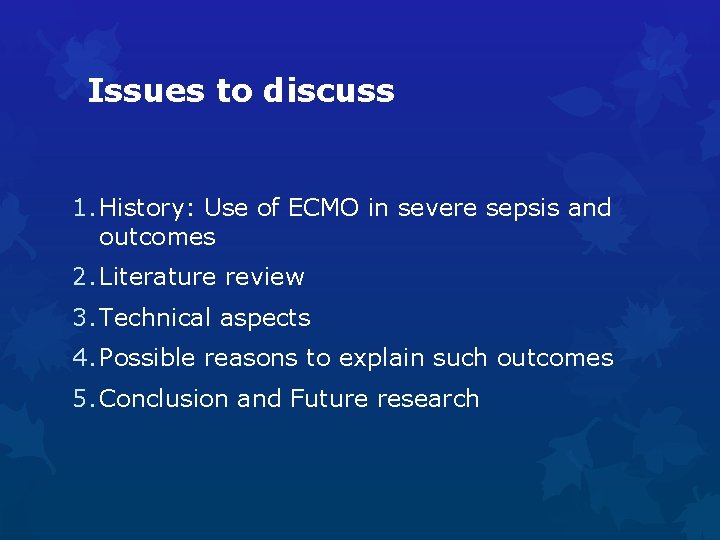
Issues to discuss 1. History: Use of ECMO in severe sepsis and outcomes 2. Literature review 3. Technical aspects 4. Possible reasons to explain such outcomes 5. Conclusion and Future research
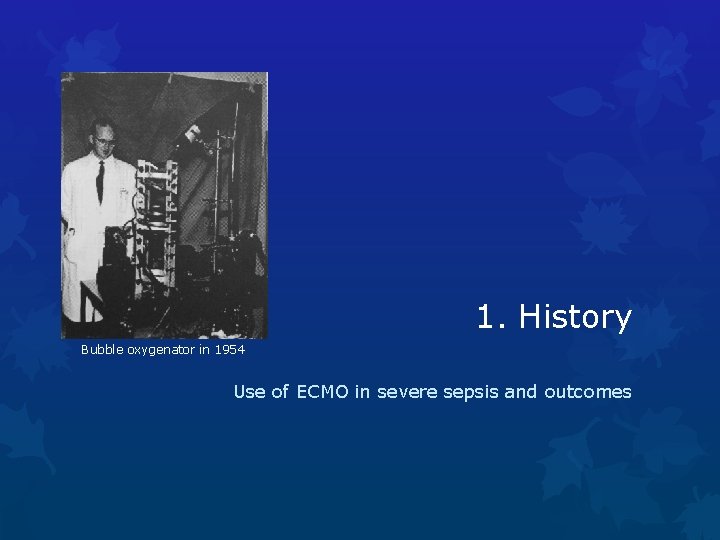
1. History Bubble oxygenator in 1954 Use of ECMO in severe sepsis and outcomes
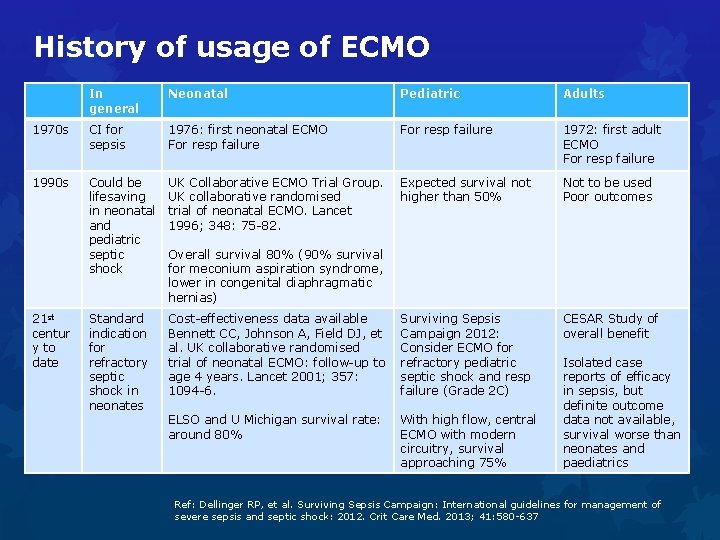
History of usage of ECMO In general Neonatal Pediatric Adults 1970 s CI for sepsis 1976: first neonatal ECMO For resp failure 1972: first adult ECMO For resp failure 1990 s Could be lifesaving in neonatal and pediatric septic shock UK Collaborative ECMO Trial Group. UK collaborative randomised trial of neonatal ECMO. Lancet 1996; 348: 75 -82. Expected survival not higher than 50% Not to be used Poor outcomes Standard indication for refractory septic shock in neonates Cost-effectiveness data available Bennett CC, Johnson A, Field DJ, et al. UK collaborative randomised trial of neonatal ECMO: follow-up to age 4 years. Lancet 2001; 357: 1094 -6. Surviving Sepsis Campaign 2012: Consider ECMO for refractory pediatric septic shock and resp failure (Grade 2 C) CESAR Study of overall benefit ELSO and U Michigan survival rate: around 80% With high flow, central ECMO with modern circuitry, survival approaching 75% 21 st centur y to date Overall survival 80% (90% survival for meconium aspiration syndrome, lower in congenital diaphragmatic hernias) Isolated case reports of efficacy in sepsis, but definite outcome data not available, survival worse than neonates and paediatrics Ref: Dellinger RP, et al. Surviving Sepsis Campaign: International guidelines for management of severe sepsis and septic shock: 2012. Crit Care Med. 2013; 41: 580 -637
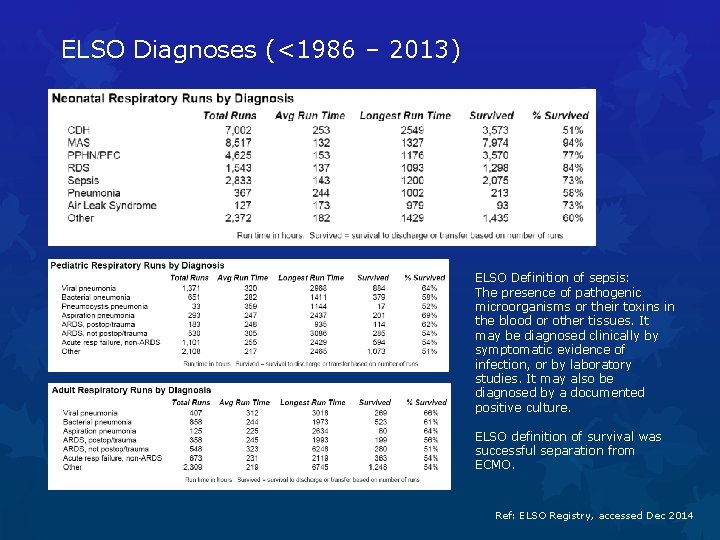
ELSO Diagnoses (<1986 – 2013) ELSO Definition of sepsis: The presence of pathogenic microorganisms or their toxins in the blood or other tissues. It may be diagnosed clinically by symptomatic evidence of infection, or by laboratory studies. It may also be diagnosed by a documented positive culture. ELSO definition of survival was successful separation from ECMO. Ref: ELSO Registry, accessed Dec 2014
2. Literature review
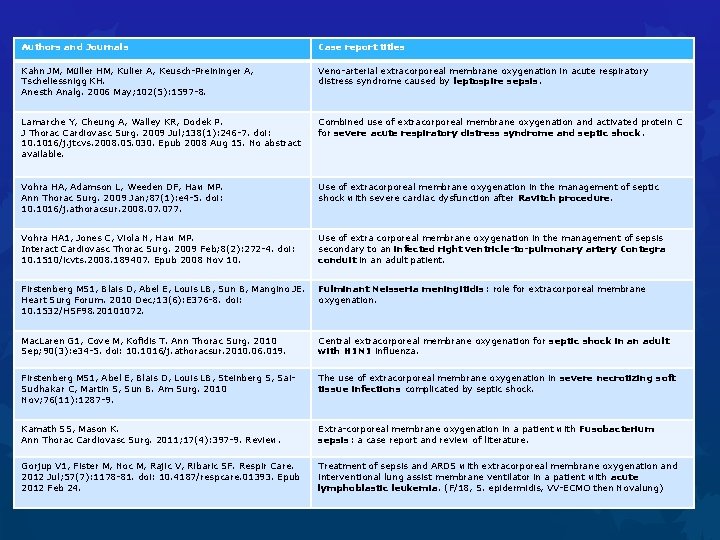
Authors and Journals Case report titles Kahn JM, Müller HM, Kulier A, Keusch-Preininger A, Tscheliessnigg KH. Anesth Analg. 2006 May; 102(5): 1597 -8. Veno-arterial extracorporeal membrane oxygenation in acute respiratory distress syndrome caused by leptospire sepsis. Lamarche Y, Cheung A, Walley KR, Dodek P. J Thorac Cardiovasc Surg. 2009 Jul; 138(1): 246 -7. doi: 10. 1016/j. jtcvs. 2008. 05. 030. Epub 2008 Aug 15. No abstract available. Combined use of extracorporeal membrane oxygenation and activated protein C for severe acute respiratory distress syndrome and septic shock. Vohra HA, Adamson L, Weeden DF, Haw MP. Ann Thorac Surg. 2009 Jan; 87(1): e 4 -5. doi: 10. 1016/j. athoracsur. 2008. 077. Use of extracorporeal membrane oxygenation in the management of septic shock with severe cardiac dysfunction after Ravitch procedure. Vohra HA 1, Jones C, Viola N, Haw MP. Interact Cardiovasc Thorac Surg. 2009 Feb; 8(2): 272 -4. doi: 10. 1510/icvts. 2008. 189407. Epub 2008 Nov 10. Use of extra corporeal membrane oxygenation in the management of sepsis secondary to an infected right ventricle-to-pulmonary artery Contegra conduit in an adult patient. Firstenberg MS 1, Blais D, Abel E, Louis LB, Sun B, Mangino JE. Heart Surg Forum. 2010 Dec; 13(6): E 376 -8. doi: 10. 1532/HSF 98. 20101072. Fulminant Neisseria meningitidis: role for extracorporeal membrane oxygenation. Mac. Laren G 1, Cove M, Kofidis T. Ann Thorac Surg. 2010 Sep; 90(3): e 34 -5. doi: 10. 1016/j. athoracsur. 2010. 06. 019. Central extracorporeal membrane oxygenation for septic shock in an adult with H 1 N 1 influenza. Firstenberg MS 1, Abel E, Blais D, Louis LB, Steinberg S, Sai. Sudhakar C, Martin S, Sun B. Am Surg. 2010 Nov; 76(11): 1287 -9. The use of extracorporeal membrane oxygenation in severe necrotizing soft tissue infections complicated by septic shock. Kamath SS, Mason K. Ann Thorac Cardiovasc Surg. 2011; 17(4): 397 -9. Review. Extra-corporeal membrane oxygenation in a patient with Fusobacterium sepsis: a case report and review of literature. Gorjup V 1, Fister M, Noc M, Rajic V, Ribaric SF. Respir Care. 2012 Jul; 57(7): 1178 -81. doi: 10. 4187/respcare. 01393. Epub 2012 Feb 24. Treatment of sepsis and ARDS with extracorporeal membrane oxygenation and interventional lung assist membrane ventilator in a patient with acute lymphoblastic leukemia. (F/18, S. epidermidis, VV-ECMO then Novalung)
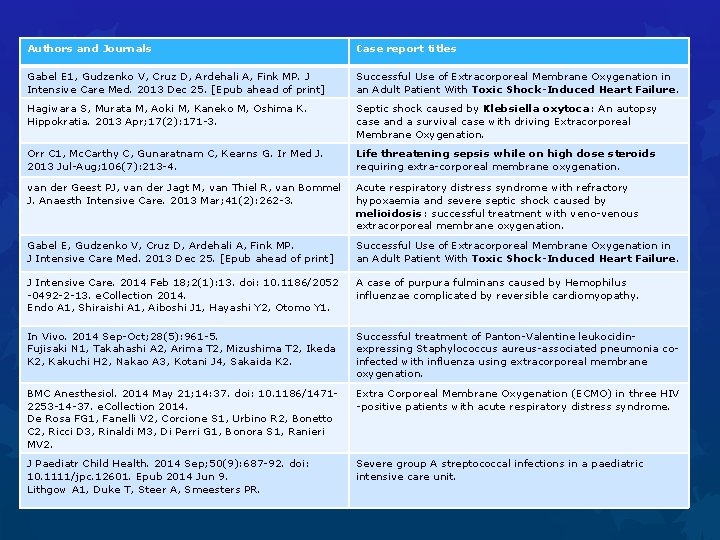
Authors and Journals Case report titles Gabel E 1, Gudzenko V, Cruz D, Ardehali A, Fink MP. J Intensive Care Med. 2013 Dec 25. [Epub ahead of print] Successful Use of Extracorporeal Membrane Oxygenation in an Adult Patient With Toxic Shock-Induced Heart Failure. Hagiwara S, Murata M, Aoki M, Kaneko M, Oshima K. Hippokratia. 2013 Apr; 17(2): 171 -3. Septic shock caused by Klebsiella oxytoca: An autopsy case and a survival case with driving Extracorporeal Membrane Oxygenation. Orr C 1, Mc. Carthy C, Gunaratnam C, Kearns G. Ir Med J. 2013 Jul-Aug; 106(7): 213 -4. Life threatening sepsis while on high dose steroids requiring extra-corporeal membrane oxygenation. van der Geest PJ, van der Jagt M, van Thiel R, van Bommel J. Anaesth Intensive Care. 2013 Mar; 41(2): 262 -3. Acute respiratory distress syndrome with refractory hypoxaemia and severe septic shock caused by melioidosis: successful treatment with veno-venous extracorporeal membrane oxygenation. Gabel E, Gudzenko V, Cruz D, Ardehali A, Fink MP. J Intensive Care Med. 2013 Dec 25. [Epub ahead of print] Successful Use of Extracorporeal Membrane Oxygenation in an Adult Patient With Toxic Shock-Induced Heart Failure. J Intensive Care. 2014 Feb 18; 2(1): 13. doi: 10. 1186/2052 -0492 -2 -13. e. Collection 2014. Endo A 1, Shiraishi A 1, Aiboshi J 1, Hayashi Y 2, Otomo Y 1. A case of purpura fulminans caused by Hemophilus influenzae complicated by reversible cardiomyopathy. In Vivo. 2014 Sep-Oct; 28(5): 961 -5. Fujisaki N 1, Takahashi A 2, Arima T 2, Mizushima T 2, Ikeda K 2, Kakuchi H 2, Nakao A 3, Kotani J 4, Sakaida K 2. Successful treatment of Panton-Valentine leukocidinexpressing Staphylococcus aureus-associated pneumonia coinfected with influenza using extracorporeal membrane oxygenation. BMC Anesthesiol. 2014 May 21; 14: 37. doi: 10. 1186/14712253 -14 -37. e. Collection 2014. De Rosa FG 1, Fanelli V 2, Corcione S 1, Urbino R 2, Bonetto C 2, Ricci D 3, Rinaldi M 3, Di Perri G 1, Bonora S 1, Ranieri MV 2. Extra Corporeal Membrane Oxygenation (ECMO) in three HIV -positive patients with acute respiratory distress syndrome. J Paediatr Child Health. 2014 Sep; 50(9): 687 -92. doi: 10. 1111/jpc. 12601. Epub 2014 Jun 9. Lithgow A 1, Duke T, Steer A, Smeesters PR. Severe group A streptococcal infections in a paediatric intensive care unit.
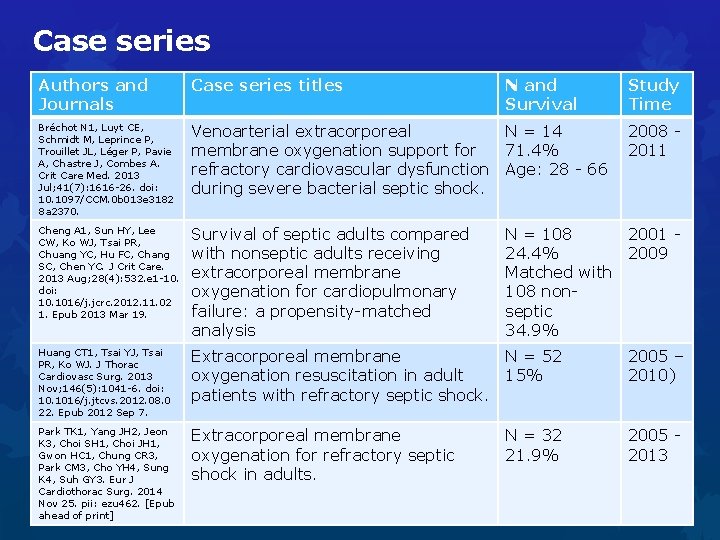
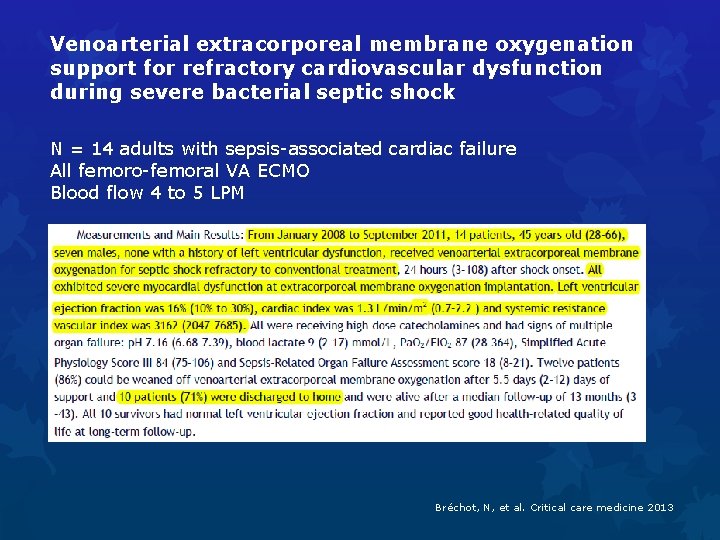
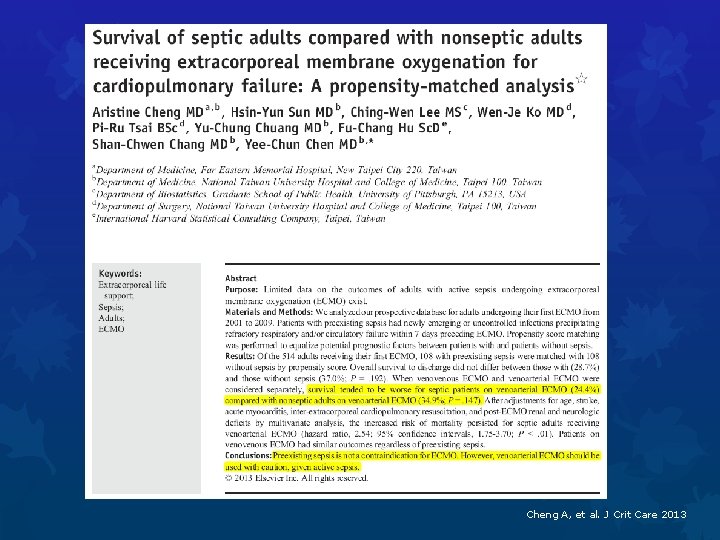
Case series Authors and Journals Case series titles N and Survival Study Time Bréchot N 1, Luyt CE, Schmidt M, Leprince P, Trouillet JL, Léger P, Pavie A, Chastre J, Combes A. Crit Care Med. 2013 Jul; 41(7): 1616 -26. doi: 10. 1097/CCM. 0 b 013 e 3182 8 a 2370. Venoarterial extracorporeal N = 14 membrane oxygenation support for 71. 4% refractory cardiovascular dysfunction Age: 28 - 66 during severe bacterial septic shock. Cheng A 1, Sun HY, Lee CW, Ko WJ, Tsai PR, Chuang YC, Hu FC, Chang SC, Chen YC. J Crit Care. 2013 Aug; 28(4): 532. e 1 -10. doi: 10. 1016/j. jcrc. 2012. 11. 02 1. Epub 2013 Mar 19. Survival of septic adults compared with nonseptic adults receiving extracorporeal membrane oxygenation for cardiopulmonary failure: a propensity-matched analysis Huang CT 1, Tsai YJ, Tsai PR, Ko WJ. J Thorac Cardiovasc Surg. 2013 Nov; 146(5): 1041 -6. doi: 10. 1016/j. jtcvs. 2012. 08. 0 22. Epub 2012 Sep 7. Extracorporeal membrane N = 52 oxygenation resuscitation in adult 15% patients with refractory septic shock. 2005 – 2010) Park TK 1, Yang JH 2, Jeon K 3, Choi SH 1, Choi JH 1, Gwon HC 1, Chung CR 3, Park CM 3, Cho YH 4, Sung K 4, Suh GY 3. Eur J Cardiothorac Surg. 2014 Nov 25. pii: ezu 462. [Epub ahead of print] Extracorporeal membrane oxygenation for refractory septic shock in adults. 2005 2013 2008 2011 N = 108 2001 24. 4% 2009 Matched with 108 nonseptic 34. 9% N = 32 21. 9%
Venoarterial extracorporeal membrane oxygenation support for refractory cardiovascular dysfunction during severe bacterial septic shock N = 14 adults with sepsis-associated cardiac failure All femoro-femoral VA ECMO Blood flow 4 to 5 LPM Bréchot, N, et al. Critical care medicine 2013
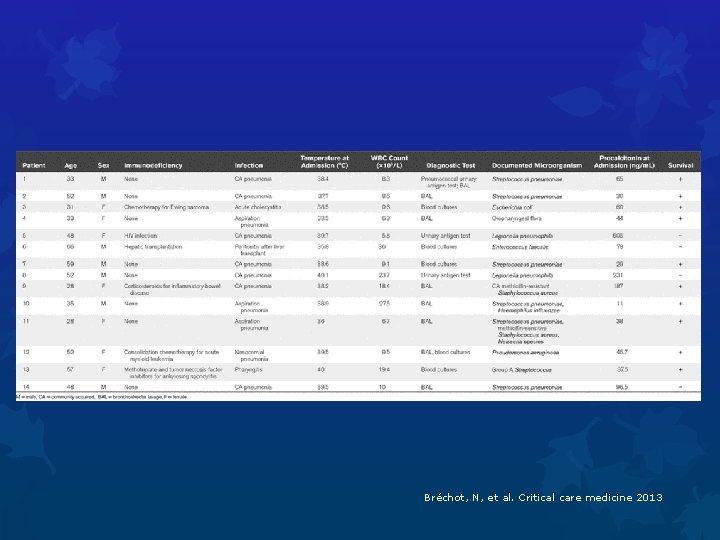
Bréchot, N, et al. Critical care medicine 2013
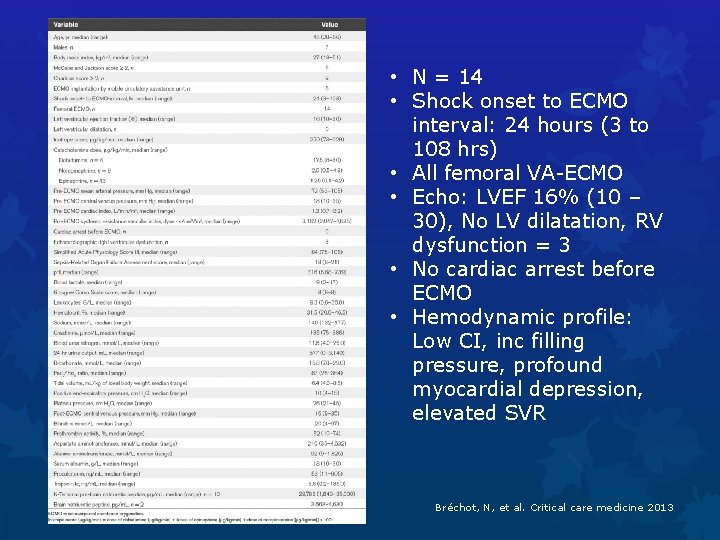
• N = 14 • Shock onset to ECMO interval: 24 hours (3 to 108 hrs) • All femoral VA-ECMO • Echo: LVEF 16% (10 – 30), No LV dilatation, RV dysfunction = 3 • No cardiac arrest before ECMO • Hemodynamic profile: Low CI, inc filling pressure, profound myocardial depression, elevated SVR Bréchot, N, et al. Critical care medicine 2013
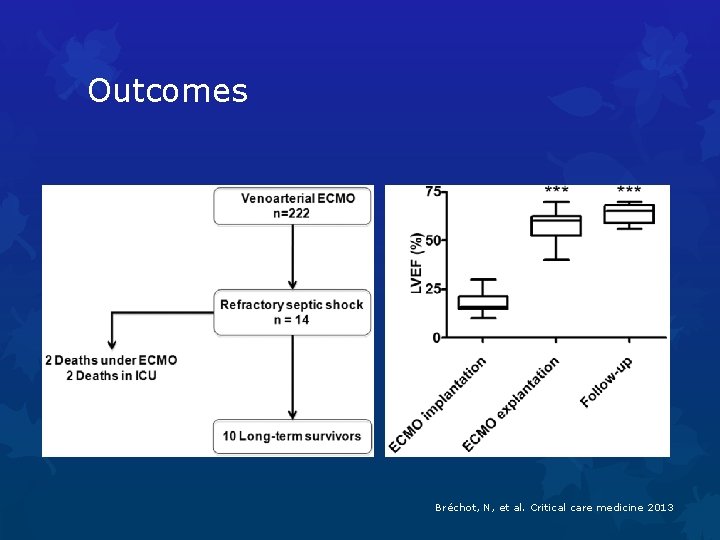
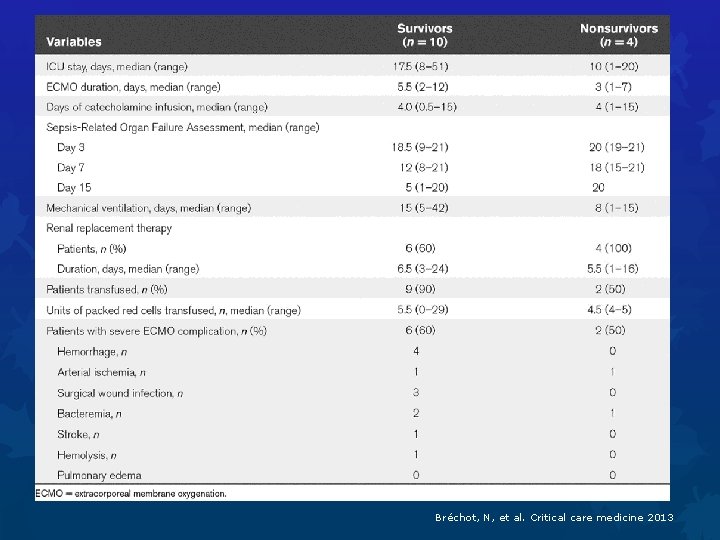
Outcomes Bréchot, N, et al. Critical care medicine 2013
Bréchot, N, et al. Critical care medicine 2013
Cheng A, et al. J Crit Care 2013
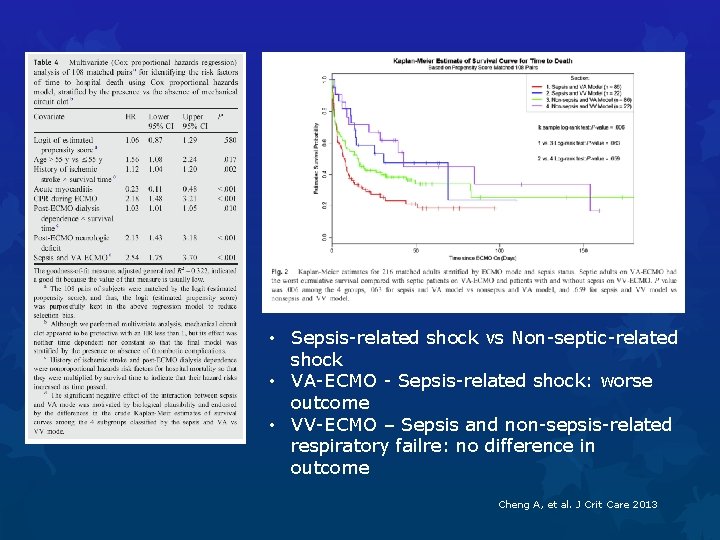
• Sepsis-related shock vs Non-septic-related shock • VA-ECMO - Sepsis-related shock: worse outcome • VV-ECMO – Sepsis and non-sepsis-related respiratory failre: no difference in outcome Cheng A, et al. J Crit Care 2013
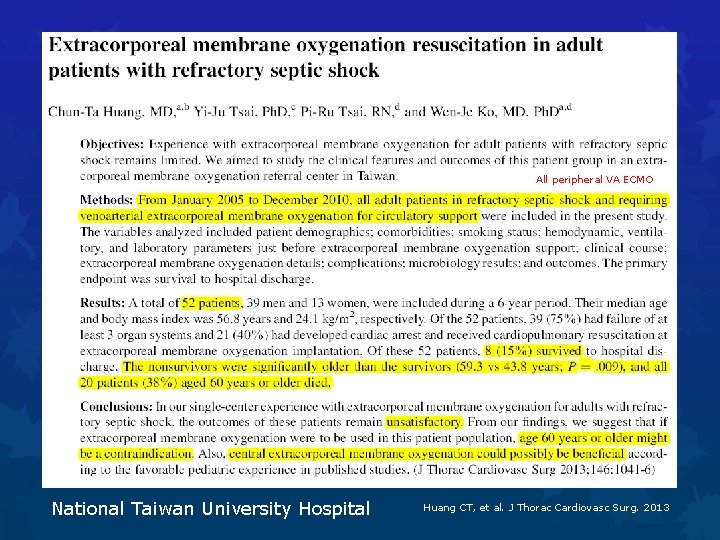
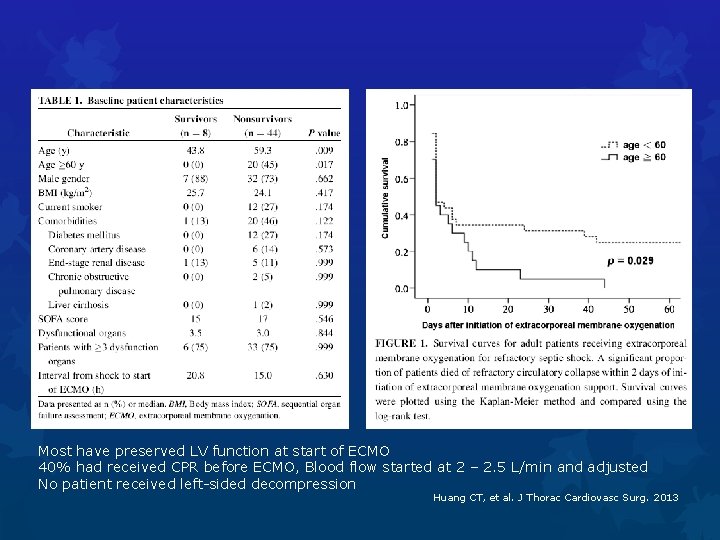
All peripheral VA ECMO National Taiwan University Hospital Huang CT, et al. J Thorac Cardiovasc Surg. 2013
Most have preserved LV function at start of ECMO 40% had received CPR before ECMO, Blood flow started at 2 – 2. 5 L/min and adjusted No patient received left-sided decompression Huang CT, et al. J Thorac Cardiovasc Surg. 2013
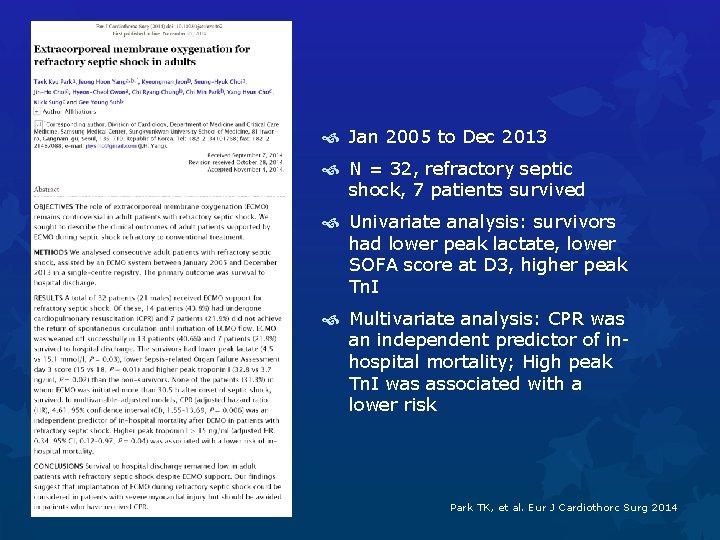
Jan 2005 to Dec 2013 N = 32, refractory septic shock, 7 patients survived Univariate analysis: survivors had lower peak lactate, lower SOFA score at D 3, higher peak Tn. I Multivariate analysis: CPR was an independent predictor of inhospital mortality; High peak Tn. I was associated with a lower risk Park TK, et al. Eur J Cardiothorc Surg 2014
3. Technical aspects
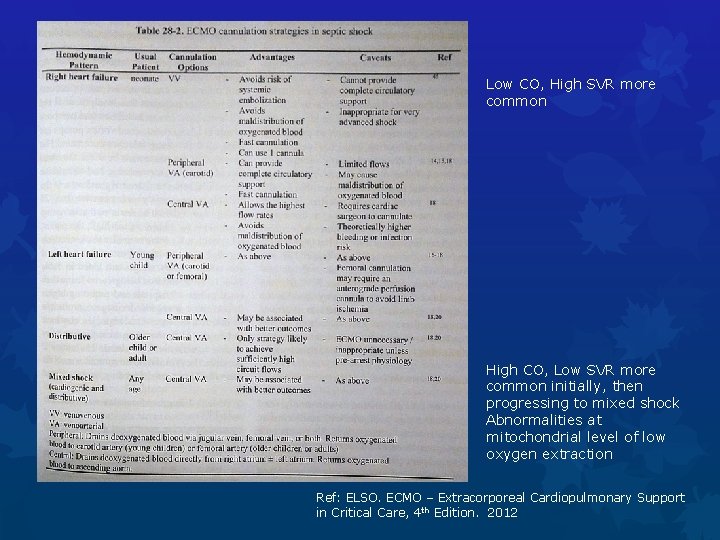
Low CO, High SVR more common High CO, Low SVR more common initially, then progressing to mixed shock Abnormalities at mitochondrial level of low oxygen extraction Ref: ELSO. ECMO – Extracorporeal Cardiopulmonary Support in Critical Care, 4 th Edition. 2012
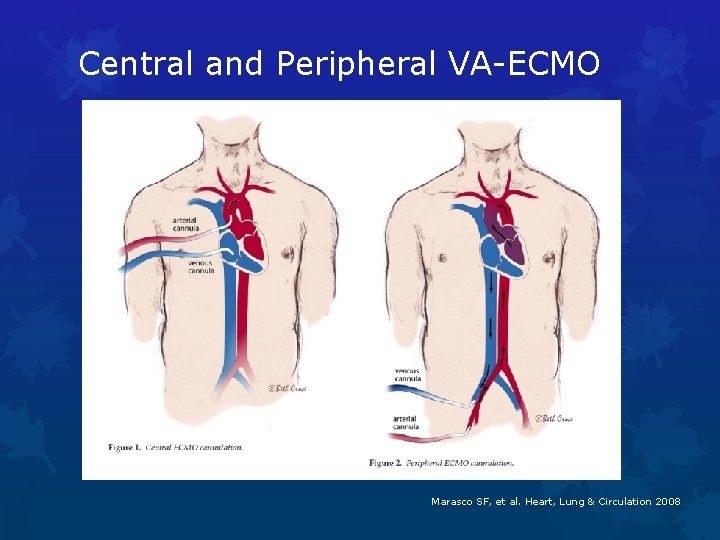
Central and Peripheral VA-ECMO Marasco SF, et al. Heart, Lung & Circulation 2008
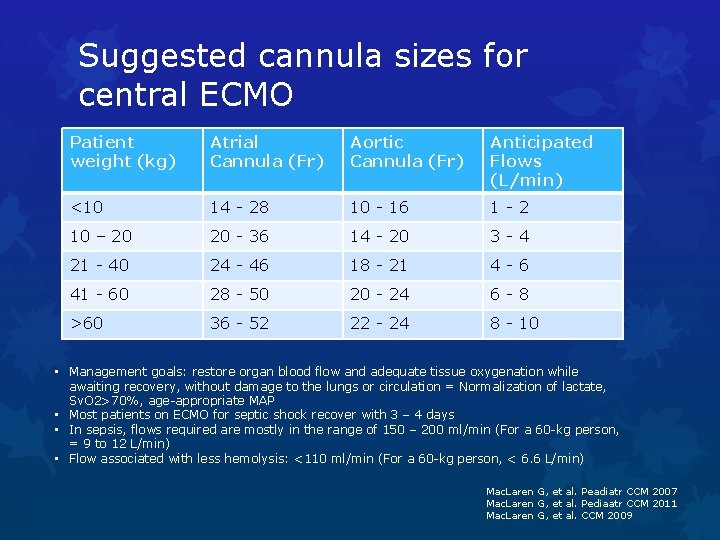
Suggested cannula sizes for central ECMO Patient weight (kg) Atrial Cannula (Fr) Aortic Cannula (Fr) Anticipated Flows (L/min) <10 14 - 28 10 - 16 1 -2 10 – 20 20 - 36 14 - 20 3 -4 21 - 40 24 - 46 18 - 21 4 -6 41 - 60 28 - 50 20 - 24 6 -8 >60 36 - 52 22 - 24 8 - 10 • Management goals: restore organ blood flow and adequate tissue oxygenation while awaiting recovery, without damage to the lungs or circulation = Normalization of lactate, Sv. O 2>70%, age-appropriate MAP • Most patients on ECMO for septic shock recover with 3 – 4 days • In sepsis, flows required are mostly in the range of 150 – 200 ml/min (For a 60 -kg person, = 9 to 12 L/min) • Flow associated with less hemolysis: <110 ml/min (For a 60 -kg person, < 6. 6 L/min) Mac. Laren G, et al. Peadiatr CCM 2007 Mac. Laren G, et al. Pediaatr CCM 2011 Mac. Laren G, et al. CCM 2009
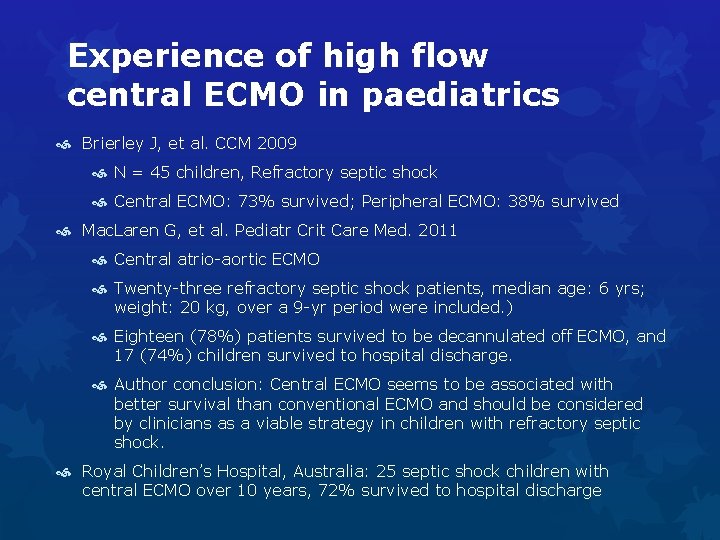
Experience of high flow central ECMO in paediatrics Brierley J, et al. CCM 2009 N = 45 children, Refractory septic shock Central ECMO: 73% survived; Peripheral ECMO: 38% survived Mac. Laren G, et al. Pediatr Crit Care Med. 2011 Central atrio-aortic ECMO Twenty-three refractory septic shock patients, median age: 6 yrs; weight: 20 kg, over a 9 -yr period were included. ) Eighteen (78%) patients survived to be decannulated off ECMO, and 17 (74%) children survived to hospital discharge. Author conclusion: Central ECMO seems to be associated with better survival than conventional ECMO and should be considered by clinicians as a viable strategy in children with refractory septic shock. Royal Children’s Hospital, Australia: 25 septic shock children with central ECMO over 10 years, 72% survived to hospital discharge
4. Possible reasons to explain such outcomes
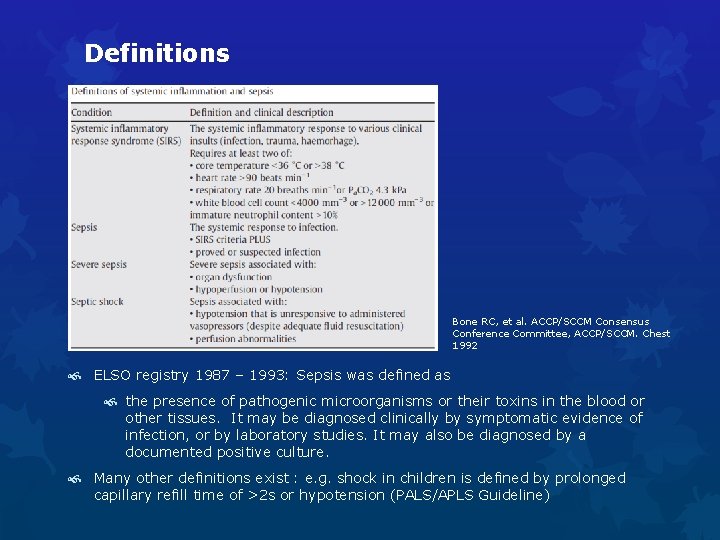
Definitions Bone RC, et al. ACCP/SCCM Consensus Conference Committee, ACCP/SCCM. Chest 1992 ELSO registry 1987 – 1993: Sepsis was defined as the presence of pathogenic microorganisms or their toxins in the blood or other tissues. It may be diagnosed clinically by symptomatic evidence of infection, or by laboratory studies. It may also be diagnosed by a documented positive culture. Many other definitions exist : e. g. shock in children is defined by prolonged capillary refill time of >2 s or hypotension (PALS/APLS Guideline)
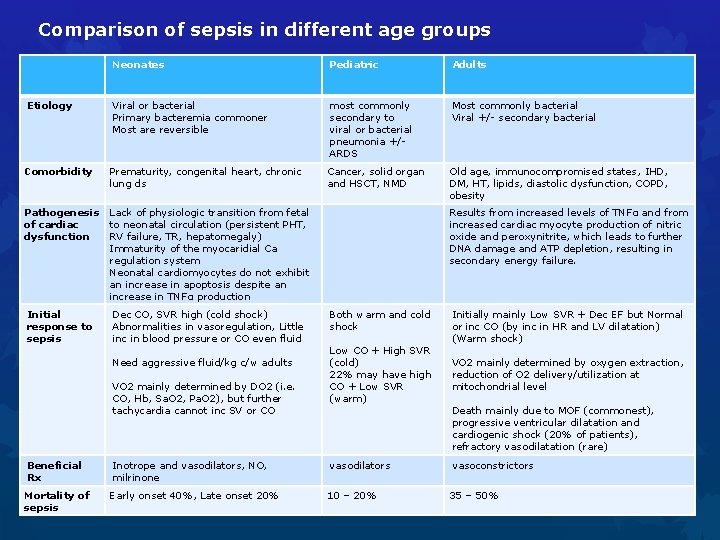
Comparison of sepsis in different age groups Neonates Pediatric Adults Etiology Viral or bacterial Primary bacteremia commoner Most are reversible most commonly secondary to viral or bacterial pneumonia +/ARDS Most commonly bacterial Viral +/- secondary bacterial Comorbidity Prematurity, congenital heart, chronic lung ds Cancer, solid organ and HSCT, NMD Old age, immunocompromised states, IHD, DM, HT, lipids, diastolic dysfunction, COPD, obesity Pathogenesis Lack of physiologic transition from fetal of cardiac to neonatal circulation (persistent PHT, dysfunction RV failure, TR, hepatomegaly) Immaturity of the myocaridial Ca regulation system Neonatal cardiomyocytes do not exhibit an increase in apoptosis despite an increase in TNFα production Initial response to sepsis Dec CO, SVR high (cold shock) Abnormalities in vasoregulation, Little inc in blood pressure or CO even fluid Need aggressive fluid/kg c/w adults VO 2 mainly determined by DO 2 (i. e. CO, Hb, Sa. O 2, Pa. O 2), but further tachycardia cannot inc SV or CO Results from increased levels of TNFα and from increased cardiac myocyte production of nitric oxide and peroxynitrite, which leads to further DNA damage and ATP depletion, resulting in secondary energy failure. Both warm and cold shock Low CO + High SVR (cold) 22% may have high CO + Low SVR (warm) Initially mainly Low SVR + Dec EF but Normal or inc CO (by inc in HR and LV dilatation) (Warm shock) VO 2 mainly determined by oxygen extraction, reduction of O 2 delivery/utilization at mitochondrial level Death mainly due to MOF (commonest), progressive ventricular dilatation and cardiogenic shock (20% of patients), refractory vasodilatation (rare) Beneficial Rx Inotrope and vasodilators, NO, milrinone vasodilators vasoconstrictors Mortality of sepsis Early onset 40%, Late onset 20% 10 – 20% 35 – 50%
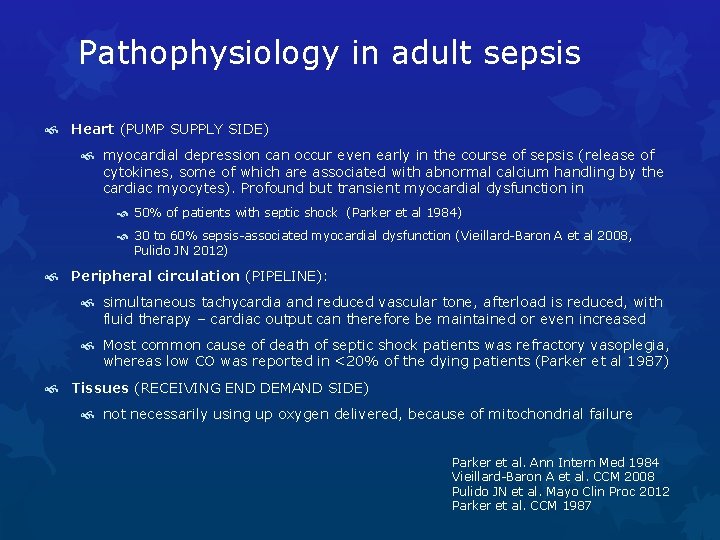
Pathophysiology in adult sepsis Heart (PUMP SUPPLY SIDE) myocardial depression can occur even early in the course of sepsis (release of cytokines, some of which are associated with abnormal calcium handling by the cardiac myocytes). Profound but transient myocardial dysfunction in 50% of patients with septic shock (Parker et al 1984) 30 to 60% sepsis-associated myocardial dysfunction (Vieillard-Baron A et al 2008, Pulido JN 2012) Peripheral circulation (PIPELINE): simultaneous tachycardia and reduced vascular tone, afterload is reduced, with fluid therapy – cardiac output can therefore be maintained or even increased Most common cause of death of septic shock patients was refractory vasoplegia, whereas low CO was reported in <20% of the dying patients (Parker et al 1987) Tissues (RECEIVING END DEMAND SIDE) not necessarily using up oxygen delivered, because of mitochondrial failure Parker et al. Ann Intern Med 1984 Vieillard-Baron A et al. CCM 2008 Pulido JN et al. Mayo Clin Proc 2012 Parker et al. CCM 1987
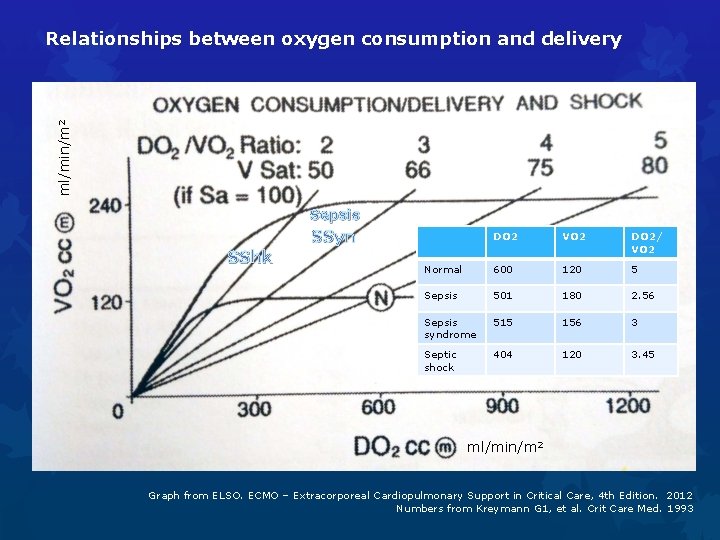
ml/min/m 2 Relationships between oxygen consumption and delivery Sepsis SSyn SShk DO 2 VO 2 DO 2/ VO 2 Normal 600 120 5 Sepsis 501 180 2. 56 Sepsis syndrome 515 156 3 Septic shock 404 120 3. 45 ml/min/m 2 Graph from ELSO. ECMO – Extracorporeal Cardiopulmonary Support in Critical Care, 4 th Edition. 2012 Numbers from Kreymann G 1, et al. Crit Care Med. 1993
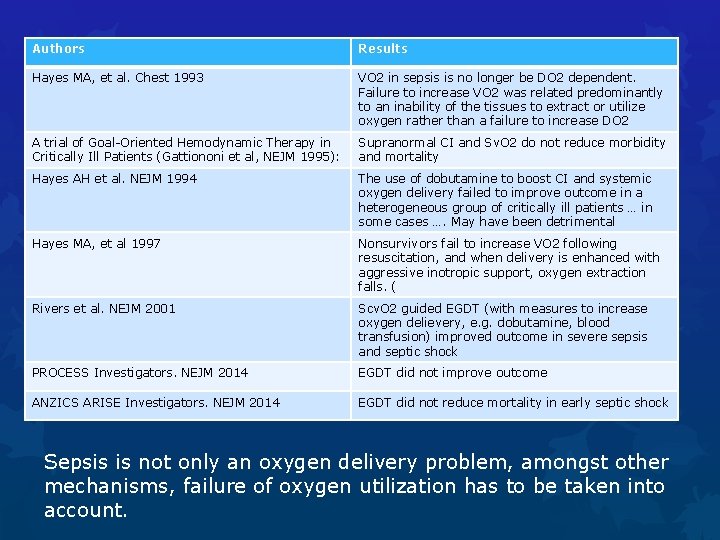
Authors Results Hayes MA, et al. Chest 1993 VO 2 in sepsis is no longer be DO 2 dependent. Failure to increase VO 2 was related predominantly to an inability of the tissues to extract or utilize oxygen rather than a failure to increase DO 2 A trial of Goal-Oriented Hemodynamic Therapy in Critically Ill Patients (Gattiononi et al, NEJM 1995): Supranormal CI and Sv. O 2 do not reduce morbidity and mortality Hayes AH et al. NEJM 1994 The use of dobutamine to boost CI and systemic oxygen delivery failed to improve outcome in a heterogeneous group of critically ill patients … in some cases …. May have been detrimental Hayes MA, et al 1997 Nonsurvivors fail to increase VO 2 following resuscitation, and when delivery is enhanced with aggressive inotropic support, oxygen extraction falls. ( Rivers et al. NEJM 2001 Scv. O 2 guided EGDT (with measures to increase oxygen delievery, e. g. dobutamine, blood transfusion) improved outcome in severe sepsis and septic shock PROCESS Investigators. NEJM 2014 EGDT did not improve outcome ANZICS ARISE Investigators. NEJM 2014 EGDT did not reduce mortality in early septic shock Sepsis is not only an oxygen delivery problem, amongst other mechanisms, failure of oxygen utilization has to be taken into account.
5. Conclusion and Future research directions
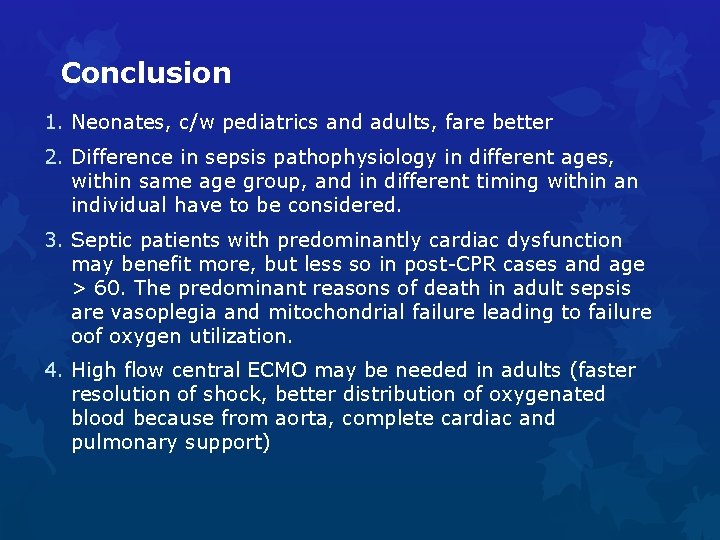
Conclusion 1. Neonates, c/w pediatrics and adults, fare better 2. Difference in sepsis pathophysiology in different ages, within same age group, and in different timing within an individual have to be considered. 3. Septic patients with predominantly cardiac dysfunction may benefit more, but less so in post-CPR cases and age > 60. The predominant reasons of death in adult sepsis are vasoplegia and mitochondrial failure leading to failure oof oxygen utilization. 4. High flow central ECMO may be needed in adults (faster resolution of shock, better distribution of oxygenated blood because from aorta, complete cardiac and pulmonary support)
Future research directions 1. ECMO particularly/only beneficial in this subgroup of pathophysiology: progressive ventricular dilatation and cardiogenic shock (20% of patients)? Not useful in MOF and relentless vasodilation group 2. Combining ECMO with other adjunctive Rx may be beneficial? – plasmapheresis, thrombomodulin, IVIg, plasma adsorption 3. ECMO flow required? High flow VV-A, or Central VA better? 4. Optimal level of anticoagulation in face of DIC 5. Oxygenator membrane and tubing colonization issues 6. How ECMO and other modalities affect vasculature and tissue level oxygen kinetics
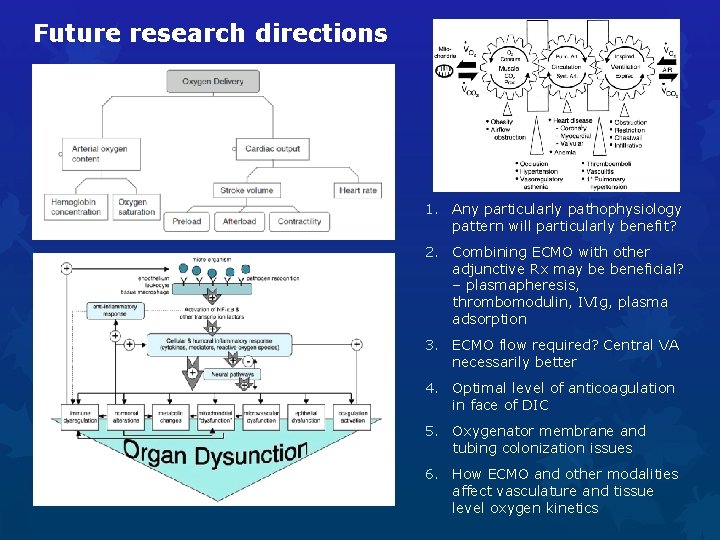
Future research directions 1. Any particularly pathophysiology pattern will particularly benefit? 2. Combining ECMO with other adjunctive Rx may be beneficial? – plasmapheresis, thrombomodulin, IVIg, plasma adsorption 3. ECMO flow required? Central VA necessarily better 4. Optimal level of anticoagulation in face of DIC 5. Oxygenator membrane and tubing colonization issues 6. How ECMO and other modalities affect vasculature and tissue level oxygen kinetics
Every accomplishment began with a decision to try … 自古成功在嘗試 Thank you.