
USA Today The report also said that doctors





- Slides: 15
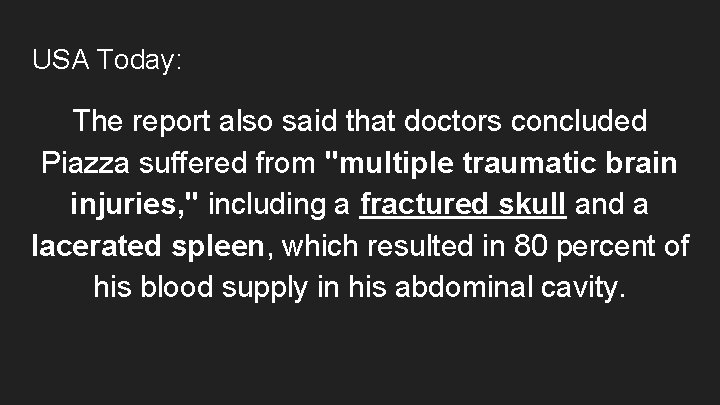
USA Today: The report also said that doctors concluded Piazza suffered from "multiple traumatic brain injuries, " including a fractured skull and a lacerated spleen, which resulted in 80 percent of his blood supply in his abdominal cavity.
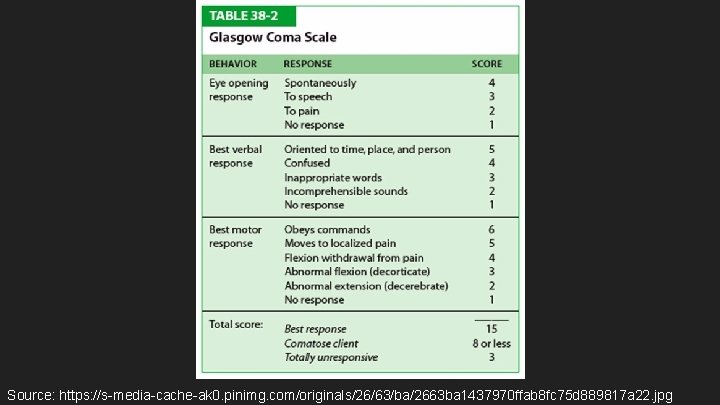
Source: https: //s-media-cache-ak 0. pinimg. com/originals/26/63/ba/2663 ba 1437970 ffab 8 fc 75 d 889817 a 22. jpg
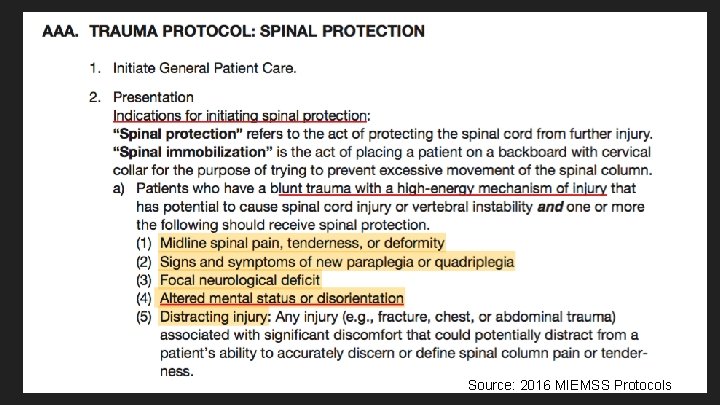
Source: 2016 MIEMSS Protocols
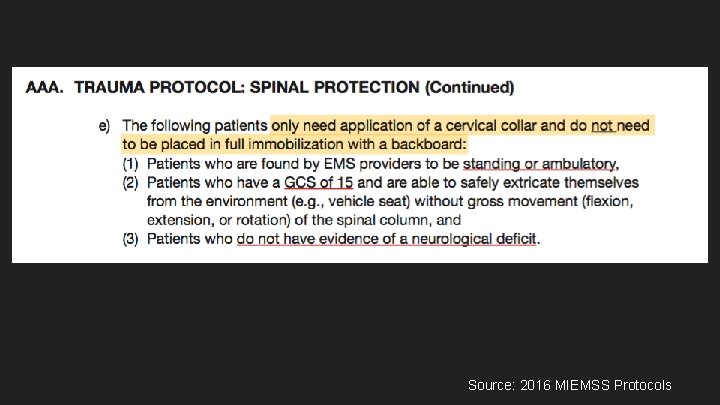
Source: 2016 MIEMSS Protocols
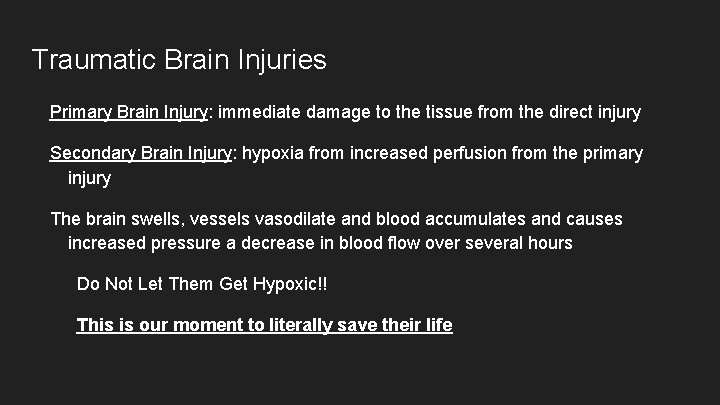
Traumatic Brain Injuries Primary Brain Injury: immediate damage to the tissue from the direct injury Secondary Brain Injury: hypoxia from increased perfusion from the primary injury The brain swells, vessels vasodilate and blood accumulates and causes increased pressure a decrease in blood flow over several hours Do Not Let Them Get Hypoxic!! This is our moment to literally save their life
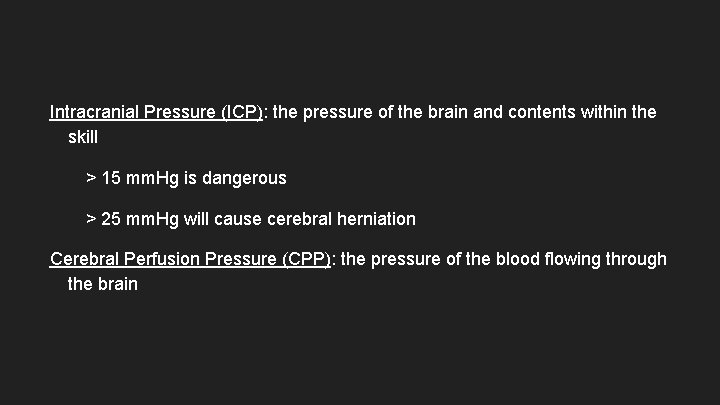
Intracranial Pressure (ICP): the pressure of the brain and contents within the skill > 15 mm. Hg is dangerous > 25 mm. Hg will cause cerebral herniation Cerebral Perfusion Pressure (CPP): the pressure of the blood flowing through the brain
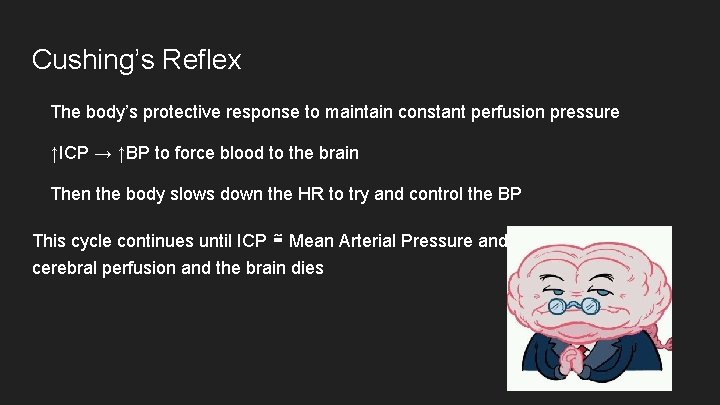
Cushing’s Reflex The body’s protective response to maintain constant perfusion pressure ↑ICP → ↑BP to force blood to the brain Then the body slows down the HR to try and control the BP This cycle continues until ICP ≅ Mean Arterial Pressure and then there is no cerebral perfusion and the brain dies
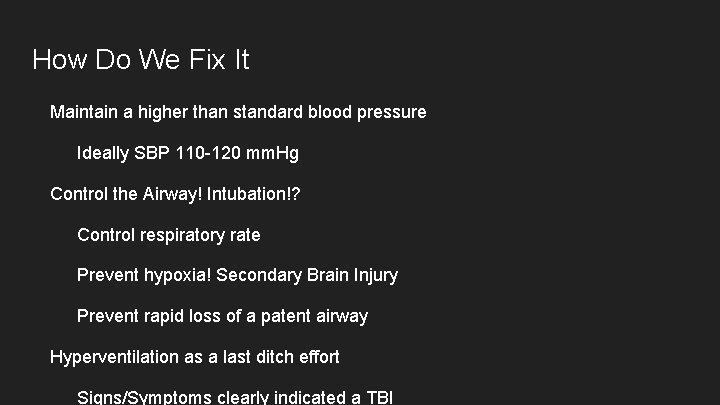
How Do We Fix It Maintain a higher than standard blood pressure Ideally SBP 110 -120 mm. Hg Control the Airway! Intubation!? Control respiratory rate Prevent hypoxia! Secondary Brain Injury Prevent rapid loss of a patent airway Hyperventilation as a last ditch effort Signs/Symptoms clearly indicated a TBI
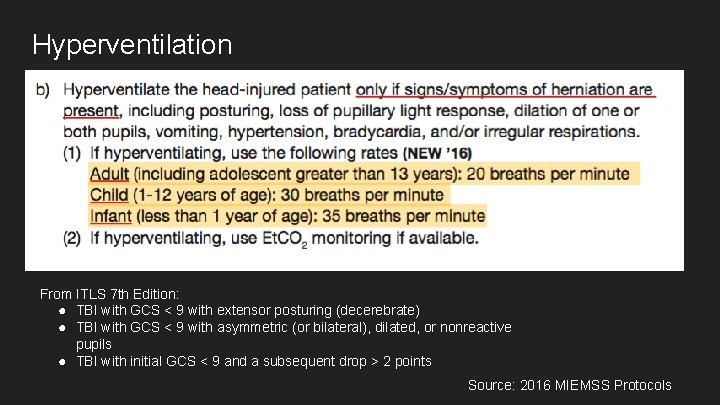
Hyperventilation From ITLS 7 th Edition: ● TBI with GCS < 9 with extensor posturing (decerebrate) ● TBI with GCS < 9 with asymmetric (or bilateral), dilated, or nonreactive pupils ● TBI with initial GCS < 9 and a subsequent drop > 2 points Source: 2016 MIEMSS Protocols
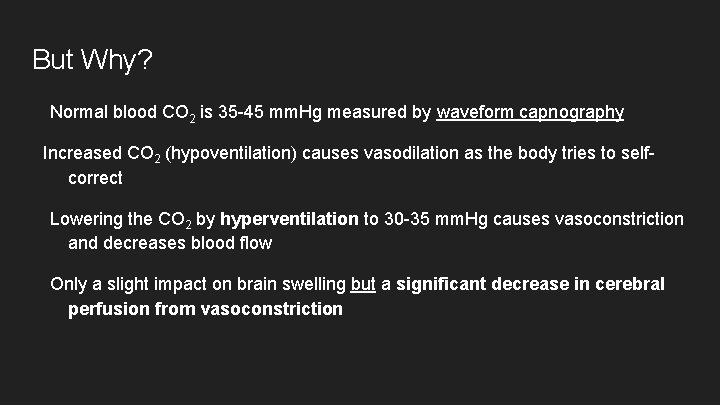
But Why? Normal blood CO 2 is 35 -45 mm. Hg measured by waveform capnography Increased CO 2 (hypoventilation) causes vasodilation as the body tries to selfcorrect Lowering the CO 2 by hyperventilation to 30 -35 mm. Hg causes vasoconstriction and decreases blood flow Only a slight impact on brain swelling but a significant decrease in cerebral perfusion from vasoconstriction