
US HISTORY OVERVIEW 1890 1920 The United States
- Slides: 23
US HISTORY – OVERVIEW 1890 -1920 The United States enters the 20 th Century…
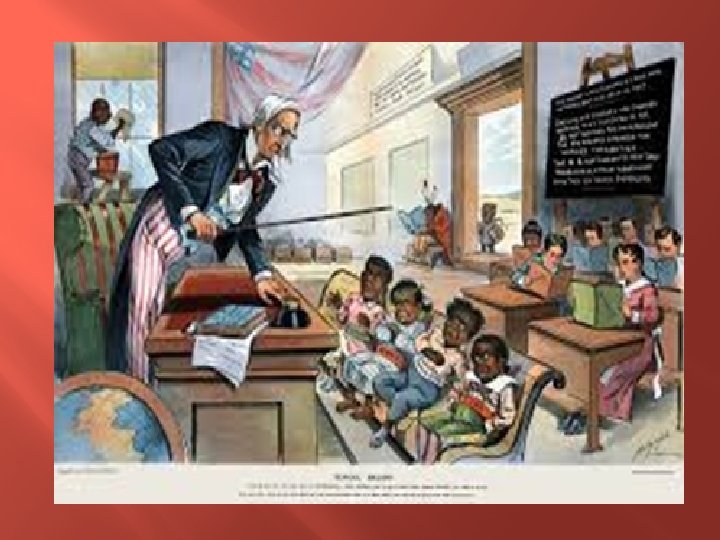
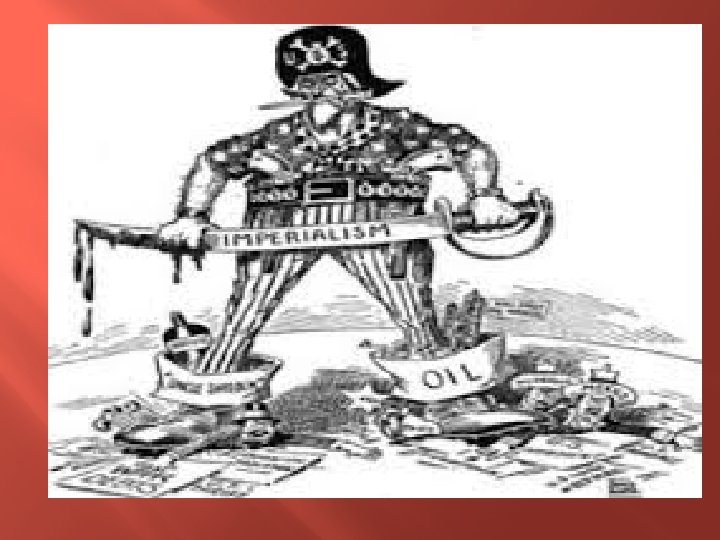
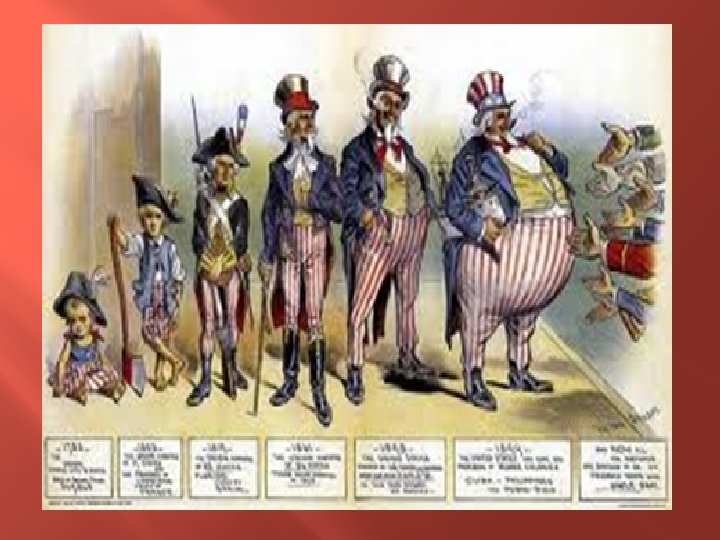
Imperialism � � � Once the US had officially conquered its “frontier”, the nation was poised to enter into a new “manifest destiny”. Spurred on by industrialists who sought new markets for their goods as well as abundant resources… Nationalists called for the US to join fellow European world powers in the race for empire.
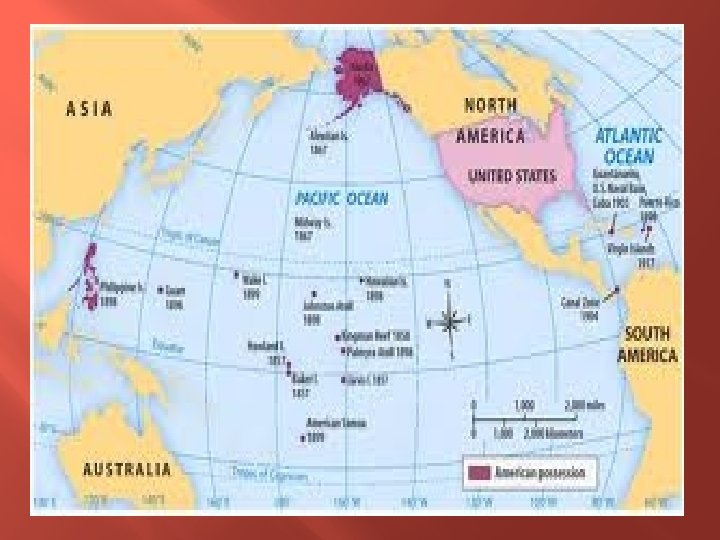
America’s entry onto the world stage came in two ways… � Treaty (Alaska, Midway, Samoa, and Panama) � War (Spanish-American War of 1898)
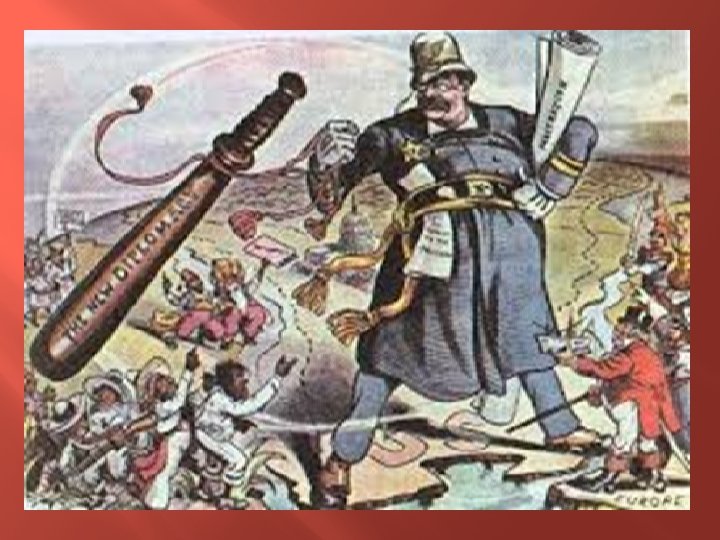
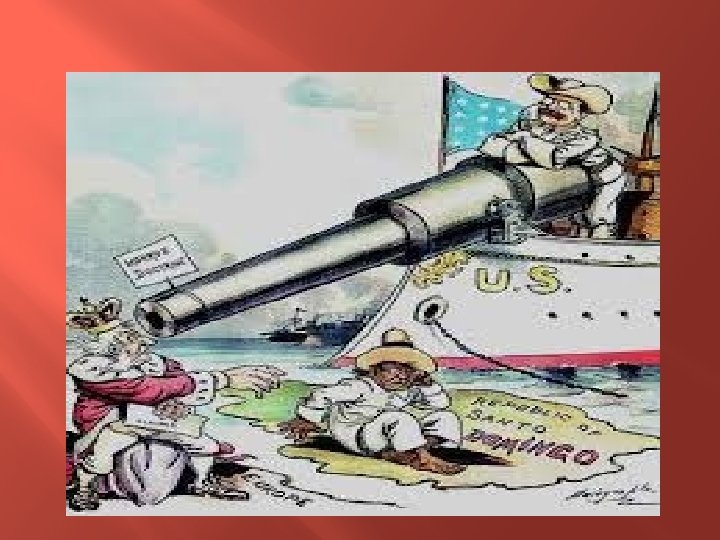
The “Policeman of the Hemisphere” � The Monroe Doctrine of 1823 � The Roosevelt Corollary 1903
What was to be gained by Imperialism? � � View the following slides and write down your thoughts regarding the changes that occurred to the “image” of the US. Was this a betrayal of the founding principles of our nation? Or was it a “natural” progression? List the pro’s and con’s of embarking on an imperial path.
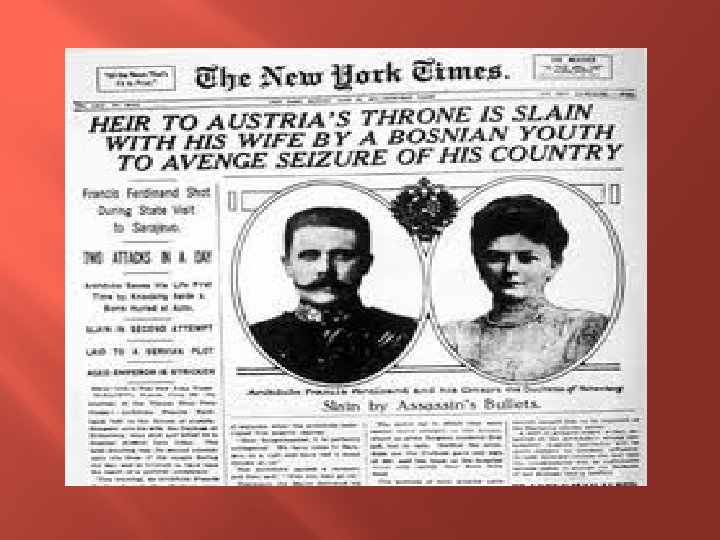
The US and the “Great War” � � � The Great War begins innocently with the assassination of Archduke Ferdinand of Austria…(June of 1914) It balloons into a world war due to various factors… (militarism, alliances, imperialism, and nationalism) (August of 1914) The US at first attempts to stay “neutral in thought and deed” (Wilson)
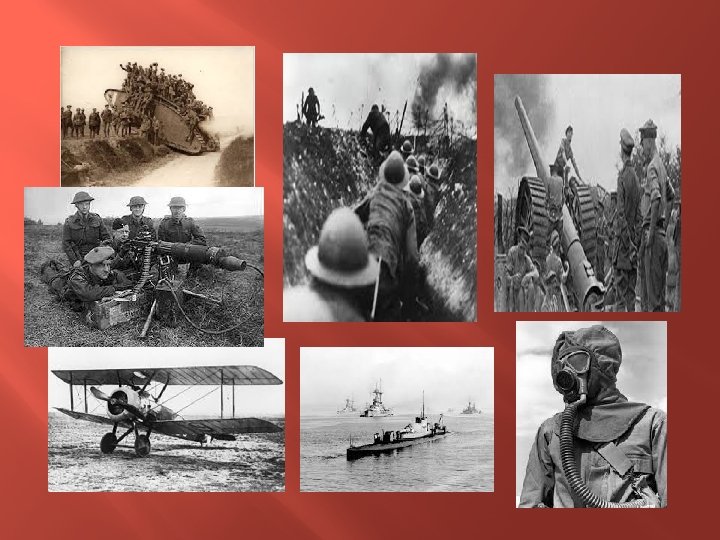
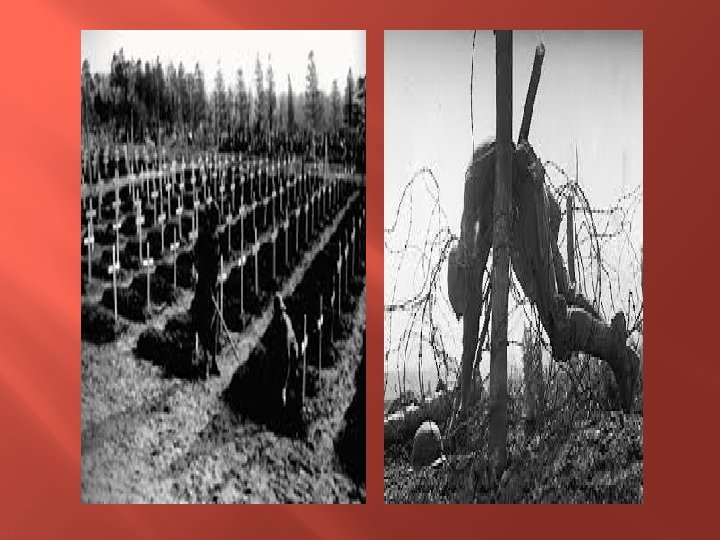
The tragedy of WWI � � The war becomes a bloody “trench war” of attrition that cost millions of lives. New weapons and old tactics spelled a recipe for disaster of epic proportions. The US slowly drifted toward war due to its economic ties to the Allies. The propaganda of war helped sway the US to wake up from its isolationist slumber and enter the war in April of 1917.
WWI and the US � � � The US entered in order to “make the world safe for Democracy” The US helped turn the tide of war with a little help from a revolution in Russia. America gained prestige through its participation � � � In reality, it entered to protect its “investment” in the Allies. US troops fought bravely at battles like Belleau Wood and the Meuse-Argonne. The Allies used the US to gain victory and then spurned our efforts at a lasting peace.
The Lessons of the Great War � � � The huge cost of the war was passed on to the loser (Germany) setting in motion forces within Germany that would ultimately lead to the rise of Adolf Hitler. The US, dismayed by the outcome retreated into a period of international “isolationism” The rest of the world would wait to see what the failure of Versailles would mean 20 years hence.
America’s Progressive Reform Movement � � As the 20 th century dawned, some in America began to look at the problems that existed in our country. Economic (growth of monopolies and uneven distribution of wealth) Social (deplorable living conditions in our cities, high crime, child labor, discrimination) Political (rise of party machines, bribery and control by big business of politics)
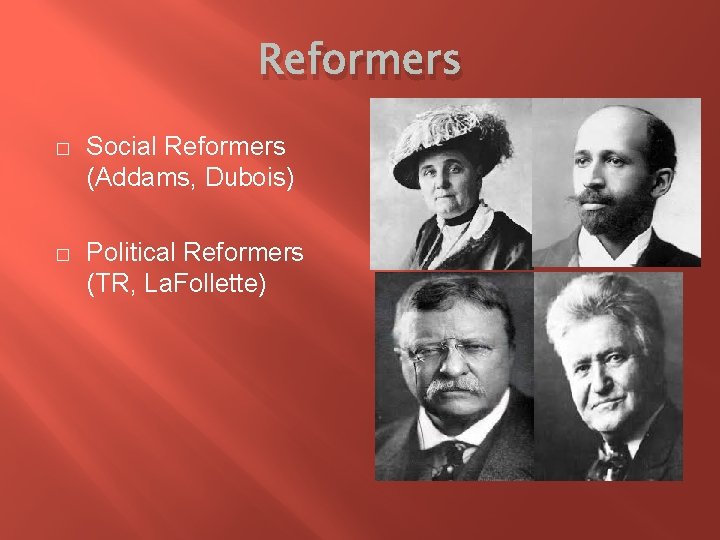
Reformers � Social Reformers (Addams, Dubois) � Political Reformers (TR, La. Follette)
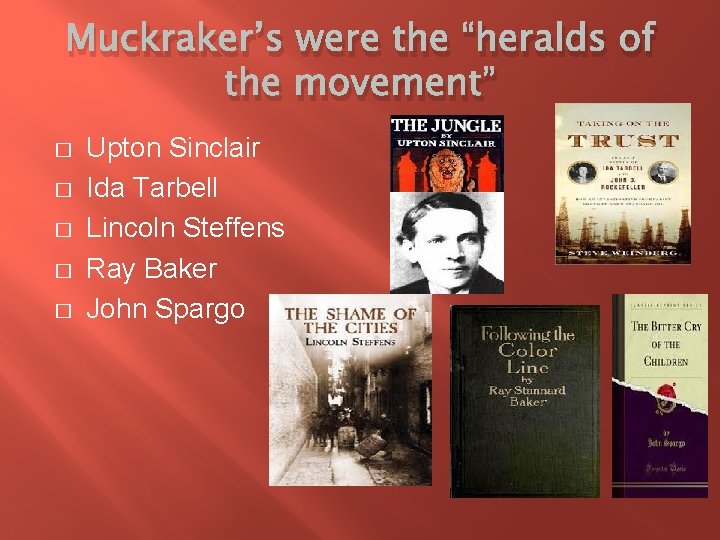
Muckraker’s were the “heralds of the movement” � � � Upton Sinclair Ida Tarbell Lincoln Steffens Ray Baker John Spargo
Reforms of the Progressive Era � � � � 16, 17, 18, and 19 th Amendments Child Labor laws Pure Food and Drug Act Meat Inspection Act Australian Ballot Anti-Trust legislation (Clayton Act) Federal Reserve System
Still more would be needed… � � Even though the progressives were able to achieve some change the Great War and its aftermath led to a period of time where the reformers and reforms lost ground to the industrialists and conservative political element in our nation. Only the collapse of our economy in 1929 would open the door to a new era of reform known as the NEW DEAL