
Urinary Tract Infections Symptomatic and asymptomatic UTIs are

- Slides: 36
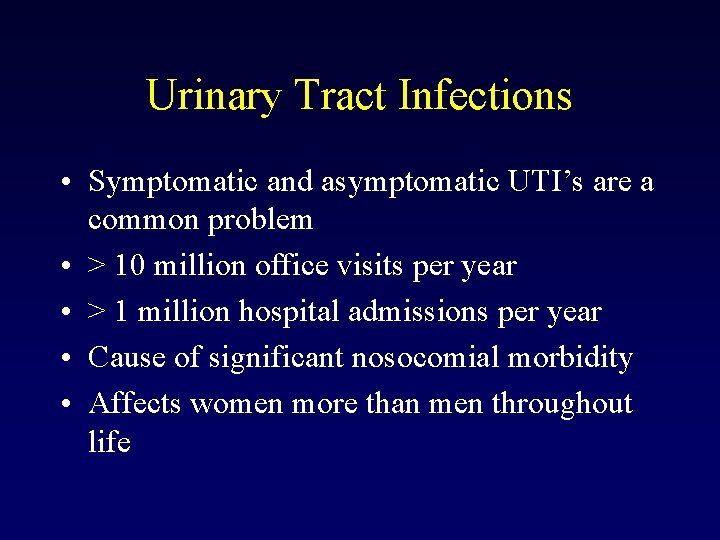
Urinary Tract Infections • Symptomatic and asymptomatic UTI’s are a common problem • > 10 million office visits per year • > 1 million hospital admissions per year • Cause of significant nosocomial morbidity • Affects women more than men throughout life
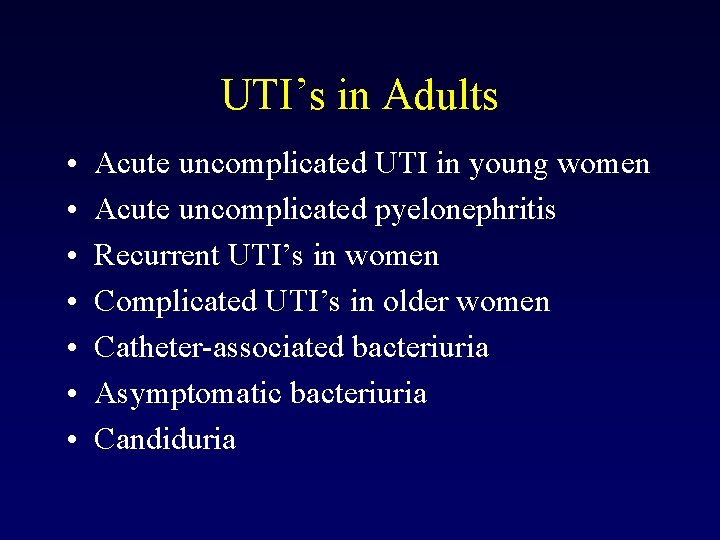
UTI’s in Adults • • Acute uncomplicated UTI in young women Acute uncomplicated pyelonephritis Recurrent UTI’s in women Complicated UTI’s in older women Catheter-associated bacteriuria Asymptomatic bacteriuria Candiduria
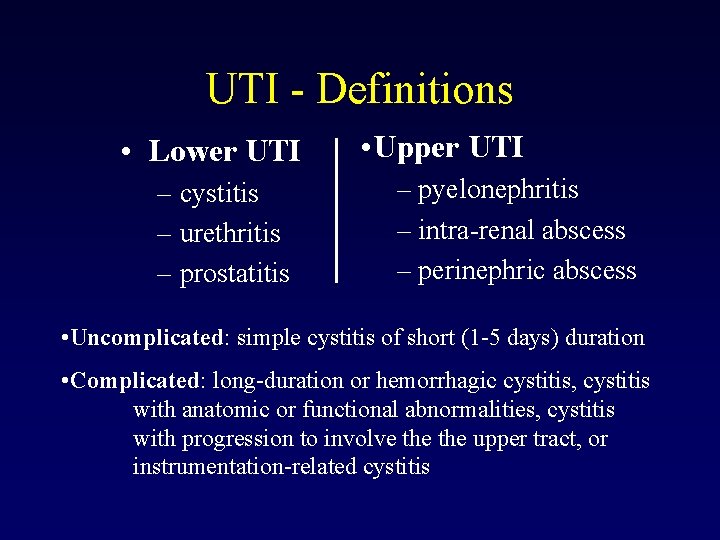
UTI - Definitions • Lower UTI – cystitis – urethritis – prostatitis • Upper UTI – pyelonephritis – intra-renal abscess – perinephric abscess • Uncomplicated: simple cystitis of short (1 -5 days) duration • Complicated: long-duration or hemorrhagic cystitis, cystitis with anatomic or functional abnormalities, cystitis with progression to involve the upper tract, or instrumentation-related cystitis
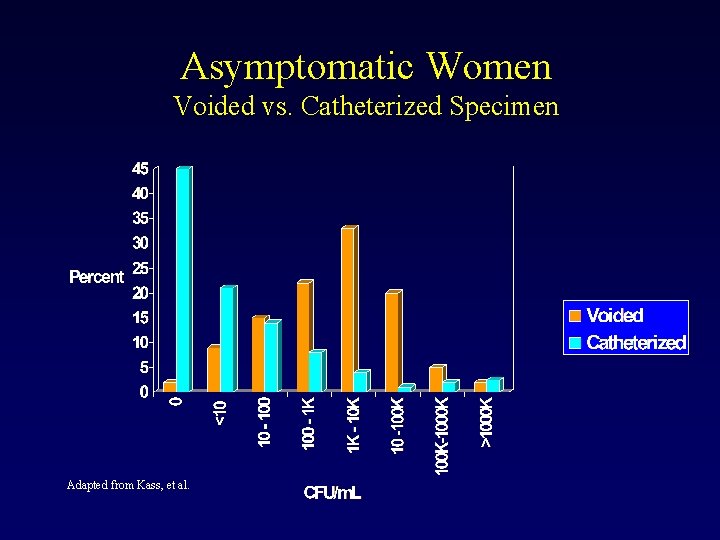
Asymptomatic Women Voided vs. Catheterized Specimen Adapted from Kass, et al.
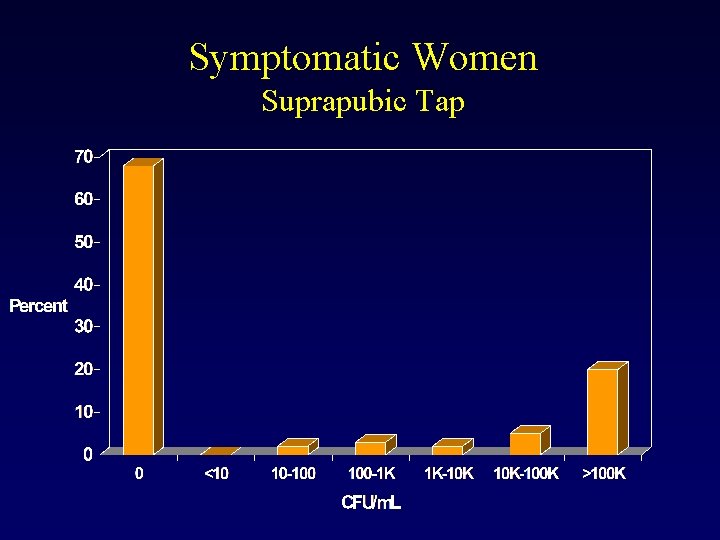
Symptomatic Women Suprapubic Tap
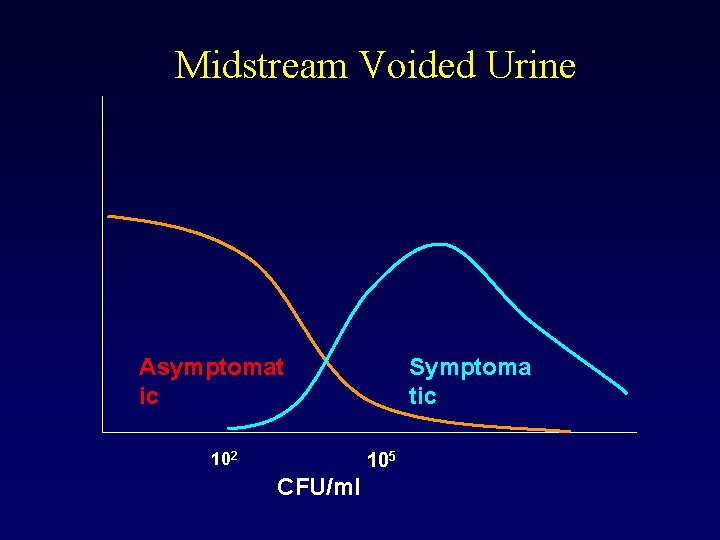
Midstream Voided Urine Asymptomat ic 102 Symptoma tic 105 CFU/ml
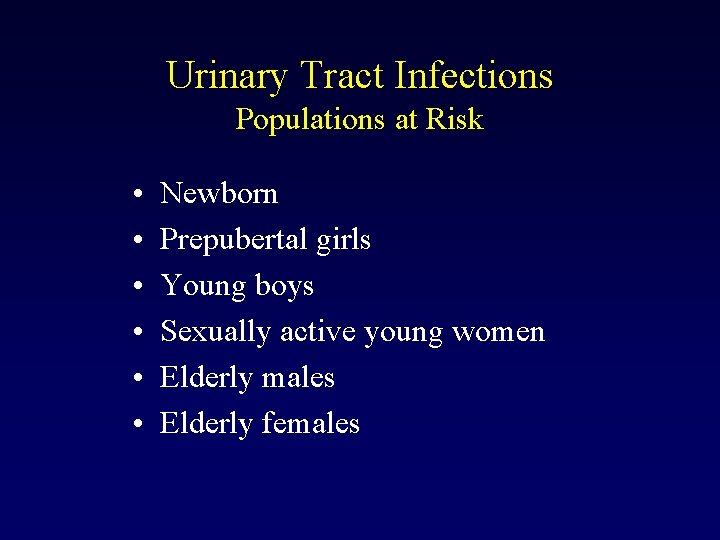
Urinary Tract Infections Populations at Risk • • • Newborn Prepubertal girls Young boys Sexually active young women Elderly males Elderly females
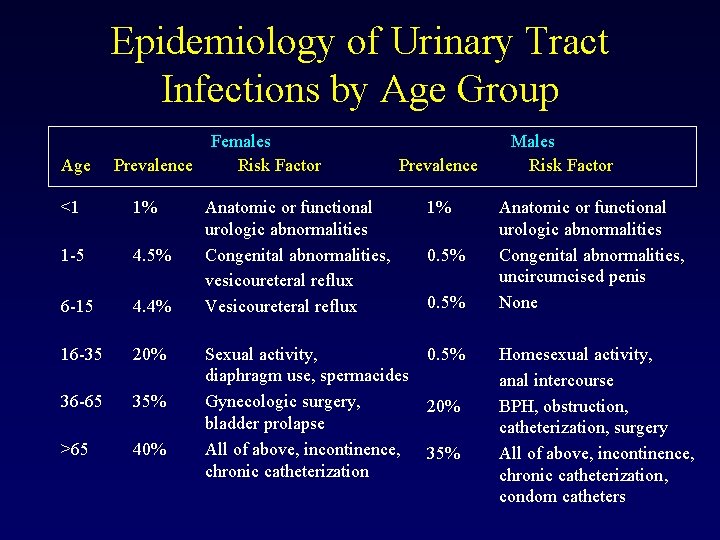
Epidemiology of Urinary Tract Infections by Age Group Age Prevalence <1 1% 1 -5 4. 5% 6 -15 4. 4% 16 -35 20% 36 -65 35% >65 40% Females Risk Factor Prevalence Anatomic or functional urologic abnormalities Congenital abnormalities, vesicoureteral reflux Vesicoureteral reflux 1% Sexual activity, diaphragm use, spermacides Gynecologic surgery, bladder prolapse All of above, incontinence, chronic catheterization 0. 5% 20% 35% Males Risk Factor Anatomic or functional urologic abnormalities Congenital abnormalities, uncircumcised penis None Homesexual activity, anal intercourse BPH, obstruction, catheterization, surgery All of above, incontinence, chronic catheterization, condom catheters
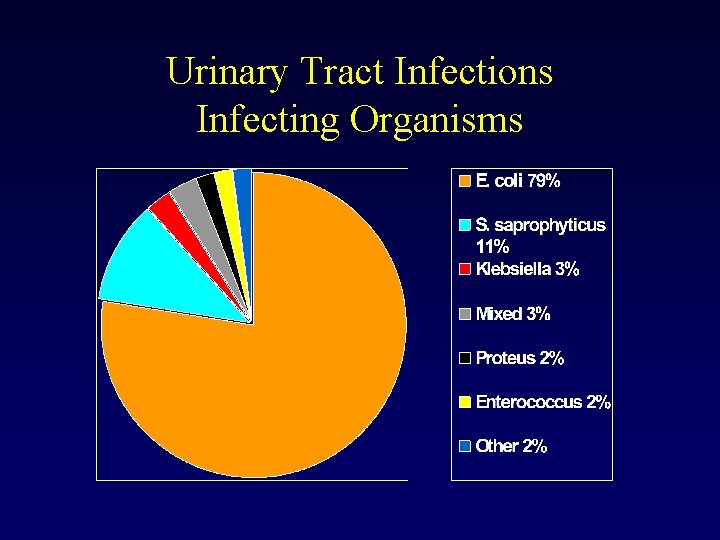
Urinary Tract Infections Infecting Organisms
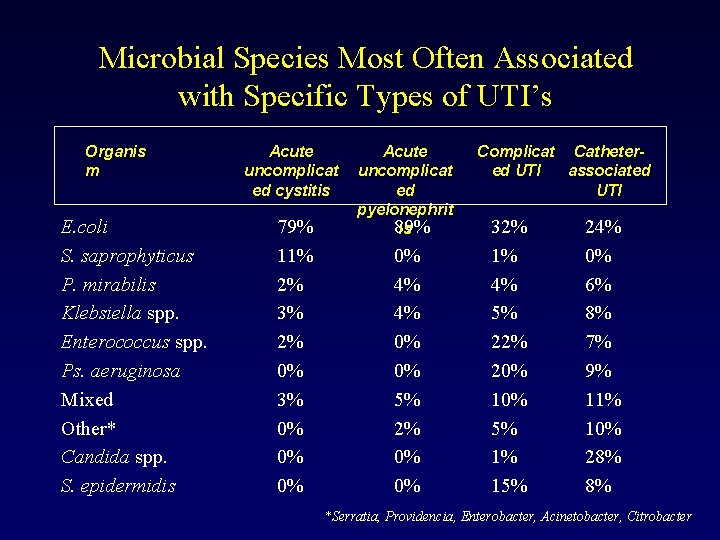
Microbial Species Most Often Associated with Specific Types of UTI’s Organis m E. coli S. saprophyticus P. mirabilis Klebsiella spp. Enterococcus spp. Ps. aeruginosa Mixed Other* Candida spp. S. epidermidis Acute uncomplicat ed cystitis 79% 11% 2% 3% 2% 0% 3% 0% 0% 0% Acute uncomplicat ed pyelonephrit 89% is 0% 4% 4% 0% 0% 5% 2% 0% 0% Complicat Cathetered UTI associated UTI 32% 1% 4% 5% 22% 20% 10% 5% 1% 15% 24% 0% 6% 8% 7% 9% 11% 10% 28% 8% *Serratia, Providencia, Enterobacter, Acinetobacter, Citrobacter
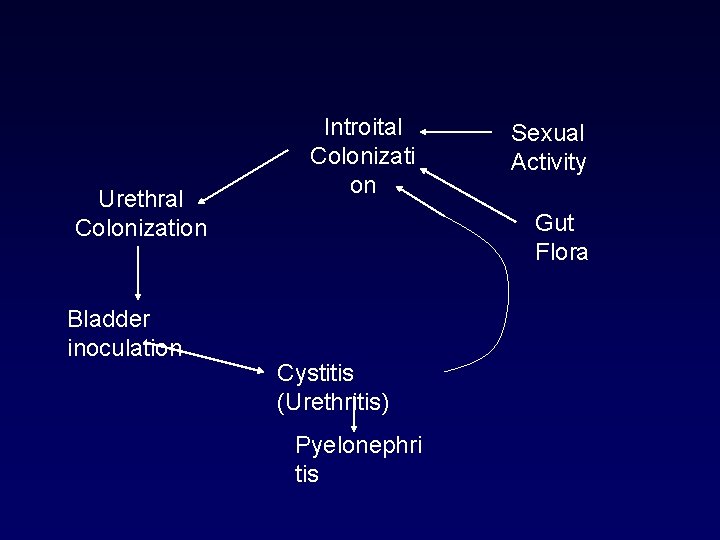
Urethral Colonization Bladder inoculation Introital Colonizati on Sexual Activity Gut Flora Cystitis (Urethritis) Pyelonephri tis
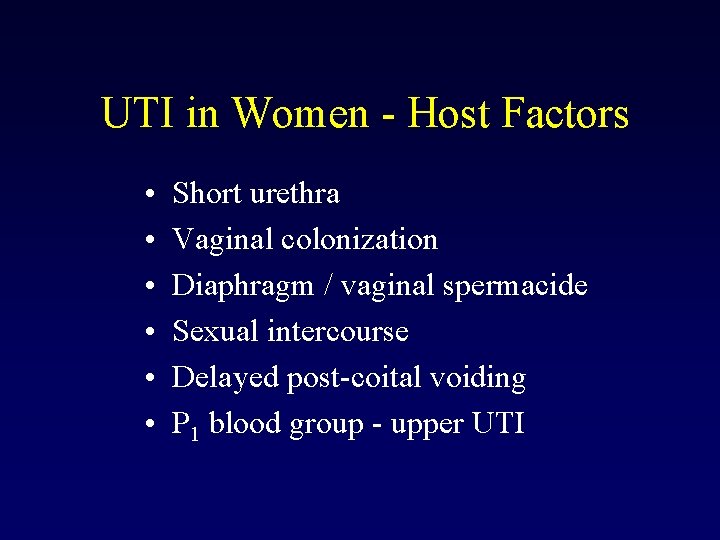
UTI in Women - Host Factors • • • Short urethra Vaginal colonization Diaphragm / vaginal spermacide Sexual intercourse Delayed post-coital voiding P 1 blood group - upper UTI
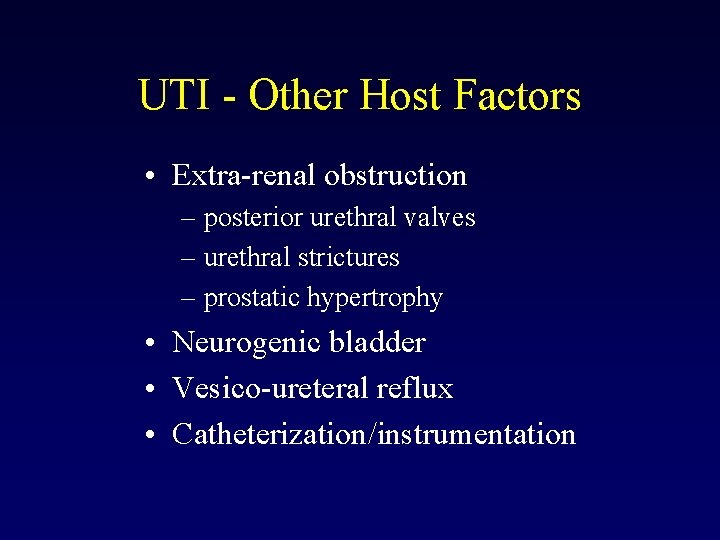
UTI - Other Host Factors • Extra-renal obstruction – posterior urethral valves – urethral strictures – prostatic hypertrophy • Neurogenic bladder • Vesico-ureteral reflux • Catheterization/instrumentation
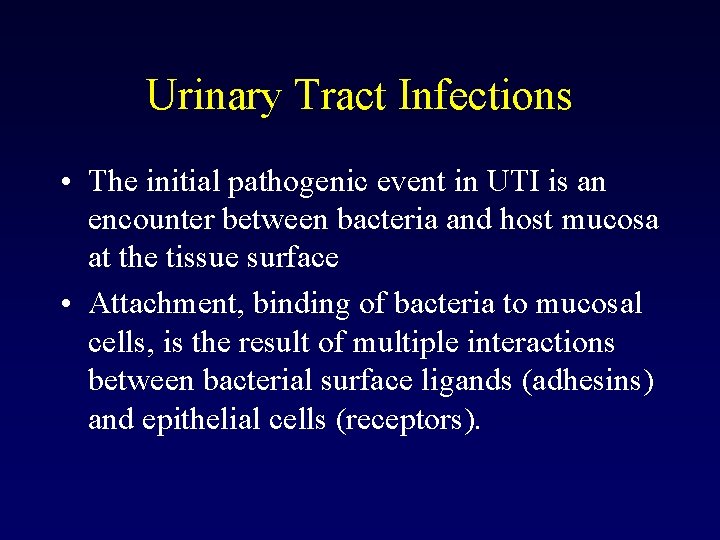
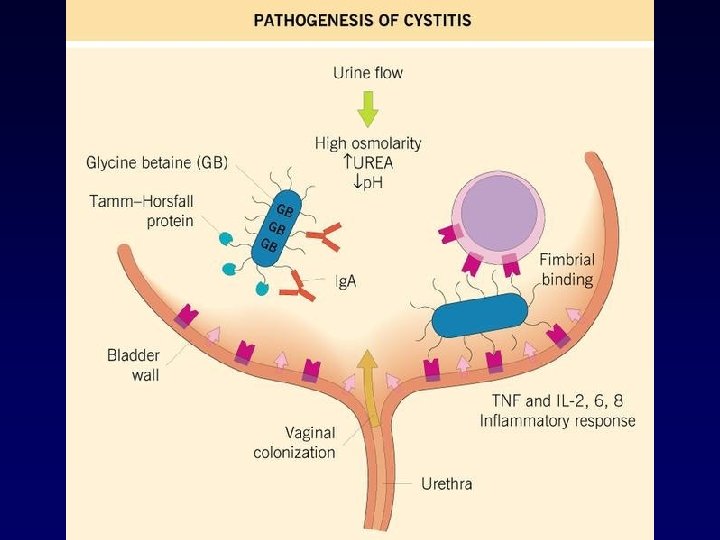
Urinary Tract Infections • The initial pathogenic event in UTI is an encounter between bacteria and host mucosa at the tissue surface • Attachment, binding of bacteria to mucosal cells, is the result of multiple interactions between bacterial surface ligands (adhesins) and epithelial cells (receptors).
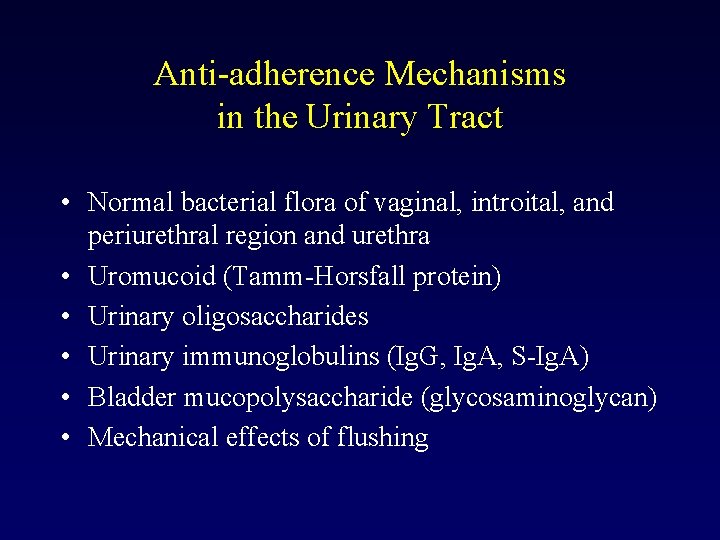
Anti-adherence Mechanisms in the Urinary Tract • Normal bacterial flora of vaginal, introital, and periurethral region and urethra • Uromucoid (Tamm-Horsfall protein) • Urinary oligosaccharides • Urinary immunoglobulins (Ig. G, Ig. A, S-Ig. A) • Bladder mucopolysaccharide (glycosaminoglycan) • Mechanical effects of flushing
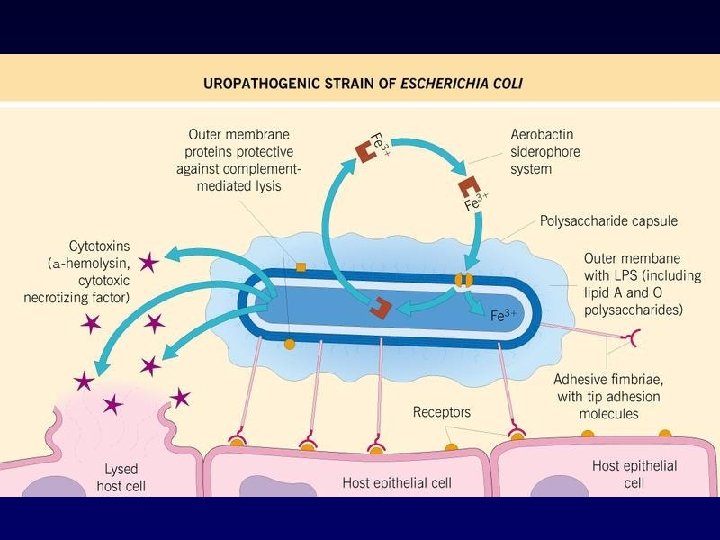
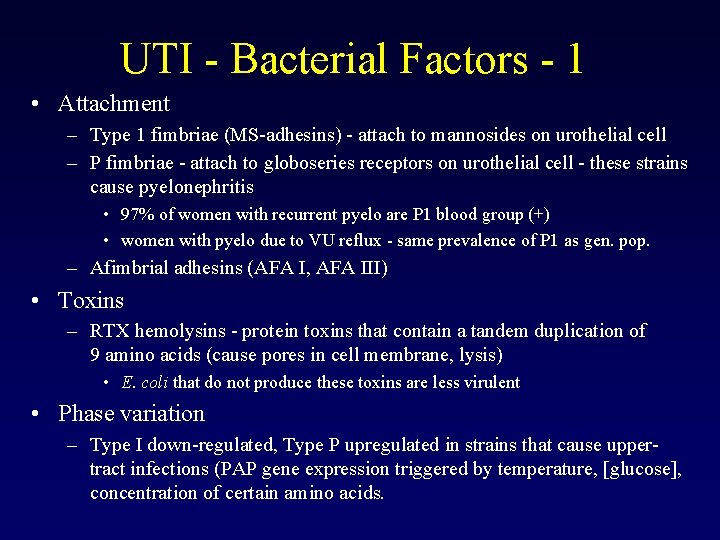
UTI - Bacterial Factors - 1 • Attachment – Type 1 fimbriae (MS-adhesins) - attach to mannosides on urothelial cell – P fimbriae - attach to globoseries receptors on urothelial cell - these strains cause pyelonephritis • 97% of women with recurrent pyelo are P 1 blood group (+) • women with pyelo due to VU reflux - same prevalence of P 1 as gen. pop. – Afimbrial adhesins (AFA I, AFA III) • Toxins – RTX hemolysins - protein toxins that contain a tandem duplication of 9 amino acids (cause pores in cell membrane, lysis) • E. coli that do not produce these toxins are less virulent • Phase variation – Type I down-regulated, Type P upregulated in strains that cause uppertract infections (PAP gene expression triggered by temperature, [glucose], concentration of certain amino acids.
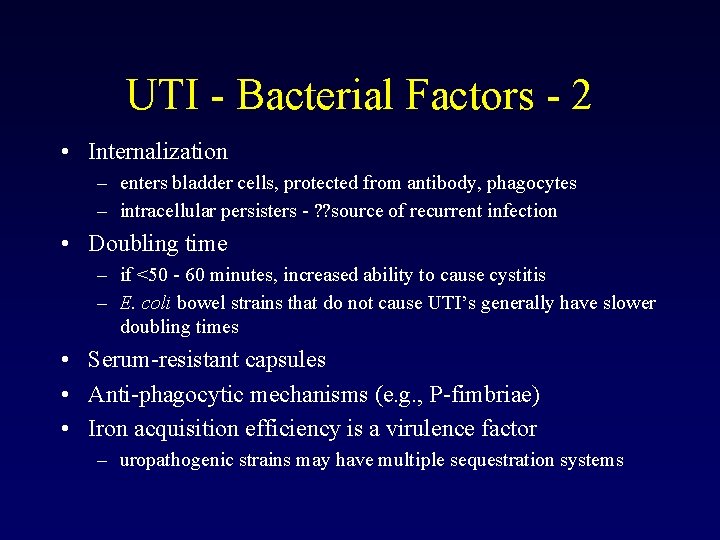
UTI - Bacterial Factors - 2 • Internalization – enters bladder cells, protected from antibody, phagocytes – intracellular persisters - ? ? source of recurrent infection • Doubling time – if <50 - 60 minutes, increased ability to cause cystitis – E. coli bowel strains that do not cause UTI’s generally have slower doubling times • Serum-resistant capsules • Anti-phagocytic mechanisms (e. g. , P-fimbriae) • Iron acquisition efficiency is a virulence factor – uropathogenic strains may have multiple sequestration systems
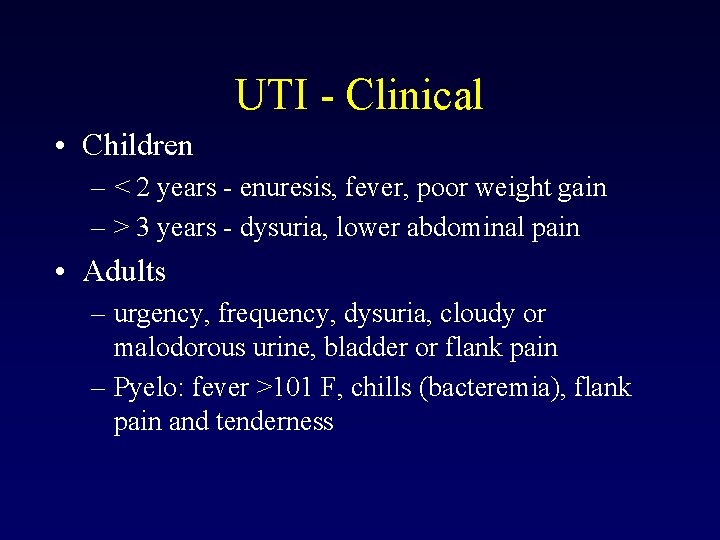
UTI - Clinical • Children – < 2 years - enuresis, fever, poor weight gain – > 3 years - dysuria, lower abdominal pain • Adults – urgency, frequency, dysuria, cloudy or malodorous urine, bladder or flank pain – Pyelo: fever >101 F, chills (bacteremia), flank pain and tenderness
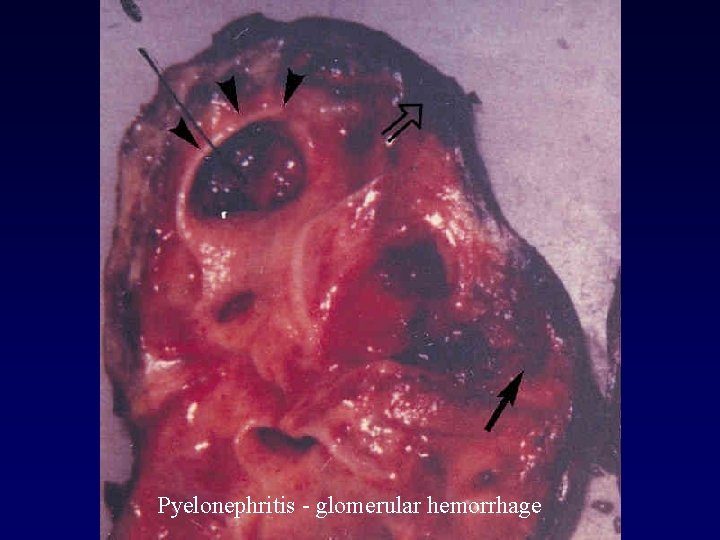
Pyelonephritis - glomerular hemorrhage
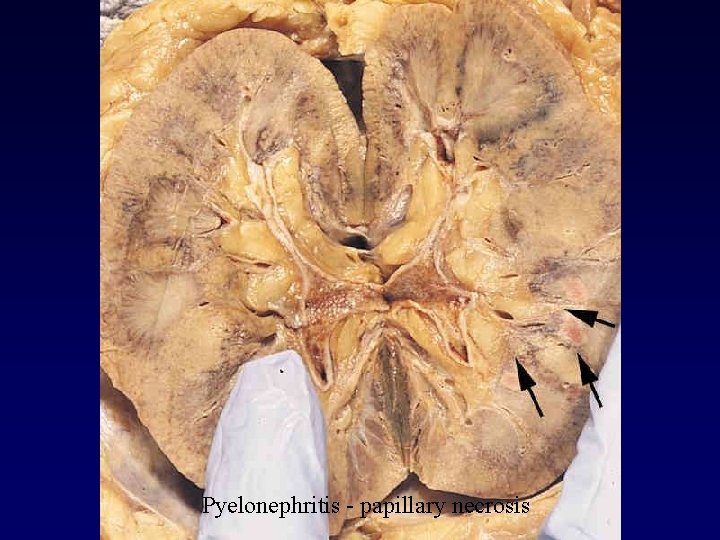
Pyelonephritis - papillary necrosis
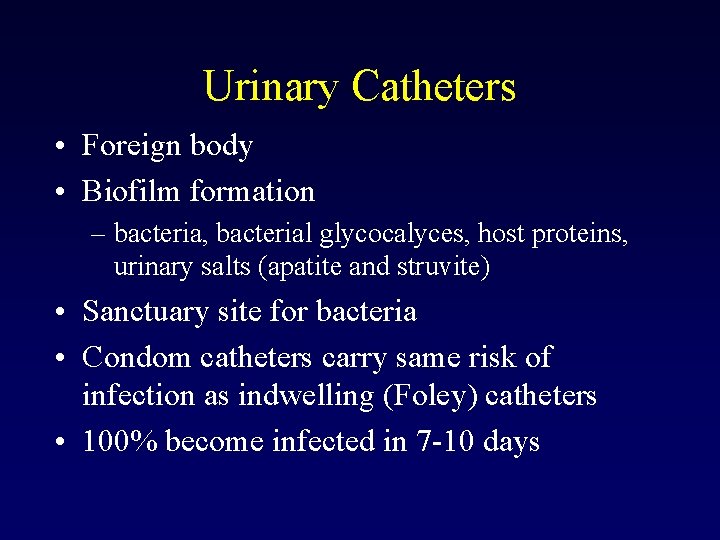
Urinary Catheters • Foreign body • Biofilm formation – bacteria, bacterial glycocalyces, host proteins, urinary salts (apatite and struvite) • Sanctuary site for bacteria • Condom catheters carry same risk of infection as indwelling (Foley) catheters • 100% become infected in 7 -10 days
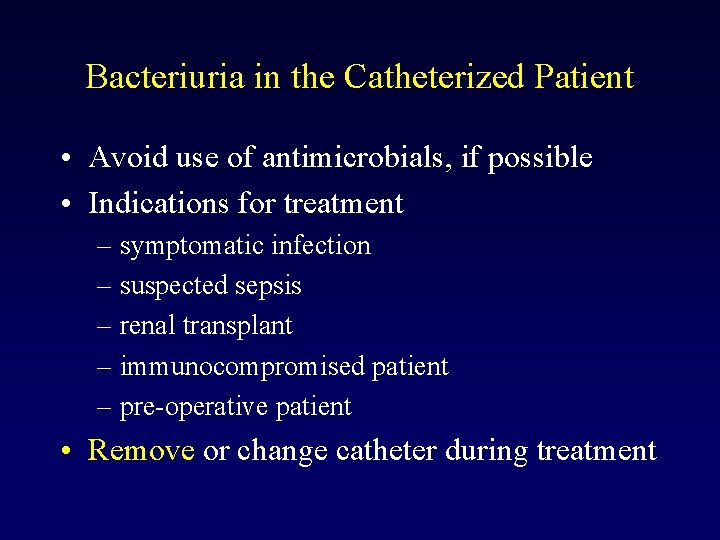
Bacteriuria in the Catheterized Patient • Avoid use of antimicrobials, if possible • Indications for treatment – symptomatic infection – suspected sepsis – renal transplant – immunocompromised patient – pre-operative patient • Remove or change catheter during treatment
UTI - Diagnostic Criteria • • • U/A microscopic - quantitative Leukocyte esterase test Nitrate ® nitrite test Leukocyte esterase / nitrate test Gram’s stain, unspun urine
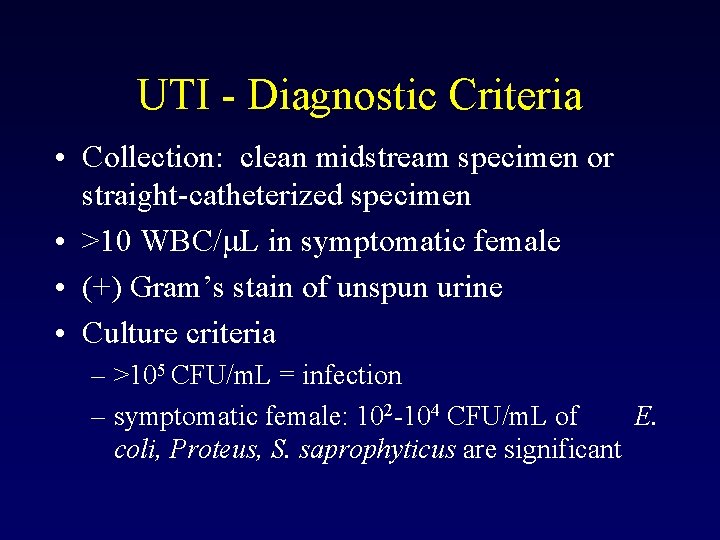
UTI - Diagnostic Criteria • Collection: clean midstream specimen or straight-catheterized specimen • >10 WBC/m. L in symptomatic female • (+) Gram’s stain of unspun urine • Culture criteria – >105 CFU/m. L = infection – symptomatic female: 102 -104 CFU/m. L of E. coli, Proteus, S. saprophyticus are significant
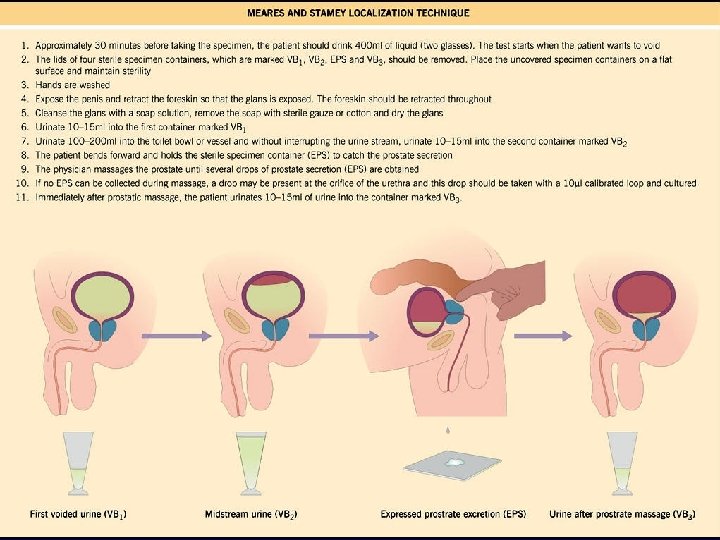
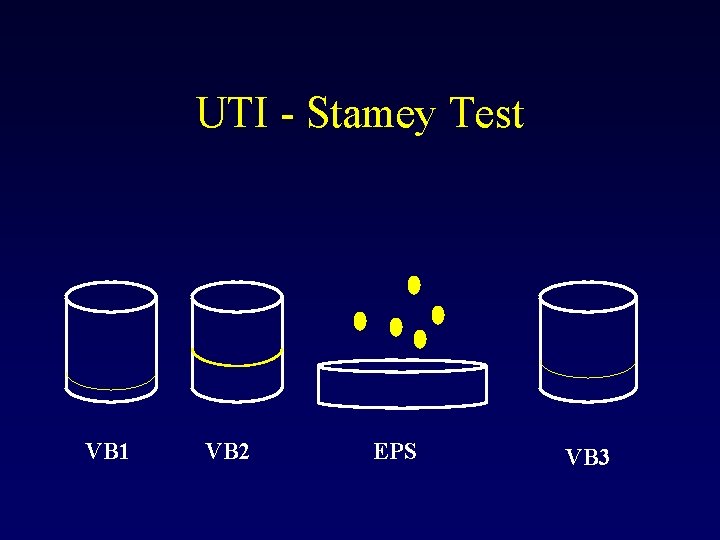
UTI - Stamey Test VB 1 VB 2 EPS VB 3
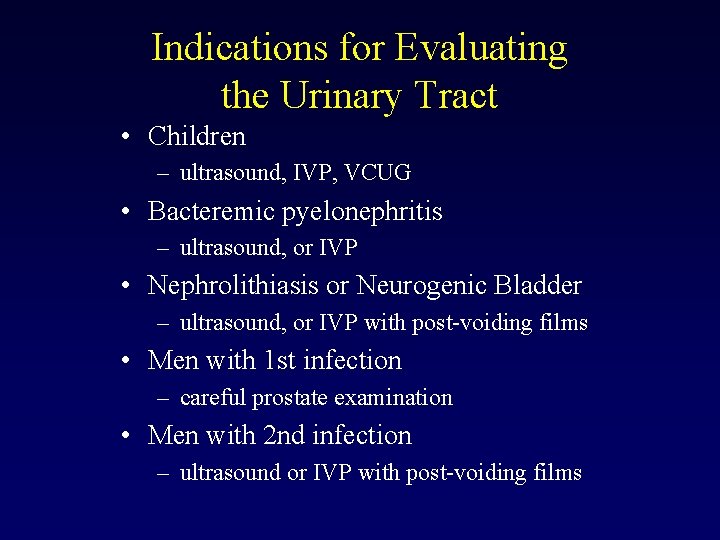
Indications for Evaluating the Urinary Tract • Children – ultrasound, IVP, VCUG • Bacteremic pyelonephritis – ultrasound, or IVP • Nephrolithiasis or Neurogenic Bladder – ultrasound, or IVP with post-voiding films • Men with 1 st infection – careful prostate examination • Men with 2 nd infection – ultrasound or IVP with post-voiding films
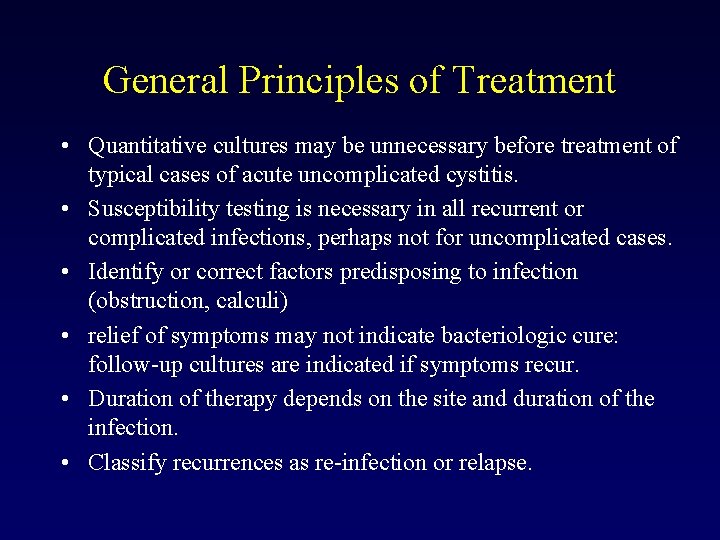
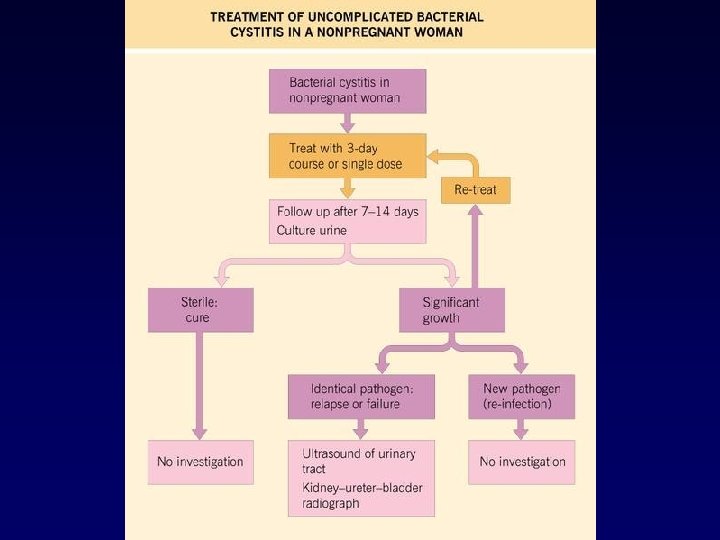
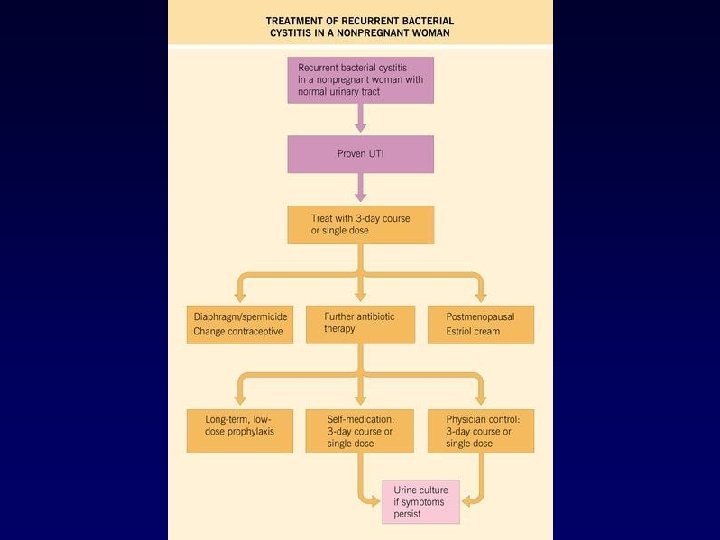
General Principles of Treatment • Quantitative cultures may be unnecessary before treatment of typical cases of acute uncomplicated cystitis. • Susceptibility testing is necessary in all recurrent or complicated infections, perhaps not for uncomplicated cases. • Identify or correct factors predisposing to infection (obstruction, calculi) • relief of symptoms may not indicate bacteriologic cure: follow-up cultures are indicated if symptoms recur. • Duration of therapy depends on the site and duration of the infection. • Classify recurrences as re-infection or relapse.
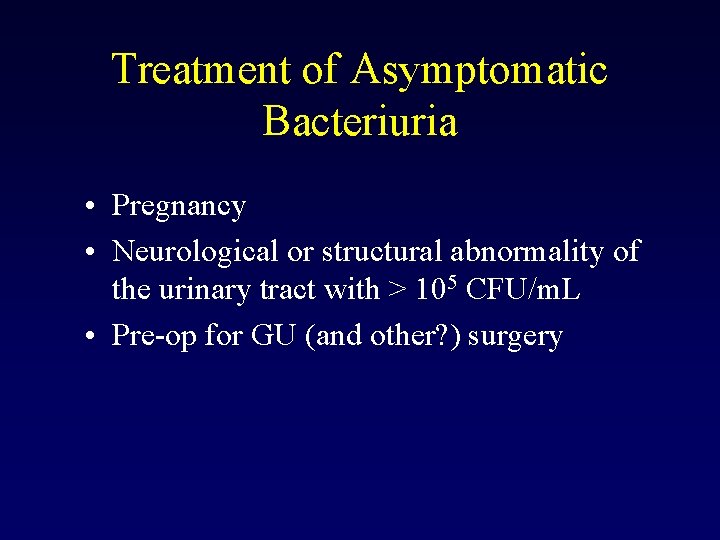
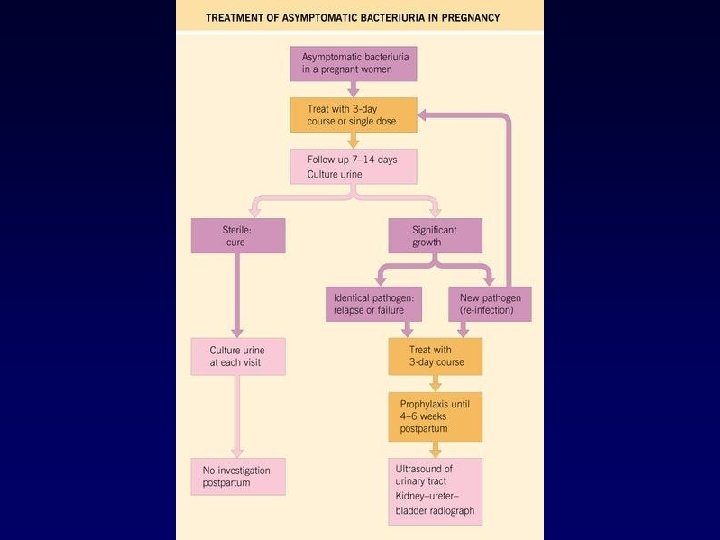
Treatment of Asymptomatic Bacteriuria • Pregnancy • Neurological or structural abnormality of the urinary tract with > 105 CFU/m. L • Pre-op for GU (and other? ) surgery