
Urinary and Renal The Countercurrent Multiplier The Coutercurrent
- Slides: 17
Urinary and Renal The Countercurrent Multiplier The Coutercurrent Exchanger Making Urine Diuretics Marieb: 25
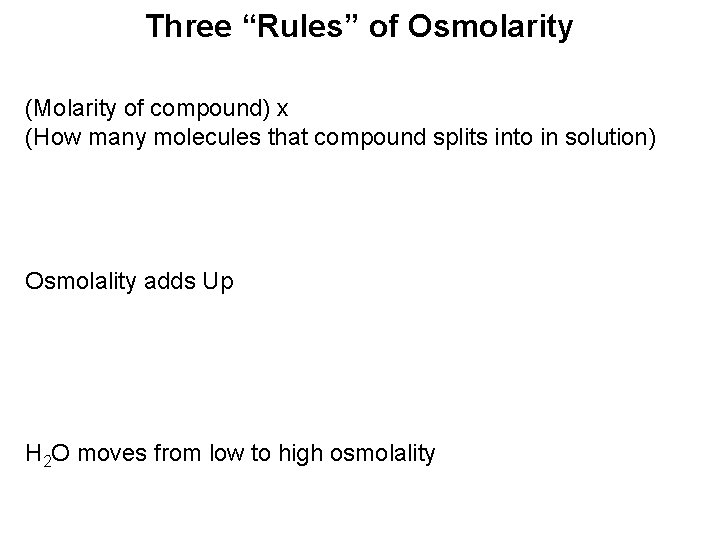
Three “Rules” of Osmolarity (Molarity of compound) x (How many molecules that compound splits into in solution) Osmolality adds Up H 2 O moves from low to high osmolality
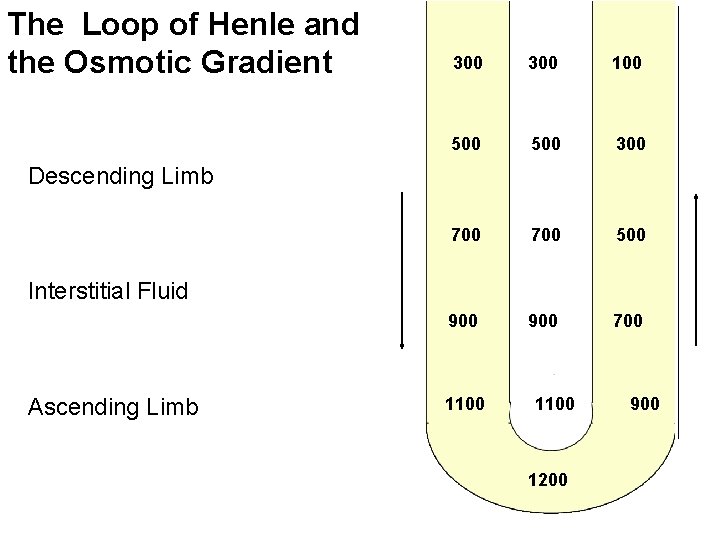
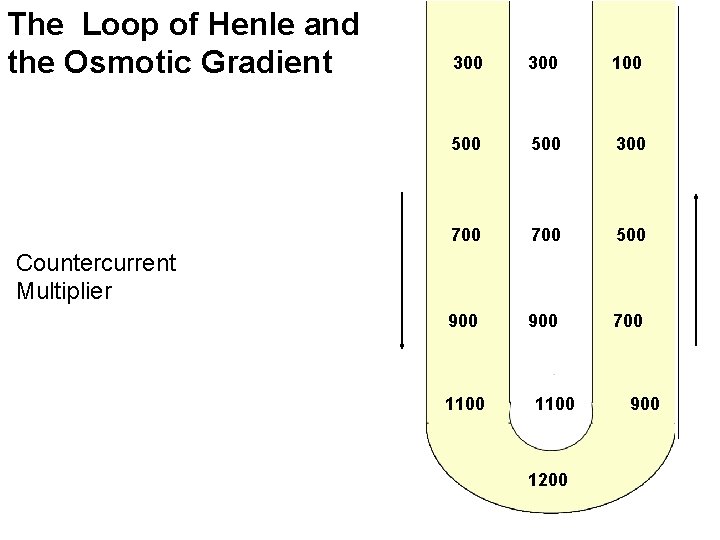
The Loop of Henle and the Osmotic Gradient 300 100 500 300 700 500 900 700 Descending Limb Interstitial Fluid Ascending Limb 1100 1200 900
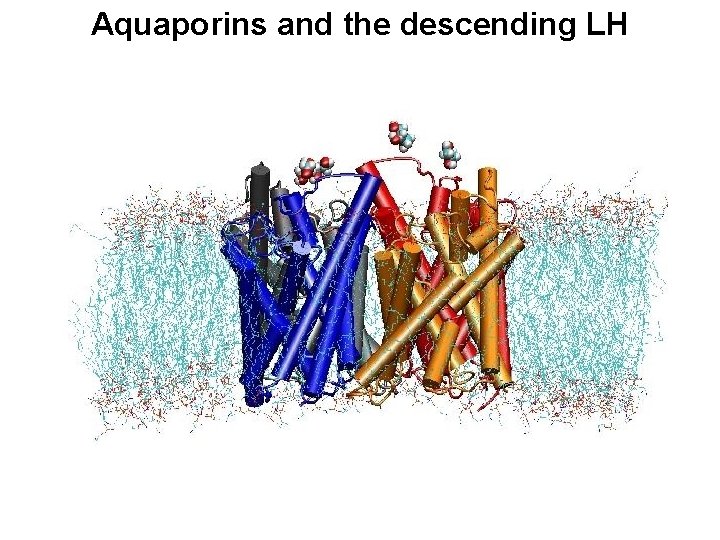
Aquaporins and the descending LH
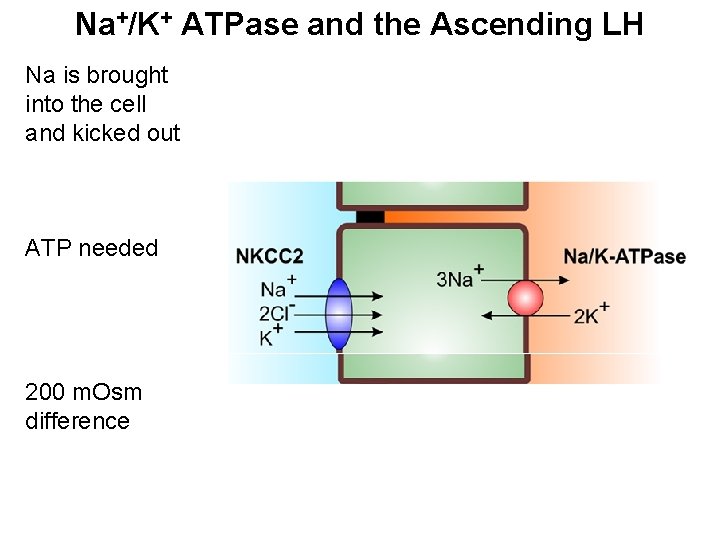
Na+/K+ ATPase and the Ascending LH Na is brought into the cell and kicked out ATP needed 200 m. Osm difference
The Loop of Henle and the Osmotic Gradient 300 100 500 300 700 500 900 700 Countercurrent Multiplier 1100 1200 900
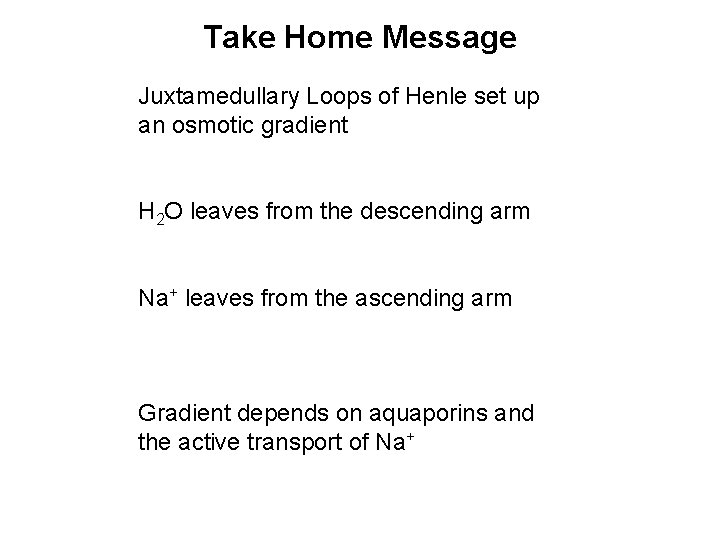
Take Home Message Juxtamedullary Loops of Henle set up an osmotic gradient H 2 O leaves from the descending arm Na+ leaves from the ascending arm Gradient depends on aquaporins and the active transport of Na+
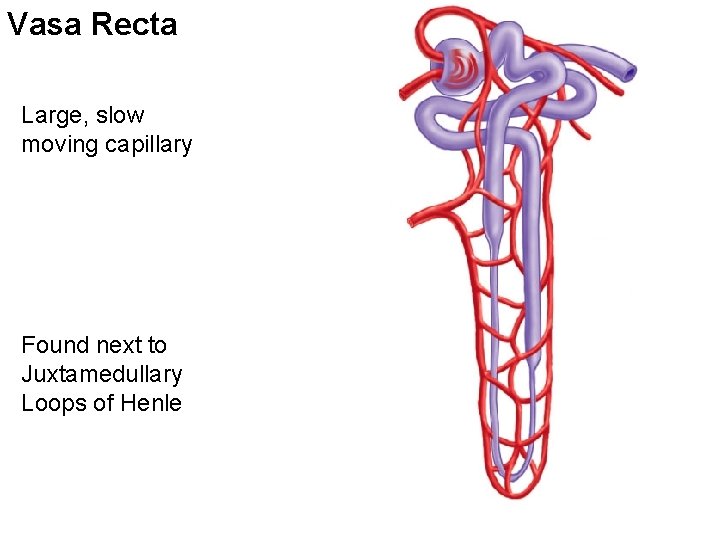
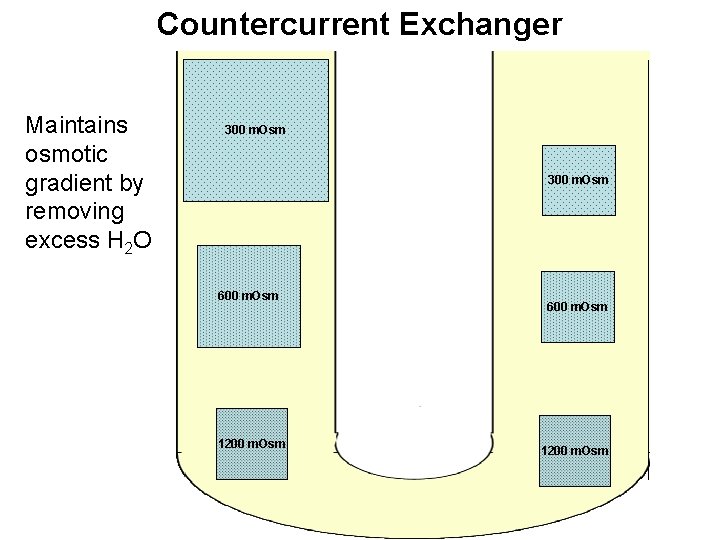
Vasa Recta Large, slow moving capillary Found next to Juxtamedullary Loops of Henle
Countercurrent Exchanger Maintains osmotic gradient by removing excess H 2 O 300 m. Osm 600 m. Osm 1200 m. Osm
1200 m. Osm
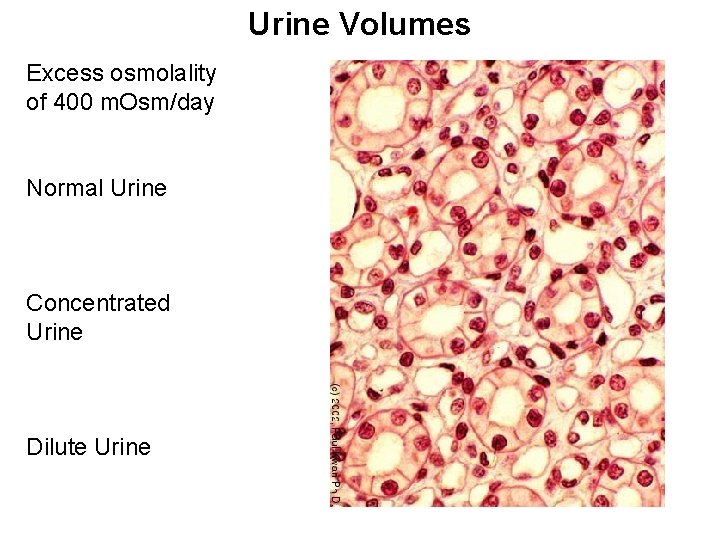
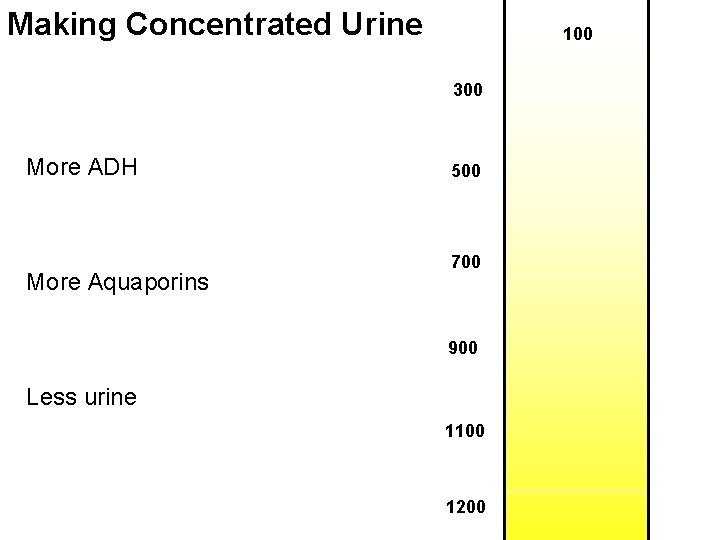
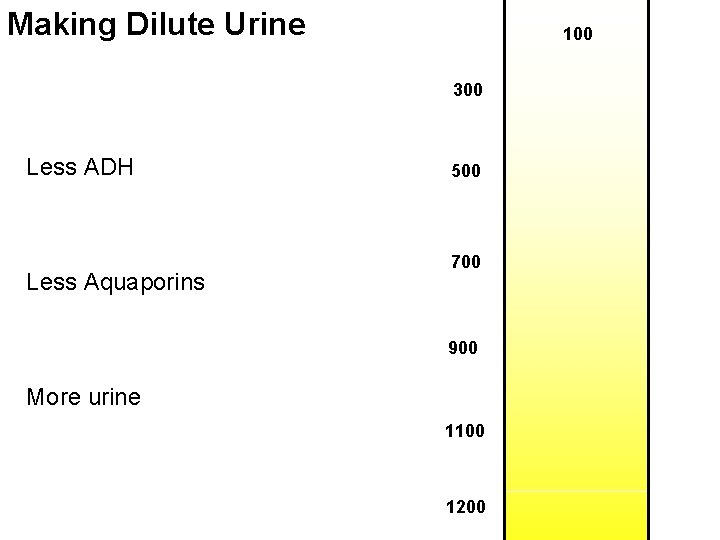
Urine Volumes Excess osmolality of 400 m. Osm/day Normal Urine Concentrated Urine Dilute Urine
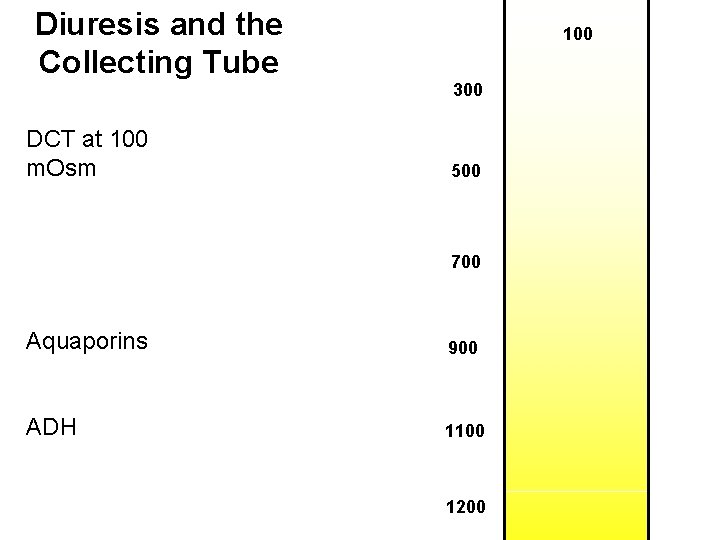
Diuresis and the Collecting Tube DCT at 100 m. Osm 100 300 500 700 Aquaporins 900 ADH 1100 1200
Making Concentrated Urine 100 300 More ADH More Aquaporins 500 700 900 Less urine 1100 1200
Making Dilute Urine 100 300 Less ADH Less Aquaporins 500 700 900 More urine 1100 1200
Diuretics Alcohol 100 300 500 700 900 1100 1200
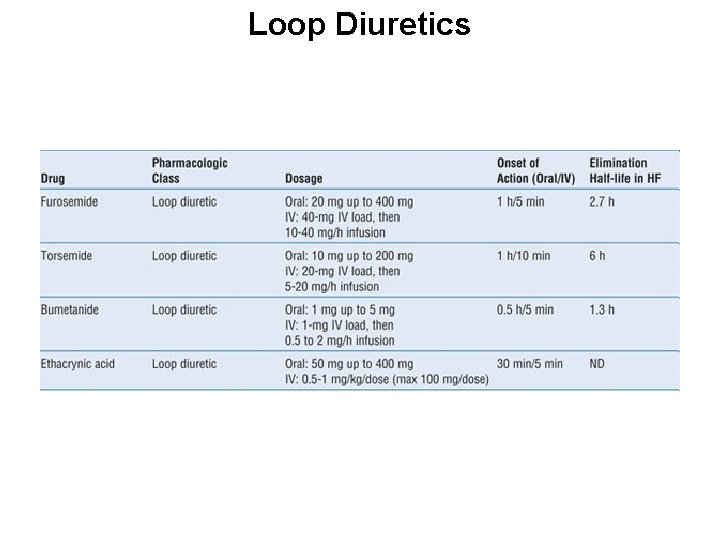
Loop Diuretics
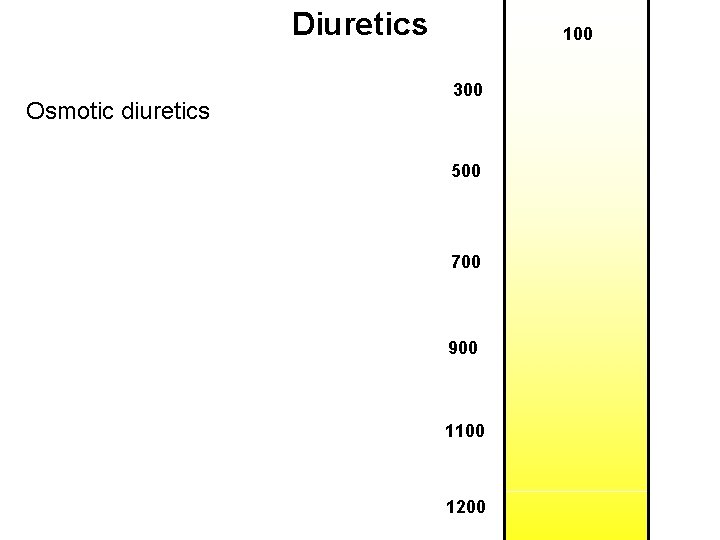
Diuretics Osmotic diuretics 100 300 500 700 900 1100 1200