
Urbanization In Latin America Rapid urbanization Colonial impacts
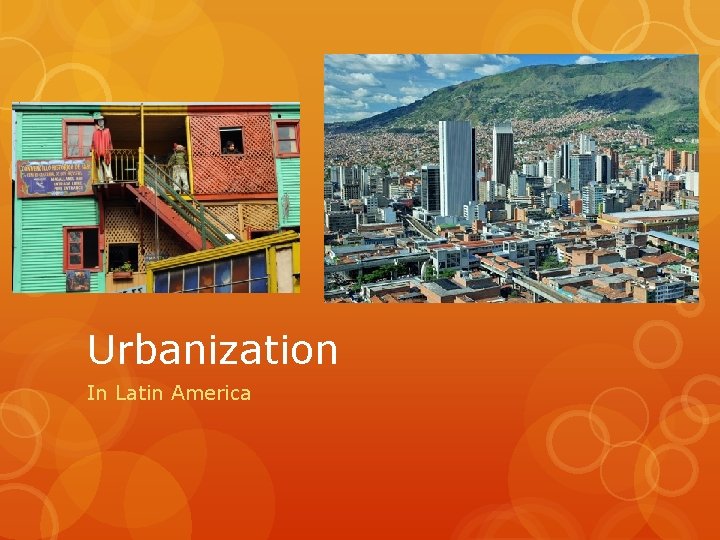
Urbanization In Latin America

Rapid urbanization Colonial impacts Urban primacy Megacities Urban Poverty Urban Forms
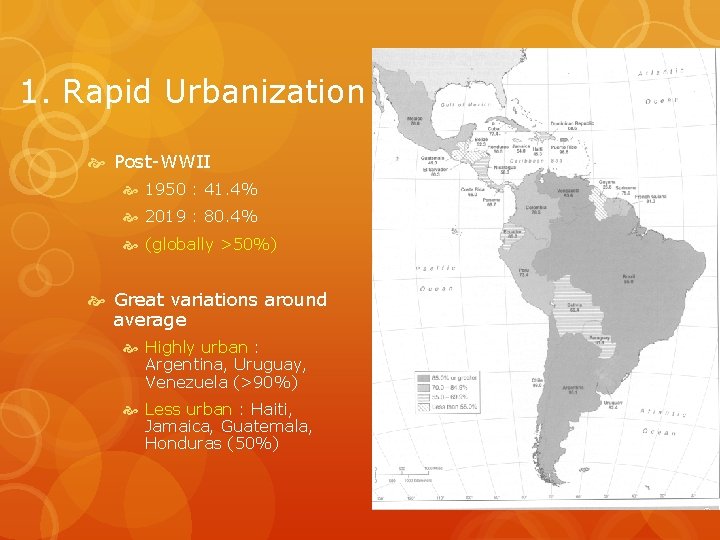
1. Rapid Urbanization Post-WWII 1950 : 41. 4% 2019 : 80. 4% (globally >50%) Great variations around average Highly urban : Argentina, Uruguay, Venezuela (>90%) Less urban : Haiti, Jamaica, Guatemala, Honduras (50%)
Reasons: Sustained rural to urban migration Since 40 s and 50 s PUSH factors : rural poverty, lack of jobs PULL factors : improved quality of life, jobs Predominantly young people By 60 s, growth due to NATURAL INCREASE Difference between births and deaths as % Because of young population (more births, fewer deaths)
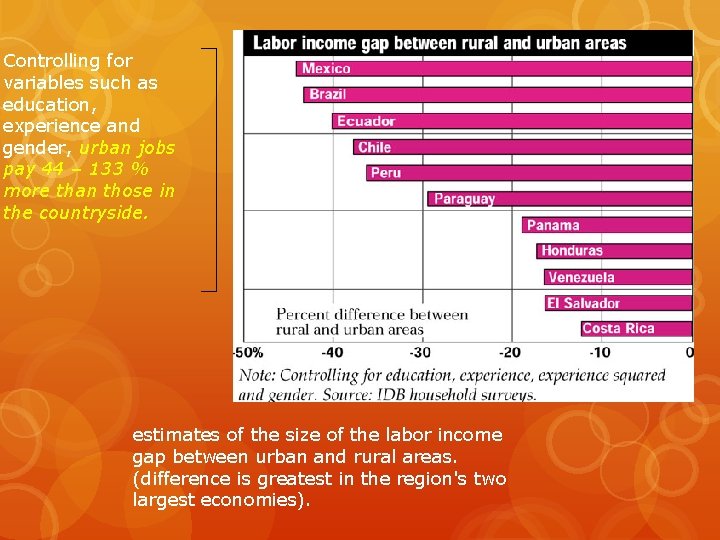
Controlling for variables such as education, experience and gender, urban jobs pay 44 – 133 % more than those in the countryside. estimates of the size of the labor income gap between urban and rural areas. (difference is greatest in the region's two largest economies).
Post WWII, cities were located near: Ports Manufacturing and industrial centers Eventually led to “OVERURBANIZATION” More people than jobs and housing
Beginning in 1970 s Decline in ISI Debt crisis Free market policies Structural adjustments led to deindustrialization, rise in informal economy and urban poverty Urban growth shifted from large cities to places more competitive in global economy E. g. , border towns to take advantage of maquiladoras (Tijuana, Ciudad Juarez) Tourist destinations (Cancun, Acapulco, Cartegena)
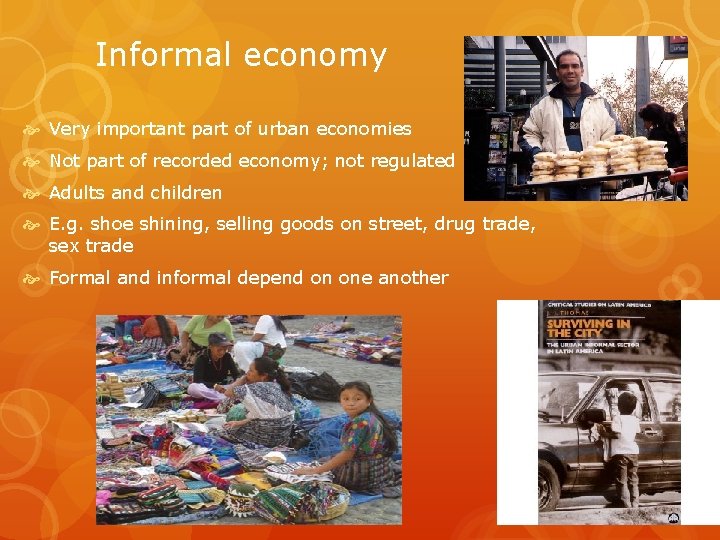
Informal economy Very important part of urban economies Not part of recorded economy; not regulated Adults and children E. g. shoe shining, selling goods on street, drug trade, sex trade Formal and informal depend on one another
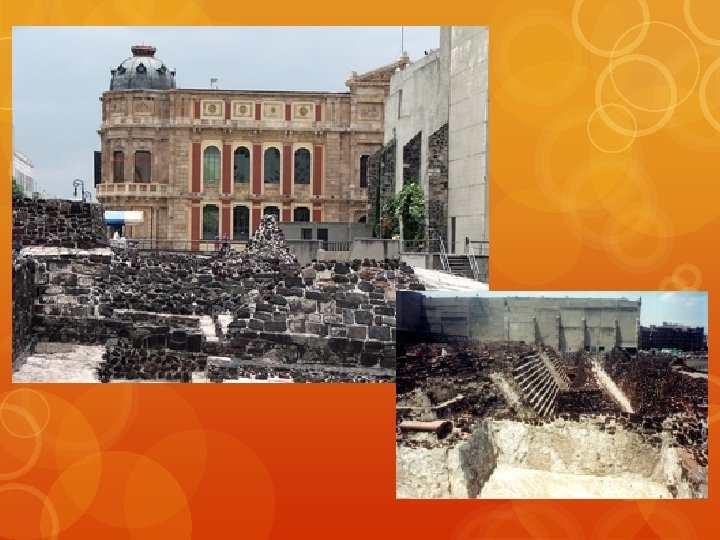
2. Colonial impacts Pre-colonial centers Mesoamerica is considered one of the URBAN HEARTHS Where ancient civilizations settled and power and social organization were centered Teotihuacan One of the largest cities in world 200, 000 in 8 sq. mi area Central Mexican highlands Tenochtitlan, Cuzco, Machu Picchu Often European settlements were established on pre-existing sites
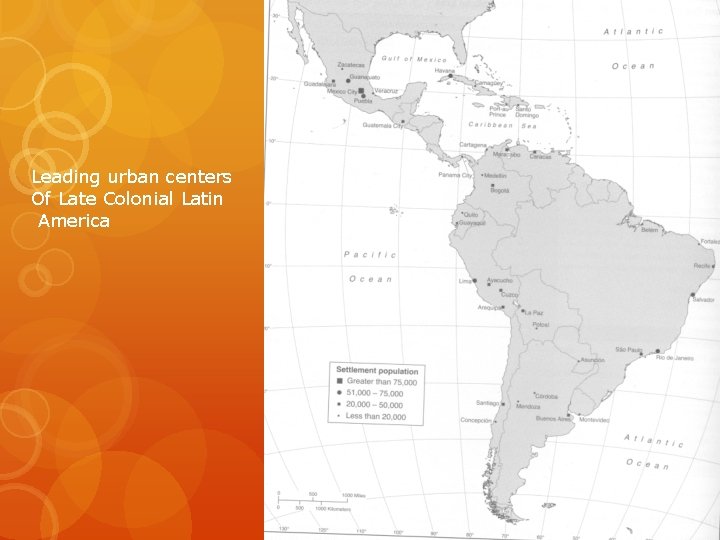
Leading urban centers Of Late Colonial Latin America
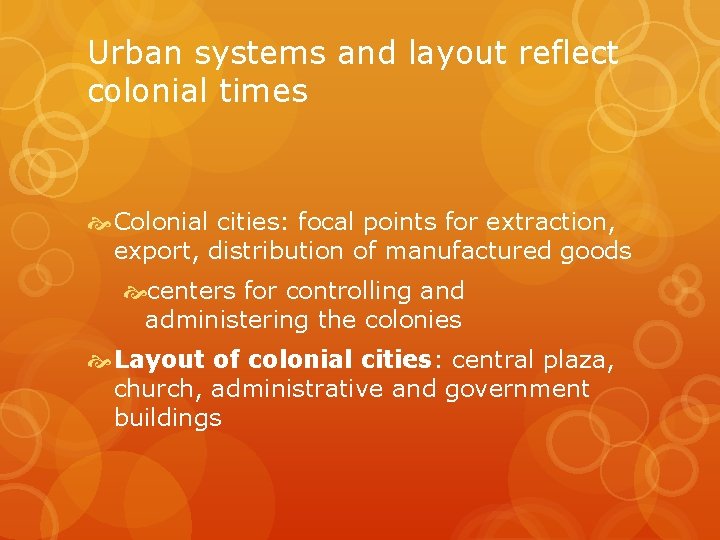
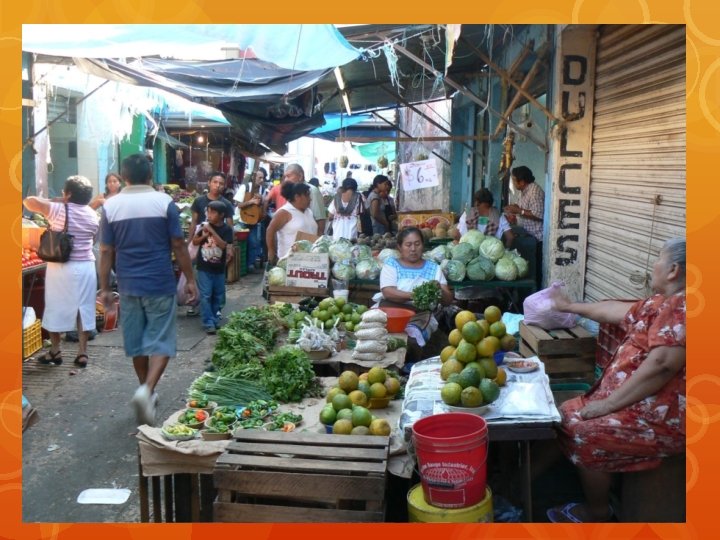
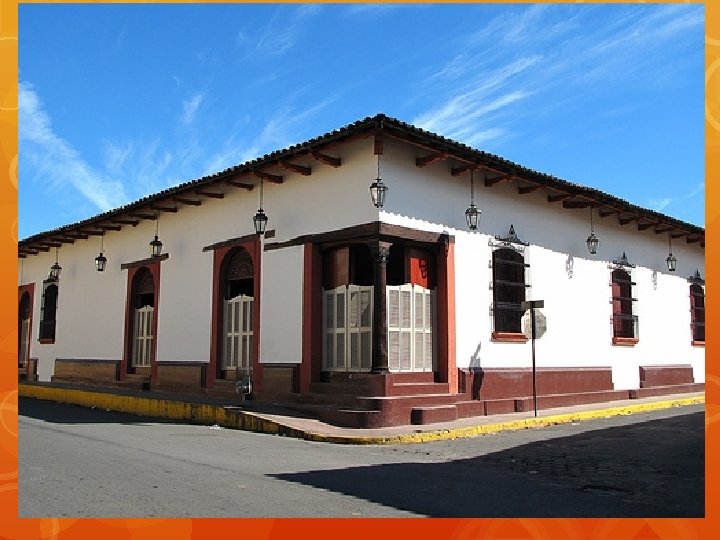
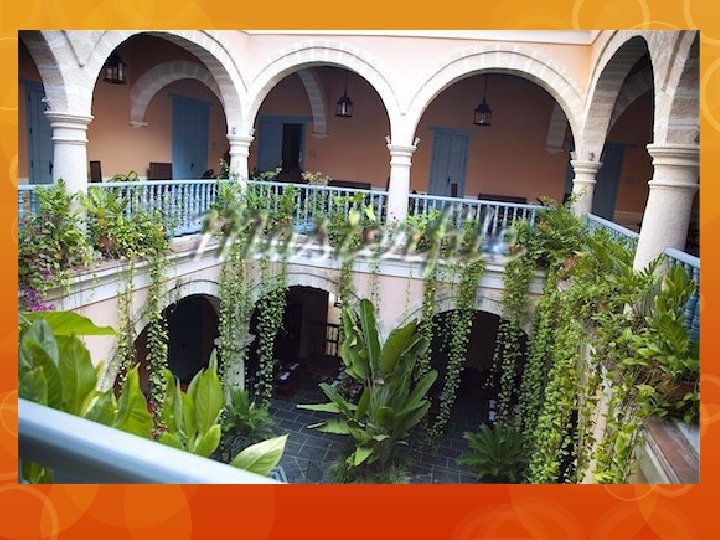
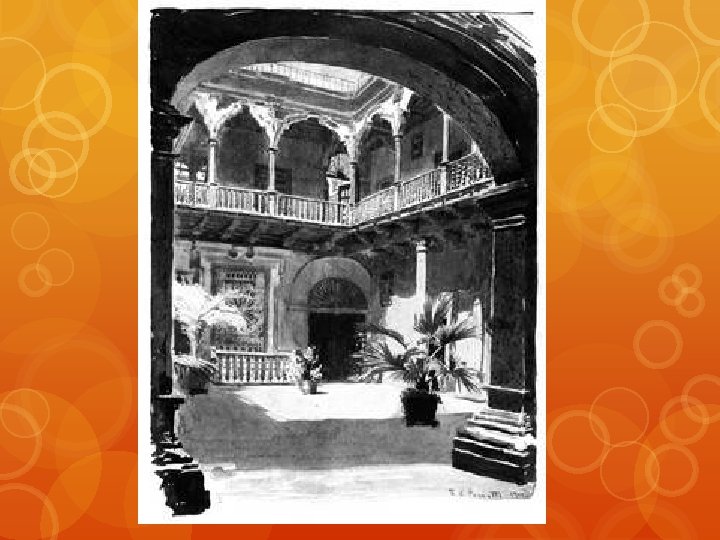
Urban systems and layout reflect colonial times Colonial cities: focal points for extraction, export, distribution of manufactured goods centers for controlling and administering the colonies Layout of colonial cities: central plaza, church, administrative and government buildings
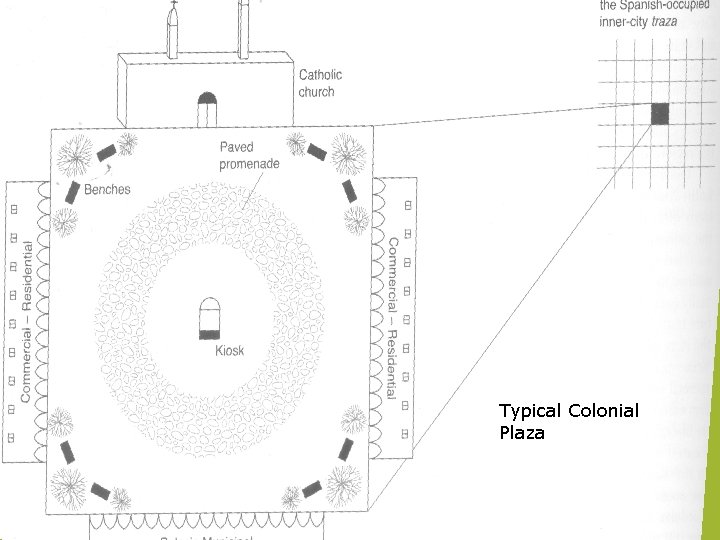
P 346 text Typical Colonial Plaza
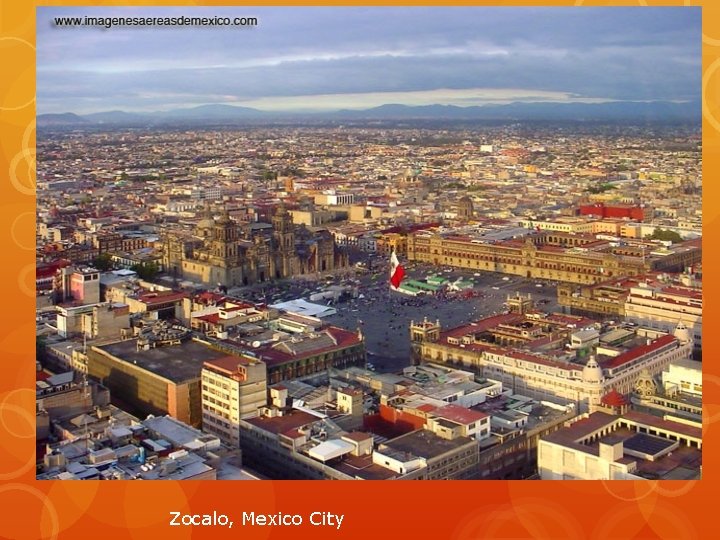
Zocalo, Mexico City
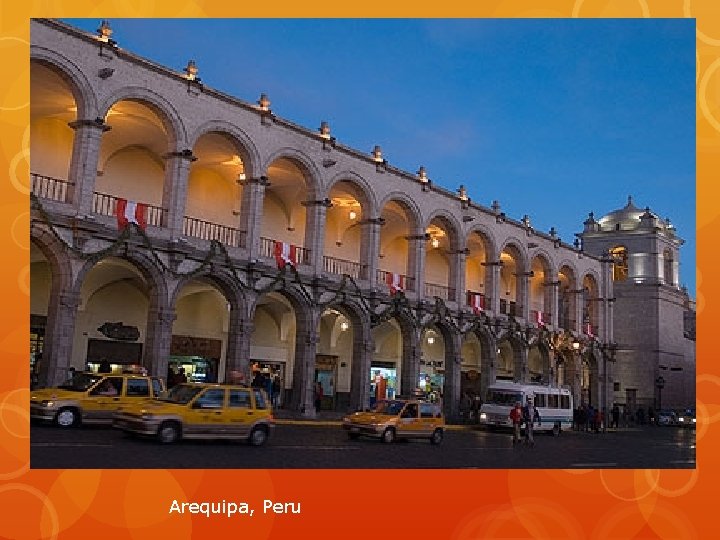
Arequipa, Peru
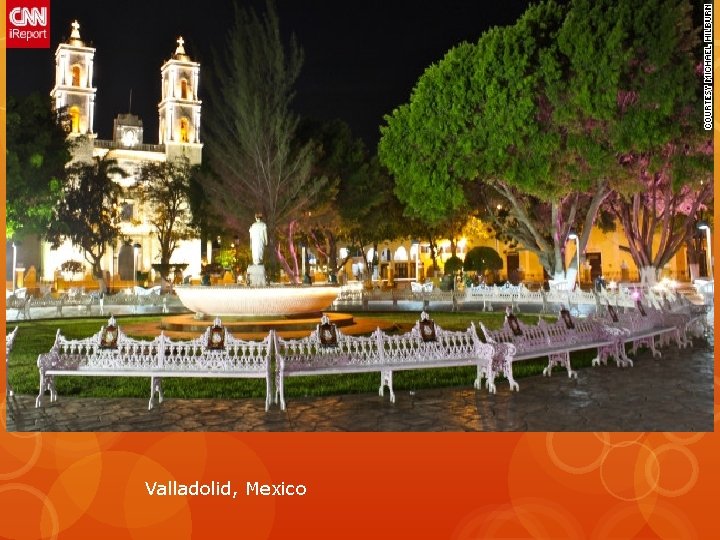
Valladolid, Mexico
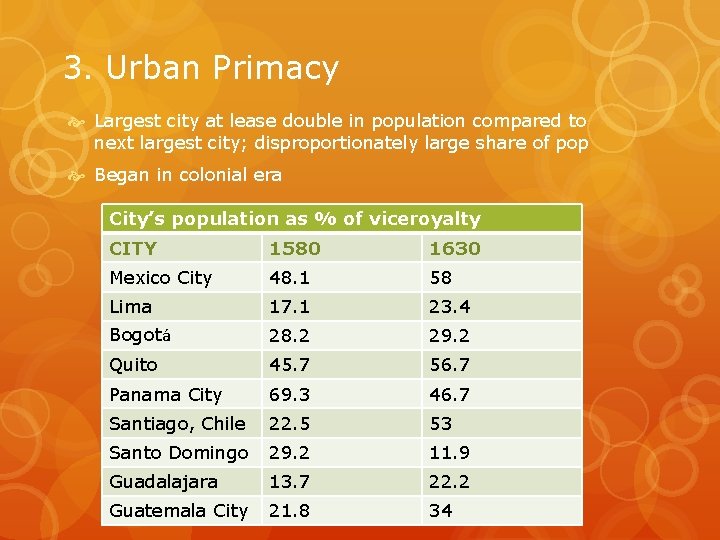
3. Urban Primacy Largest city at lease double in population compared to next largest city; disproportionately large share of pop Began in colonial era City’s population as % of viceroyalty CITY 1580 1630 Mexico City 48. 1 58 Lima 17. 1 23. 4 Bogotá 28. 2 29. 2 Quito 45. 7 56. 7 Panama City 69. 3 46. 7 Santiago, Chile 22. 5 53 Santo Domingo 29. 2 11. 9 Guadalajara 13. 7 22. 2 Guatemala City 21. 8 34
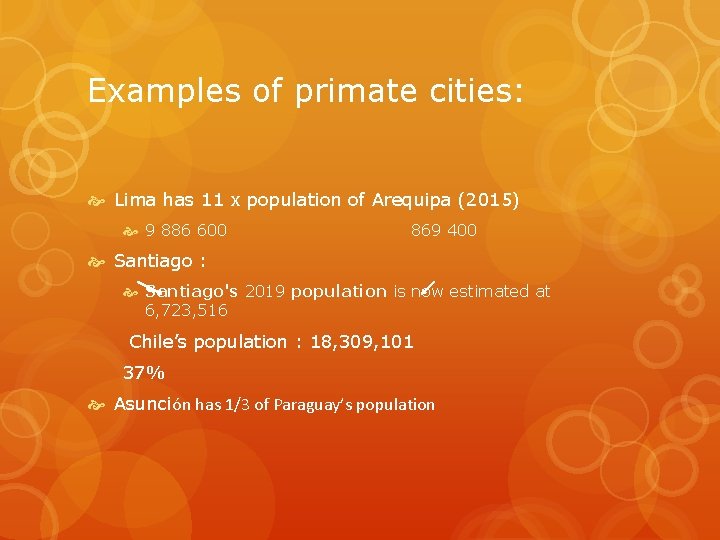
Examples of primate cities: Lima has 11 x population of Arequipa (2015) 9 886 600 869 400 Santiago : Santiago's 2019 population is now estimated at 6, 723, 516 Chile’s population : 18, 309, 101 37% Asunción has 1/3 of Paraguay’s population
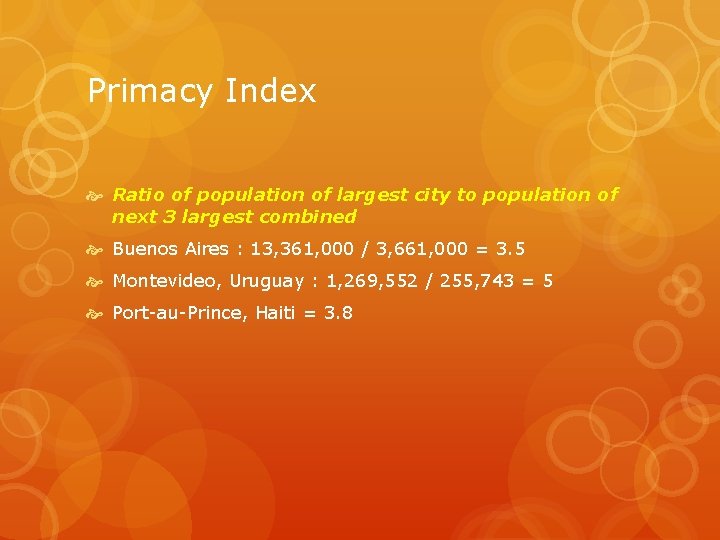
Primacy Index Ratio of population of largest city to population of next 3 largest combined Buenos Aires : 13, 361, 000 / 3, 661, 000 = 3. 5 Montevideo, Uruguay : 1, 269, 552 / 255, 743 = 5 Port-au-Prince, Haiti = 3. 8
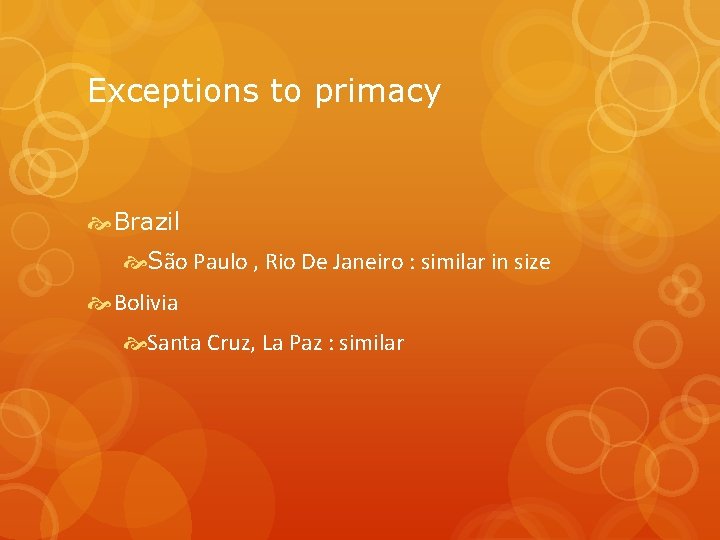
Exceptions to primacy Brazil São Paulo , Rio De Janeiro : similar in size Bolivia Santa Cruz, La Paz : similar
Slowing growth in primate cities Overall reduction in primacy (acc to % and index)
Development of mid-sized cities Return migration out of megacities due to economy, environmental and social problems Better communication Changing patterns of industrialization
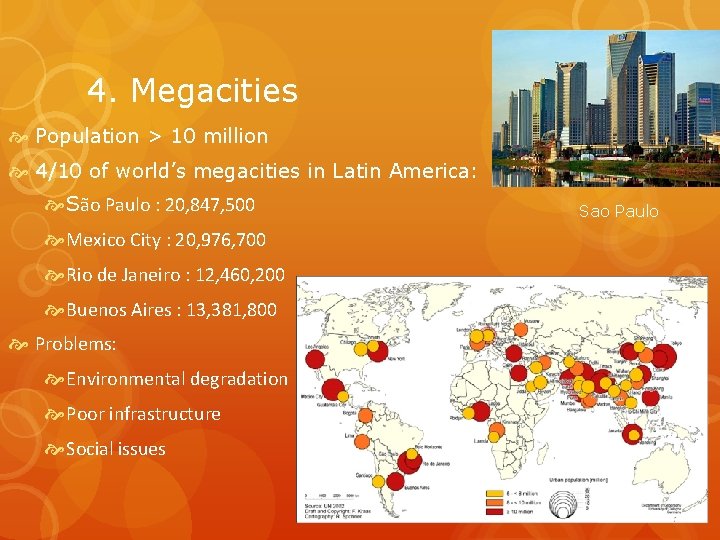
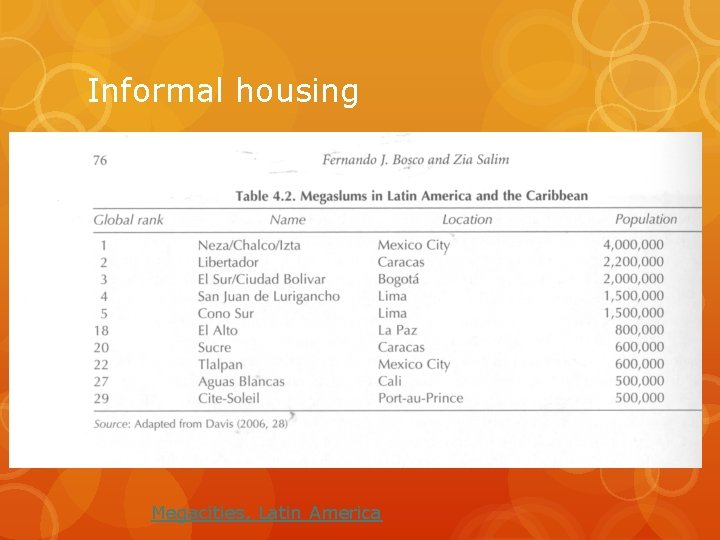
4. Megacities Population > 10 million 4/10 of world’s megacities in Latin America: São Paulo : 20, 847, 500 Mexico City : 20, 976, 700 Rio de Janeiro : 12, 460, 200 Buenos Aires : 13, 381, 800 Problems: Environmental degradation Poor infrastructure Social issues Sao Paulo
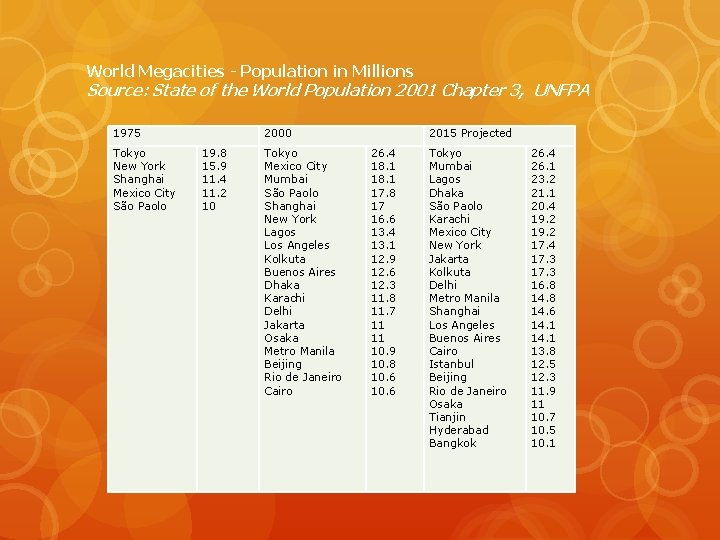
World Megacities - Population in Millions Source: State of the World Population 2001 Chapter 3, UNFPA 1975 Tokyo New York Shanghai Mexico City São Paolo 2000 19. 8 15. 9 11. 4 11. 2 10 Tokyo Mexico City Mumbai São Paolo Shanghai New York Lagos Los Angeles Kolkuta Buenos Aires Dhaka Karachi Delhi Jakarta Osaka Metro Manila Beijing Rio de Janeiro Cairo 2015 Projected 26. 4 18. 1 17. 8 17 16. 6 13. 4 13. 1 12. 9 12. 6 12. 3 11. 8 11. 7 11 11 10. 9 10. 8 10. 6 Tokyo Mumbai Lagos Dhaka São Paolo Karachi Mexico City New York Jakarta Kolkuta Delhi Metro Manila Shanghai Los Angeles Buenos Aires Cairo Istanbul Beijing Rio de Janeiro Osaka Tianjin Hyderabad Bangkok 26. 4 26. 1 23. 2 21. 1 20. 4 19. 2 17. 4 17. 3 16. 8 14. 6 14. 1 13. 8 12. 5 12. 3 11. 9 11 10. 7 10. 5 10. 1
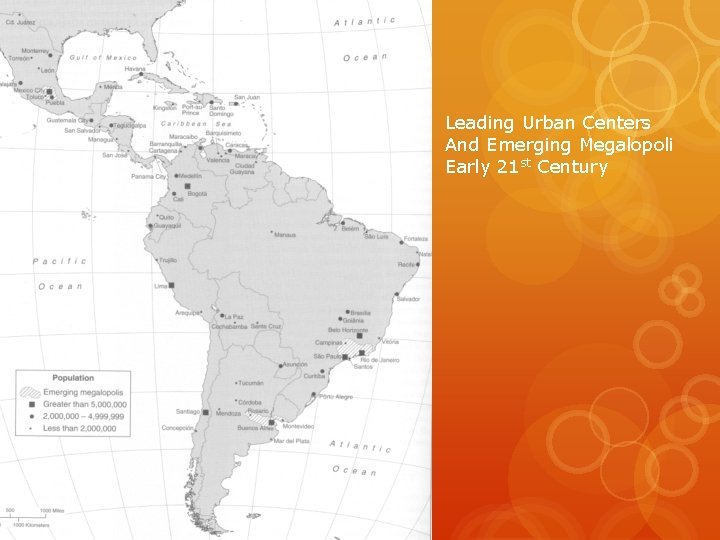
Leading Urban Centers And Emerging Megalopoli Early 21 st Century
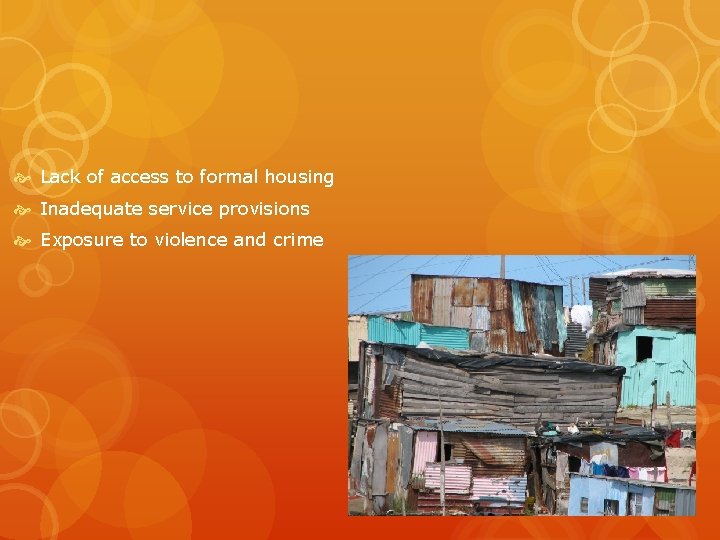
4. Urban Poverty Enormous self-built squatter settlements surrounding centers of large cities Informal housing Lima : pueblos jóvenes Port-au-Prince : bidonvilles Rio de Janeiro : favelas Quito : conventillos Mexico City : colonia populares (1/5 of population) Buenos Aires : villas miseria Over time, improve and become neighborhoods with services
1959: favela 44% of poor in cities 2000: 78% 2005: 60% of poor in cities 50% of “extremely” poor
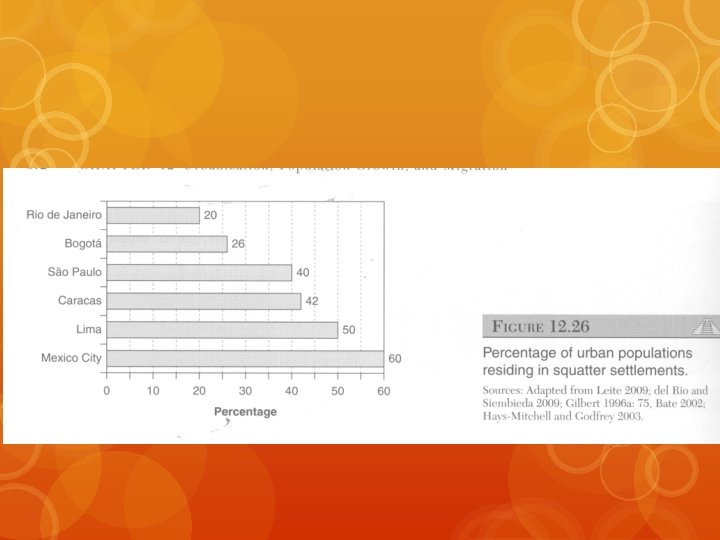
Lack of access to formal housing Inadequate service provisions Exposure to violence and crime
Informal housing Megacities, Latin America

São Paulo video
5. Urban forms Ford model of Latin American city
Commercial parts of city: Central Business District Old inner city housing buildings of government and corporations
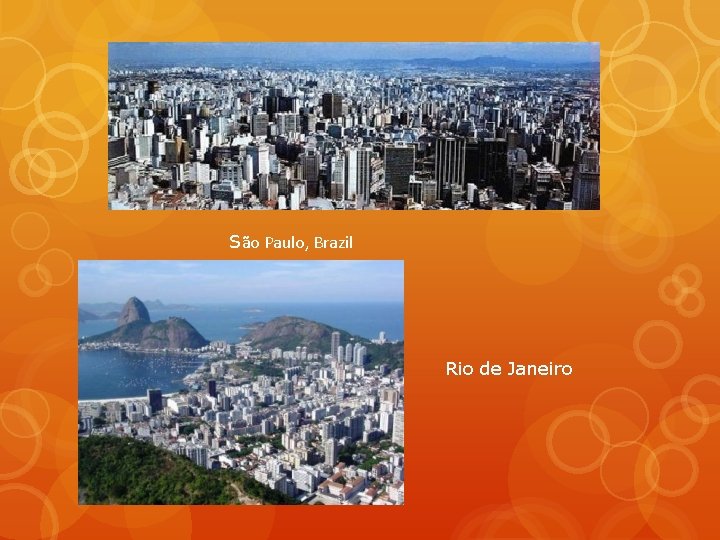
São Paulo, Brazil Rio de Janeiro
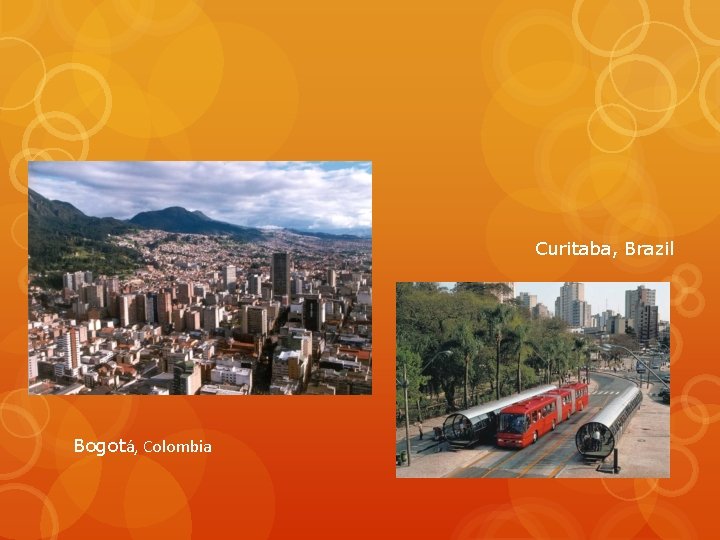
Curitaba, Brazil Bogotá, Colombia
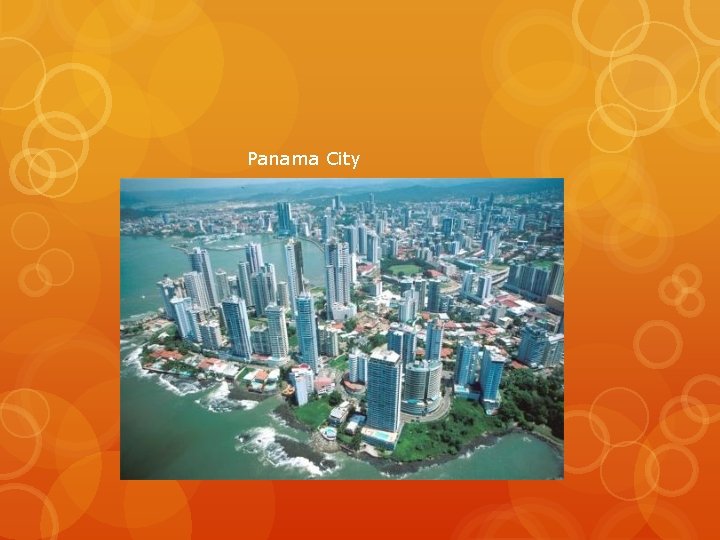
Panama City
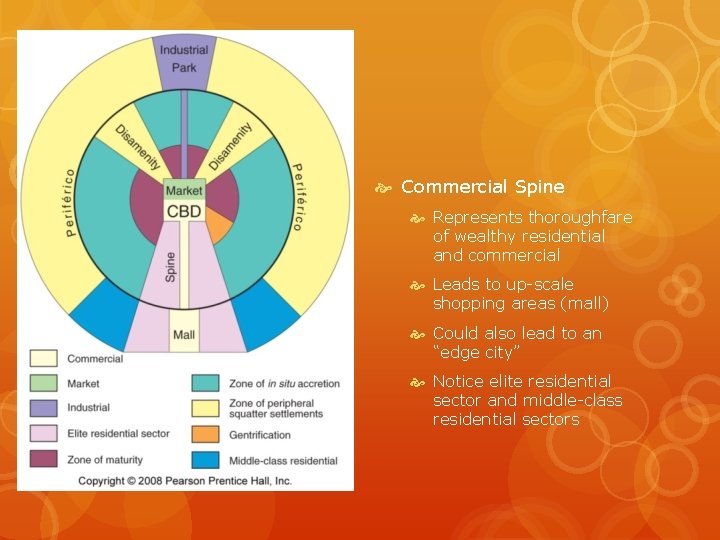
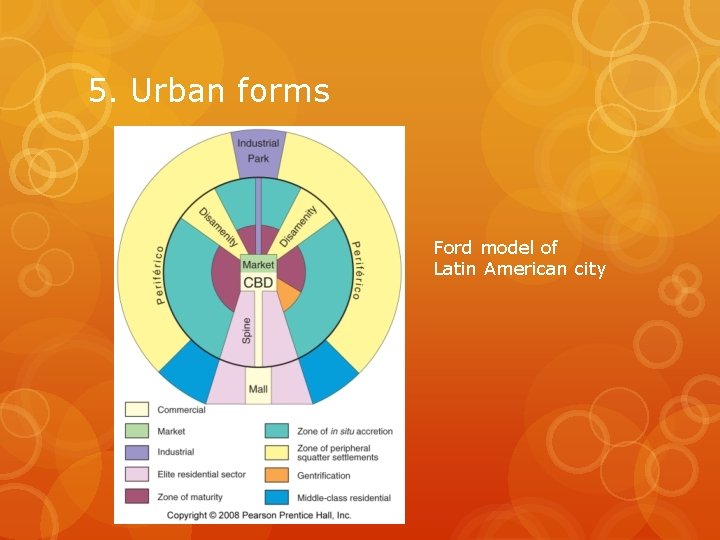
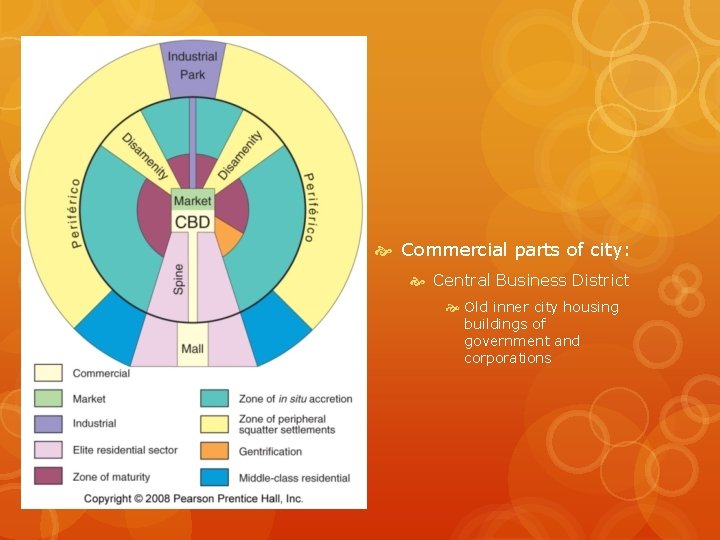
Commercial Spine Represents thoroughfare of wealthy residential and commercial Leads to up-scale shopping areas (mall) Could also lead to an “edge city” Notice elite residential sector and middle-class residential sectors
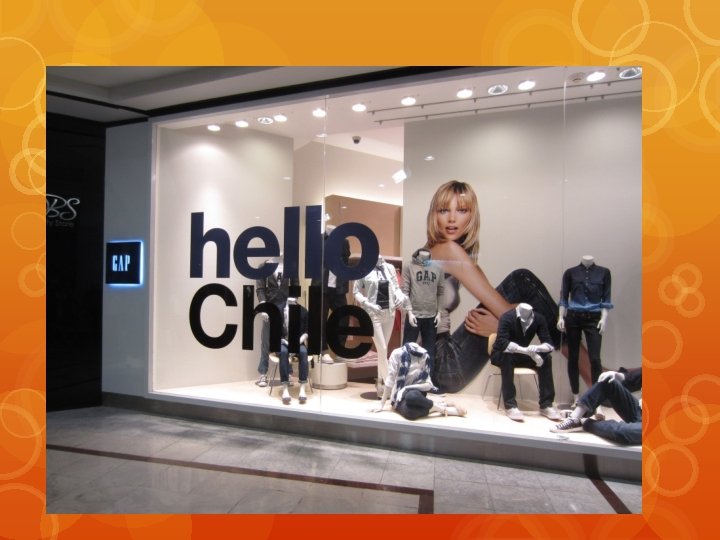
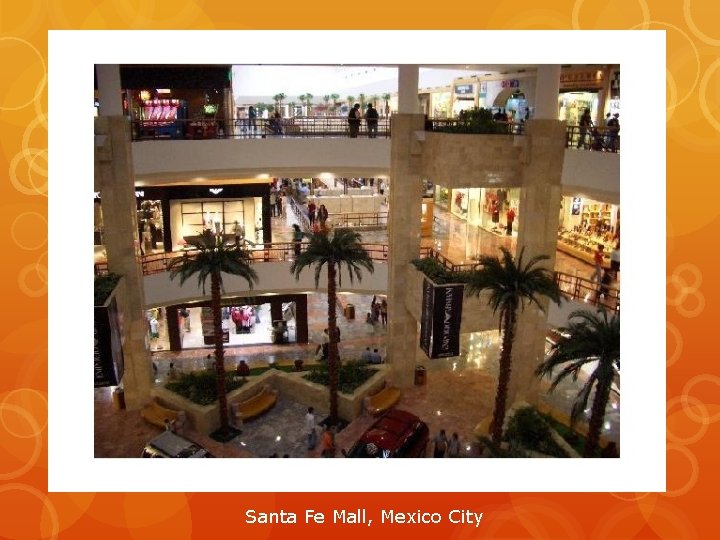
Santa Fe Mall, Mexico City
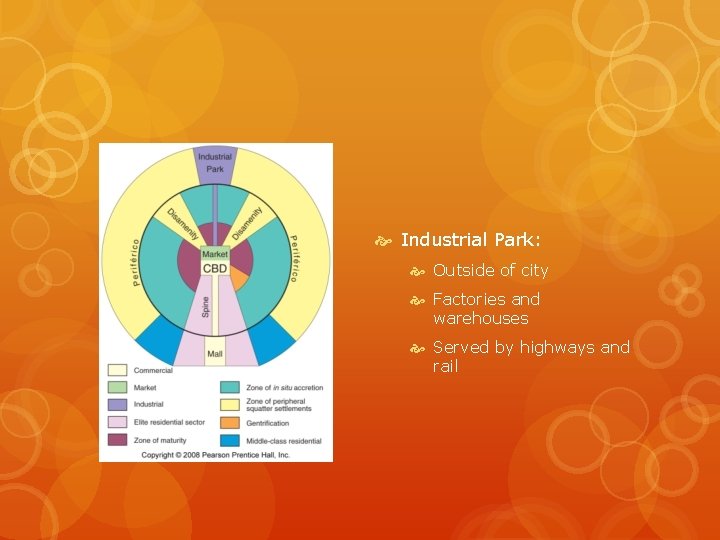
Industrial Park: Outside of city Factories and warehouses Served by highways and rail
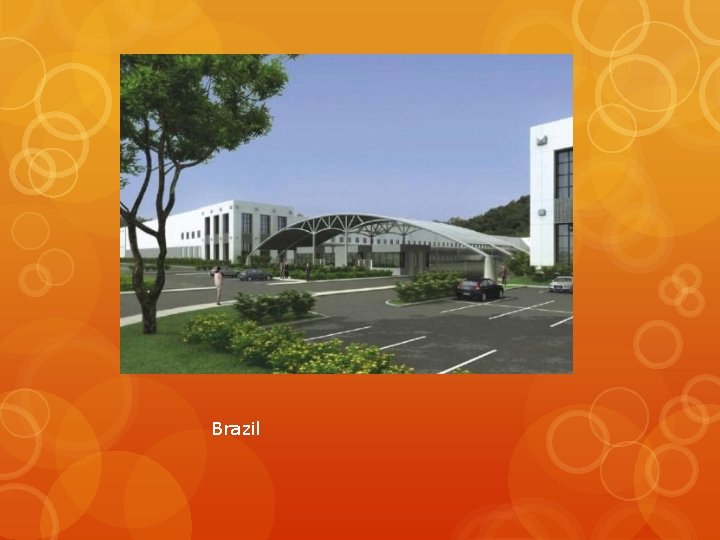
Brazil
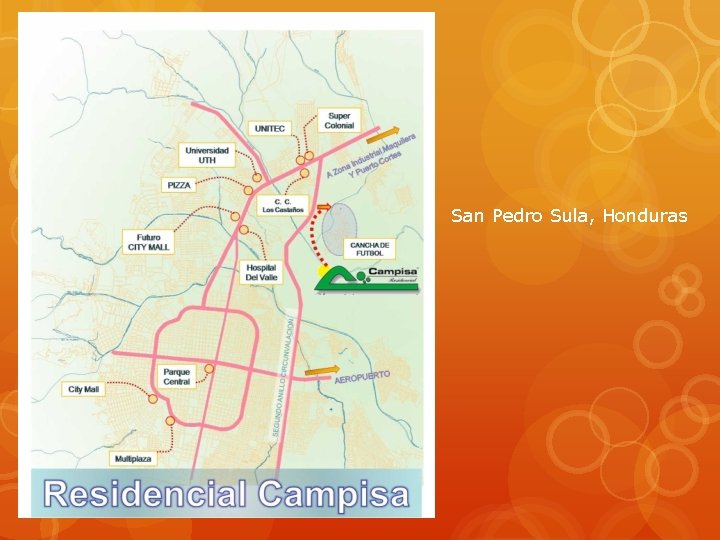
San Pedro Sula, Honduras
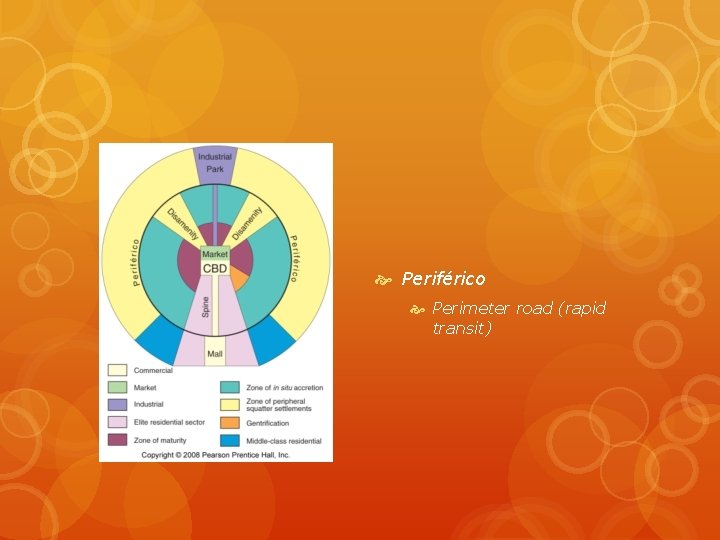
Periférico Perimeter road (rapid transit)
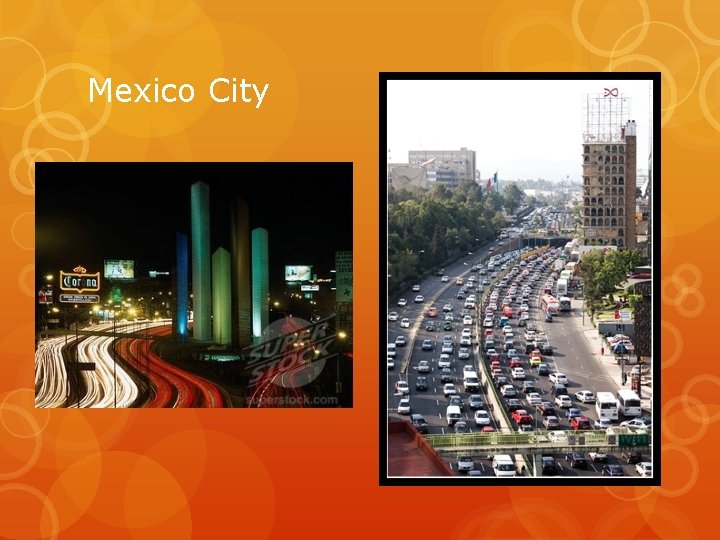
Mexico City
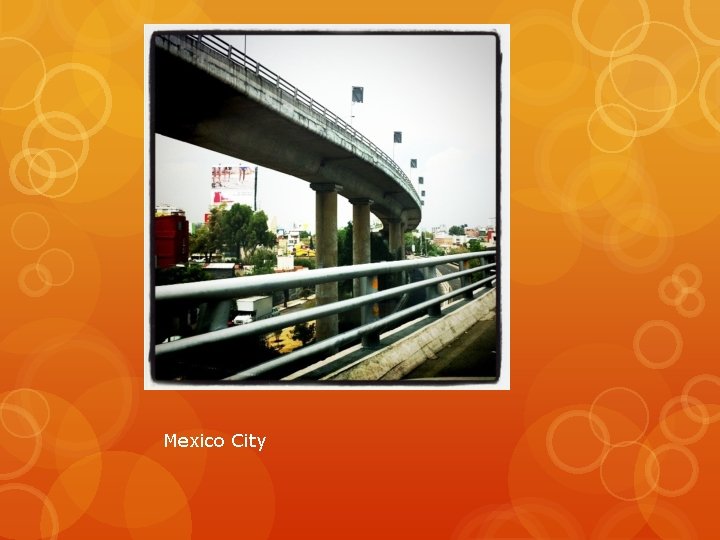
Mexico City
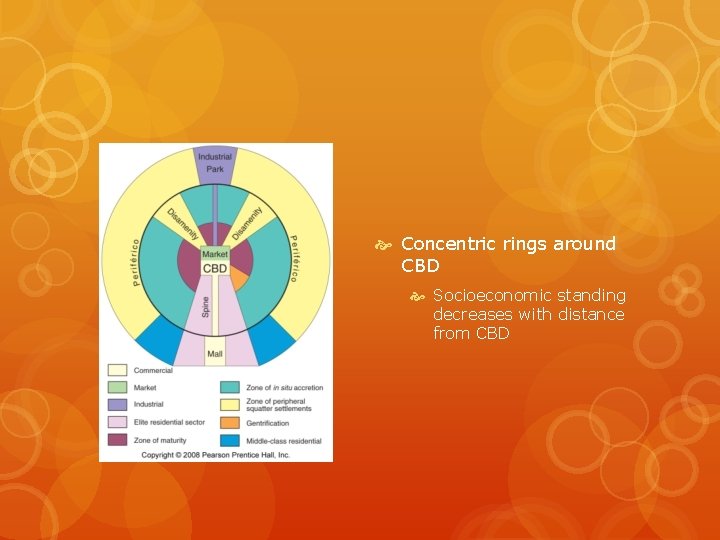
Concentric rings around CBD Socioeconomic standing decreases with distance from CBD
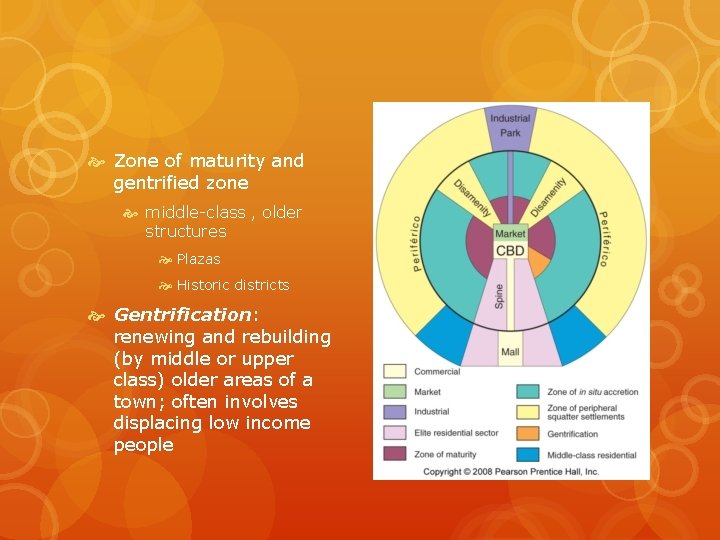
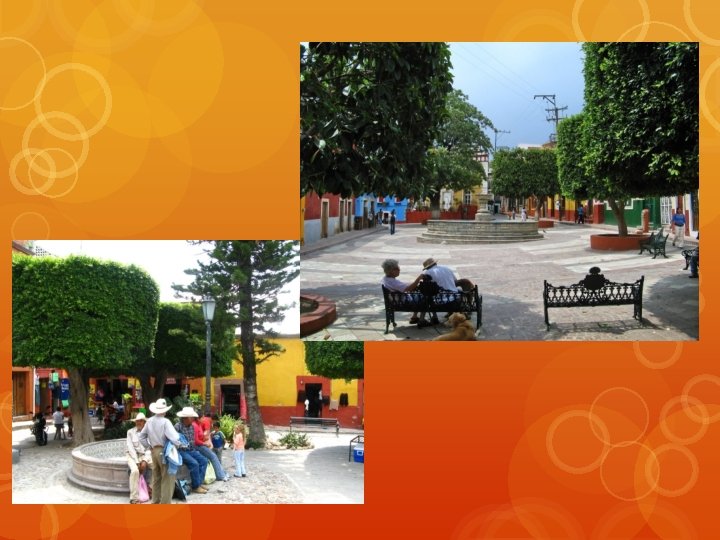
Zone of maturity and gentrified zone middle-class , older structures Plazas Historic districts Gentrification: renewing and rebuilding (by middle or upper class) older areas of a town; often involves displacing low income people
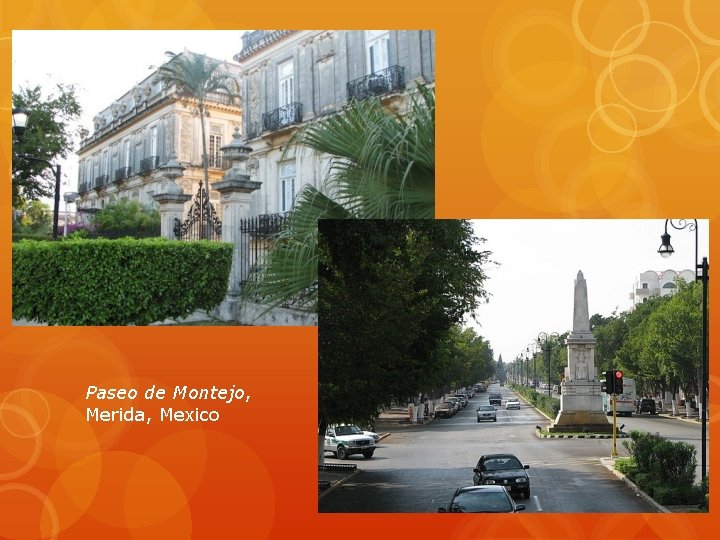
Paseo de Montejo, Merida, Mexico
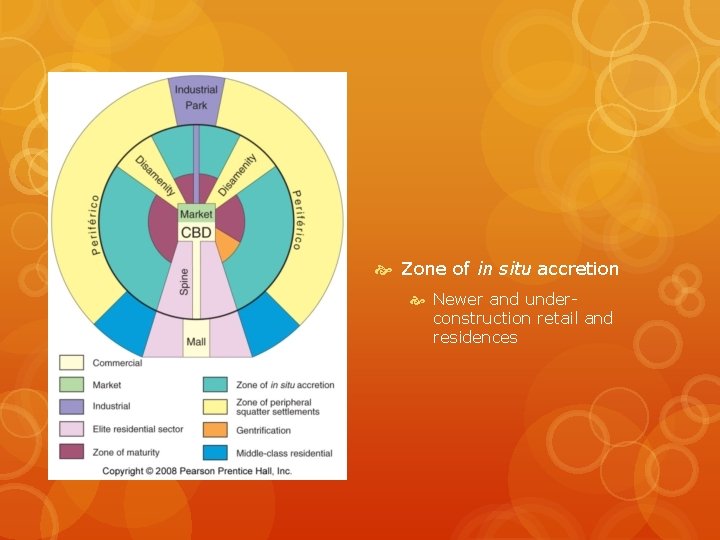
Zone of in situ accretion Newer and underconstruction retail and residences
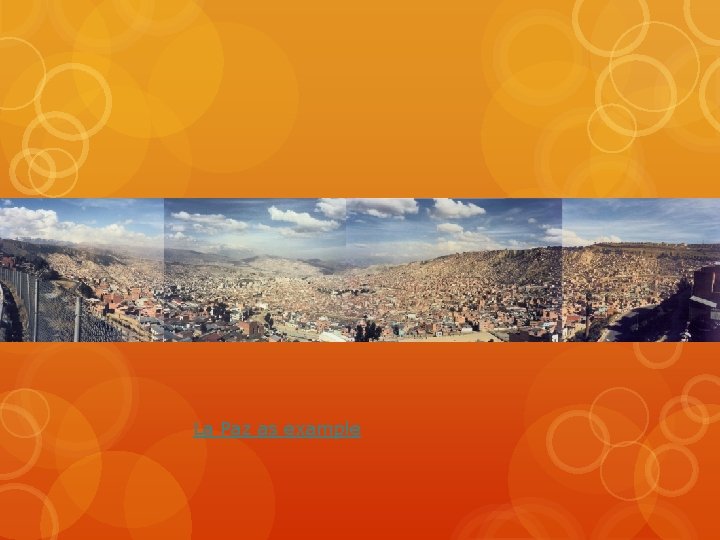
La Paz as example
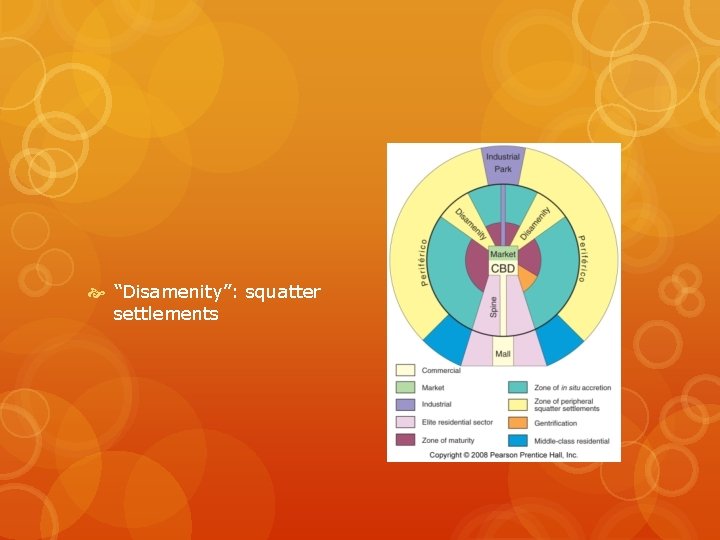
“Disamenity”: squatter settlements
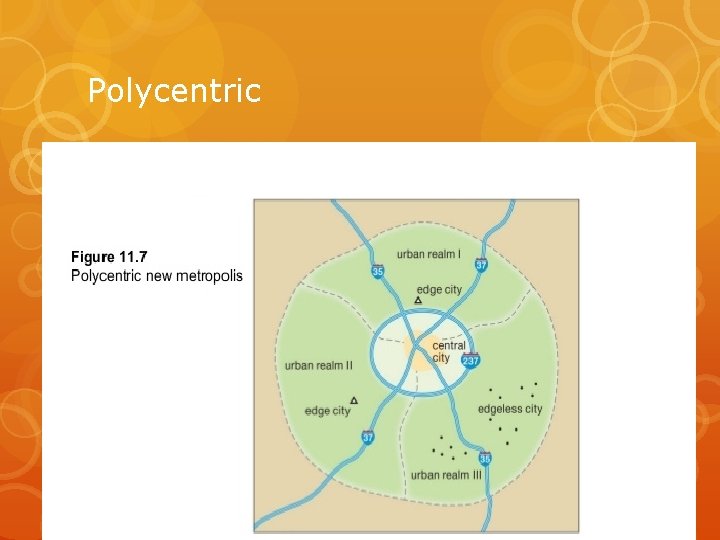
Polycentric

- Slides: 59