
Urban Growth 1870 1900 Characteristics of Urbanization During
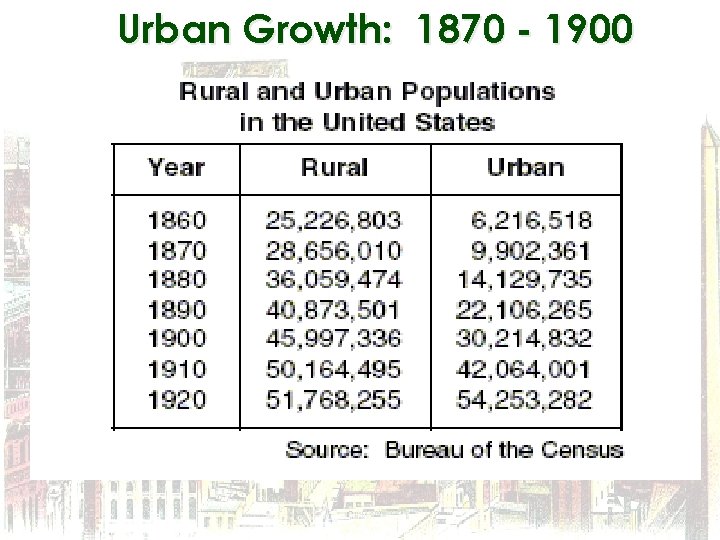
Urban Growth: 1870 - 1900
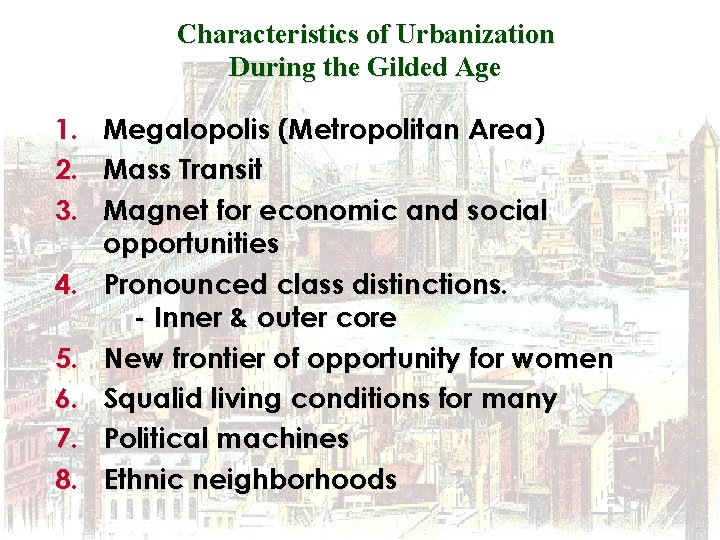
Characteristics of Urbanization During the Gilded Age 1. 2. 3. 4. 5. 6. 7. 8. Megalopolis (Metropolitan Area) Mass Transit Magnet for economic and social opportunities Pronounced class distinctions. - Inner & outer core New frontier of opportunity for women Squalid living conditions for many Political machines Ethnic neighborhoods
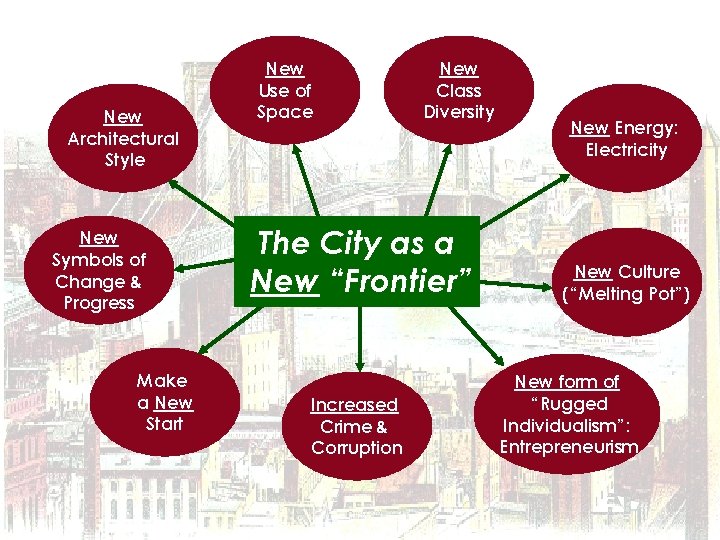
New Architectural Style New Symbols of Change & Progress Make a New Start New Use of Space New Class Diversity The City as a New “Frontier” Increased Crime & Corruption New Energy: Electricity New Culture (“Melting Pot”) New form of “Rugged Individualism”: Entrepreneurism
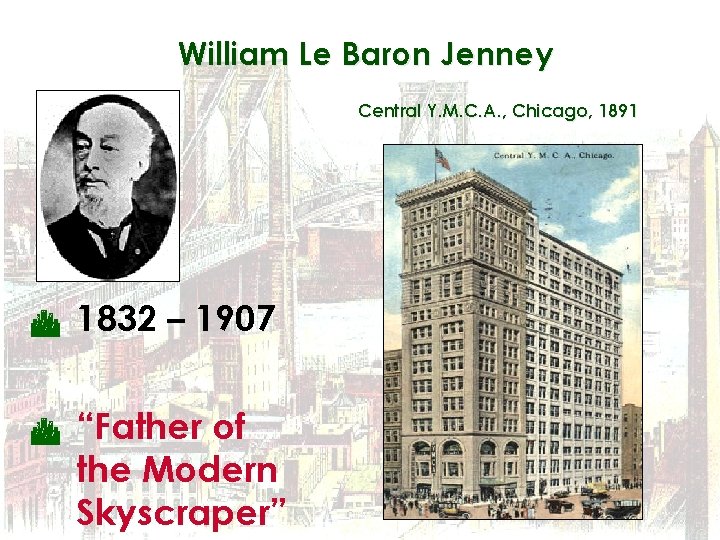
William Le Baron Jenney Central Y. M. C. A. , Chicago, 1891 C 1832 – 1907 C “Father of the Modern Skyscraper”
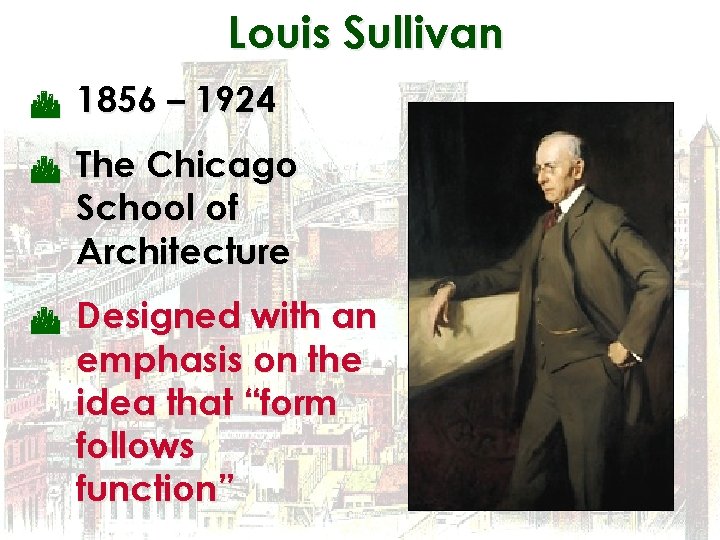
Louis Sullivan C 1856 – 1924 C The Chicago School of Architecture C Designed with an emphasis on the idea that “form follows function”
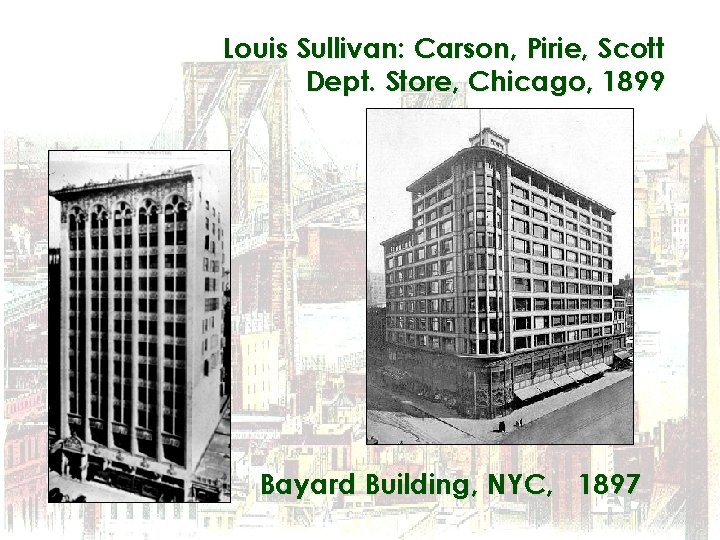
Louis Sullivan: Carson, Pirie, Scott Dept. Store, Chicago, 1899 Bayard Building, NYC, 1897
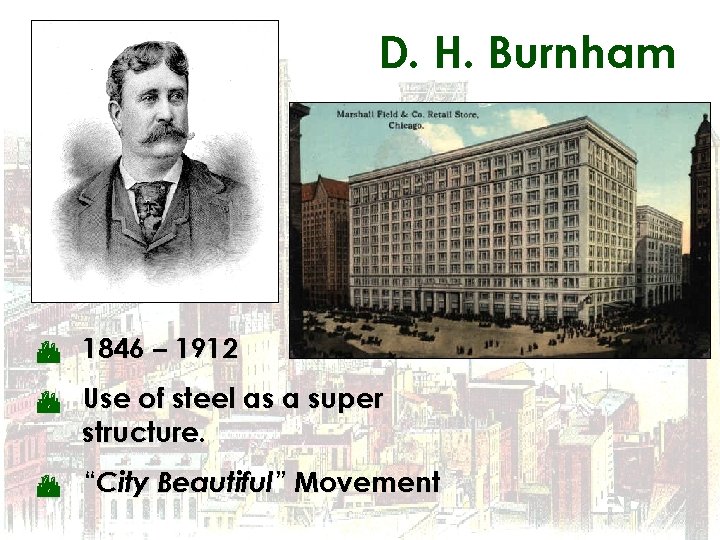
D. H. Burnham C 1846 – 1912 C Use of steel as a super structure. C “City Beautiful” Movement
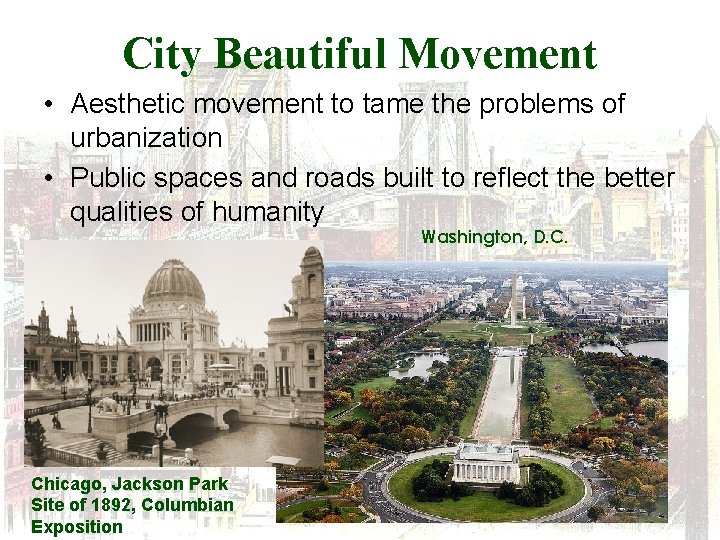
City Beautiful Movement • Aesthetic movement to tame the problems of urbanization • Public spaces and roads built to reflect the better qualities of humanity Washington, D. C. Chicago, Jackson Park Site of 1892, Columbian Exposition
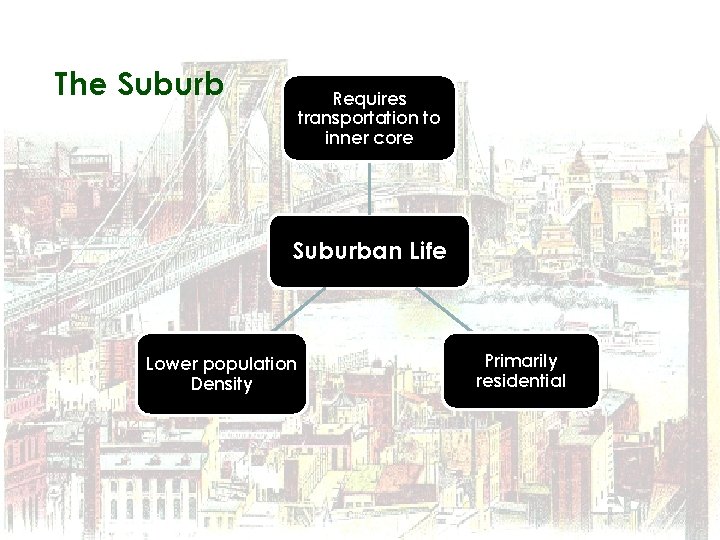
The Suburb Requires transportation to inner core Suburban Life Lower population Density Primarily residential
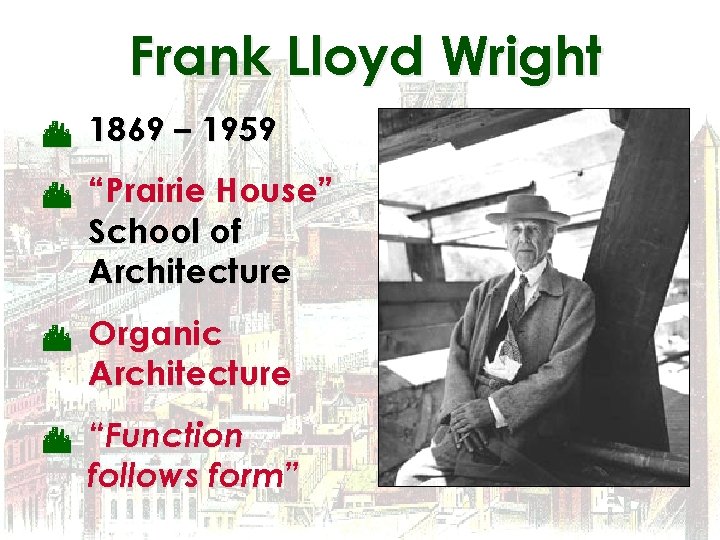
Frank Lloyd Wright C 1869 – 1959 C “Prairie House” School of Architecture C Organic Architecture C “Function follows form”
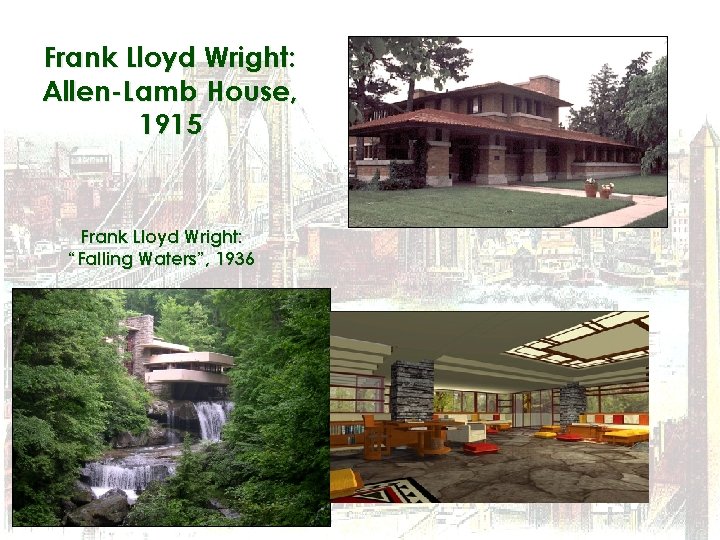
Frank Lloyd Wright: Allen-Lamb House, 1915 Frank Lloyd Wright: “Falling Waters”, 1936
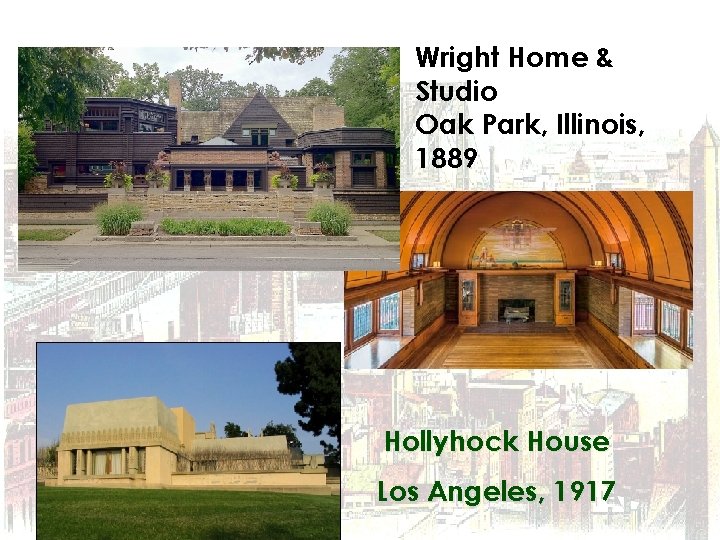
Wright Home & Studio Oak Park, Illinois, 1889 Hollyhock House Los Angeles, 1917

Frank Lloyd Wright Furniture
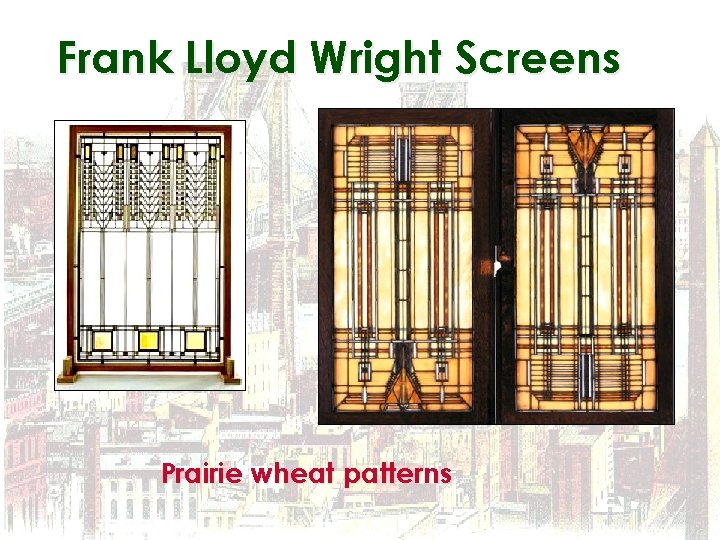
Frank Lloyd Wright Screens Prairie wheat patterns
New York City Architectural Style: 1870 s-1910 s 1. The style was less innovative than in Chicago. 2. NYC was the source of the capital for Chicago. 3. Most major business firms had their headquarters in NYC their bldgs became “logos” for their companies. 4. NYC buildings and skyscrapers were taller than in Chicago.
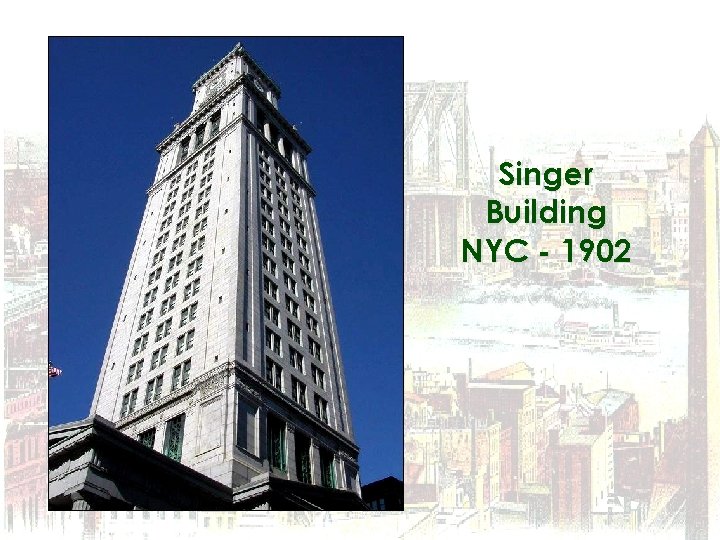
Singer Building NYC - 1902
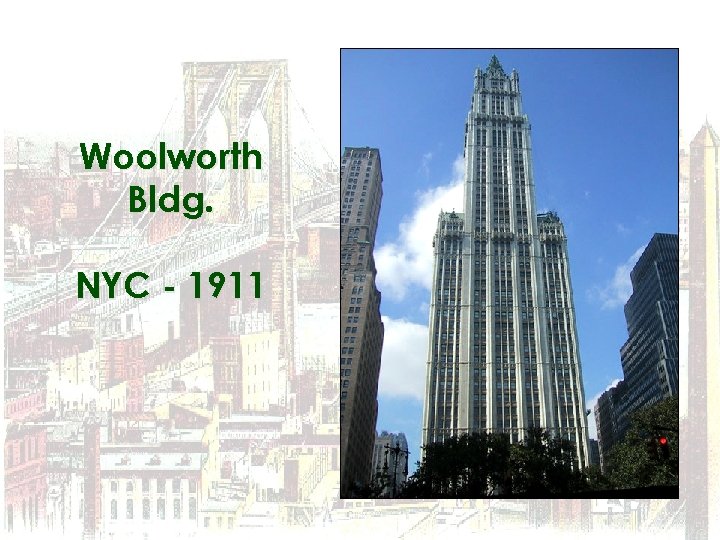
Woolworth Bldg. NYC - 1911
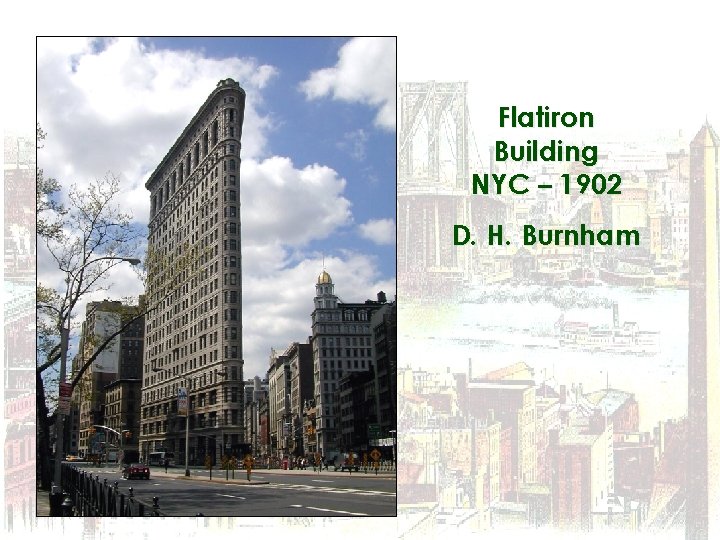
Flatiron Building NYC – 1902 D. H. Burnham
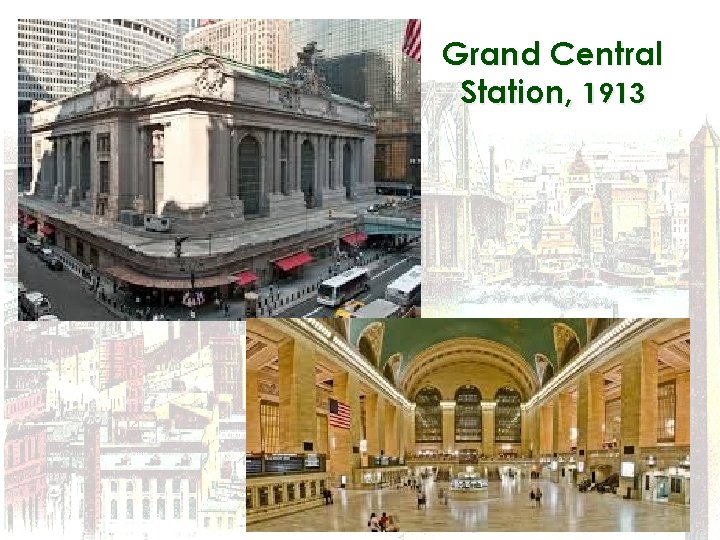
Grand Central Station, 1913
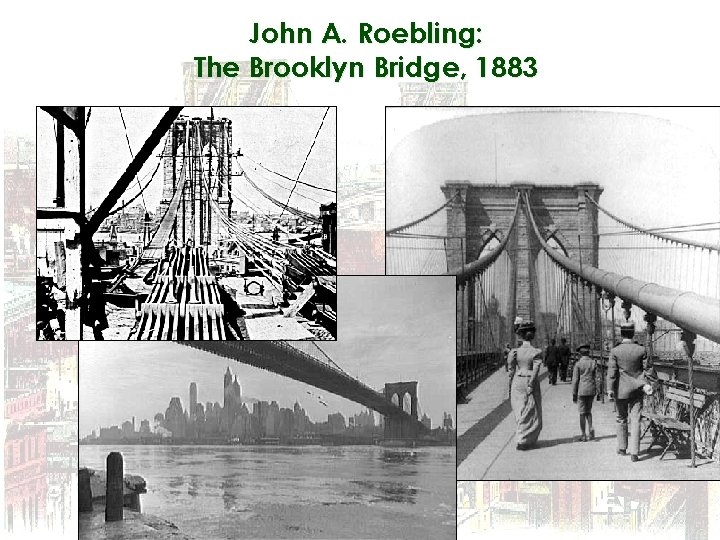
John A. Roebling: The Brooklyn Bridge, 1883
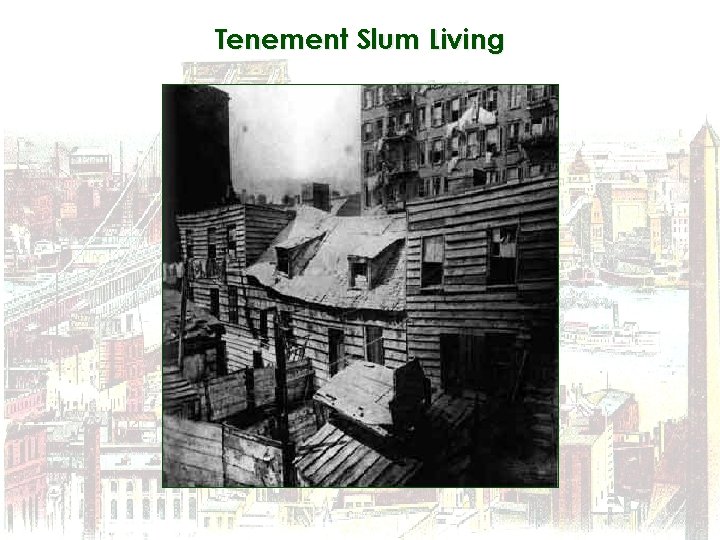
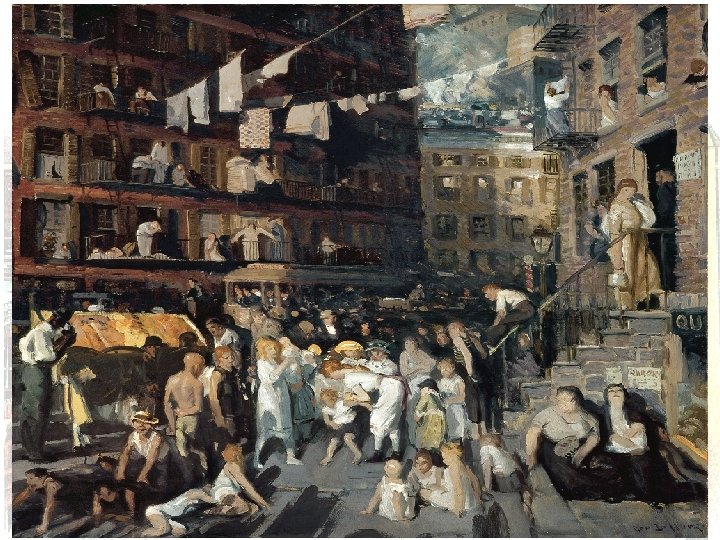
Tenement Slum Living
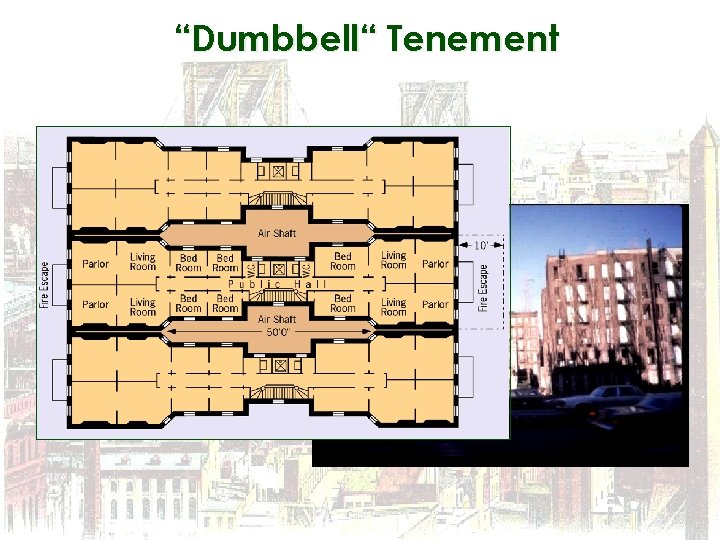
“Dumbbell“ Tenement
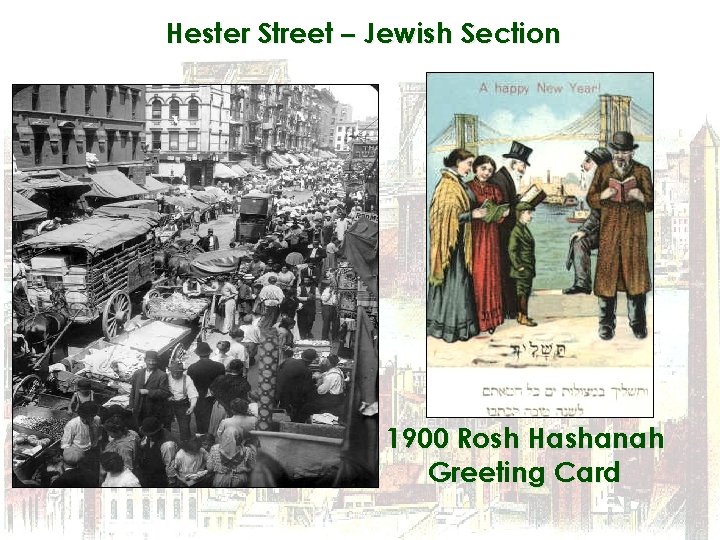
Hester Street – Jewish Section 1900 Rosh Hashanah Greeting Card
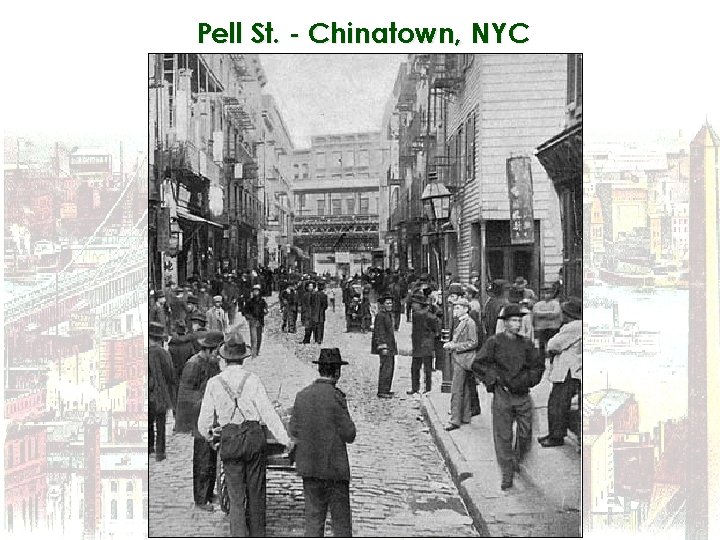
Pell St. - Chinatown, NYC
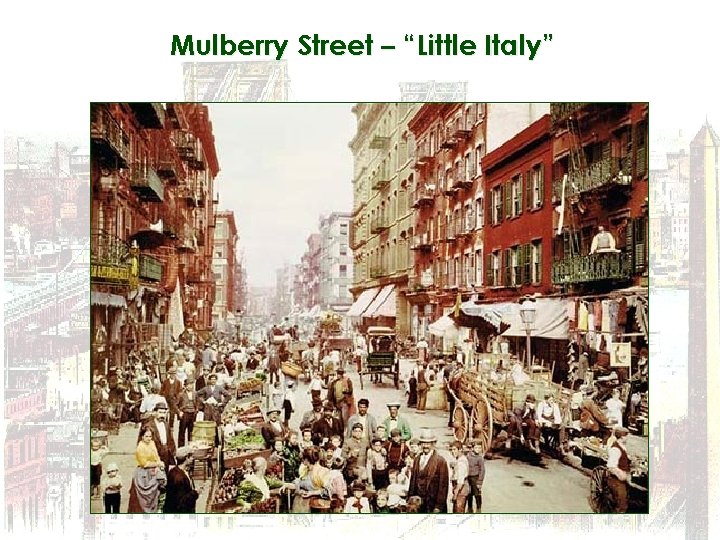
Mulberry Street – “Little Italy”
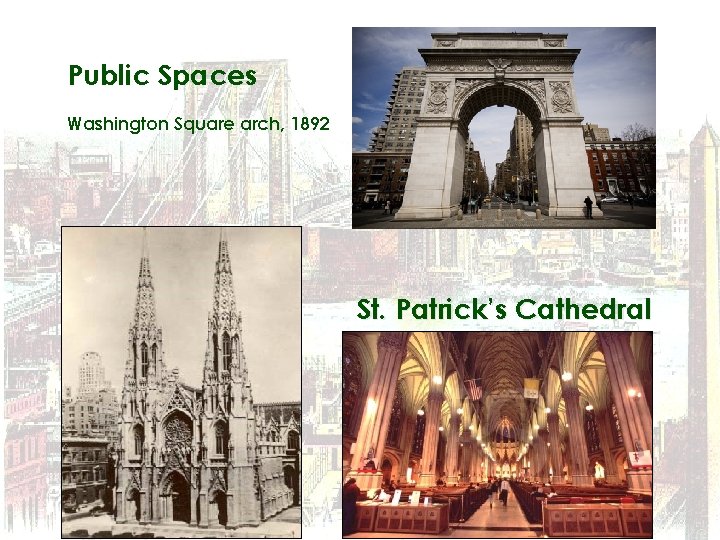
Public Spaces Washington Square arch, 1892 St. Patrick’s Cathedral
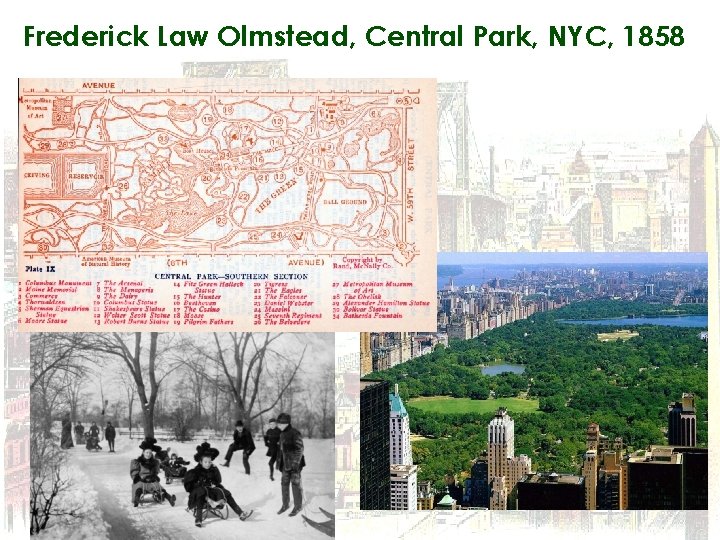
Frederick Law Olmstead, Central Park, NYC, 1858
- Slides: 32