
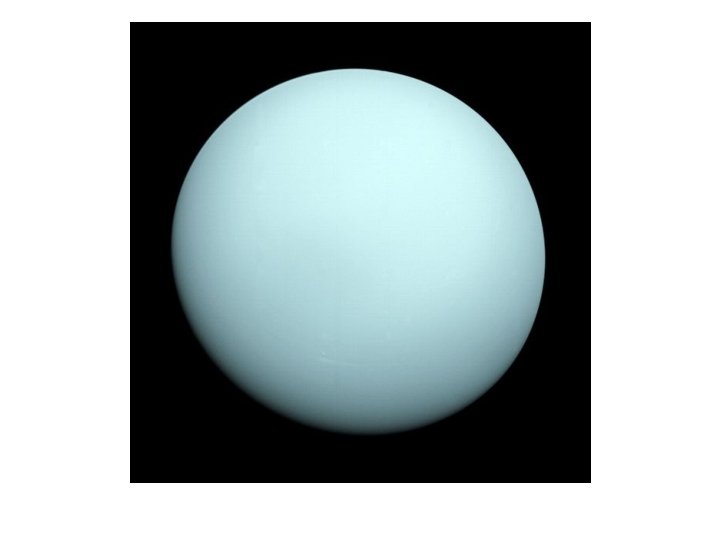
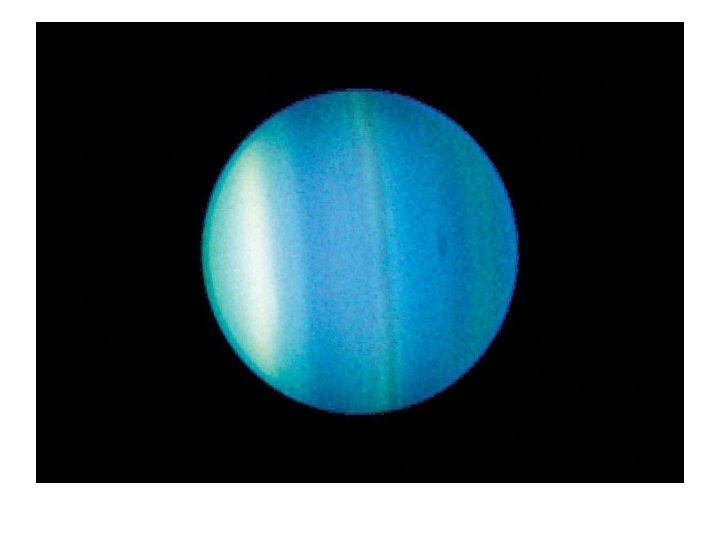
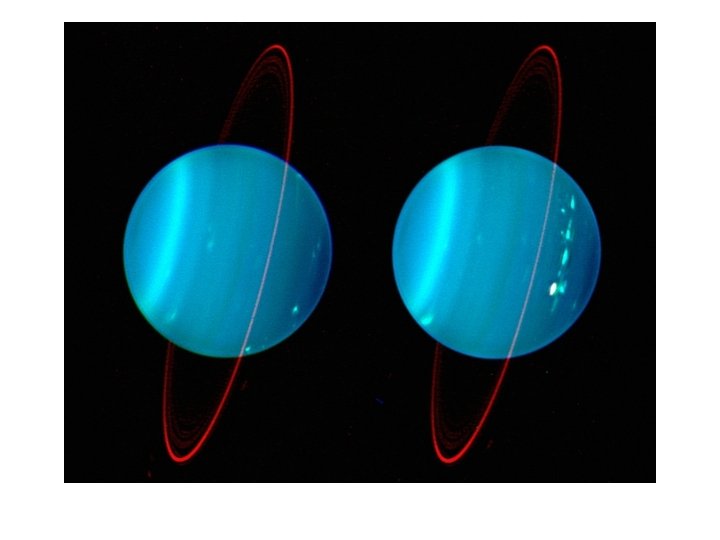
Uranus 3 rd largest planet with 27 moons
- Slides: 33
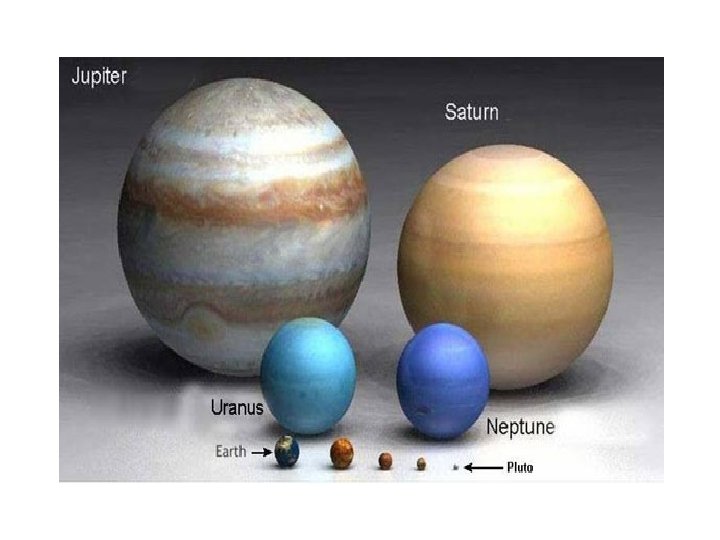
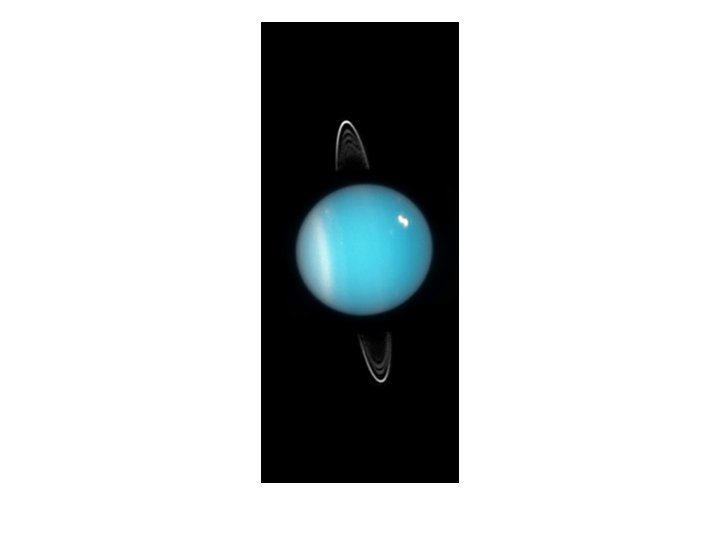
Uranus 3 rd largest planet with 27 moons. Similar to Neptune in composition. Uranus and Neptune are called “ice giants. ”
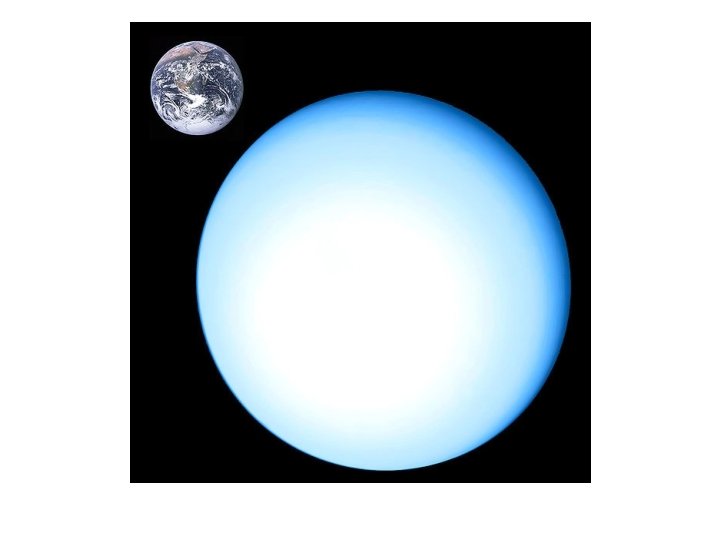
Basics Diameter = 4 x size of Earth (63 Earths fit in Uranus) Density = 1. 27 g/cm 3 (similar to Jupiter) Rotation = ~17 hours (retrograde like Venus) Revolution = ~84 years Temperature = -216 0 C (-357 0 F)
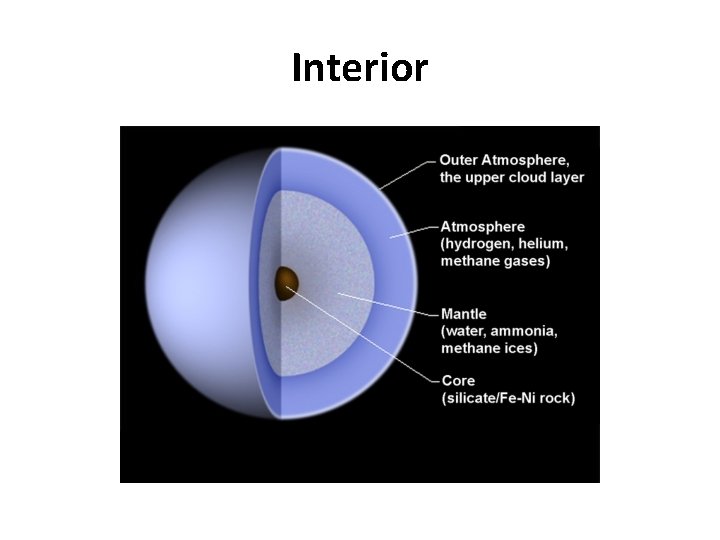
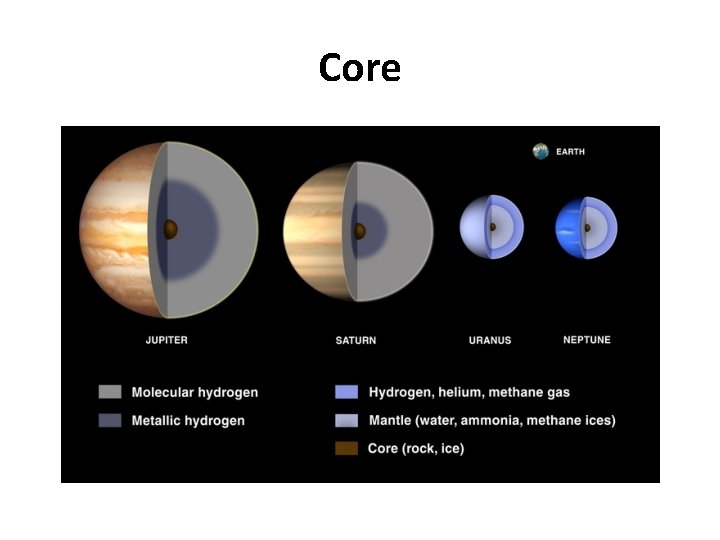
Atmosphere - Interior Mostly hydrogen (83%) and helium (15%). More methane than Jupiter and Saturn gives planet blue/green tint. Contains “ices” like water, ammonia, methane, along with hydrocarbons.
Interior
Core
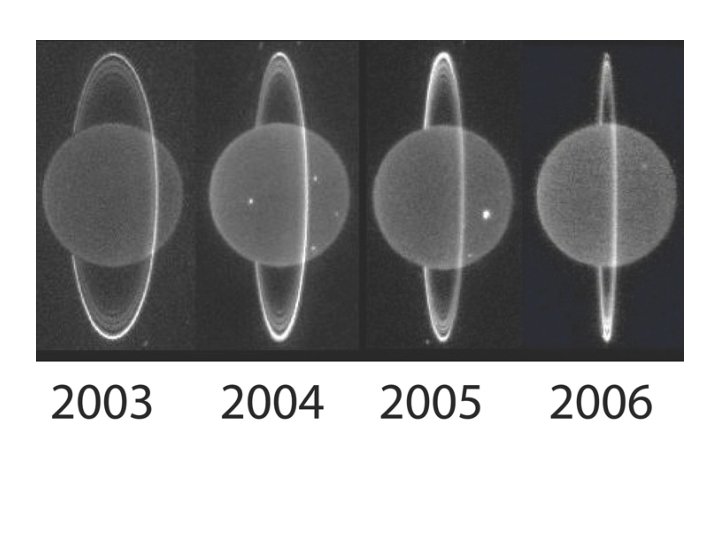
Axial Tilt Uranus is tilted on its side…probably from early impact. Creates strange seasons Each pole gets about 21 years of continuous daylight followed by 21 years of darkness.
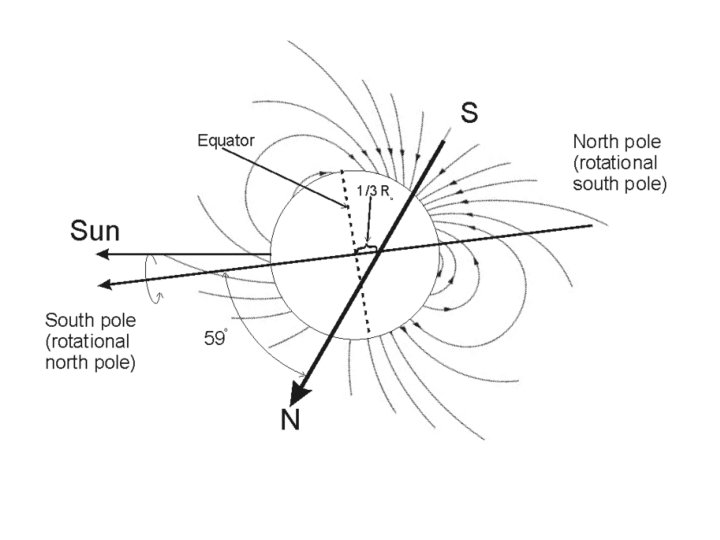
Magnetic Field Tilted 600 from axis of rotation… similar to Neptune. Might be generated by liquid salt waterammonia ocean.
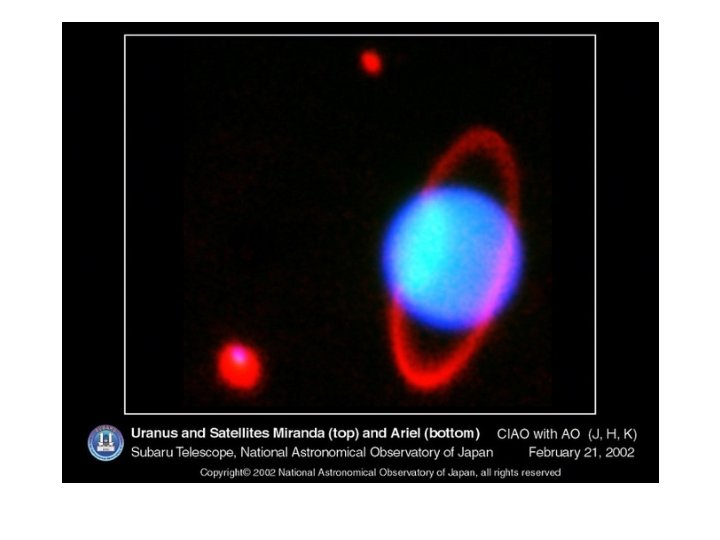
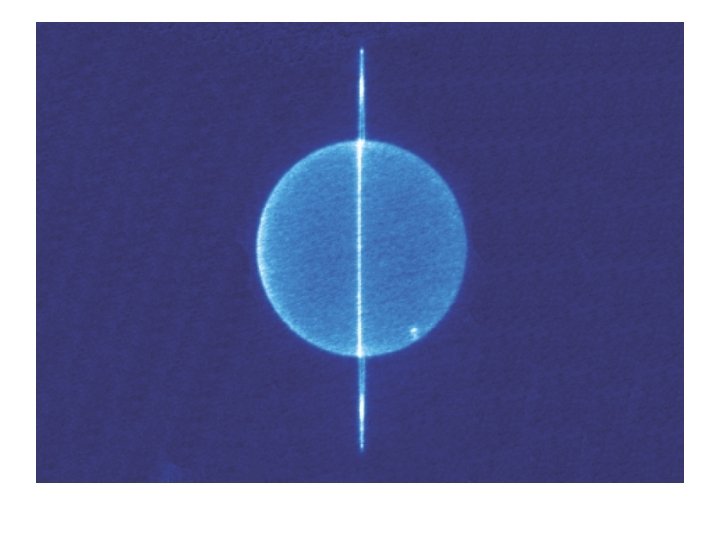
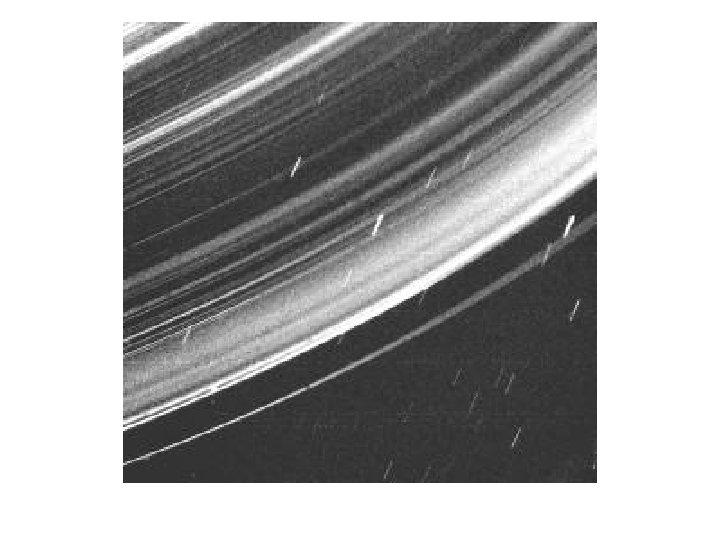
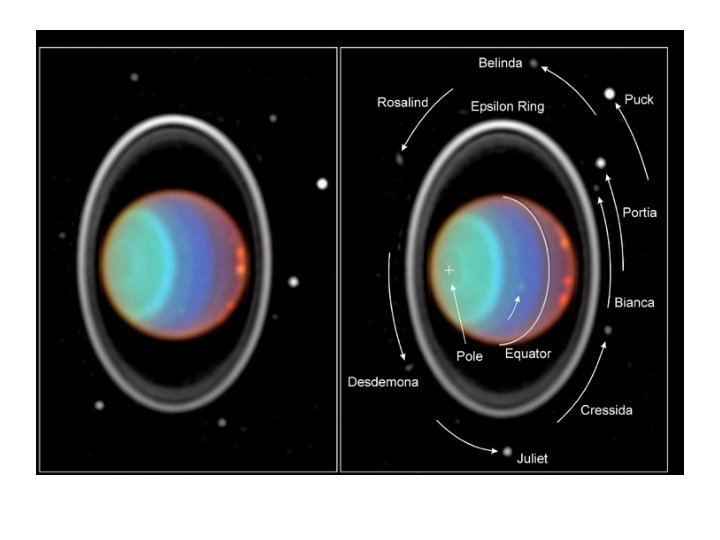
Rings 13 continuous rings Very narrow - each only a few kilometers wide Likely shattered moon(s).
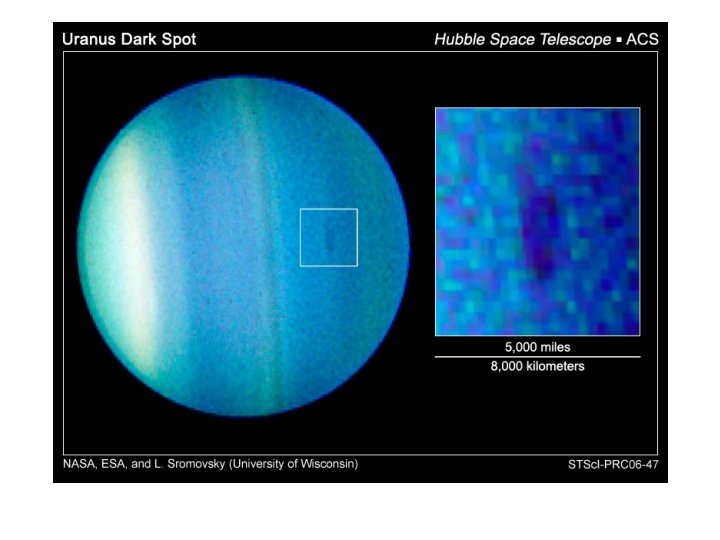
Climate - Storms Little activity - coldest planet… colder than Neptune. Strong winds
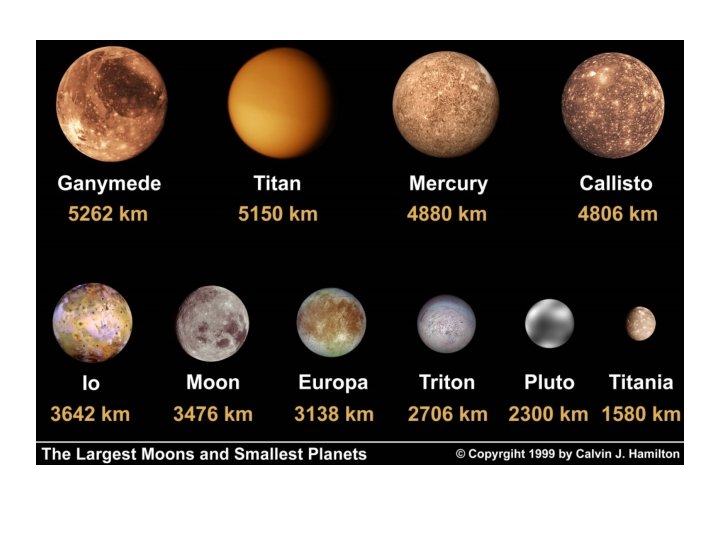
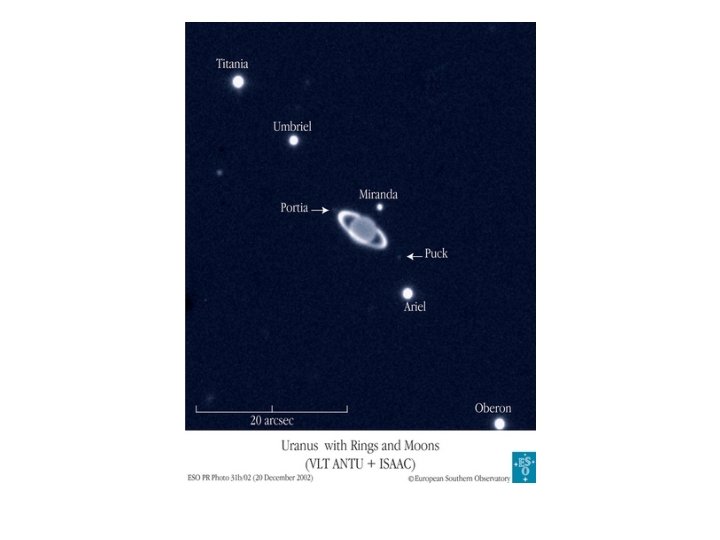
Moons 27 moons Miranda, Oberon and Titania Each is fairly dark - suggests carbon
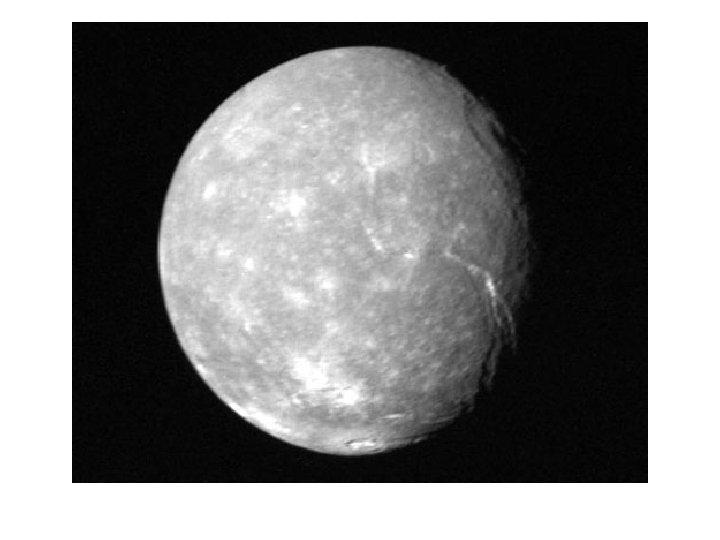
Titania Largest moon Rock and ice Geologically active Fault valleys - breaks in two directions
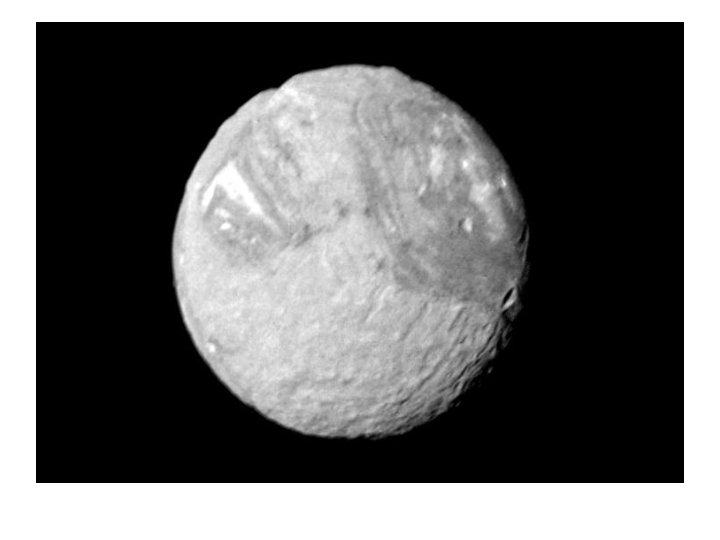
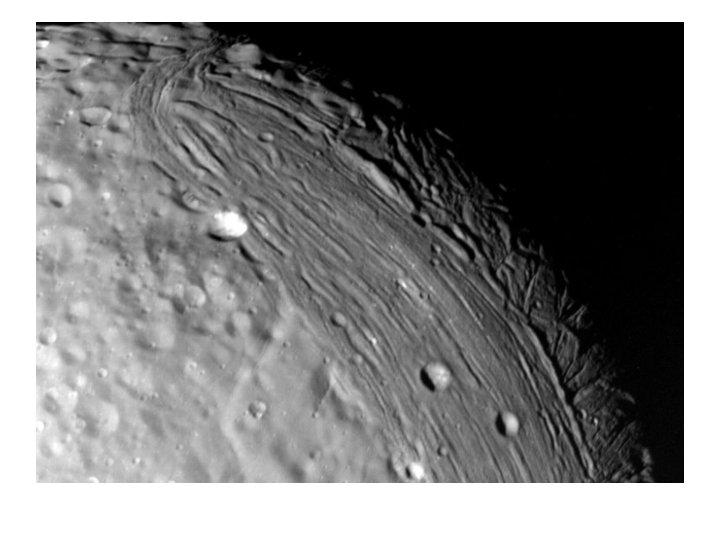
Miranda Unique “patchwork” of terrain (coronae) Giant canyons (12 x Grand Canyon) Rock would take 10 minutes to fall to bottom
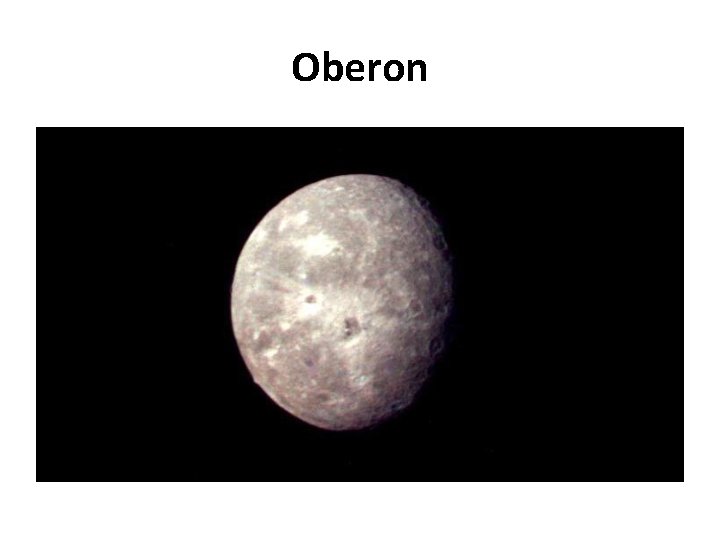
Oberon
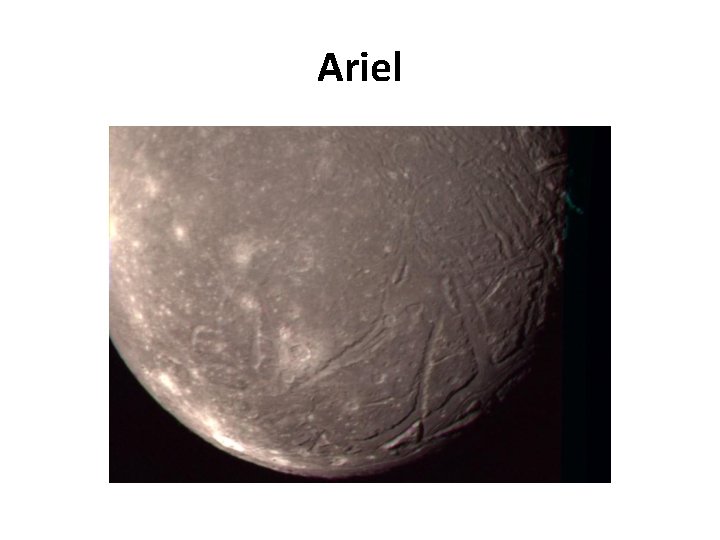
Ariel