
Updates in Postcardiac Arrest Targeted Temperature Management DR
- Slides: 30
Updates in Postcardiac Arrest Targeted Temperature Management DR H
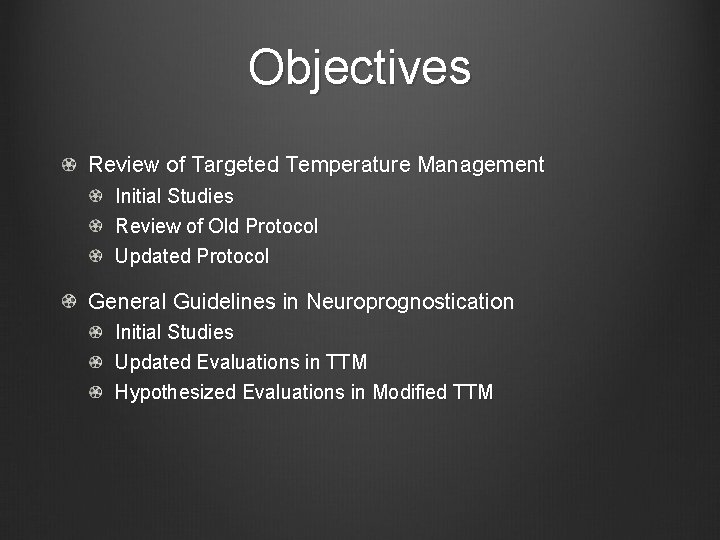
Objectives Review of Targeted Temperature Management Initial Studies Review of Old Protocol Updated Protocol General Guidelines in Neuroprognostication Initial Studies Updated Evaluations in TTM Hypothesized Evaluations in Modified TTM
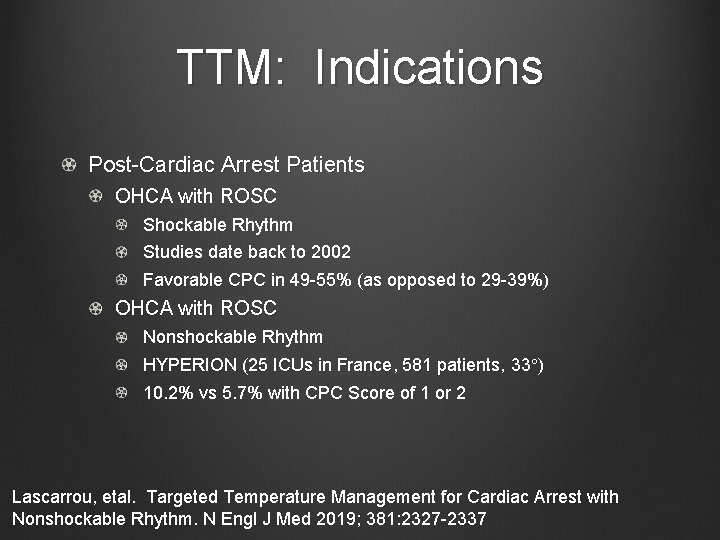
TTM: Indications Post-Cardiac Arrest Patients OHCA with ROSC Shockable Rhythm Studies date back to 2002 Favorable CPC in 49 -55% (as opposed to 29 -39%) OHCA with ROSC Nonshockable Rhythm HYPERION (25 ICUs in France, 581 patients, 33°) 10. 2% vs 5. 7% with CPC Score of 1 or 2 Lascarrou, etal. Targeted Temperature Management for Cardiac Arrest with Nonshockable Rhythm. N Engl J Med 2019; 381: 2327 -2337
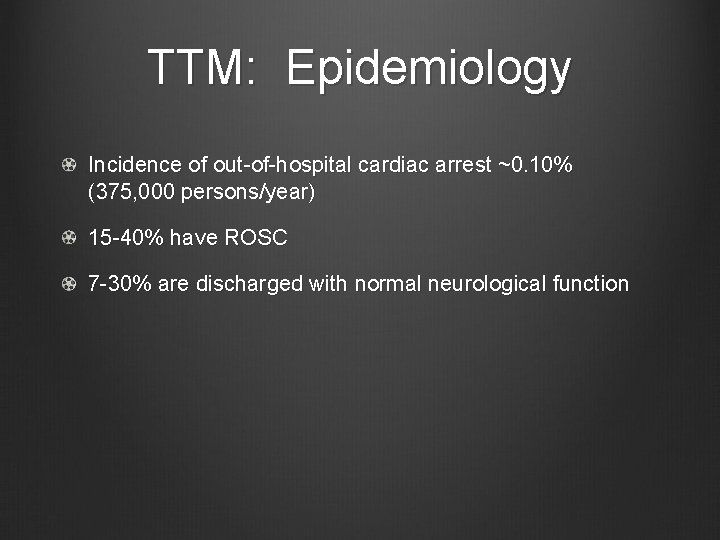
TTM: Epidemiology Incidence of out-of-hospital cardiac arrest ~0. 10% (375, 000 persons/year) 15 -40% have ROSC 7 -30% are discharged with normal neurological function
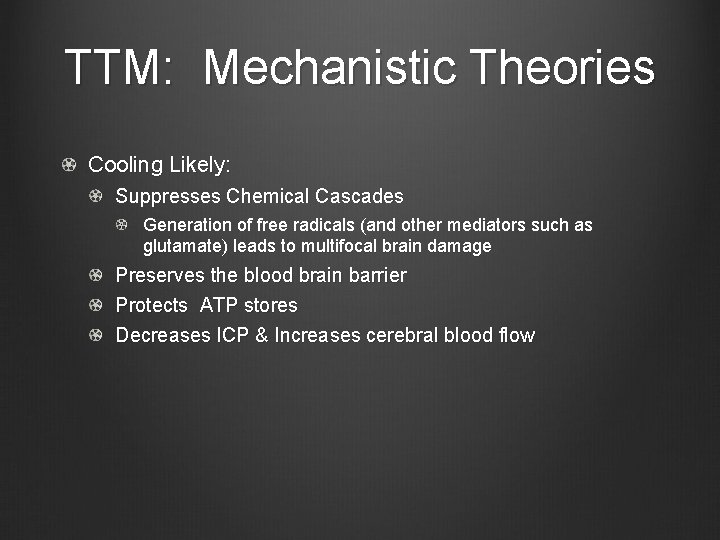
TTM: Mechanistic Theories Cooling Likely: Suppresses Chemical Cascades Generation of free radicals (and other mediators such as glutamate) leads to multifocal brain damage Preserves the blood brain barrier Protects ATP stores Decreases ICP & Increases cerebral blood flow
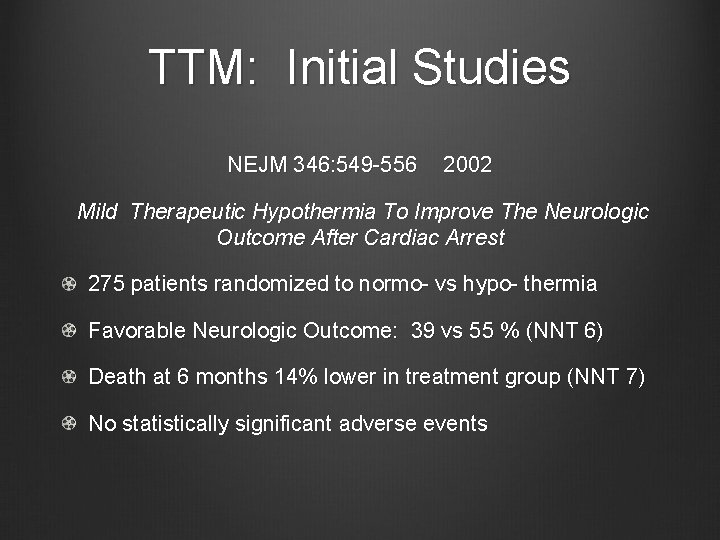
TTM: Initial Studies NEJM 346: 549 -556 2002 Mild Therapeutic Hypothermia To Improve The Neurologic Outcome After Cardiac Arrest 275 patients randomized to normo- vs hypo- thermia Favorable Neurologic Outcome: 39 vs 55 % (NNT 6) Death at 6 months 14% lower in treatment group (NNT 7) No statistically significant adverse events
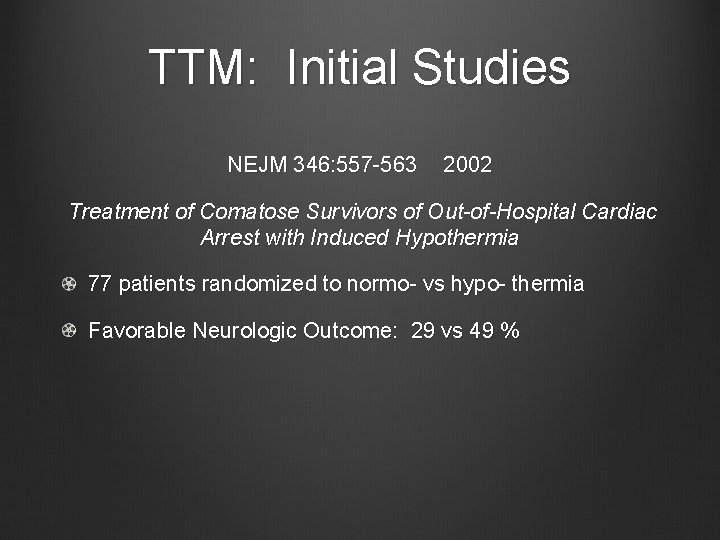
TTM: Initial Studies NEJM 346: 557 -563 2002 Treatment of Comatose Survivors of Out-of-Hospital Cardiac Arrest with Induced Hypothermia 77 patients randomized to normo- vs hypo- thermia Favorable Neurologic Outcome: 29 vs 49 %
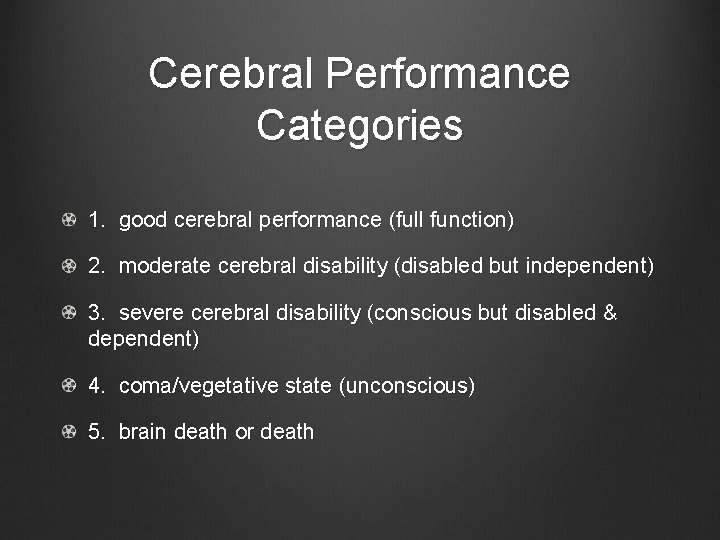
Cerebral Performance Categories 1. good cerebral performance (full function) 2. moderate cerebral disability (disabled but independent) 3. severe cerebral disability (conscious but disabled & dependent) 4. coma/vegetative state (unconscious) 5. brain death or death
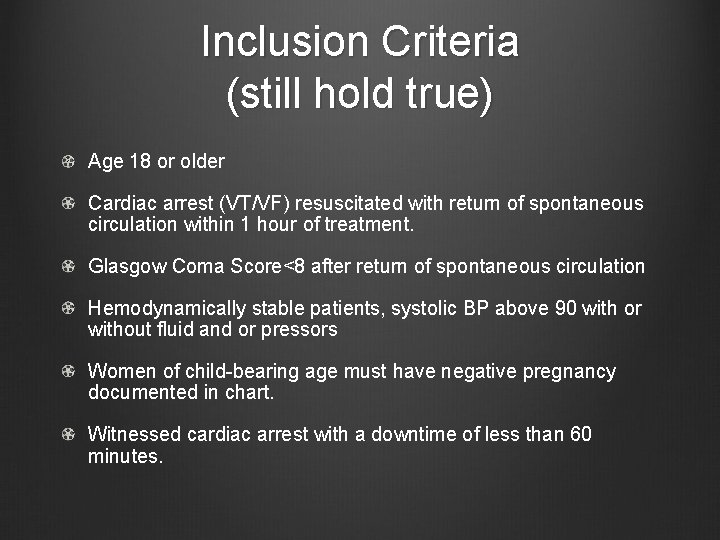
Inclusion Criteria (still hold true) Age 18 or older Cardiac arrest (VT/VF) resuscitated with return of spontaneous circulation within 1 hour of treatment. Glasgow Coma Score<8 after return of spontaneous circulation Hemodynamically stable patients, systolic BP above 90 with or without fluid and or pressors Women of child-bearing age must have negative pregnancy documented in chart. Witnessed cardiac arrest with a downtime of less than 60 minutes.
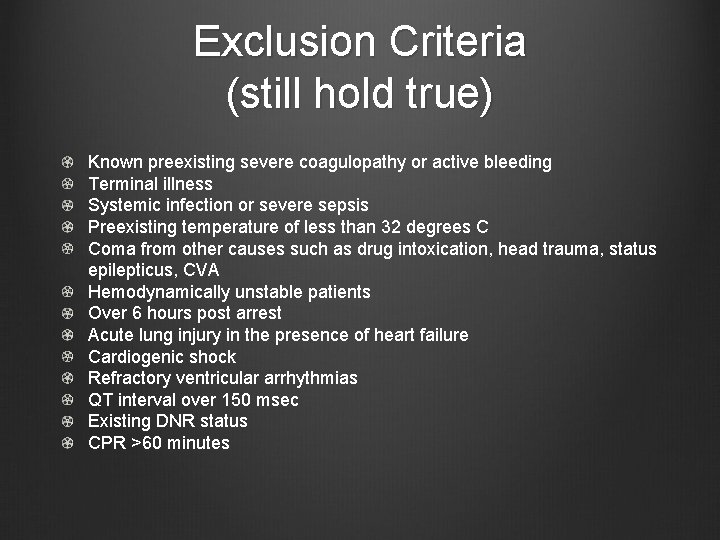
Exclusion Criteria (still hold true) Known preexisting severe coagulopathy or active bleeding Terminal illness Systemic infection or severe sepsis Preexisting temperature of less than 32 degrees C Coma from other causes such as drug intoxication, head trauma, status epilepticus, CVA Hemodynamically unstable patients Over 6 hours post arrest Acute lung injury in the presence of heart failure Cardiogenic shock Refractory ventricular arrhythmias QT interval over 150 msec Existing DNR status CPR >60 minutes
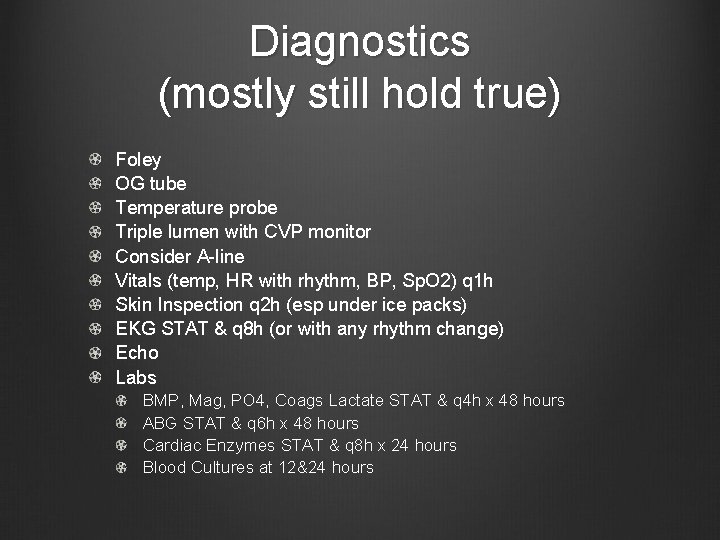
Diagnostics (mostly still hold true) Foley OG tube Temperature probe Triple lumen with CVP monitor Consider A-line Vitals (temp, HR with rhythm, BP, Sp. O 2) q 1 h Skin Inspection q 2 h (esp under ice packs) EKG STAT & q 8 h (or with any rhythm change) Echo Labs BMP, Mag, PO 4, Coags Lactate STAT & q 4 h x 48 hours ABG STAT & q 6 h x 48 hours Cardiac Enzymes STAT & q 8 h x 24 hours Blood Cultures at 12&24 hours
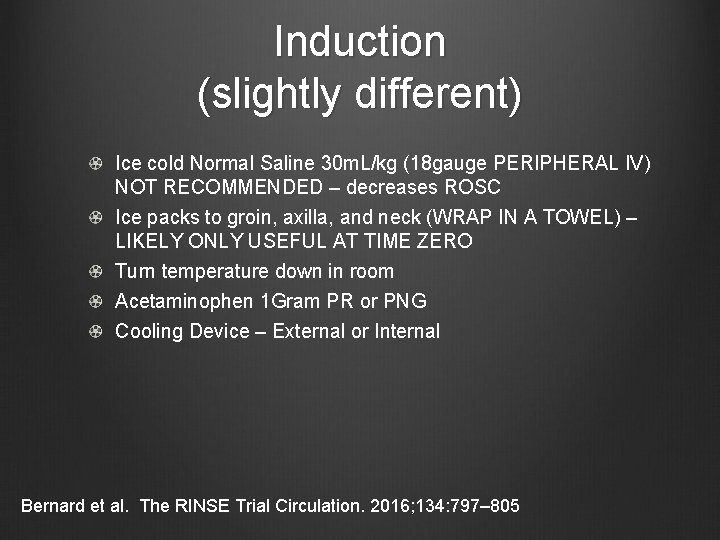
Induction (slightly different) Ice cold Normal Saline 30 m. L/kg (18 gauge PERIPHERAL IV) NOT RECOMMENDED – decreases ROSC Ice packs to groin, axilla, and neck (WRAP IN A TOWEL) – LIKELY ONLY USEFUL AT TIME ZERO Turn temperature down in room Acetaminophen 1 Gram PR or PNG Cooling Device – External or Internal Bernard et al. The RINSE Trial Circulation. 2016; 134: 797– 805
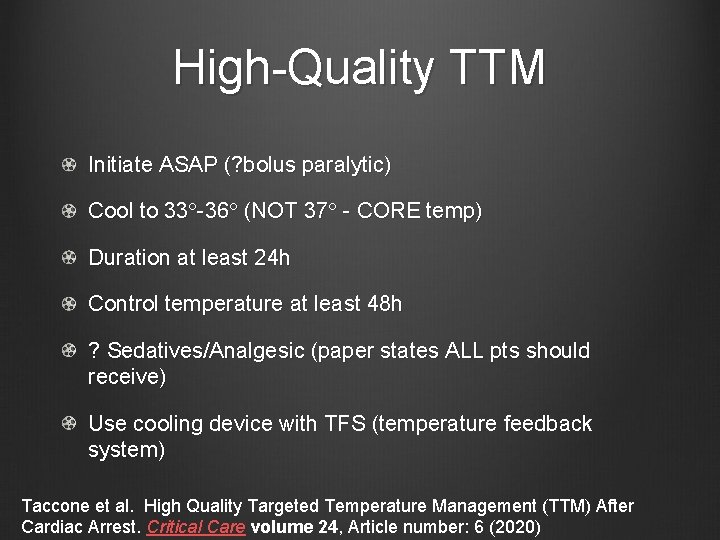
High-Quality TTM Initiate ASAP (? bolus paralytic) Cool to 33°-36° (NOT 37° - CORE temp) Duration at least 24 h Control temperature at least 48 h ? Sedatives/Analgesic (paper states ALL pts should receive) Use cooling device with TFS (temperature feedback system) Taccone et al. High Quality Targeted Temperature Management (TTM) After Cardiac Arrest. Critical Care volume 24, Article number: 6 (2020)
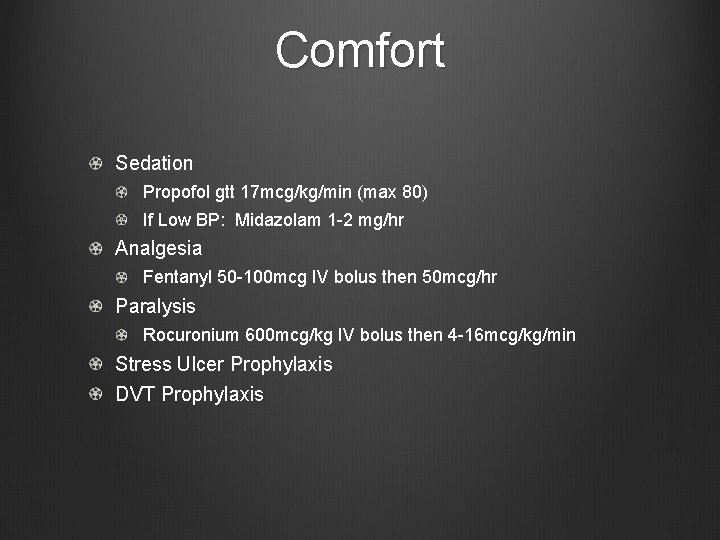
Comfort Sedation Propofol gtt 17 mcg/kg/min (max 80) If Low BP: Midazolam 1 -2 mg/hr Analgesia Fentanyl 50 -100 mcg IV bolus then 50 mcg/hr Paralysis Rocuronium 600 mcg/kg IV bolus then 4 -16 mcg/kg/min Stress Ulcer Prophylaxis DVT Prophylaxis
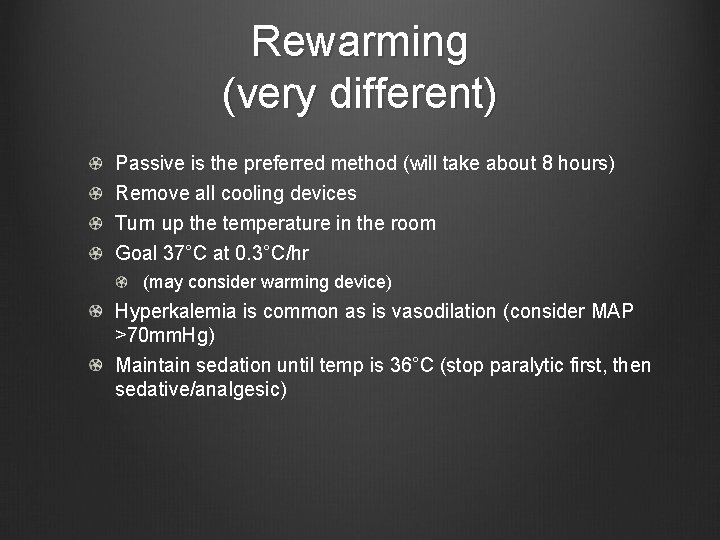
Rewarming (very different) Passive is the preferred method (will take about 8 hours) Remove all cooling devices Turn up the temperature in the room Goal 37°C at 0. 3°C/hr (may consider warming device) Hyperkalemia is common as is vasodilation (consider MAP >70 mm. Hg) Maintain sedation until temp is 36°C (stop paralytic first, then sedative/analgesic)
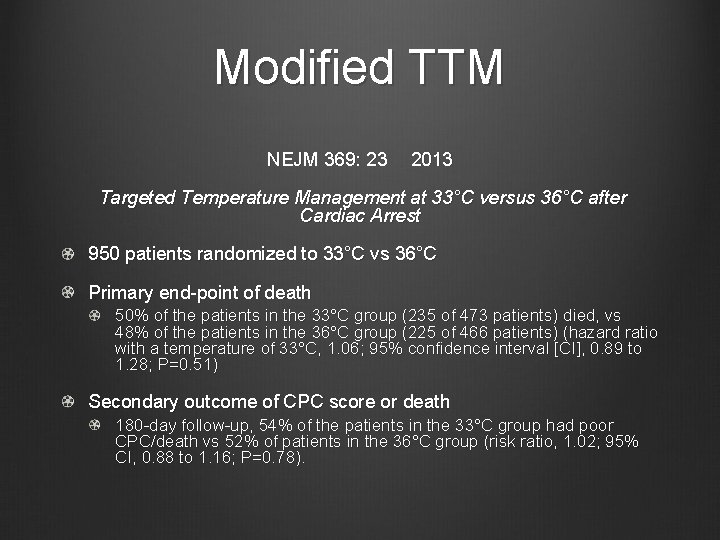
Modified TTM NEJM 369: 23 2013 Targeted Temperature Management at 33°C versus 36°C after Cardiac Arrest 950 patients randomized to 33°C vs 36°C Primary end-point of death 50% of the patients in the 33°C group (235 of 473 patients) died, vs 48% of the patients in the 36°C group (225 of 466 patients) (hazard ratio with a temperature of 33°C, 1. 06; 95% confidence interval [CI], 0. 89 to 1. 28; P=0. 51) Secondary outcome of CPC score or death 180 -day follow-up, 54% of the patients in the 33°C group had poor CPC/death vs 52% of patients in the 36°C group (risk ratio, 1. 02; 95% CI, 0. 88 to 1. 16; P=0. 78).
Neuroprognostication: Pre-TTM Levy et al. JAMA; 1985: 253 1420 -1426 210 patients with nontraumatic cerebral hypoxia-ischemia Neuro exam at 0, 1, 2, 3 4 -7 & 8 -14 days post-coma 71% cardiac arrest, 11% respiratory arrest, 18% “other” such as anesthetic accidents 25 gained consciousness within 3 days and 19 of those had a good recovery 3 gained consciousness at 2 weeks and 2 had moderate recovery Lack of pupillary reflex: none became independent (and only 5% of these pts regained consciousness) Lack of corneal reflex: none regained consciousness Absence of motor activity (or posturing) at 3 days predicted severe disability
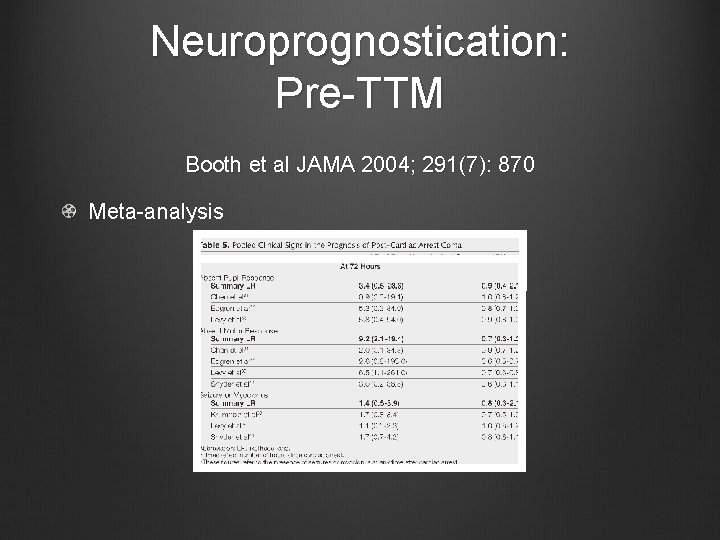
Neuroprognostication: Pre-TTM Booth et al JAMA 2004; 291(7): 870 Meta-analysis
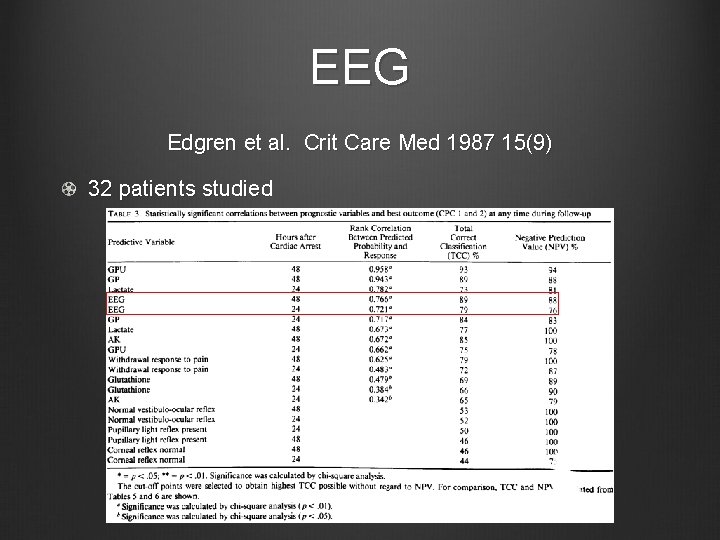
EEG Edgren et al. Crit Care Med 1987 15(9) 32 patients studied
EEG Hofmeijer et al AAN 2015; 1 -7 277 pt - prospective cohort study Continuous EEG was measured during the first 3 days /Outcome was dichotomized as good or poor unfavorable (isoelectric, low-voltage, burst-suppression with identical bursts) Intermediate favorable (continuous patterns) Poor outcome occurred in 149 patients (54%) Single measures unequivocally predicting poor outcome were an unfavorable EEG pattern at 24 hours, absent pupillary light responses at 48 hours, and absent somatosensory evoked potentials at 72 hours. Together, these had a specificity of 100% and a sensitivity of 50%. For the remaining 203 patients, who were still in the “gray zone” at 72 hours, a predictive model including unfavorable EEG patterns at 12 hours, absent or extensor motor response to pain at 72 hours, and higher age had an area under the curve of 0. 90 (95% confidence interval 0. 84– 0. 96). Favorable EEG patterns at 12 hours were strongly associated with good outcome.
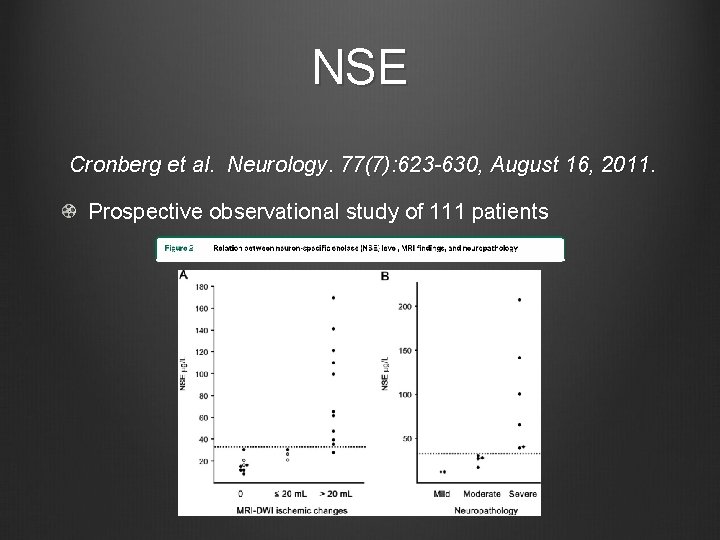
NSE Cronberg et al. Neurology. 77(7): 623 -630, August 16, 2011. Prospective observational study of 111 patients
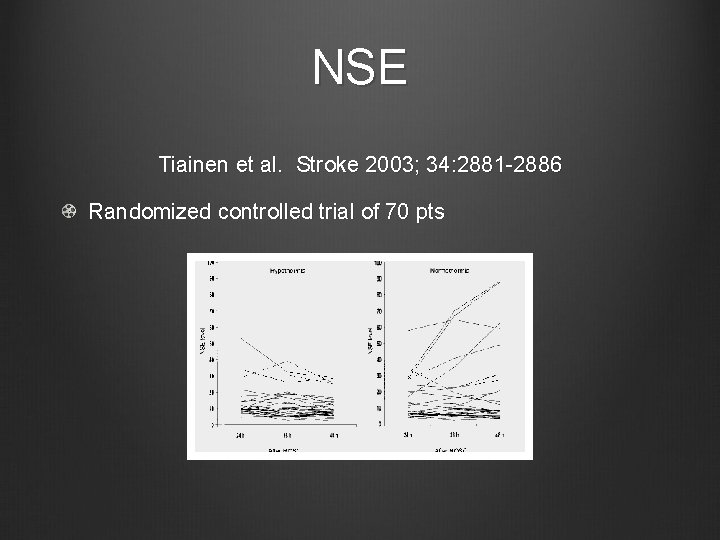
NSE Tiainen et al. Stroke 2003; 34: 2881 -2886 Randomized controlled trial of 70 pts
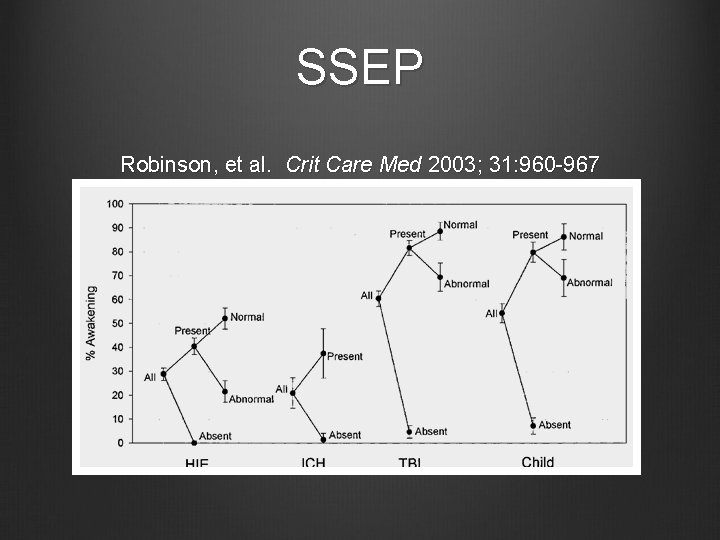
SSEP Robinson, et al. Crit Care Med 2003; 31: 960 -967 bi- lateral absence of cortical responses to median nerve stimulation are associated with poor neurologic prognosis Systematic review of 41 articles Hypoxic-ischemic encephalopathy ICH TBI Other
SSEP Robinson, et al. Crit Care Med 2003; 31: 960 -967
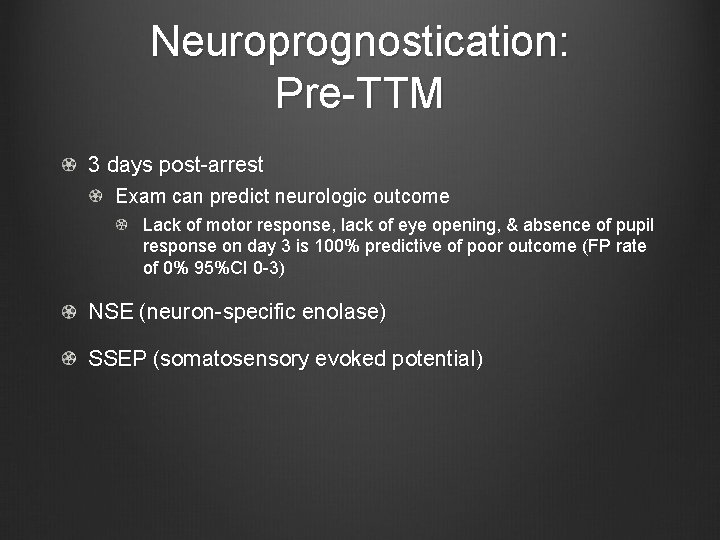
Neuroprognostication: Pre-TTM 3 days post-arrest Exam can predict neurologic outcome Lack of motor response, lack of eye opening, & absence of pupil response on day 3 is 100% predictive of poor outcome (FP rate of 0% 95%CI 0 -3) NSE (neuron-specific enolase) SSEP (somatosensory evoked potential)
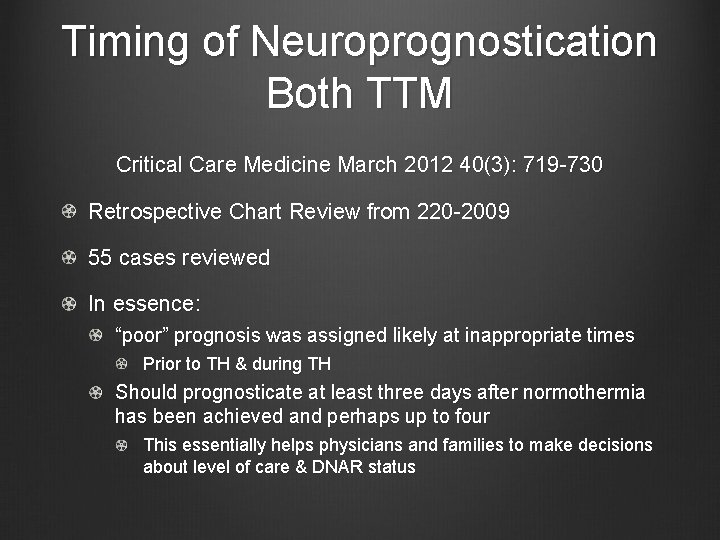
Timing of Neuroprognostication Both TTM Critical Care Medicine March 2012 40(3): 719 -730 Retrospective Chart Review from 220 -2009 55 cases reviewed In essence: “poor” prognosis was assigned likely at inappropriate times Prior to TH & during TH Should prognosticate at least three days after normothermia has been achieved and perhaps up to four This essentially helps physicians and families to make decisions about level of care & DNAR status
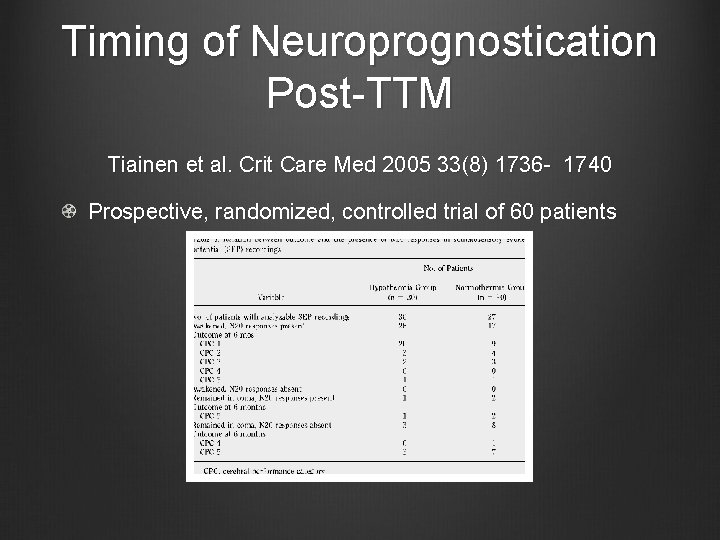
Timing of Neuroprognostication Post-TTM Tiainen et al. Crit Care Med 2005 33(8) 1736 - 1740 Prospective, randomized, controlled trial of 60 patients
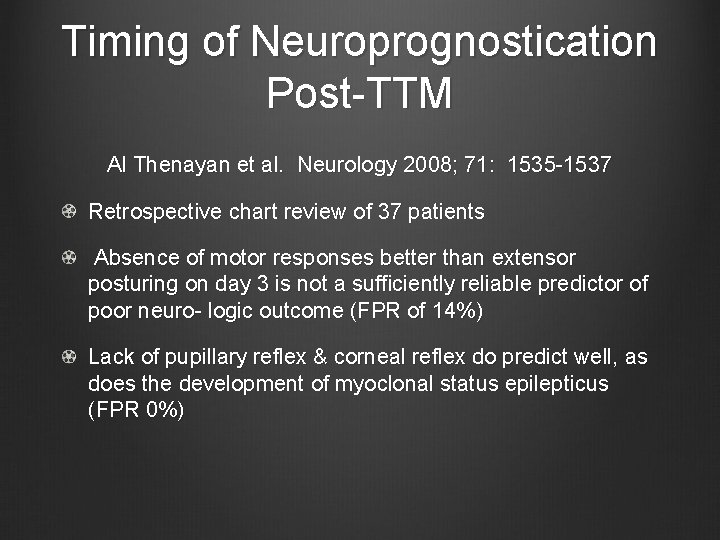
Timing of Neuroprognostication Post-TTM Al Thenayan et al. Neurology 2008; 71: 1535 -1537 Retrospective chart review of 37 patients Absence of motor responses better than extensor posturing on day 3 is not a sufficiently reliable predictor of poor neuro- logic outcome (FPR of 14%) Lack of pupillary reflex & corneal reflex do predict well, as does the development of myoclonal status epilepticus (FPR 0%)
Timing of Neuroprognostication Post-TTM Absent pupillary & corneal reflexes on day 3 consistent with poor outcome Motor response is unreliable and should be delayed to day 6 Exam should be supplemented with SSEP, NSE, or EEG
Timing of Neuroprognostication Modified TTM In our new modified-TH cases, neuroprognostication should be delayed to day 3, but likely can be done prior to day 5 if we are not over-administering sedatives