
Update on International CCS Standards Prepared for School
- Slides: 32
Update on International CCS Standards Prepared for: School of Energy Resources University of Wyoming Laramie, Wyoming 14 th Annual Carbon Capture, Utilization & Storage Conference Pittsburgh, PA Prepared By: Kipp Coddington Director, Carbon Management Institute, University of Wyoming; and Convenor, Working Group 6, ISO TC-265 (CO 2 storage via CO 2 -EOR) April 30, 2015 1
1 ISO & Standards 2 TC-265 3 Next Steps 2
1: ISO & Standards 3
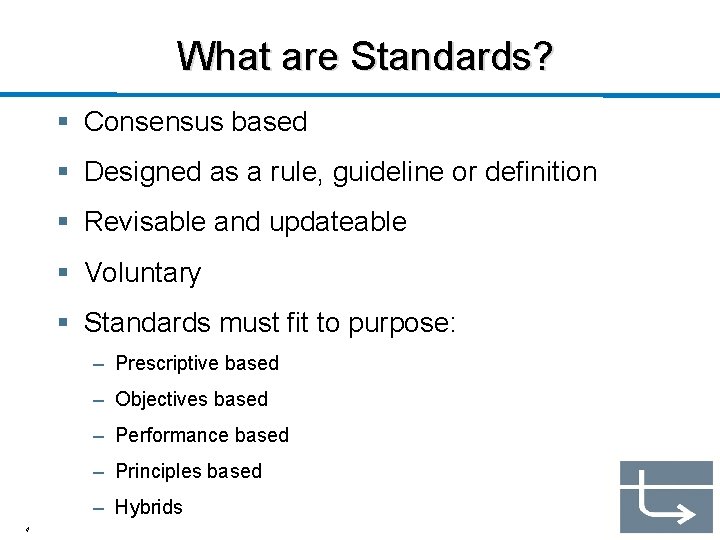
What are Standards? § Consensus based § Designed as a rule, guideline or definition § Revisable and updateable § Voluntary § Standards must fit to purpose: – Prescriptive based – Objectives based – Performance based – Principles based – Hybrids 4
Why Standards? § Because they are not laws… – Standards & regulations can work together § Not Mandated § Typically initiated by industry… – And therefore better received and used by industry because they are part of the process § Demonstrate regulatory compliance § Streamline the regulatory process § Harmonize across jurisdictions 5
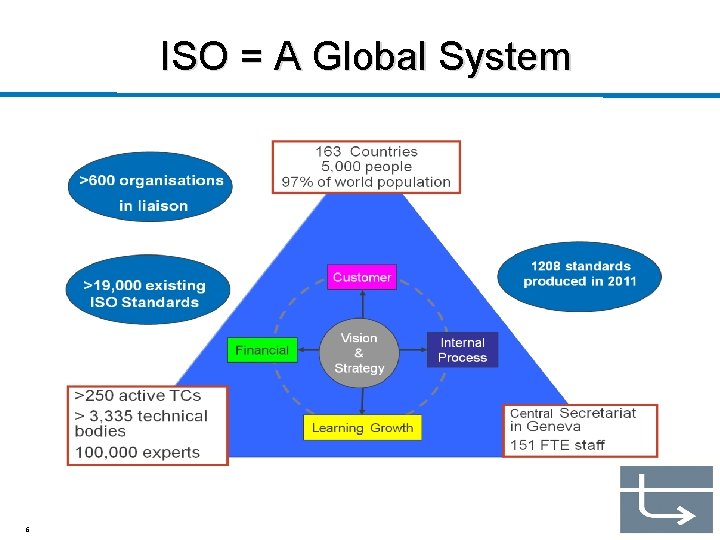
ISO = A Global System 6
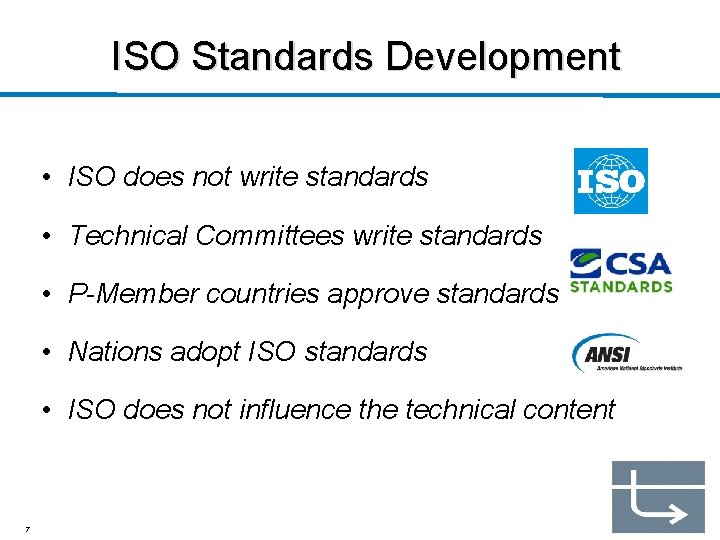
ISO Standards Development • ISO does not write standards • Technical Committees write standards • P-Member countries approve standards • Nations adopt ISO standards • ISO does not influence the technical content 7
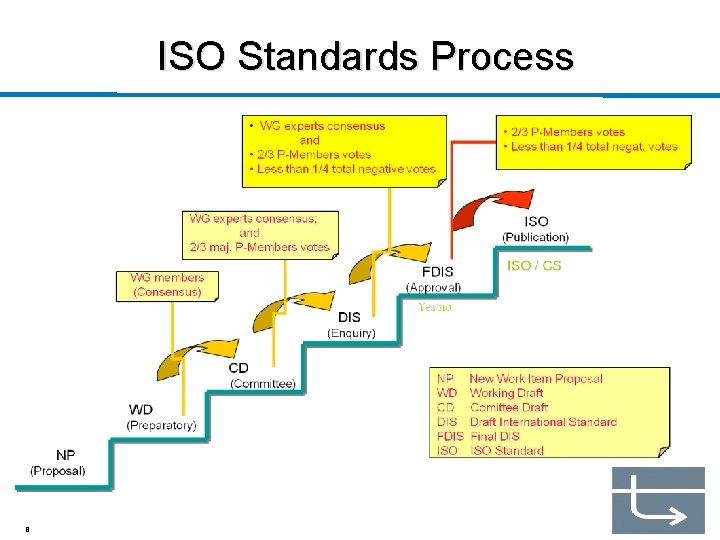
ISO Standards Process 8
2: ISO TC 265 9
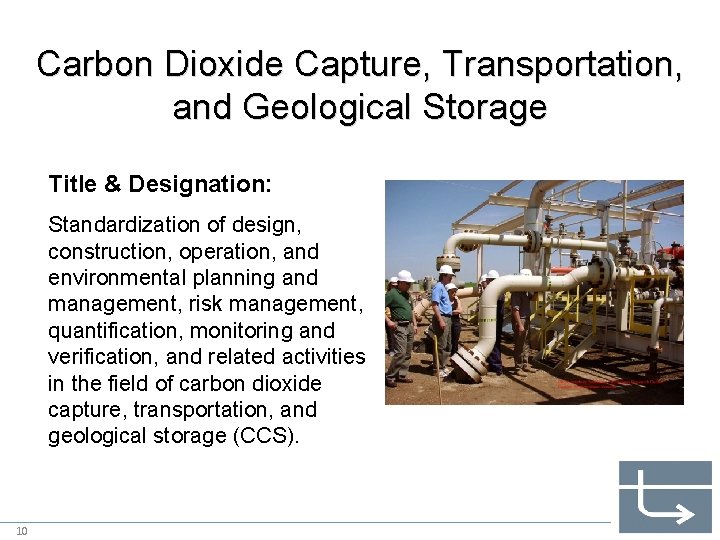
Carbon Dioxide Capture, Transportation, and Geological Storage Title & Designation: Standardization of design, construction, operation, and environmental planning and management, risk management, quantification, monitoring and verification, and related activities in the field of carbon dioxide capture, transportation, and geological storage (CCS). 10 10
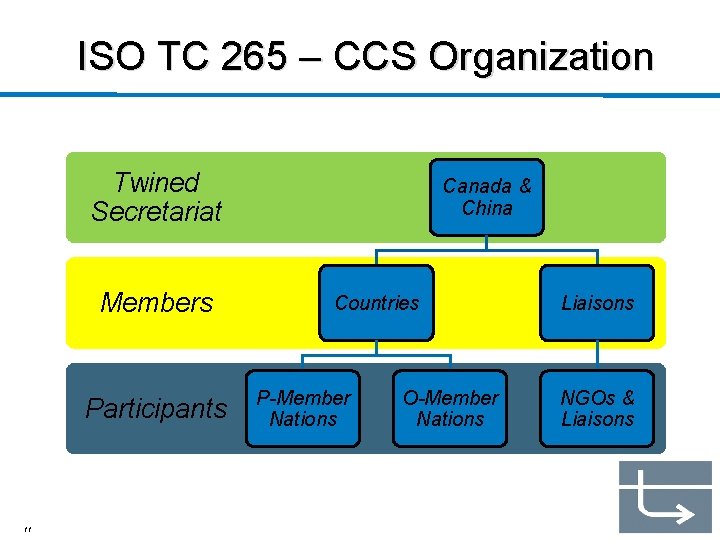
ISO TC 265 – CCS Organization Twined Secretariat Members Participants 11 Canada & China Countries P-Member Nations O-Member Nations Liaisons NGOs & Liaisons
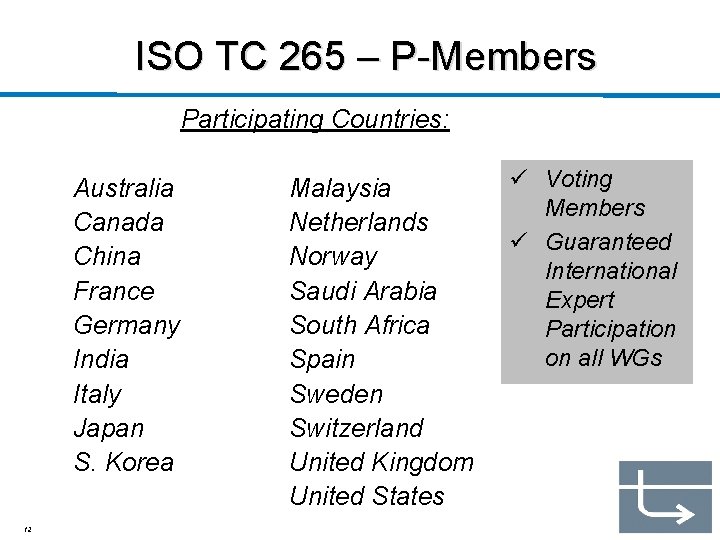
ISO TC 265 – P-Members Participating Countries: Australia Canada China France Germany India Italy Japan S. Korea 12 Malaysia Netherlands Norway Saudi Arabia South Africa Spain Sweden Switzerland United Kingdom United States ü Voting Members ü Guaranteed International Expert Participation on all WGs
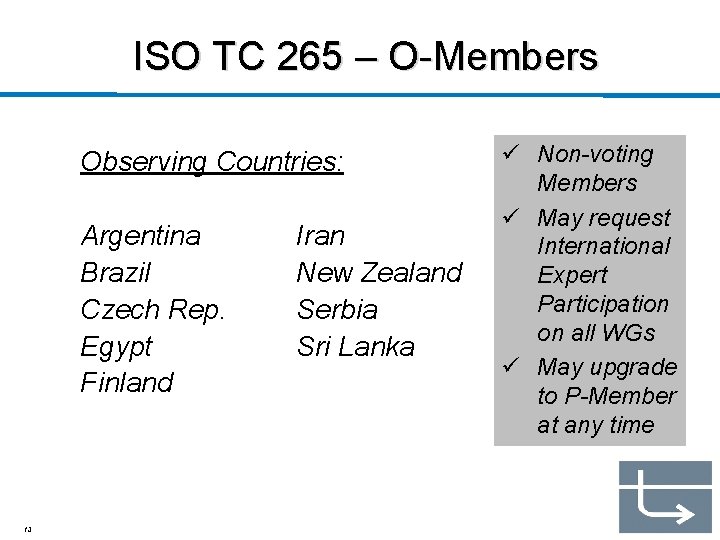
ISO TC 265 – O-Members Observing Countries: Argentina Brazil Czech Rep. Egypt Finland 13 Iran New Zealand Serbia Sri Lanka ü Non-voting Members ü May request International Expert Participation on all WGs ü May upgrade to P-Member at any time
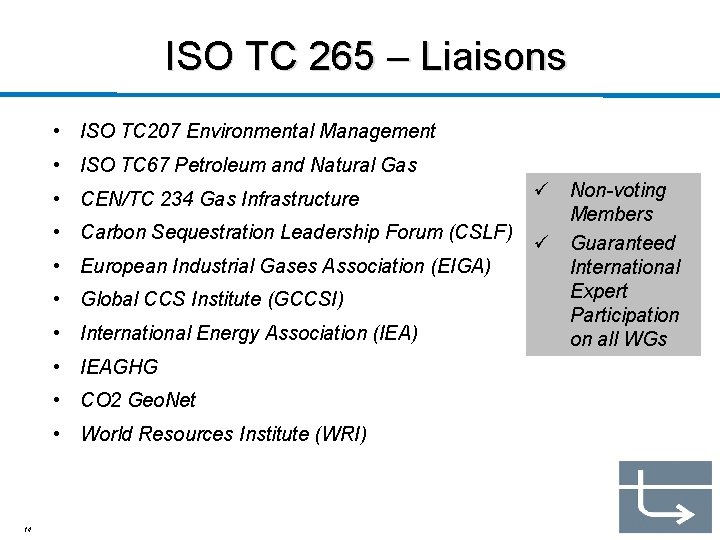
ISO TC 265 – Liaisons • ISO TC 207 Environmental Management • ISO TC 67 Petroleum and Natural Gas • CEN/TC 234 Gas Infrastructure • Carbon Sequestration Leadership Forum (CSLF) • European Industrial Gases Association (EIGA) • Global CCS Institute (GCCSI) • International Energy Association (IEA) • IEAGHG • CO 2 Geo. Net • World Resources Institute (WRI) 14 ü Non-voting Members ü Guaranteed International Expert Participation on all WGs
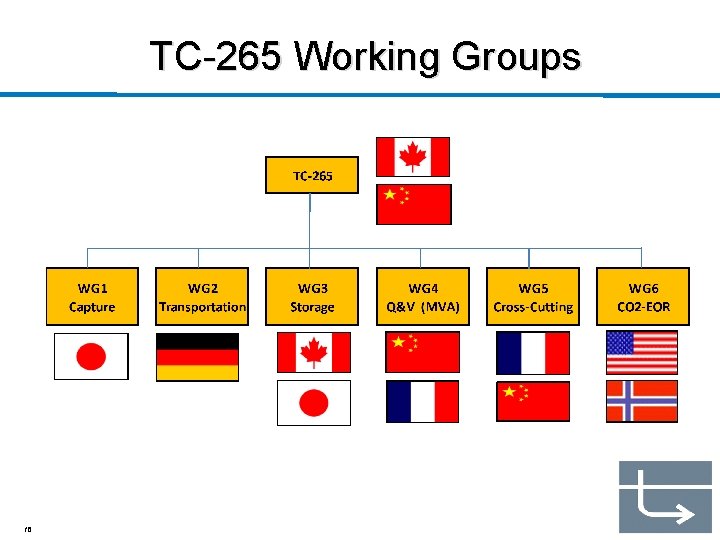
TC-265 Working Groups 15
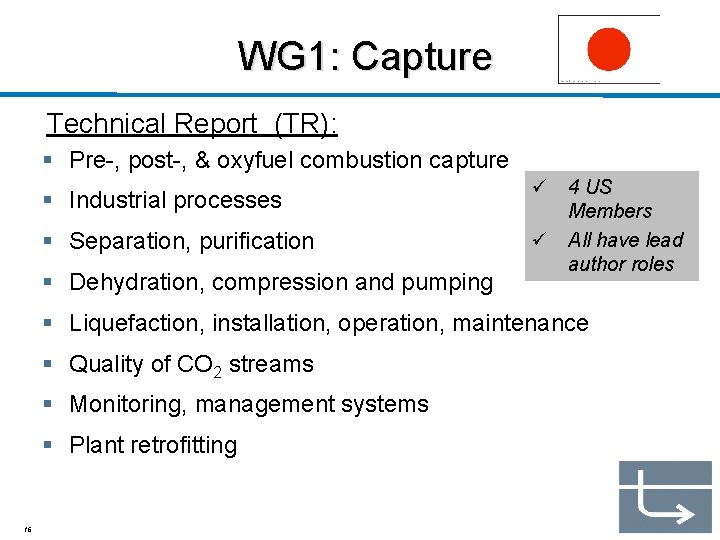
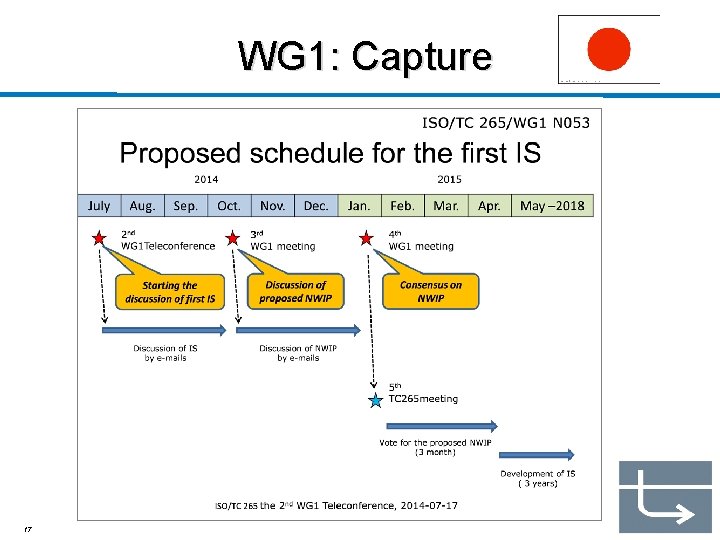
WG 1: Capture Technical Report (TR): § Pre-, post-, & oxyfuel combustion capture § Industrial processes § Separation, purification § Dehydration, compression and pumping ü 4 US Members ü All have lead author roles § Liquefaction, installation, operation, maintenance § Quality of CO 2 streams § Monitoring, management systems § Plant retrofitting 16
WG 1: Capture 17
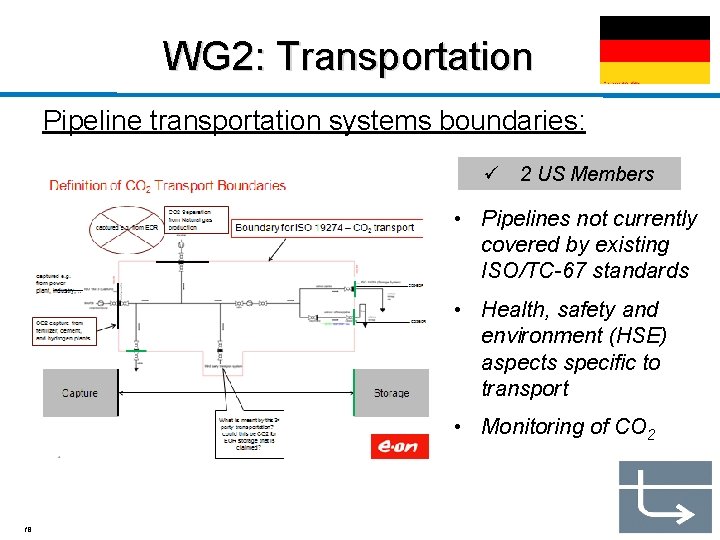
WG 2: Transportation Pipeline transportation systems boundaries: ü 2 US Members • Pipelines not currently covered by existing ISO/TC-67 standards • Health, safety and environment (HSE) aspects specific to transport • Monitoring of CO 2 18
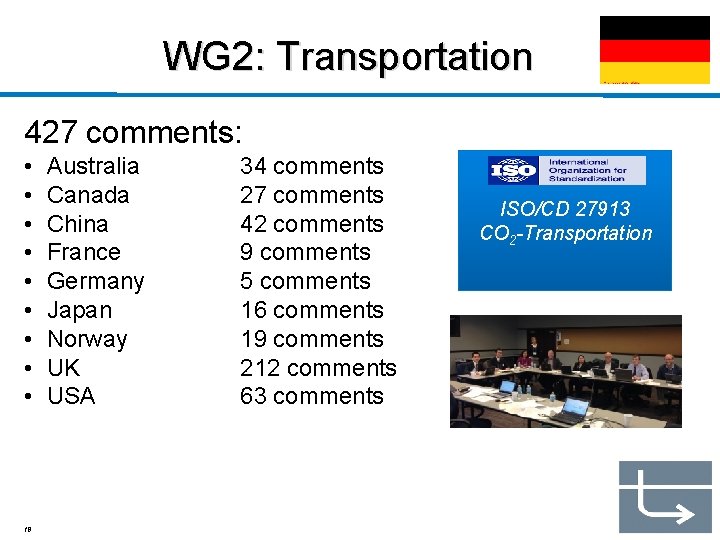
WG 2: Transportation 427 comments: • • • 19 Australia Canada China France Germany Japan Norway UK USA 34 comments 27 comments 42 comments 9 comments 5 comments 16 comments 19 comments 212 comments 63 comments ISO/CD 27913 CO 2 -Transportation
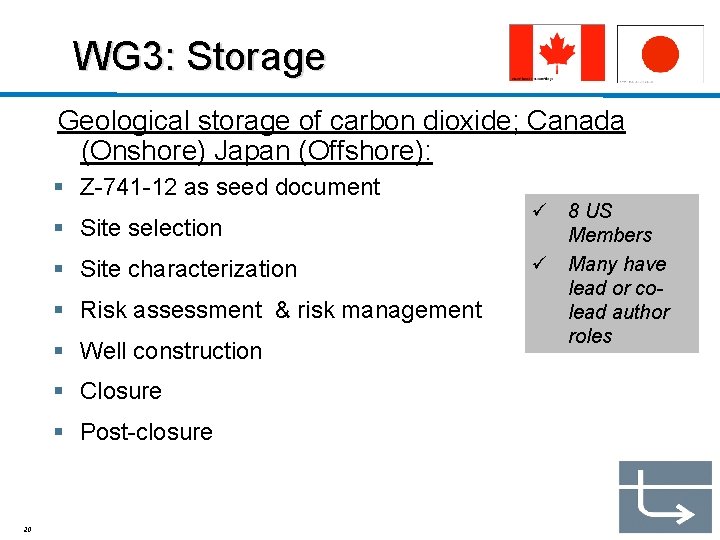
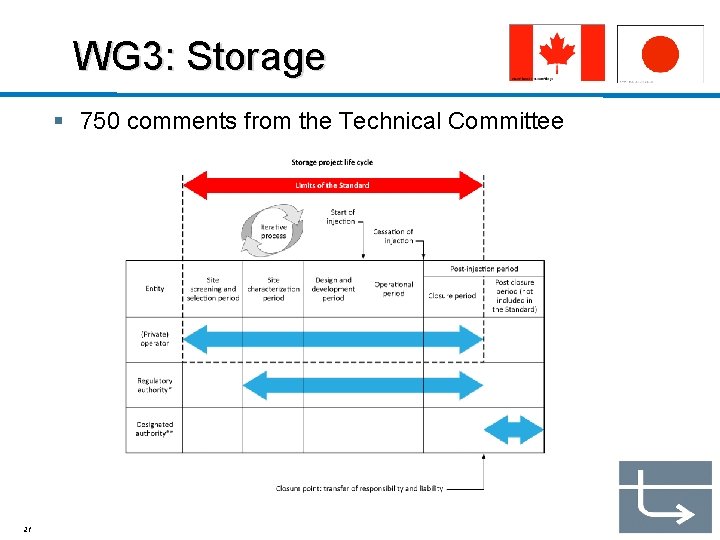
WG 3: Storage Geological storage of carbon dioxide; Canada (Onshore) Japan (Offshore): § Z-741 -12 as seed document § Site selection § Site characterization § Risk assessment & risk management § Well construction § Closure § Post-closure 20 ü 8 US Members ü Many have lead or colead author roles
WG 3: Storage § 750 comments from the Technical Committee 21
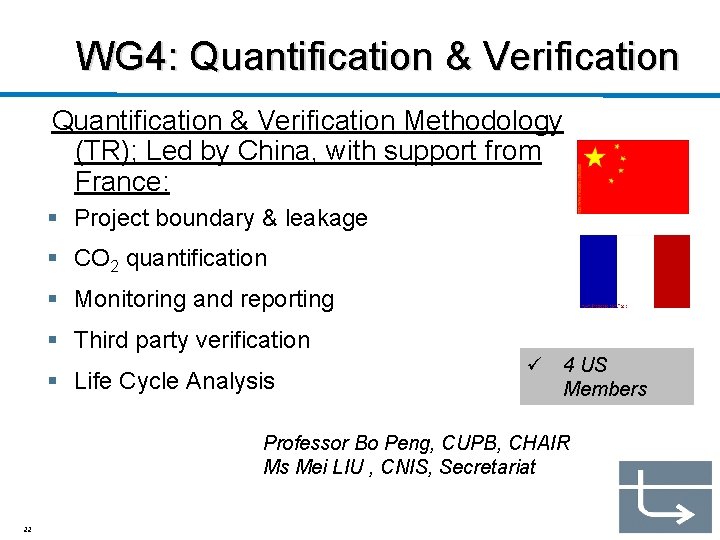
WG 4: Quantification & Verification Methodology (TR); Led by China, with support from France: § Project boundary & leakage § CO 2 quantification § Monitoring and reporting § Third party verification § Life Cycle Analysis ü 4 US Members Professor Bo Peng, CUPB, CHAIR Ms Mei LIU , CNIS, Secretariat 22
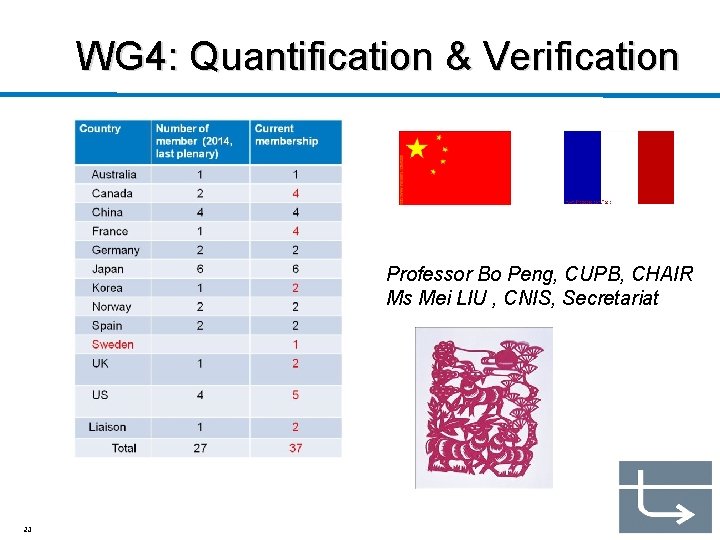
WG 4: Quantification & Verification Professor Bo Peng, CUPB, CHAIR Ms Mei LIU , CNIS, Secretariat 23
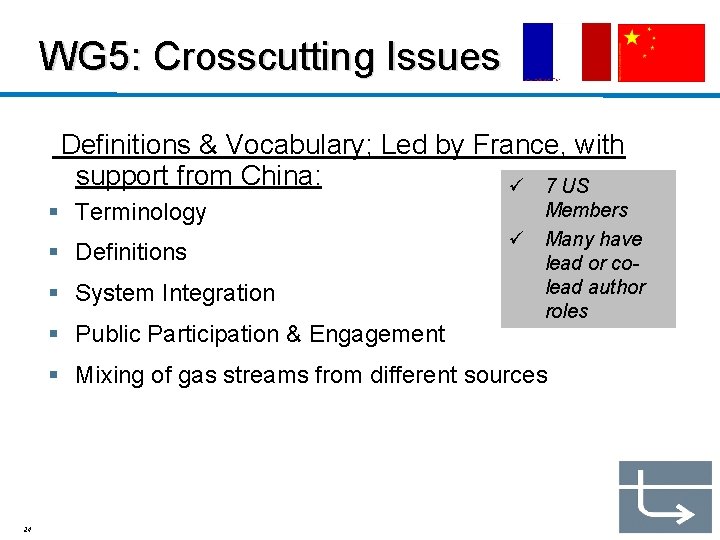
WG 5: Crosscutting Issues Definitions & Vocabulary; Led by France, with support from China: ü 7 US § Terminology § Definitions § System Integration § Public Participation & Engagement Members ü Many have lead or colead author roles § Mixing of gas streams from different sources 24
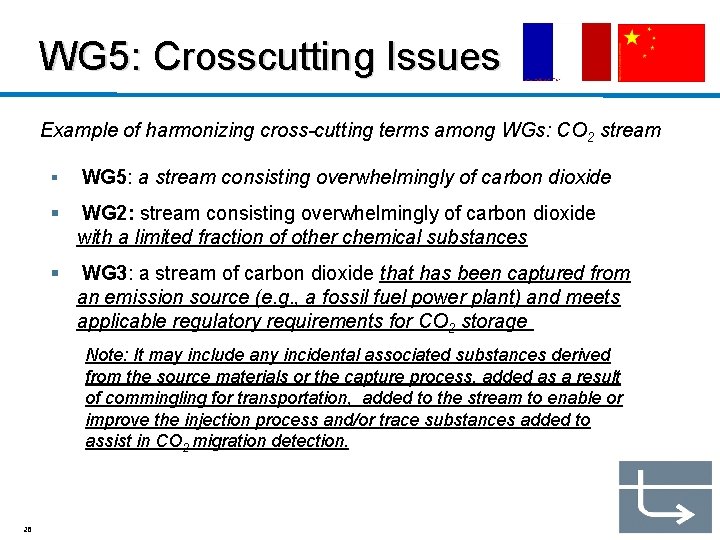
WG 5: Crosscutting Issues Example of harmonizing cross-cutting terms among WGs: CO 2 stream § WG 5: a stream consisting overwhelmingly of carbon dioxide § WG 2: stream consisting overwhelmingly of carbon dioxide with a limited fraction of other chemical substances § WG 3: a stream of carbon dioxide that has been captured from an emission source (e. g. , a fossil fuel power plant) and meets applicable regulatory requirements for CO 2 storage Note: It may include any incidental associated substances derived from the source materials or the capture process, added as a result of commingling for transportation, added to the stream to enable or improve the injection process and/or trace substances added to assist in CO 2 migration detection. 25
WG 6: CO 2 -EOR Carbon Dioxide Storage using EOR; led by USA, with support from Norway: ü 14 US Members • Low-pressure subsurface oil field operating environments • Reservoir & pore space management • Manage known lateral stratigraphic traps in the target formation • Coordination with WGs 1 -5 26 ü ü ü 1 - Norway 5 - Canada 2 - Japan 2 - IEA 24 Total Members Expected: § China § France § UK § Liaisons
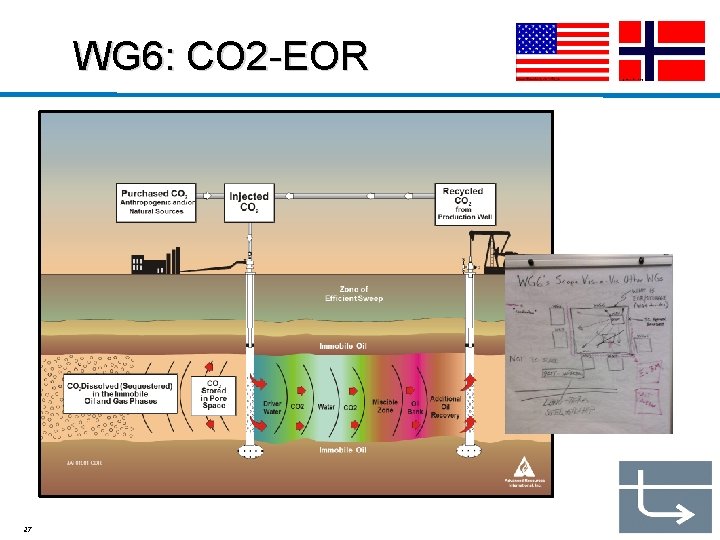
WG 6: CO 2 -EOR 27
3: Next Steps 28
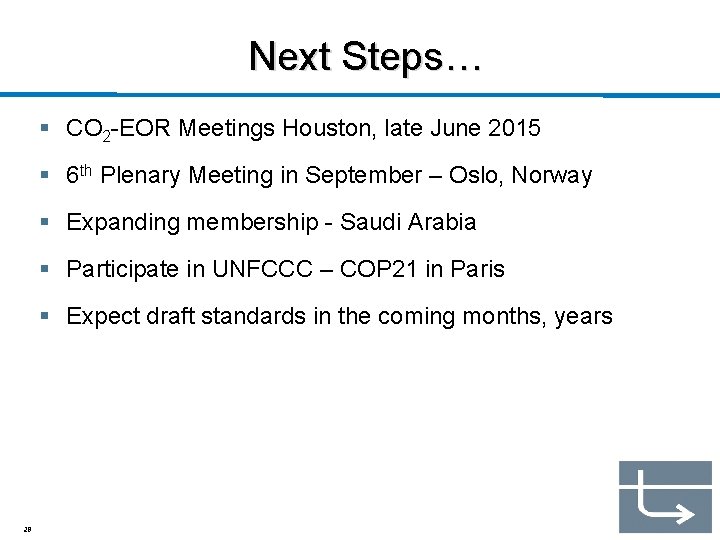
Next Steps… § CO 2 -EOR Meetings Houston, late June 2015 § 6 th Plenary Meeting in September – Oslo, Norway § Expanding membership - Saudi Arabia § Participate in UNFCCC – COP 21 in Paris § Expect draft standards in the coming months, years 29
Thank you 30
Backup & Supporting Slide 31
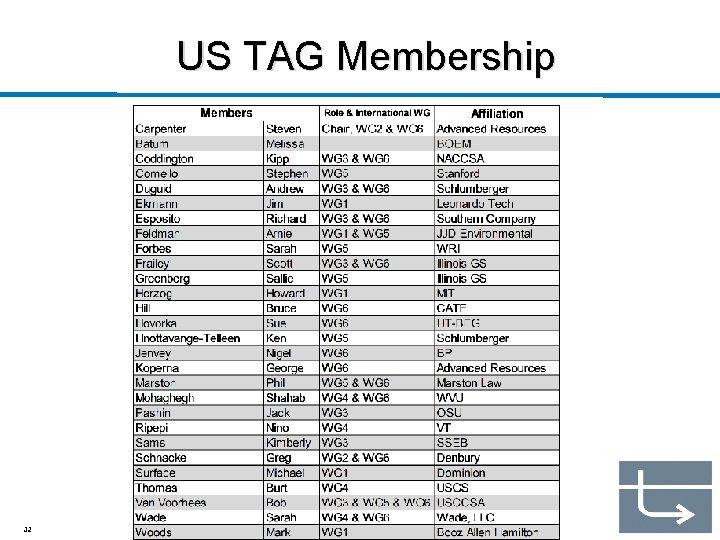
US TAG Membership 32