
Uomo di 75 anni altezza 178 cm peso
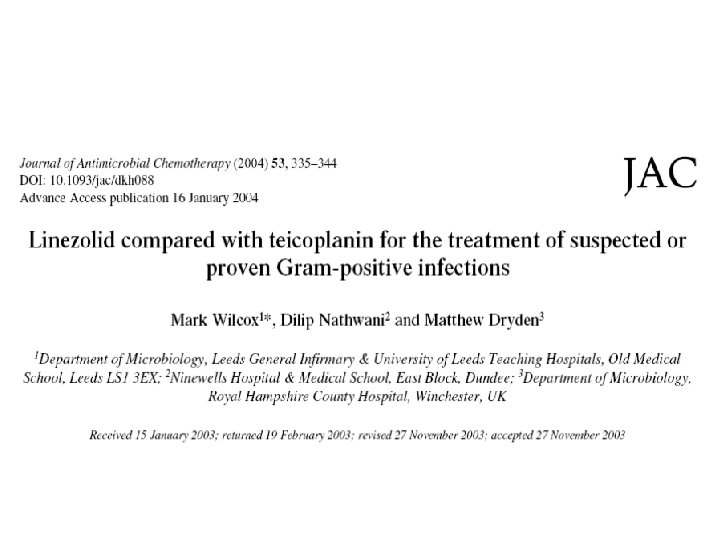
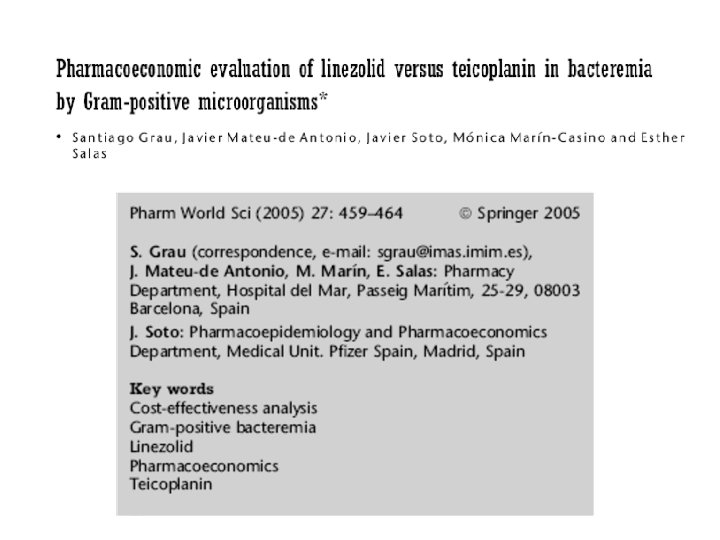
- Slides: 30
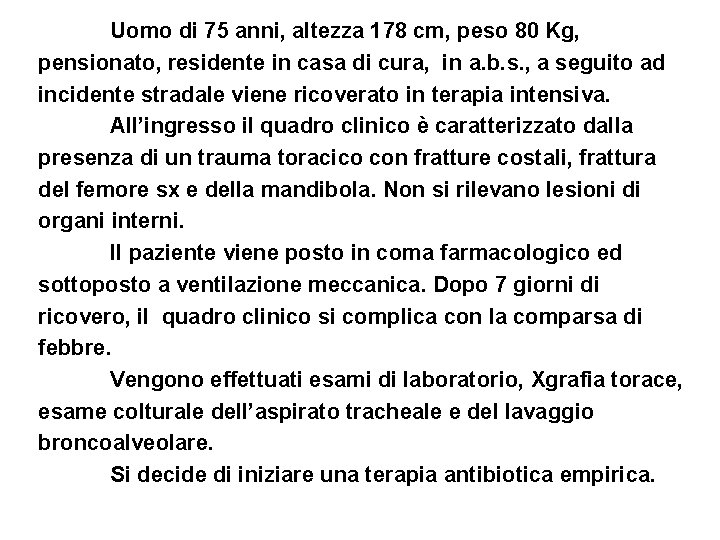
Uomo di 75 anni, altezza 178 cm, peso 80 Kg, pensionato, residente in casa di cura, in a. b. s. , a seguito ad incidente stradale viene ricoverato in terapia intensiva. All’ingresso il quadro clinico è caratterizzato dalla presenza di un trauma toracico con fratture costali, frattura del femore sx e della mandibola. Non si rilevano lesioni di organi interni. Il paziente viene posto in coma farmacologico ed sottoposto a ventilazione meccanica. Dopo 7 giorni di ricovero, il quadro clinico si complica con la comparsa di febbre. Vengono effettuati esami di laboratorio, Xgrafia torace, esame colturale dell’aspirato tracheale e del lavaggio broncoalveolare. Si decide di iniziare una terapia antibiotica empirica.
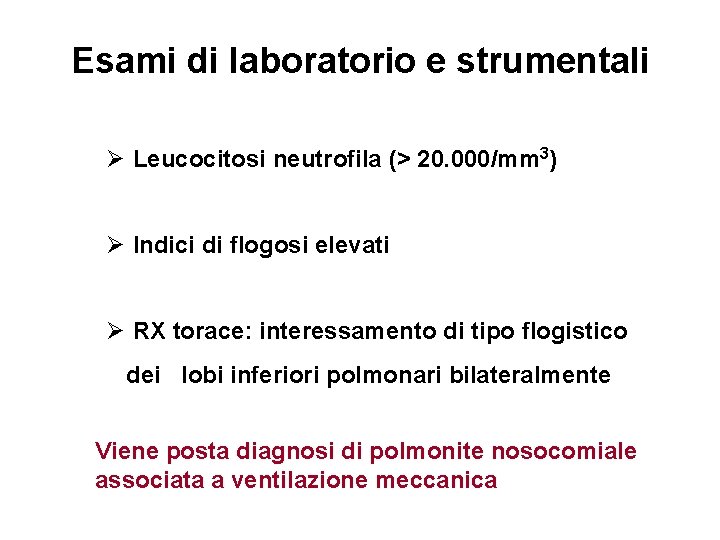
Esami di laboratorio e strumentali Ø Leucocitosi neutrofila (> 20. 000/mm 3) Ø Indici di flogosi elevati Ø RX torace: interessamento di tipo flogistico dei lobi inferiori polmonari bilateralmente Viene posta diagnosi di polmonite nosocomiale associata a ventilazione meccanica
Siete d’accordo con questa diagnosi? 1) Si 2) No 3) Sono necessari altri accertamenti
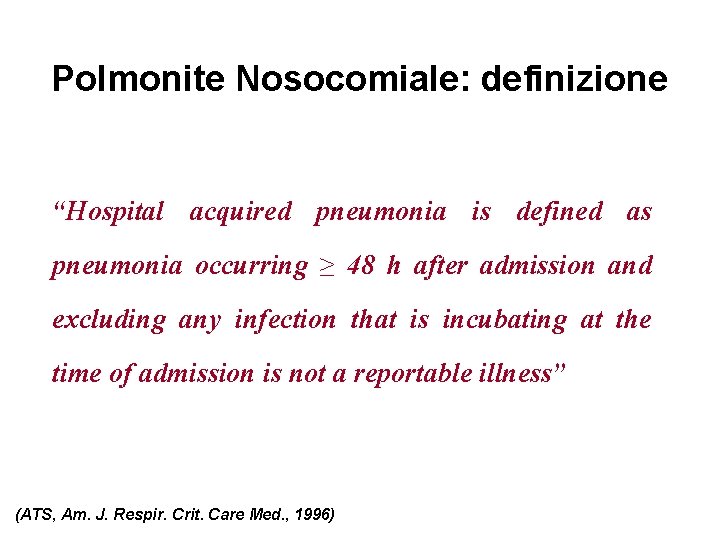
Polmonite Nosocomiale: definizione “Hospital acquired pneumonia is defined as pneumonia occurring ≥ 48 h after admission and excluding any infection that is incubating at the time of admission is not a reportable illness” (ATS, Am. J. Respir. Crit. Care Med. , 1996)
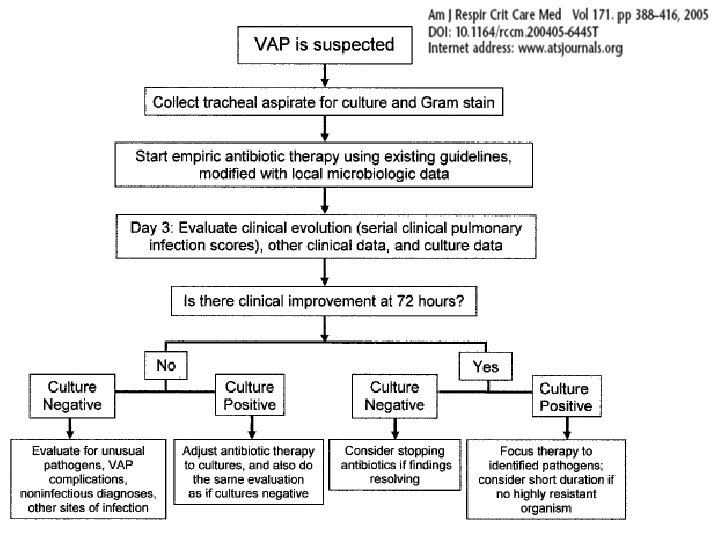
Iniziereste subito la terapia antibiotica anche in assenza di un isolamento batterico? 1) S i 2) No
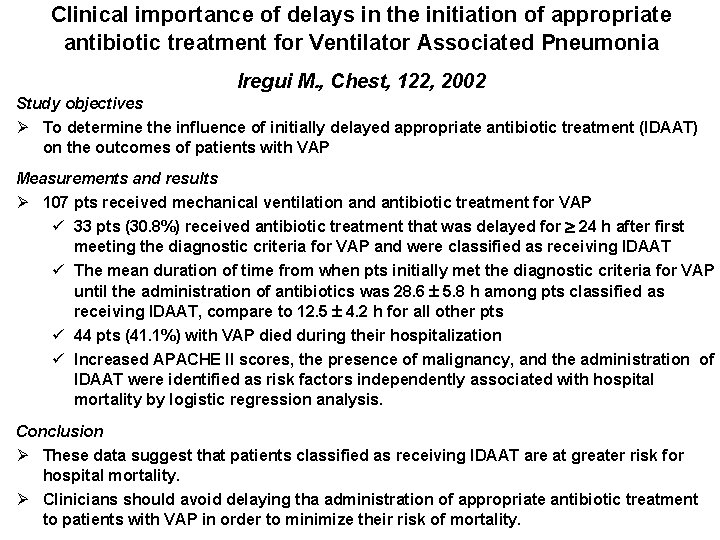
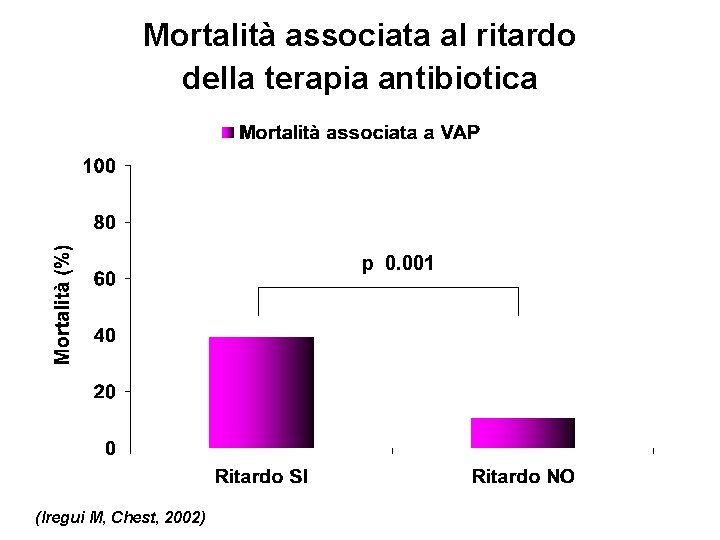
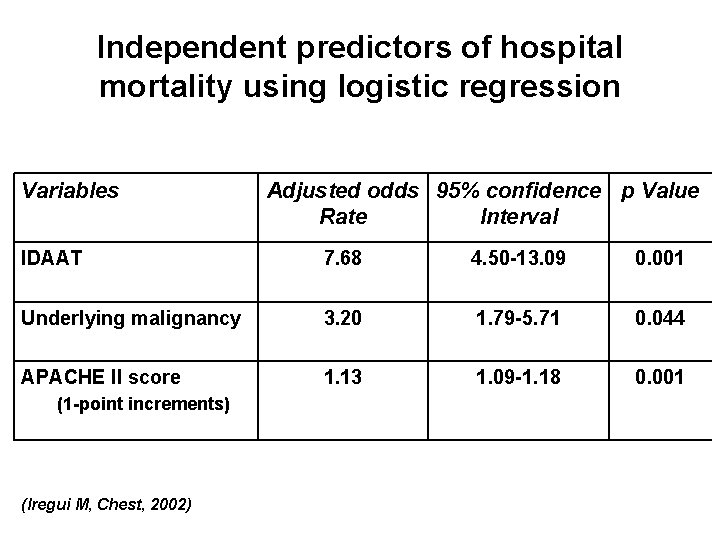
Clinical importance of delays in the initiation of appropriate antibiotic treatment for Ventilator Associated Pneumonia Iregui M. , Chest, 122, 2002 Study objectives Ø To determine the influence of initially delayed appropriate antibiotic treatment (IDAAT) on the outcomes of patients with VAP Measurements and results Ø 107 pts received mechanical ventilation and antibiotic treatment for VAP ü 33 pts (30. 8%) received antibiotic treatment that was delayed for 24 h after first meeting the diagnostic criteria for VAP and were classified as receiving IDAAT ü The mean duration of time from when pts initially met the diagnostic criteria for VAP until the administration of antibiotics was 28. 6 5. 8 h among pts classified as receiving IDAAT, compare to 12. 5 4. 2 h for all other pts ü 44 pts (41. 1%) with VAP died during their hospitalization ü Increased APACHE II scores, the presence of malignancy, and the administration of IDAAT were identified as risk factors independently associated with hospital mortality by logistic regression analysis. Conclusion Ø These data suggest that patients classified as receiving IDAAT are at greater risk for hospital mortality. Ø Clinicians should avoid delaying tha administration of appropriate antibiotic treatment to patients with VAP in order to minimize their risk of mortality.
Mortalità associata al ritardo della terapia antibiotica p 0. 001 (Iregui M, Chest, 2002)
Independent predictors of hospital mortality using logistic regression Variables Adjusted odds 95% confidence p Value Rate Interval IDAAT 7. 68 4. 50 -13. 09 0. 001 Underlying malignancy 3. 20 1. 79 -5. 71 0. 044 APACHE II score 1. 13 1. 09 -1. 18 0. 001 (1 -point increments) (Iregui M, Chest, 2002)
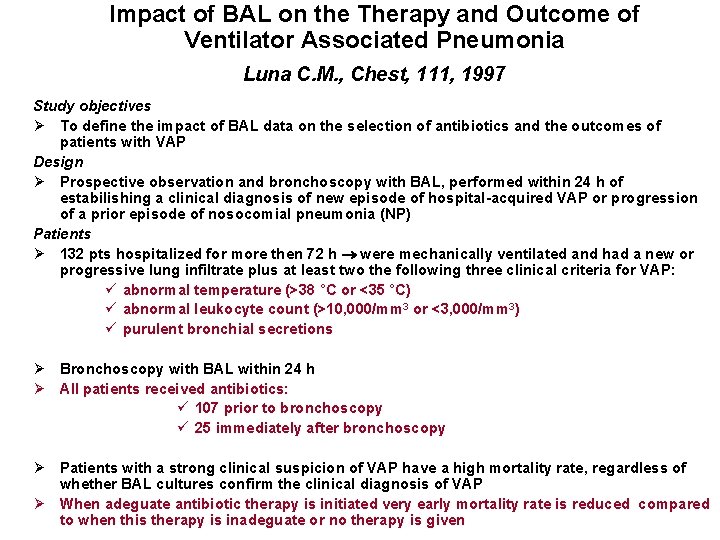
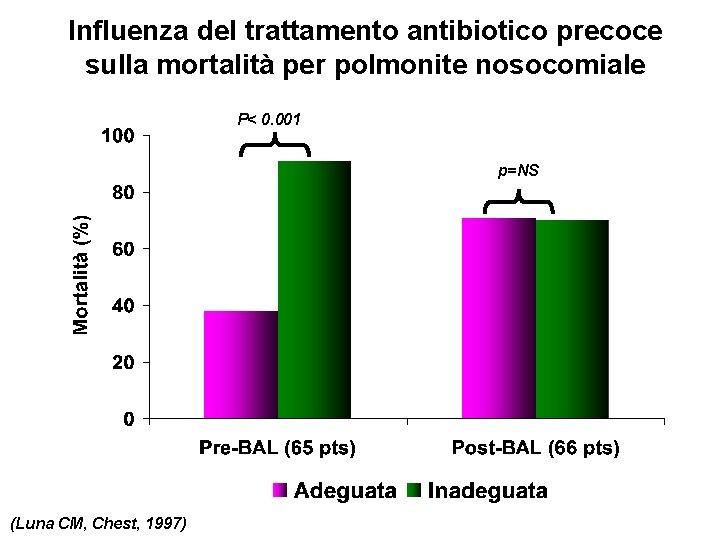
Impact of BAL on the Therapy and Outcome of Ventilator Associated Pneumonia Luna C. M. , Chest, 111, 1997 Study objectives Ø To define the impact of BAL data on the selection of antibiotics and the outcomes of patients with VAP Design Ø Prospective observation and bronchoscopy with BAL, performed within 24 h of estabilishing a clinical diagnosis of new episode of hospital-acquired VAP or progression of a prior episode of nosocomial pneumonia (NP) Patients Ø 132 pts hospitalized for more then 72 h were mechanically ventilated and had a new or progressive lung infiltrate plus at least two the following three clinical criteria for VAP: ü abnormal temperature (>38 °C or <35 °C) ü abnormal leukocyte count (>10, 000/mm 3 or <3, 000/mm 3) ü purulent bronchial secretions Interventions Ø Bronchoscopy with BAL within 24 h Ø All patients received antibiotics: ü 107 prior to bronchoscopy ü 25 immediately after bronchoscopy Conclusions Ø Patients with a strong clinical suspicion of VAP have a high mortality rate, regardless of whether BAL cultures confirm the clinical diagnosis of VAP Ø When adeguate antibiotic therapy is initiated very early mortality rate is reduced compared to when this therapy is inadeguate or no therapy is given
Influenza del trattamento antibiotico precoce sulla mortalità per polmonite nosocomiale P< 0. 001 p=NS (Luna CM, Chest, 1997)
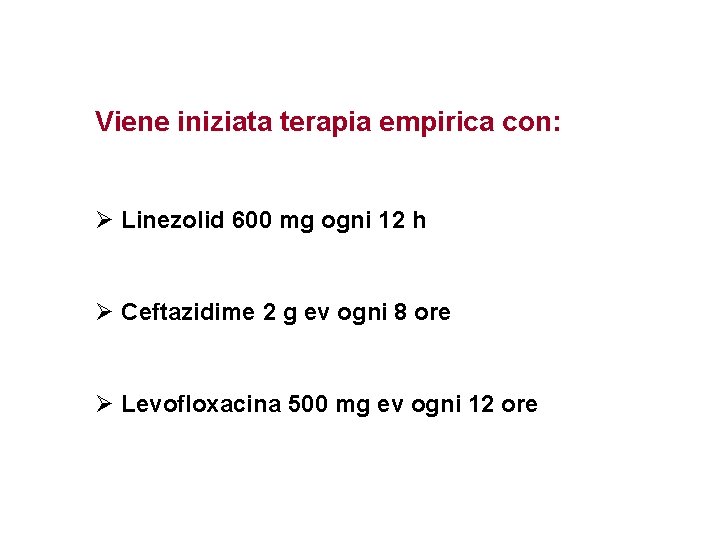
Viene iniziata terapia empirica con: Ø Linezolid 600 mg ogni 12 h Ø Ceftazidime 2 g ev ogni 8 ore Ø Levofloxacina 500 mg ev ogni 12 ore
Siete d’accordo con questa terapia? 1) S i 2) No
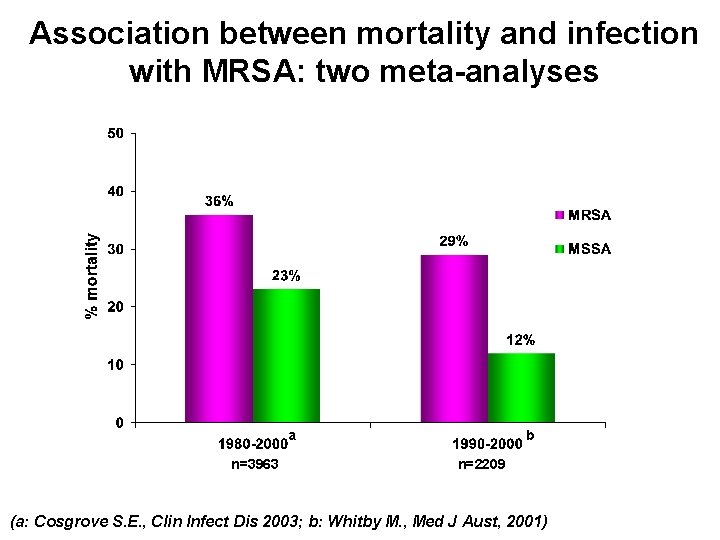
Association between mortality and infection with MRSA: two meta-analyses a n=3963 b n=2209 (a: Cosgrove S. E. , Clin Infect Dis 2003; b: Whitby M. , Med J Aust, 2001)
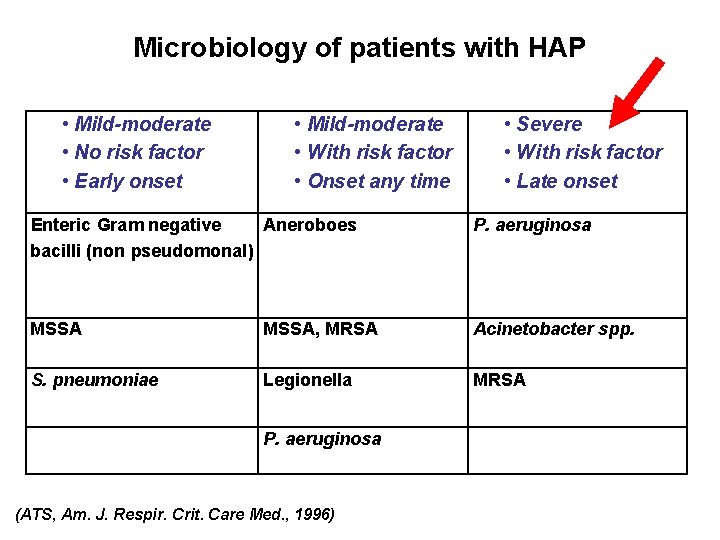
Microbiology of patients with HAP • Mild-moderate • No risk factor • Early onset • Mild-moderate • With risk factor • Onset any time • Severe • With risk factor • Late onset Enteric Gram negative Aneroboes bacilli (non pseudomonal) P. aeruginosa MSSA, MRSA Acinetobacter spp. S. pneumoniae Legionella MRSA P. aeruginosa (ATS, Am. J. Respir. Crit. Care Med. , 1996)
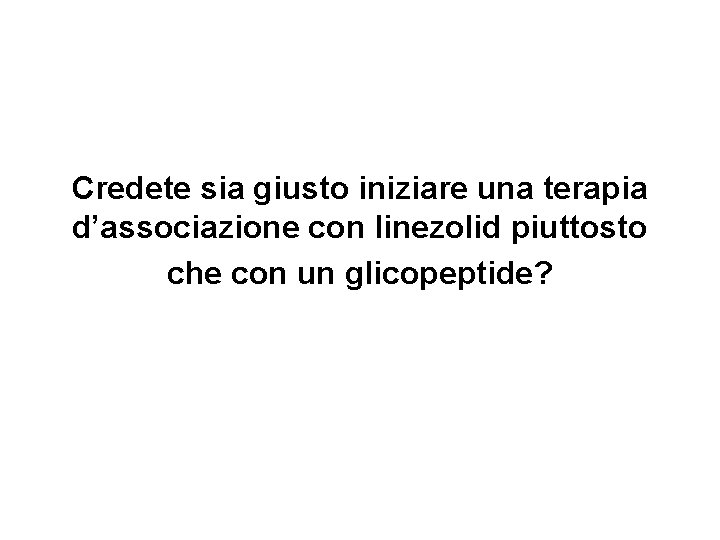
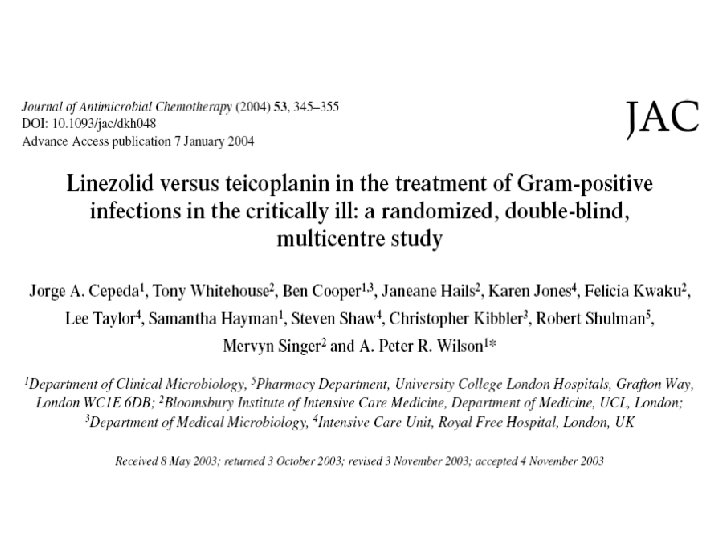
Credete sia giusto iniziare una terapia d’associazione con linezolid piuttosto che con un glicopeptide?
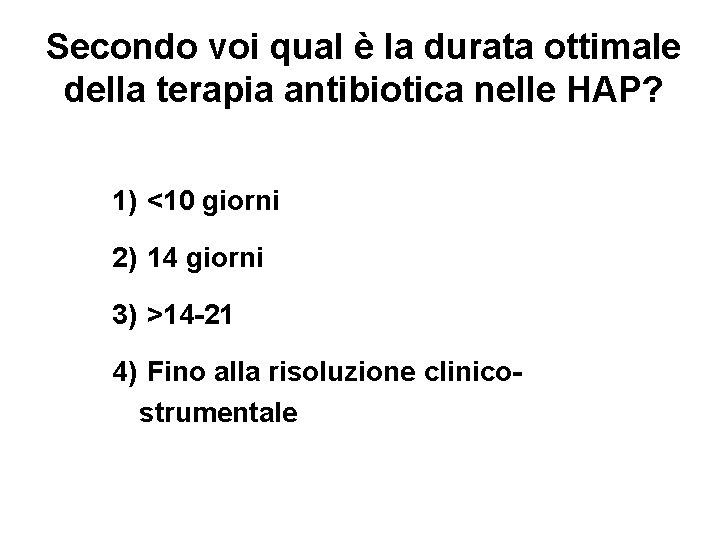
Secondo voi qual è la durata ottimale della terapia antibiotica nelle HAP? 1) <10 giorni 2) 14 giorni 3) >14 -21 4) Fino alla risoluzione clinicostrumentale
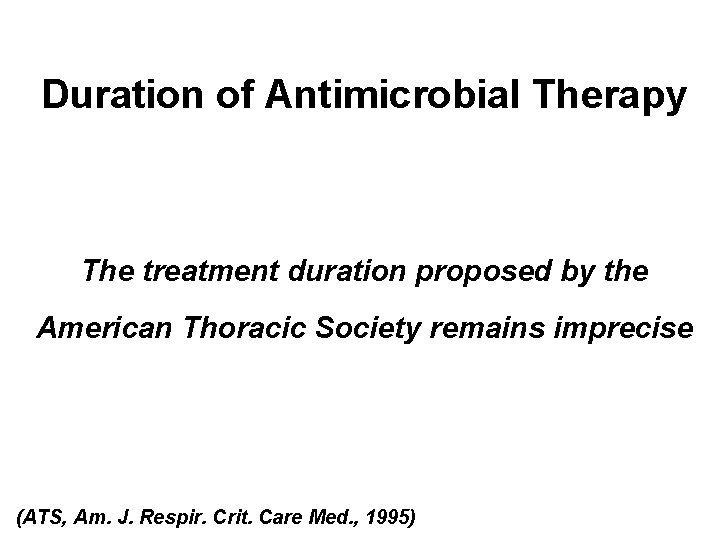
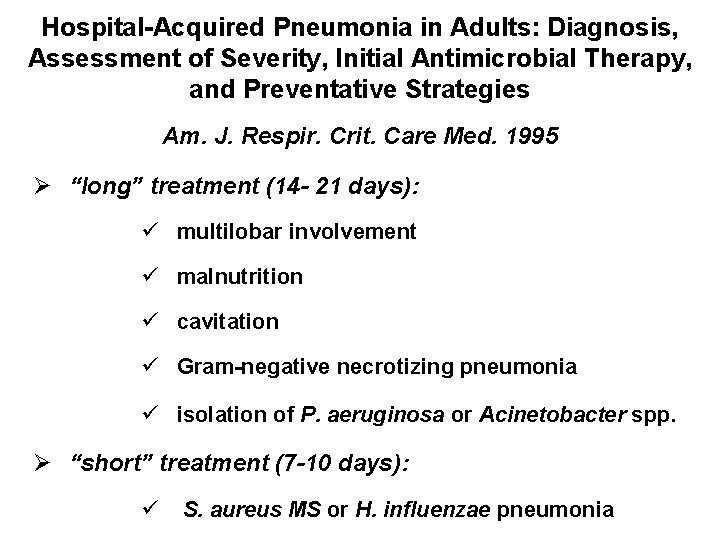
Duration of Antimicrobial Therapy The treatment duration proposed by the American Thoracic Society remains imprecise (ATS, Am. J. Respir. Crit. Care Med. , 1995)
Hospital-Acquired Pneumonia in Adults: Diagnosis, Assessment of Severity, Initial Antimicrobial Therapy, and Preventative Strategies Am. J. Respir. Crit. Care Med. 1995 Ø “long” treatment (14 - 21 days): ü multilobar involvement ü malnutrition ü cavitation ü Gram-negative necrotizing pneumonia ü isolation of P. aeruginosa or Acinetobacter spp. Ø “short” treatment (7 -10 days): ü S. aureus MS or H. influenzae pneumonia
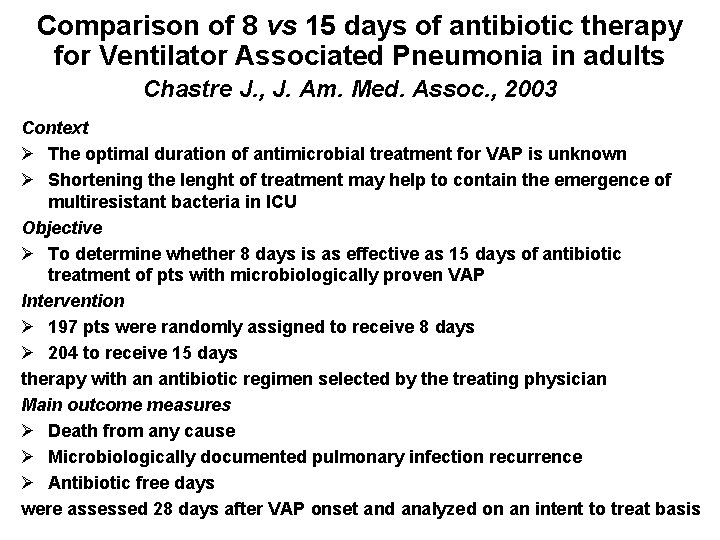
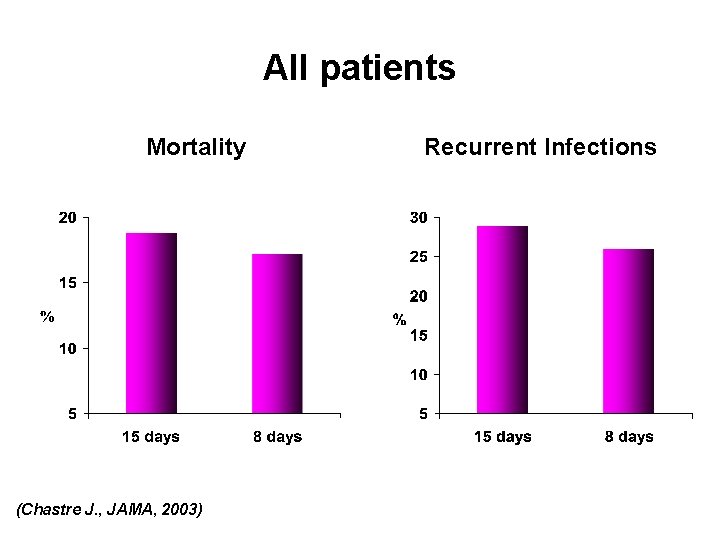
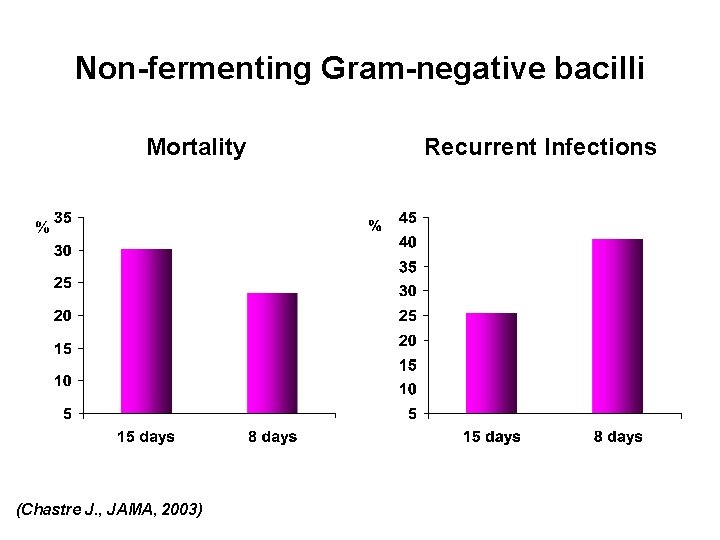
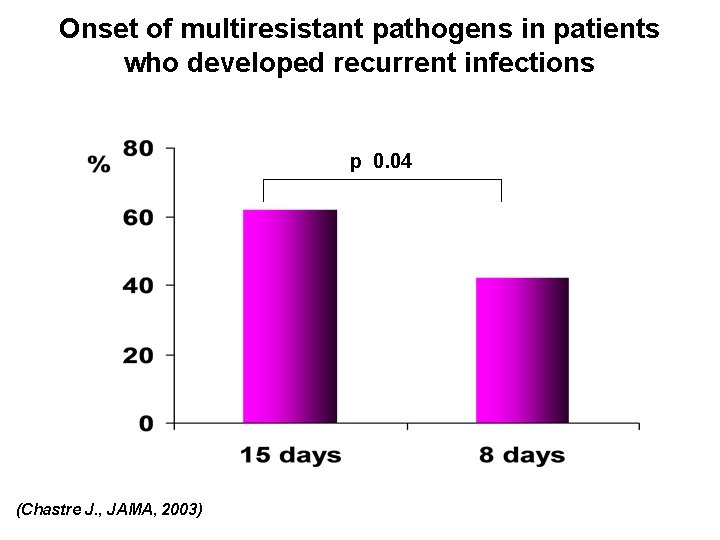
Comparison of 8 vs 15 days of antibiotic therapy for Ventilator Associated Pneumonia in adults Chastre J. , J. Am. Med. Assoc. , 2003 Context Ø The optimal duration of antimicrobial treatment for VAP is unknown Ø Shortening the lenght of treatment may help to contain the emergence of multiresistant bacteria in ICU Objective Ø To determine whether 8 days is as effective as 15 days of antibiotic treatment of pts with microbiologically proven VAP Intervention Ø 197 pts were randomly assigned to receive 8 days Ø 204 to receive 15 days therapy with an antibiotic regimen selected by the treating physician Main outcome measures Ø Death from any cause Ø Microbiologically documented pulmonary infection recurrence Ø Antibiotic free days were assessed 28 days after VAP onset and analyzed on an intent to treat basis
All patients Mortality (Chastre J. , JAMA, 2003) Recurrent Infections
Non-fermenting Gram-negative bacilli Mortality (Chastre J. , JAMA, 2003) Recurrent Infections
Onset of multiresistant pathogens in patients who developed recurrent infections p 0. 04 (Chastre J. , JAMA, 2003)
Il paziente continua la stessa terapia agli stessi dosaggi e dopo 7 giorni il quadro clinico è nettamente migliorato Dopo 10 giorni il paziente è apiretico ed interrompe la ventilazione meccanica La terapia viene protratta immodificata fino alla ventesima giornata