
Unmasking the masquerading cancer cells have we made
- Slides: 42
Unmasking the masquerading cancer cells: have we made progress with the revival of immunotherapy? Dr Ganapathi Bhat M. Consultant Medical Oncologist & Stem Cell Transplant Physician, Jaslok Hospital & Research Centre, Mumbai. India dr_bhat 2@yahoo. com www. drganapathibhat. in Ganapathi Bhat
Presentation outline Immune System’s Role in Cancer Immunotherapy Landscape State of Immunotherapy Clinical Considerations of Immunotherapy Where are we and How far will we go? Ganapathi Bhat
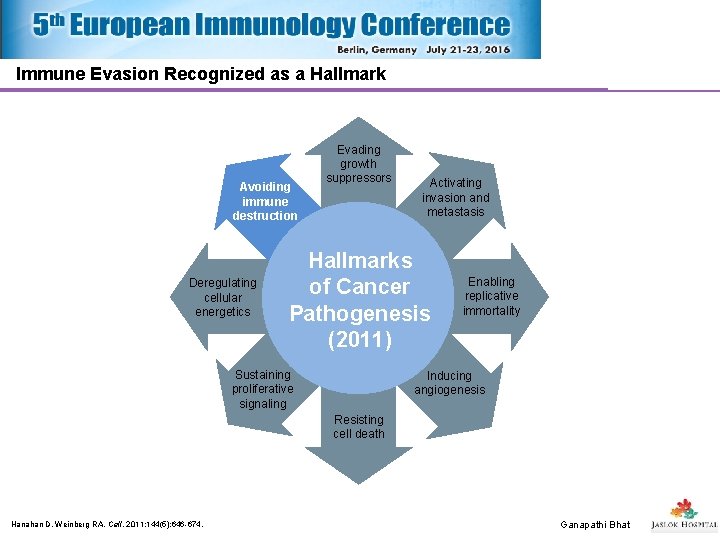
Immune Evasion Recognized as a Hallmark Avoiding immune destruction Deregulating cellular energetics Evading growth suppressors Activating invasion and metastasis Hallmarks of Cancer Pathogenesis (2011) Sustaining proliferative signaling Enabling replicative immortality Inducing angiogenesis Resisting cell death Hanahan D, Weinberg RA. Cell. 2011; 144(5): 646 -674. Ganapathi Bhat 3
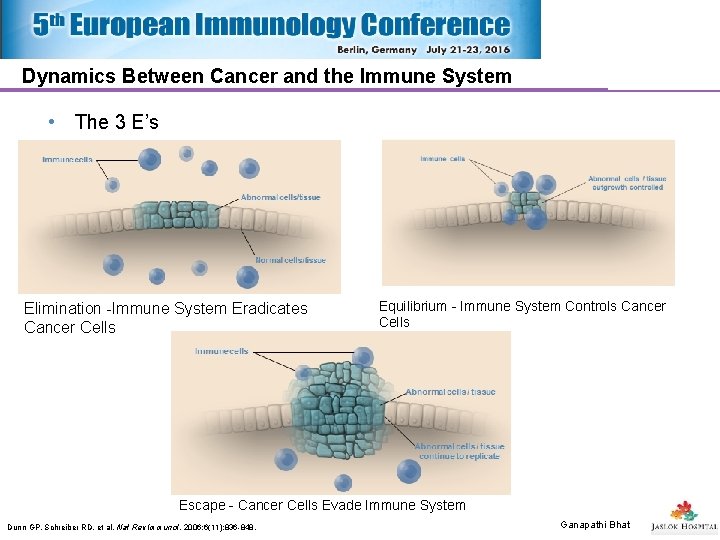
Dynamics Between Cancer and the Immune System • The 3 E’s Elimination -Immune System Eradicates Cancer Cells Equilibrium - Immune System Controls Cancer Cells Escape - Cancer Cells Evade Immune System Dunn GP, Schreiber RD, et al. Nat Rev Immunol. 2006; 6(11): 836 -848. Ganapathi Bhat 4
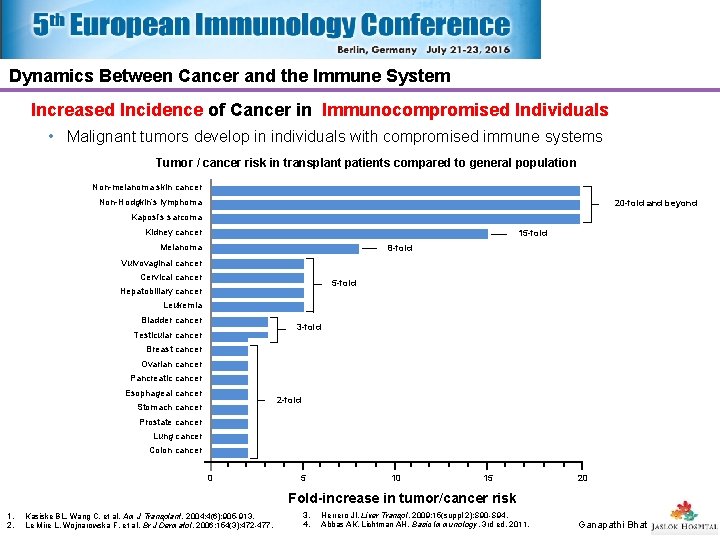
Dynamics Between Cancer and the Immune System Increased Incidence of Cancer in Immunocompromised Individuals • Malignant tumors develop in individuals with compromised immune systems Tumor / cancer risk in transplant patients compared to general population Non-melanoma skin cancer Non-Hodgkin’s lymphoma 20 -fold and beyond Kaposi’s sarcoma Kidney cancer 15 -fold Melanoma 8 -fold Vulvovaginal cancer Cervical cancer 5 -fold Hepatobiliary cancer Leukemia Bladder cancer 3 -fold Testicular cancer Breast cancer Ovarian cancer Pancreatic cancer Esophageal cancer 2 -fold Stomach cancer Prostate cancer Lung cancer Colon cancer 0 5 10 15 20 Fold-increase in tumor/cancer risk 1. 2. Kasiske BL, Wang C, et al. Am J Transplant. 2004; 4(6): 905 -913. Le Mire L, Wojnarowska F, et al. Br J Dermatol. 2006; 154(3): 472 -477. 3. 4. Herrero JI. Liver Transpl. 2009; 15(suppl 2): S 90 -S 94. Abbas AK, Lichtman AH. Basic Immunology. 3 rd ed. 2011. Ganapathi Bhat 5
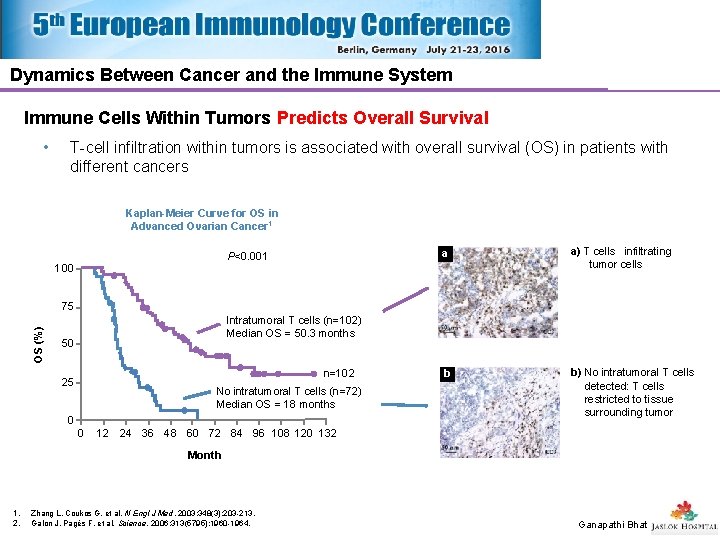
Dynamics Between Cancer and the Immune System Immune Cells Within Tumors Predicts Overall Survival • T-cell infiltration within tumors is associated with overall survival (OS) in patients with different cancers Kaplan-Meier Curve for OS in Advanced Ovarian Cancer 1 P<0. 001 100 a a) T cells infiltrating tumor cells b b) No intratumoral T cells detected: T cells restricted to tissue surrounding tumor OS (%) 75 Intratumoral T cells (n=102) Median OS = 50. 3 months 50 n=102 25 No intratumoral T cells (n=72) Median OS = 18 months 0 0 12 24 36 48 60 72 84 96 108 120 132 Month 1. 2. Zhang L, Coukos G, et al. N Engl J Med. 2003; 348(3): 203 -213. Galon J, Pagès F, et al. Science. 2006; 313(5795): 1960 -1964. Ganapathi Bhat 6
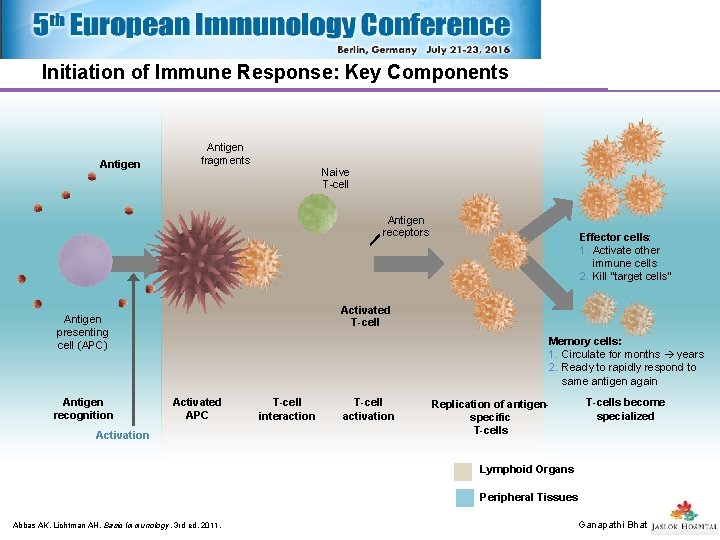
Initiation of Immune Response: Key Components Antigen fragments Naive T-cell Antigen receptors Activated T-cell Antigen presenting cell (APC) Antigen recognition Effector cells: 1. Activate other immune cells 2. Kill “target cells” Memory cells: 1. Circulate for months years 2. Ready to rapidly respond to same antigen again Activated APC Activation T-cell interaction T-cell activation T-cells become specialized Replication of antigenspecific T-cells Lymphoid Organs Peripheral Tissues Abbas AK, Lichtman AH. Basic Immunology. 3 rd ed. 2011. Ganapathi Bhat 7
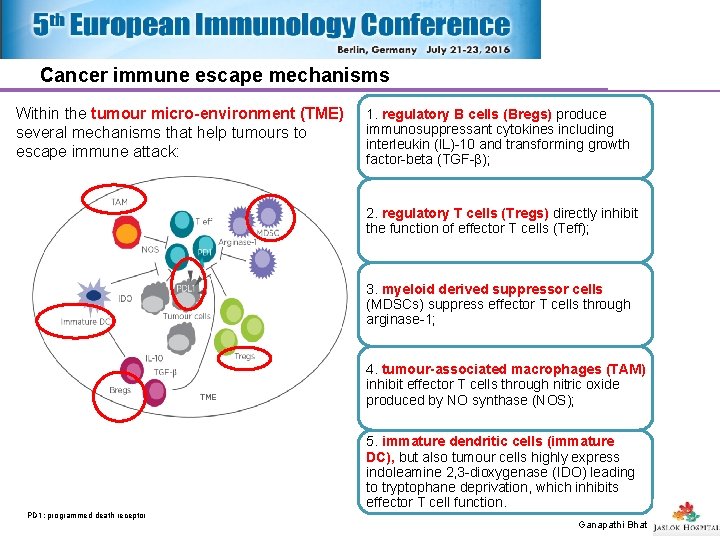
Cancer immune escape mechanisms Within the tumour micro-environment (TME) several mechanisms that help tumours to escape immune attack: 1. regulatory B cells (Bregs) produce immunosuppressant cytokines including interleukin (IL)-10 and transforming growth factor-beta (TGF-β); 2. regulatory T cells (Tregs) directly inhibit the function of effector T cells (Teff); 3. myeloid derived suppressor cells (MDSCs) suppress effector T cells through arginase-1; 4. tumour-associated macrophages (TAM) inhibit effector T cells through nitric oxide produced by NO synthase (NOS); 5. immature dendritic cells (immature DC), but also tumour cells highly express indoleamine 2, 3 -dioxygenase (IDO) leading to tryptophane deprivation, which inhibits effector T cell function. PD 1: programmed death receptor Ganapathi Bhat 8
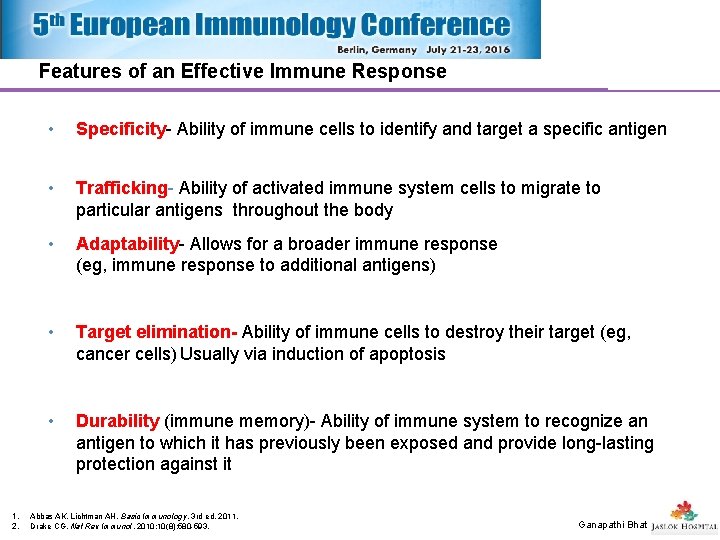
Features of an Effective Immune Response 1. 2. • Specificity- Ability of immune cells to identify and target a specific antigen • Trafficking- Ability of activated immune system cells to migrate to particular antigens throughout the body • Adaptability- Allows for a broader immune response (eg, immune response to additional antigens) • Target elimination- Ability of immune cells to destroy their target (eg, cancer cells) Usually via induction of apoptosis • Durability (immune memory)- Ability of immune system to recognize an antigen to which it has previously been exposed and provide long-lasting protection against it Abbas AK, Lichtman AH. Basic Immunology. 3 rd ed. 2011. Drake CG. Nat Rev Immunol. 2010; 10(8); 580 -593. Ganapathi Bhat 9
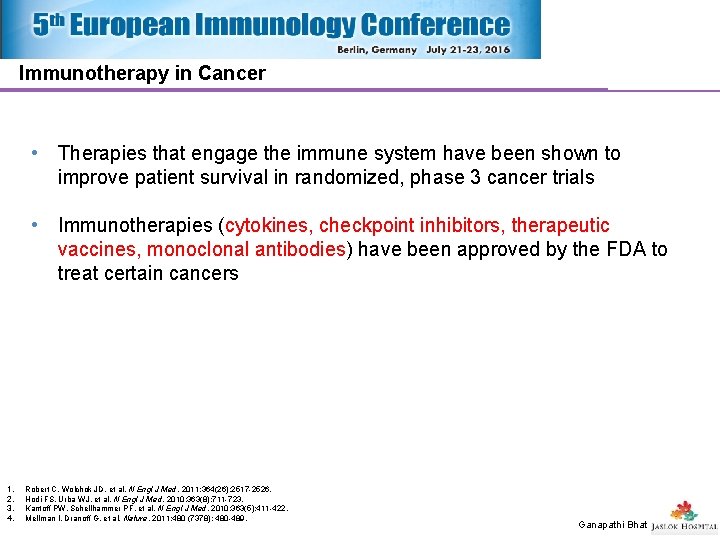
Immunotherapy in Cancer • Therapies that engage the immune system have been shown to improve patient survival in randomized, phase 3 cancer trials • Immunotherapies (cytokines, checkpoint inhibitors, therapeutic vaccines, monoclonal antibodies) have been approved by the FDA to treat certain cancers 1. 2. 3. 4. Robert C, Wolchok JD, et al. N Engl J Med. 2011; 364(26): 2517 -2526. Hodi FS, Urba WJ, et al. N Engl J Med. 2010; 363(8): 711 -723. Kantoff PW, Schellhammer PF, et al. N Engl J Med. 2010; 363(5): 411 -422. Mellman I, Dranoff G, et al. Nature. 2011; 480 (7378): 480 -489. Ganapathi Bhat 10
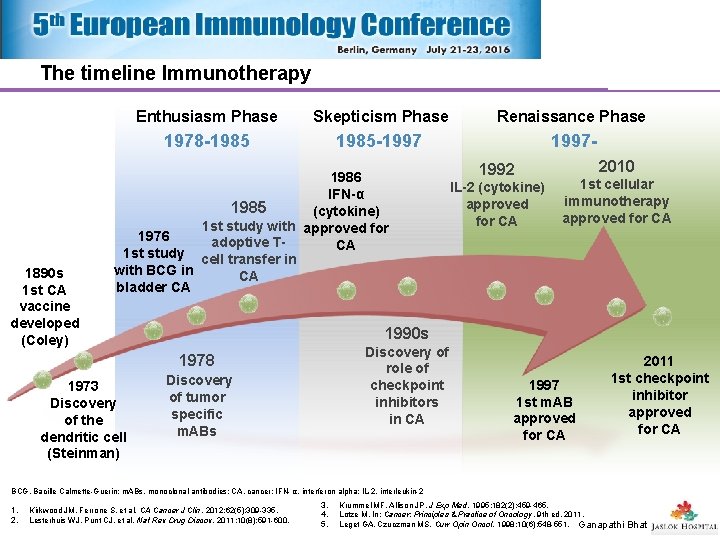
The timeline Immunotherapy 1890 s 1 st CA vaccine developed (Coley) Enthusiasm Phase Skepticism Phase Renaissance Phase 1978 -1985 -1997 - 1986 IFN-α 1985 (cytokine) 1 st study with approved for 1976 adoptive TCA 1 st study cell transfer in with BCG in CA bladder CA 2010 1 st cellular IL-2 (cytokine) immunotherapy approved for CA 1990 s Discovery of role of checkpoint inhibitors in CA 1978 1973 Discovery of the dendritic cell (Steinman) 1992 Discovery of tumor specific m. ABs 1997 1 st m. AB approved for CA 2011 1 st checkpoint inhibitor approved for CA BCG, Bacille Calmette-Guerin; m. ABs, monoclonal antibodies; CA, cancer; IFN- α, interferon alpha; IL-2, interleukin-2 1. 2. Kirkwood JM, Ferrone S, et al. CA Cancer J Clin. 2012; 62(5): 309 -335. Lesterhuis WJ, Punt CJ, et al. Nat Rev Drug Discov. 2011; 10(8): 591 -600. 3. 4. 5. Krummel MF, Allison JP. J Exp Med. 1995; 182(2): 459 -465. Lotze M. In: Cancer: Principles & Practice of Oncology. 9 th ed. 2011. Leget GA, Czuczman MS. Curr Opin Oncol. 1998; 10(6): 548 -551. Ganapathi Bhat 11
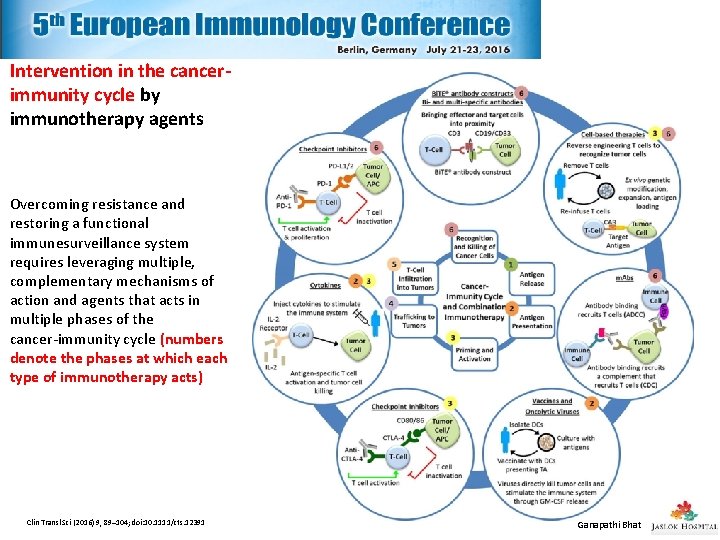
Intervention in the cancerimmunity cycle by immunotherapy agents Overcoming resistance and restoring a functional immunesurveillance system requires leveraging multiple, complementary mechanisms of action and agents that acts in multiple phases of the cancer-immunity cycle (numbers denote the phases at which each type of immunotherapy acts) Clin Transl Sci (2016) 9, 89– 104; doi: 10. 1111/cts. 12391 Ganapathi Bhat
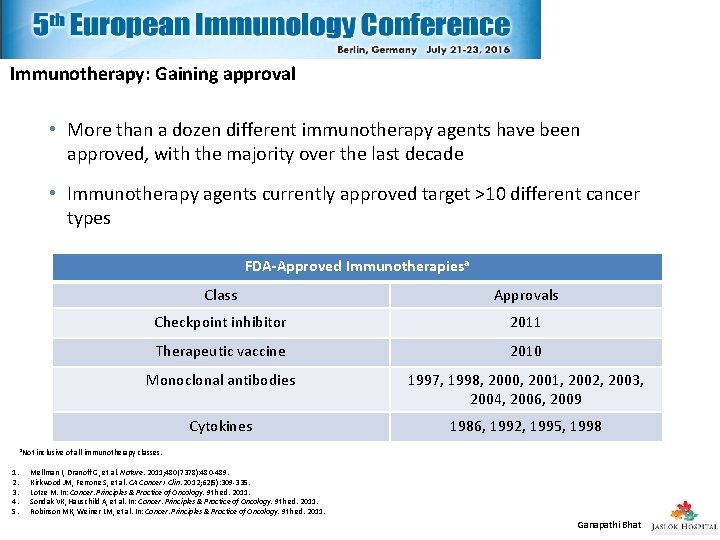
Immunotherapy: Gaining approval • More than a dozen different immunotherapy agents have been approved, with the majority over the last decade • Immunotherapy agents currently approved target >10 different cancer types FDA-Approved Immunotherapiesa a. Not 1. 2. 3. 4. 5. Class Approvals Checkpoint inhibitor 2011 Therapeutic vaccine 2010 Monoclonal antibodies 1997, 1998, 2000, 2001, 2002, 2003, 2004, 2006, 2009 Cytokines 1986, 1992, 1995, 1998 inclusive of all immunotherapy classes. Mellman I, Dranoff G, et al. Nature. 2011; 480(7378): 480 -489. Kirkwood JM, Ferrone S, et al. CA Cancer J Clin. 2012; 62(5): 309 -335. Lotze M. In: Cancer: Principles & Practice of Oncology. 9 th ed. 2011. Sondak VK, Hauschild A, et al. In: Cancer: Principles & Practice of Oncology. 9 th ed. 2011. Robinson MK, Weiner LM, et al. In: Cancer: Principles & Practice of Oncology. 9 th ed. 2011. Ganapathi Bhat 13
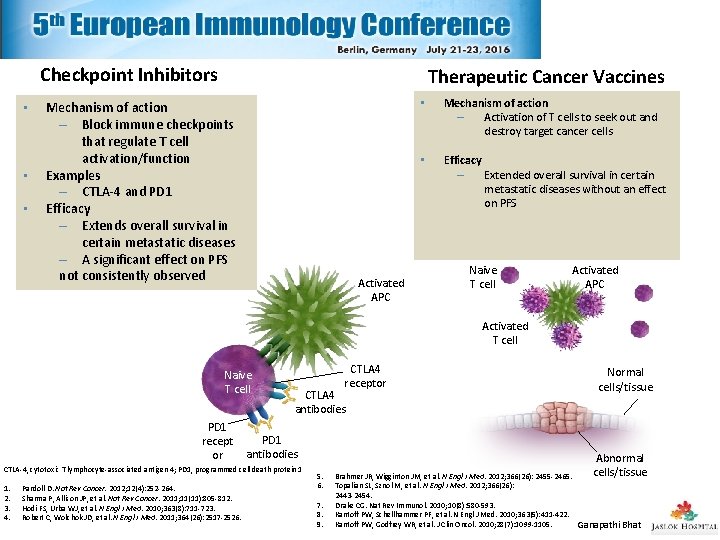
Checkpoint Inhibitors • • • Therapeutic Cancer Vaccines Mechanism of action – Block immune checkpoints that regulate T cell activation/function Examples – CTLA-4 and PD 1 Efficacy – Extends overall survival in certain metastatic diseases – A significant effect on PFS not consistently observed Activated APC • Mechanism of action – Activation of T cells to seek out and destroy target cancer cells • Efficacy – Extended overall survival in certain metastatic diseases without an effect on PFS Naive T cell Activated APC Activated T cell Naive T cell PD 1 recept or CTLA 4 antibodies PD 1 antibodies CTLA-4, cytotoxic T lymphocyte-associated antigen 4; PD 1, programmed cell death protein 1 1. 2. 3. 4. Pardoll D. Nat Rev Cancer. 2012; 12(4): 252 -264. Sharma P, Allison JP, et al. Nat Rev Cancer. 2011; 11(11): 805 -812. Hodi FS, Urba WJ, et al. N Engl J Med. 2010; 363(8): 711 -723. Robert C, Wolchok JD, et al. N Engl J Med. 2011; 364(26): 2517 -2526. CTLA 4 receptor 5. 6. 7. 8. 9. Brahmer JR, Wigginton JM, et al. N Engl J Med. 2012; 366(26): 2455 -2465. Topalian SL, Sznol M, et al. N Engl J Med. 2012; 366(26): 2443 -2454. Drake CG. Nat Rev Immunol. 2010; 10(8): 580 -593. Kantoff PW, Schellhammer PF, et al. N Engl J Med. 2010; 363(5): 411 -422. Kantoff PW, Godfrey WR, et al. J Clin Oncol. 2010; 28(7): 1099 -1105. Normal cells/tissue Abnormal cells/tissue Ganapathi Bhat
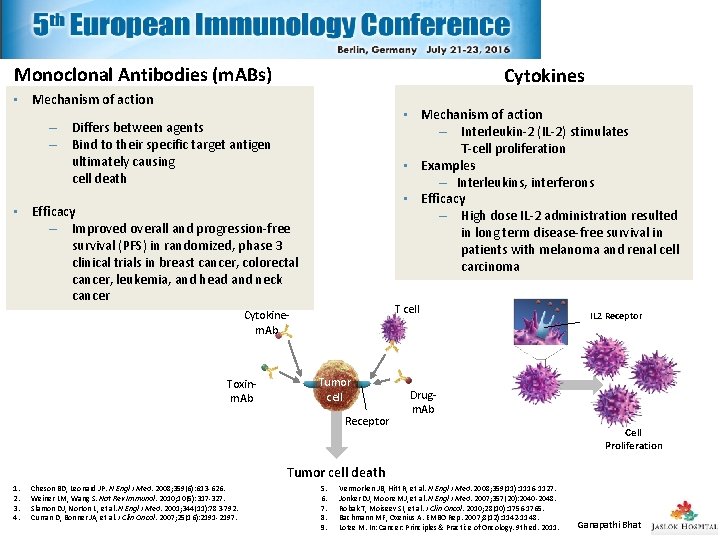
Monoclonal Antibodies (m. ABs) Cytokines • Mechanism of action – Interleukin-2 (IL-2) stimulates T-cell proliferation • Examples – Interleukins, interferons • Efficacy – High dose IL-2 administration resulted in long term disease-free survival in patients with melanoma and renal cell carcinoma – Differs between agents – Bind to their specific target antigen ultimately causing cell death • Efficacy – Improved overall and progression-free survival (PFS) in randomized, phase 3 clinical trials in breast cancer, colorectal cancer, leukemia, and head and neck cancer T cell Cytokinem. Ab Toxinm. Ab Tumor cell Receptor IL 2 Receptor Drugm. Ab Cell Proliferation Tumor cell death 1. 2. 3. 4. Cheson BD, Leonard JP. N Engl J Med. 2008; 359(6): 613 -626. Weiner LM, Wang S. Nat Rev Immunol. 2010; 10(5): 317 -327. Slamon DJ, Norton L, et al. N Engl J Med. 2001; 344(11): 783 -792. Curran D, Bonner JA, et al. J Clin Oncol. 2007; 25(16): 2191 -2197. 5. 6. 7. 8. 9. Vermorken JB, Hitt R, et al. N Engl J Med. 2008; 359(11): 1116 -1127. Jonker DJ, Moore MJ, et al. N Engl J Med. 2007; 357(20): 2040 -2048. Robak T, Moiseev SI, et al. J Clin Oncol. 2010; 28(10): 1756 -1765. Bachmann MF, Oxenius A. EMBO Rep. 2007; 8(12): 1142 -1148. Lotze M. In: Cancer: Principles & Practice of Oncology. 9 th ed. 2011. Ganapathi Bhat
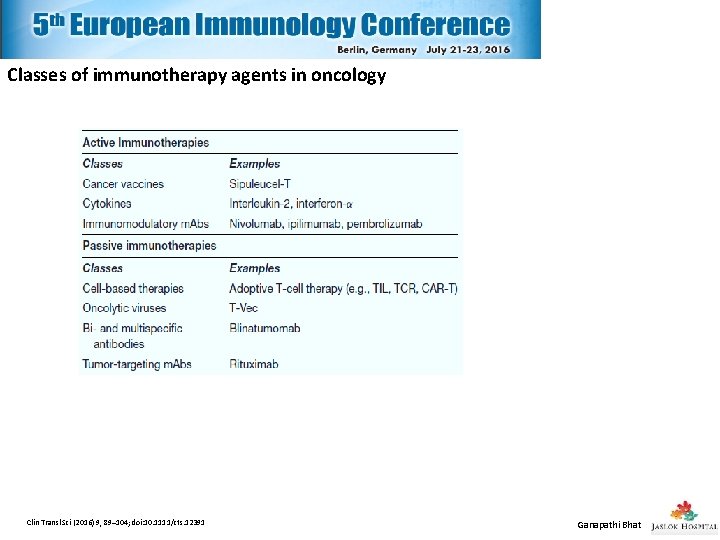
Classes of immunotherapy agents in oncology Clin Transl Sci (2016) 9, 89– 104; doi: 10. 1111/cts. 12391 Ganapathi Bhat
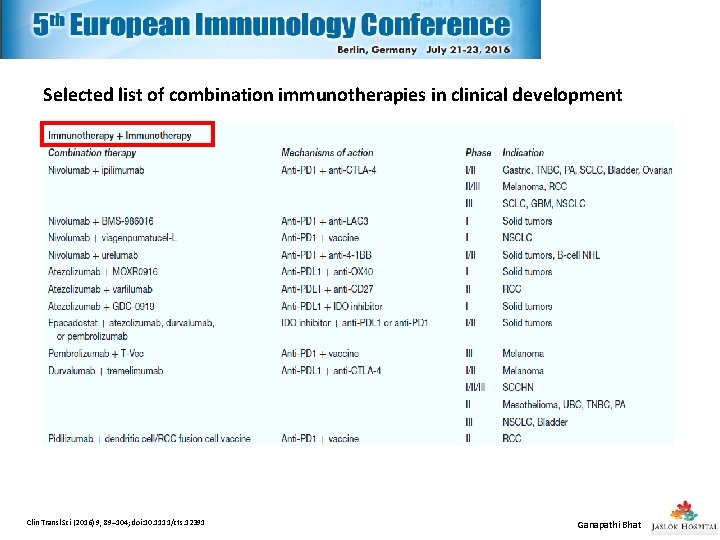
Selected list of combination immunotherapies in clinical development Clin Transl Sci (2016) 9, 89– 104; doi: 10. 1111/cts. 12391 Ganapathi Bhat
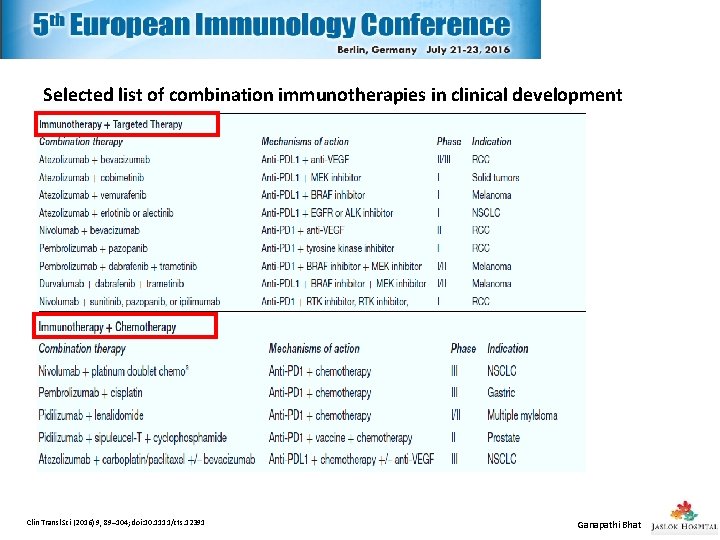
Selected list of combination immunotherapies in clinical development Clin Transl Sci (2016) 9, 89– 104; doi: 10. 1111/cts. 12391 Ganapathi Bhat
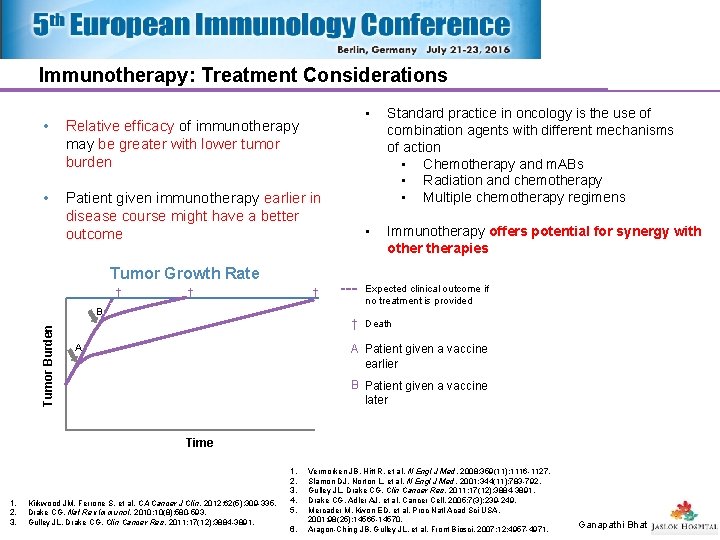
Immunotherapy: Treatment Considerations • Relative efficacy of immunotherapy may be greater with lower tumor burden • Patient given immunotherapy earlier in disease course might have a better outcome • Standard practice in oncology is the use of combination agents with different mechanisms of action • Chemotherapy and m. ABs • Radiation and chemotherapy • Multiple chemotherapy regimens • Immunotherapy offers potential for synergy with otherapies Tumor Growth Rate † † † Expected clinical outcome if no treatment is provided Tumor Burden B † Death A A Patient given a vaccine earlier B Patient given a vaccine later Time 1. 2. 3. Kirkwood JM, Ferrone S, et al. CA Cancer J Clin. 2012; 62(5): 309 -335. Drake CG. Nat Rev Immunol. 2010; 10(8): 580 -593. Gulley JL, Drake CG. Clin Cancer Res. 2011; 17(12): 3884 -3891. 1. 2. 3. 4. 5. 6. Vermorken JB, Hitt R, et al. N Engl J Med. 2008; 359(11): 1116 -1127. Slamon DJ, Norton L, et al. N Engl J Med. 2001; 344(11): 783 -792. Gulley JL, Drake CG. Clin Cancer Res. 2011; 17(12): 3884 -3891. Drake CG, Adler AJ, et al. Cancer Cell. 2005; 7(3): 239 -249. Mercader M, Kwon ED, et al. Proc Natl Acad Sci USA. 2001; 98(25): 14565 -14570. Aragon-Ching JB, Gulley JL, et al. Front Biosci. 2007; 12: 4957 -4971. Ganapathi Bhat 19
Immunotherapy: Increasing research interest • Rapid increase in immunotherapy clinical research – Doubling of abstracts at major conferences from 2009 to 2012 – Approximately 800 clinical trials in various phases ongoing • eg, breast, colon, head and neck, kidney • Trials utilize agents alone and in combination with conventional therapies Seeking. Alpha. com. http: //seekingalpha. com/article/667581 -immunotherapy-comes-of-age-at-asco-2012. Accessed January 4, 2013. Clinical. Trials. gov. http: //clinicaltrials. gov/. Accessed January 4, 2013. Ganapathi Bhat 20
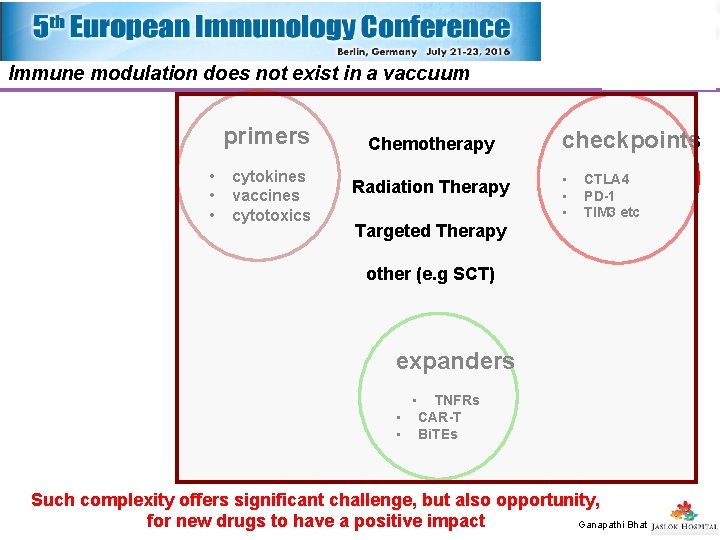
Immune modulation does not exist in a vaccuum primers • • • cytokines vaccines cytotoxics Chemotherapy Radiation Therapy Targeted Therapy checkpoints • • • CTLA 4 PD-1 TIM 3 etc other (e. g SCT) expanders • • • TNFRs CAR-T Bi. TEs Such complexity offers significant challenge, but also opportunity, for new drugs to have a positive impact Ganapathi Bhat 21
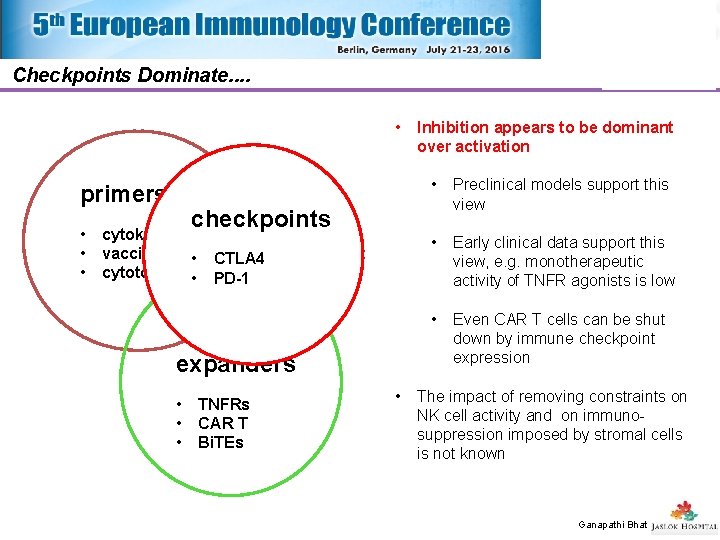
Checkpoints Dominate. . • primers • • • Inhibition appears to be dominant over activation • Preclinical models support this view • Early clinical data support this view, e. g. monotherapeutic activity of TNFR agonists is low • Even CAR T cells can be shut down by immune checkpoint expression checkpoints cytokines vaccines • cytotoxics • CTLA 4 PD-1 expanders • • • TNFRs CAR T Bi. TEs • The impact of removing constraints on NK cell activity and on immunosuppression imposed by stromal cells is not known Ganapathi Bhat 22
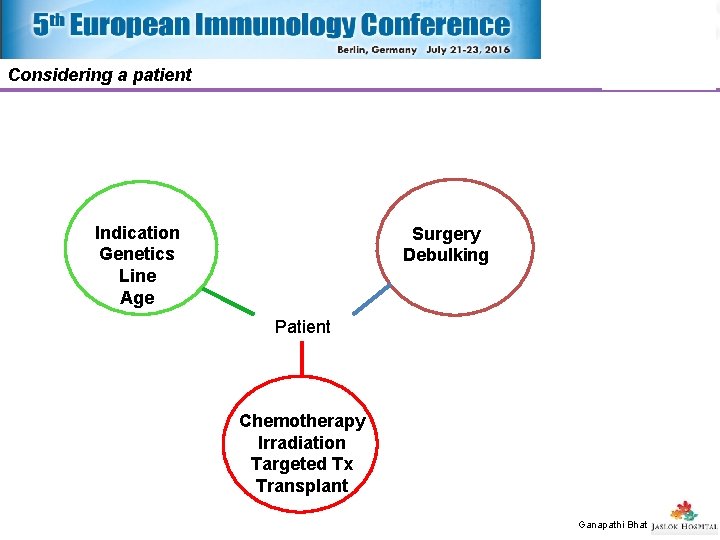
Considering a patient Indication Genetics Line Age Surgery Debulking Patient Chemotherapy Irradiation Targeted Tx Transplant Ganapathi Bhat 23
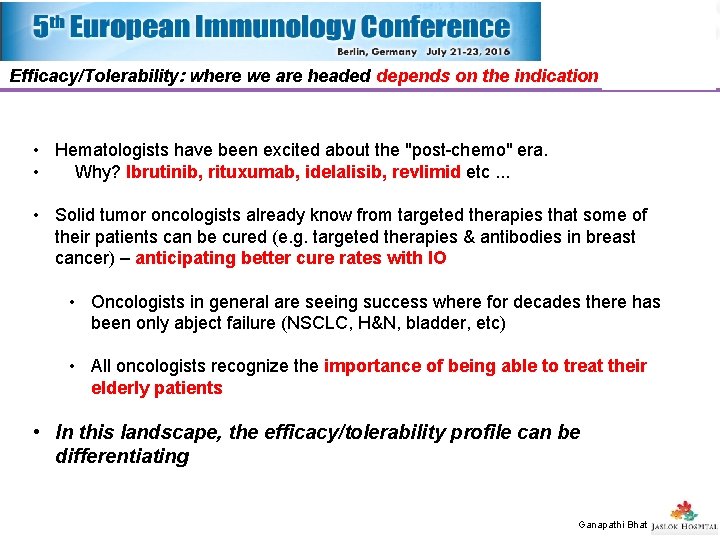
Efficacy/Tolerability: where we are headed depends on the indication • Hematologists have been excited about the "post-chemo" era. • Why? Ibrutinib, rituxumab, idelalisib, revlimid etc. . . • Solid tumor oncologists already know from targeted therapies that some of their patients can be cured (e. g. targeted therapies & antibodies in breast cancer) – anticipating better cure rates with IO • Oncologists in general are seeing success where for decades there has been only abject failure (NSCLC, H&N, bladder, etc) • All oncologists recognize the importance of being able to treat their elderly patients • In this landscape, the efficacy/tolerability profile can be differentiating Ganapathi Bhat 24
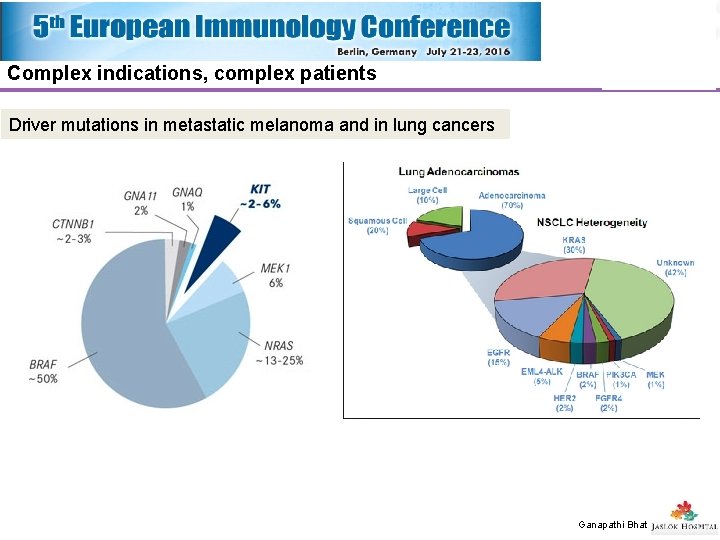
Complex indications, complex patients Driver mutations in metastatic melanoma and in lung cancers Ganapathi Bhat 25
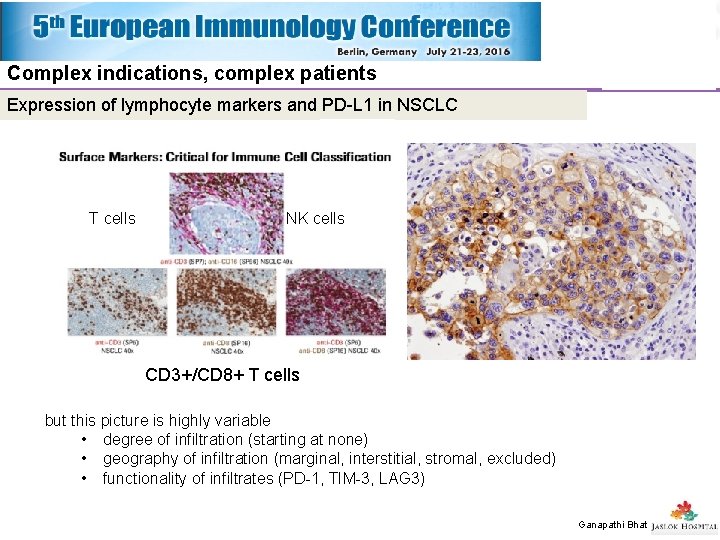
Complex indications, complex patients Expression of lymphocyte markers and PD-L 1 in NSCLC T cells NK cells CD 3+/CD 8+ T cells but this picture is highly variable • degree of infiltration (starting at none) • geography of infiltration (marginal, interstitial, stromal, excluded) • functionality of infiltrates (PD-1, TIM-3, LAG 3) Ganapathi Bhat 26
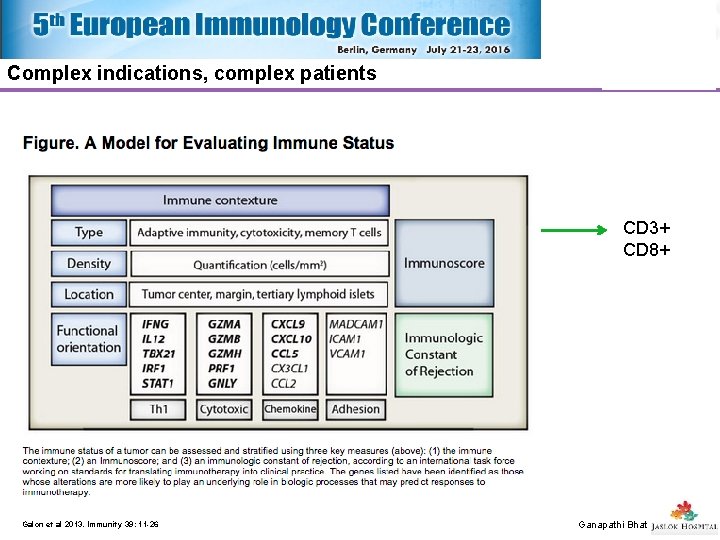
Complex indications, complex patients CD 3+ CD 8+ Galon et al 2013. Immunity 39: 11 -26 Ganapathi Bhat 27
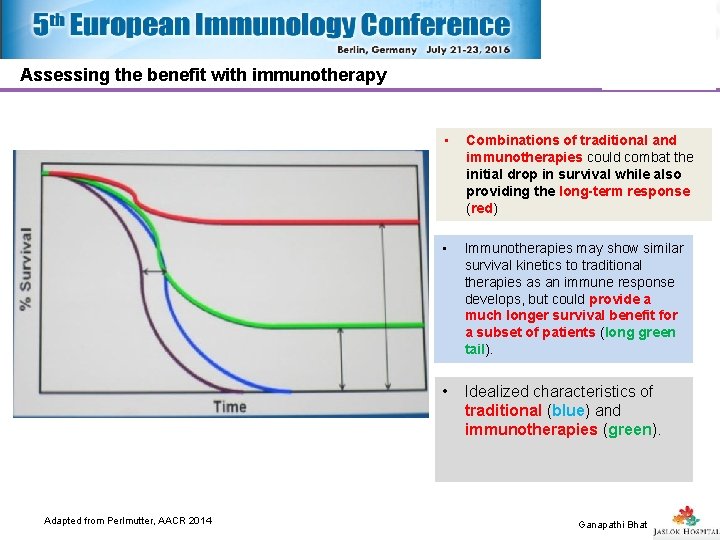
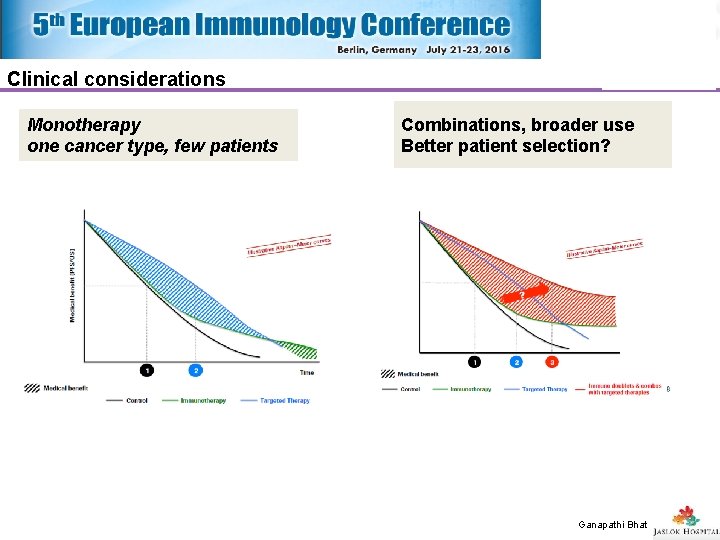
Assessing the benefit with immunotherapy Adapted from Perlmutter, AACR 2014 • Combinations of traditional and immunotherapies could combat the initial drop in survival while also providing the long-term response (red) • Immunotherapies may show similar survival kinetics to traditional therapies as an immune response develops, but could provide a much longer survival benefit for a subset of patients (long green tail). • Idealized characteristics of traditional (blue) and immunotherapies (green). Ganapathi Bhat 28
Clinical considerations Monotherapy one cancer type, few patients Combinations, broader use Better patient selection? Ganapathi Bhat 29
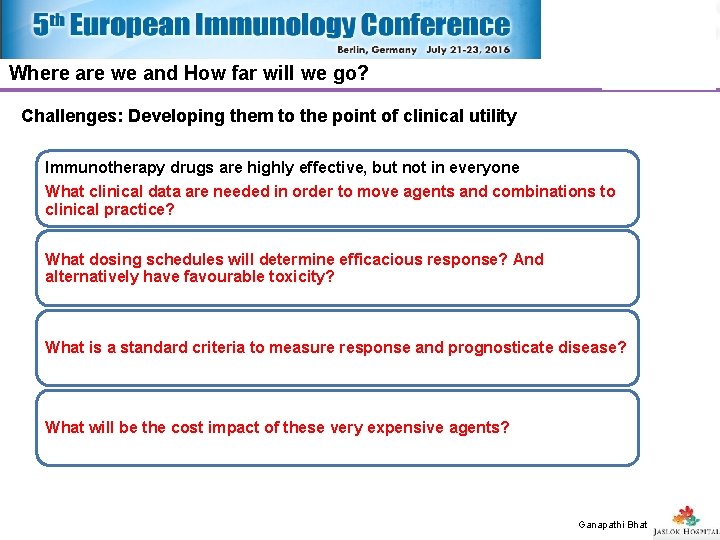
Where are we and How far will we go? Challenges: Developing them to the point of clinical utility Immunotherapy drugs are highly effective, but not in everyone What clinical data are needed in order to move agents and combinations to clinical practice? What dosing schedules will determine efficacious response? And alternatively have favourable toxicity? What is a standard criteria to measure response and prognosticate disease? What will be the cost impact of these very expensive agents? Ganapathi Bhat 30
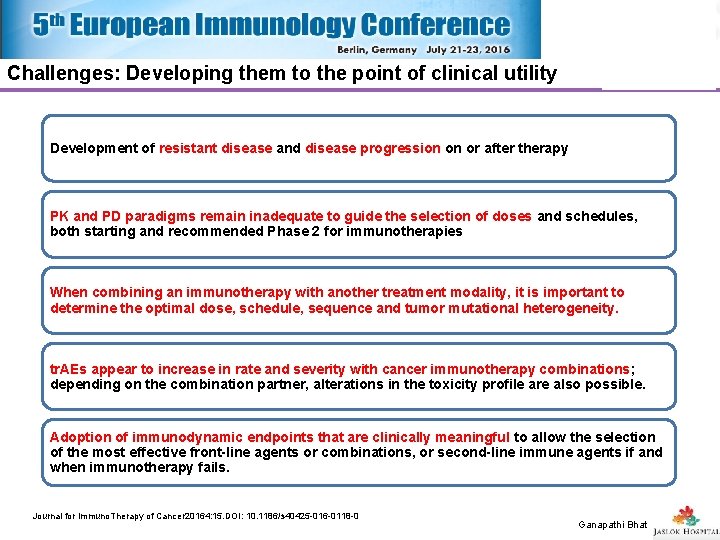
Challenges: Developing them to the point of clinical utility Development of resistant disease and disease progression on or after therapy PK and PD paradigms remain inadequate to guide the selection of doses and schedules, both starting and recommended Phase 2 for immunotherapies When combining an immunotherapy with another treatment modality, it is important to determine the optimal dose, schedule, sequence and tumor mutational heterogeneity. tr. AEs appear to increase in rate and severity with cancer immunotherapy combinations; depending on the combination partner, alterations in the toxicity profile are also possible. Adoption of immunodynamic endpoints that are clinically meaningful to allow the selection of the most effective front-line agents or combinations, or second-line immune agents if and when immunotherapy fails. Journal for Immuno. Therapy of Cancer 20164: 15. DOI: 10. 1186/s 40425 -016 -0118 -0 Ganapathi Bhat 31
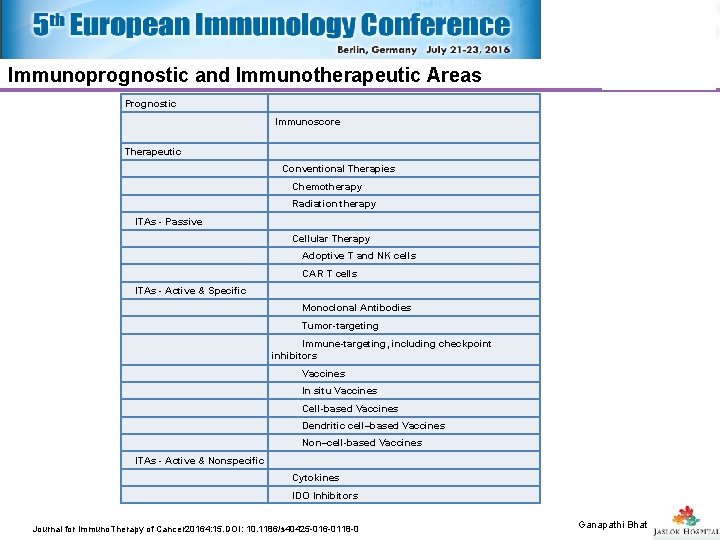
Immunoprognostic and Immunotherapeutic Areas Prognostic Therapeutic Immunoscore Conventional Therapies Chemotherapy Radiation therapy ITAs - Passive Cellular Therapy Adoptive T and NK cells CAR T cells ITAs - Active & Specific Monoclonal Antibodies Tumor-targeting Immune-targeting, including checkpoint inhibitors Vaccines In situ Vaccines Cell-based Vaccines Dendritic cell–based Vaccines Non–cell-based Vaccines ITAs - Active & Nonspecific Cytokines IDO Inhibitors Journal for Immuno. Therapy of Cancer 20164: 15. DOI: 10. 1186/s 40425 -016 -0118 -0 Ganapathi Bhat 32
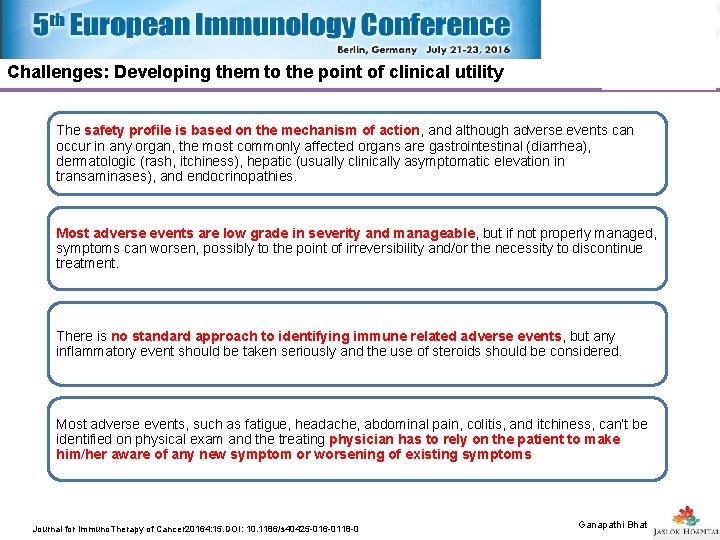
Challenges: Developing them to the point of clinical utility The safety profile is based on the mechanism of action, and although adverse events can occur in any organ, the most commonly affected organs are gastrointestinal (diarrhea), dermatologic (rash, itchiness), hepatic (usually clinically asymptomatic elevation in transaminases), and endocrinopathies. Most adverse events are low grade in severity and manageable, but if not properly managed, symptoms can worsen, possibly to the point of irreversibility and/or the necessity to discontinue treatment. There is no standard approach to identifying immune related adverse events, but any inflammatory event should be taken seriously and the use of steroids should be considered. Most adverse events, such as fatigue, headache, abdominal pain, colitis, and itchiness, can’t be identified on physical exam and the treating physician has to rely on the patient to make him/her aware of any new symptom or worsening of existing symptoms Journal for Immuno. Therapy of Cancer 20164: 15. DOI: 10. 1186/s 40425 -016 -0118 -0 Ganapathi Bhat 33
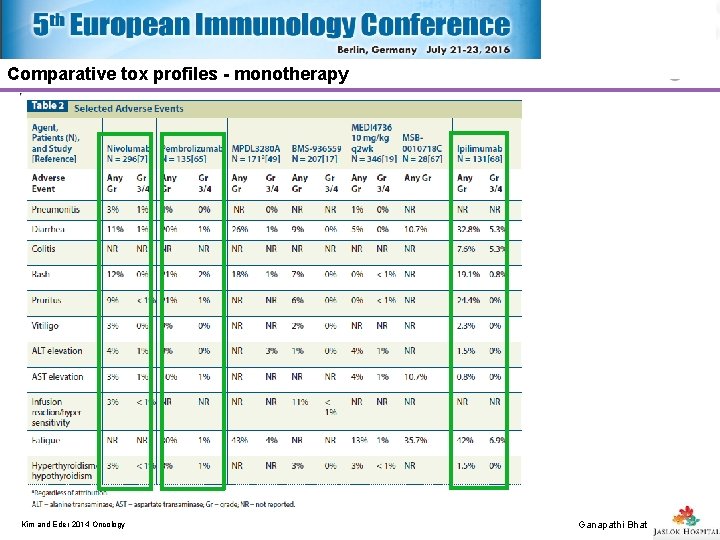
Comparative tox profiles - monotherapy Kim and Eder 2014 Oncology Ganapathi Bhat 34
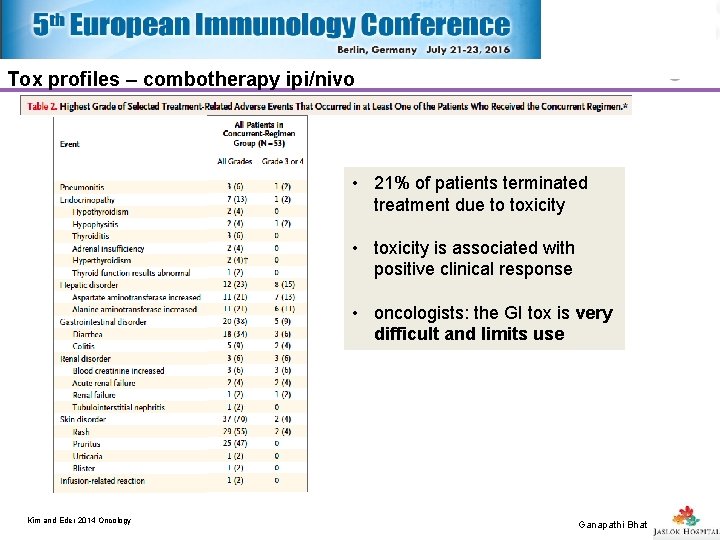
Tox profiles – combotherapy ipi/nivo • 21% of patients terminated treatment due to toxicity • toxicity is associated with positive clinical response • oncologists: the GI tox is very difficult and limits use Kim and Eder 2014 Oncology Ganapathi Bhat 35
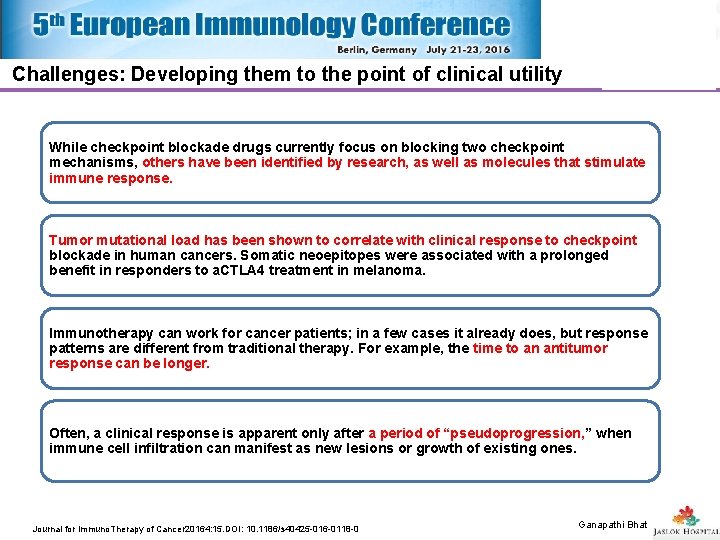
Challenges: Developing them to the point of clinical utility While checkpoint blockade drugs currently focus on blocking two checkpoint mechanisms, others have been identified by research, as well as molecules that stimulate immune response. Tumor mutational load has been shown to correlate with clinical response to checkpoint blockade in human cancers. Somatic neoepitopes were associated with a prolonged benefit in responders to a. CTLA 4 treatment in melanoma. Immunotherapy can work for cancer patients; in a few cases it already does, but response patterns are different from traditional therapy. For example, the time to an antitumor response can be longer. Often, a clinical response is apparent only after a period of “pseudoprogression, ” when immune cell infiltration can manifest as new lesions or growth of existing ones. Journal for Immuno. Therapy of Cancer 20164: 15. DOI: 10. 1186/s 40425 -016 -0118 -0 Ganapathi Bhat 36
Challenges: Developing them to the point of clinical utility • The cost of these agents is staggering—higher than any previous class of cancer treatment • Therefore, payers are seeking better evidence that patients will clearly benefit, which brings the issue back to identifying biomarkers and their potential for predicting success. Journal for Immuno. Therapy of Cancer 20164: 15. DOI: 10. 1186/s 40425 -016 -0118 -0 Ganapathi Bhat 37
Immuno-Oncology- What’s Next • what we want in specific indications: • better response rates • more durable responses • better tolerability • because we are addressing new benchmarks clinical practice is evolving quickly • for preclinical and early clinical programs a critical exercise is to look ahead in an effort to anticipate unmet need in a rapidly changing environment Ganapathi Bhat 38
Summary • The immune system plays a critical role in controlling cancer • Key features of an effective immune response include – Specificity – Adaptability – Durability (immune memory) • Future clinical considerations – May elicit better immune system response if used earlier in disease – Potential for durable clinical effects and synergy with subsequent therapies 1. 2. 3. 4. Dunn GP, Schreiber RD , et al. Nat Rev Immunol. 2006; 6(11): 836 -848. Abbas AK, Lichtman AH. Basic Immunology. 3 rd ed. 2011. Kirkwood JM, Ferrone S, et al. CA Cancer J Clin. 2012; 62(5): 309 -335. Drake CG. Nat Rev Immunol. 2010; 10(8): 580 -593. 5. 6. 7. 8. Vermorken JB, Hitt R, et al. N Engl J Med. 2008; 359(11): 1116 -1127. Slamon DJ, Norton L, et al. N Engl J Med. 2001; 344(11): 783 -792. Robert C, Wolchok JD, et al. N Engl J Med. 2011; 364(26): 2517 -2526. Mercader M, Kwon ED, et al. Proc Natl Acad Sci USA. 2001; 96(25): 14565 -14570. Ganapathi Bhat 39
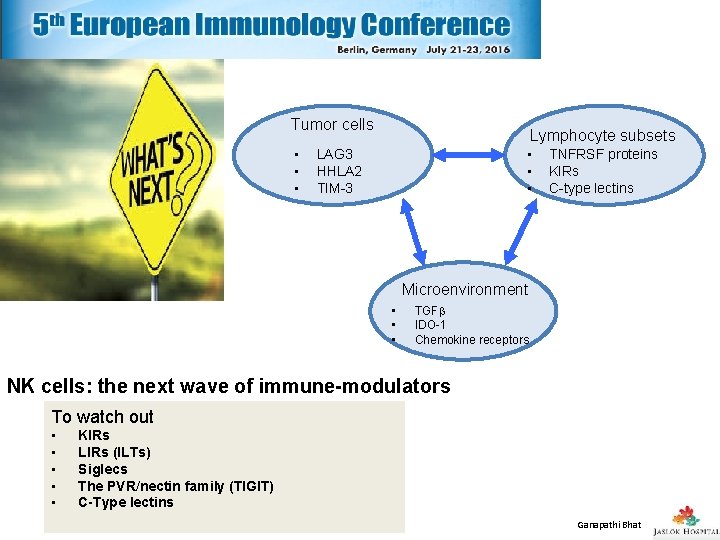
Tumor cells • • • Lymphocyte subsets • • • LAG 3 HHLA 2 TIM-3 TNFRSF proteins KIRs C-type lectins Microenvironment • • • TGFb IDO-1 Chemokine receptors NK cells: the next wave of immune-modulators To watch out • • • KIRs LIRs (ILTs) Siglecs The PVR/nectin family (TIGIT) C-Type lectins Ganapathi Bhat
Moving ahead • The optimal efficacy/tolerability paradigm will impact more and more indications as therapeutics are successful • Niche indications with high unmet need allow access to this remarkably competitive landscape • Novel interrogation points to drive differentiation: • T cells: effectors and Tregs • NK cells • The tumor microenvironment • The tumor itself Ganapathi Bhat
Ganapathi Bhat