
University of Washington EMBA Program Marketing Management Badvertising
University of Washington EMBA Program Marketing Management “Badvertising & Budgeting” (Promotions!) Instructor: Elizabeth Stearns
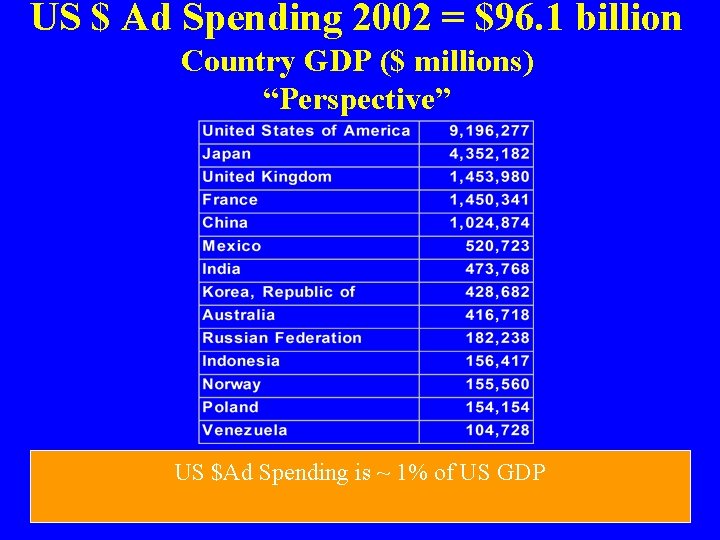
US $ Ad Spending 2002 = $96. 1 billion Country GDP ($ millions) “Perspective” US $Ad Spending is ~ 1% of US GDP
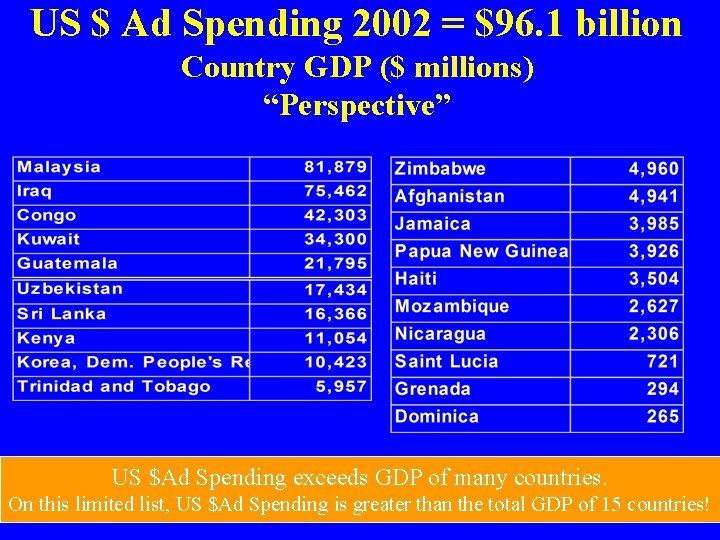
US $ Ad Spending 2002 = $96. 1 billion Country GDP ($ millions) “Perspective” US $Ad Spending exceeds GDP of many countries. On this limited list, US $Ad Spending is greater than the total GDP of 15 countries!
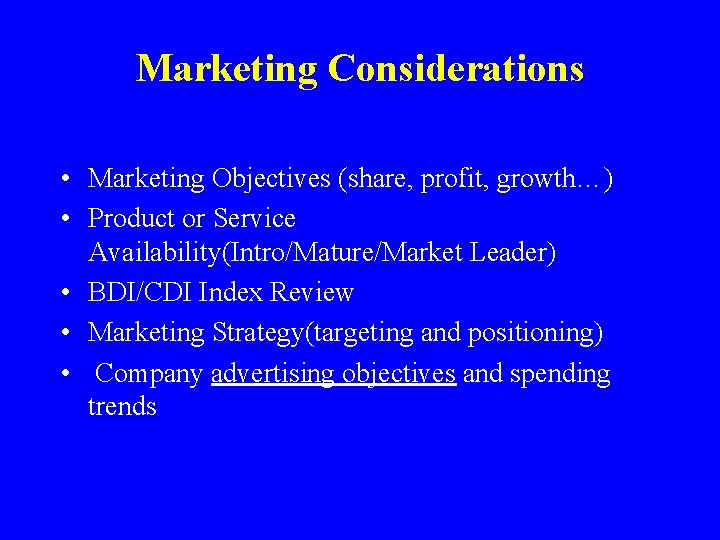
Marketing Considerations • Marketing Objectives (share, profit, growth…) • Product or Service Availability(Intro/Mature/Market Leader) • BDI/CDI Index Review • Marketing Strategy(targeting and positioning) • Company advertising objectives and spending trends
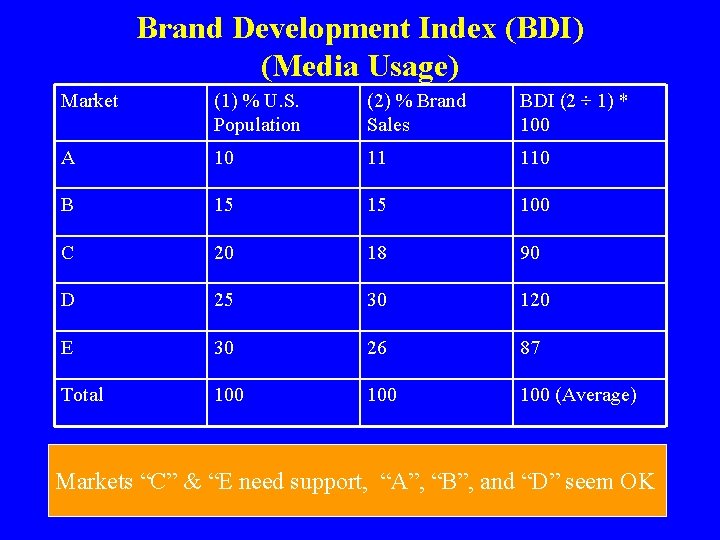
Brand Development Index (BDI) (Media Usage) Market (1) % U. S. Population (2) % Brand Sales BDI (2 ÷ 1) * 100 A 10 11 110 B 15 15 100 C 20 18 90 D 25 30 120 E 30 26 87 Total 100 100 (Average) Markets “C” & “E need support, “A”, “B”, and “D” seem OK
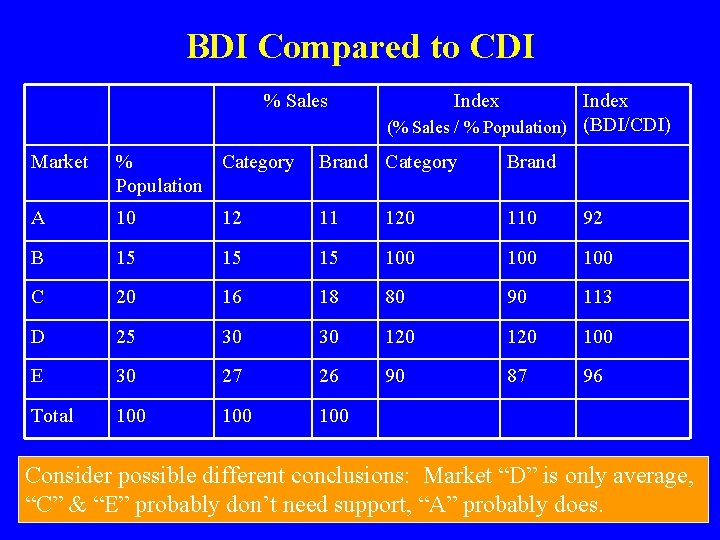
BDI Compared to CDI % Sales Index (% Sales / % Population) (BDI/CDI) Market % Category Population Brand Category Brand A 10 12 11 120 110 92 B 15 15 15 100 100 C 20 16 18 80 90 113 D 25 30 30 120 100 E 30 27 26 90 87 96 Total 100 100 Consider possible different conclusions: Market “D” is only average, “C” & “E” probably don’t need support, “A” probably does.
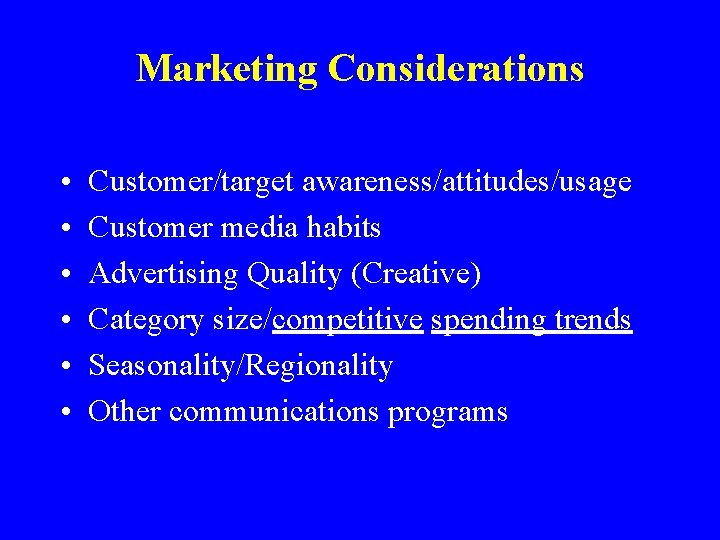
Marketing Considerations • • • Customer/target awareness/attitudes/usage Customer media habits Advertising Quality (Creative) Category size/competitive spending trends Seasonality/Regionality Other communications programs
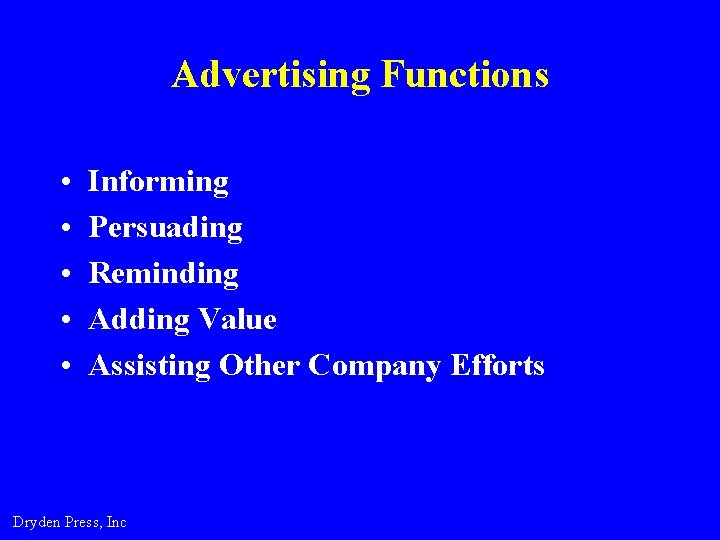
Advertising Functions • • • Informing Persuading Reminding Adding Value Assisting Other Company Efforts Dryden Press, Inc
“Language” • • • Introduce Create awareness (inform) Maintain/change/enhance attitudes Reinforce behavior Convince
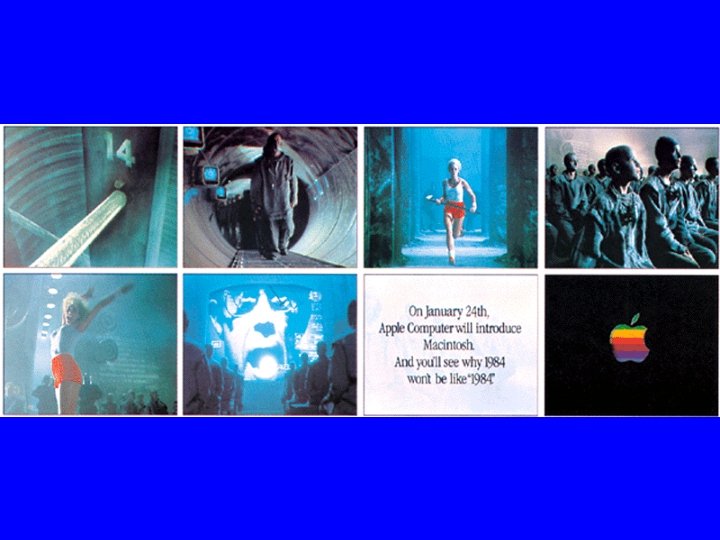

Awareness
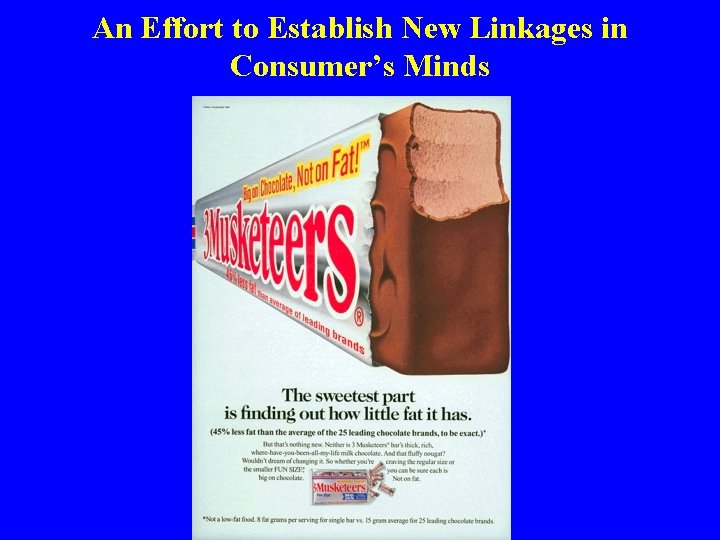
An Effort to Establish New Linkages in Consumer’s Minds
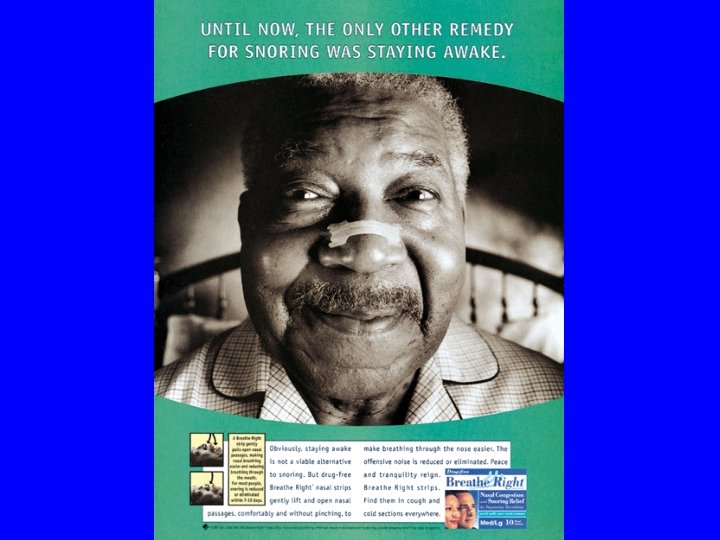
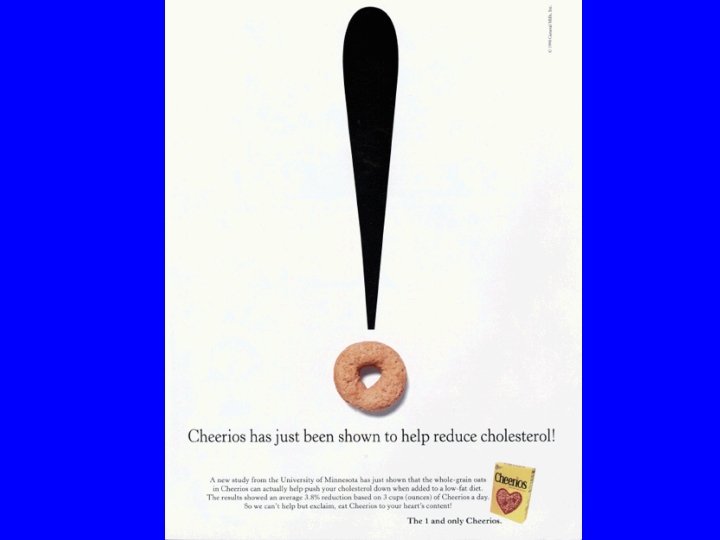
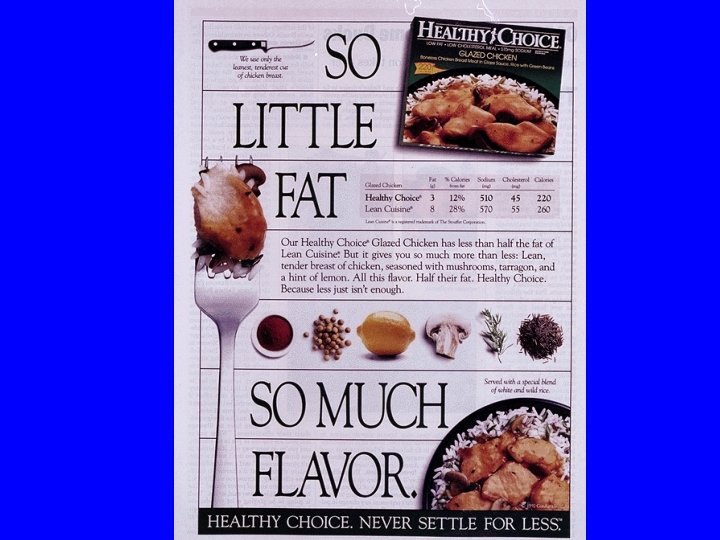
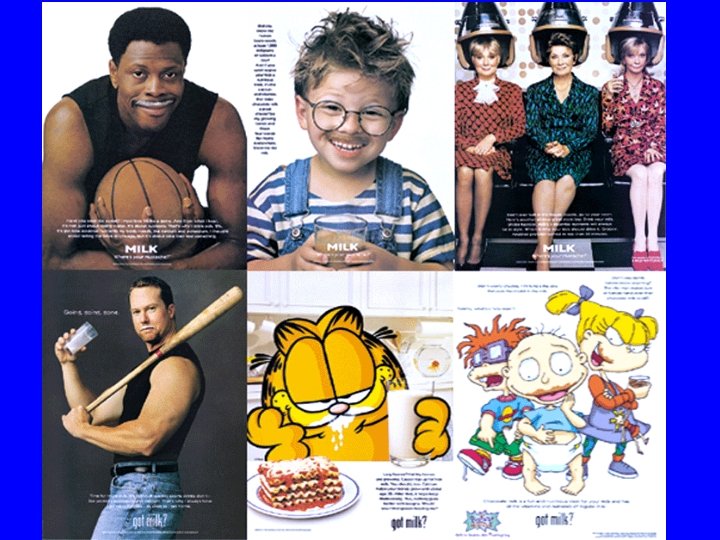
Attitude Change Strategies 1. To influence consumers’ brand-related beliefs 2. To influence existing evaluations - getting consumers to reassess 3. To get consumers to add an entirely new outcome into existing beliefs



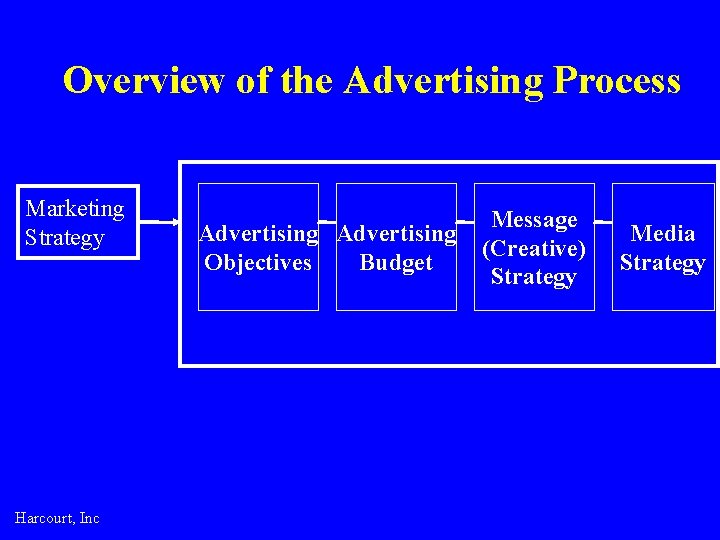
Overview of the Advertising Process Marketing Strategy Harcourt, Inc Advertising Objectives Budget Message (Creative) Strategy Media Strategy
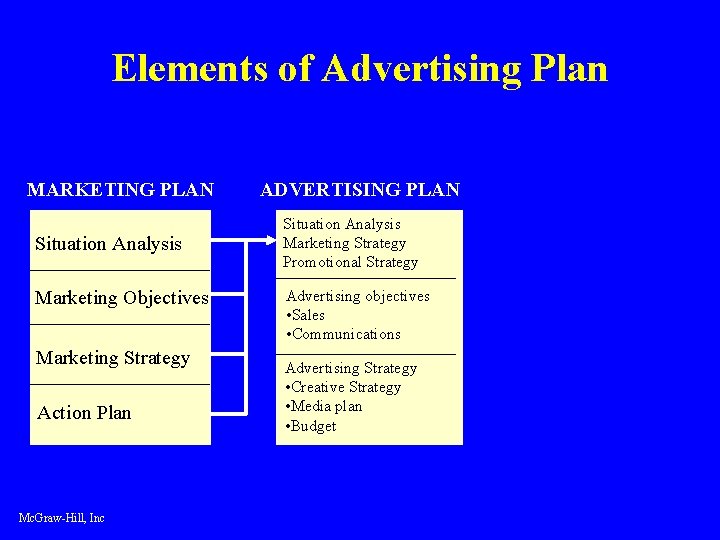
Elements of Advertising Plan MARKETING PLAN Situation Analysis Marketing Objectives Marketing Strategy Action Plan Mc. Graw-Hill, Inc ADVERTISING PLAN Situation Analysis Marketing Strategy Promotional Strategy Advertising objectives • Sales • Communications Advertising Strategy • Creative Strategy • Media plan • Budget
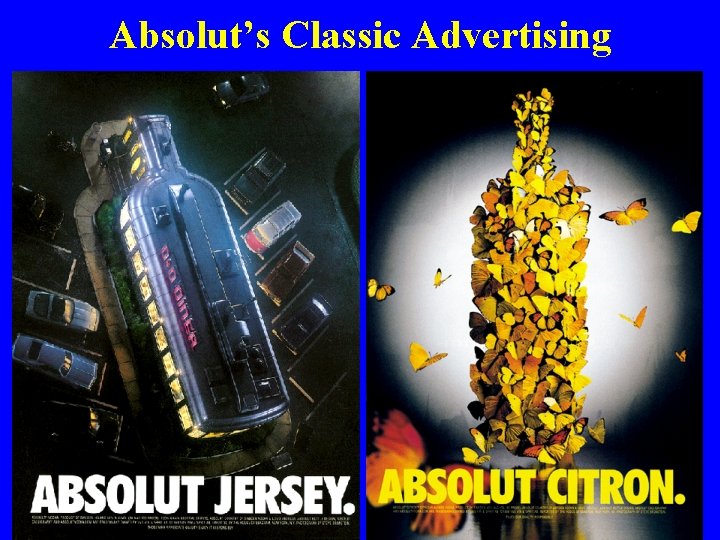
Absolut’s Classic Advertising
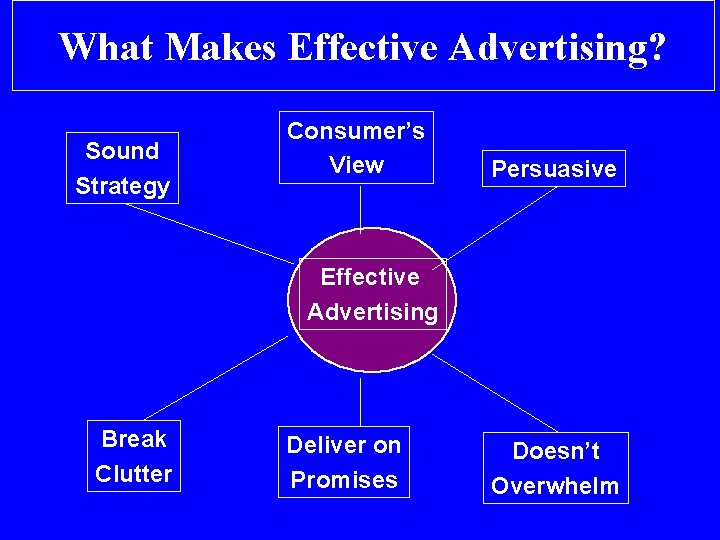
What Makes Effective Advertising? Sound Strategy Consumer’s View Persuasive Effective Advertising Break Clutter Deliver on Promises Doesn’t Overwhelm
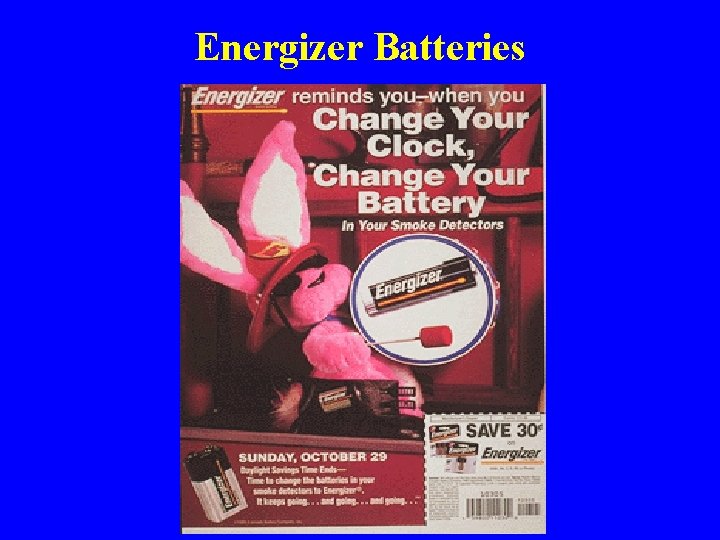
Energizer Batteries
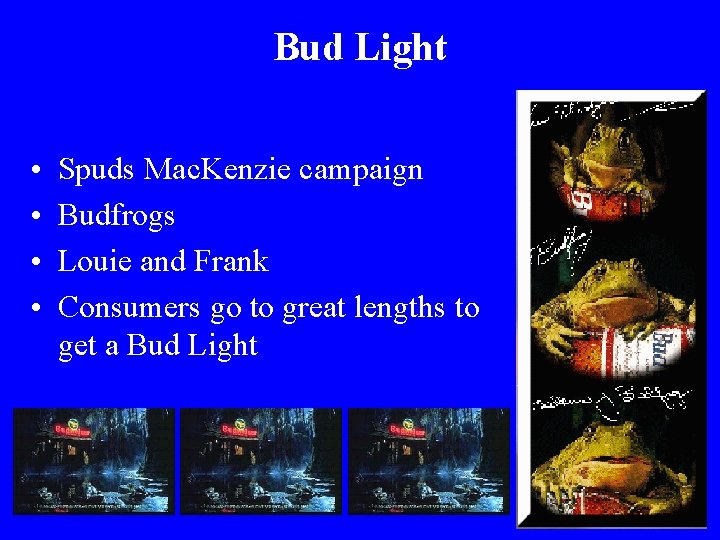
Bud Light • • Spuds Mac. Kenzie campaign Budfrogs Louie and Frank Consumers go to great lengths to get a Bud Light
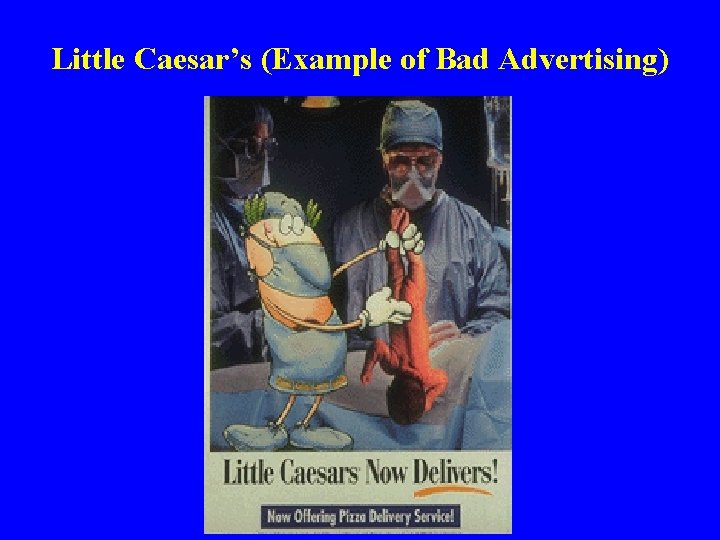
Little Caesar’s (Example of Bad Advertising)
Advertising Strategy An advertising message that communicates the brand’s primary benefits or how it can solve a consumer’s problem
Advertising Plan Provides the framework for systematic execution of advertising strategies
Creating an Advertising Strategy/Plan 1. Specify the key fact. 2. State the marketing problem. 3. State the communications objective. 4. Implement the creative message strategy. 5. Establish mandatory corporate / divisional requirements.
Step 1… Key Fact: A single-minded statement from the customer’s points of view that identifies why consumers are or are not purchasing the brand

Step 2… State the problem from the marketer’s point of view
Step 3… Communications Objective: What effect the advertising is intended to have on the target market and how it should persuade consumers
Step 4… Implement the creative message strategy: • Define the target market • Identify the primary competition • Choose the promise • Offer reasons why
Step 5… Establish mandatory corporate/divisional requirements • Relatively technical and uncreative • It reminds the advertiser to include the corporate slogan or logo, any regulatory requirements and so on
Alternative Creative Strategies • • Generic Preemptive Unique Selling Proposition Brand Image Positioning Resonance Emotional
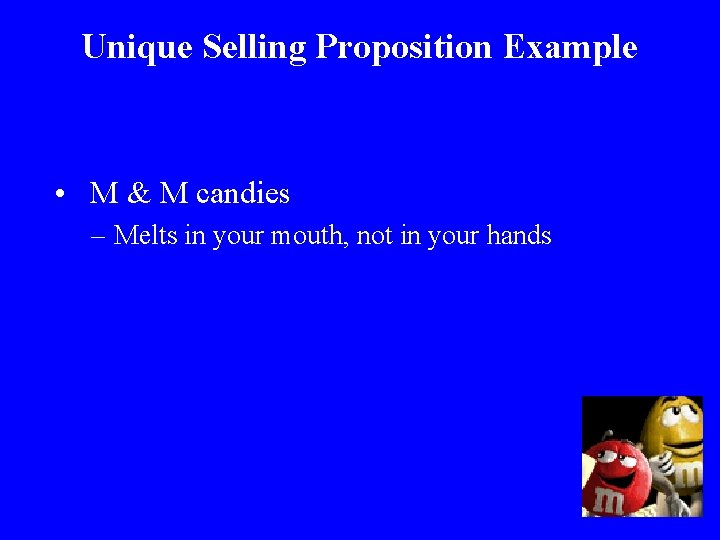
Unique Selling Proposition Example • M & M candies – Melts in your mouth, not in your hands
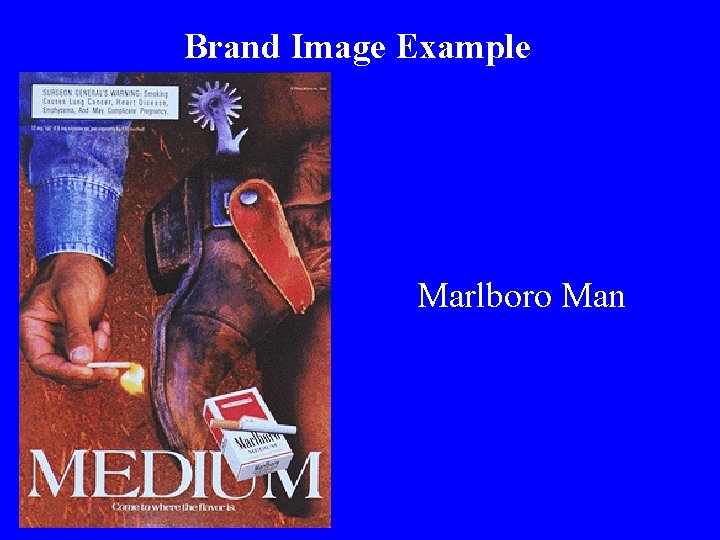
Brand Image Example Marlboro Man
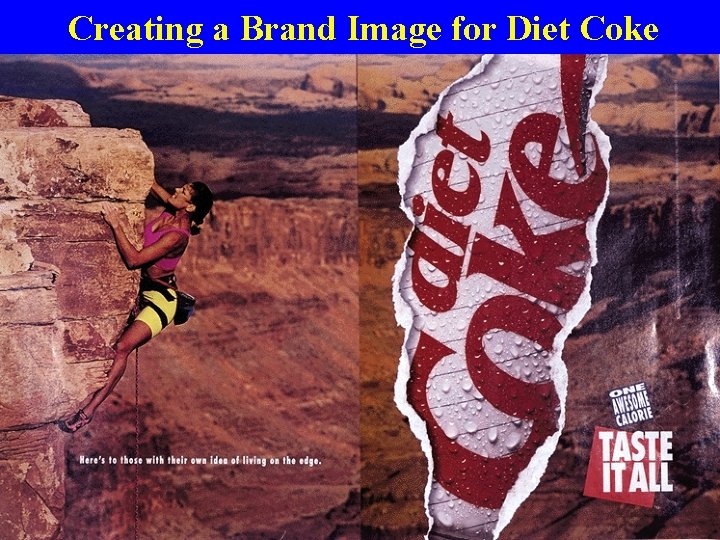
Creating a Brand Image for Diet Coke
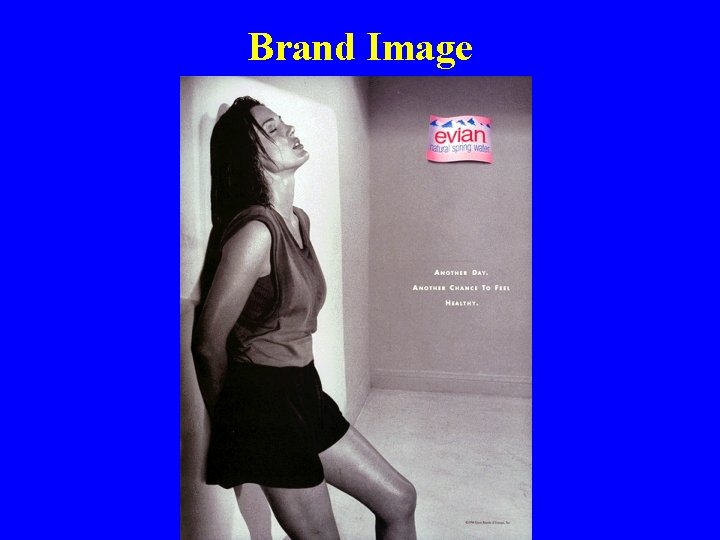
Brand Image

Alternative Creative Strategies: Positioning • Product characteristics - Miller’s cold filtering • Price-quality relationship - Sears as family oriented • Use or application - IBM PCs for desktop publishing • Product user - Busch as the working man’s beer • Product category - Domestic versus Foreign wines • Cultural symbols - Red, white, and blue • Competitor - Avis positioning as # 2
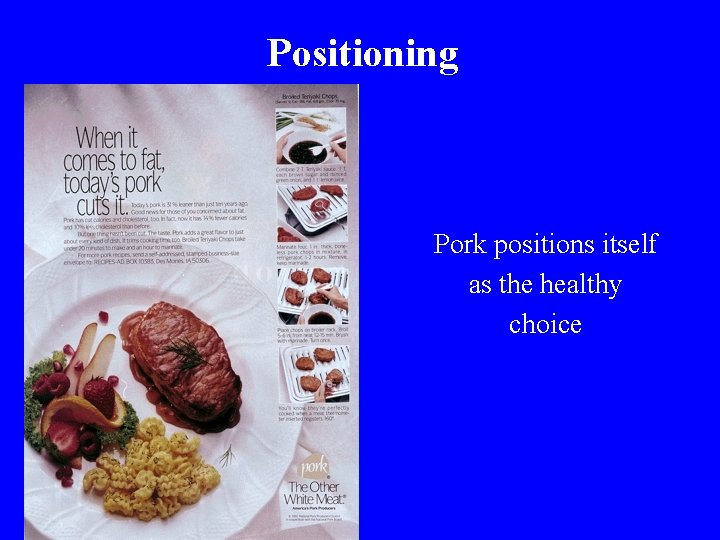
Positioning Pork positions itself as the healthy choice
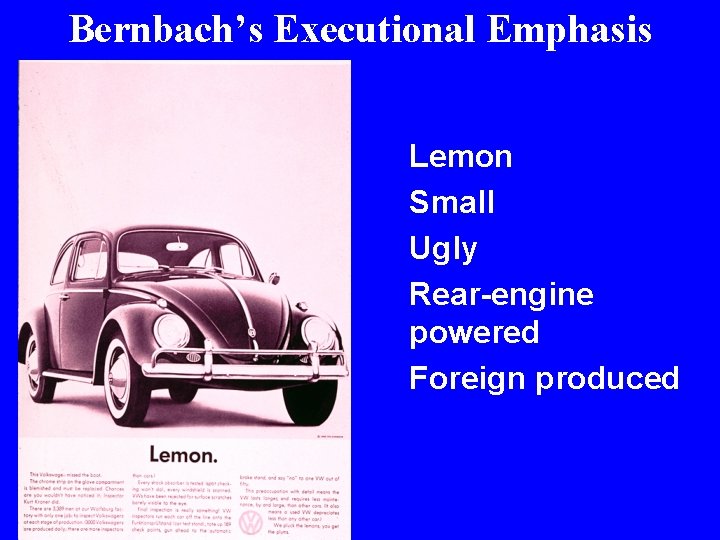
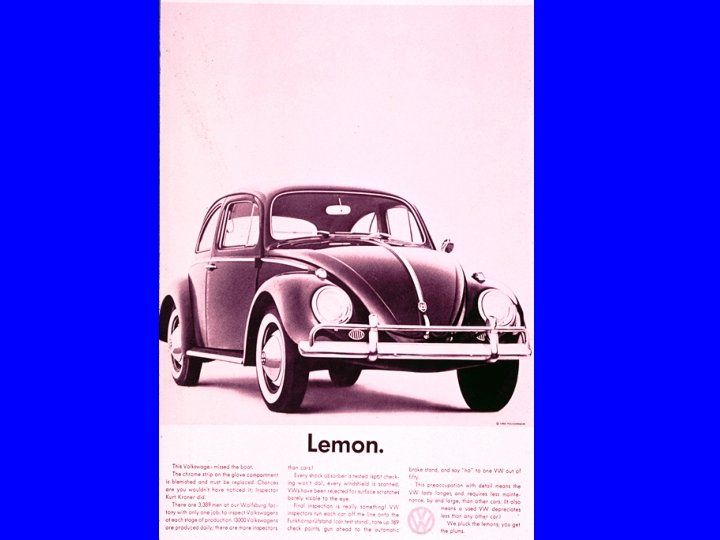
Bernbach’s Executional Emphasis Lemon Small Ugly Rear-engine powered Foreign produced
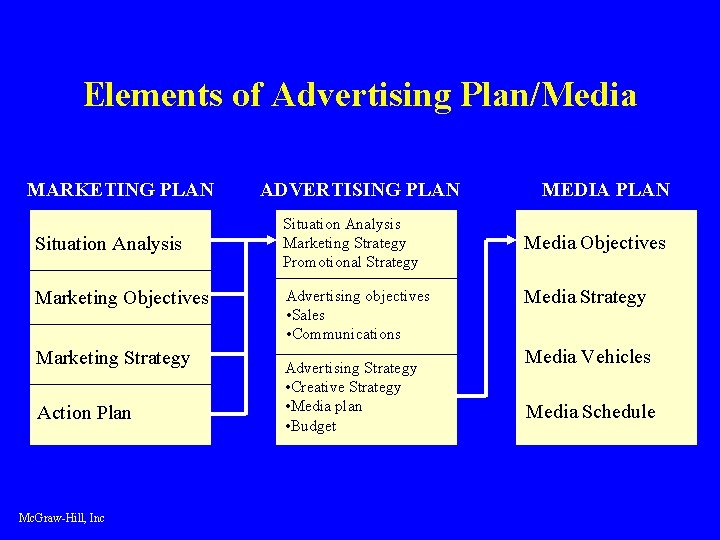
Elements of Advertising Plan/Media MARKETING PLAN Situation Analysis Marketing Objectives Marketing Strategy Action Plan Mc. Graw-Hill, Inc ADVERTISING PLAN Situation Analysis Marketing Strategy Promotional Strategy Advertising objectives • Sales • Communications Advertising Strategy • Creative Strategy • Media plan • Budget MEDIA PLAN Media Objectives Media Strategy Media Vehicles Media Schedule
Media is the throttle • • • Media Objectives Media Strategies(Positioning/Targeting) Media Vehicles Planning (pulsing/continuity/flighting) Budgeting
Basic Concepts • • Reach and Frequency GRP’s/Impressions Planning & Buying Media Mix Efficiency and Effectiveness Measurement Testing
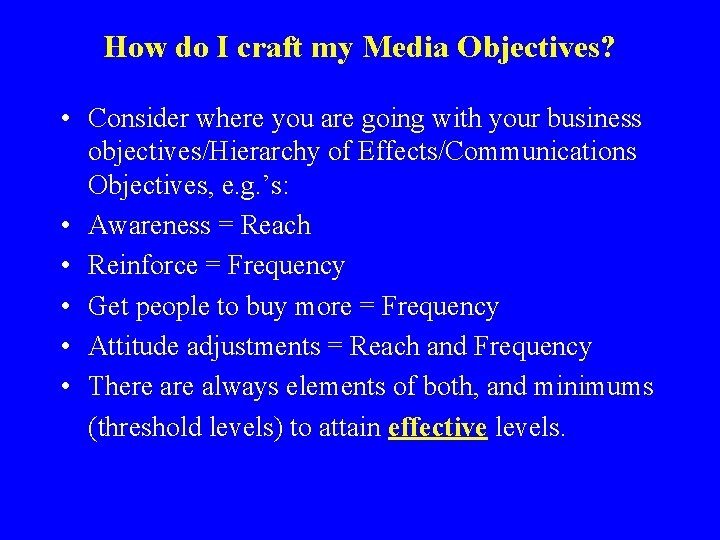
How do I craft my Media Objectives? • Consider where you are going with your business objectives/Hierarchy of Effects/Communications Objectives, e. g. ’s: • Awareness = Reach • Reinforce = Frequency • Get people to buy more = Frequency • Attitude adjustments = Reach and Frequency • There always elements of both, and minimums (threshold levels) to attain effective levels.
Media Vehicles Reach or Frequency? • Reach: – Network Television – Cable Television – only a few CNN, TBS, ESPN – National Radio – Horizontal Magazines – large circulation, varied audiences (TV Guide, Readers Digest, Newsweek, Time, People) – National Newspapers (USA Today, WSJ)
Media Vehicles Reach or Frequency? • Frequency – Spot Television – Cable Television (used to fill in a Network Buy – usually more upscale) – Spot Radio – Vertical Magazines – select audiences, smaller circulation, run more frequently in them (Scientific American, Runners World, Tennis, Skiing, Inc) – Local Newspapers – Outdoor (passing by constantly – same road, same people)
Media Vehicles Reach or Frequency? • All vehicles are both!! An advertiser can build reach with a frequency vehicle and can increase frequency with a reach vehicle. However…. • Reach vehicles are typically more expensive in terms of out of pocket. (they reach more people). • Frequency vehicles, while less expensive (even if you run a lot!) will never deliver all the target required! (inappropriate target/region) • Therefore it is better to use media appropriate to the task - efficiency. And to fill in with other.
Media Vehicles Reach or Frequency? • Internet: that depends with whom you speak! • It is the ultimate Direct Marketing medium, and as such evaluated differently. • Banner advertising on the internet is more a reach vehicle. But its cost is still relatively low, and frequency is possible • Email on the internet is more DM, and as sites are charging more for better targeting, creates more value for one-to-one capability
Media Planning Involves the process of designing a scheduling plan that shows how advertising time and space will contribute to the achievement of marketing objectives
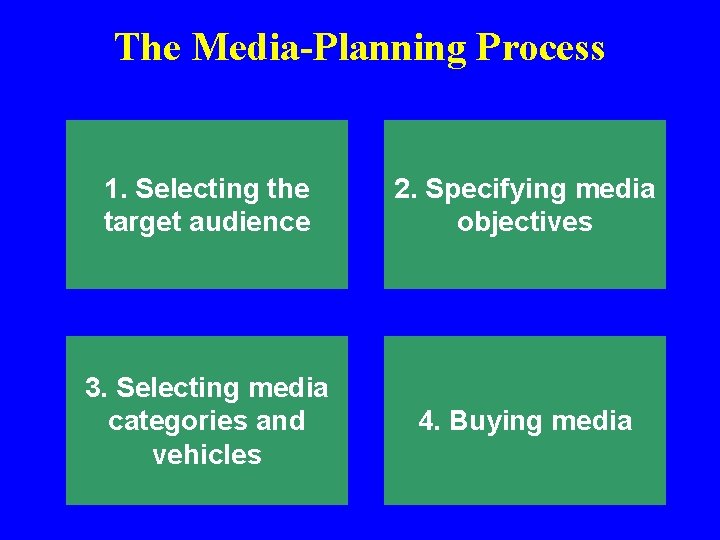
The Media-Planning Process 1. Selecting the target audience 2. Specifying media objectives 3. Selecting media categories and vehicles 4. Buying media
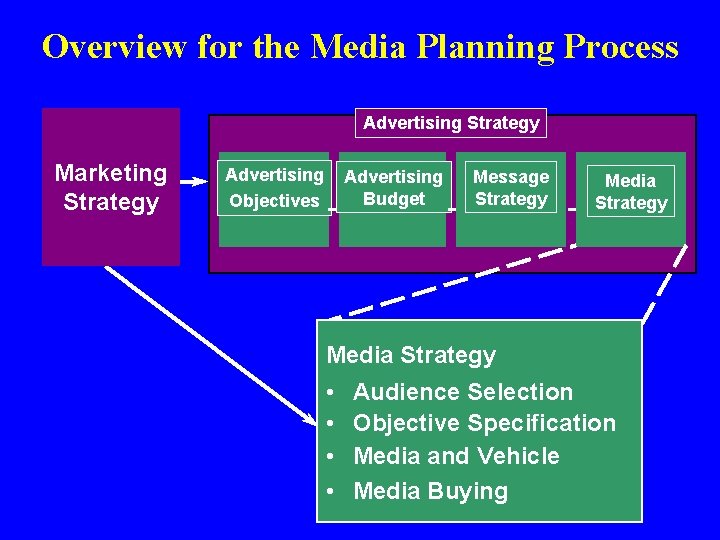
Overview for the Media Planning Process Advertising Strategy Marketing Strategy Advertising Objectives Advertising Budget Message Strategy Media Strategy • • Audience Selection Objective Specification Media and Vehicle Media Buying
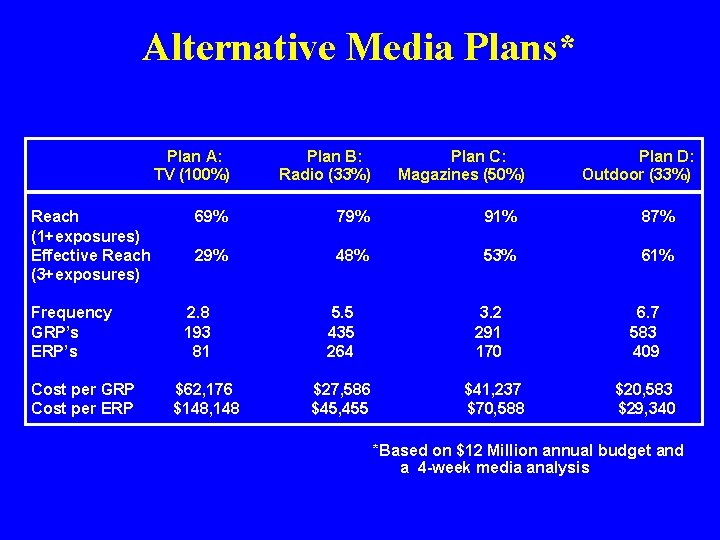
Alternative Media Plans* Reach (1+exposures) Effective Reach (3+exposures) Frequency GRP’s ERP’s Cost per GRP Cost per ERP Plan A: TV (100%) Plan B: Radio (33%) 69% 79% 91% 87% 29% 48% 53% 61% 2. 8 193 81 $62, 176 $148, 148 5. 5 435 264 $27, 586 $45, 455 Plan C: Magazines (50%) 3. 2 291 170 $41, 237 $70, 588 Plan D: Outdoor (33%) 6. 7 583 409 $20, 583 $29, 340 *Based on $12 Million annual budget and a 4 -week media analysis
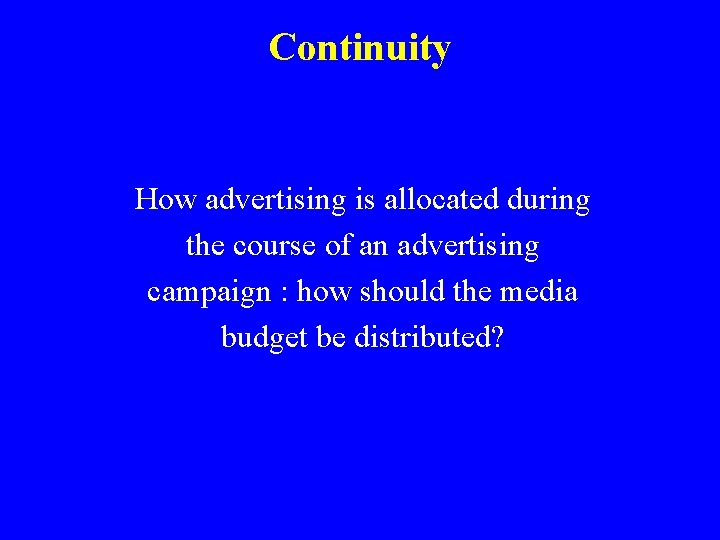
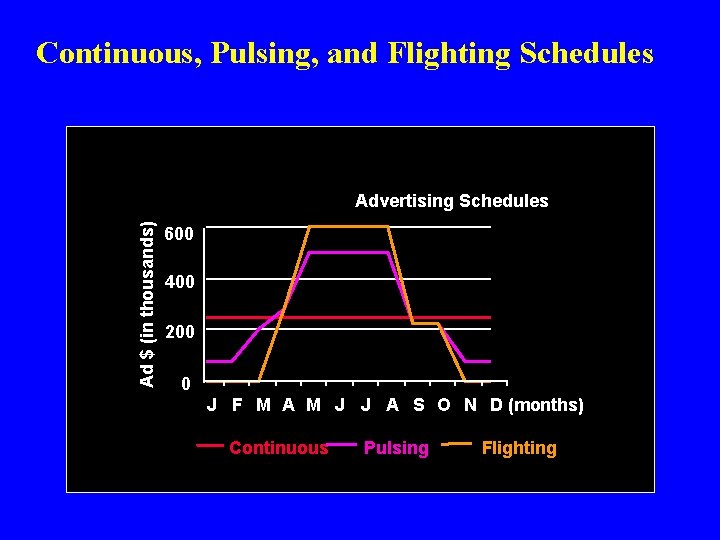
Continuity How advertising is allocated during the course of an advertising campaign : how should the media budget be distributed?
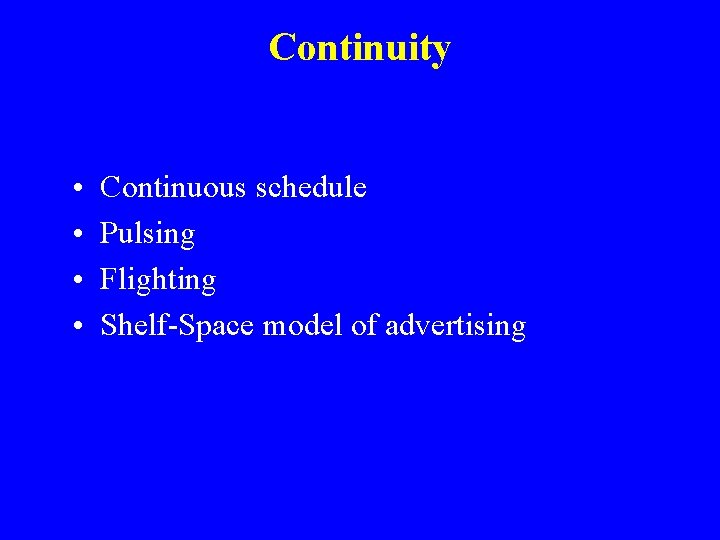
Continuity • • Continuous schedule Pulsing Flighting Shelf-Space model of advertising
Continuous, Pulsing, and Flighting Schedules Ad $ (in thousands) Advertising Schedules 600 400 200 0 J F M A M J J A S O N D (months) Continuous Pulsing Flighting
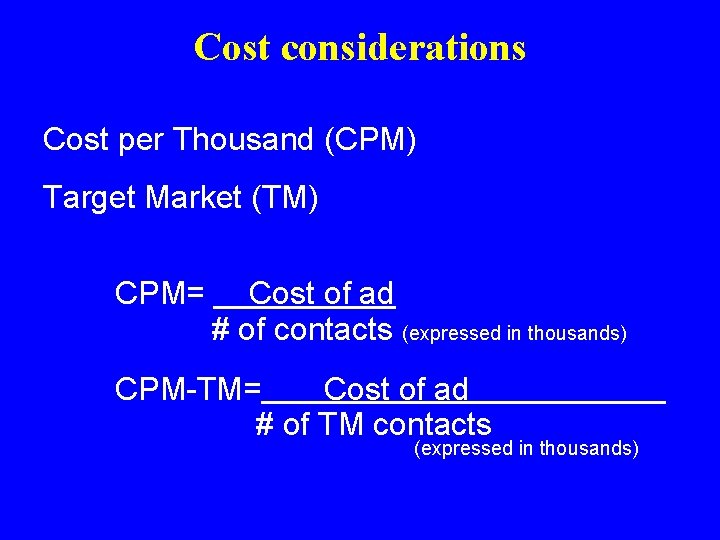
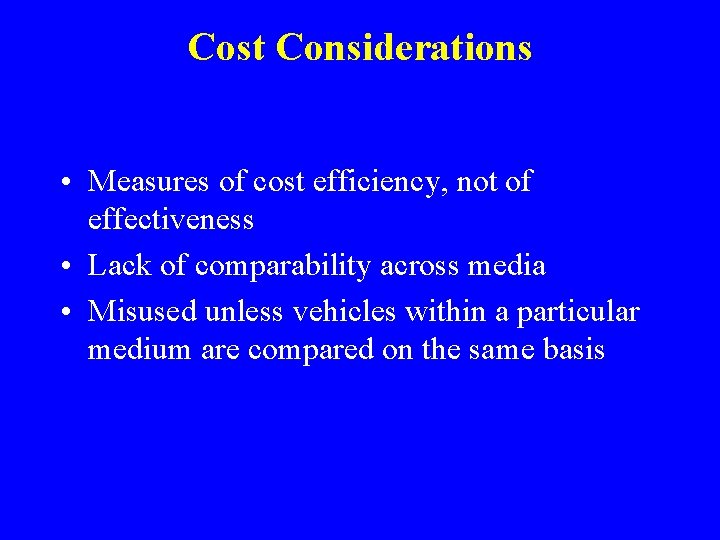
Cost Considerations The cost of reaching 1, 000 members of the target audience, excluding those people who fall outside the target market
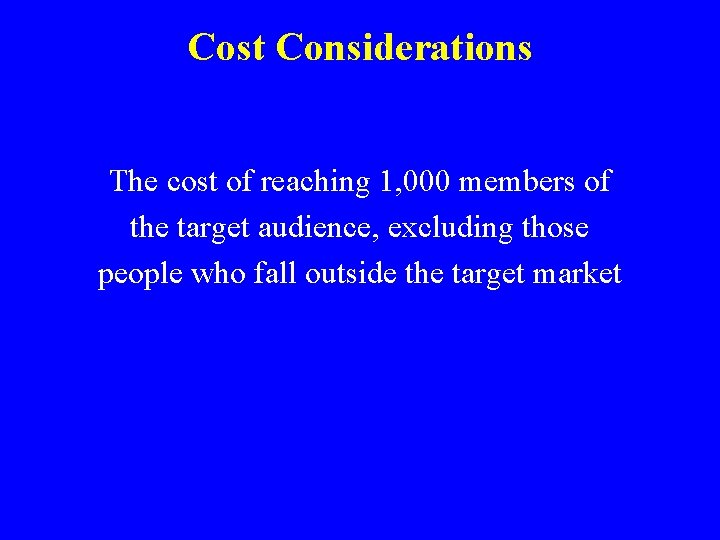
Cost considerations Cost per Thousand (CPM) Target Market (TM) CPM= Cost of ad # of contacts (expressed in thousands) CPM-TM= Cost of ad # of TM contacts (expressed in thousands)
Cost Considerations • Measures of cost efficiency, not of effectiveness • Lack of comparability across media • Misused unless vehicles within a particular medium are compared on the same basis
Budgeting
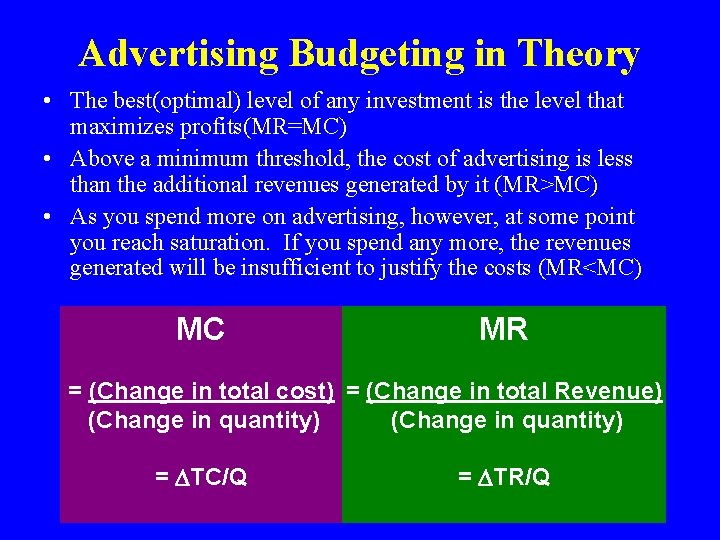
Advertising Budgeting in Theory • The best(optimal) level of any investment is the level that maximizes profits(MR=MC) • Above a minimum threshold, the cost of advertising is less than the additional revenues generated by it (MR>MC) • As you spend more on advertising, however, at some point you reach saturation. If you spend any more, the revenues generated will be insufficient to justify the costs (MR<MC) MC MR = (Change in total cost) = (Change in total Revenue) (Change in quantity) = TC/Q = TR/Q
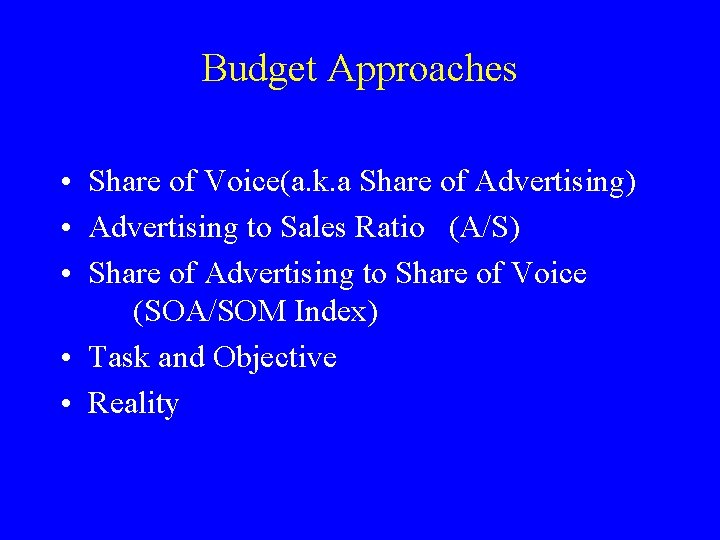
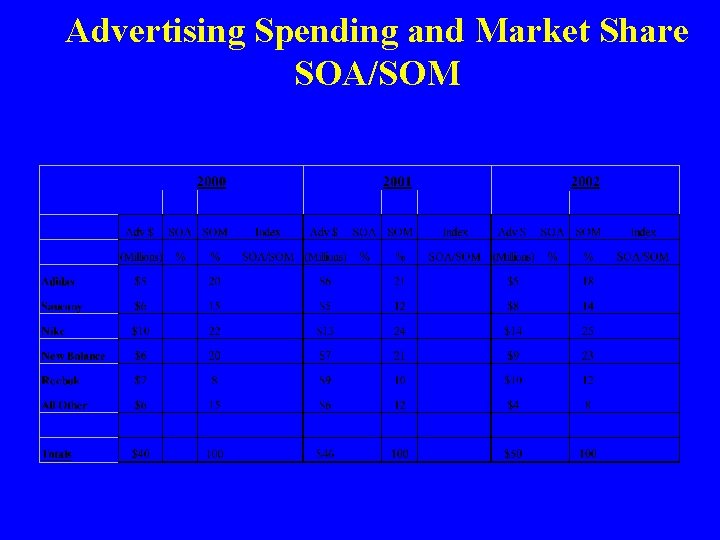
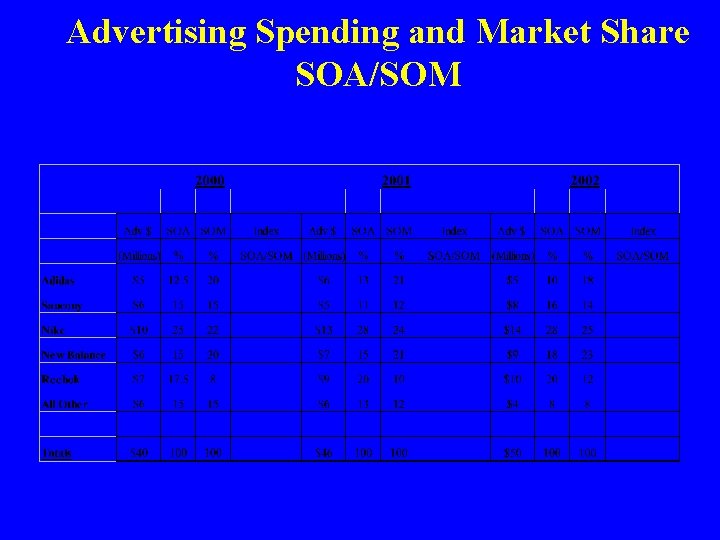
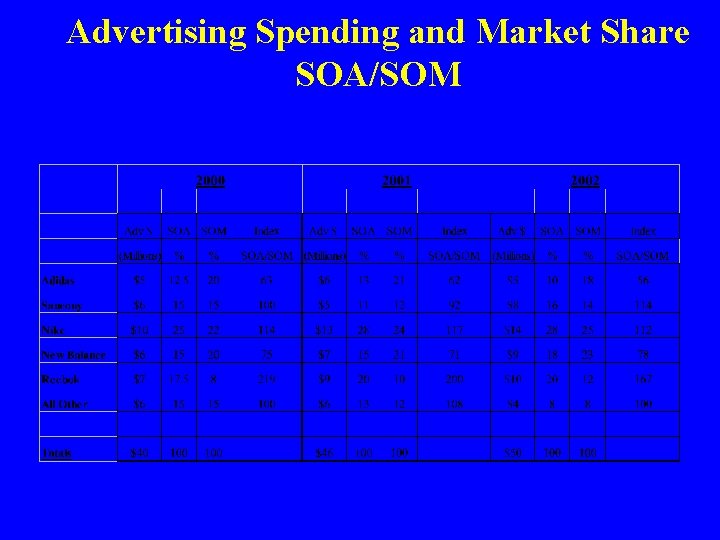
Budget Approaches • Share of Voice(a. k. a Share of Advertising) • Advertising to Sales Ratio (A/S) • Share of Advertising to Share of Voice (SOA/SOM Index) • Task and Objective • Reality
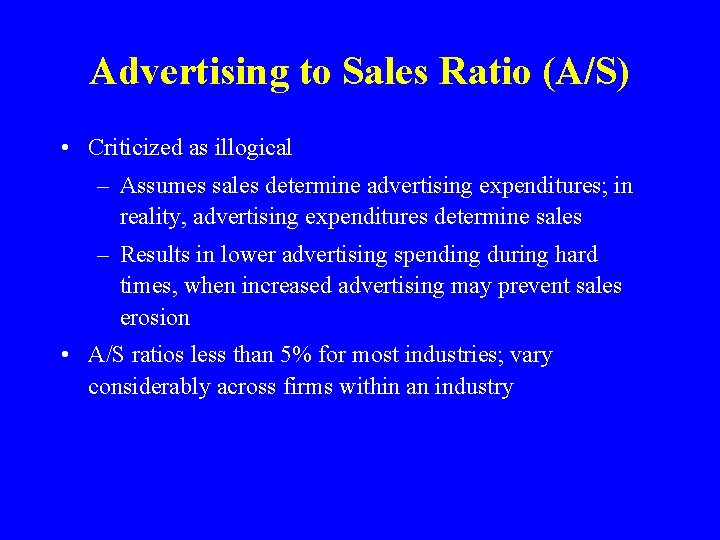
Advertising to Sales Ratio (A/S) • Criticized as illogical – Assumes sales determine advertising expenditures; in reality, advertising expenditures determine sales – Results in lower advertising spending during hard times, when increased advertising may prevent sales erosion • A/S ratios less than 5% for most industries; vary considerably across firms within an industry
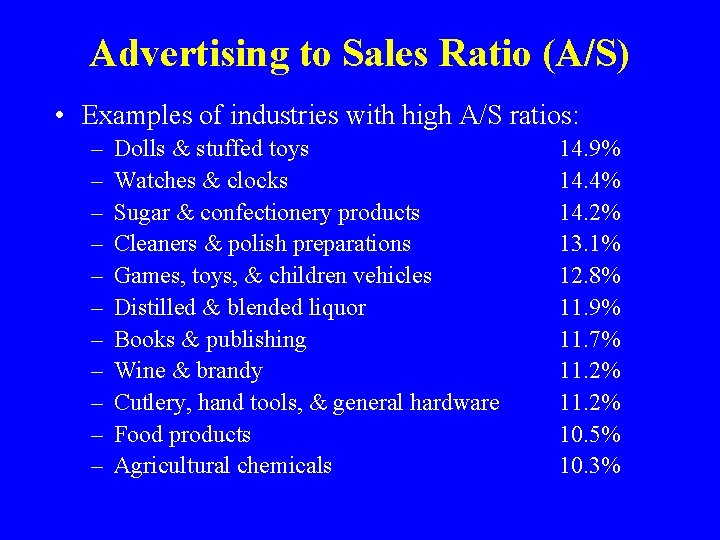
Advertising to Sales Ratio (A/S) • Examples of industries with high A/S ratios: – – – Dolls & stuffed toys Watches & clocks Sugar & confectionery products Cleaners & polish preparations Games, toys, & children vehicles Distilled & blended liquor Books & publishing Wine & brandy Cutlery, hand tools, & general hardware Food products Agricultural chemicals 14. 9% 14. 4% 14. 2% 13. 1% 12. 8% 11. 9% 11. 7% 11. 2% 10. 5% 10. 3%
Advertising Spending and Market Share SOA/SOM
Advertising Spending and Market Share SOA/SOM
Advertising Spending and Market Share SOA/SOM
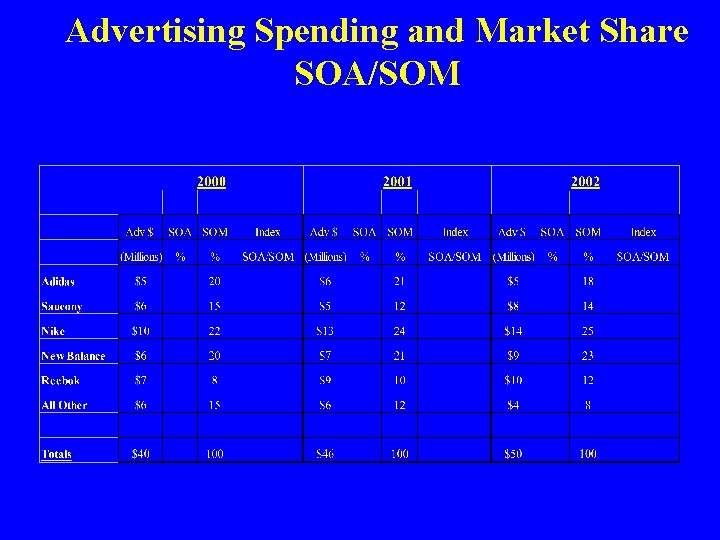
Advertising Spending and Market Share SOA/SOM
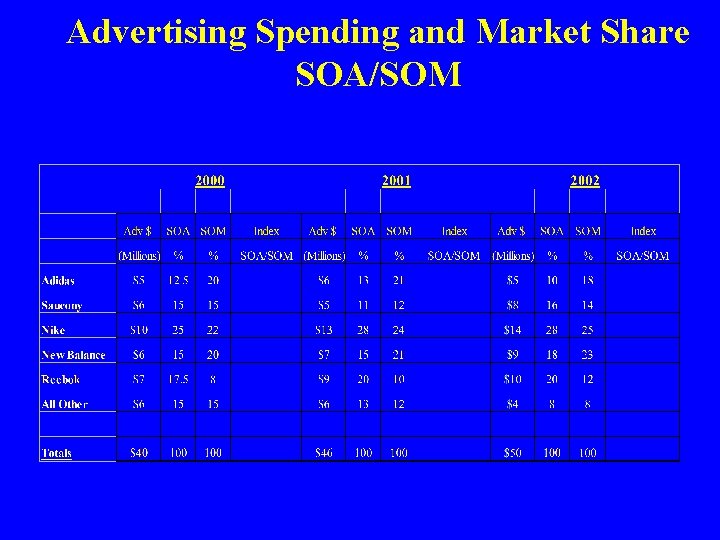
Advertising Spending and Market Share SOA/SOM
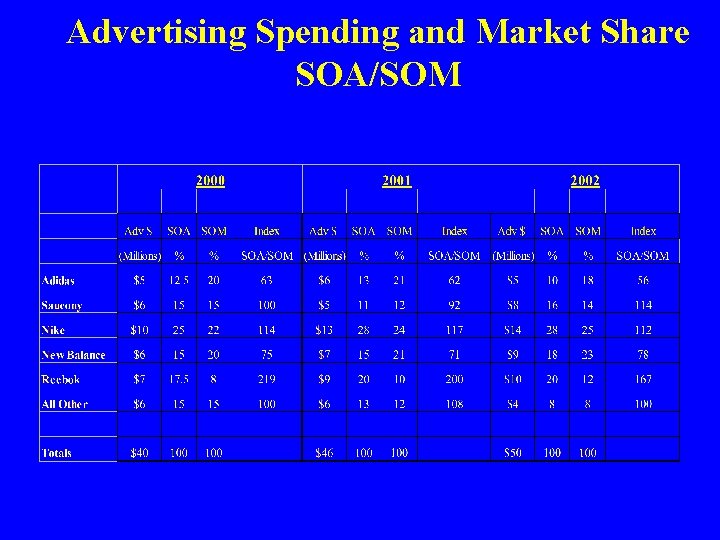
Advertising Spending and Market Share SOA/SOM
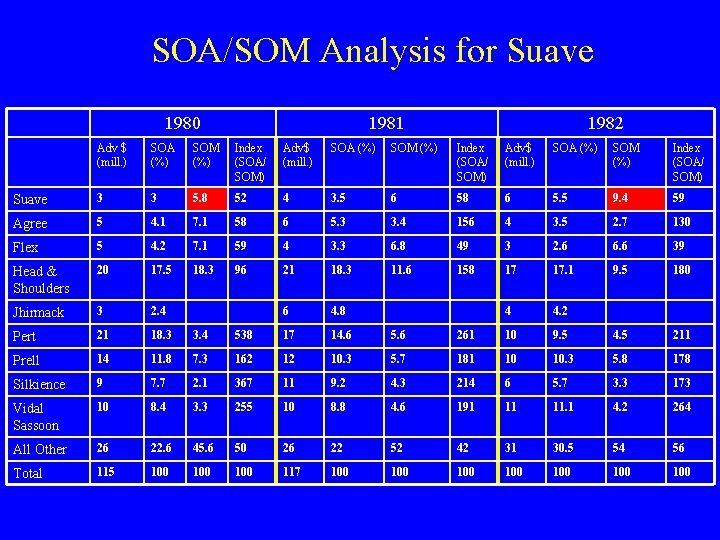
SOA/SOM Analysis for Suave 1980 1981 1982 Adv $ (mill. ) SOA (%) SOM (%) Index (SOA/ SOM) Adv$ (mill. ) SOA (%) SOM (%) Index (SOA/ SOM) Suave 3 3 5. 8 52 4 3. 5 6 58 6 5. 5 9. 4 59 Agree 5 4. 1 7. 1 58 6 5. 3 3. 4 156 4 3. 5 2. 7 130 Flex 5 4. 2 7. 1 59 4 3. 3 6. 8 49 3 2. 6 6. 6 39 Head & Shoulders 20 17. 5 18. 3 96 21 18. 3 11. 6 158 17 17. 1 9. 5 180 Jhirmack 3 2. 4 6 4. 8 4 4. 2 Pert 21 18. 3 3. 4 538 17 14. 6 5. 6 261 10 9. 5 4. 5 211 Prell 14 11. 8 7. 3 162 12 10. 3 5. 7 181 10 10. 3 5. 8 178 Silkience 9 7. 7 2. 1 367 11 9. 2 4. 3 214 6 5. 7 3. 3 173 Vidal Sassoon 10 8. 4 3. 3 255 10 8. 8 4. 6 191 11 11. 1 4. 2 264 All Other 26 22. 6 45. 6 50 26 22 52 42 31 30. 5 54 56 Total 115 100 100 117 100 100

SOA/SOM Analysis for Suave 1982 1983 1984 Adv $ (mill. ) SOA (%) SOM (%) Index (SOA/ SOM) Adv$ (mill. ) SOA (%) SOM (%) Index (SOA/ SOM) Suave 6 5. 5 9. 4 59 6 5. 1 9 57 Agree 4 3. 5 2. 7 130 6 4. 7 2. 2 214 Flex 3 2. 6 6. 6 39 4 3 6. 4 47 Head & Shoulders 17 17. 1 9. 5 180 17 14. 3 9. 1 157 Jhirmack 4 4. 2 9 8 3. 4 235 Pert 10 9. 5 4. 5 211 9 8 3. 6 222 Prell 10 10. 3 5. 8 178 16 13. 6 5. 6 243 Silkience 6 5. 7 3. 3 173 5 4. 4 2. 6 169 Vidal Sassoon 11 11. 1 4. 2 264 14 11. 5 4. 4 261 Adv$ (mill. ) White Rain 44. 5 5 New Brands All Other 31 30. 5 54 56 32 27. 4 53. 7 51 Total 100 100 118 100 100 145 SOA (%) SOM (%) Index (SOA/ SOM)
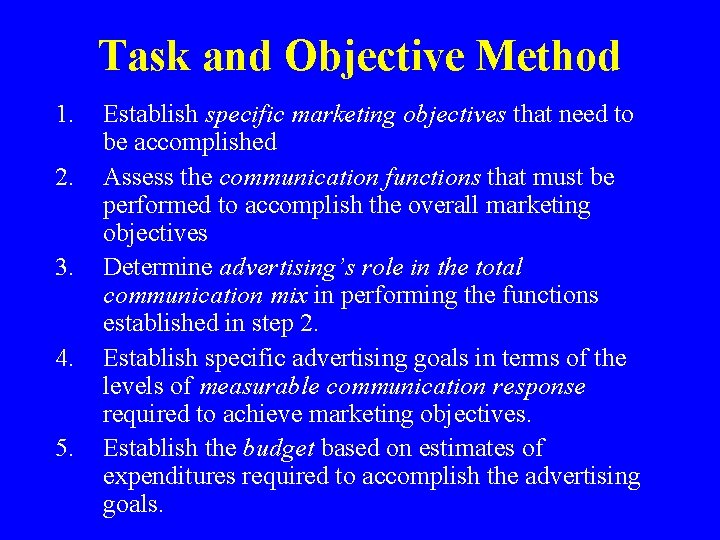
Task and Objective Method 1. 2. 3. 4. 5. Establish specific marketing objectives that need to be accomplished Assess the communication functions that must be performed to accomplish the overall marketing objectives Determine advertising’s role in the total communication mix in performing the functions established in step 2. Establish specific advertising goals in terms of the levels of measurable communication response required to achieve marketing objectives. Establish the budget based on estimates of expenditures required to accomplish the advertising goals.
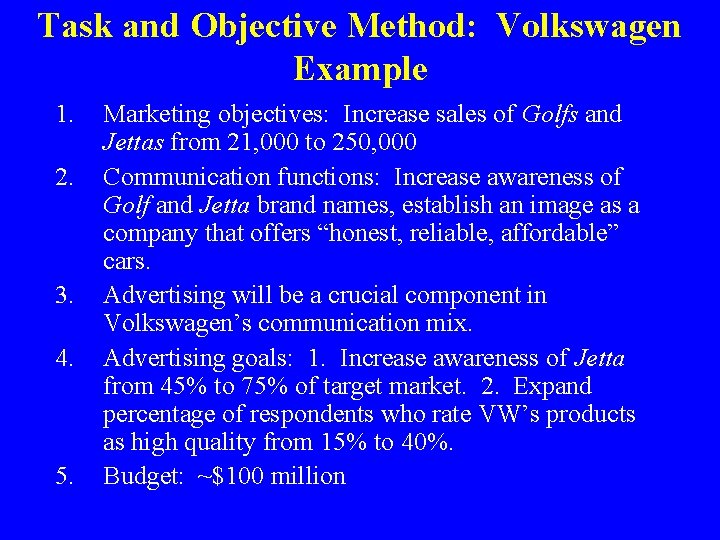
Task and Objective Method: Volkswagen Example 1. 2. 3. 4. 5. Marketing objectives: Increase sales of Golfs and Jettas from 21, 000 to 250, 000 Communication functions: Increase awareness of Golf and Jetta brand names, establish an image as a company that offers “honest, reliable, affordable” cars. Advertising will be a crucial component in Volkswagen’s communication mix. Advertising goals: 1. Increase awareness of Jetta from 45% to 75% of target market. 2. Expand percentage of respondents who rate VW’s products as high quality from 15% to 40%. Budget: ~$100 million

Thank You!
- Slides: 79