
Universal Design for Learning A framework for good

- Slides: 21
Universal Design for Learning: A framework for good teaching, a model for student success Craig Spooner ACCESS Project Coordinator
Universal Design for Learning “ Universal Design for Learning (UDL) is a set of principles and techniques for teaching creating inclusive classroom instruction technology and accessible course materials. ”
Universal Design (UD) Build in accessibility from the start Curb cuts in city streets Ramps and automatic door openers TV closed captions Ergonomic kitchen utensils Everyone benefits from a more flexible, user-friendly environment
Universal Design for Learning (UDL) Inclusive pedagogy UDL applies to both teaching and technology
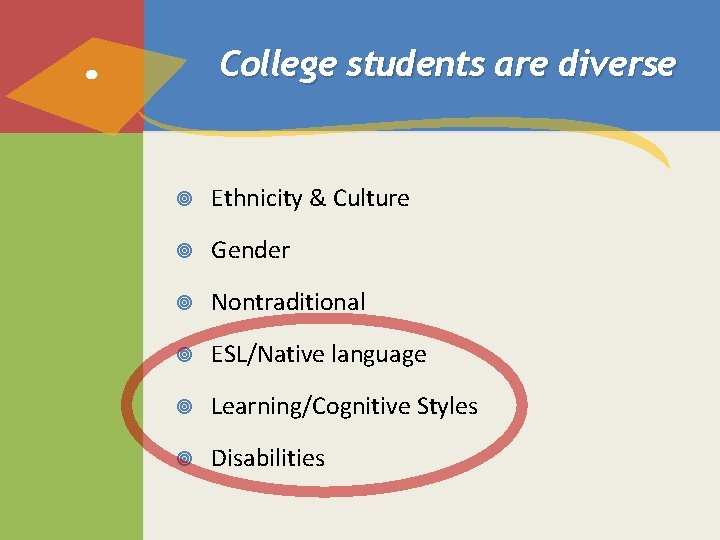
College students are diverse Ethnicity & Culture Gender Nontraditional ESL/Native language Learning/Cognitive Styles Disabilities
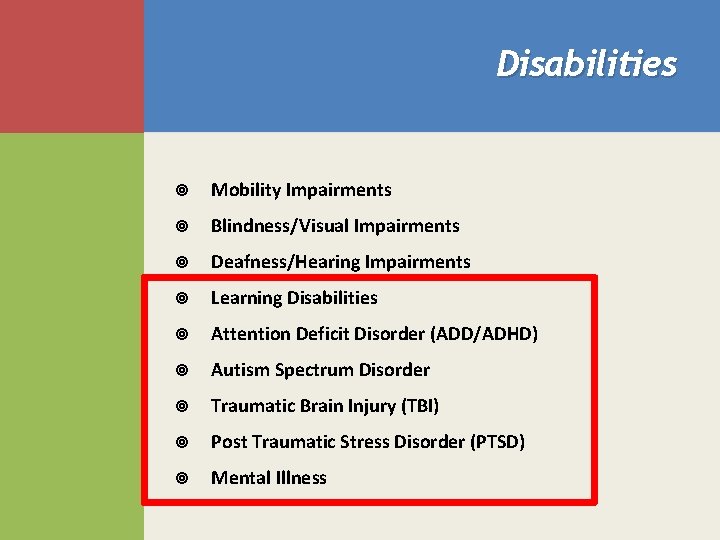
Disabilities Mobility Impairments Blindness/Visual Impairments Deafness/Hearing Impairments Learning Disabilities Attention Deficit Disorder (ADD/ADHD) Autism Spectrum Disorder Traumatic Brain Injury (TBI) Post Traumatic Stress Disorder (PTSD) Mental Illness
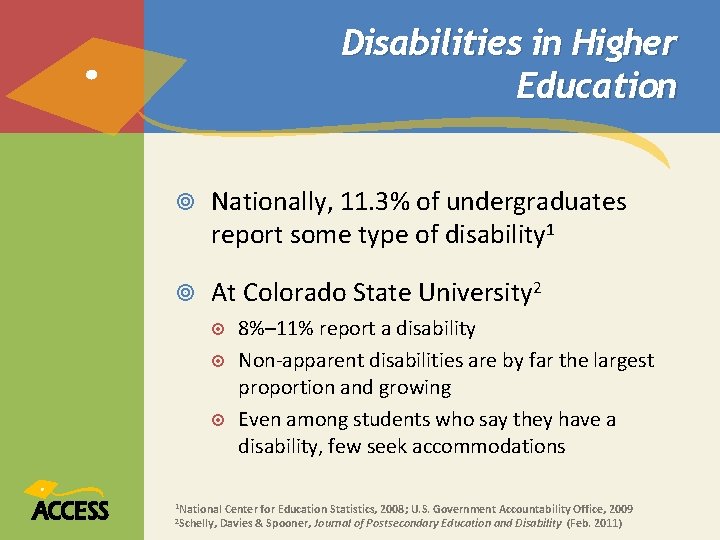
Disabilities in Higher Education Nationally, 11. 3% of undergraduates report some type of disability 1 At Colorado State University 2 1 National 2 Schelly, 8%– 11% report a disability Non-apparent disabilities are by far the largest proportion and growing Even among students who say they have a disability, few seek accommodations Center for Education Statistics, 2008; U. S. Government Accountability Office, 2009 Davies & Spooner, Journal of Postsecondary Education and Disability (Feb. 2011)
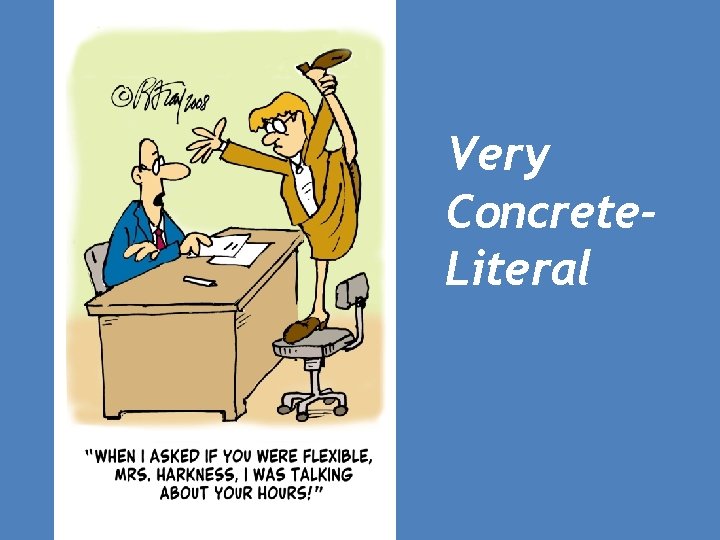
Very Concrete. Literal
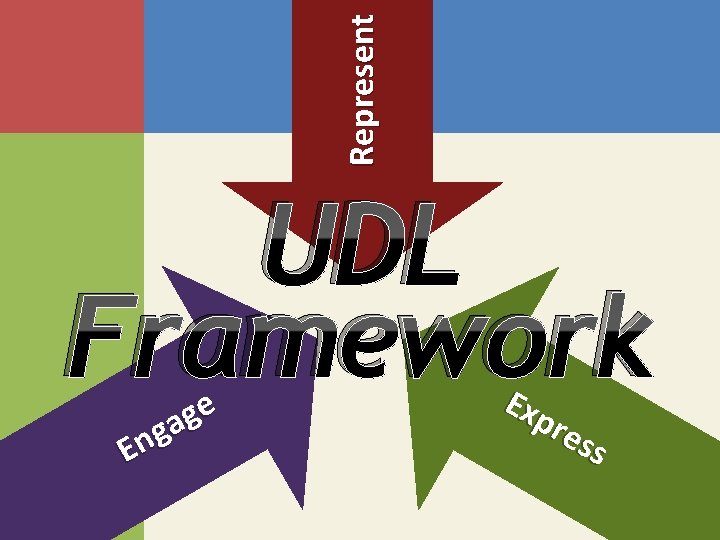
Universal Design for Learning: 3 Principles 1. Instructors represent information and concepts in multiple ways (and in a variety of formats). 2. Students are given multiple ways to express their comprehension and mastery of a topic. 3. Students engage with new ideas and information in multiple ways.
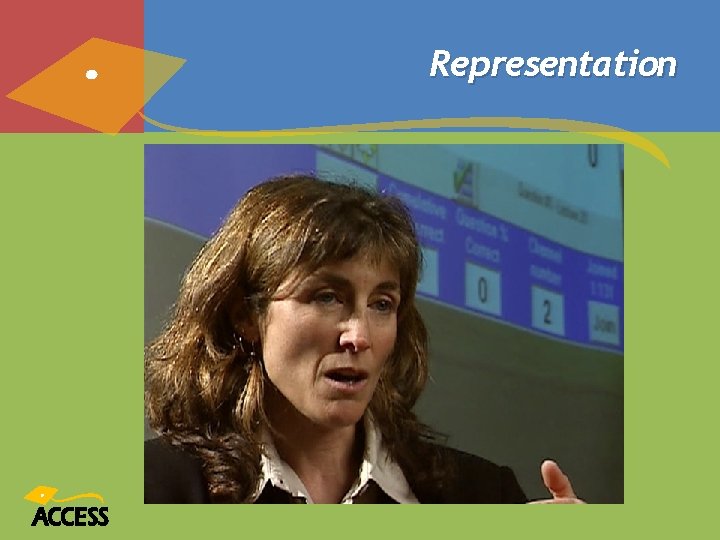
Representation
Alternative Representations* Lecture: Its strengths and weaknesses Video/Audio podcasts Shared note taking *Rose, David H. , Harbour, Wendy S. , Johnston, Catherine Sam, Daley, Samantha G. , & Abarbanell, Linda. (2006). Universal design for learning in postsecondary education: Reflections on principles and their application. Journal of Postsecondary Education and Disability, 19 (2), 135 -151.
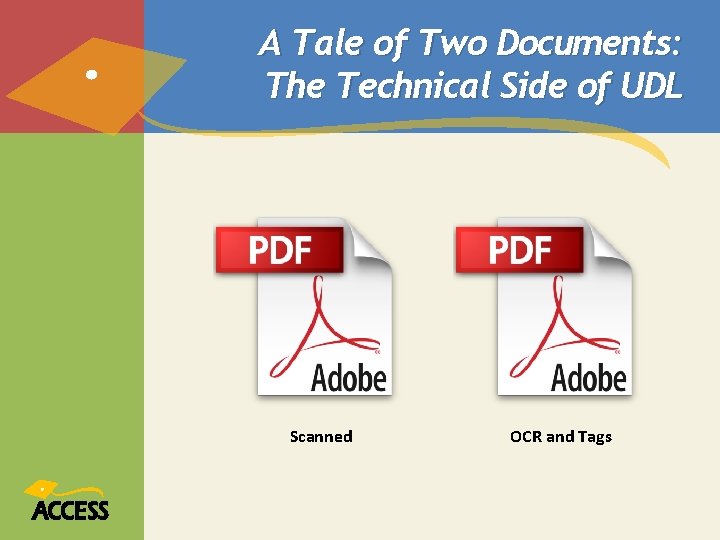
A Tale of Two Documents: The Technical Side of UDL Scanned OCR and Tags
What makes a document Universally Designed? Searchability Copy and Paste Bookmarks or an Interactive Table of Contents Text to Speech capability Accessibility Keyboard access, alternative to images, etc.
UDL Tech Tutorials Microsoft Word Styles and Headings Images Power. Point Adobe PDF HTML E-Text http: //accessproject. colostate. edu
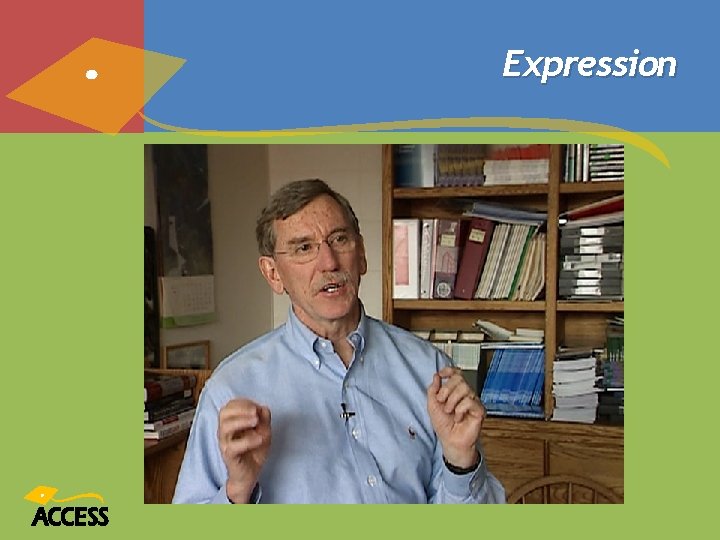
Expression
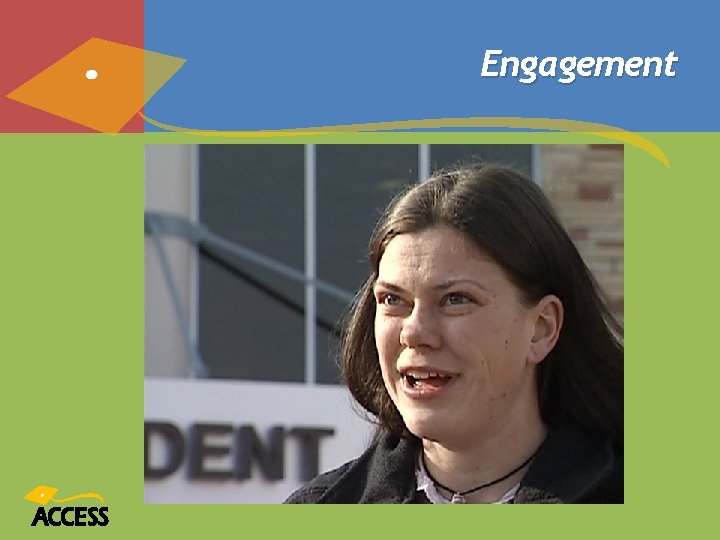
Engagement
CSU Psychology Undergraduates: What helps you learn? It helps me learn when the instructor… presents information in multiple formats actively engages students in learning relates key concepts to the larger objectives of the course begins class with an outline summarizes key points highlights key points of instructional videos
CSU Psychology Undergraduates: What engages you? Strategies that increase engagement i>clicker questions Asks questions Videos Partner/group discussion and activities In-class mini writing assignments
Represent UDL Framework e g a g En Exp re s s
References Burgstahler & Cory (2008). Universal design in higher education: From principles to practice. Cambridge, MA: Harvard Education Press. Rose, D. , et al. (2006). Universal design for learning in postsecondary education: Reflections on principles and their application. Journal of Postsecondary Education and Disability, 19(2), 135 -151. Schelly, Davies & Spooner (2011). Student Perceptions of Faculty Implementation of Universal Design for Learning. Journal of Postsecondary Education and Disability, 24(1), 17 -28.
Thank you! Craig Spooner craig. spooner@colostate. edu 970 -491 -0784