
United States Congress Structure 2 Houses of Congress

- Slides: 13
United States Congress
Structure • 2 Houses of Congress • Also known as a Bicameral Legislature – U. S. House of Representative – U. S. Senate
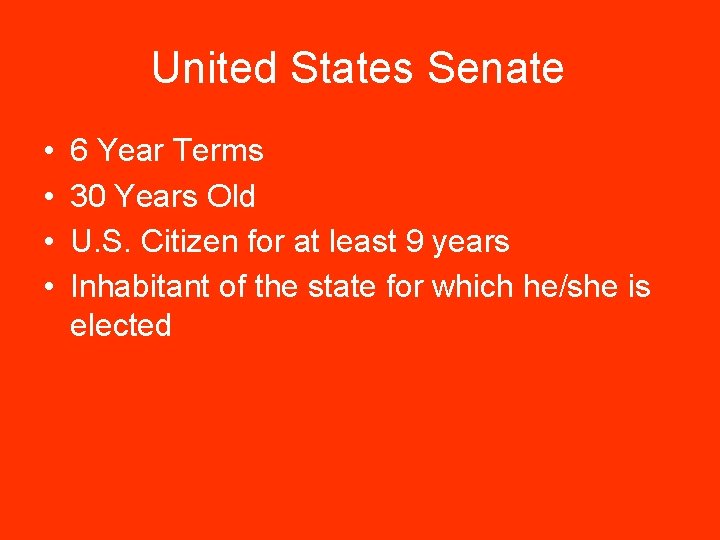
United States Senate • • 6 Year Terms 30 Years Old U. S. Citizen for at least 9 years Inhabitant of the state for which he/she is elected
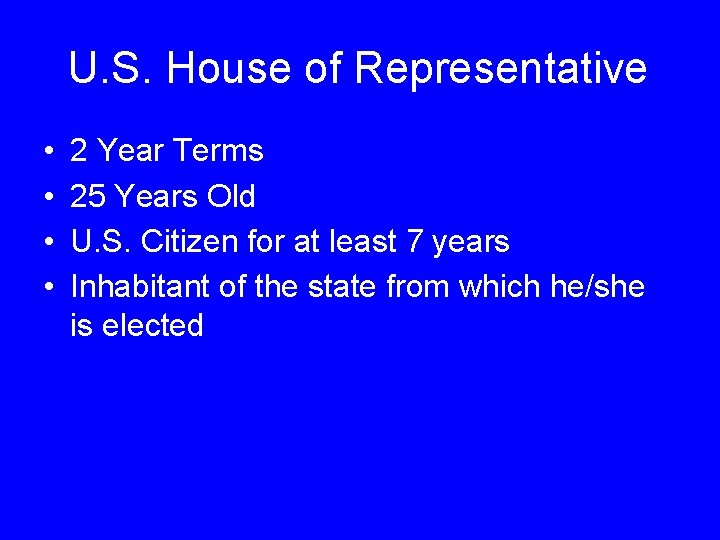
U. S. House of Representative • • 2 Year Terms 25 Years Old U. S. Citizen for at least 7 years Inhabitant of the state from which he/she is elected
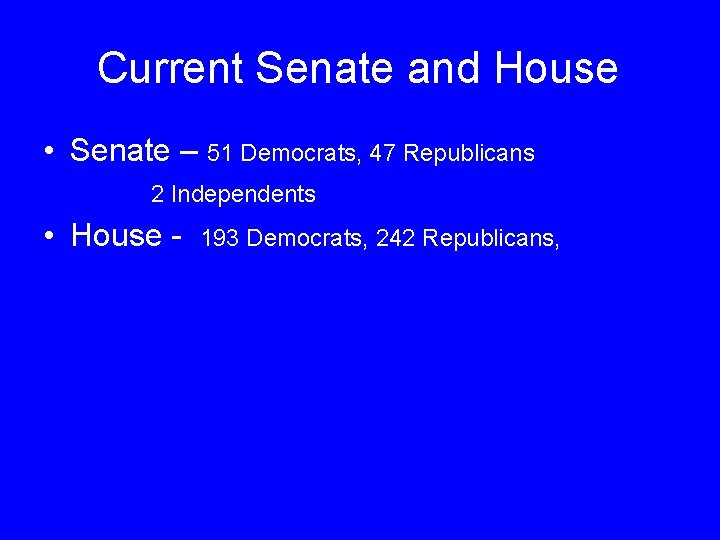
Current Senate and House • Senate – 51 Democrats, 47 Republicans 2 Independents • House - 193 Democrats, 242 Republicans,
Power of Congress • Positive/Constructive Powers – Power to Tax – Power to Spend (Appropriations) – Power to Regulate Interstate Commerce
• Negative / Blocking Powers – Power to Confirm Appointees – Power to Ratify Treaties – Power of Impeachment (House) and Conviction (Sen)
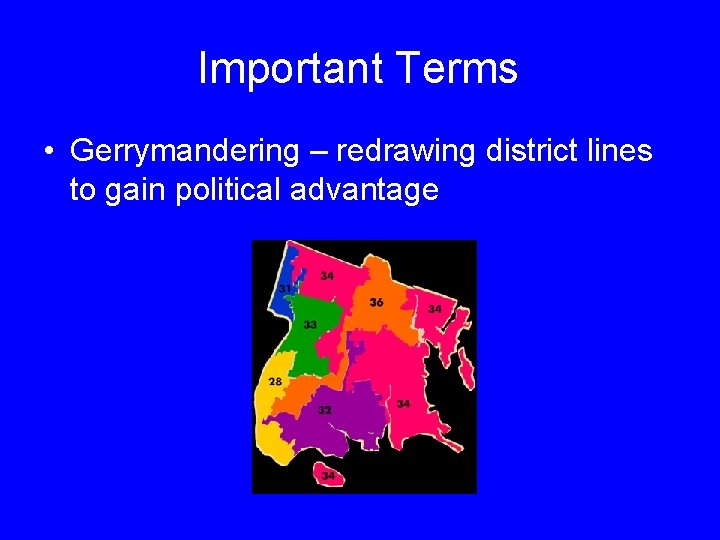
Important Terms • Gerrymandering – redrawing district lines to gain political advantage
• Fillibuster – Stalling tactic where a minority of senators seek to delay or prevent Senate action on a bill Fillibuster Clip
More Key Terms • Incumbent – the candidate running that was already in office • Constituent – the people that the elected official serves
Committees in Congress • Standing Committee – Permanent membership – Specialize in something (taxes, spending, ag, fincance, etc. ) – Bills need to pass through these before they get to the house floor – Exist in both the H of Rep and Senate
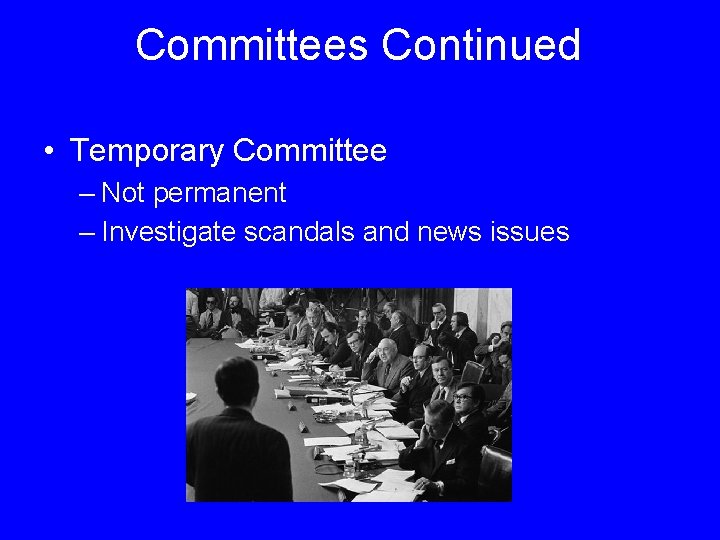
Committees Continued • Temporary Committee – Not permanent – Investigate scandals and news issues
Committees Completed • Conference Committee – Takes 2 similar bills from the H of Reps and Senate and makes them identical before going to the President – Made up of members of both houses