
Unit V Satellite Subsystems Contents of Unit V
Unit V – Satellite Subsystems…
Contents of Unit V • • Satellite Subsystems Attitude and control systems (AOCS) Telemetry, Tracking Command Monitoring Power systems Communication subsystems Satellite antennas Equipment Reliability and space qualification.
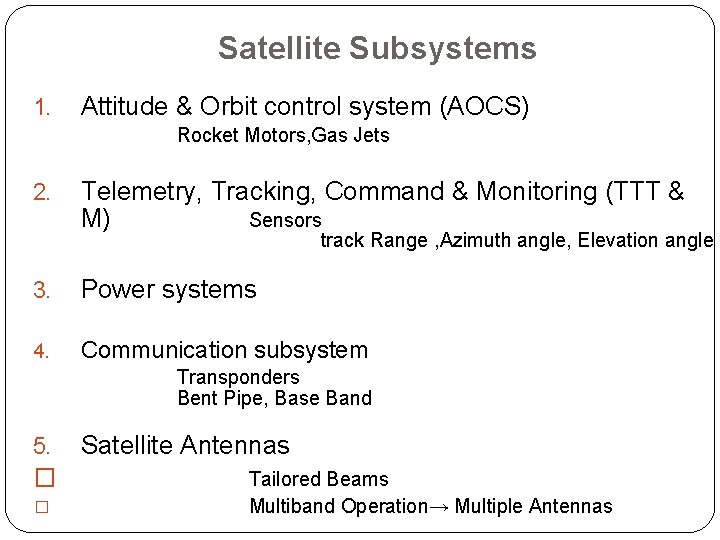
Satellite Subsystems 1. Attitude & Orbit control system (AOCS) Rocket Motors, Gas Jets 2. Telemetry, Tracking, Command & Monitoring (TTT & M) Sensors track Range , Azimuth angle, Elevation angle 3. Power systems 4. Communication subsystem Transponders Bent Pipe, Base Band 5. � � Satellite Antennas Tailored Beams Multiband Operation→ Multiple Antennas
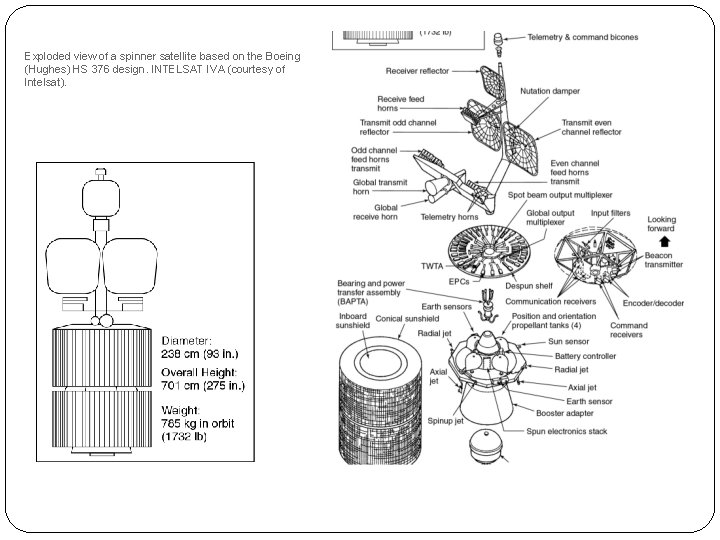
Exploded view of a spinner satellite based on the Boeing (Hughes) HS 376 design. INTELSAT IVA (courtesy of Intelsat).
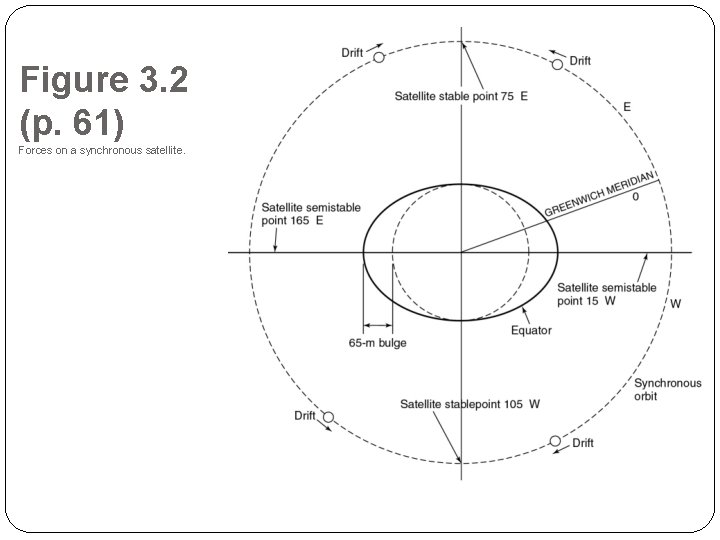
Figure 3. 2 (p. 61) Forces on a synchronous satellite.
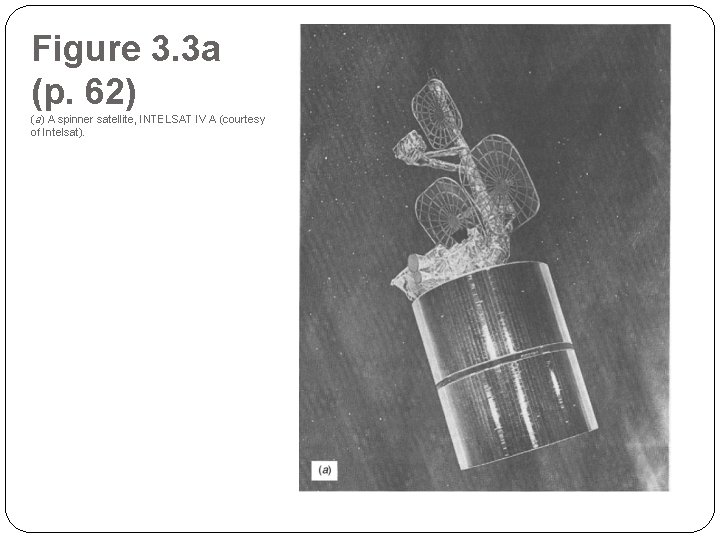
Figure 3. 3 a (p. 62) (a) A spinner satellite, INTELSAT IV A (courtesy of Intelsat).
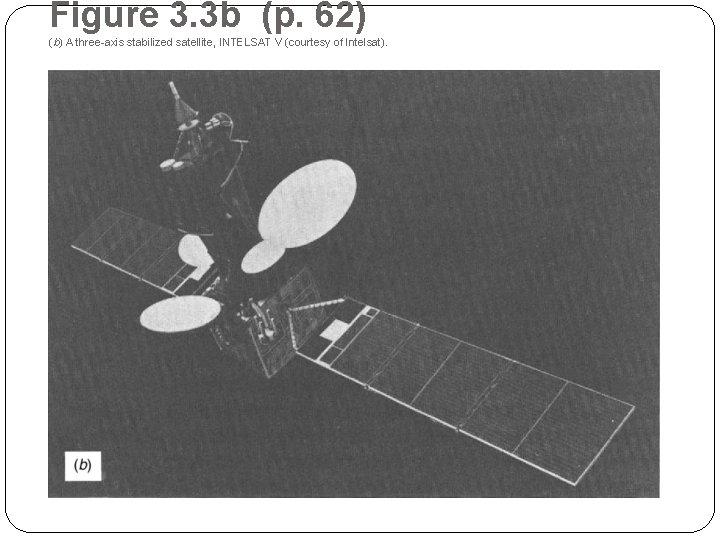
Figure 3. 3 b (p. 62) (b) A three-axis stabilized satellite, INTELSAT V (courtesy of Intelsat).
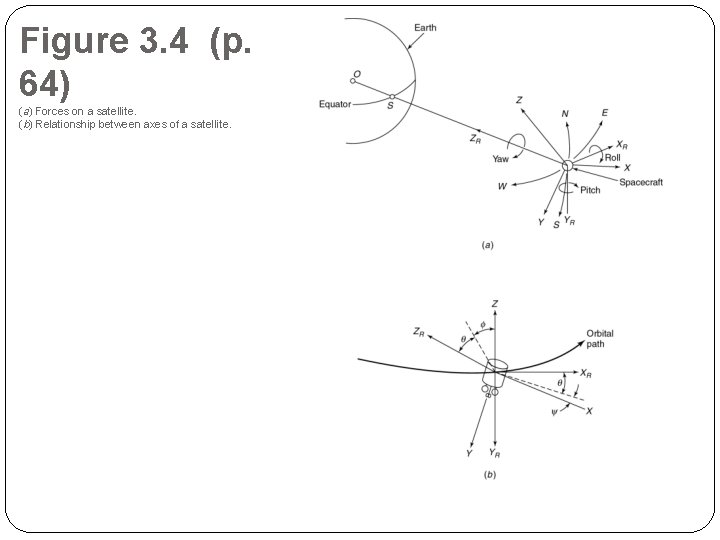
Figure 3. 4 (p. 64) (a) Forces on a satellite. (b) Relationship between axes of a satellite.
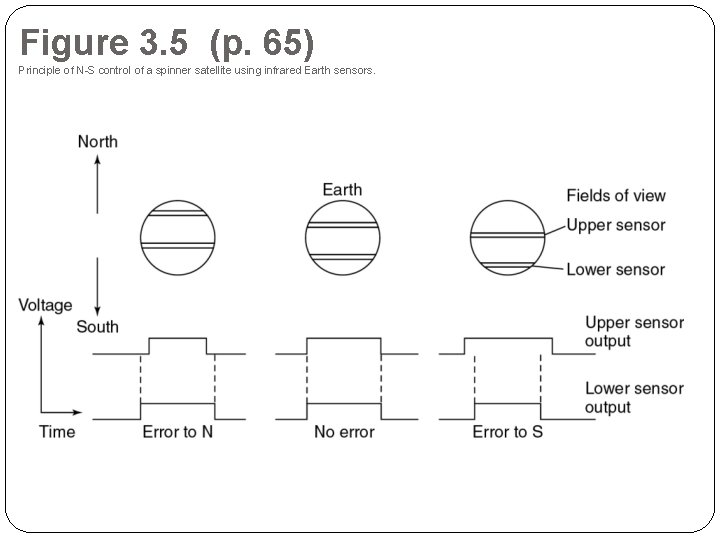
Figure 3. 5 (p. 65) Principle of N-S control of a spinner satellite using infrared Earth sensors.
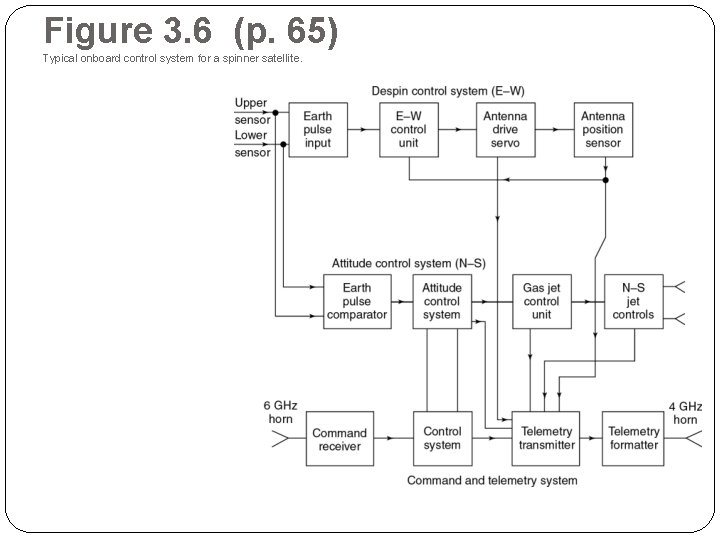
Figure 3. 6 (p. 65) Typical onboard control system for a spinner satellite.
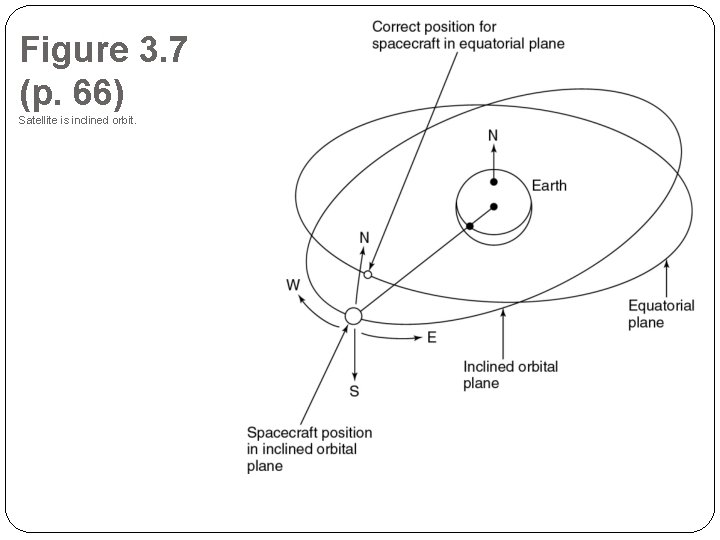
Figure 3. 7 (p. 66) Satellite is inclined orbit.
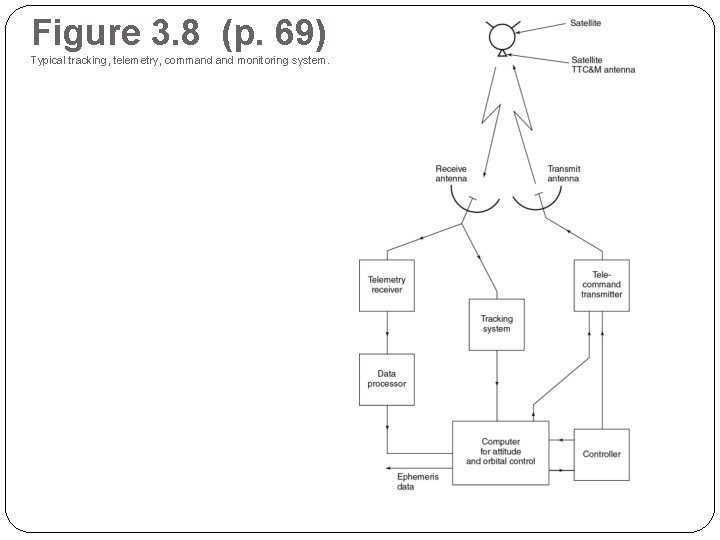
Figure 3. 8 (p. 69) Typical tracking, telemetry, command monitoring system.
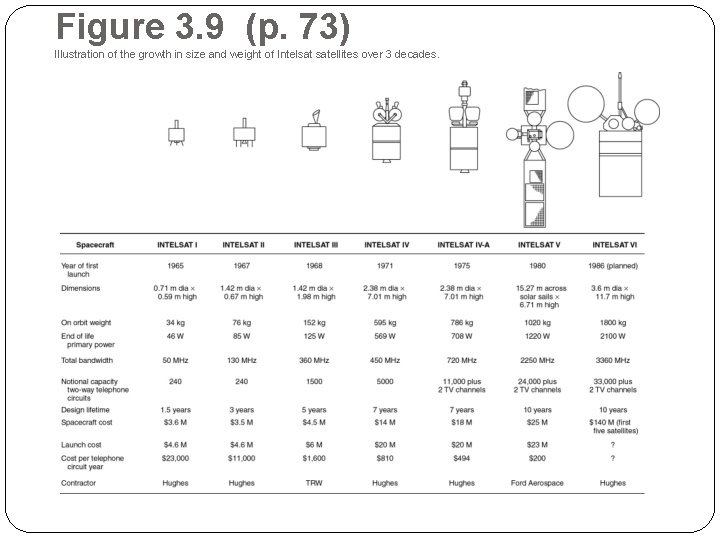
Figure 3. 9 (p. 73) Illustration of the growth in size and weight of Intelsat satellites over 3 decades.
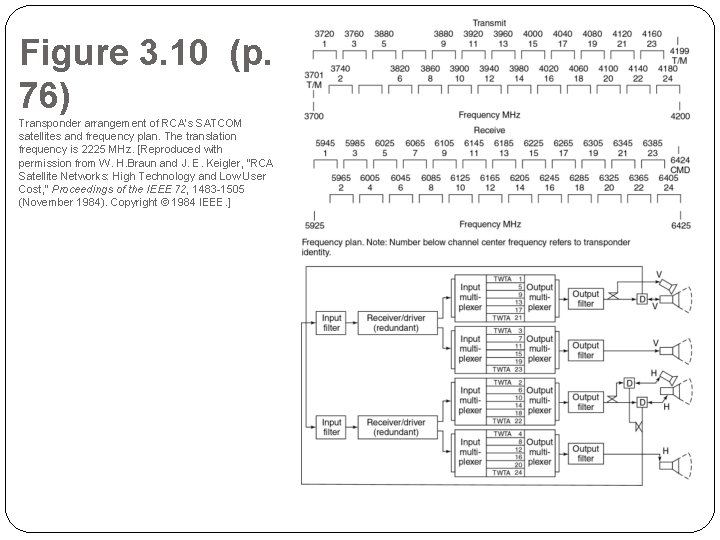
Figure 3. 10 (p. 76) Transponder arrangement of RCA’s SATCOM satellites and frequency plan. The translation frequency is 2225 MHz. [Reproduced with permission from W. H. Braun and J. E. Keigler, “RCA Satellite Networks: High Technology and Low User Cost, ” Proceedings of the IEEE 72, 1483 -1505 (November 1984). Copyright © 1984 IEEE. ]
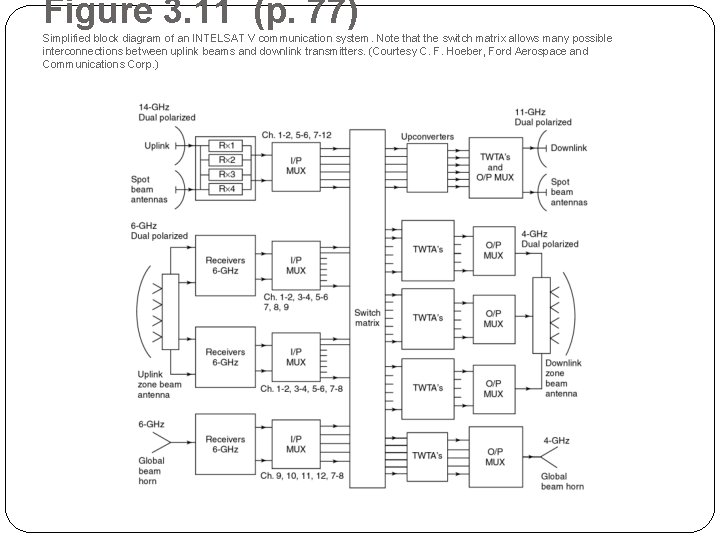
Figure 3. 11 (p. 77) Simplified block diagram of an INTELSAT V communication system. Note that the switch matrix allows many possible interconnections between uplink beams and downlink transmitters. (Courtesy C. F. Hoeber, Ford Aerospace and Communications Corp. )
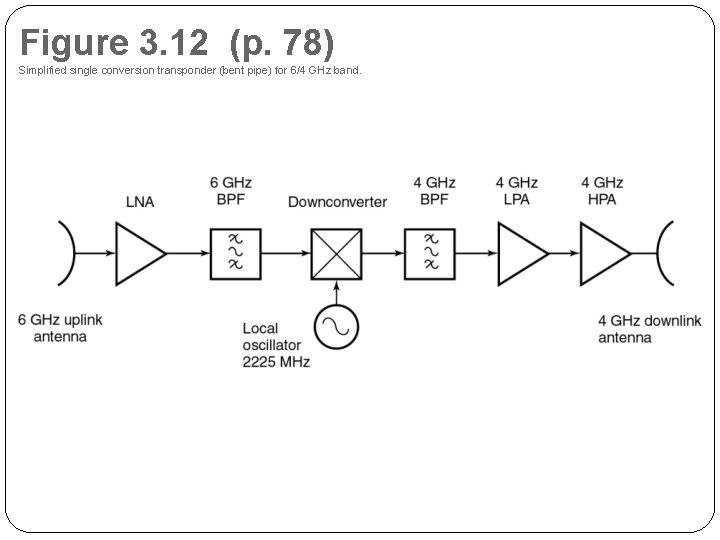
Figure 3. 12 (p. 78) Simplified single conversion transponder (bent pipe) for 6/4 GHz band.
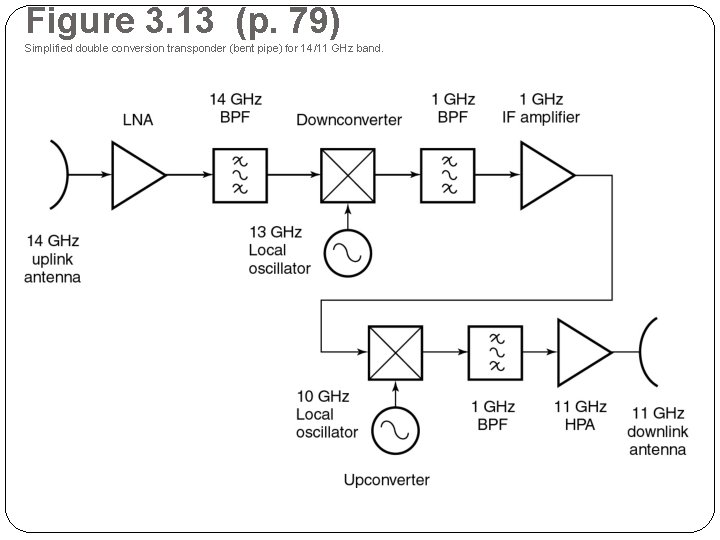
Figure 3. 13 (p. 79) Simplified double conversion transponder (bent pipe) for 14/11 GHz band.
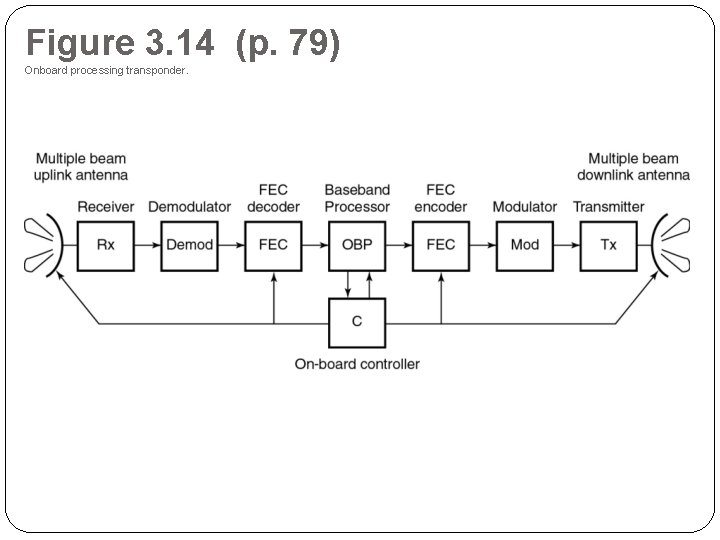
Figure 3. 14 (p. 79) Onboard processing transponder.
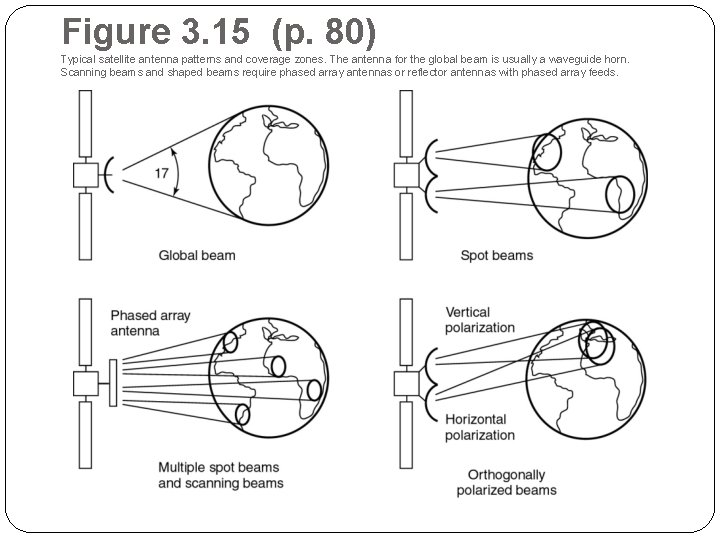
Figure 3. 15 (p. 80) Typical satellite antenna patterns and coverage zones. The antenna for the global beam is usually a waveguide horn. Scanning beams and shaped beams require phased array antennas or reflector antennas with phased array feeds.
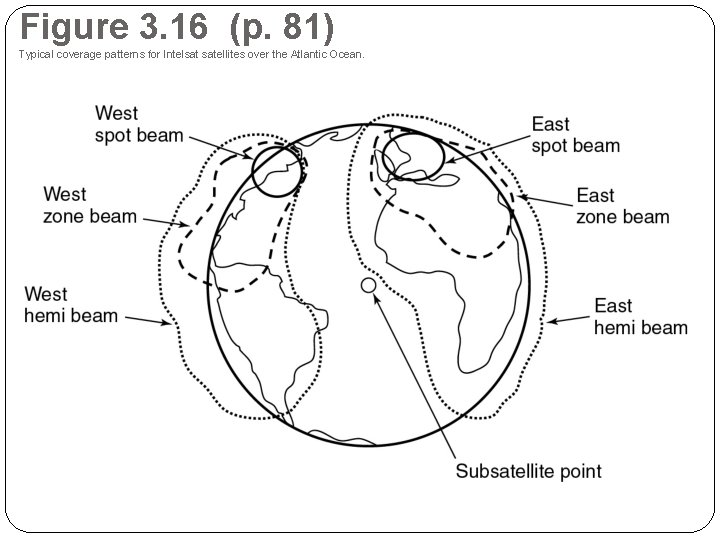
Figure 3. 16 (p. 81) Typical coverage patterns for Intelsat satellites over the Atlantic Ocean.
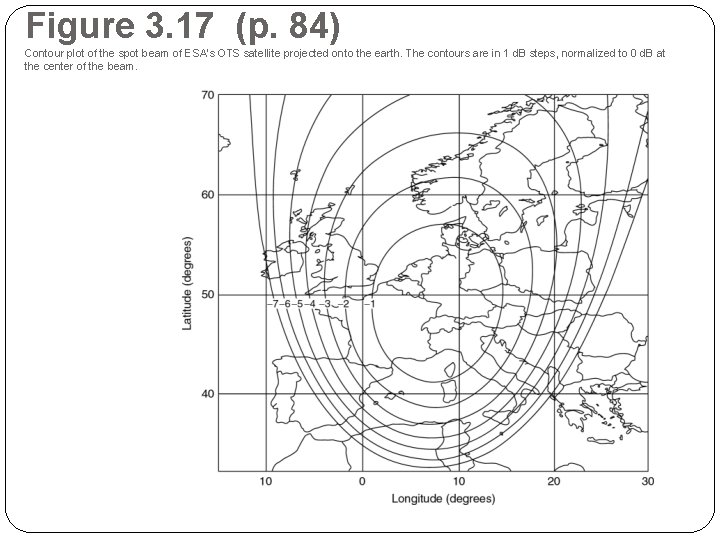
Figure 3. 17 (p. 84) Contour plot of the spot beam of ESA’s OTS satellite projected onto the earth. The contours are in 1 d. B steps, normalized to 0 d. B at the center of the beam.
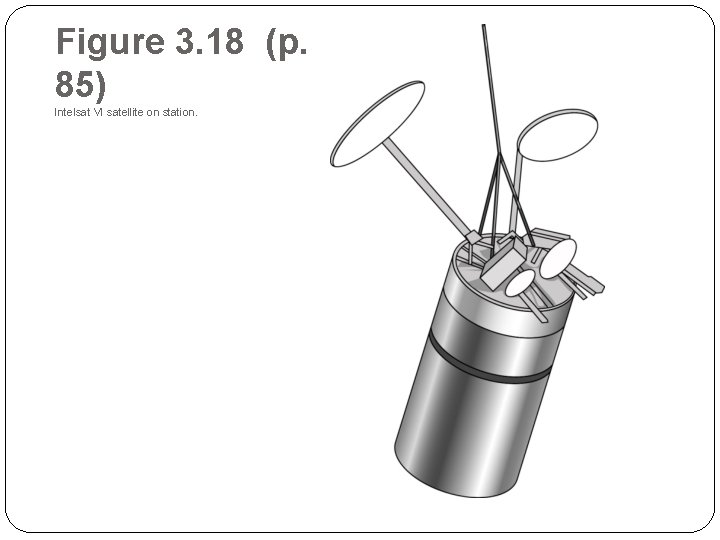
Figure 3. 18 (p. 85) Intelsat VI satellite on station.
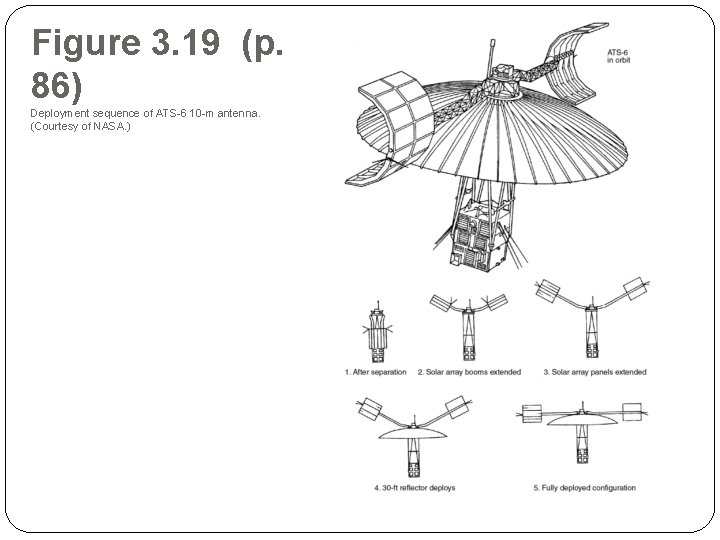
Figure 3. 19 (p. 86) Deployment sequence of ATS-6 10 -m antenna. (Courtesy of NASA. )
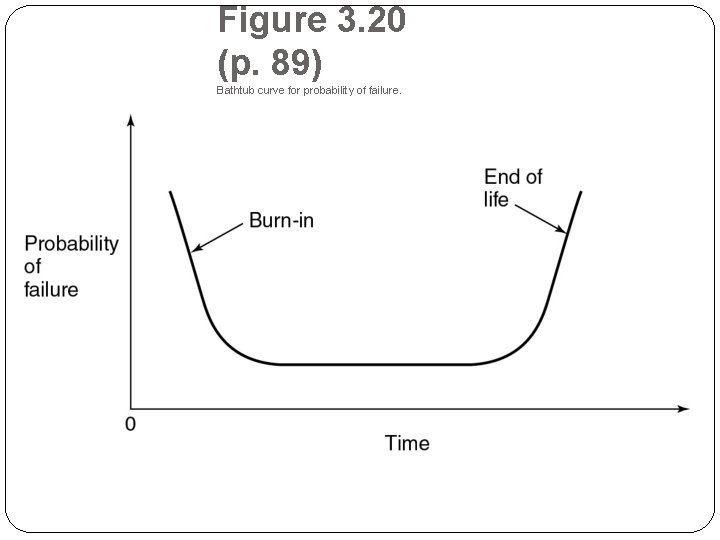
Figure 3. 20 (p. 89) Bathtub curve for probability of failure.
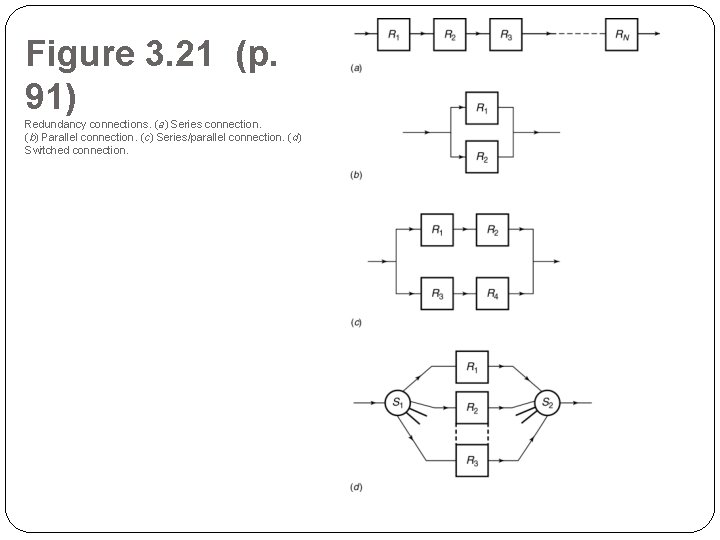
Figure 3. 21 (p. 91) Redundancy connections. (a) Series connection. (b) Parallel connection. (c) Series/parallel connection. (d) Switched connection.
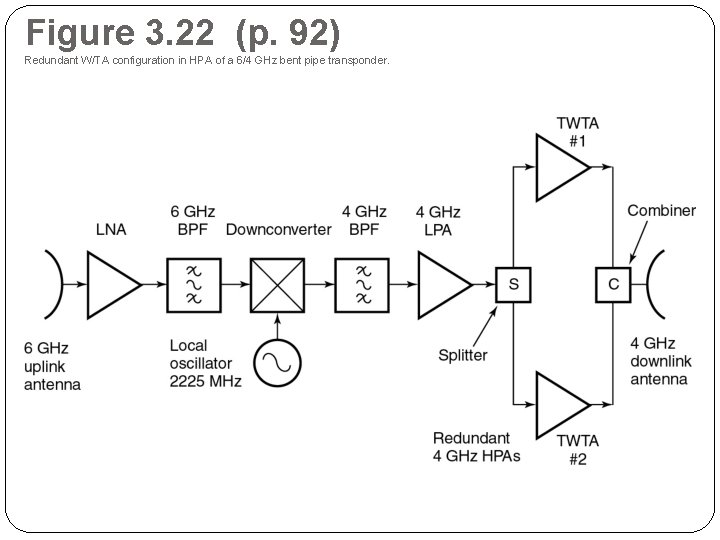
Figure 3. 22 (p. 92) Redundant W/TA configuration in HPA of a 6/4 GHz bent pipe transponder.

Thank you Very much !
- Slides: 27