
UNIT ONE BIOLOGICAL PRINCIPLES CHAPTER 1 CHARACTERISTICS OF
UNIT ONE BIOLOGICAL PRINCIPLES CHAPTER 1 CHARACTERISTICS OF LIFE
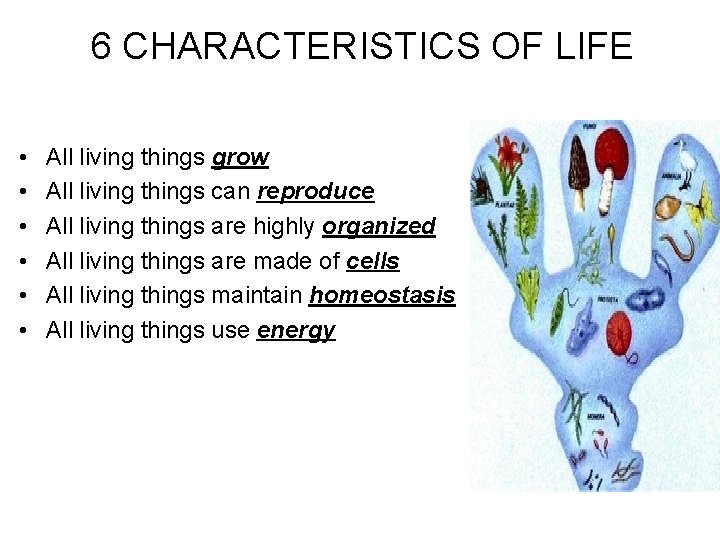
6 CHARACTERISTICS OF LIFE • • • All living things grow All living things can reproduce All living things are highly organized All living things are made of cells All living things maintain homeostasis All living things use energy
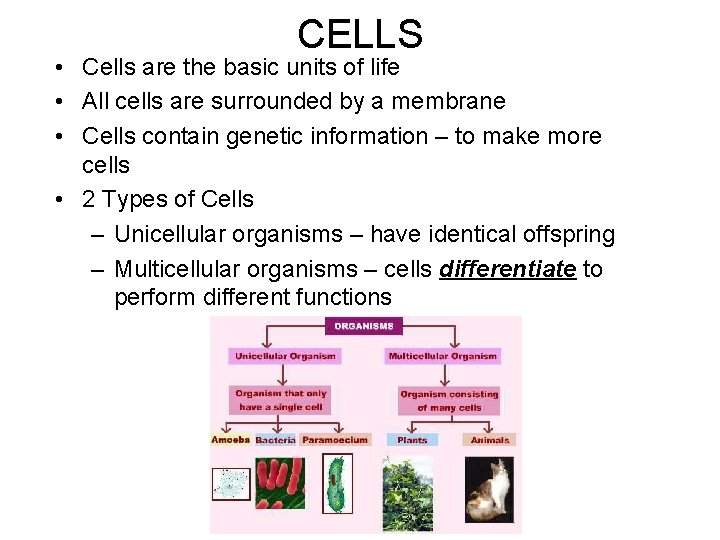
CELLS • Cells are the basic units of life • All cells are surrounded by a membrane • Cells contain genetic information – to make more cells • 2 Types of Cells – Unicellular organisms – have identical offspring – Multicellular organisms – cells differentiate to perform different functions
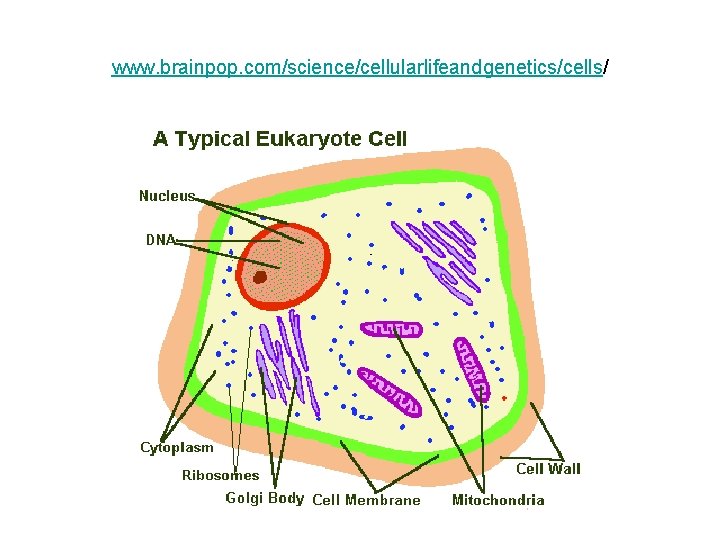
www. brainpop. com/science/cellularlifeandgenetics/cells/
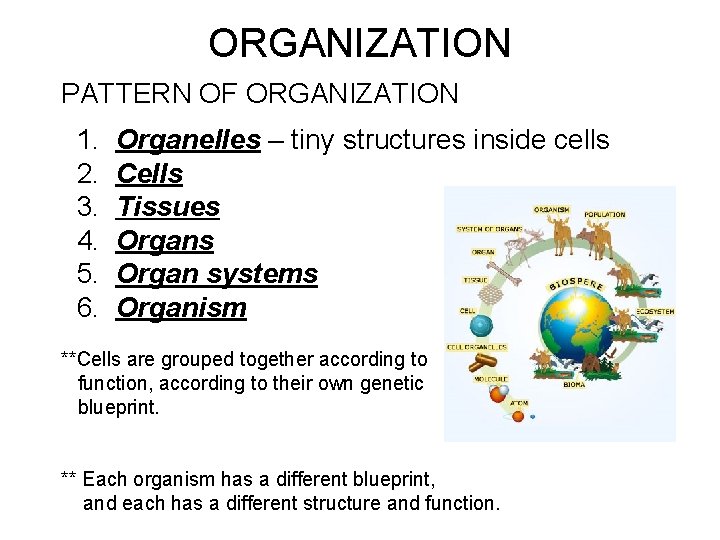
ORGANIZATION PATTERN OF ORGANIZATION 1. 2. 3. 4. 5. 6. Organelles – tiny structures inside cells Cells Tissues Organ systems Organism **Cells are grouped together according to function, according to their own genetic blueprint. ** Each organism has a different blueprint, and each has a different structure and function.
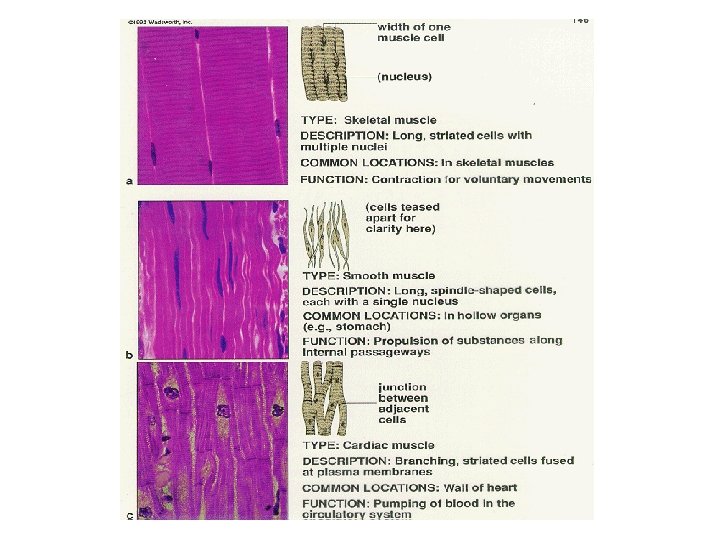
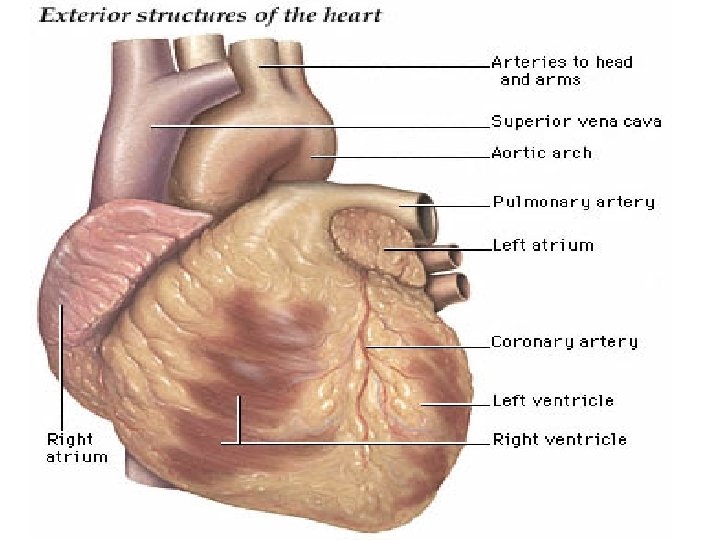
Examples of Organization • Organelles inside a nerve cell • Cell - Nerve cell (neuron) • Tissue – Brain tissue • Organ – Brain • Organ System – Nervous system • Organism – Human ** Cells group together to form tissues, tissues group together to form organs, organs work together to form organ systems.
ENERGY • All living things need energy • Energy is needed to carry on chemical reactions • METABOLISM – the sum of all the chemical processes that occur in an organism. • What is energy used for? Movement Growth Repair reproduction respiration all other body functions Living things made up of five basic elements: Carbon, Hydrogen, Oxygen, Nitrogen and Phosphorous CHON - P
Where does the energy come from? • SUNLIGHT – plants do photosynthesis (autotrophs – organisms that can make their own food) • Plants use that food to survive • Animals eat plants and other animals to get their energy (heterotrophs- must consume food to survive) **Most of the energy used by living things can be traced back to the SUN www. brainpop. com/science/cellularlifeandgenetics/metabolism//
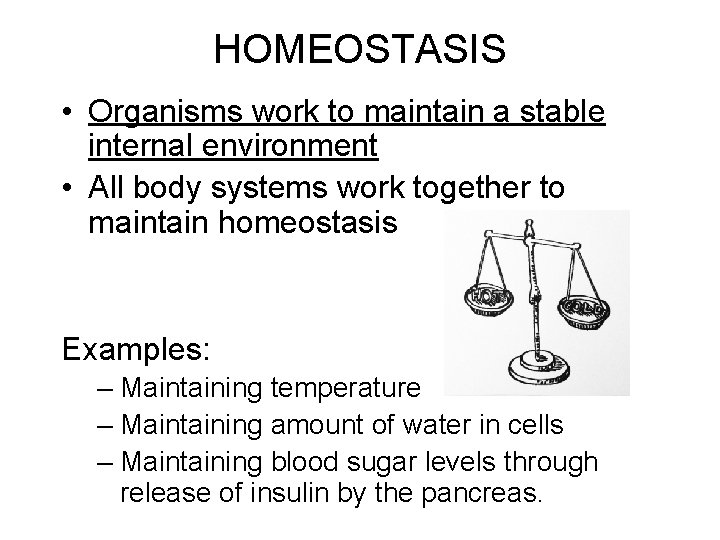
HOMEOSTASIS • Organisms work to maintain a stable internal environment • All body systems work together to maintain homeostasis Examples: – Maintaining temperature – Maintaining amount of water in cells – Maintaining blood sugar levels through release of insulin by the pancreas.
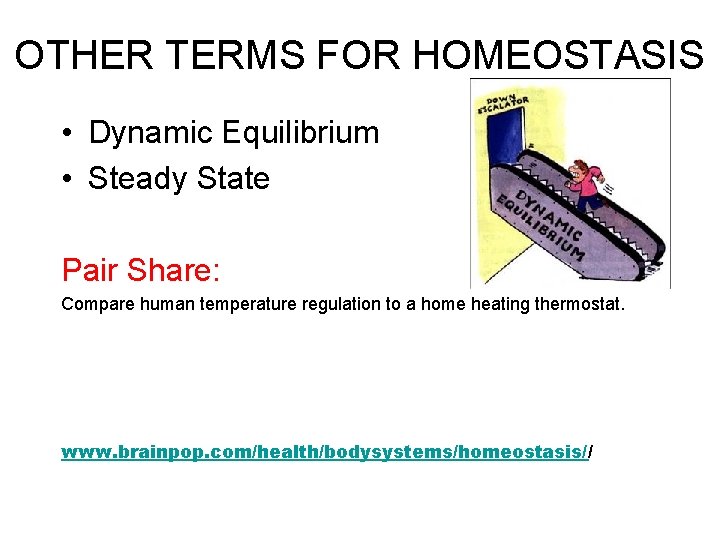
OTHER TERMS FOR HOMEOSTASIS • Dynamic Equilibrium • Steady State Pair Share: Compare human temperature regulation to a home heating thermostat. www. brainpop. com/health/bodysystems/homeostasis//
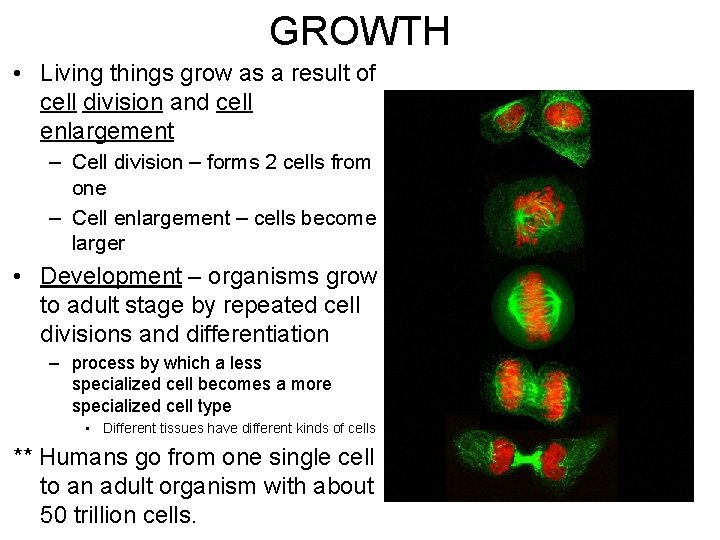
GROWTH • Living things grow as a result of cell division and cell enlargement – Cell division – forms 2 cells from one – Cell enlargement – cells become larger • Development – organisms grow to adult stage by repeated cell divisions and differentiation – process by which a less specialized cell becomes a more specialized cell type • Different tissues have different kinds of cells ** Humans go from one single cell to an adult organism with about 50 trillion cells.
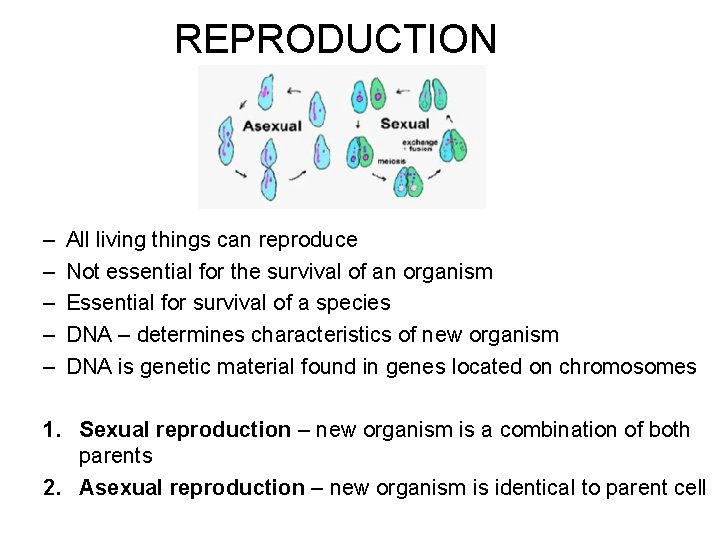
REPRODUCTION – – – All living things can reproduce Not essential for the survival of an organism Essential for survival of a species DNA – determines characteristics of new organism DNA is genetic material found in genes located on chromosomes 1. Sexual reproduction – new organism is a combination of both parents 2. Asexual reproduction – new organism is identical to parent cell
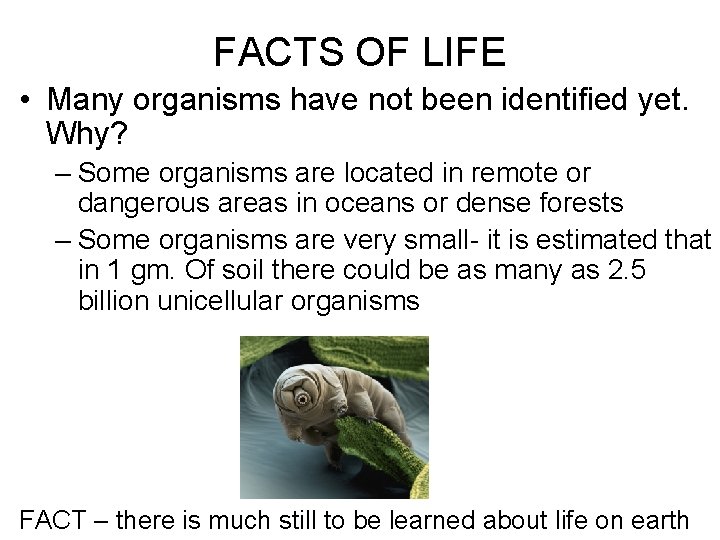
FACTS OF LIFE • Many organisms have not been identified yet. Why? – Some organisms are located in remote or dangerous areas in oceans or dense forests – Some organisms are very small- it is estimated that in 1 gm. Of soil there could be as many as 2. 5 billion unicellular organisms FACT – there is much still to be learned about life on earth
Activity List the 6 characteristics of life on chart paper – Get a partner and a marker. Write down one fact about each characteristic on the chart paper. • Do not repeat what others have written! • Have a seat when you are finished.
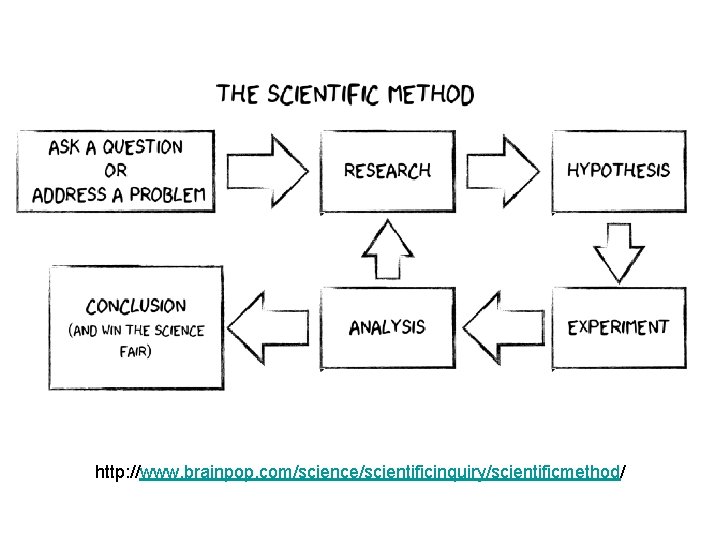
http: //www. brainpop. com/science/scientificinquiry/scientificmethod/
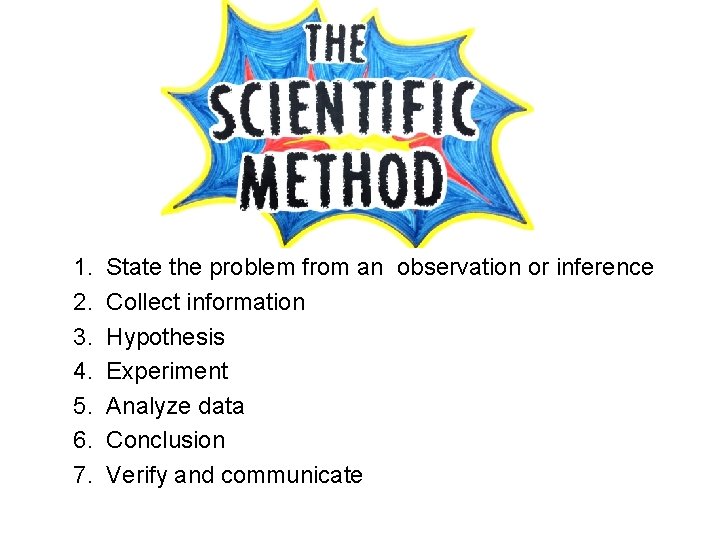
Scientific Method 1. 2. 3. 4. 5. 6. 7. State the problem from an observation or inference Collect information Hypothesis Experiment Analyze data Conclusion Verify and communicate
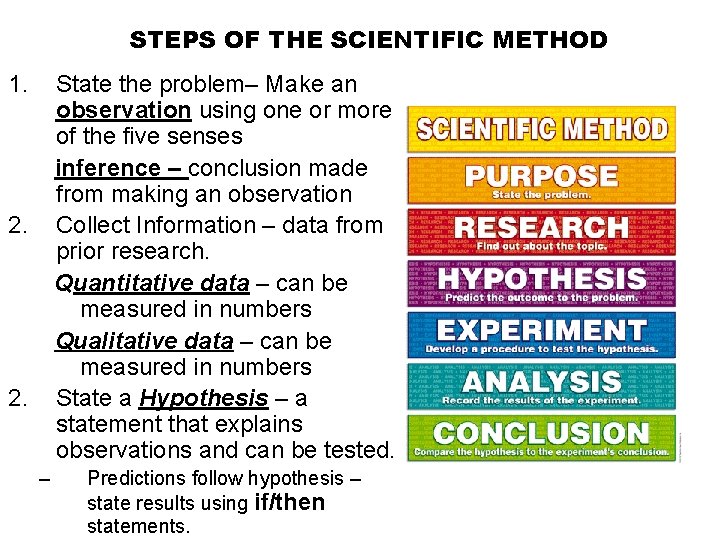
STEPS OF THE SCIENTIFIC METHOD 1. State the problem– Make an observation using one or more of the five senses inference – conclusion made from making an observation Collect Information – data from prior research. Quantitative data – can be measured in numbers Qualitative data – can be measured in numbers State a Hypothesis – a statement that explains observations and can be tested. 2. – Predictions follow hypothesis – state results using if/then statements.
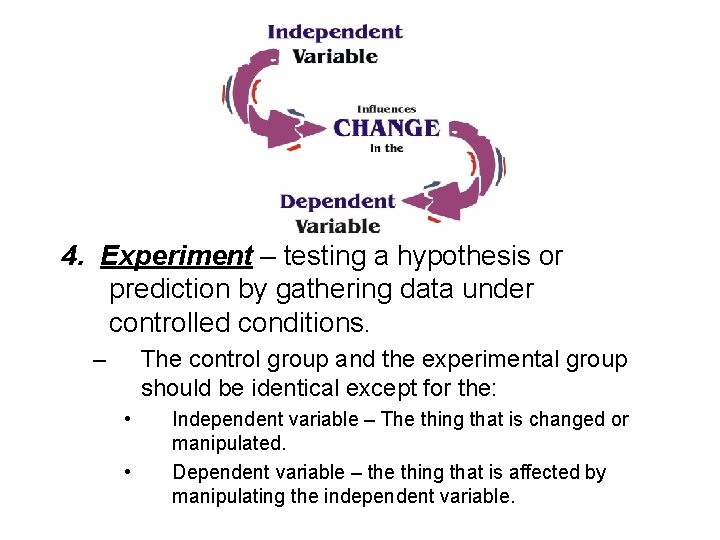
4. Experiment – testing a hypothesis or prediction by gathering data under controlled conditions. – The control group and the experimental group should be identical except for the: • • Independent variable – The thing that is changed or manipulated. Dependent variable – the thing that is affected by manipulating the independent variable.
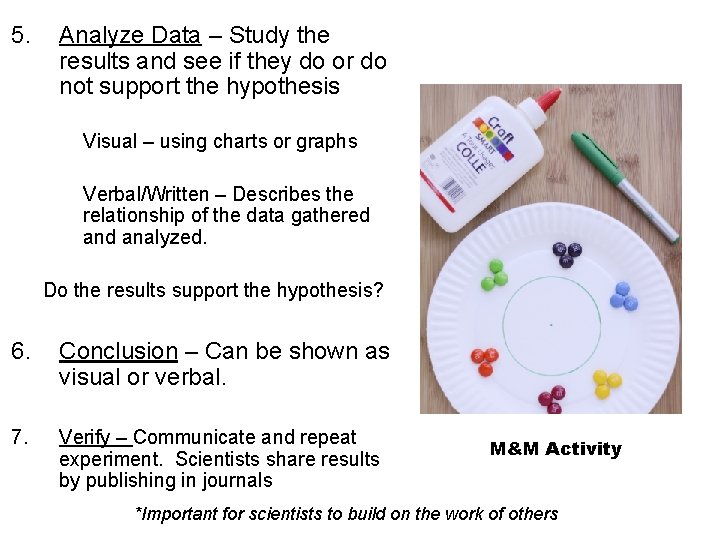
5. Analyze Data – Study the results and see if they do or do not support the hypothesis Visual – using charts or graphs Verbal/Written – Describes the relationship of the data gathered analyzed. Do the results support the hypothesis? 6. Conclusion – Can be shown as visual or verbal. 7. Verify – Communicate and repeat experiment. Scientists share results by publishing in journals M&M Activity *Important for scientists to build on the work of others
THEORIES • A broad and comprehensive statement, supported by evidence and testing of many hypotheses. • Experiments are repeated over and over by many scientists • There are very few theories. Can you think of some? – Theory of Relativity – Theory of Evolution – Big Bang Theory
- Slides: 23