
Unit IX Animal Structure and Function Part III


- Slides: 30
Unit IX: Animal Structure and Function, Part III Hormones and Reproduction
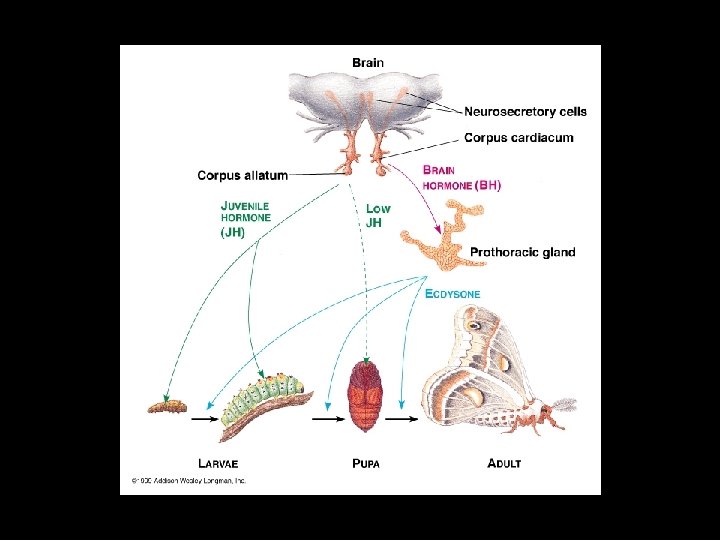
Regulatory Systems Nervous system and Endocrine System • structurally, chemically, and functionally related + nervous system: conveys high speed messages via impulses + endocrine system: slower means of communication via hormones - hormone: chemical signal secreted into body fluids to communicate regulatory messages within the body - neurosecretory cells: nerve cells that secrete hormones • regulation of several physiological processes involves overlap + each system affects the output of the other - invertebrate regulatory system + molting (see Fig. 45. 2) - ecdysone (molting hormone) - brain hormone (BH) - juvenile hormone (JH)
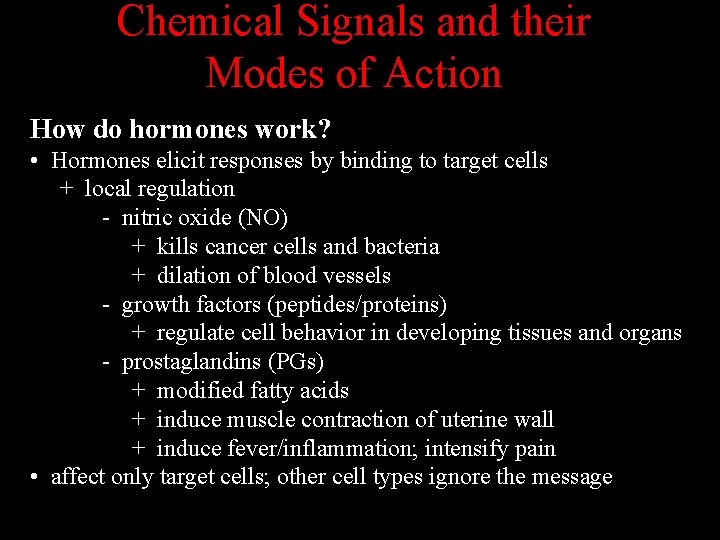
Chemical Signals and their Modes of Action How do hormones work? • Hormones elicit responses by binding to target cells + local regulation - nitric oxide (NO) + kills cancer cells and bacteria + dilation of blood vessels - growth factors (peptides/proteins) + regulate cell behavior in developing tissues and organs - prostaglandins (PGs) + modified fatty acids + induce muscle contraction of uterine wall + induce fever/inflammation; intensify pain • affect only target cells; other cell types ignore the message
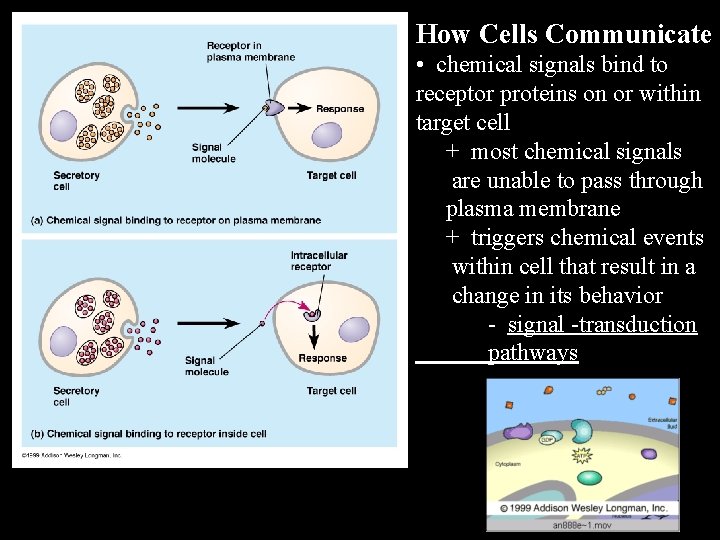
How Cells Communicate • chemical signals bind to receptor proteins on or within target cell + most chemical signals are unable to pass through plasma membrane + triggers chemical events within cell that result in a change in its behavior - signal -transduction pathways
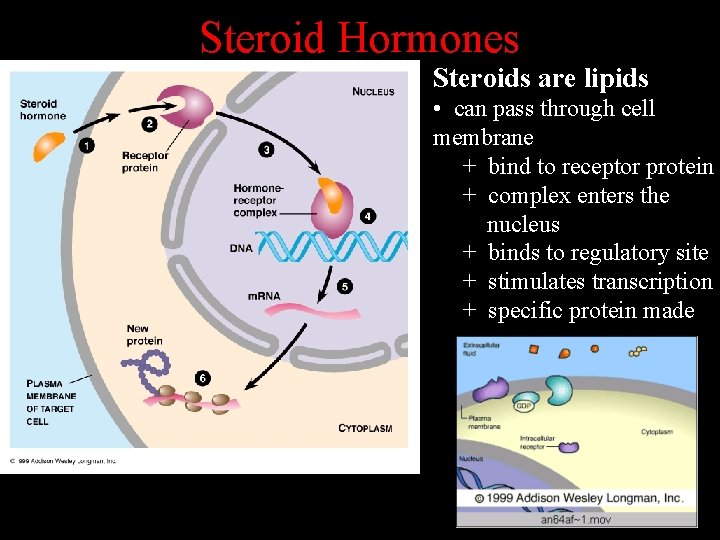
Steroid Hormones Steroids are lipids • can pass through cell membrane + bind to receptor protein + complex enters the nucleus + binds to regulatory site + stimulates transcription + specific protein made
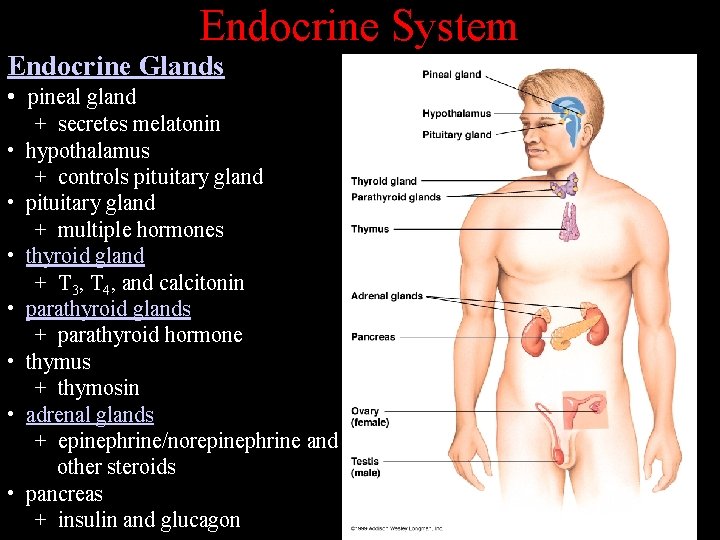
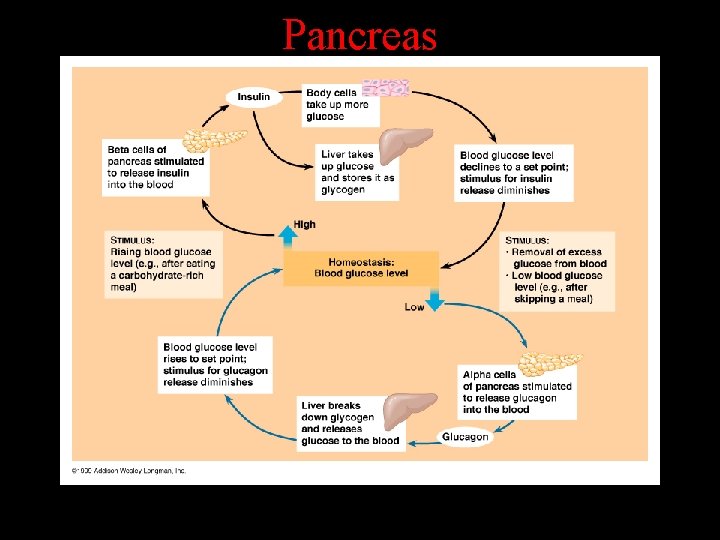
Endocrine System Endocrine Glands • pineal gland • • + secretes melatonin hypothalamus + controls pituitary gland + multiple hormones thyroid gland + T 3, T 4, and calcitonin parathyroid glands + parathyroid hormone thymus + thymosin adrenal glands + epinephrine/norepinephrine and other steroids pancreas + insulin and glucagon
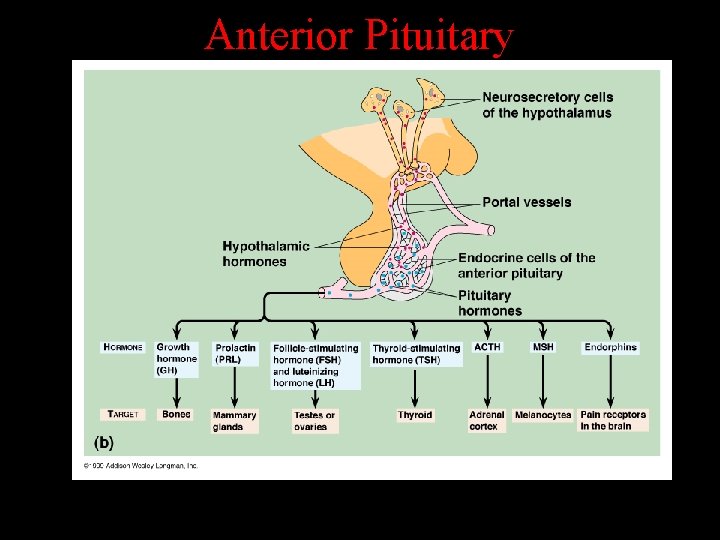
The Hypothalamus • recieves info from nerves and other parts of brain, then initiates endocrine response + neurosecretory cells - ADH, oxytocin + stored in posterior pituitary
Anterior Pituitary
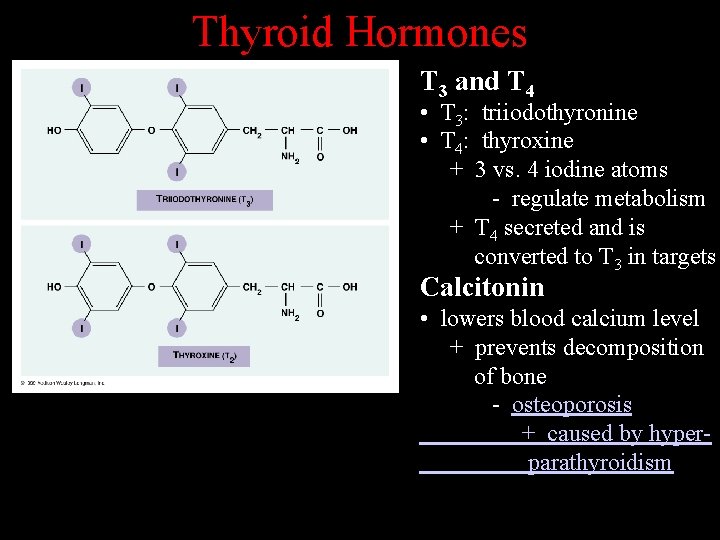
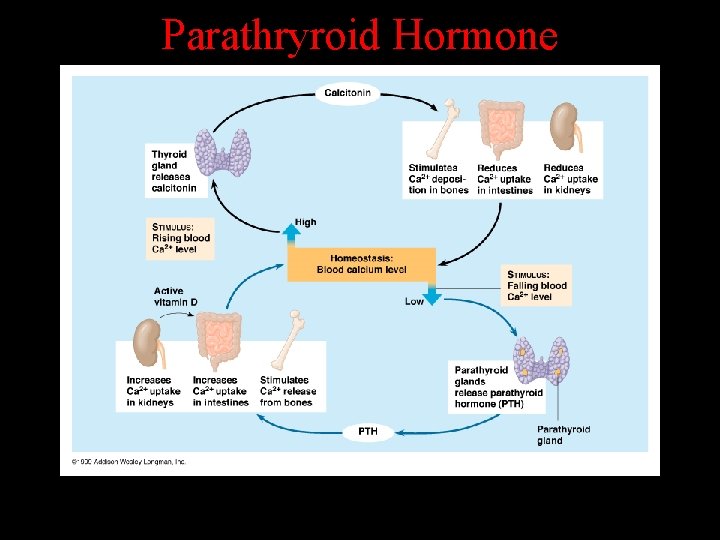
Thyroid Hormones T 3 and T 4 • T 3: triiodothyronine • T 4: thyroxine + 3 vs. 4 iodine atoms - regulate metabolism + T 4 secreted and is converted to T 3 in targets Calcitonin • lowers blood calcium level + prevents decomposition of bone - osteoporosis + caused by hyperparathyroidism
Parathryroid Hormone
Pancreas
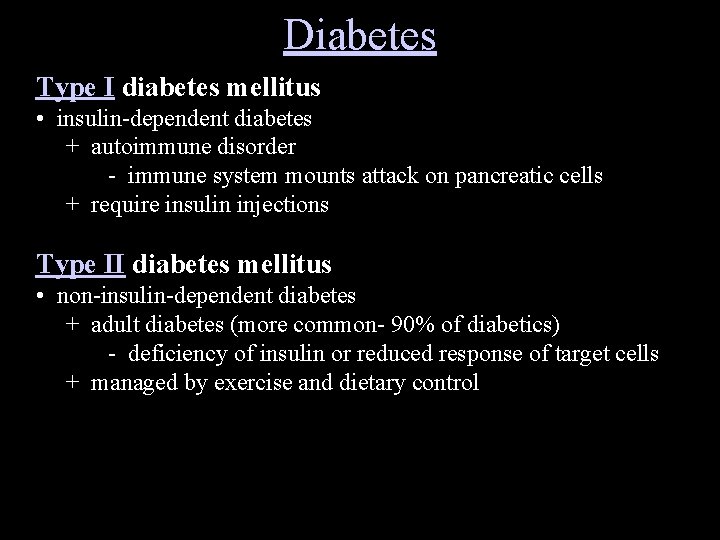
Diabetes Type I diabetes mellitus • insulin-dependent diabetes + autoimmune disorder - immune system mounts attack on pancreatic cells + require insulin injections Type II diabetes mellitus • non-insulin-dependent diabetes + adult diabetes (more common- 90% of diabetics) - deficiency of insulin or reduced response of target cells + managed by exercise and dietary control
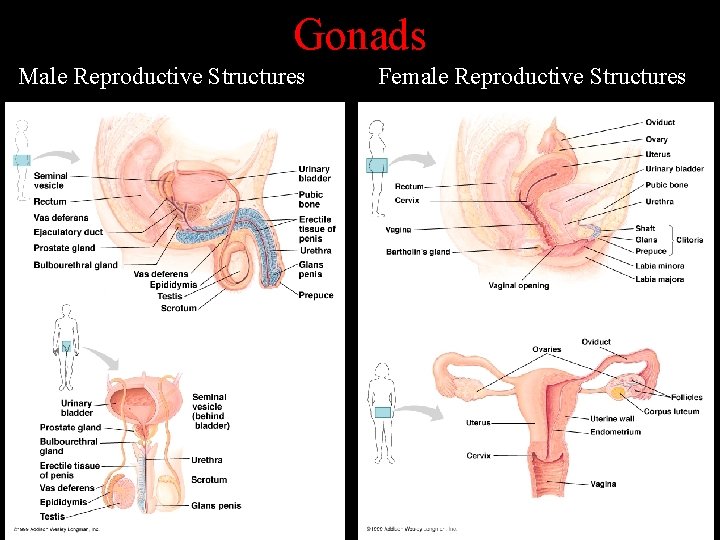
Gonads Male Reproductive Structures Female Reproductive Structures
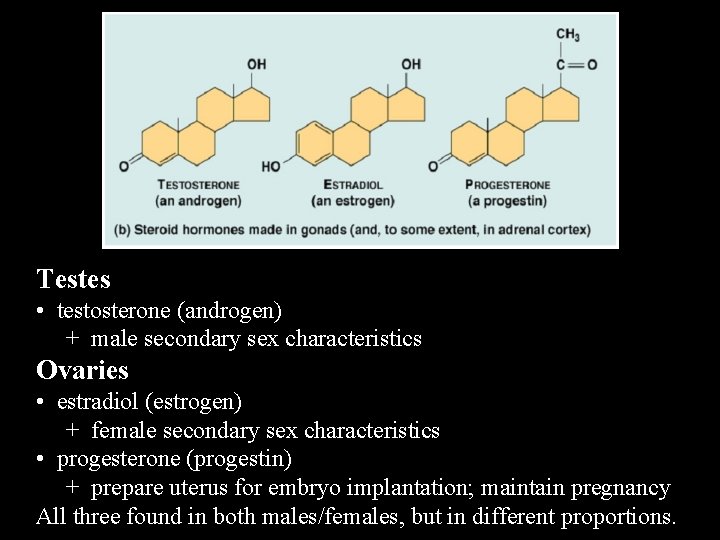
Testes • testosterone (androgen) + male secondary sex characteristics Ovaries • estradiol (estrogen) + female secondary sex characteristics • progesterone (progestin) + prepare uterus for embryo implantation; maintain pregnancy All three found in both males/females, but in different proportions.
Sexual Reproduction Mechanisms of Sexual Reproduction • Internal fertilization + requires cooperative behavior + requires sophisticated reproductive equipment + usually produces fewer zygotes + provide more parental protection • External fertilization + requires moist environment + timing is more important - courtship behavior or pheromones
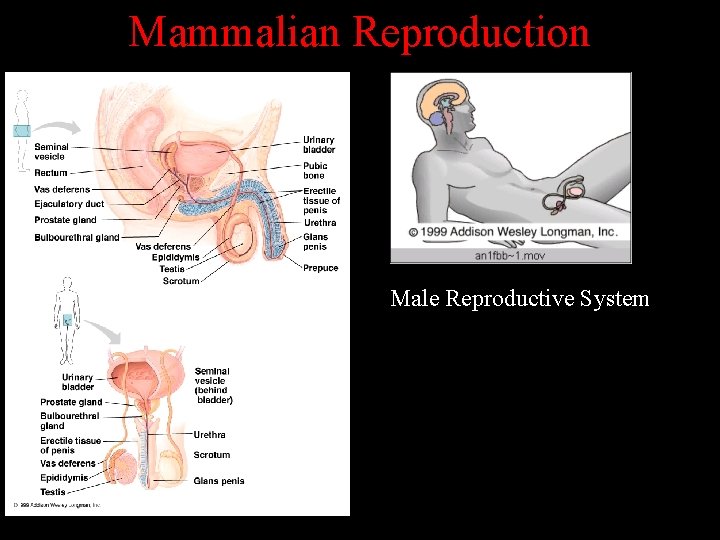
Mammalian Reproduction Male Reproductive System
Reproductive Anatomy of the Human Male • testes (sing. testis) + male gonads; highly coiled tubes - seminiferous tubules • scrotum + fold of the body wall that holds the testes - must be kept 2° below normal body temp. • epididymis + 6 meter long tubule extending from seminiferous tubules • vas deferens + vasectomy • ejaculatory duct + joins the two vas deferens • urethra + tube that drains both the excretory/reproductive systems • accessory glands + seminal vesicles, prostate, bulbourethral glands
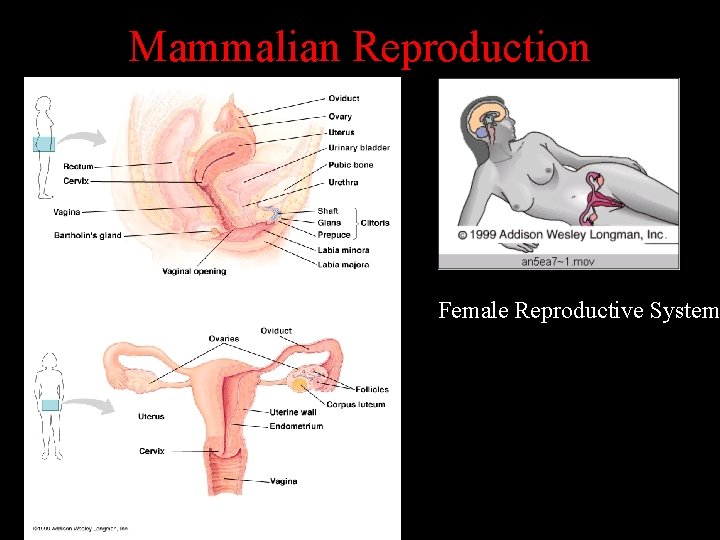
Mammalian Reproduction Female Reproductive System
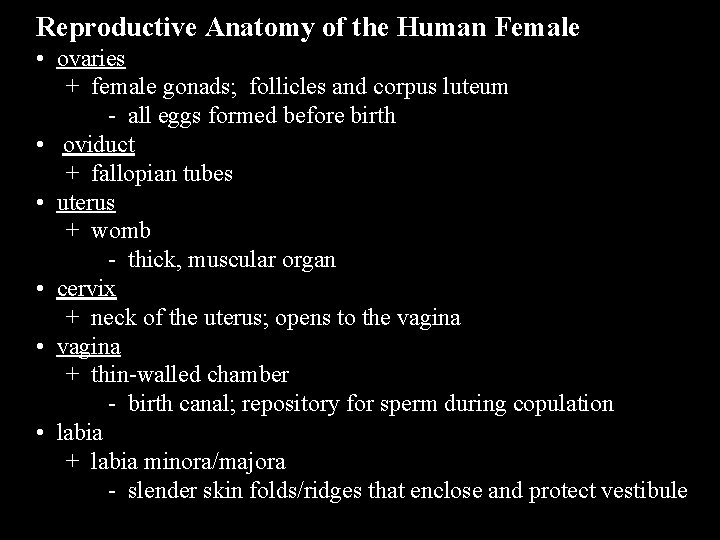
Reproductive Anatomy of the Human Female • ovaries + female gonads; follicles and corpus luteum - all eggs formed before birth • oviduct + fallopian tubes • uterus + womb - thick, muscular organ • cervix + neck of the uterus; opens to the vagina • vagina + thin-walled chamber - birth canal; repository for sperm during copulation • labia + labia minora/majora - slender skin folds/ridges that enclose and protect vestibule
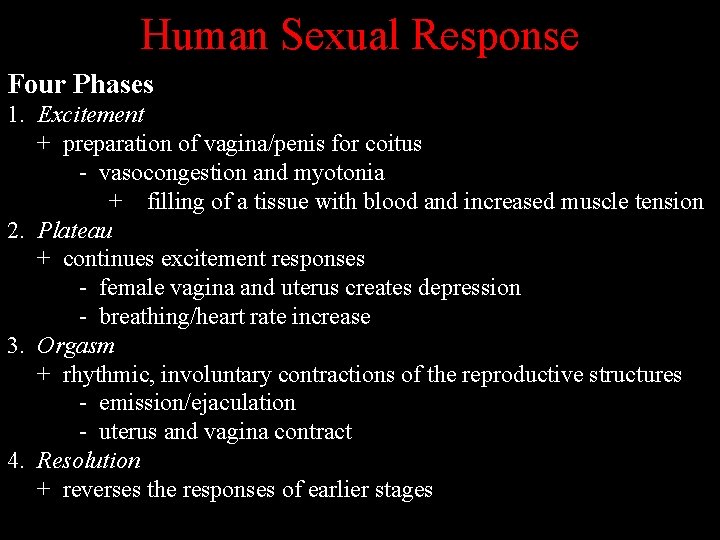
Human Sexual Response Four Phases 1. Excitement + preparation of vagina/penis for coitus - vasocongestion and myotonia + filling of a tissue with blood and increased muscle tension 2. Plateau + continues excitement responses - female vagina and uterus creates depression - breathing/heart rate increase 3. Orgasm + rhythmic, involuntary contractions of the reproductive structures - emission/ejaculation - uterus and vagina contract 4. Resolution + reverses the responses of earlier stages
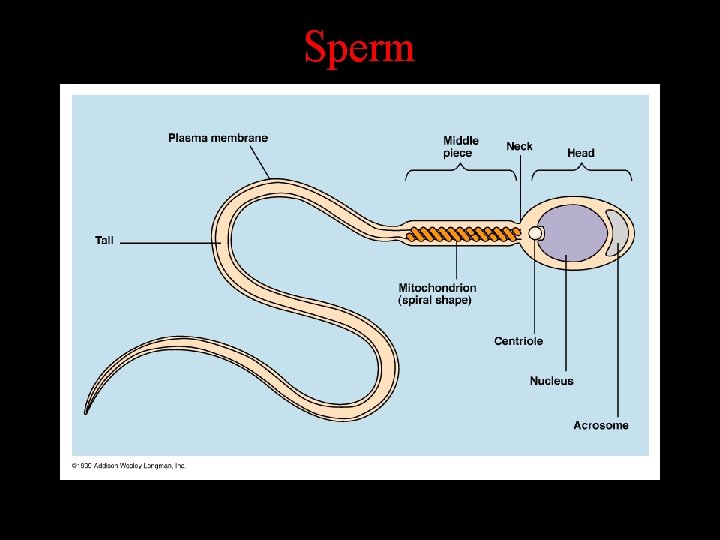
Sperm
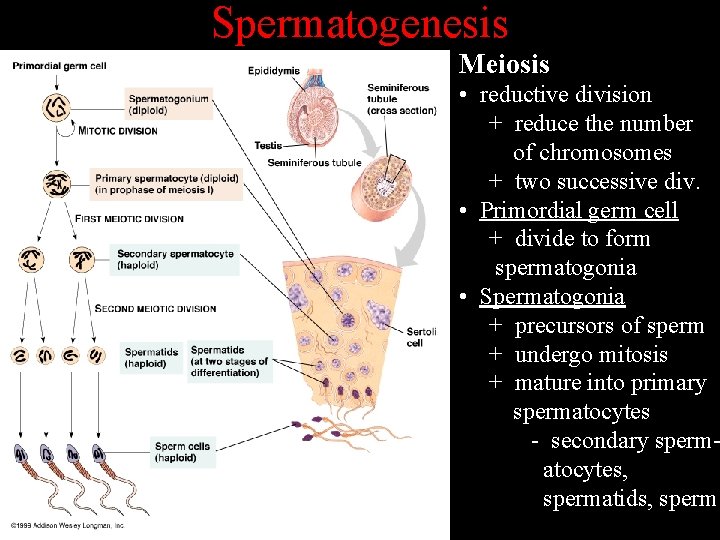
Spermatogenesis Meiosis • reductive division + reduce the number of chromosomes + two successive div. • Primordial germ cell + divide to form spermatogonia • Spermatogonia + precursors of sperm + undergo mitosis + mature into primary spermatocytes - secondary spermatocytes, spermatids, sperm
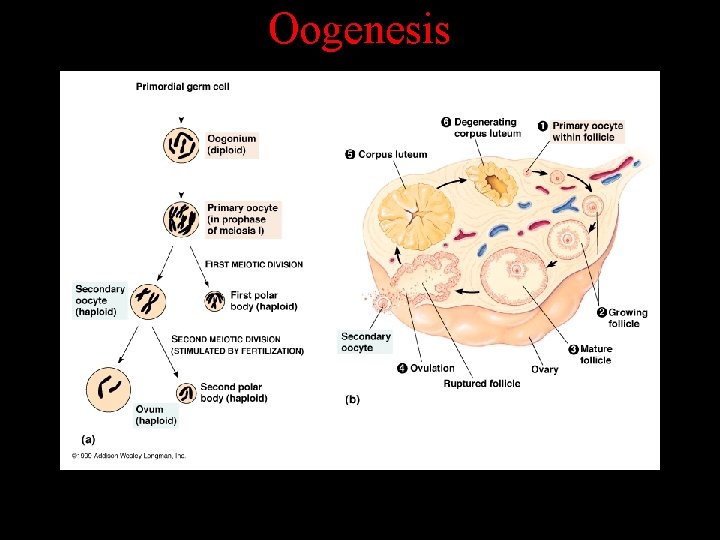
Oogenesis
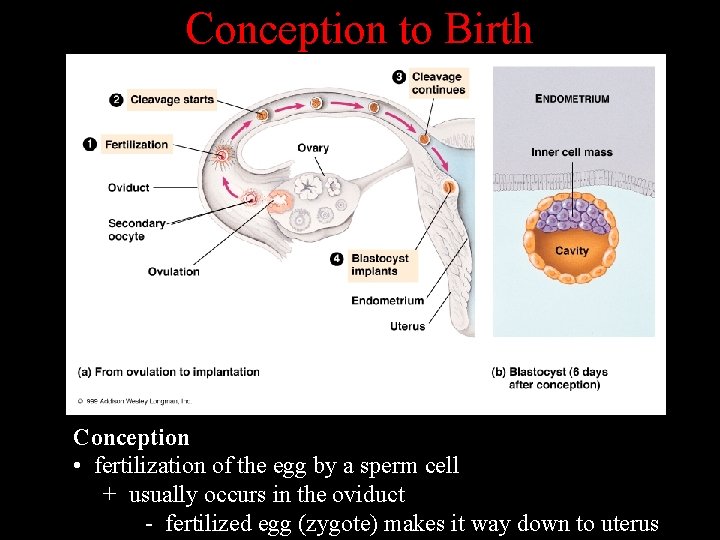
Conception to Birth Conception • fertilization of the egg by a sperm cell + usually occurs in the oviduct - fertilized egg (zygote) makes it way down to uterus
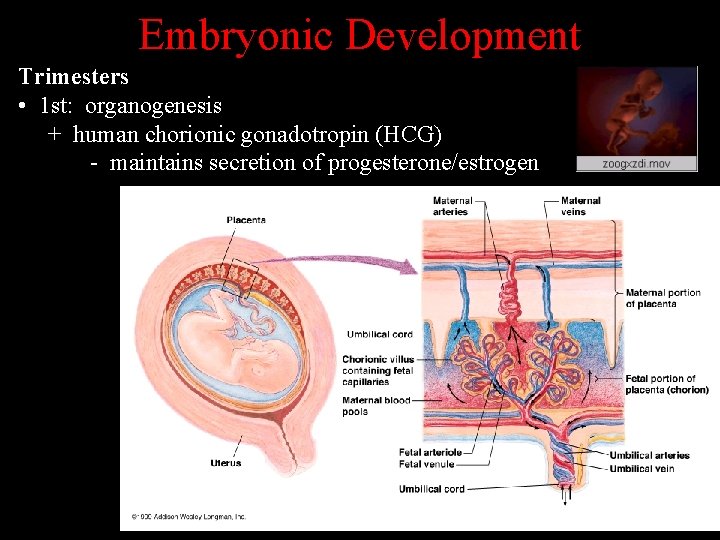
Embryonic Development Trimesters • 1 st: organogenesis + human chorionic gonadotropin (HCG) - maintains secretion of progesterone/estrogen
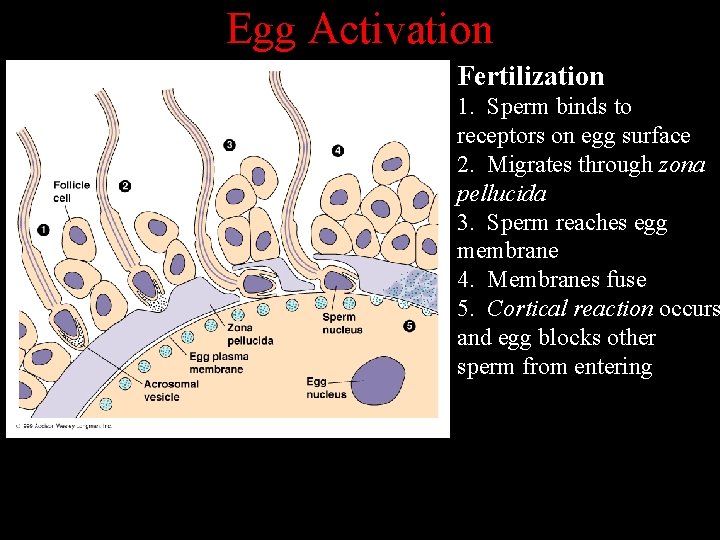
Egg Activation Fertilization 1. Sperm binds to receptors on egg surface 2. Migrates through zona pellucida 3. Sperm reaches egg membrane 4. Membranes fuse 5. Cortical reaction occurs and egg blocks other sperm from entering
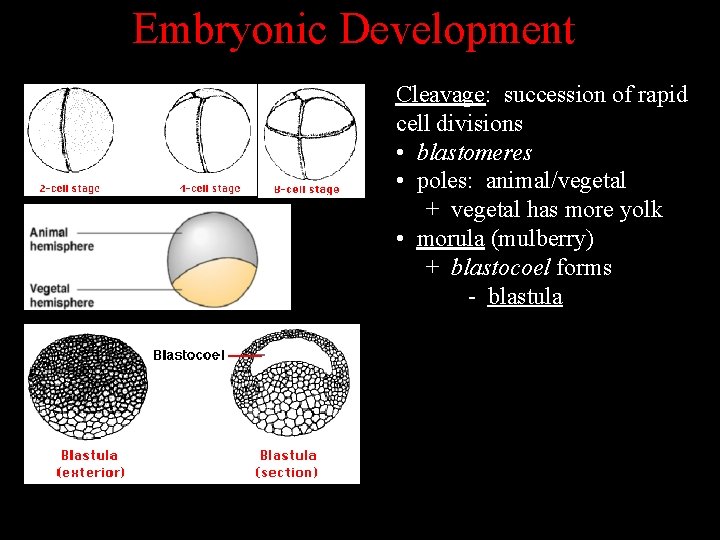
Embryonic Development Cleavage: succession of rapid cell divisions • blastomeres • poles: animal/vegetal + vegetal has more yolk • morula (mulberry) + blastocoel forms - blastula
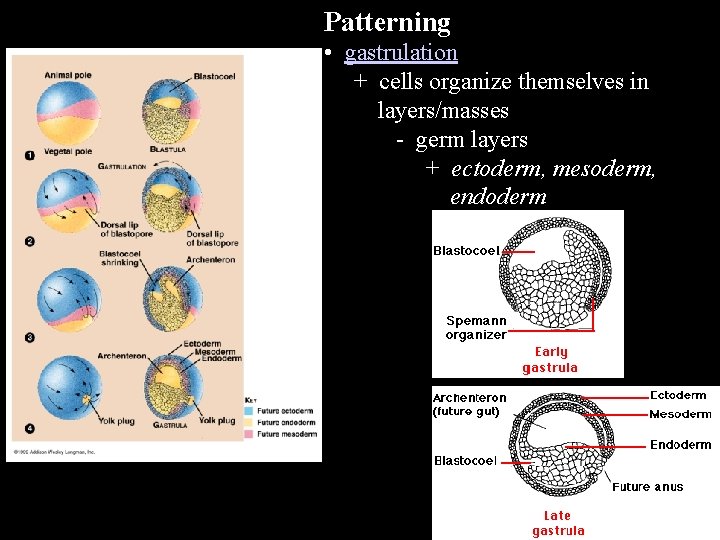
Patterning • gastrulation + cells organize themselves in layers/masses - germ layers + ectoderm, mesoderm, endoderm
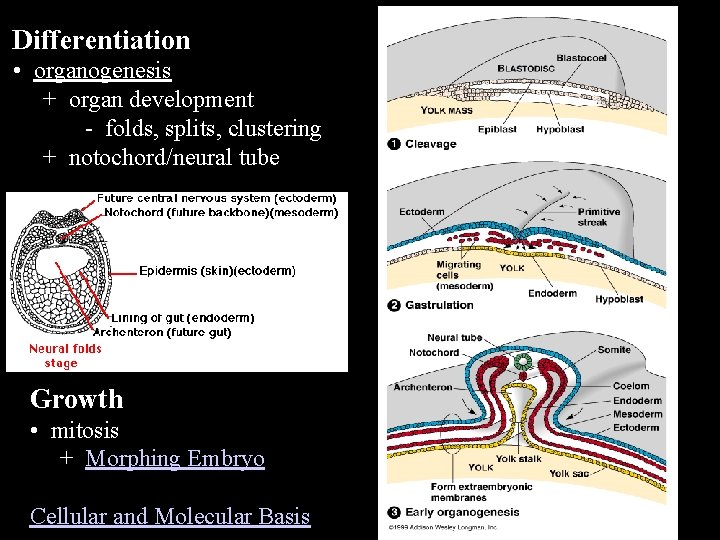
Differentiation • organogenesis + organ development - folds, splits, clustering + notochord/neural tube Growth • mitosis + Morphing Embryo Cellular and Molecular Basis