
Unit III Chapter 5 HUMAN CAUSED HAZARDS AND
- Slides: 52
Unit III – Chapter 5 HUMAN CAUSED HAZARDS AND DISASTERS
WHAT ARE THEY? 1. 2. 3. 4. Global Warming Ozone Depletion Loss of Biodiversity Destruction of Ecosystems � Deforestation � Desertification � Introduction of New Species
WHAT ARE THE CHARACTERISTICS? � They affect people in many parts of the world � Their effects are long term – they remain a threat for many years � They cause permanent damage or serious contamination to the environment
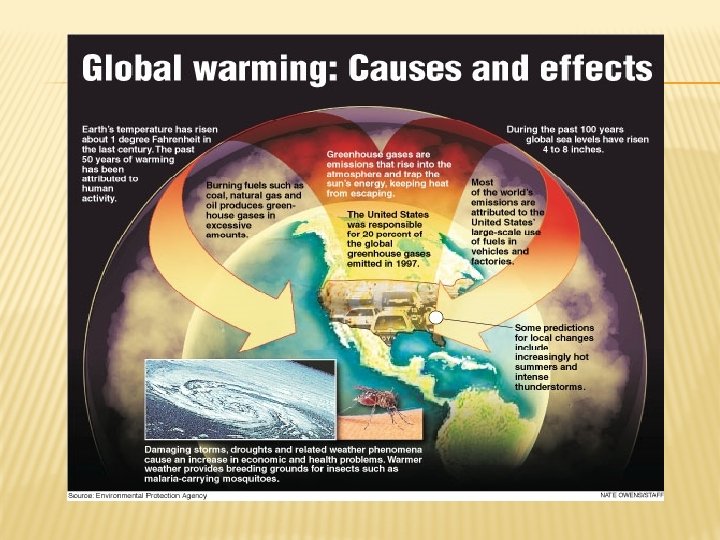
1. GLOBAL WARMING � Most serious � UN’s International Panel on Climate Change – noted continuous warming of climate � Continuous warming is caused by humans (summer temperatures in Ontario in 2010 were 2 degrees higher than normal) � Signs: decrease in thickness of Arctic ice cap
WHY SHOULD WE BE CONCERNED? Sea levels will rise by as much as 1 m because of melting glaciers You. Tube - Melting Trends: Arctic Ice Completely Gone by 2020? � Rainfall and temperature patterns will shift = change in agricultural areas and loss of biodiversity � More violent and more intense weather � Deforestation due to lack of water � Deserts will enlarge � Permafrost areas will melt � Significant drop in food production – higher temperatures and desertification �
2. OZONE DEPLETION � � � � Oxygen makes up about 20% of Earth’s atmosphere It is essential to life on Earth Ultraviolet UV radiation is found about 25 km above the Earth’s atmosphere (here to Sackville) UV rays split Oxygen into its two separate atoms Free atoms combine with oxygen molecules to form ozone Ozone layer is important because it blocks out radiation that damages cell structure Normally there is balance A 1% reduction in the ozone layer leads to a 2 to 4% increase in melanoma
THE HUMAN EFFECT ON THE OZONE � � � � In 1930 s chemical compounds containing chlorine, fluorine and carbon were created – chlorofluorocarbons (CFCs) Used in aerosol cans, refrigeration systems, air conditioners Stable – very difficult to break down BUT – because of this, they stay in the air for a long time Then they rise up into stratosphere where they are broken down and release chlorine atoms The chlorine atoms react with the ozone and break it down into chlorine oxide (CIO) and O 2 – thus thinning the ozone layer Result - Holes are appearing in ozone layer Example - Ozone hole over Antarctica is now a little larger than North America
EFFECTS OF OZONE DEPLETION � More UV rays are allowed to reach earth � Effects: � Cataracts � Skin cancer � Suppression of the immune system in animals and humans � Damages plants – affects photosynthesis and growth � Damages phytokplankton - affects Earth’s oxygen supply
3. LOSS OF BIODIVERSITY � Biological diversity – refers to variety of life forms on Earth � 1. 8 million species have been identified – many more exist � Diversity described at three different levels 1. Genetic 2. Species 3. Ecosystem
GENETIC DIVERSITY � Refers to various genetic information that distinguishes species � Manipulation of this genetic materials allows the production of variety of grasses and grains
SPECIES DIVERSITY � Describes various life forms that appear in a particular area
ECOSYSTEM DIVERSITY � Indicates different habitats, environments or biological communications that appear in given areas – i. e. coral reefs, deserts, ponds, tropical forest � Each provides a habitat for a particular species � Habitat destruction is one of the main threats to biodiversity on Earth
WHY IS IT IMPORTANT? � We depend on plants and animals for our survival � Much of the world economy depends on making use of biodiversity � Other reasons: � Without plant diversity around the world, the balance within the atmosphere would be disrupted � Agricultural production would not be possible without different species of birds and insects � Ecosystem stability would collapse without species diversity
HOW IT IS LOST 1. Eliminates the various species of plants and animals that live there � Cascading effect - The disappearance of one species affects all around it i. e. if a specific plant disappears, the insects that feed off it are affected, and the birds that feed off the insect are at risk � Introduction of a new species of plant or animal into an area also threatens biodiversity – Refireproofing of Florida
4. DESTRUCTION OF ECOSYSTEMS � � � Deforestation Forests are important for fuel, building materials, food and medicinal products Humans viewed forests as a constant With loss of forests: � Increased flooding - Landslides, mudslides � Soil erosion � Increase in wildfires � Increase in carbon dioxide from burning plus removal of carbon dioxide from the atmosphere by plants/trees lost Global Consequences � Loss of biodiversity for the area � Loss of living space and therefore culture � Increased global warming
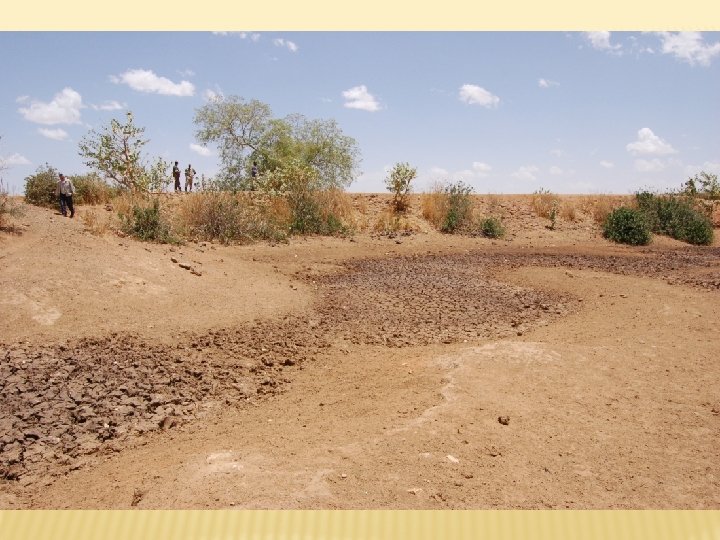
Desertification � Desertification threatens nearly 1/3 of land surface � It occurs when productive dry land is degraded to the point that it becomes unproductive desert � Causes: � Over-cultivation � Overgrazing � Deforestation � Inappropriate irrigation
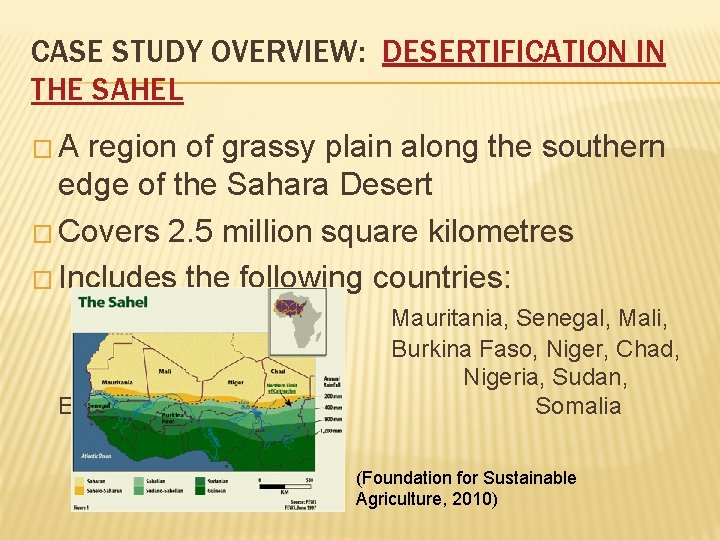
CASE STUDY OVERVIEW: DESERTIFICATION IN THE SAHEL �A region of grassy plain along the southern edge of the Sahara Desert � Covers 2. 5 million square kilometres � Includes the following countries: Ethiopia, Mauritania, Senegal, Mali, Burkina Faso, Niger, Chad, Nigeria, Sudan, Somalia (Foundation for Sustainable Agriculture, 2010)
THE SAHEL � Despite 40 years of tree planting, land-use modification and education programs – still a problem � Main Causes for Desert Advancement � Fragile natural environment � Agricultural practices � Population growth
THE NATURAL ENVIRONMENT � � Most fragile ecosystem in Africa Hot, dry climate � 60 and 100 mm per rain / year � Nova Scotia 1260 to 1600 mm per rain / year � Falls only three months a year � Nova Scotia precipitation expected every month � Droughts are common � Nova Scotia – rare � High temperatures – 40°C to 42°C � Nova Scotia 5°C to 7°C Sandy soil � thin, susceptible to damage, slow to recover, easily eroded Vegetation � Annual grasses with isolated trees and shrubs
AGRICULTURAL PRACTICES � � Originally people lived as nomads � Kept small herds of animals � Rotated crops � Each crop area was allowed to restore fertility for about 10 years During 1950 s and 60 s � Farmers moved from south where they were having lots of rain to north � Started cultivating cash crops � Required heavier land use � Improved vet care and creation of more watering holes for animals led to increase in size and number of herds � More land clear cut for farming, grazing an firewood � This situation depended on high rain falls for sustainability Droughts came from 1968 to 1973 and again in the 1980 s 1990 s rainfall occurred again with devastating results � Flooding, followed by disease � Rapid plant growth from rainfall increase insect population – grasshoppers killed more than 19 million hectares of land
POPULATION GROWTH � In 1996 – population estimated at 247 million � Canada’s population approximately 34 million � Annual population growth = 3% � In Canada – 1. 3% � Population increasing but arable land declining � Has led to greater degradation of land � Hundreds of villages abandoned � Thousands have died � More have suffered malnutrition – 859, 000 children alone – most in Chad and Niger
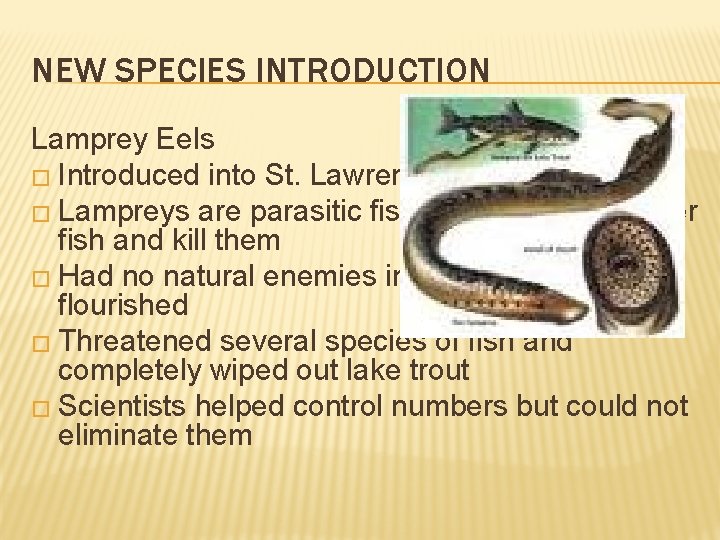
NEW SPECIES INTRODUCTION Lamprey Eels � Introduced into St. Lawrence Seaway � Lampreys are parasitic fish that latch on to other fish and kill them � Had no natural enemies in the Great Lakes so flourished � Threatened several species of fish and completely wiped out lake trout � Scientists helped control numbers but could not eliminate them
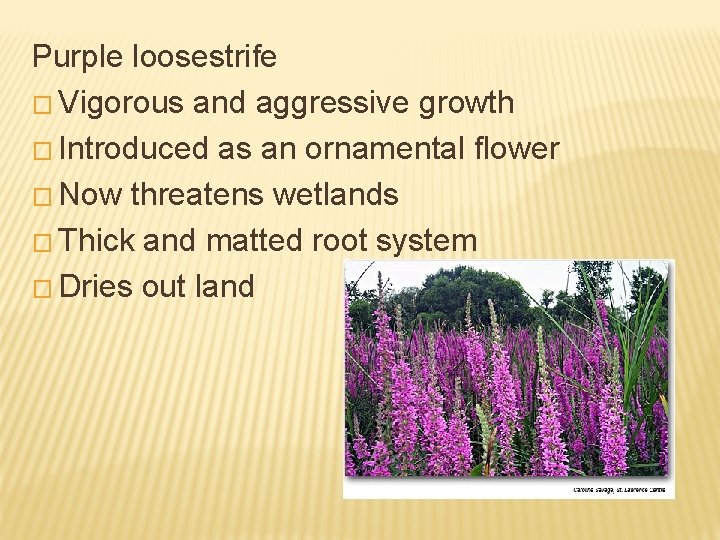
Purple loosestrife � Vigorous and aggressive growth � Introduced as an ornamental flower � Now threatens wetlands � Thick and matted root system � Dries out land
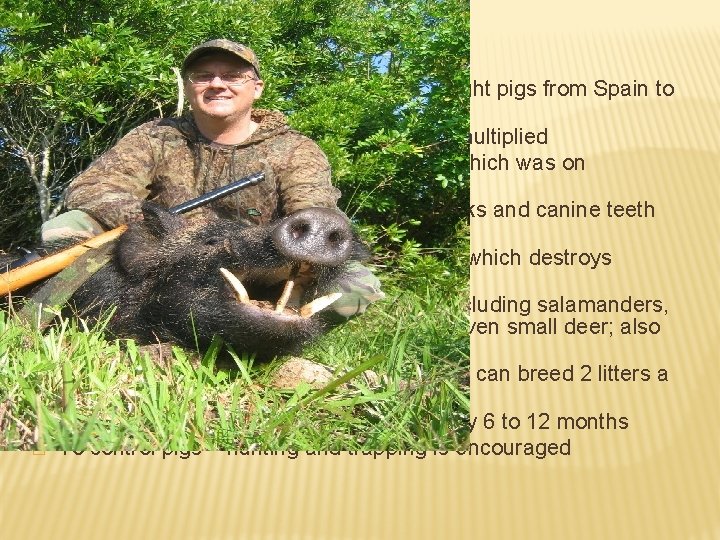
Hog Wild � In 1539 Spaniard Hernando de Soto brought pigs from Spain to Florida � Some escaped into Florida swamps and multiplied � Only natural enemy was Florida panther which was on endangered list while pigs multiplied � Damage ground and plants with sharp tusks and canine teeth (rooting) � Damage by wallowing in Everglade water which destroys vegetation � Voracious eaters – eat almost anything including salamanders, snakes, newts, worms, snails grubs and even small deer; also alligator and bird eggs � Aggressively efficient reproducers – a sow can breed 2 litters a year – each litter has about 6 piglets. � In turn these piglets are sexually mature by 6 to 12 months � To control pigs – hunting and trapping is encouraged
Chapter 6 POLLUTION AND WASTE DISPOSAL
POLLUTION � Any material or product produced by humans and disposed of in such a way that it interferes with the health of our world – living organisms, environments and natural processes of Earth (Global Connections, 1999)
TYPES OF POLLUTANTS A. B. Persistent – remain in the environment for many years without breaking down Non-persistent – biodegradable pollutants
Two main types: Primary Secondary AIR POLLUTION
PRIMARY AIR POLLUTANTS � � � Carbon dioxide � fossil fuels when burned, release CO 2 into the atmosphere Carbon monoxide � burning fossil fuels are not completely oxidized � Odorless � Colourless � poisonous Hydrocarbons � organic compounds that contain carbon and hydrogen � waste from production � exhausts from factories � Cause smog � Respiratory problems
� � � Particulates � Tiny pieces of solid material dispersed into atmosphere from production � Dangerous – act as centers that collect hazardous gases and chemicals � Can cause respiratory difficulties � Carcinogenic � Chief source = smoke � Other sources � bits of asbestos and insulation fibers � dust particles from construction, mining and demolition Sulphur dioxide � Burning fossil fuels – factories and power plants � Reacts with water, oxygen and other chemicals = sulphuric acid � Odor and irritation to throat and lungs Nitrogen oxide � Burning fossil fuels � Combustion in atmosphere – nitrogen and oxygen combine � Harmful to respiratory system
SECONDARY AIR POLLUTANTS � Form when primary air pollutants react with one another 1. Smog 2. Acid Rain
SMOG Industrial and photochemical smog Industrial: � Build up of particles, smoke and dust released into atmosphere from manufacturing � Were common in MDCs � Emission controls put in place which has lessened but not removed this � Now common in LDCs � Manufacturing moved to LDCs � No emission controls in place Photo-chemical: � Forms over urban centres on hot calm days � Nitrogen oxides and hydrocarbons combine to form ozone and PAN (see Figure 6. 4, pg. 133 – Global Connections) �
ACID RAIN AND ACID DEPOSITION � Oxides containing sulphur and nitrogen released into atmosphere from burning of fossil fuels and manufacturing � Dissolve in cloud droplets and fall to Earth as rain � Can move through atmosphere and effect areas far from site of manufacturing – i. e. manufacturing done in Eastern US affects Nova Scotia – acid deposition
EFFECTS OF ACID RAIN AND DEPOSITION � Contact damages plans � Affects soil which in turn affects root systems of plants � Pollutes rivers – kills fish stocks � Loons in Kejimkujic Lake in NS – have high levels of mercury because they feed on contaminated fish � Corrodes buildings, roofs and cars � Increase respiratory problems – asthma
Once thought to be nature’s cleaning system capable of absorbing and purifying waste WATER POLLUTION
RIVERS, LAKES AND OCEANS � Rivers are being polluted by human and toxic industrial waste � Example: Danube � Lakes and inland seas – susceptible because they lack outflows and currents to dilute or remove pollutants � Often receptors for rivers that dump waste � Oceans are destinations for rivers bringing with them toxic and human waste
WATER POLLUTION HAZARDS � Disease causing bacteria, viruses and protozoa cause cholera, dysentery and hepatitis � Too much nitrogen and phosphorous causes excessive algae growth – blocks light to deeper water � Sediment caused by erosion suffocates fish, plants and other organisms � Oil spills kills seabirds, fish, and aquatic animals � Synthetic compoounds and heavy metals are extremely toxic to many life forms
EVIDENCE OF WATER POLLUTION � Algae growth � Fish kills � Floating aste � Oil slicks � Foul odours � Beach closures
WASTE DISPOSAL
TYPES OF WASTE � Domestic sewage � Solid waste � Toxic and hazardous waste
DOMESTIC SEWAGE Produced from homes and commercial buildings � Through sinks, toilets, showers and bathtub drains Treatment: � Most often dumped directly into rivers, lakes and oceans � Municipalities treat sewage by removing solids and most organic materials � Aerate the sewage to kill bacteria and allow microorganisms to decompose solid waste – sludge � Some sludge is dried and used in fertilizers � No method removes toxic chemicals �
SOLID WASTE � Majority is from packaging � Paper, plastic, metal, glass and styrofoam Disposal: � Burying � Incinerating � Recycling
LANDFILLS � Early landfills � Unslightly dumps � Breeding grounds for disease � Smell � Leeching � Current landfills � Designed to eliminate above problems � Problems: finding adequate space and NIMBY
INCINERATION � Advantages: � Reduces the volume of waste � Heat can be used for electrical or heat generation � Disadvantages � Increased amounts of carbon dioxide � Release of toxic chemicals into the air
RECYCLING � REDUCE – most important – cut down on consumption � REUSE � RECYCLE
TOXIC AND HAZARDOUS WASTE � Live in chemical age � Pesticides, herbicides show up in drinking water � People living near dumps sites have higher rates of cancer, congenital defects and other disabilities � Chemical spills kill life
WHAT IS HAZARDOUS VS TOXIC WASTE? � Waste that has dangerous properties that when activated become toxic (poisonous) � Inflammable � Explosive � Chemical
HOW DO MDCS DISPOSE OF HAZARDOUS WASTE? Dump into sanitary landfills thus contaminating them � Discharge untreated waste into sewers, streams, rivers and lakes � High pressure injection to force waste into deep wells � Store liquid waste or sludge in surface pits, ponds or lagoons � Place solid waste in specially designed dumps � Cover waste with soil � Store in special containers in abandoned mines or caverns � Send it to LDCs for disposal �
HAZARDOUS WASTE DESTRUCTION Thermal � Burn waste in furnaces where the heat can be raised to a very high temperature � Costly � Must ensure fumes don’t escape � Disposal of toxic ash is problem Neutralization � Waste can be neutralized through another type of reaction � Acidic waste can be treated with an equally strong alkaline solution � Micro-organisms can break down some toxic substances (bacteria digest oil spills) � Waste produced by one industry can be used by another Only true solution is reduction
WASTE ON FILM � The Story of Stuff � The Trail of Trash � Holiday Waste
REFERENCES � � � � http: //visual. merriam-webster. com/images/plants-gardening/plants/plant/photosynthesis. jpg, retrieved March 1, 2010 http: //www. allaboutgemstones. com/rock_cycle. html retrieved March 3, 2010 http: //en. wikipedia. org/wiki/Earth March 3 http: //www. bing. com/images/search? q=Tide&FORM=BIFD#focal=c 753352 f 665971332 d 781 ca 13 addc 07 e&furl=http%3 A%2 F%2 Flibrary. thinkquest. org%2 FC 003124%2 Fimages%2 Ftides. jpg March 3 http: //www. harcourtschool. com/activity/science_up_close/314/deploy/interface. html March 3 file: ///H: My%20 PicturesHurricane_formation. gif retrieved March 11 file: ///H: My%20 Picturesflappy_tornado_formation. jpg retrieved March 11 http: //www. bing. com/images/search? q=global+warming&FORM=BIFD#focal=9 da 80 adaf 0762 d 02 303 b 9 b 89 c 39943 d 0&furl=http%3 A%2 F%2 Fwww. commoncurrent. com%2 Fnotes%2 Fglobalwarming. jpg retrieved April 7, 2010 http: //www. youtube. com/watch? v=vhr. WCGIlku 4 retrieved January 6, 2011. http: //www. syngentafoundation. org/db/1/49. gif&imgrefurl retrieved January 6, 2011. http: //postconflict. unep. ch/galleries 4. php? key=desertification retrieved January 7, 2011 http: //kasms. blogspot. com/2009/06/shit-me-lamprey-eel-mouths-are-cool. html– retrieved January 7, 2011 http: //www. spiderchainoflakes. org/projects. html retrieved January 7, 2011 The Story of Stuff retrieved February 5, 2011 from thestoryofstuff. com