
UNIT I Protein Structure and Function CHAPTER 4
- Slides: 48
UNIT I: Protein Structure and Function CHAPTER 4: FIBROUS PROTEINS
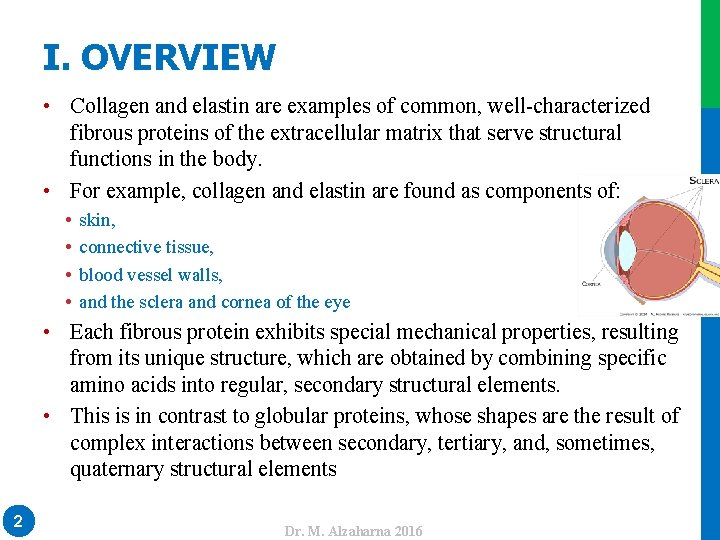
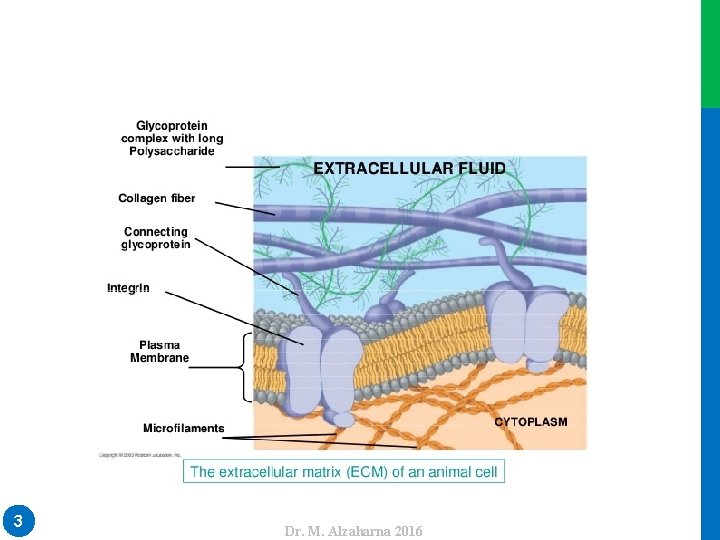
I. OVERVIEW • Collagen and elastin are examples of common, well-characterized fibrous proteins of the extracellular matrix that serve structural functions in the body. • For example, collagen and elastin are found as components of: skin, connective tissue, blood vessel walls, and the sclera and cornea of the eye • Each fibrous protein exhibits special mechanical properties, resulting from its unique structure, which are obtained by combining specific amino acids into regular, secondary structural elements. • This is in contrast to globular proteins, whose shapes are the result of complex interactions between secondary, tertiary, and, sometimes, quaternary structural elements 2 Dr. M. Alzaharna 2016 • •
Dr. M. Alzaharna 2016 3 Dr. M. Alzaharna 2016
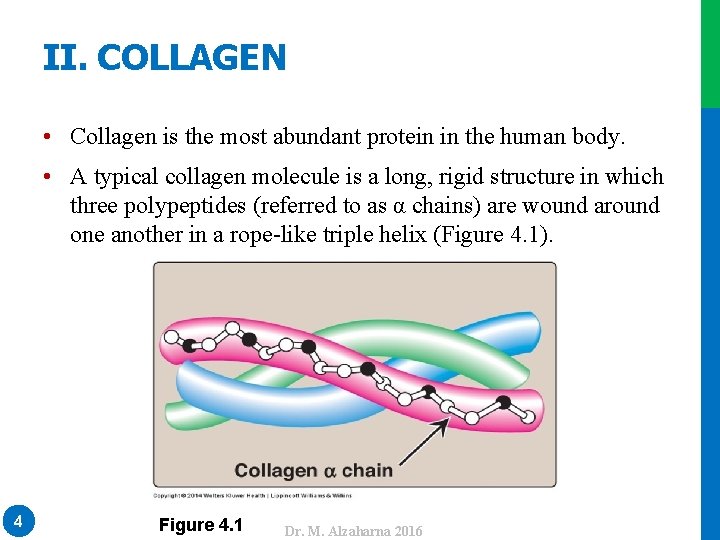
II. COLLAGEN • Collagen is the most abundant protein in the human body. Dr. M. Alzaharna 2016 • A typical collagen molecule is a long, rigid structure in which three polypeptides (referred to as α chains) are wound around one another in a rope-like triple helix (Figure 4. 1). 4 Figure 4. 1 Dr. M. Alzaharna 2016
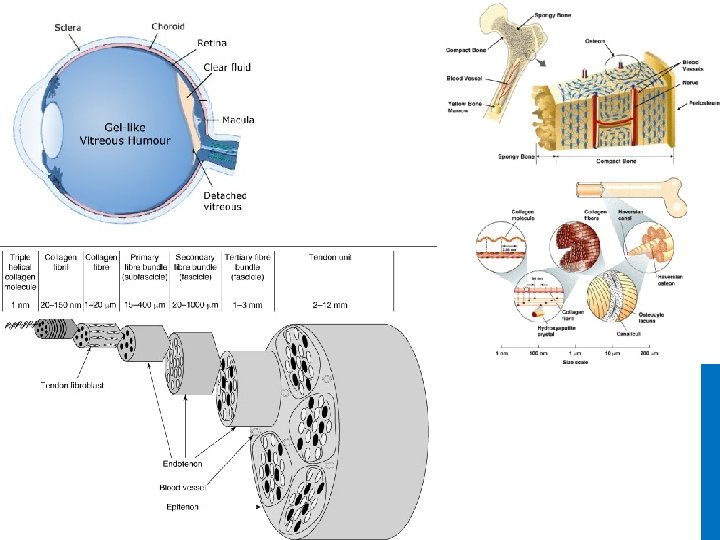
II. COLLAGEN • In some tissues, collagen may be dispersed as a gel that gives support to the structure, as in the extracellular matrix or the vitreous humor of the eye. • In other tissues, collagen may be bundled in tight, parallel fibers that provide great strength, as in tendons. • In the cornea of the eye, collagen is stacked so as to transmit light with a minimum of scattering. • Collagen of bone occurs as fibers arranged at an angle to each other so as to resist mechanical shear from any direction. 5 Dr. M. Alzaharna 2016 • Although these molecules are found throughout the body, their types and organization are dictated by the structural role collagen plays in a particular organ.
Dr. M. Alzaharna 2016 6 Dr. M. Alzaharna 2016
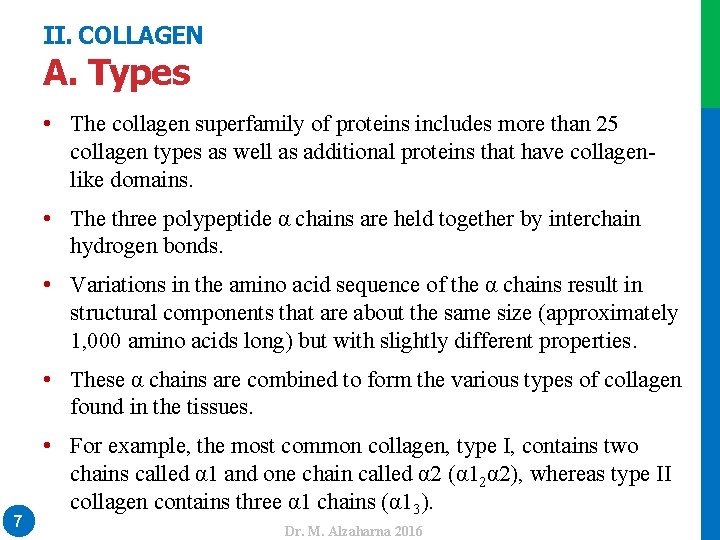
II. COLLAGEN A. Types • The collagen superfamily of proteins includes more than 25 collagen types as well as additional proteins that have collagenlike domains. • Variations in the amino acid sequence of the α chains result in structural components that are about the same size (approximately 1, 000 amino acids long) but with slightly different properties. • These α chains are combined to form the various types of collagen found in the tissues. 7 • For example, the most common collagen, type I, contains two chains called α 1 and one chain called α 2 (α 12α 2), whereas type II collagen contains three α 1 chains (α 13). Dr. M. Alzaharna 2016 • The three polypeptide α chains are held together by interchain hydrogen bonds.
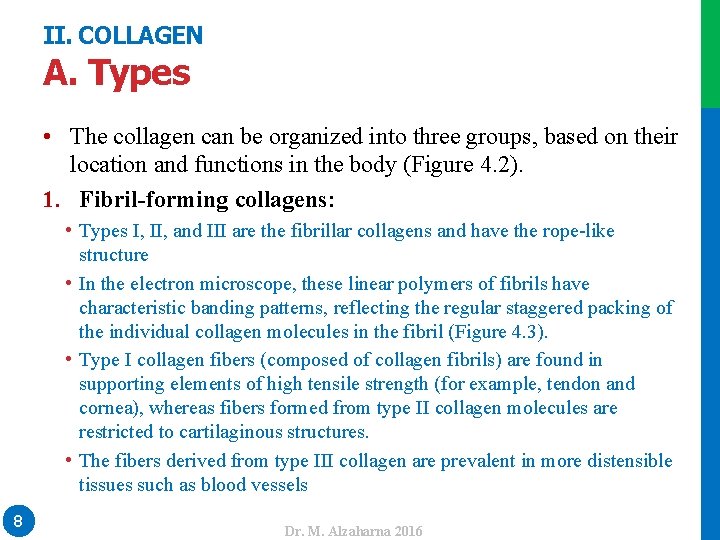
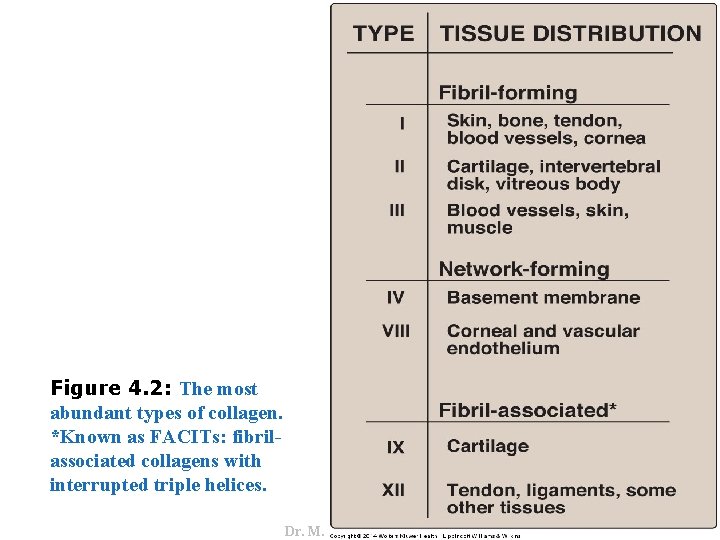
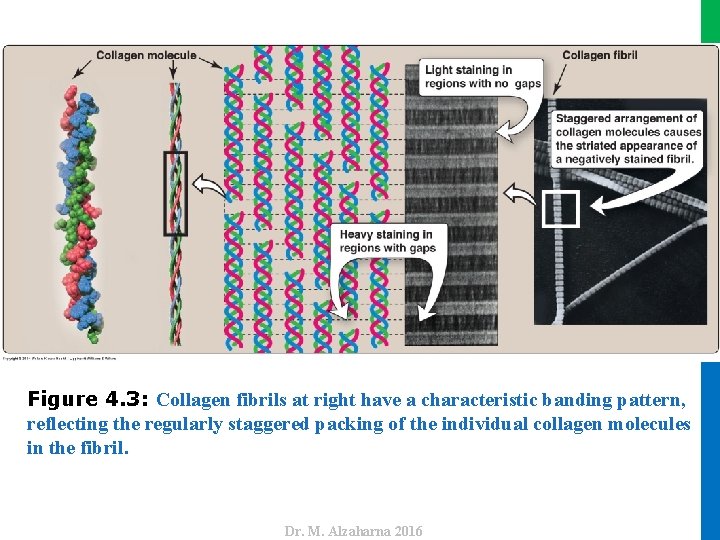
II. COLLAGEN A. Types • Types I, II, and III are the fibrillar collagens and have the rope-like structure • In the electron microscope, these linear polymers of fibrils have characteristic banding patterns, reflecting the regular staggered packing of the individual collagen molecules in the fibril (Figure 4. 3). • Type I collagen fibers (composed of collagen fibrils) are found in supporting elements of high tensile strength (for example, tendon and cornea), whereas fibers formed from type II collagen molecules are restricted to cartilaginous structures. • The fibers derived from type III collagen are prevalent in more distensible tissues such as blood vessels 8 Dr. M. Alzaharna 2016 • The collagen can be organized into three groups, based on their location and functions in the body (Figure 4. 2). 1. Fibril-forming collagens:
Dr. M. Alzaharna 2016 Figure 4. 2: The most abundant types of collagen. *Known as FACITs: fibrilassociated collagens with interrupted triple helices. Dr. M. Alzaharna 2016
Dr. M. Alzaharna 2016 Figure 4. 3: Collagen fibrils at right have a characteristic banding pattern, reflecting the regularly staggered packing of the individual collagen molecules in the fibril.
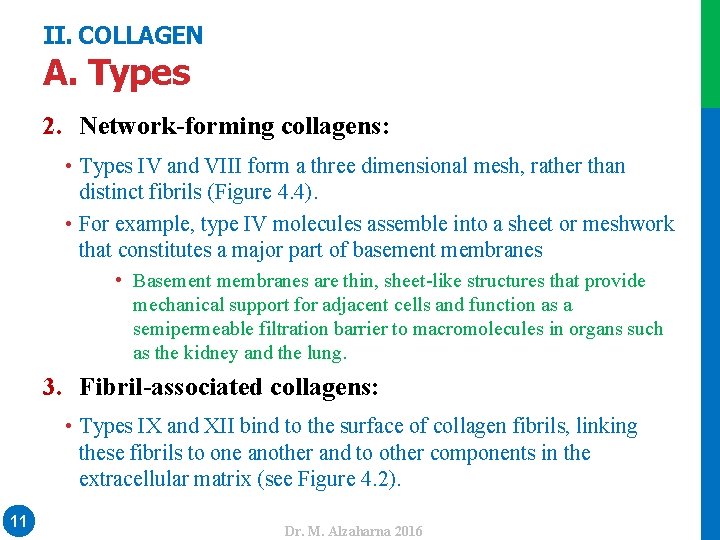
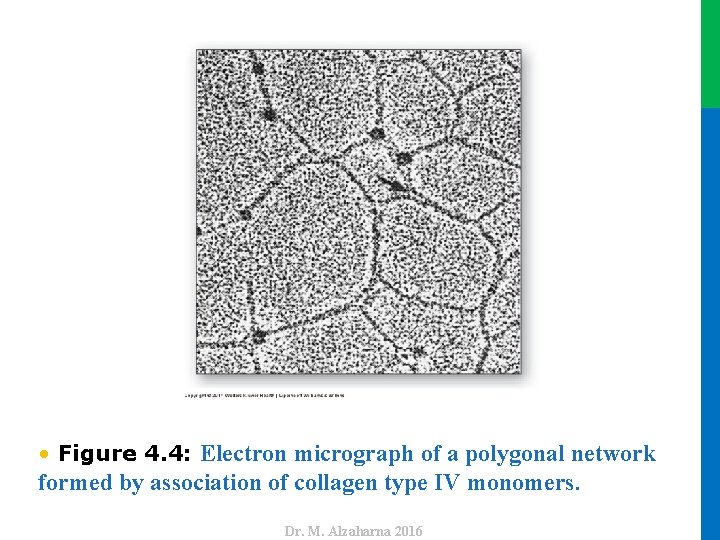
II. COLLAGEN A. Types 2. Network-forming collagens: • Basement membranes are thin, sheet-like structures that provide mechanical support for adjacent cells and function as a semipermeable filtration barrier to macromolecules in organs such as the kidney and the lung. 3. Fibril-associated collagens: • Types IX and XII bind to the surface of collagen fibrils, linking these fibrils to one another and to other components in the extracellular matrix (see Figure 4. 2). 11 Dr. M. Alzaharna 2016 • Types IV and VIII form a three dimensional mesh, rather than distinct fibrils (Figure 4. 4). • For example, type IV molecules assemble into a sheet or meshwork that constitutes a major part of basement membranes
formed by association of collagen type IV monomers. Dr. M. Alzaharna 2016 • Figure 4. 4: Electron micrograph of a polygonal network
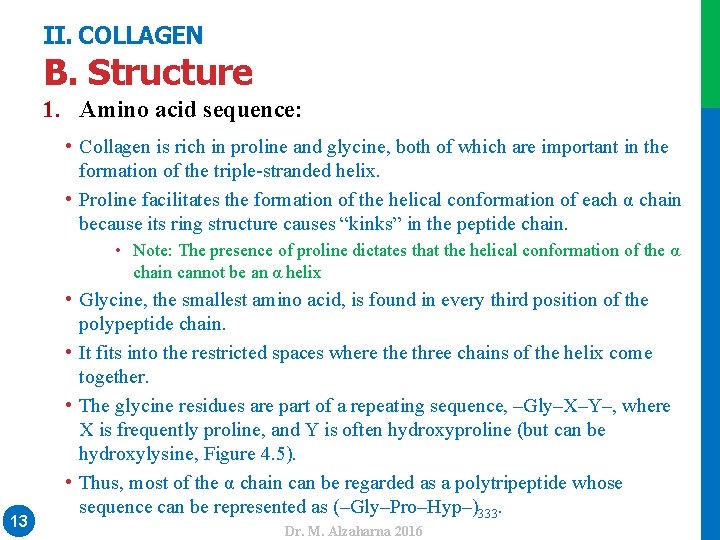
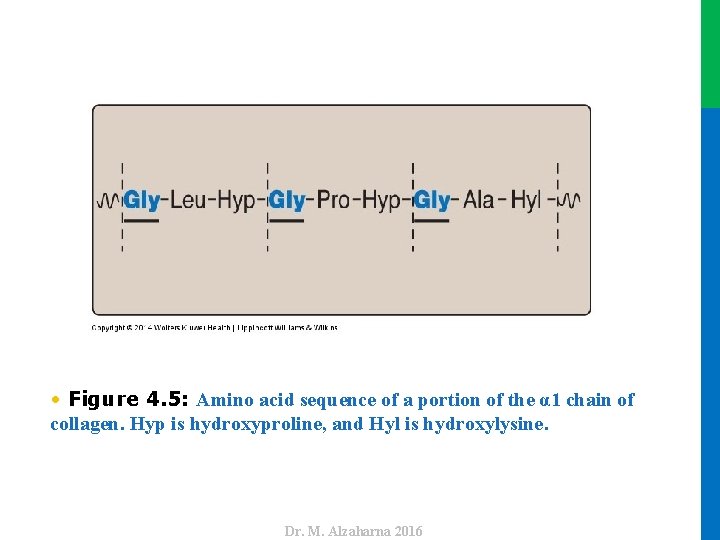
II. COLLAGEN B. Structure 1. Amino acid sequence: • Collagen is rich in proline and glycine, both of which are important in the formation of the triple-stranded helix. • Proline facilitates the formation of the helical conformation of each α chain because its ring structure causes “kinks” in the peptide chain. 13 • Glycine, the smallest amino acid, is found in every third position of the polypeptide chain. • It fits into the restricted spaces where three chains of the helix come together. • The glycine residues are part of a repeating sequence, –Gly–X–Y–, where X is frequently proline, and Y is often hydroxyproline (but can be hydroxylysine, Figure 4. 5). • Thus, most of the α chain can be regarded as a polytripeptide whose sequence can be represented as (–Gly–Pro–Hyp–)333. Dr. M. Alzaharna 2016 • Note: The presence of proline dictates that the helical conformation of the α chain cannot be an α helix
Dr. M. Alzaharna 2016 • Figure 4. 5: Amino acid sequence of a portion of the α 1 chain of collagen. Hyp is hydroxyproline, and Hyl is hydroxylysine.
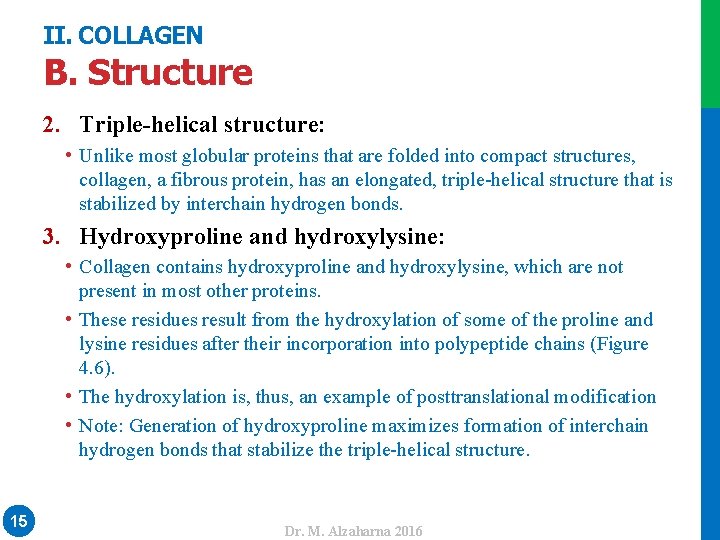
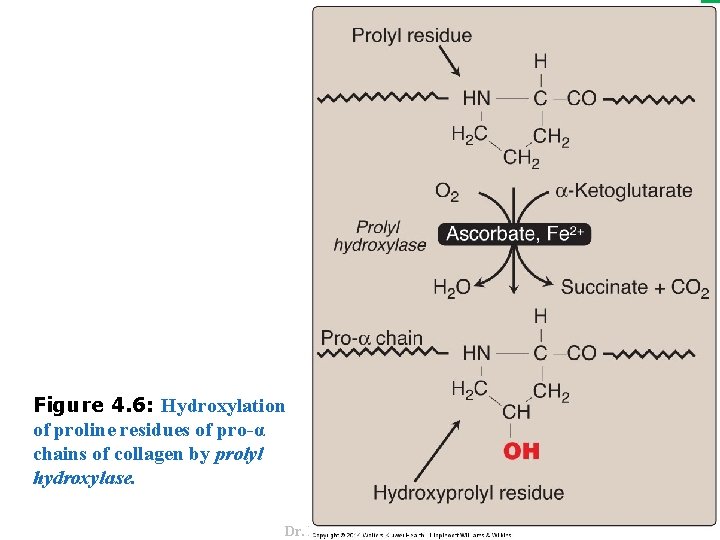
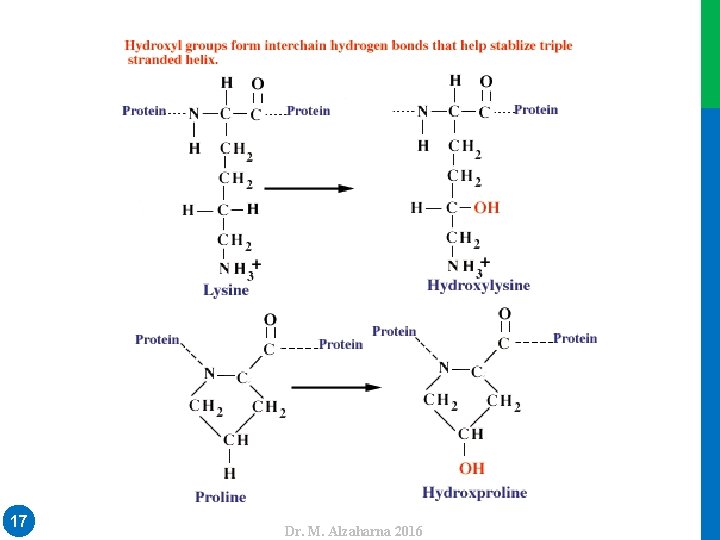
II. COLLAGEN B. Structure 2. Triple-helical structure: • Unlike most globular proteins that are folded into compact structures, collagen, a fibrous protein, has an elongated, triple-helical structure that is stabilized by interchain hydrogen bonds. • Collagen contains hydroxyproline and hydroxylysine, which are not present in most other proteins. • These residues result from the hydroxylation of some of the proline and lysine residues after their incorporation into polypeptide chains (Figure 4. 6). • The hydroxylation is, thus, an example of posttranslational modification • Note: Generation of hydroxyproline maximizes formation of interchain hydrogen bonds that stabilize the triple-helical structure. 15 Dr. M. Alzaharna 2016 3. Hydroxyproline and hydroxylysine:
Dr. M. Alzaharna 2016 Figure 4. 6: Hydroxylation of proline residues of pro-α chains of collagen by prolyl hydroxylase.
Dr. M. Alzaharna 2016 17 Dr. M. Alzaharna 2016
II. COLLAGEN B. Structure 4. Glycosylation: Dr. M. Alzaharna 2016 • The hydroxyl group of the hydroxylysine residues of collagen may be enzymatically glycosylated. • Most commonly, glucose and galactose are sequentially attached to the polypeptide chain prior to triple-helix formation (Figure 4. 7). 18 Dr. M. Alzaharna 2016
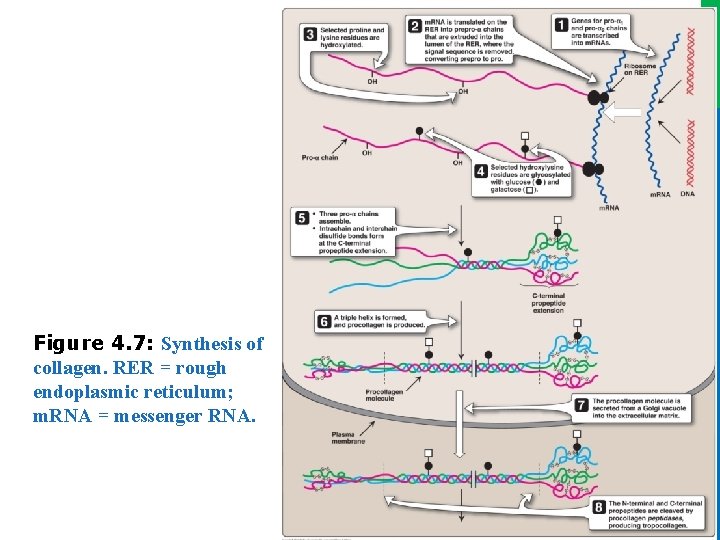
Dr. M. Alzaharna 2016 Figure 4. 7: Synthesis of collagen. RER = rough endoplasmic reticulum; m. RNA = messenger RNA. Dr. M. Alzaharna 2016
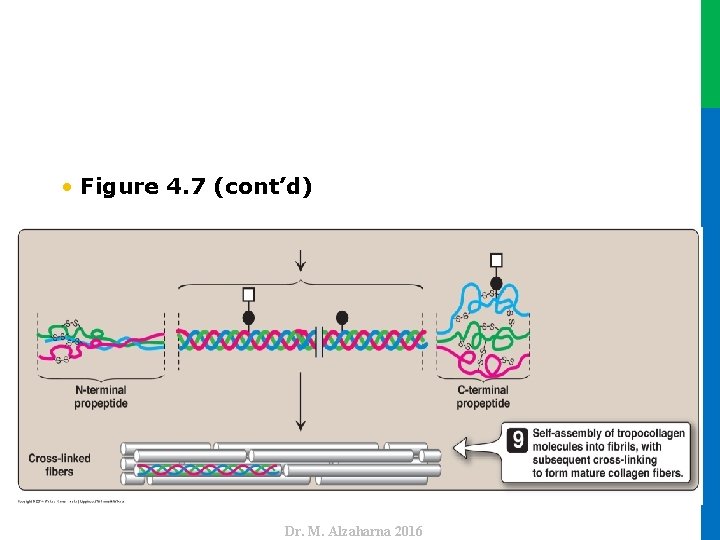
Dr. M. Alzaharna 2016 • Figure 4. 7 (cont’d) Dr. M. Alzaharna 2016
II. COLLAGEN C. Biosynthesis • The polypeptide precursors of the collagen molecule are synthesized in fibroblasts (or in the related osteoblasts of bone and chondroblasts of cartilage). • After additional enzymatic modification, the mature extracellular collagen monomers aggregate and become crosslinked to form collagen fibers 21 Dr. M. Alzaharna 2016 • They are enzymatically modified and form the triple helix, which gets secreted into the extracellular matrix.
II. COLLAGEN C. Biosynthesis 22 • Collagen is one of many proteins that normally function outside of cells. • Like most proteins produced for export, the newly synthesized polypeptide precursors of α chains (prepro-α chains) contain a special amino acid sequence at their N-terminal ends. • This sequence acts as a signal that, in the absence of additional signals, targets the polypeptide being synthesized for secretion from the cell. • The signal sequence facilitates the binding of ribosomes to the rough endoplasmic reticulum (RER), and directs the passage of the prepro-α chain into the lumen of the RER. • The signal sequence is rapidly cleaved in the RER to yield a precursor of collagen called a pro-α chain (see Figure 4. 7) Dr. M. Alzaharna 2016 1. Formation of pro-α chains:
II. COLLAGEN C. Biosynthesis • The pro-α chains are processed by a number of enzymatic steps within the lumen of the RER while the polypeptides are still being synthesized (see Figure 4. 7). • Proline and lysine residues found in the Y-position of the –Gly –X–Y– sequence can be hydroxylated to form hydroxyproline and hydroxylysine residues. • These hydroxylation reactions require molecular oxygen, Fe 2+, and the reducing agent vitamin C, without which the hydroxylating enzymes, prolyl hydroxylase and lysyl hydroxylase, are unable to function (see Figure 4. 6). 23 Dr. M. Alzaharna 2016 2. Hydroxylation:
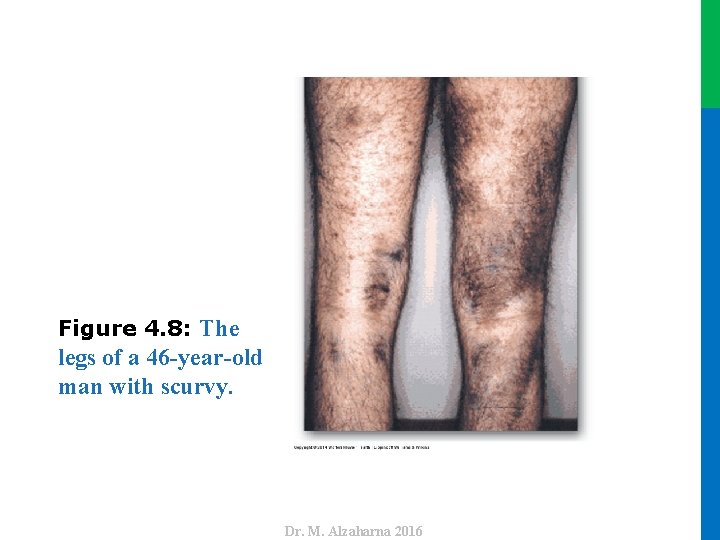
II. COLLAGEN • In the case of ascorbic acid deficiency (and, therefore, a lack of proline and lysine hydroxylation), interchain H-bond formation is impaired, as is formation of a stable triple helix. • Additionally, collagen fibrils cannot be cross-linked (see below), greatly decreasing the tensile strength of the assembled fiber. • The resulting deficiency disease is known as scurvy. Patients with ascorbic acid deficiency also often show bruises on the limbs as a result of subcutaneous extravasation (leakage) of blood due to capillary fragility (Figure 4. 8). 24 Dr. M. Alzaharna 2016 C. Biosynthesis
Figure 4. 8: The Dr. M. Alzaharna 2016 legs of a 46 -year-old man with scurvy. Dr. M. Alzaharna 2016
II. COLLAGEN C. Biosynthesis 3. Glycosylation: • Some hydroxylysine residues are modified by glycosylation with glucose or glucosyl-galactose (see Figure 4. 7). • After hydroxylation and glycosylation, three pro-α chains form procollagen, a precursor of collagen that has a central region of triple helix flanked by the nonhelical amino- and carboxyl-terminal extensions called propeptides (see Figure 4. 7). • The formation of procollagen begins with formation of interchain disulfide bonds between the C-terminal extensions of the pro-α chains. • This brings the three α chains into an alignment favorable for helix formation. • The procollagen molecules move through the Golgi apparatus, where they are packaged in secretory vesicles. • The vesicles fuse with the cell membrane, causing the release of procollagen molecules into the extracellular space. 26 Dr. M. Alzaharna 2016 4. Assembly and secretion:
II. COLLAGEN C. Biosynthesis 5. Extracellular cleavage of procollagen molecules: • After their release, the procollagen molecules are cleaved by N- and C-procollagen peptidases, which remove the terminal propeptides, releasing triple-helical tropocollagen molecules. • Tropocollagen molecules spontaneously associate to form collagen fibrils. • They form an ordered, overlapping, parallel array, with adjacent collagen molecules arranged in a staggered pattern, each overlapping its neighbor by a length approximately threequarters of a molecule (see Figure 4. 7). 27 Dr. M. Alzaharna 2016 6. Formation of collagen fibrils:
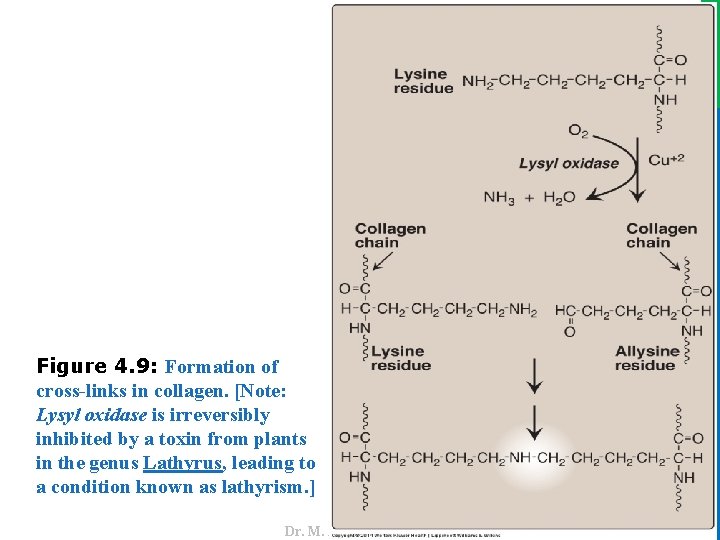
II. COLLAGEN C. Biosynthesis • The fibrillar array of collagen molecules serves as a substrate for lysyl oxidase. • This Cu 2+-containing extracellular enzyme oxidatively deaminates some of the lysine and hydroxylysine residues in collagen. • The reactive aldehydes that result (allysine and hydroxyallysine) can condense with lysine or hydroxylysine residues in neighboring collagen molecules to form covalent cross-links and, thus, mature collagen fibers (Figure 4. 9) 28 Dr. M. Alzaharna 2016 7. Cross-link formation:
Dr. M. Alzaharna 2016 Figure 4. 9: Formation of cross-links in collagen. [Note: Lysyl oxidase is irreversibly inhibited by a toxin from plants in the genus Lathyrus, leading to a condition known as lathyrism. ]
II. COLLAGEN • Normal collagens are highly stable molecules, having half-lives as long as several years. • However, connective tissue is dynamic and is constantly being remodeled, often in response to growth or injury of the tissue. • Breakdown of collagen fibers is dependent on the proteolytic action of collagenases, which are part of a large family of matrix metalloproteinases. • For type I collagen, the cleavage site is specific, generating three-quarter and one-quarter length fragments. • These fragments are further degraded by other matrix proteinases. 30 Dr. M. Alzaharna 2016 D. Degradation
II. COLLAGEN E. Collagen diseases: Collagenopathies • Defects in any one of the many steps in collagen fiber synthesis can result in a genetic disease involving an inability of collagen to form fibers properly and, therefore, an inability to provide tissues with the needed tensile strength normally provided by collagen. • The following are examples of diseases that are the result of defective collagen synthesis. 31 Dr. M. Alzaharna 2016 • More than 1, 000 mutations have been identified in 23 genes coding for 13 of the collagen types.
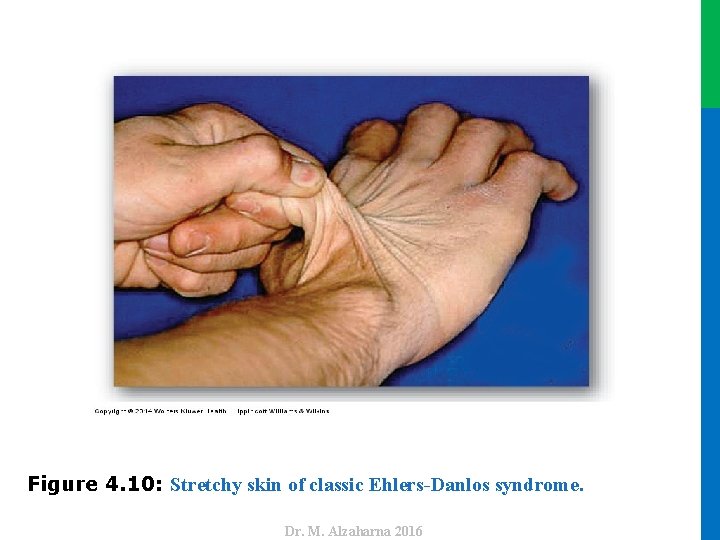
II. COLLAGEN D. Degradation • Ehlers-Danlos syndrome (EDS ) is a heterogeneous group of connective tissue disorders that result from inheritable defects in the metabolism of fibrillar collagen molecules. • EDS can be caused by a deficiency of collagen-processing enzymes (for example, lysyl hydroxylase or N-procollagen peptidase ) or from mutations in the amino acid sequences of collagen types I, III, or V. • The classic form of EDS, caused by defects in type V collagen, is characterized by skin extensibility and fragility and joint hypermobility (Figure 4. 10). • The vascular form, due to defects in type III collagen, is the most serious form of EDS be ca use it is associated with potentially lethal arterial rupture • Collagen containing mutant chains may have altered structure, secretion, or distribution. 32 Dr. M. Alzaharna 2016 1. Ehlers-Danlos syndrome:
Dr. M. Alzaharna 2016 Figure 4. 10: Stretchy skin of classic Ehlers-Danlos syndrome.
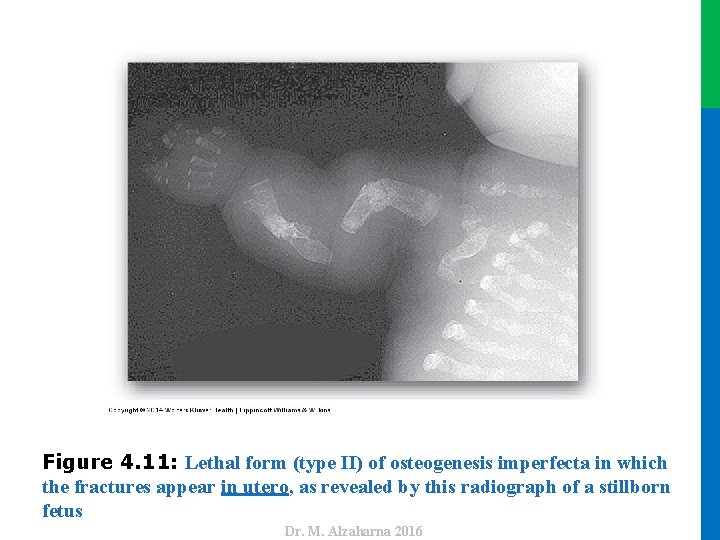
II. COLLAGEN D. Degradation • This syndrome, known as brittle bone disease, is a genetic disorder of bone fragility characterized by bones that fracture easily, with minor or no trauma (Figure 4. 11). • Over 80% of cases of osteogenesis imperfecta (OI) are caused by dominant mutations to the genes that code for the α 1 or α 2 chains in type I collagen. • The most common mutations cause the replacement of glycine (in –Gly –X–Y–) by amino acids with bulky side chains. • The resultant structurally abnormal α chains prevent the formation of the required triple -helical conformation. • Phenotypic severity ranges from mild to lethal. • Type I OI, the most common form, is characterized by mild bone fragility, hearing loss, and blue sclerae. 34 Dr. M. Alzaharna 2016 2. Osteogenesis imperfecta:
Dr. M. Alzaharna 2016 Figure 4. 11: Lethal form (type II) of osteogenesis imperfecta in which the fractures appear in utero, as revealed by this radiograph of a stillborn fetus
II. COLLAGEN • Type II, the most severe form, is typically lethal in the perinatal period as a result of pulmonary complications. • In utero fractures are seen (see Figure 4. 11). • Type III is also a severe form. It is characterized by multiple fractures at birth, short stature, spinal curvature leading to a “humped-back” (kyphotic) appearance, and blue sclerae. • Dentinogenesis imperfecta, a disorder of tooth development, may be seen in OI. 36 Dr. M. Alzaharna 2016 D. Degradation
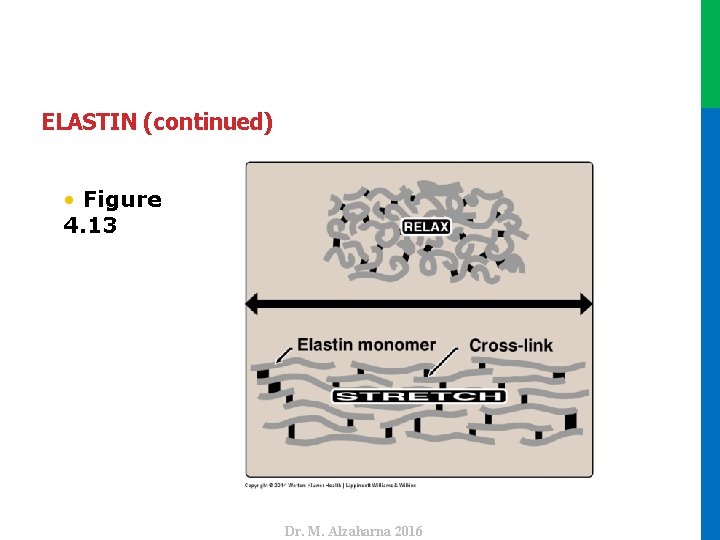
III. ELASTIN • In contrast to collagen, which forms fibers that are tough and have high tensile strength, elastin is a connective tissue protein with rubber-like properties. • They can be stretched to several times their normal length but recoil to their original shape when the stretching force is relaxed 37 Dr. M. Alzaharna 2016 • Elastic fibers composed of elastin and glycoprotein microfibrils are found in the lungs, the walls of large arteries, and elastic ligaments.
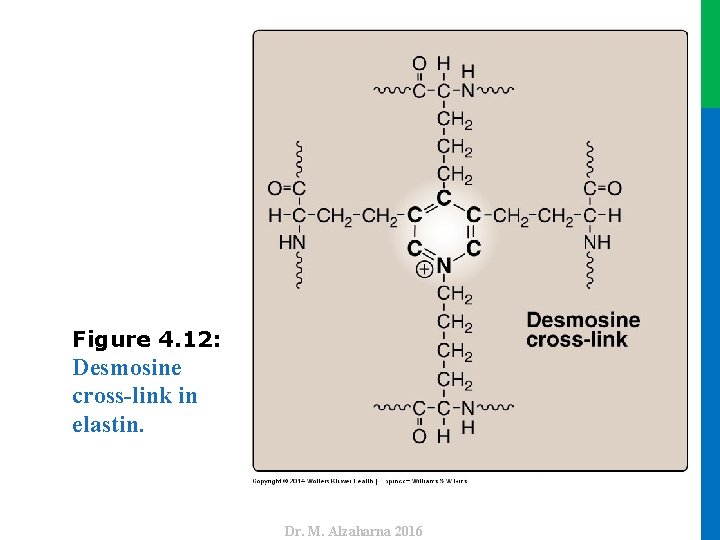
III. ELASTIN A. Structure • Elastin is an insoluble protein polymer synthesized from a precursor, tropoelastin, which is a linear polypeptide composed of about 700 amino acids that are primarily small and nonpolar (for example, glycine, alanine, and valine). • Elastin is also rich in proline and lysine but contains scant hydroxyproline and hydroxylysine. • There, it interacts with specific glycoprotein microfibrils, such as fibrillin, which function as a scaffold onto which tropoelastin is deposited. • Some of the lysyl side chains of the tropoelastin polypeptides are oxidatively deaminated by lysyl oxidase, forming allysine residues. 38 • Three of the allysyl side chains plus one unaltered lysyl side chain from the same or neighboring polypeptides form a desmosine crosslink (Figure 4. 12). Dr. M. Alzaharna 2016 • Tropoelastin is secreted by the cell into the extracellular space.
Dr. M. Alzaharna 2016 Figure 4. 12: Desmosine cross-link in elastin. Dr. M. Alzaharna 2016
III. ELASTIN A. Structure • This produces elastin, an extensively interconnected, rubbery network that can stretch and bend in any direction when stressed, giving connective tissue elasticity (Figure 4. 13). • With this disease, abnormal fibrillin protein is incorporated into microfibrils along with normal fibrillin, inhibiting the formation of functional microfibrils. 40 Dr. M. Alzaharna 2016 • Mutations in the fibrillin-1 protein are responsible for Marfan syndrome, a connective tissue disorder characterized by impaired structural integrity in the skeleton, the eye, and the cardiovascular system.
ELASTIN (continued) Dr. M. Alzaharna 2016 • Figure 4. 13 Dr. M. Alzaharna 2016
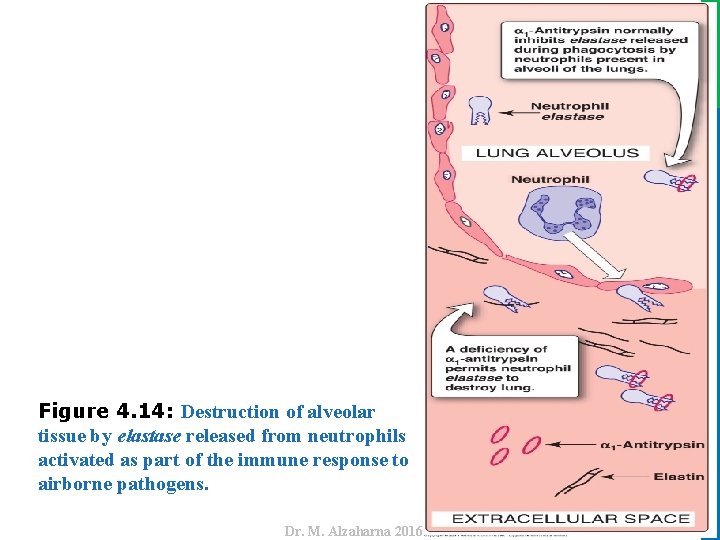
III. ELASTIN B. Role of α 1 -antitrypsin in elastin degradation 1. α 1 -Antitrypsin: • Blood and other body fluids contain a protein, α 1 -antitrypsin (AAT or A 1 AT), which inhibits a number of proteolytic enzymes (called proteases or proteinases) that hydrolyze and destroy proteins. • AAT has the important physiologic role of inhibiting neutrophil elastase, a powerful protease that is released into the extracellular space and degrades elastin of alveolar walls as well as other structural proteins in a variety of tissues (Figure 4. 14). • Most of the AAT found in plasma is synthesized and secreted by the liver. • AAT comprises more than 90% of the α 1 -globulin fraction of normal plasma. • Extrahepatic synthesis occurs in monocytes and alveolar macrophages, and may be important in the prevention of local tissue injury by elastase. 42 Dr. M. Alzaharna 2016 • Note: The inhibitor was originally named α 1 -antitrypsin because it inhibits the activity of trypsin, a proteolytic enzyme synthesized as trypsinogen by the pancreas
III. ELASTIN B. Role of α 1 -antitrypsin in elastin degradation 2. Role of α 1 -antitrypsin in the lungs: Dr. M. Alzaharna 2016 • In the normal lung, the alveoli are chronically exposed to low levels of neutrophil elastase released from activated and degenerating neutrophils. • The proteolytic activity of elastase can destroy the elastin in alveolar walls if unopposed by the action of AAT, the most important inhibitor of neutrophil elastase (see Figure 4. 14). • Because lung tissue cannot regenerate, the destruction of the connective tissue of alveolar walls results in emphysema. 43 Dr. M. Alzaharna 2016
Dr. M. Alzaharna 2016 Figure 4. 14: Destruction of alveolar tissue by elastase released from neutrophils activated as part of the immune response to airborne pathogens.
III. ELASTIN B. Role of α 1 -antitrypsin in elastin degradation • In the United States, approximately 2%– 5% of patients with emphysema are predisposed to the disease by inherited defects in AAT. • A number of different mutations in the gene for AAT are known to cause a deficiency of the protein, but one single purine base mutation (GAG to AAG, resulting in the substitution of lysine for glutamic acid at position 342 of the protein) is clinically the most widespread. • The mutation causes the normally monomeric AAT to polymerize within the endoplasmic reticulum of hepatocytes, resulting in decreased secretion of AAT by the liver. • Consequently, blood levels of AAT are reduced, decreasing the amount that gets to the alveoli. The polymer that accumulates in the liver may result in cirrhosis (scarring of the liver). 45 Dr. M. Alzaharna 2016 3. Emphysema resulting from α 1 -antitrypsin deficiency:
III. ELASTIN B. Role of α 1 -antitrypsin in elastin degradation • Note: Methionine 358 in AAT is required for the binding of the inhibitor to its target proteases. • Smoking causes the oxidation and subsequent inactivation of the methionine, thereby rendering the inhibitor powerless to neutralize elastase. • Smokers with AAT deficiency, therefore, have a considerably elevated rate of lung destruction and a poorer survival rate than nonsmokers with the deficiency. 46 • The deficiency of elastase inhibitor can be treated by weekly augmentation therapy, that is, intravenous administration of AAT. • The AAT diffuses from the blood into the lung, where it reaches therapeutic levels in the fluid surrounding the lung epithelial cells. Dr. M. Alzaharna 2016 • In the United States, the AAT mutation is most common in Caucasians of Northern European ancestry. • An individual must inherit two abnormal AAT alleles to be at risk for the development of emphysema. • In a heterozygote, with one normal and one defective gene, the levels of AAT are sufficient to protect the alveoli from damage.
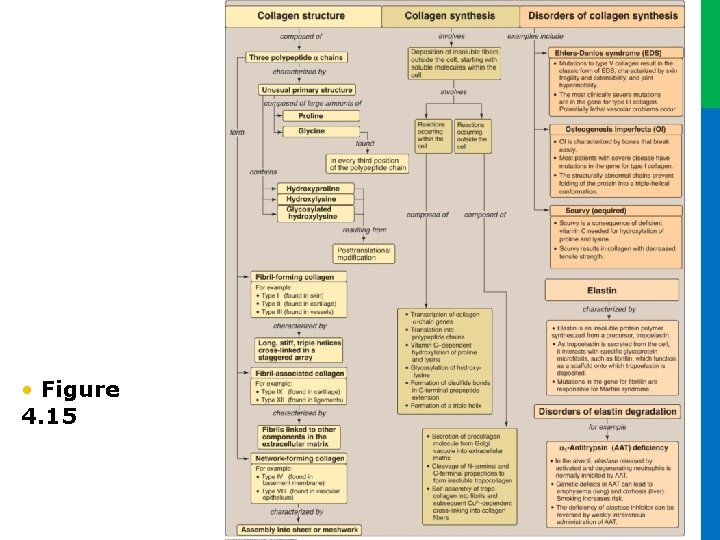
IV. CHAPTER SUMMARY • Collagen and elastin are fibrous proteins (Figure 4. 15). • Collagen molecules contain an abundance of proline, lysine, and glycine, the latter occurring at every third position in the primary structure. • Collagen also contains hydroxyproline, hydroxylysine , and glycosylated hydroxylysine, each formed by posttranslational modification. • Collagen molecules typically form fibrils containing a long, stiff, triplestranded helical structure, in which three collagen polypeptide chains are wound around one another in a rope-like superhelix (triple helix). • Elastin is a connective tissue protein with rubber-like properties in tissues such as the lung. • α 1 -Antitryps in (AAT), produced primarily by the liver but also by monocytes and alveolar macrophages, prevents elastase -catalyzed degradation of elastin in the alveolar walls. 47 • A deficiency of AAT can cause emphysema and, in some cases, cirrhosis of the liver. Dr. M. Alzaharna 2016 • Other types of collagen form mesh-like networks.
Dr. M. Alzaharna 2016 • Figure 4. 15 Dr. M. Alzaharna 2016