
Unit I Notes Basic Concepts of American Democracy
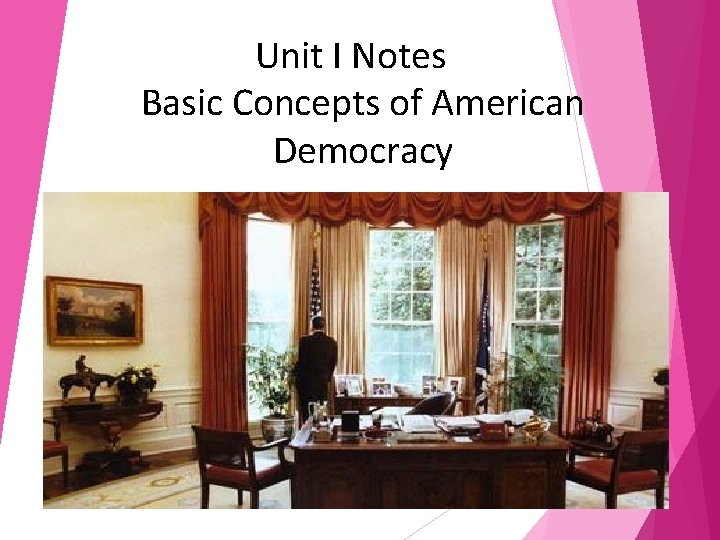
Unit I Notes Basic Concepts of American Democracy
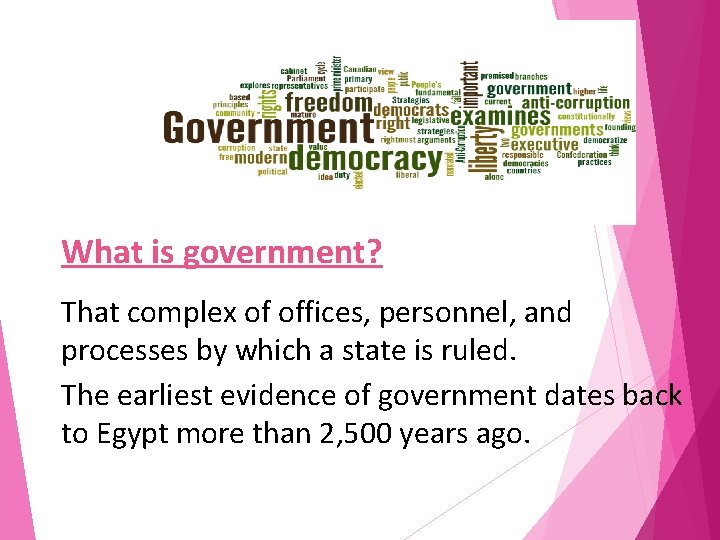
What is government? That complex of offices, personnel, and processes by which a state is ruled. The earliest evidence of government dates back to Egypt more than 2, 500 years ago.
Why is government necessary? People need rules and laws. People need order People need organization People need services People need protection
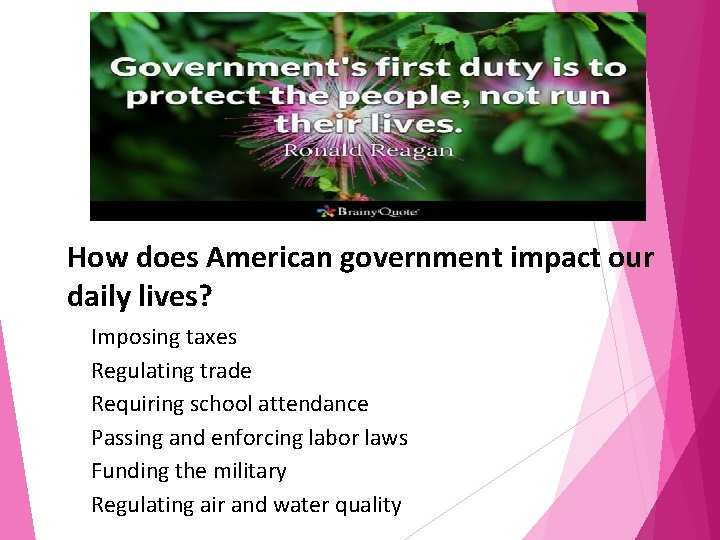
How does American government impact our daily lives? Imposing taxes Regulating trade Requiring school attendance Passing and enforcing labor laws Funding the military Regulating air and water quality
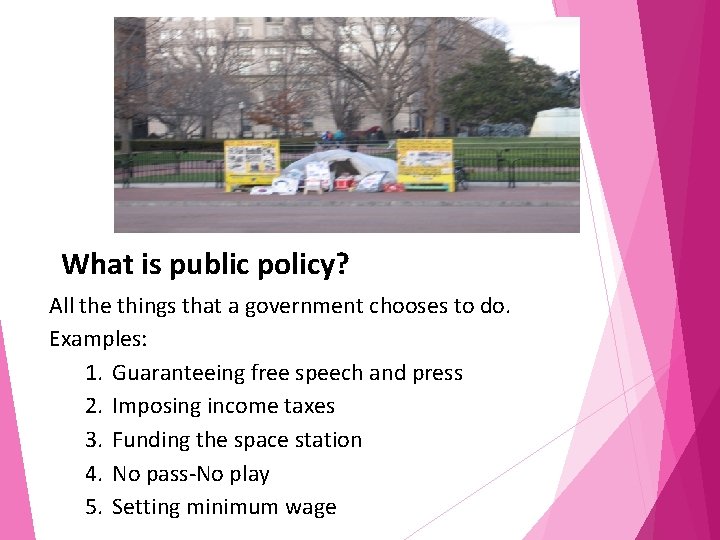
What is public policy? All the things that a government chooses to do. Examples: 1. Guaranteeing free speech and press 2. Imposing income taxes 3. Funding the space station 4. No pass-No play 5. Setting minimum wage
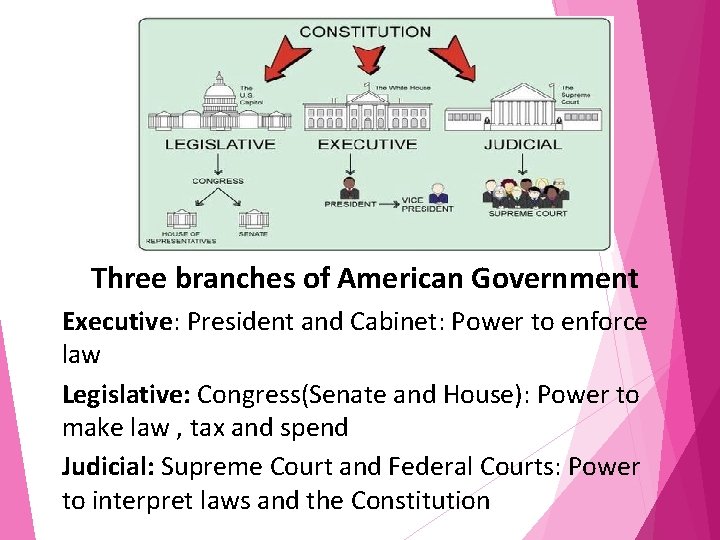
Three branches of American Government Executive: President and Cabinet: Power to enforce law Legislative: Congress(Senate and House): Power to make law , tax and spend Judicial: Supreme Court and Federal Courts: Power to interpret laws and the Constitution
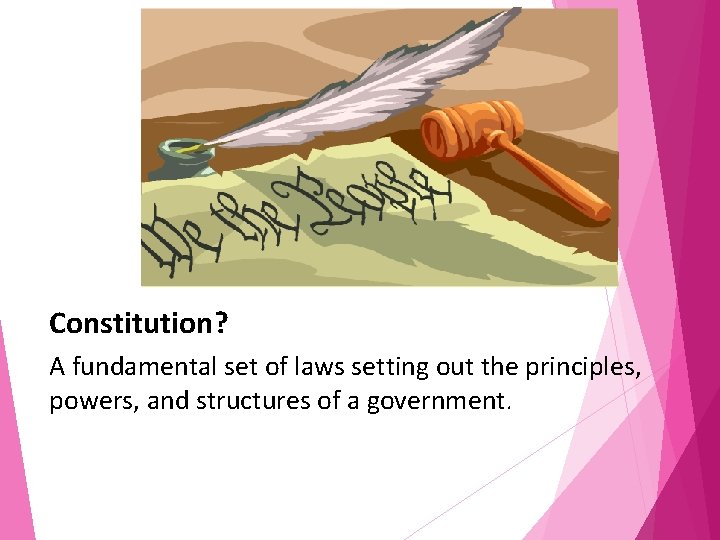
Constitution? A fundamental set of laws setting out the principles, powers, and structures of a government.
Politics? The process by which a society decides how powers and resources will be distributed within that society. Who gets what!
What is a state? A body of people organized politically who are sovereign.
Four Characteristics of a state Population Government Territory Sovereignty
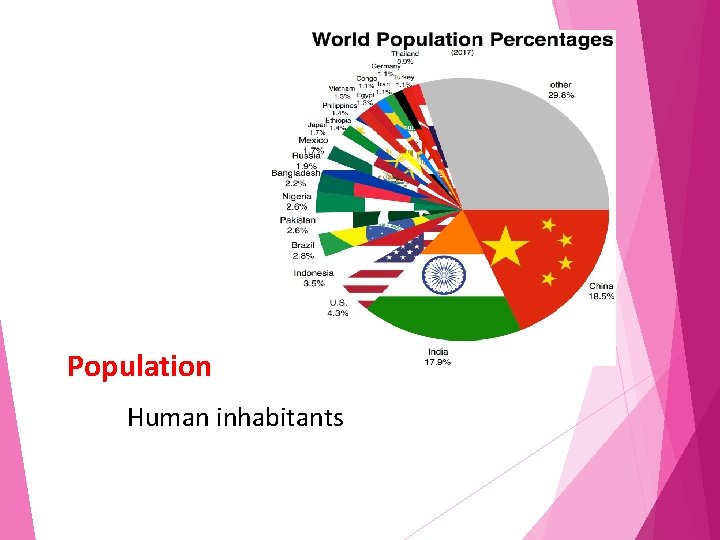
Population Human inhabitants
Territory Defined borders
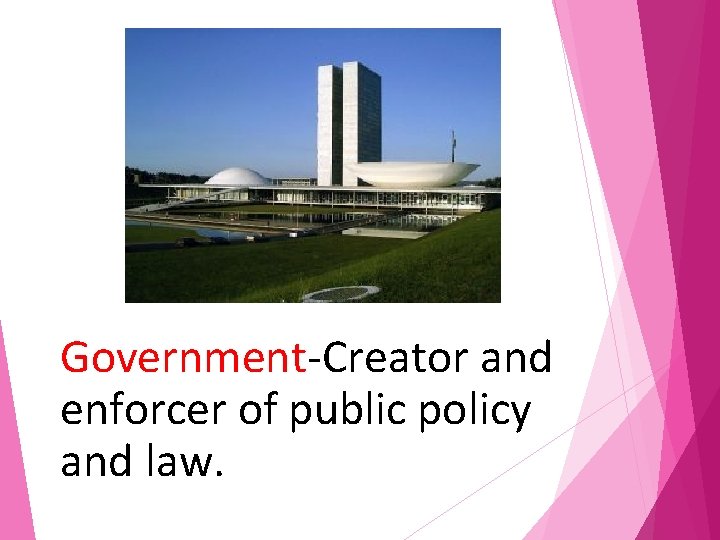
Government-Creator and enforcer of public policy and law.
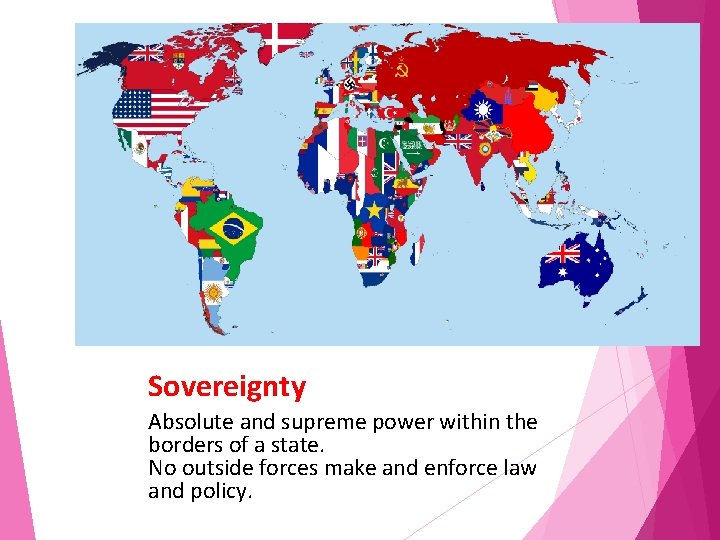
Sovereignty Absolute and supreme power within the borders of a state. No outside forces make and enforce law and policy.
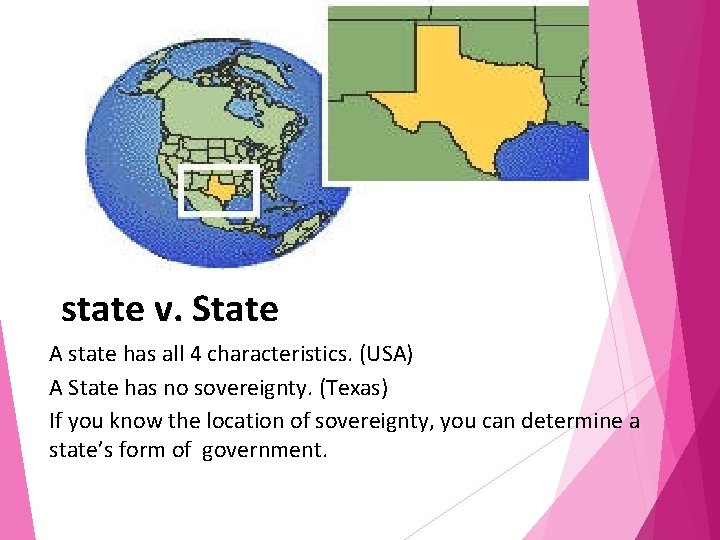
state v. State A state has all 4 characteristics. (USA) A State has no sovereignty. (Texas) If you know the location of sovereignty, you can determine a state’s form of government.
Four theories of the origin of the state (government): Divine Rights of Kings Theory Evolution Theory Force Theory Social Contract Theory
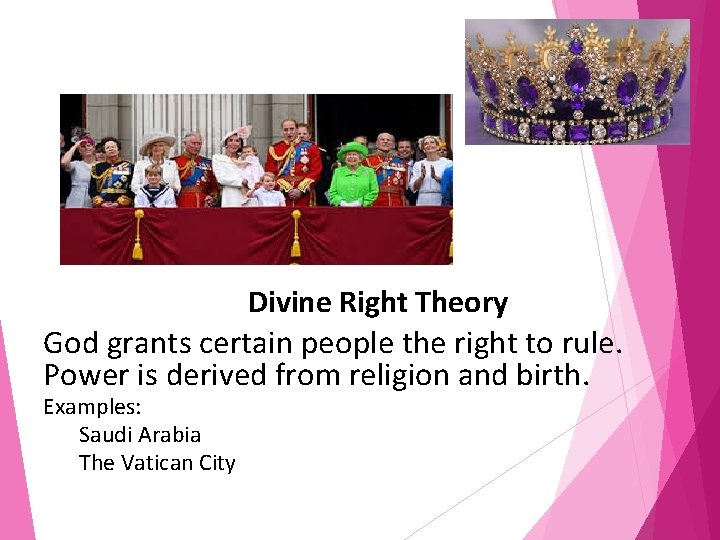
Divine Right Theory God grants certain people the right to rule. Power is derived from religion and birth. Examples: Saudi Arabia The Vatican City
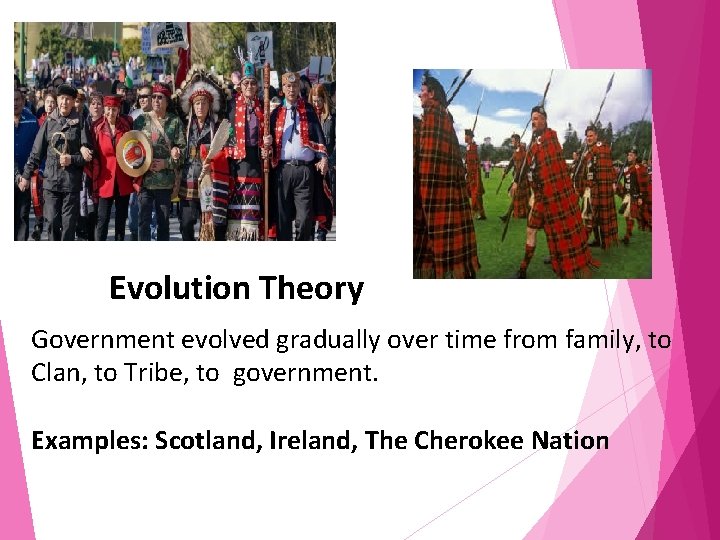
Evolution Theory Government evolved gradually over time from family, to Clan, to Tribe, to government. Examples: Scotland, Ireland, The Cherokee Nation
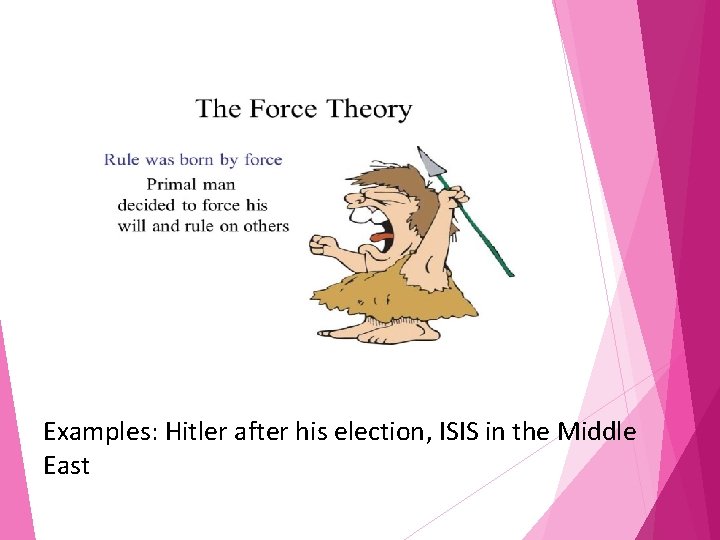
Examples: Hitler after his election, ISIS in the Middle East

Social Contract Theory Government begins when people agree to form a state by giving up some of their freedom in exchange for protection. Examples: USA
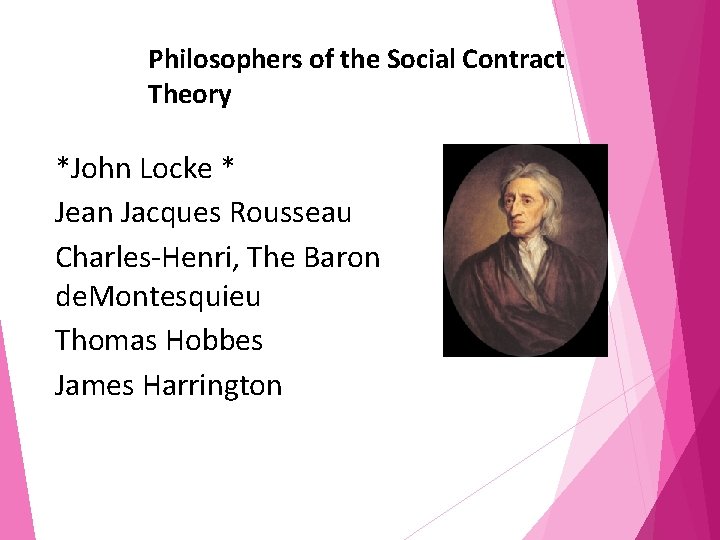
Philosophers of the Social Contract Theory *John Locke * Jean Jacques Rousseau Charles-Henri, The Baron de. Montesquieu Thomas Hobbes James Harrington
John Locke--Social Contract Theory 1. Man is born in a “State of Nature” 2. Man lives under the “Law of Nature” 3. Man chooses to form a government for protection 4. Man must give up some rights in exchange for protection 5. If government fails to protect the rights of the people, the people have the right to choose a new government.
The Social Contract Theory is the basis for Thomas Jefferson’s Declaration of Independence. The SIX basic democratic ideas borrowed from John Locke : 1. “All men are created equal. . ” 2. “they are endowed by the Creator with certain inalienable rights. . ” 3. “that among these rights are life, liberty, and the pursuit of happiness…” 4. “governments are instituted among men deriving their just powers from the consent of the governed. . ” 5. “that whenever any government becomes destructive of these ends, it is the right of the people to alter or abolish it…” 6. “…and to institute new government…”
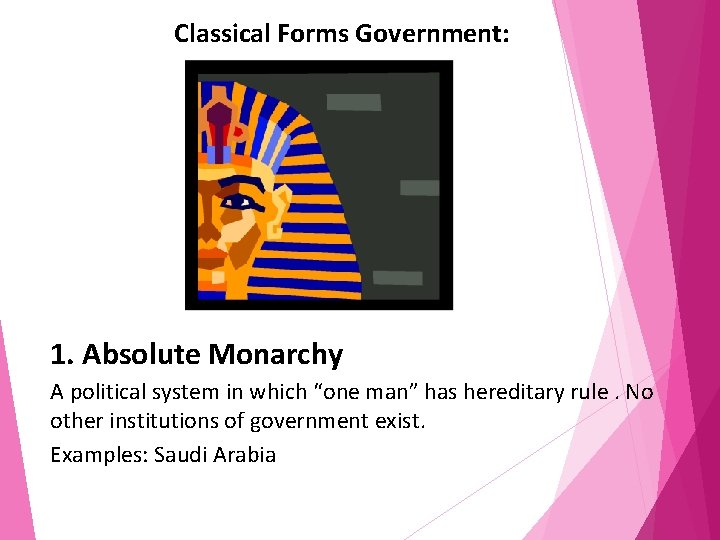
Classical Forms Government: 1. Absolute Monarchy A political system in which “one man” has hereditary rule. No other institutions of government exist. Examples: Saudi Arabia
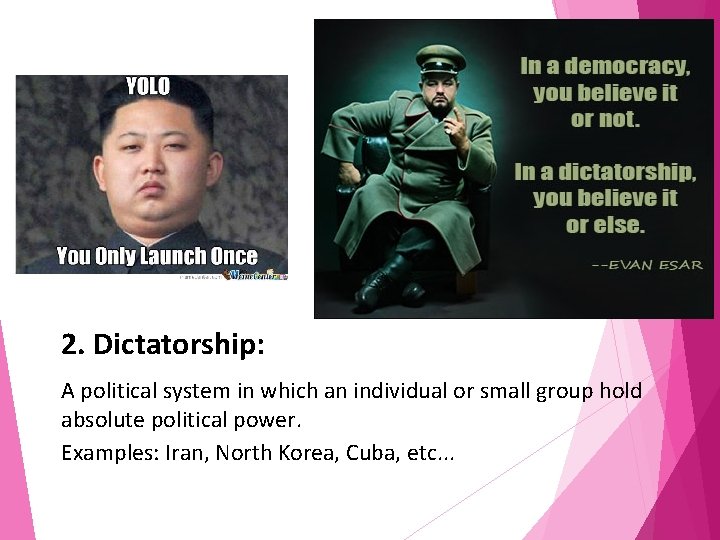
2. Dictatorship: A political system in which an individual or small group hold absolute political power. Examples: Iran, North Korea, Cuba, etc. . .
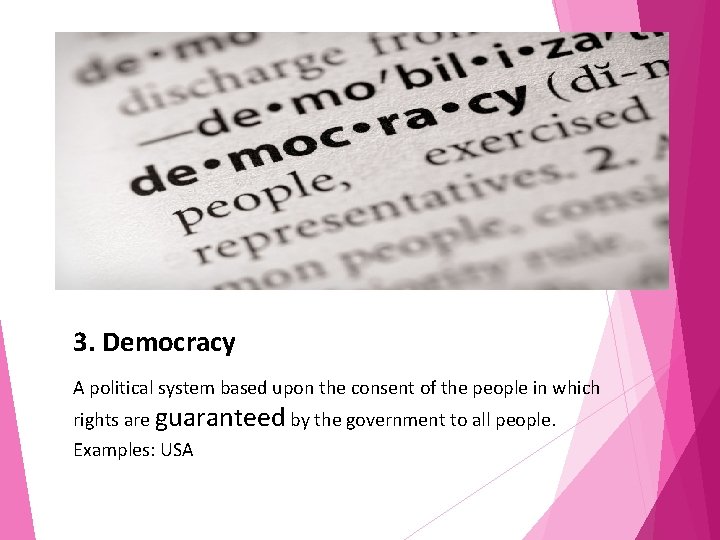
3. Democracy A political system based upon the consent of the people in which rights are guaranteed by the government to all people. Examples: USA
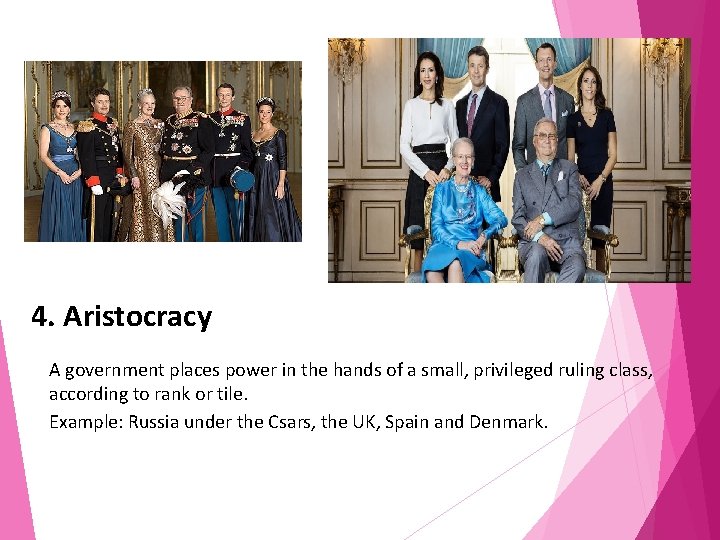
4. Aristocracy A government places power in the hands of a small, privileged ruling class, according to rank or tile. Example: Russia under the Csars, the UK, Spain and Denmark.
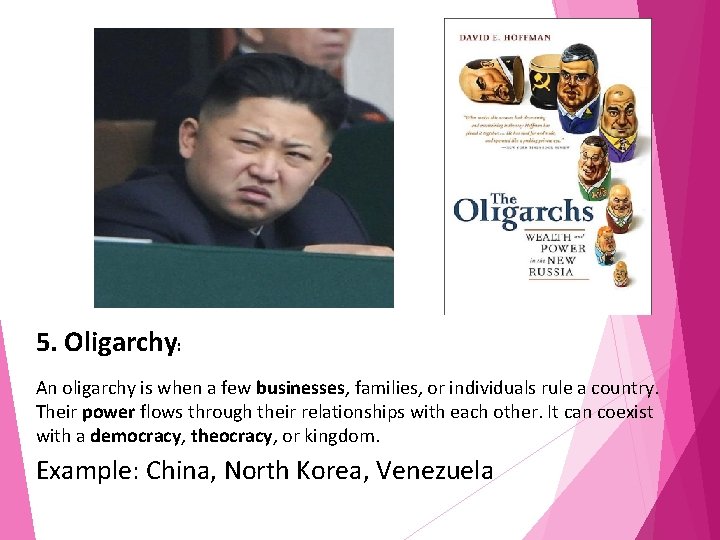
5. Oligarchy: An oligarchy is when a few businesses, families, or individuals rule a country. Their power flows through their relationships with each other. It can coexist with a democracy, theocracy, or kingdom. Example: China, North Korea, Venezuela
6. Fascism A one party dictatorship. Examples: Nazi Germany, Italy under Mussolini, Japan under Hirohito, etc. . . There are really no Fascist countries in the world today Hatred of democracy Necessity of violence Biology as destiny National Identity Politics is everything
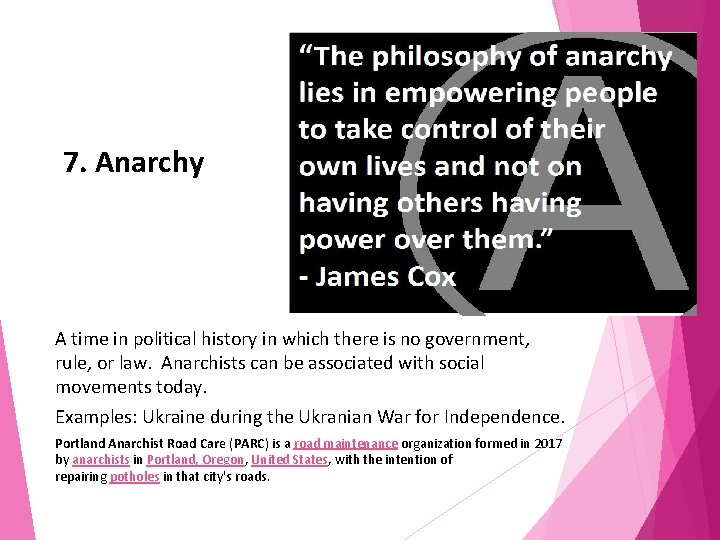
7. Anarchy A time in political history in which there is no government, rule, or law. Anarchists can be associated with social movements today. Examples: Ukraine during the Ukranian War for Independence. Portland Anarchist Road Care (PARC) is a road maintenance organization formed in 2017 by anarchists in Portland, Oregon, United States, with the intention of repairing potholes in that city's roads.
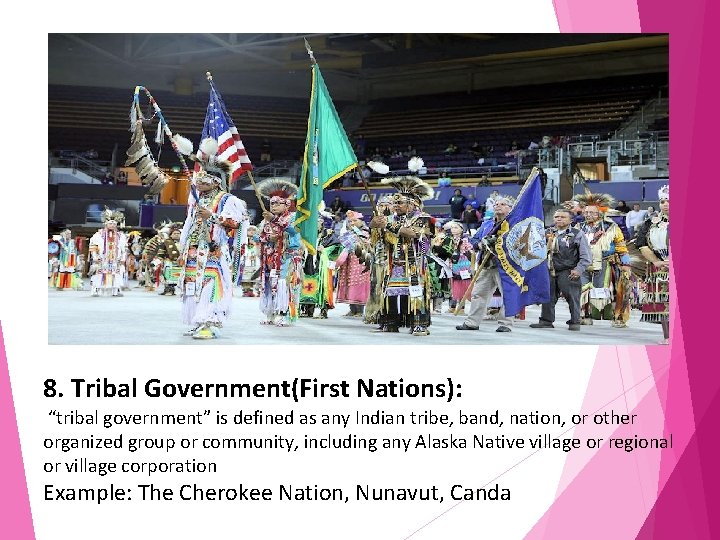
8. Tribal Government(First Nations): “tribal government” is defined as any Indian tribe, band, nation, or other organized group or community, including any Alaska Native village or regional or village corporation Example: The Cherokee Nation, Nunavut, Canda
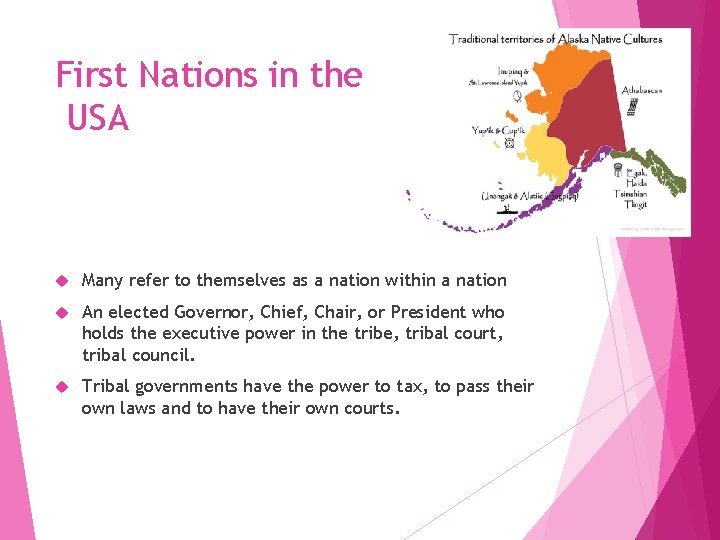
First Nations in the USA Many refer to themselves as a nation within a nation An elected Governor, Chief, Chair, or President who holds the executive power in the tribe, tribal court, tribal council. Tribal governments have the power to tax, to pass their own laws and to have their own courts.
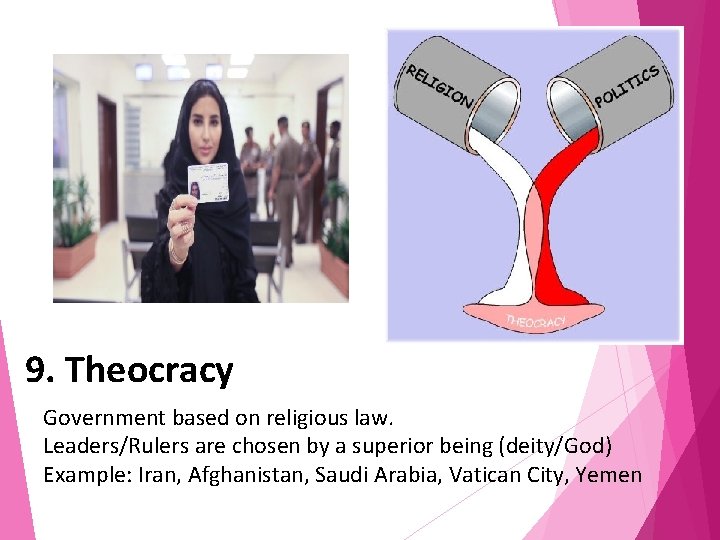
9. Theocracy Government based on religious law. Leaders/Rulers are chosen by a superior being (deity/God) Example: Iran, Afghanistan, Saudi Arabia, Vatican City, Yemen
Three Classifications of Government 1. Geographic Distribution of Power 2. Number of people who may participate 3. Relationship between legislative and executive branches
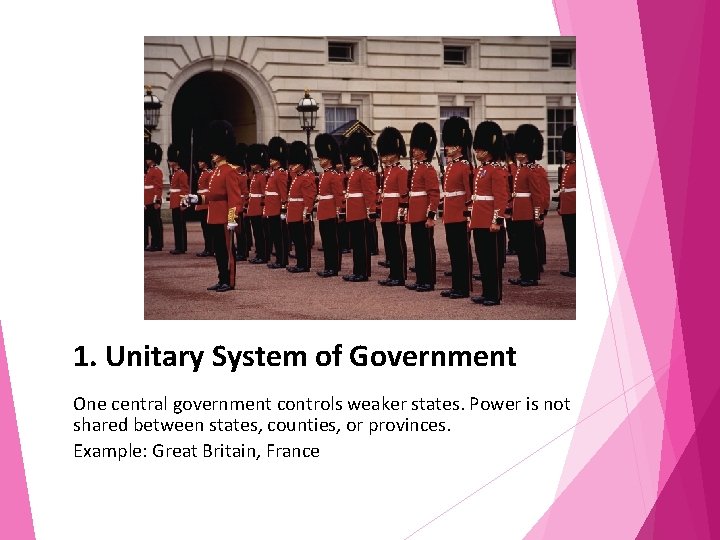
1. Unitary System of Government One central government controls weaker states. Power is not shared between states, counties, or provinces. Example: Great Britain, France
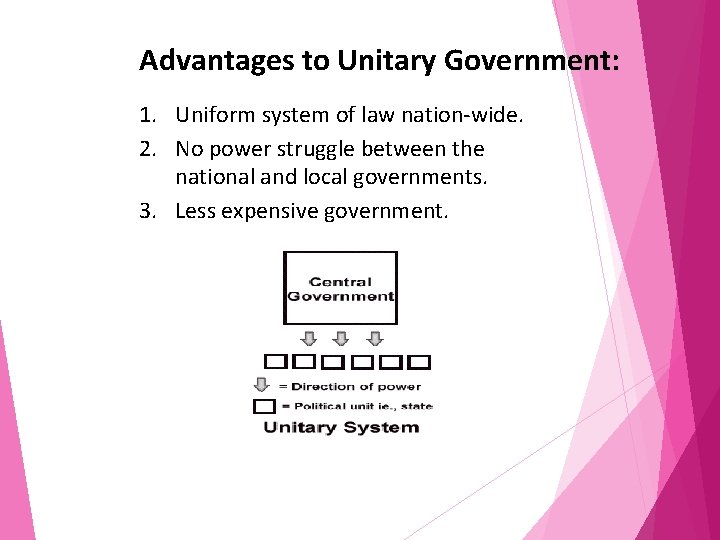
Advantages to Unitary Government: 1. Uniform system of law nation-wide. 2. No power struggle between the national and local governments. 3. Less expensive government.
Disadvantages to Unitary Government 1. No local government. 2. Only a few people have lawmaking power for the nation. 3. No diversity of law.
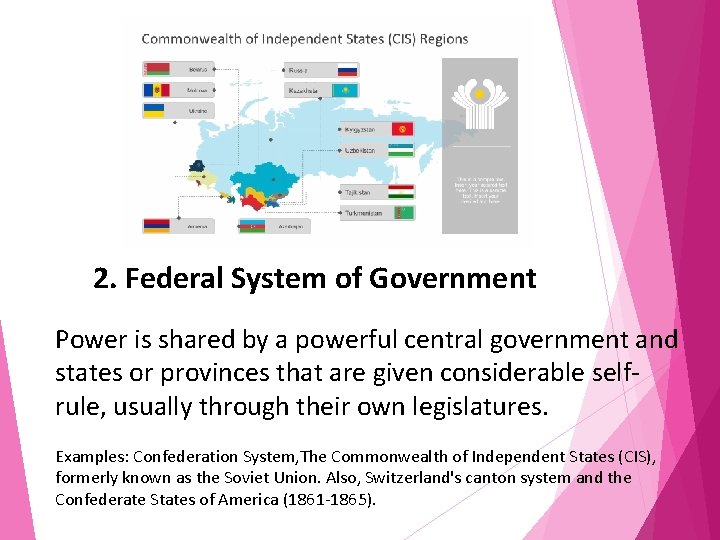
2. Federal System of Government Power is shared by a powerful central government and states or provinces that are given considerable selfrule, usually through their own legislatures. Examples: Confederation System, The Commonwealth of Independent States (CIS), formerly known as the Soviet Union. Also, Switzerland's canton system and the Confederate States of America (1861 -1865).
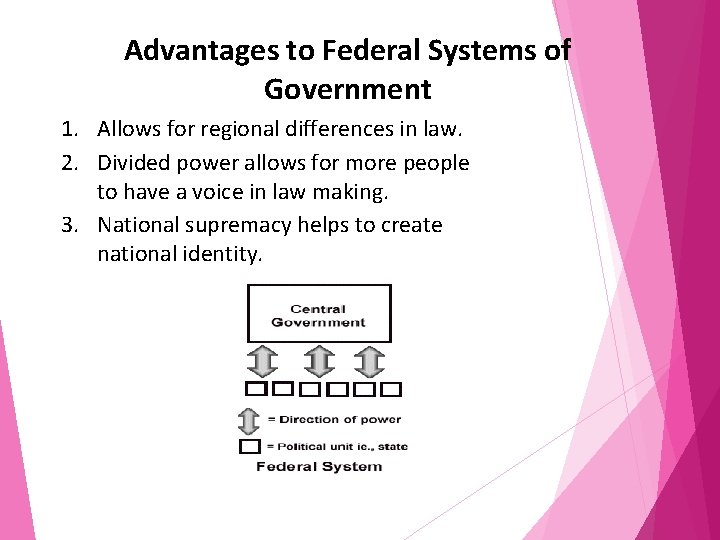
Advantages to Federal Systems of Government 1. Allows for regional differences in law. 2. Divided power allows for more people to have a voice in law making. 3. National supremacy helps to create national identity.
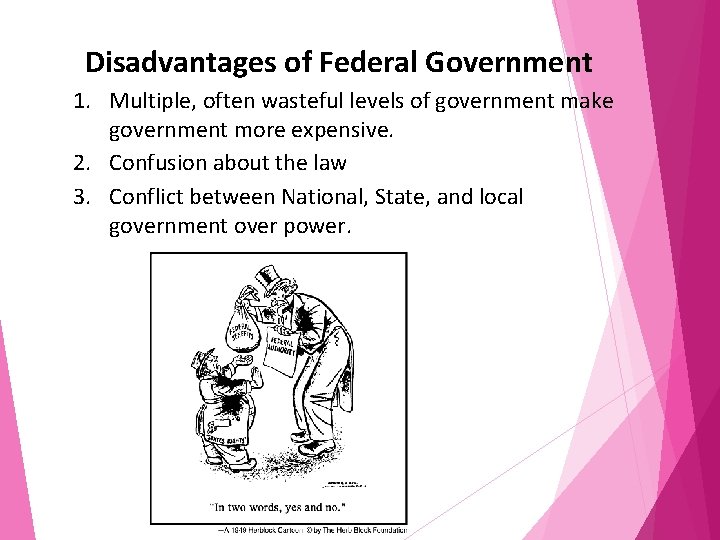
Disadvantages of Federal Government 1. Multiple, often wasteful levels of government make government more expensive. 2. Confusion about the law 3. Conflict between National, State, and local government over power.
3. Confederate System of Government Weak or loose organization of states agrees to follow a powerful central government. Nations can choose to follow or not follow the lead of the weak central government. . Example: CSA; Articles of Confederation, Belgium, Switzerland
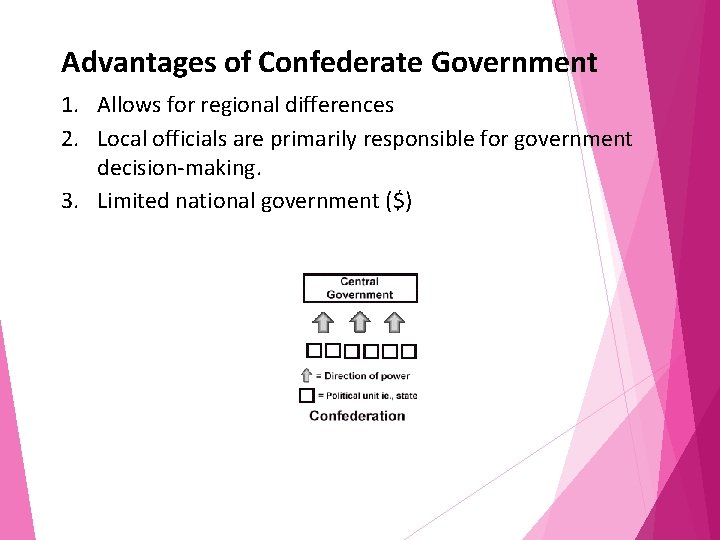
Advantages of Confederate Government 1. Allows for regional differences 2. Local officials are primarily responsible for government decision-making. 3. Limited national government ($)
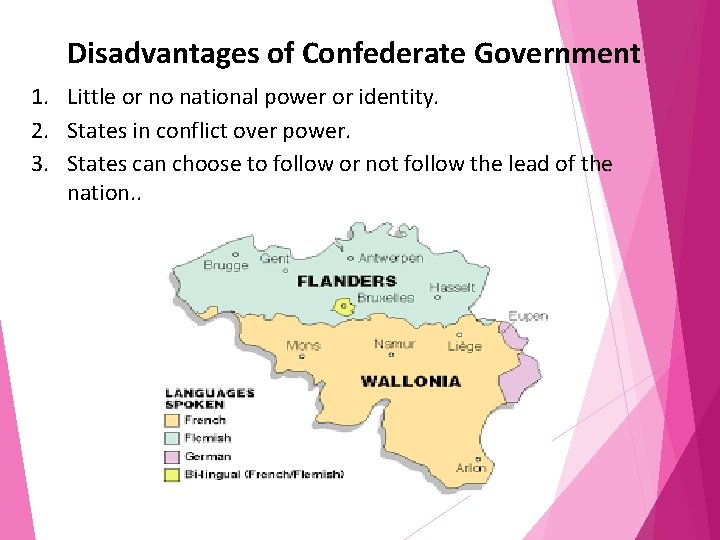
Disadvantages of Confederate Government 1. Little or no national power or identity. 2. States in conflict over power. 3. States can choose to follow or not follow the lead of the nation. .
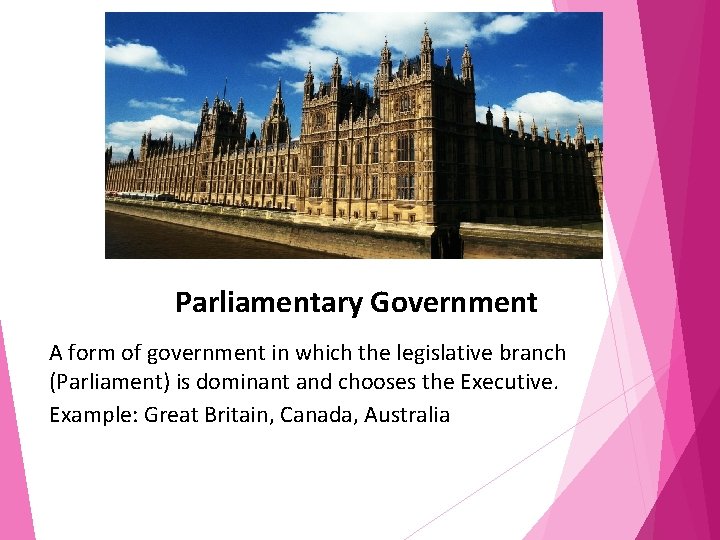
Parliamentary Government A form of government in which the legislative branch (Parliament) is dominant and chooses the Executive. Example: Great Britain, Canada, Australia
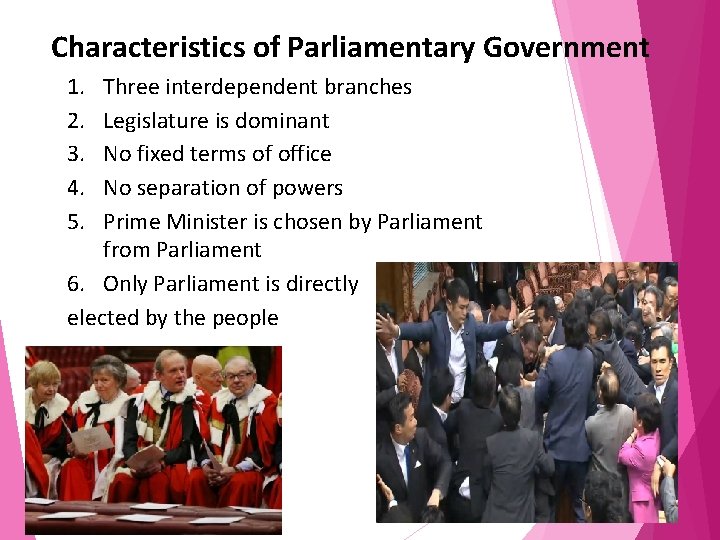
Characteristics of Parliamentary Government 1. 2. 3. 4. 5. Three interdependent branches Legislature is dominant No fixed terms of office No separation of powers Prime Minister is chosen by Parliament from Parliament 6. Only Parliament is directly elected by the people
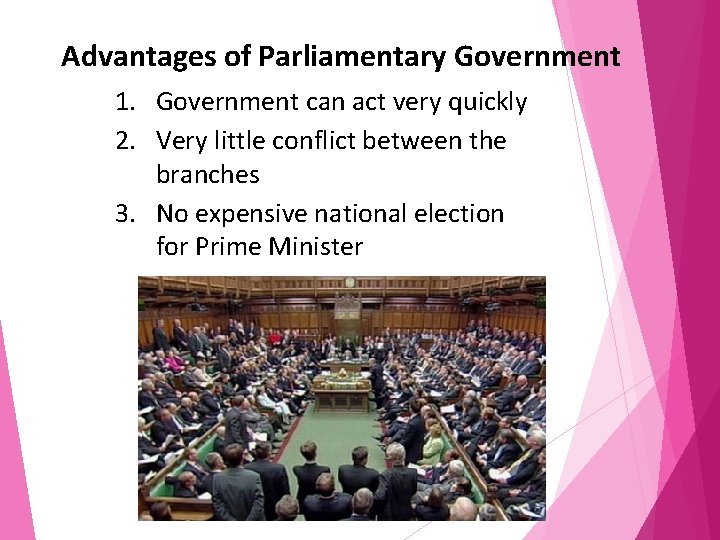
Advantages of Parliamentary Government 1. Government can act very quickly 2. Very little conflict between the branches 3. No expensive national election for Prime Minister
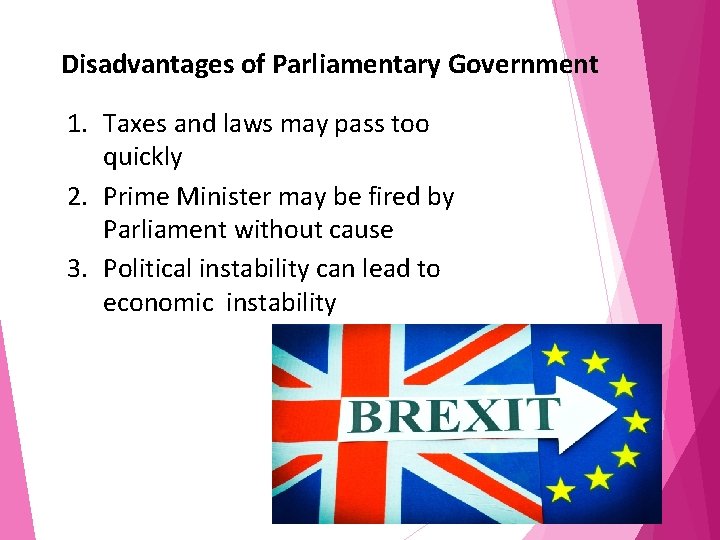
Disadvantages of Parliamentary Government 1. Taxes and laws may pass too quickly 2. Prime Minister may be fired by Parliament without cause 3. Political instability can lead to economic instability
Presidential Government A form of government which the President is separate and independent from the Legislative branch. Example: U. S. A. , Mexico, South Korea
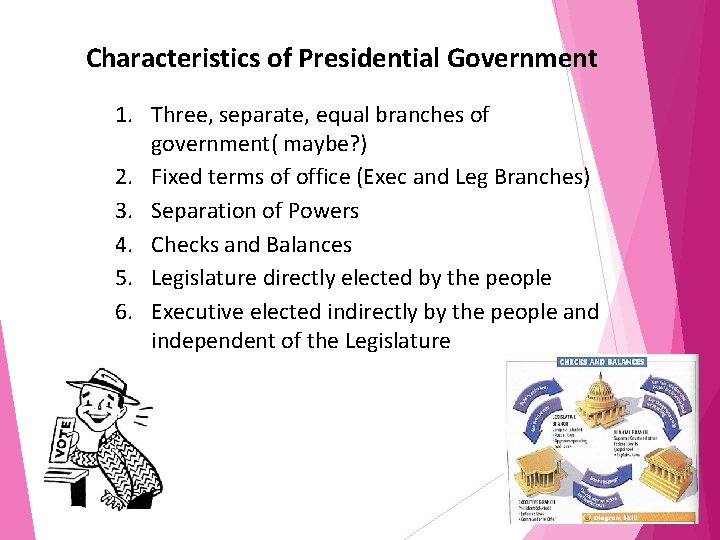
Characteristics of Presidential Government 1. Three, separate, equal branches of government( maybe? ) 2. Fixed terms of office (Exec and Leg Branches) 3. Separation of Powers 4. Checks and Balances 5. Legislature directly elected by the people 6. Executive elected indirectly by the people and independent of the Legislature
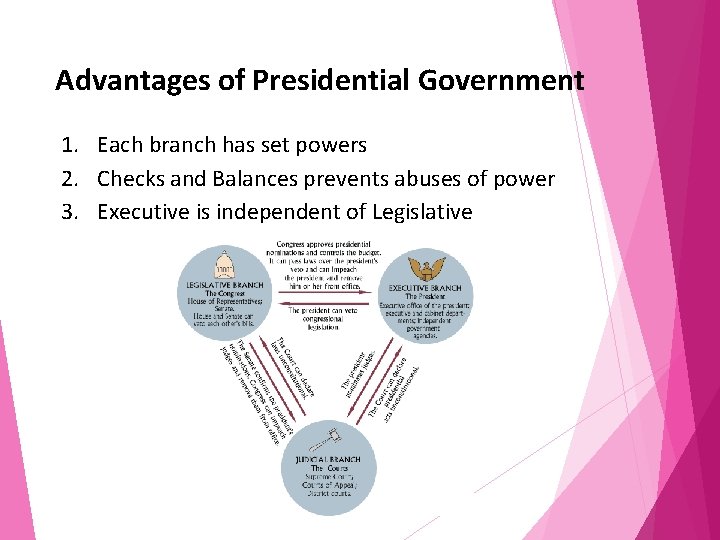
Advantages of Presidential Government 1. Each branch has set powers 2. Checks and Balances prevents abuses of power 3. Executive is independent of Legislative
Disadvantages of Presidential Government 1. President and Congress are designed to be in conflict 2. Law-making is difficult and lengthy 3. No one has all the power or responsibility all the time
Democratic Government A form of government in which the people are sovereign. Examples: Great Britain, Canada
Characteristics of Democracy 1. Government is chosen by the people in competitive elections 2. Personal liberties are guaranteed by the government 3. Equality before the law
Advantages of Democratic Government 1. High level of freedom for all people 2. People have a choice in government 3. No one is above the law
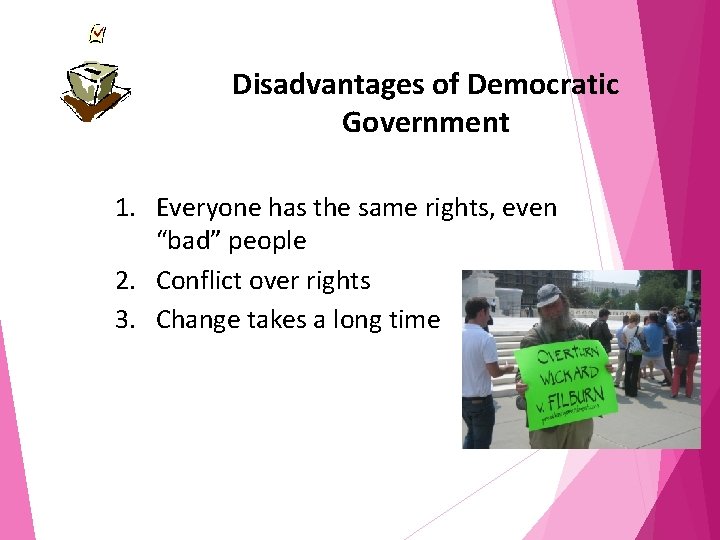
Disadvantages of Democratic Government 1. Everyone has the same rights, even “bad” people 2. Conflict over rights 3. Change takes a long time
Two kinds of Democracy : 1. Direct or Pure Democracy: everyone votes on all laws themselves EX. New England Town Meeting 2. Republic or Indirect Democracy: people elect representative to make the laws EX. USA
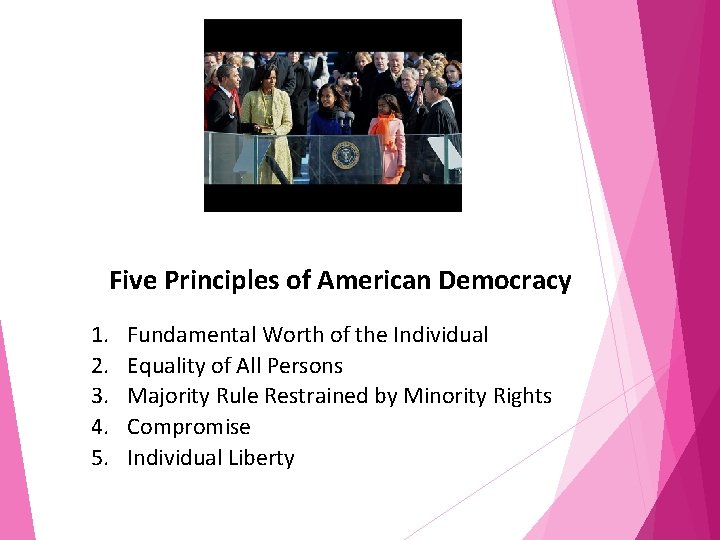
Five Principles of American Democracy 1. 2. 3. 4. 5. Fundamental Worth of the Individual Equality of All Persons Majority Rule Restrained by Minority Rights Compromise Individual Liberty
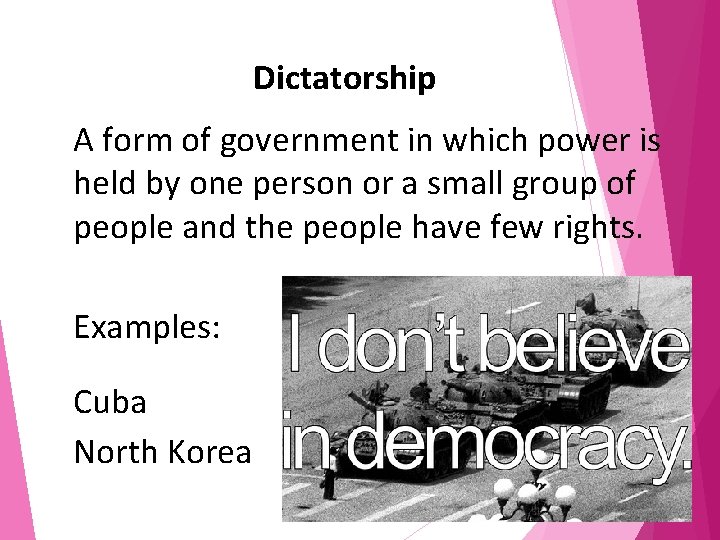
Dictatorship A form of government in which power is held by one person or a small group of people and the people have few rights. Examples: Cuba North Korea
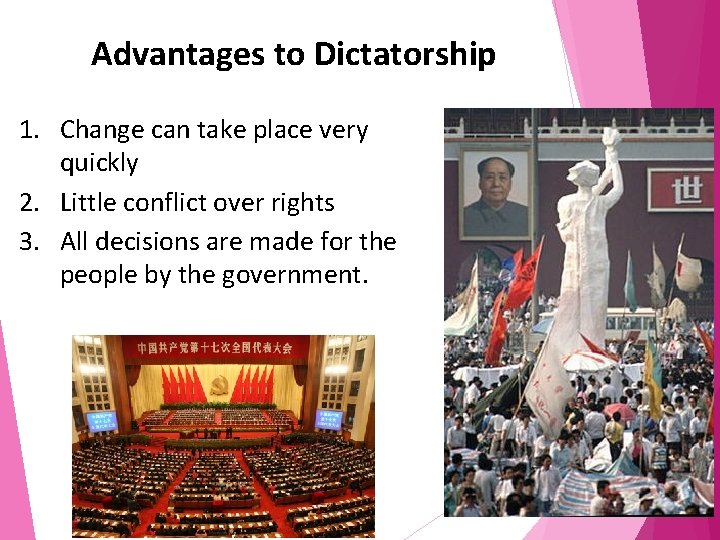
Advantages to Dictatorship 1. Change can take place very quickly 2. Little conflict over rights 3. All decisions are made for the people by the government.
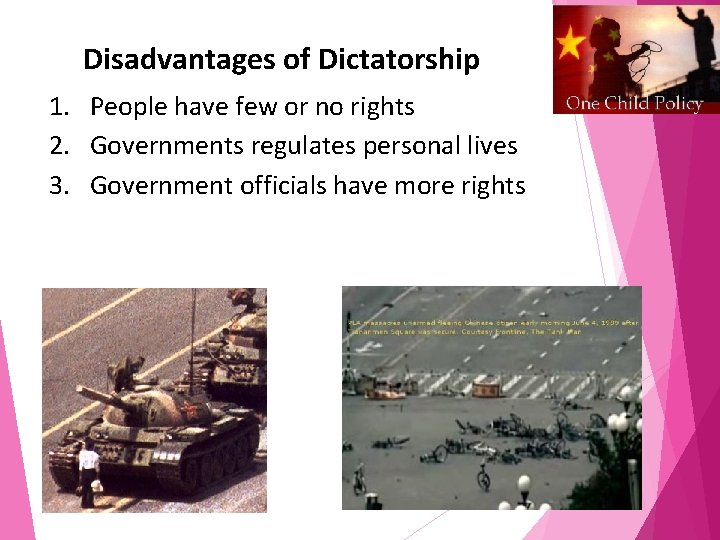
Disadvantages of Dictatorship 1. People have few or no rights 2. Governments regulates personal lives 3. Government officials have more rights
Types of Dictatorship 1. Totalitarian: government has absolute and unchallenged power 2. Authoritarian: government has total control over all aspects of the peoples’ lives
Economic Systems An economic system is an organized way of providing goods and services to society. It is NOT the same thing as a form of government!
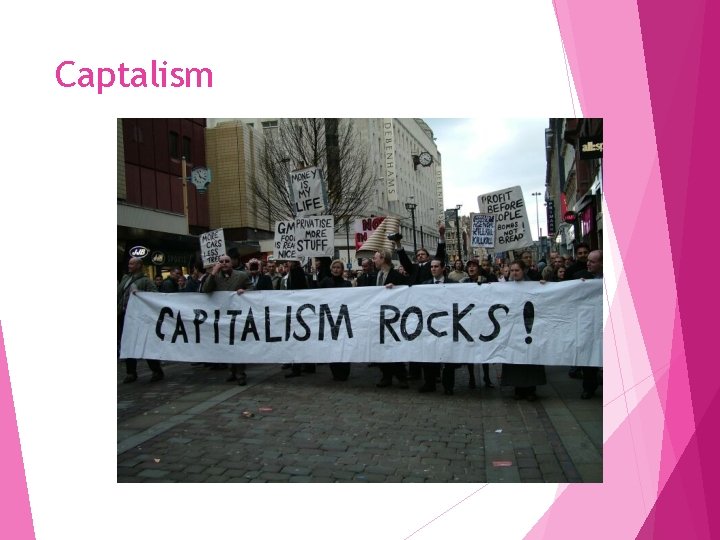
Captalism
Pure Market Capitalism Adam Smith argued a market economy is largely self regulating and did not require government involvement. Laissez-faire-role of government is limited. Based on : prices, profit and private property. Individuals answer all economic questions.
Capitalism Pros Cons Wealth Ignores public goods Consumer satisfaction Freedom to choose Produce only for those who demand. Producers supply what consumer s want. Allows for businesses to fail Unemployment Less productive resources exist.
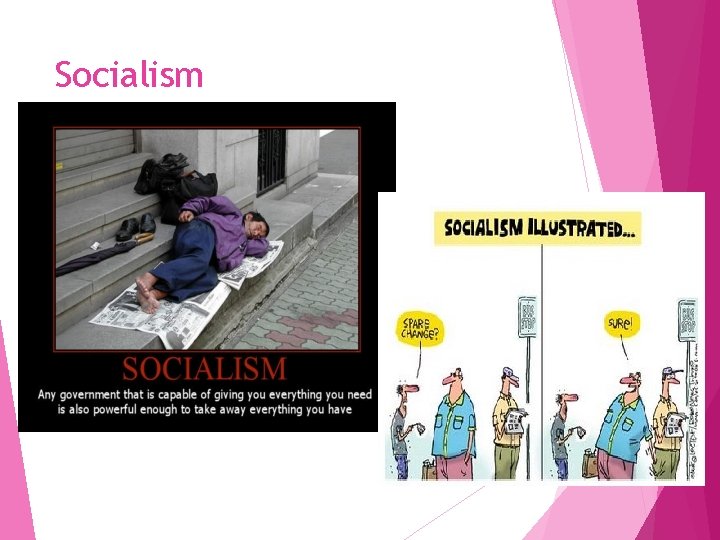
Socialism
Pure Socialism Arose from dissatisfaction with living and working conditions during the Industrial Revolution. The state owns most factors of production Very little private property Prices are set by the state Democratic Socialism-works in an elected framework Authoritarian Socialism-central government controls the economy
Socialism Pros People use “election” power Address for whom directly Government guaranteed benefits for all. Cons Government guarantee of jobs and benefits leads to very high taxes Little labor mobility Prices can reflect high taxes.
Communism Karl Marx- ”Communist Manifesto” (Das Kapital) a series of class struggles would eventually result in collective owner ship of all capital Proletariat=workers Marx actually envisioned Socialism as the stepping stone to Communism.

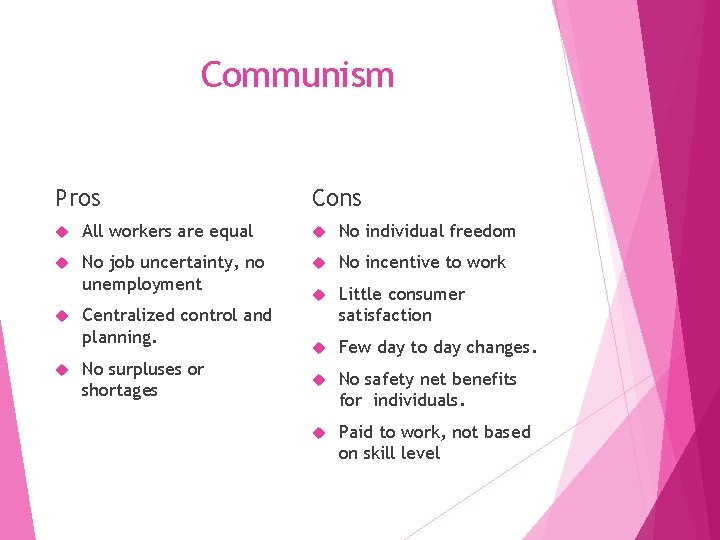
Communism Pros Cons All workers are equal No individual freedom No job uncertainty, no unemployment No incentive to work Little consumer satisfaction Few day to day changes. No safety net benefits for individuals. Paid to work, not based on skill level Centralized control and planning. No surpluses or shortages
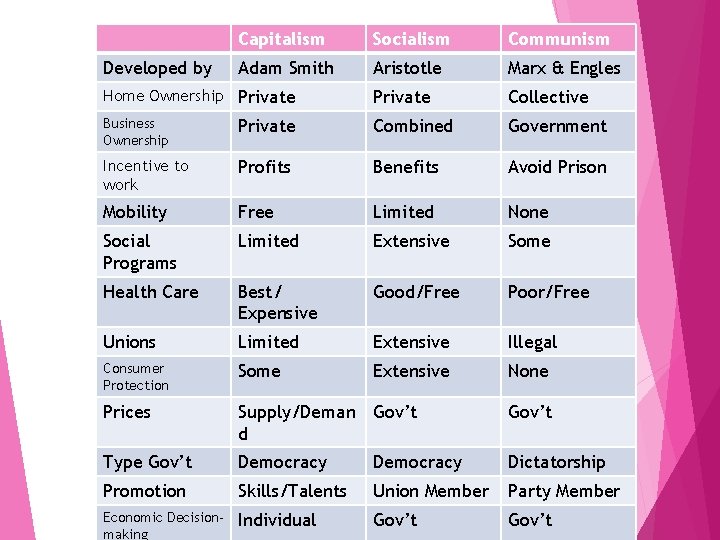
Capitalism Socialism Communism Adam Smith Aristotle Marx & Engles Home Ownership Private Collective Business Ownership Private Combined Government Incentive to work Profits Benefits Avoid Prison Mobility Free Limited None Social Programs Limited Extensive Some Health Care Best/ Expensive Good/Free Poor/Free Unions Limited Extensive Illegal Consumer Protection Some Extensive None Prices Supply/Deman Gov’t d Gov’t Type Gov’t Democracy Dictatorship Promotion Skills/Talents Union Member Party Member Economic Decisionmaking Individual Gov’t Developed by
The End!
- Slides: 73