
Unit C Biology Study of Life A little
Unit C - Biology Study of Life
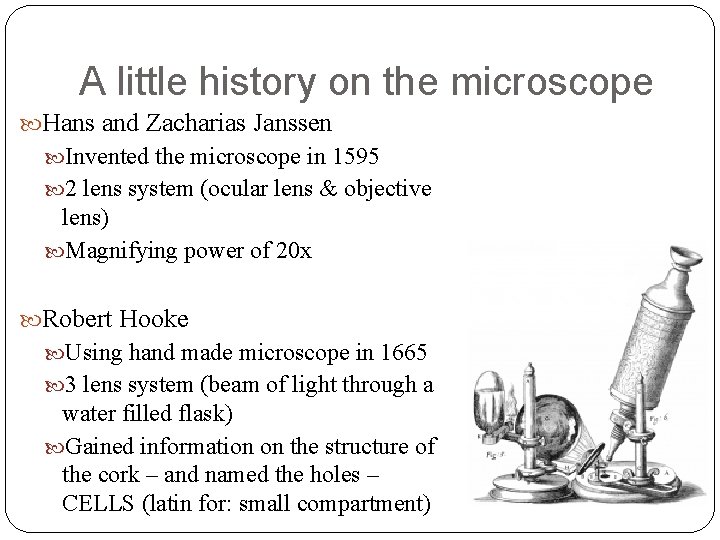
A little history on the microscope Hans and Zacharias Janssen Invented the microscope in 1595 2 lens system (ocular lens & objective lens) Magnifying power of 20 x Robert Hooke Using hand made microscope in 1665 3 lens system (beam of light through a water filled flask) Gained information on the structure of the cork – and named the holes – CELLS (latin for: small compartment)
A little more history Antoni Van Leeuwenhoek Single lens microscope (ie magnifying glass) 1 st to see movement in various types of single celled organisms (such as bacteria, sperm, unicellular protozoa etc) 250 x magnification
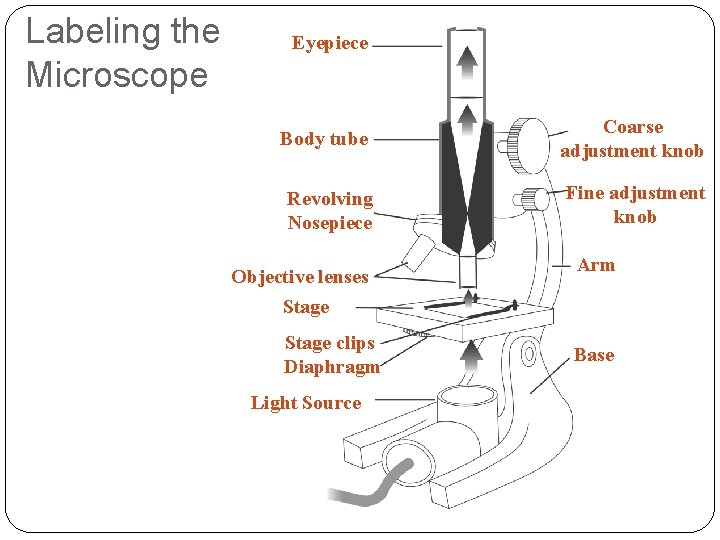
Labeling the Microscope Eyepiece Body tube Coarse adjustment knob Revolving Nosepiece Fine adjustment knob Objective lenses Stage clips Diaphragm Light Source Arm Base
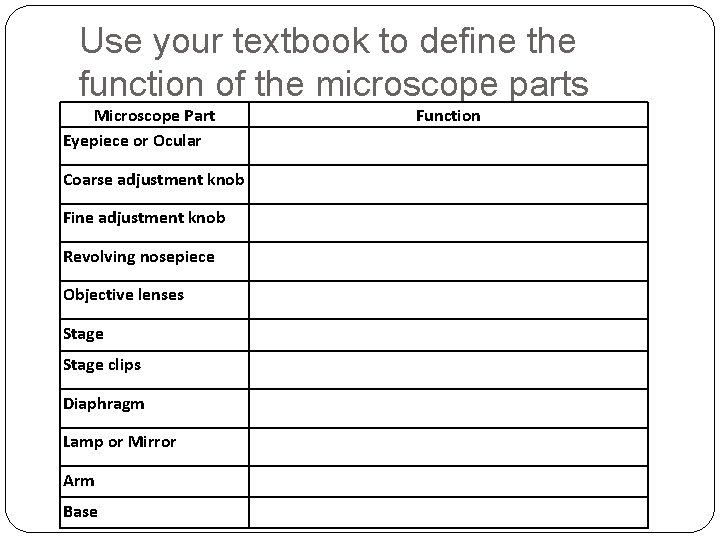
Use your textbook to define the function of the microscope parts Microscope Part Eyepiece or Ocular Coarse adjustment knob Fine adjustment knob Revolving nosepiece Objective lenses Stage clips Diaphragm Lamp or Mirror Arm Base Function
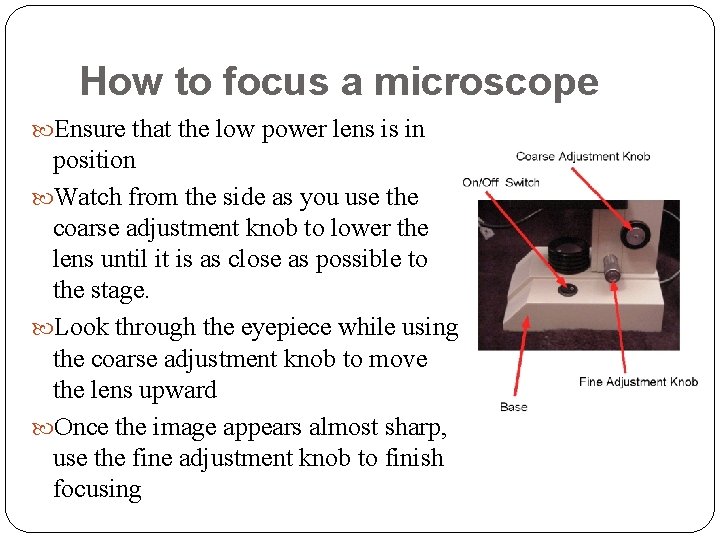
How to focus a microscope Ensure that the low power lens is in position Watch from the side as you use the coarse adjustment knob to lower the lens until it is as close as possible to the stage. Look through the eyepiece while using the coarse adjustment knob to move the lens upward Once the image appears almost sharp, use the fine adjustment knob to finish focusing
High Power focusing Move the objective upward with the coarse adjustment knob enough to revolve the high power objective lens into position. Watch from the side as you lower it close to the slide Use only the fine adjustment knob to fine tune the focusing
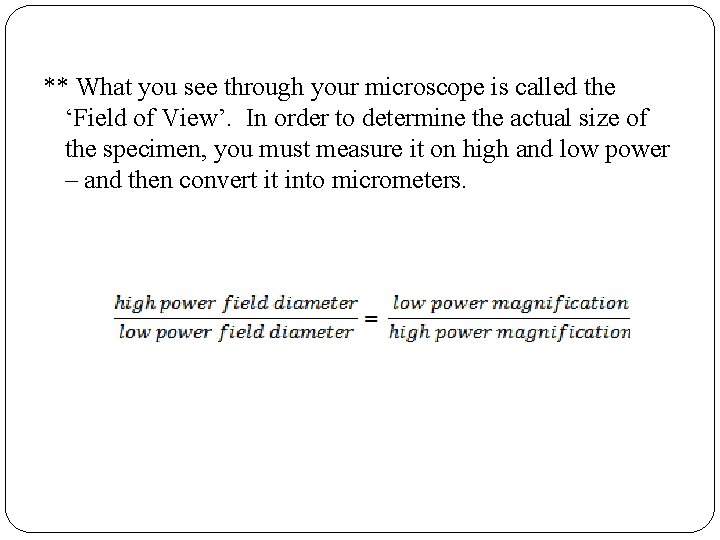
** What you see through your microscope is called the ‘Field of View’. In order to determine the actual size of the specimen, you must measure it on high and low power – and then convert it into micrometers.
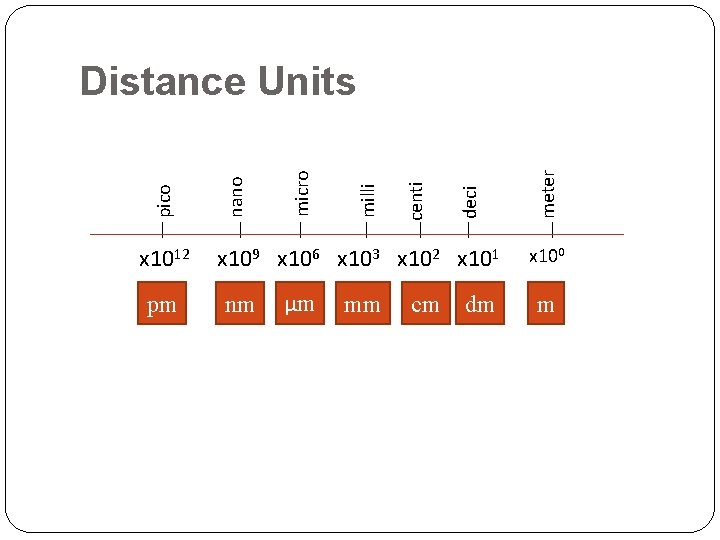
x 1012 pm x 109 x 106 x 103 x 102 x 101 nm µm mm cm dm meter deci centi milli micro nano pico Distance Units x 100 m
Assignment – take home Do the attached worksheet Complete the check and reflect for section 1. 1 #1 -8
1. 2 – Cell Theory Aristotle came up with a theory that life came from non-living matter. Evidence Mice come from sweaty socks and wheat husks Maggots come from raw meat (this was challenged by Francis Redi)
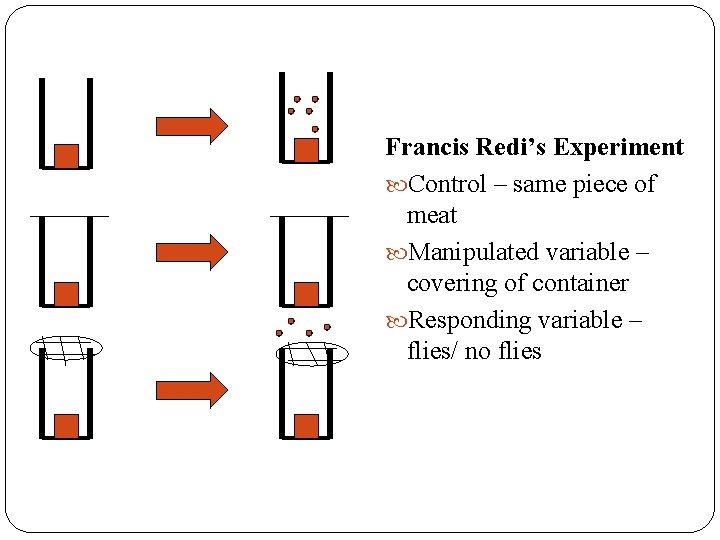
Francis Redi’s Experiment Control – same piece of meat Manipulated variable – covering of container Responding variable – flies/ no flies
John Needham’s Experiment Boiled chicken broth then sealed jars and microbes still appeared. Boiling should have killed the microbes. Someone else removes the air = no microbes Argument – microbes need air
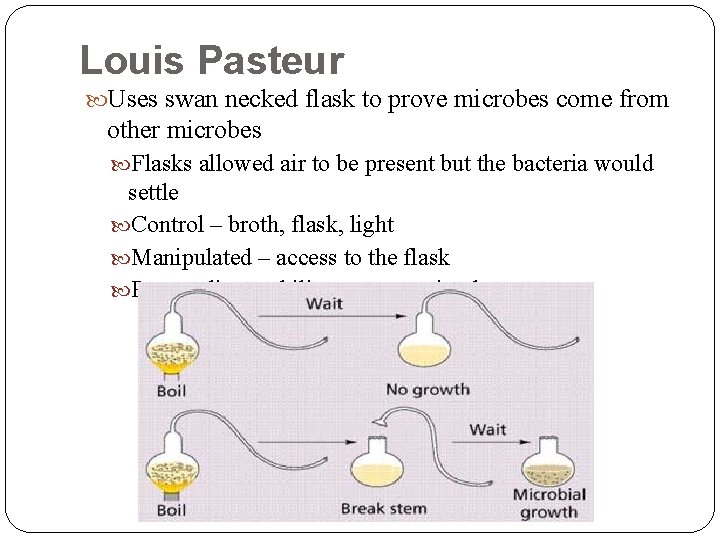
Louis Pasteur Uses swan necked flask to prove microbes come from other microbes Flasks allowed air to be present but the bacteria would settle Control – broth, flask, light Manipulated – access to the flask Responding – ability to grow microbes
Summary of Cell Theory: Hooke names them cells (from holes in cork) Schwann & Scheilden- say all living things are made up of them. Main points All living things are made up of one or more cells All life functions take place in the cell All cells come from preexisting cells
Assignment Check and Reflect 1. 2 #1 -5
Development in Imaging Technology & Staining 1. 3 – 1. 4
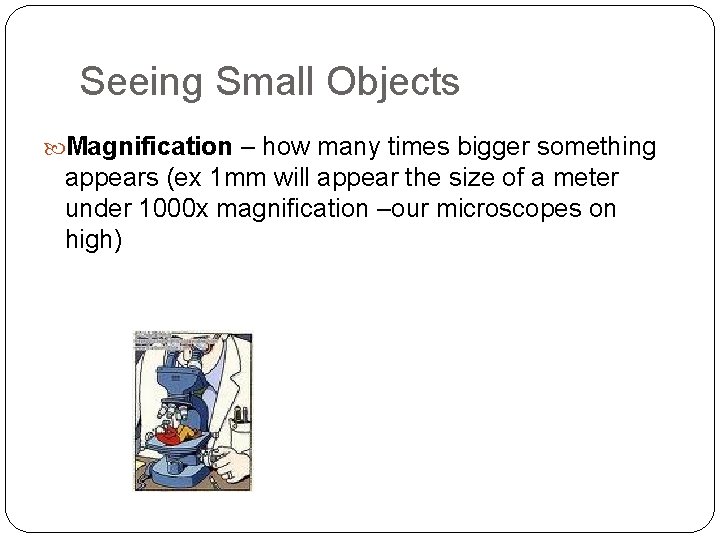
Seeing Small Objects Magnification – how many times bigger something appears (ex 1 mm will appear the size of a meter under 1000 x magnification –our microscopes on high)
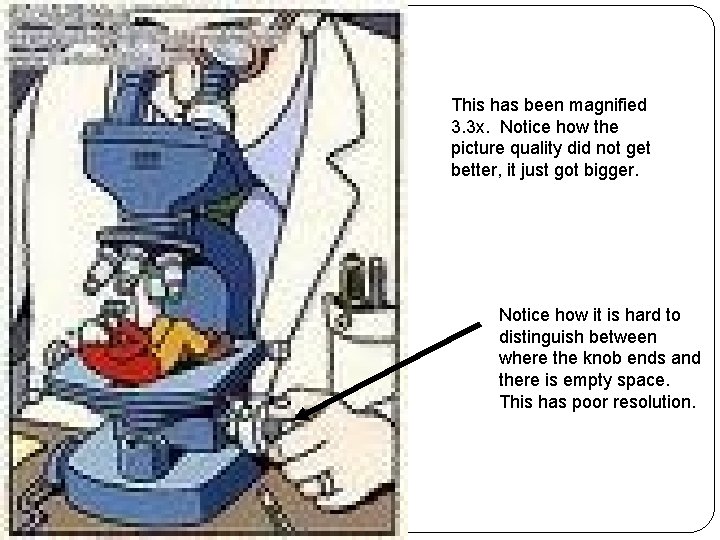
This has been magnified 3. 3 x. Notice how the picture quality did not get better, it just got bigger. Notice how it is hard to distinguish between where the knob ends and there is empty space. This has poor resolution.
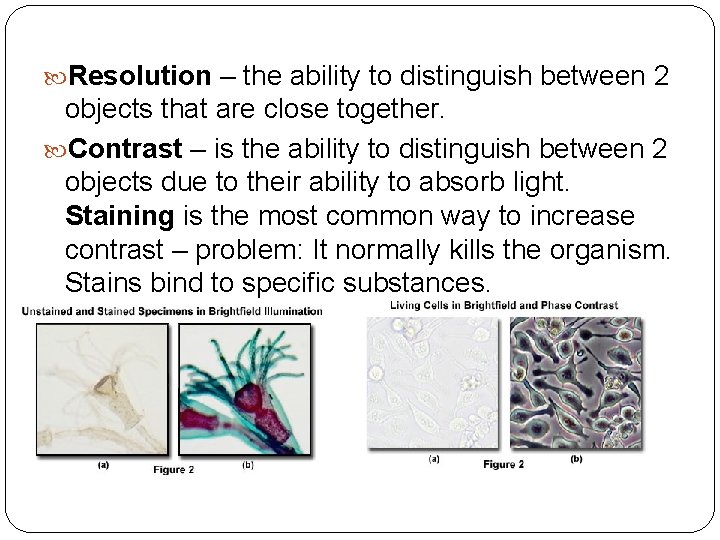
Resolution – the ability to distinguish between 2 objects that are close together. Contrast – is the ability to distinguish between 2 objects due to their ability to absorb light. Staining is the most common way to increase contrast – problem: It normally kills the organism. Stains bind to specific substances.
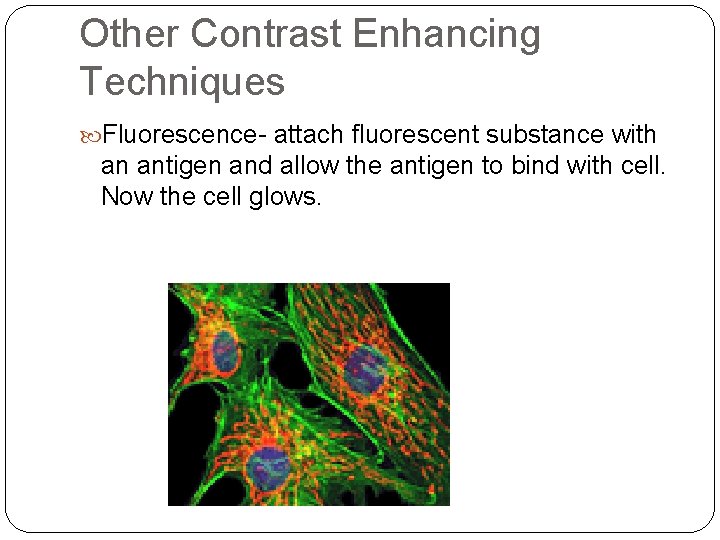
Other Contrast Enhancing Techniques Fluorescence- attach fluorescent substance with an antigen and allow the antigen to bind with cell. Now the cell glows.
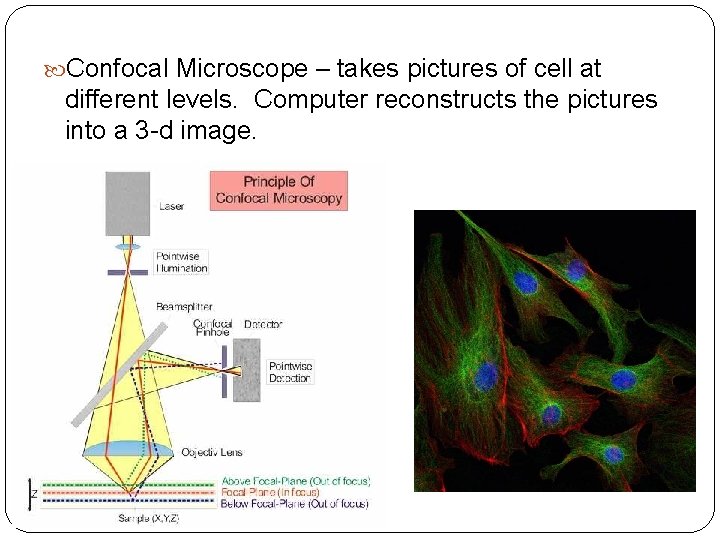
Confocal Microscope – takes pictures of cell at different levels. Computer reconstructs the pictures into a 3 -d image.
Electron Microscope Not dependent on the wavelength of light (allows you to see smaller objects) Canadian invention Uses a beam of electrons TEM –Transmission Electron Microscope: Electrons are shot through thin slices of the specimen. Magnification (1 500 000 x and a resolution 2. 5 nm vs 0. 2 micrometers for light. (100 x improvement)
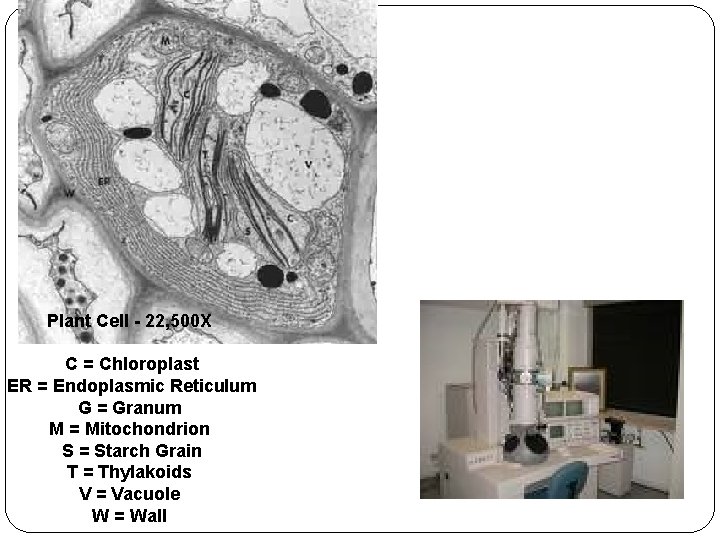
Plant Cell - 22, 500 X C = Chloroplast ER = Endoplasmic Reticulum G = Granum M = Mitochondrion S = Starch Grain T = Thylakoids V = Vacuole W = Wall
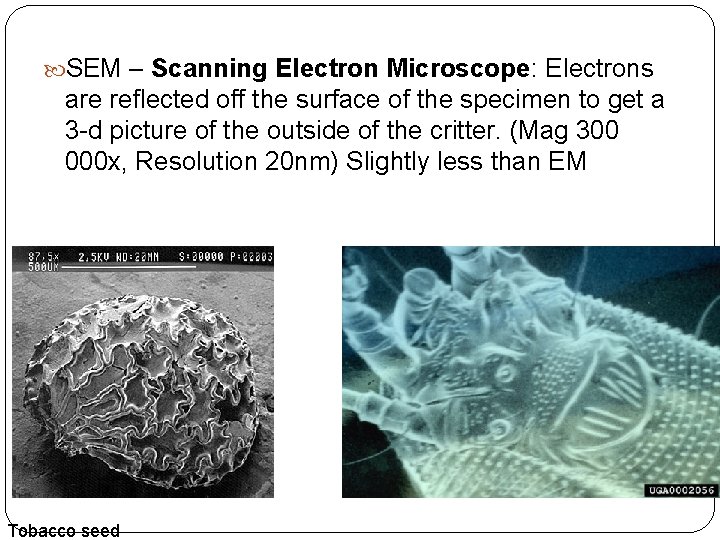
SEM – Scanning Electron Microscope: Electrons are reflected off the surface of the specimen to get a 3 -d picture of the outside of the critter. (Mag 300 000 x, Resolution 20 nm) Slightly less than EM Tobacco seed
Some pics taken by LSL students in 2010/2011 on a portable SEM… Can you guess what they are?
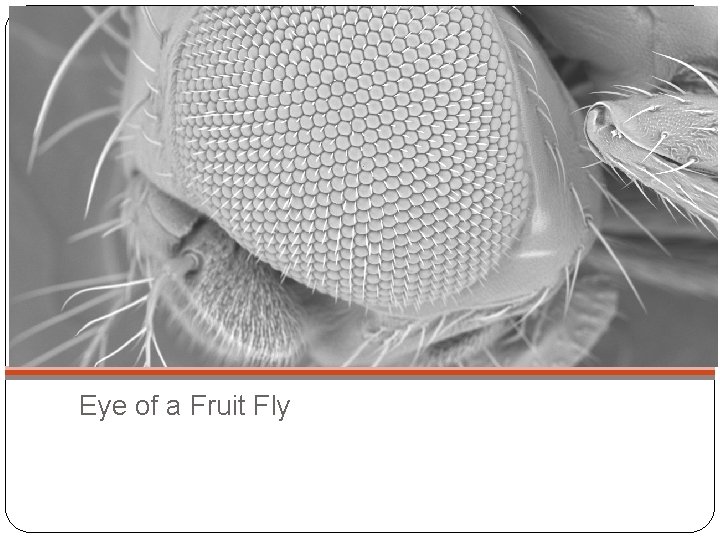
Eye of a Fruit Fly
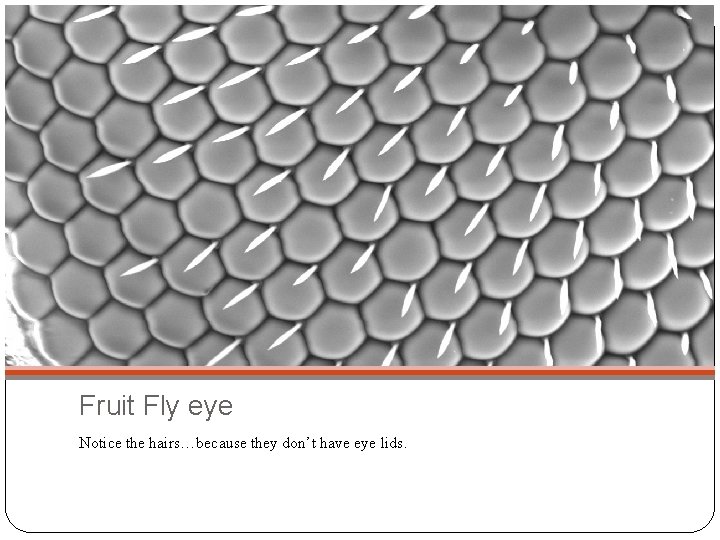
Fruit Fly eye Notice the hairs…because they don’t have eye lids.
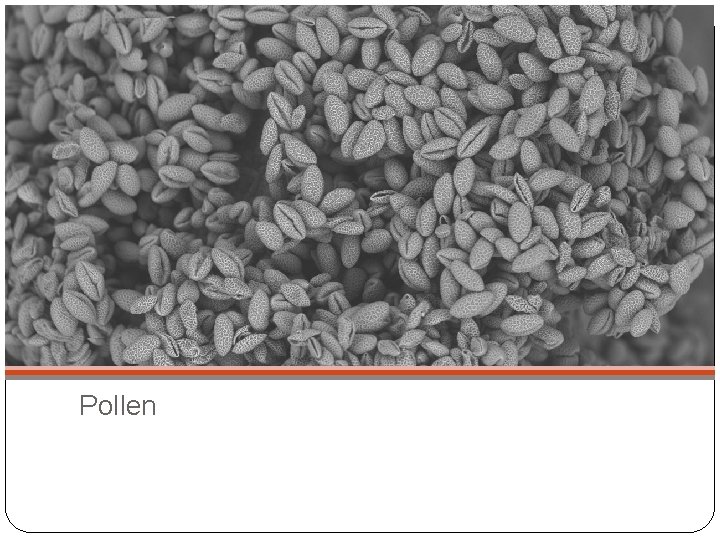
Pollen
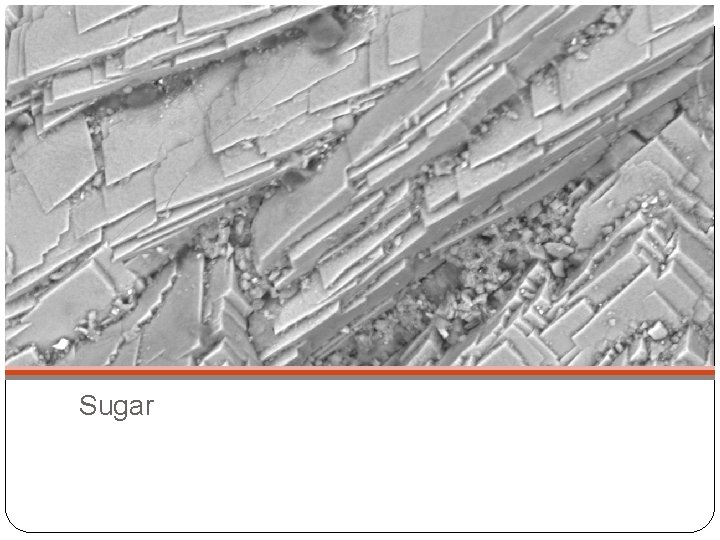
Sugar
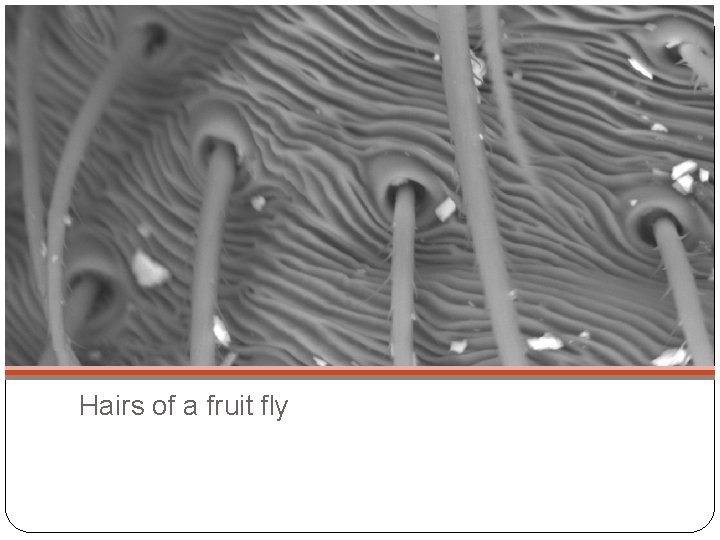
Hairs of a fruit fly
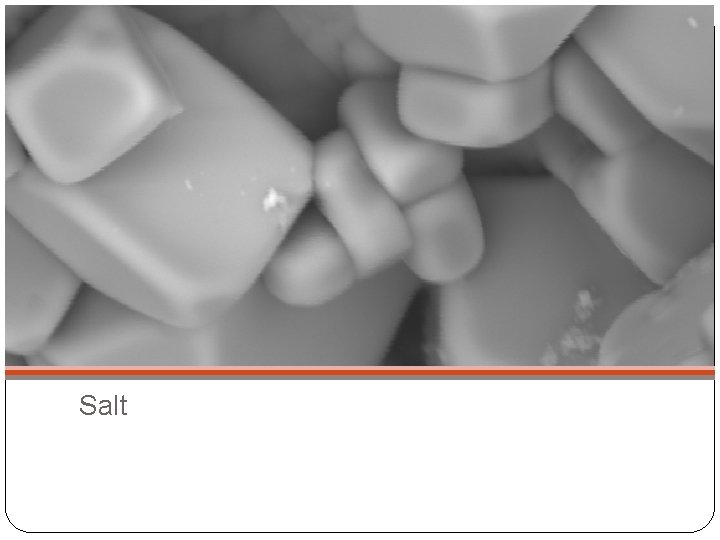
Salt
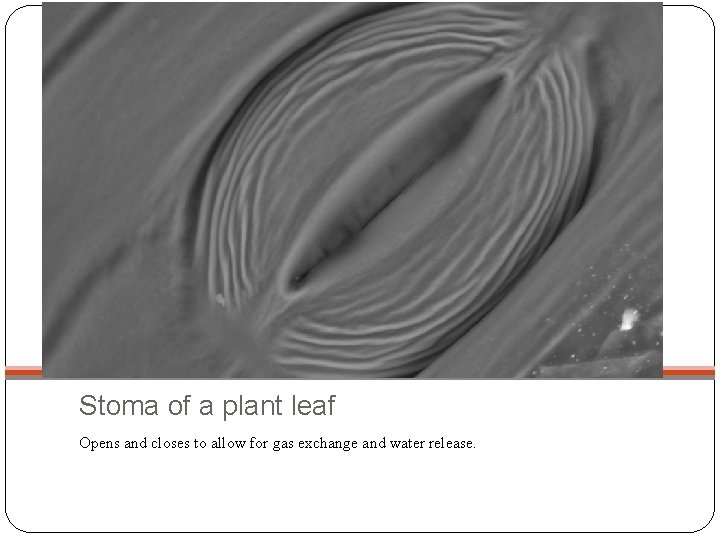
Stoma of a plant leaf Opens and closes to allow for gas exchange and water release.
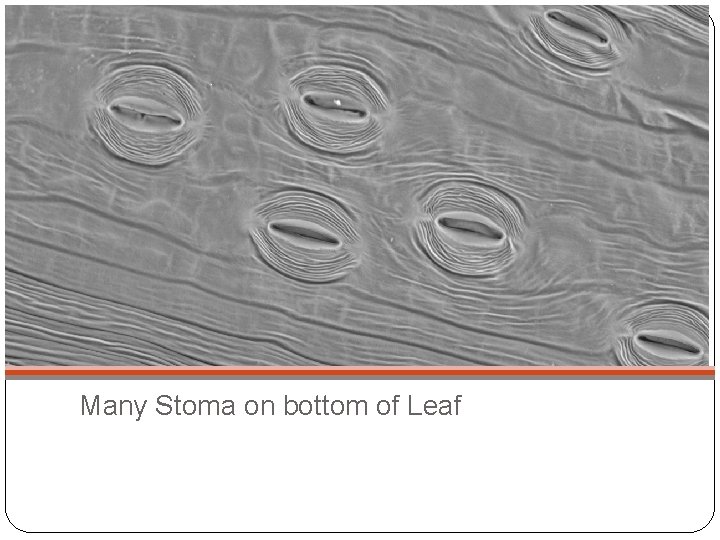
Many Stoma on bottom of Leaf
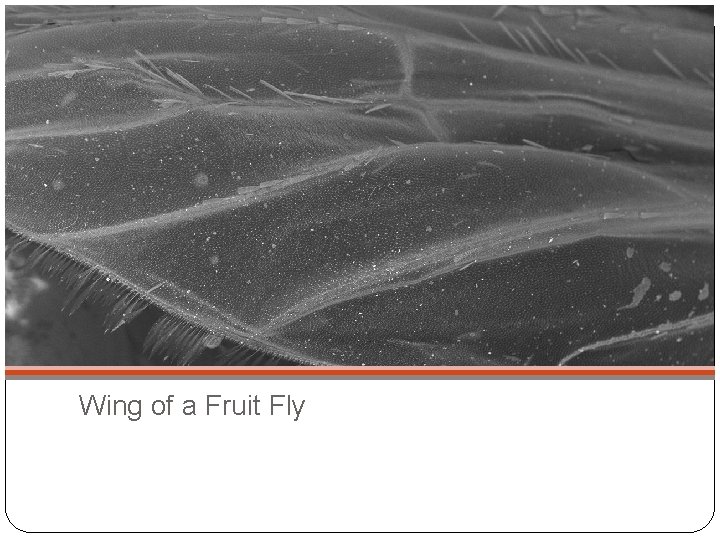
Wing of a Fruit Fly
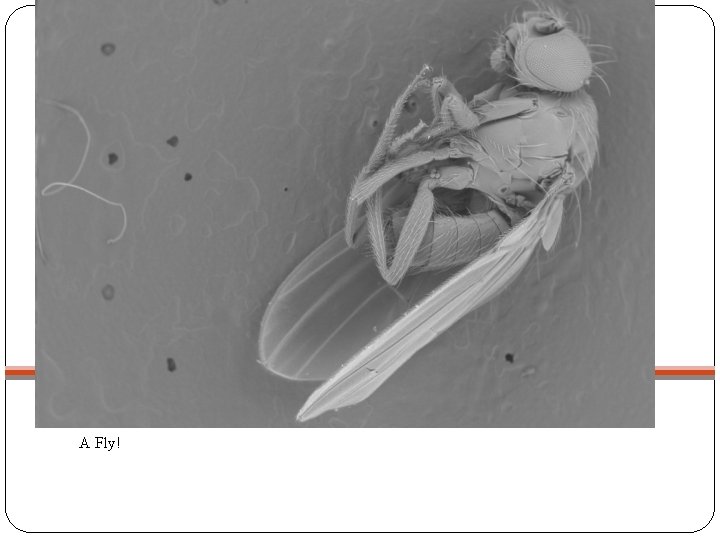
Whole Fly A Fly!
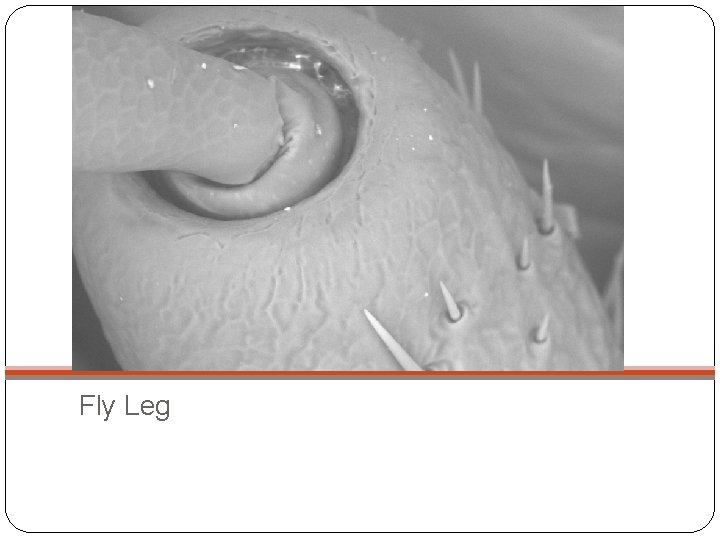
Fly Leg
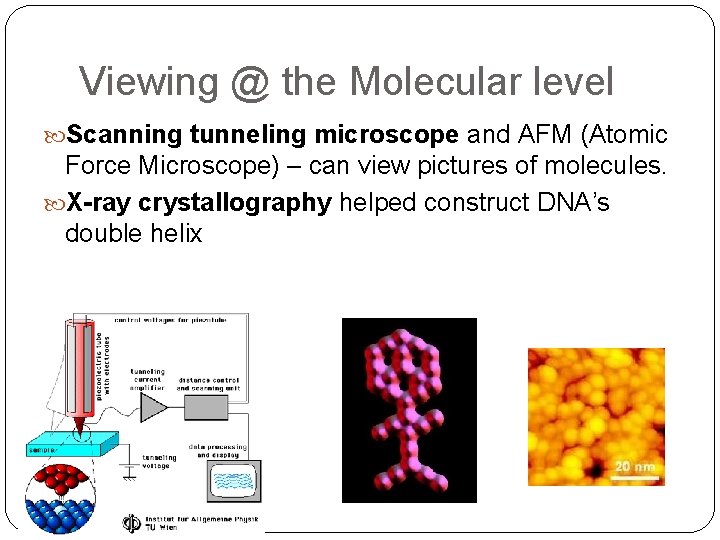
Viewing @ the Molecular level Scanning tunneling microscope and AFM (Atomic Force Microscope) – can view pictures of molecules. X-ray crystallography helped construct DNA’s double helix
- Slides: 38