
UNIT 9 THE BEGINNINGS OF THE INDUSTRIAL REVOLUTION
UNIT 9: THE BEGINNINGS OF THE INDUSTRIAL REVOLUTION
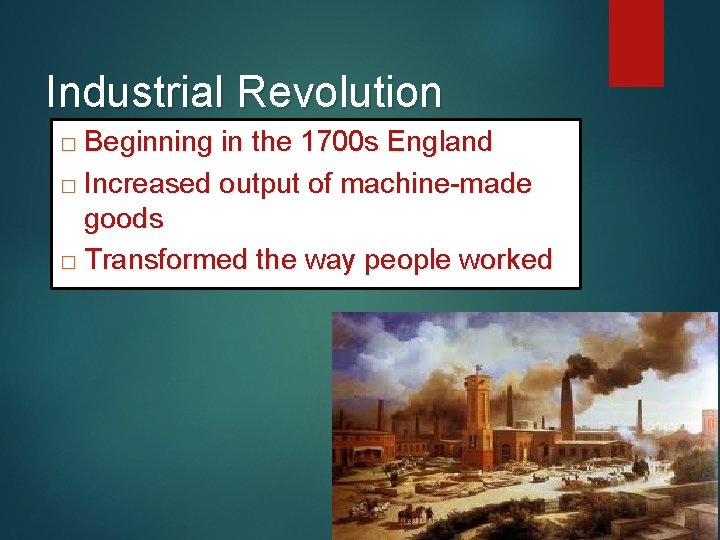
Industrial Revolution Beginning in the 1700 s England � Increased output of machine-made goods � Transformed the way people worked �
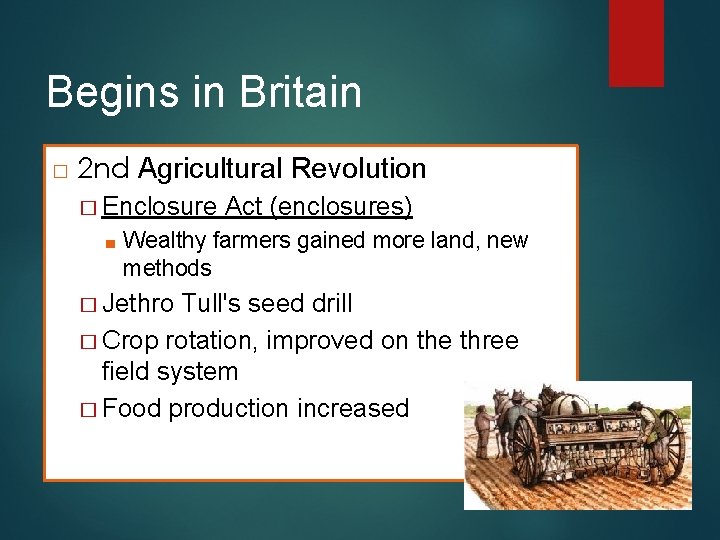
Begins in Britain � 2 nd Agricultural Revolution � Enclosure ■ Act (enclosures) Wealthy farmers gained more land, new methods � Jethro Tull's seed drill � Crop rotation, improved on the three field system � Food production increased
Why England? 1. 2. 3. 4. Water power and coal to fuel new machines Iron ore to construct machines/tools River for inland transportation Safe harbors for ships

Iron ore deposits in England Navigable river
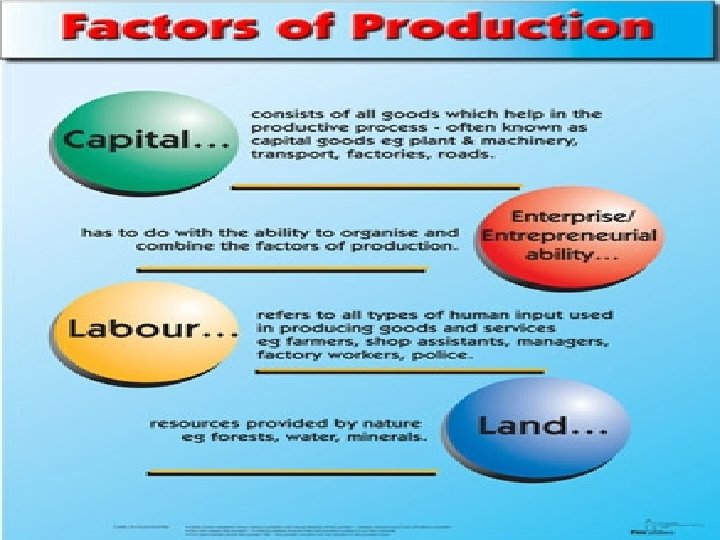
Factors of Production Labor � Natural resources � Stable economy � Stable government �
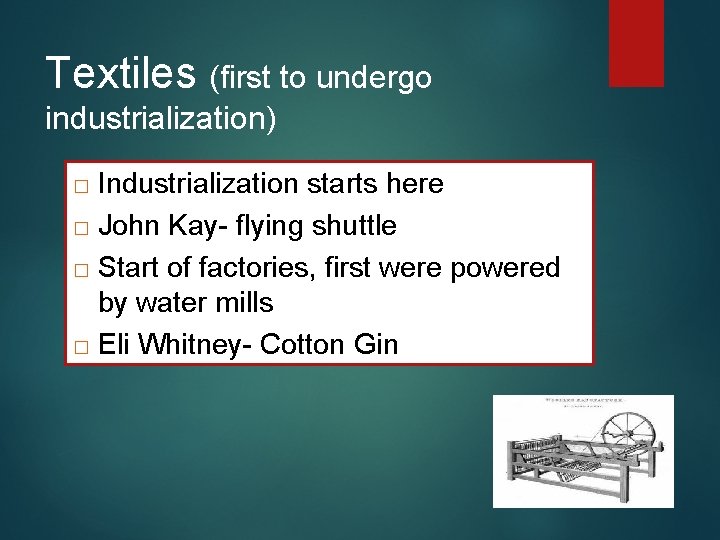
Textiles (first to undergo industrialization) Industrialization starts here � John Kay- flying shuttle � Start of factories, first were powered by water mills � Eli Whitney- Cotton Gin �
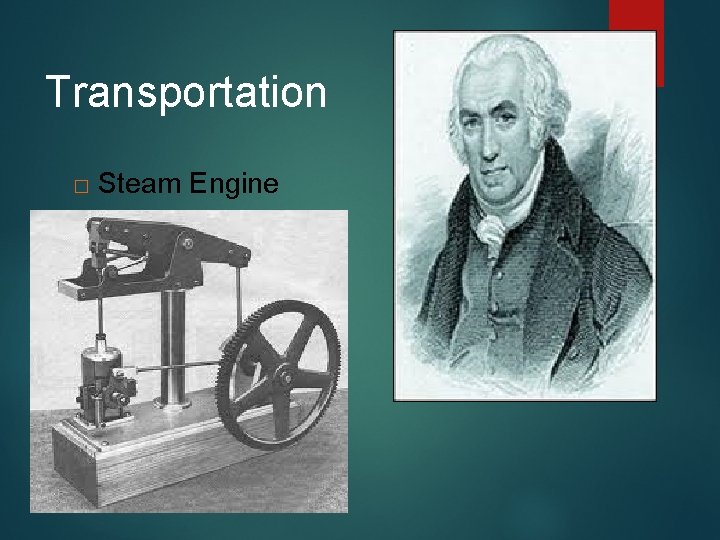
Transportation � Steam Engine � James Watt (1765)
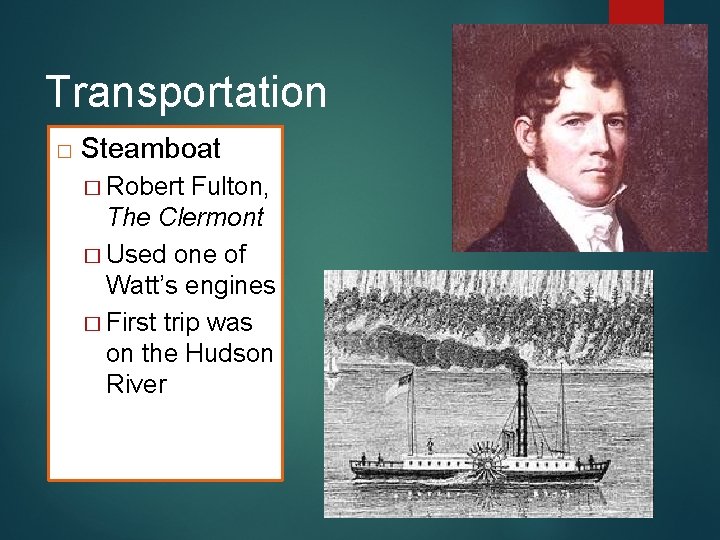
Transportation � Steamboat � Robert Fulton, The Clermont � Used one of Watt’s engines � First trip was on the Hudson River
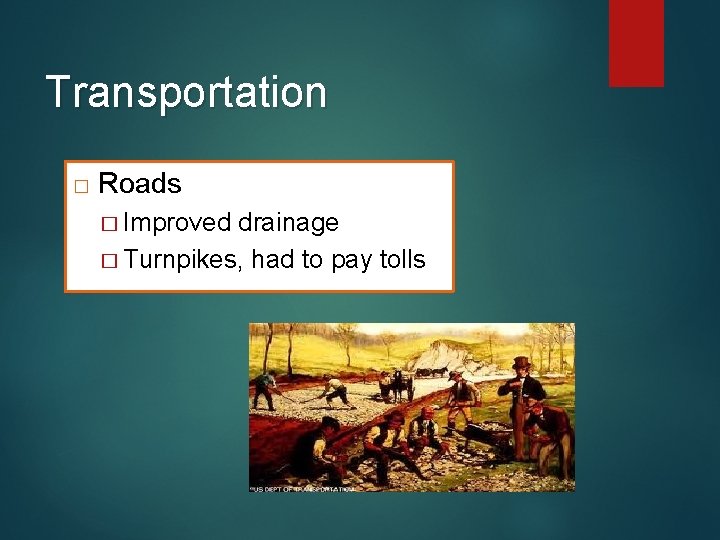
Transportation � Roads � Improved drainage � Turnpikes, had to pay tolls
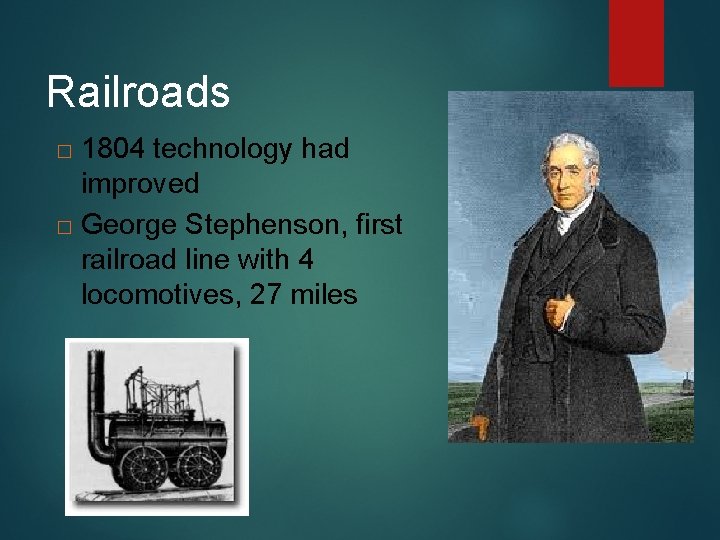
Railroads 1804 technology had improved � George Stephenson, first railroad line with 4 locomotives, 27 miles �
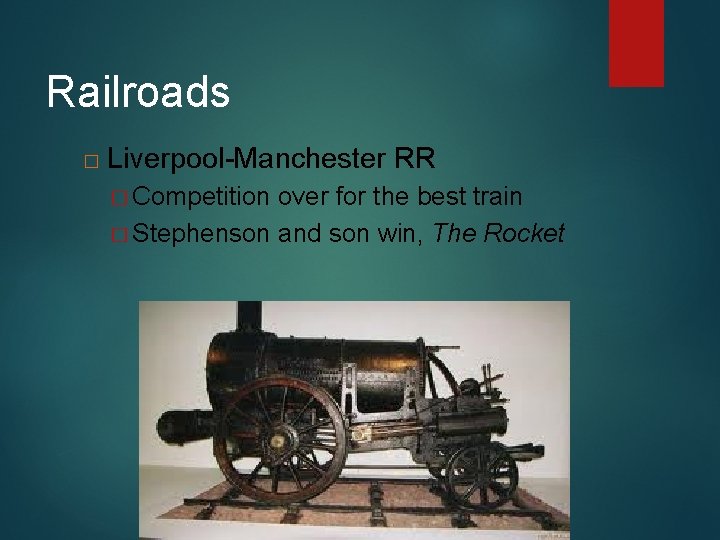
Railroads � Liverpool-Manchester RR � Competition over for the best train � Stephenson and son win, The Rocket
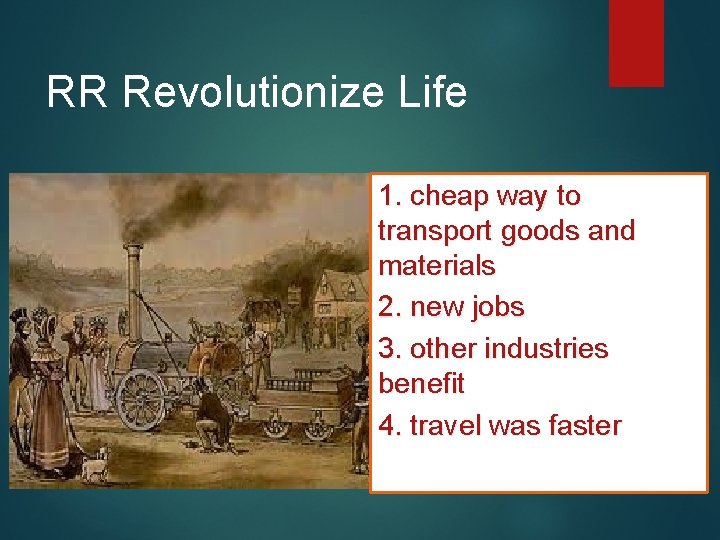
RR Revolutionize Life 1. cheap way to transport goods and materials 2. new jobs 3. other industries benefit 4. travel was faster

Review Q’s � What are the 4 factors of production?

Review Q’s � How did the rising population in Europe help the IR?

Review Q’s � What American invention aided the British textile industry?

Review Q’s � Was the revolution in agriculture necessary to the IR? Explain?

Review Q’s � How did improvements in transportation promote industrialization in Britain?
- Slides: 18