
Unit 9 Evolution 9 6 Evidence for Evolution
- Slides: 17
Unit 9: Evolution 9. 6 Evidence for Evolution
Evidence of Evolution • Fossil Record Evidence • Comparative • Vestigial Anatomy Structures • Biochemistry • Embryology • Bacterial Resistance
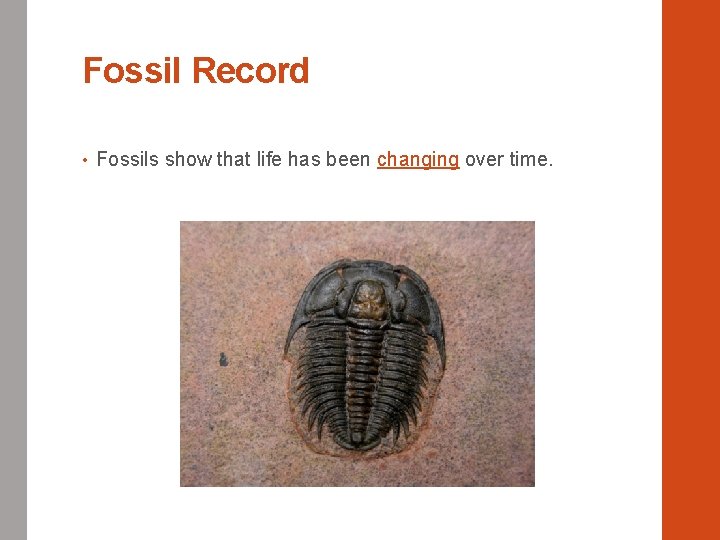
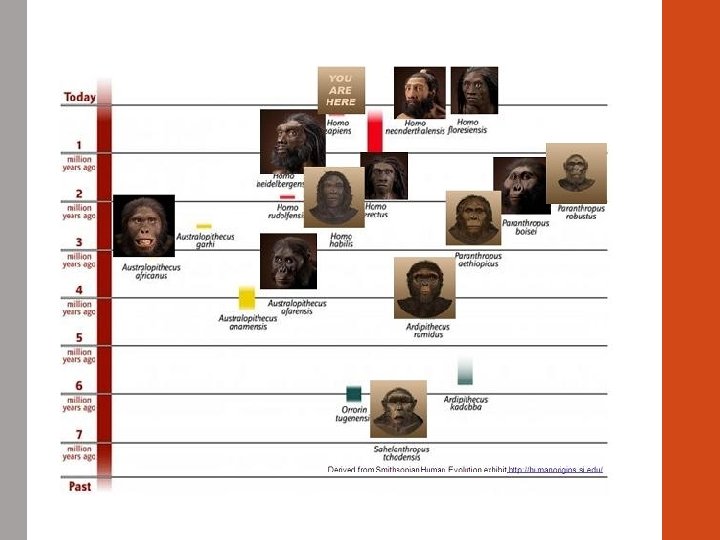
Fossil Record • Fossils show that life has been changing over time.
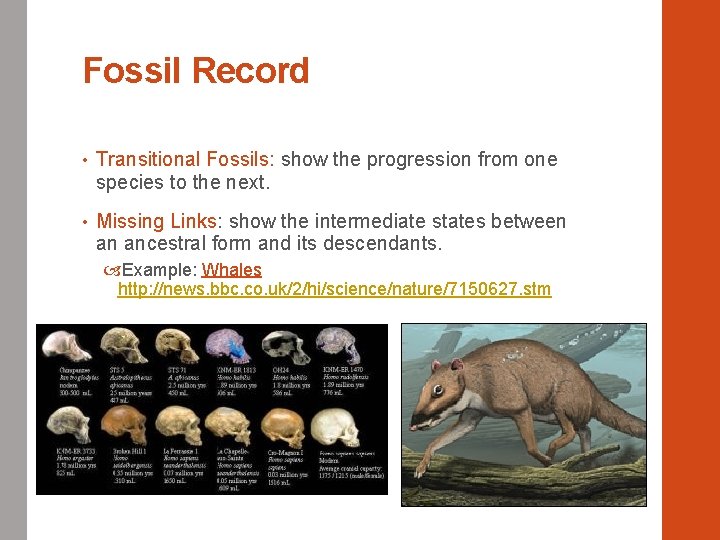
Fossil Record • Transitional Fossils: show the progression from one species to the next. • Missing Links: show the intermediate states between an ancestral form and its descendants. Example: Whales http: //news. bbc. co. uk/2/hi/science/nature/7150627. stm
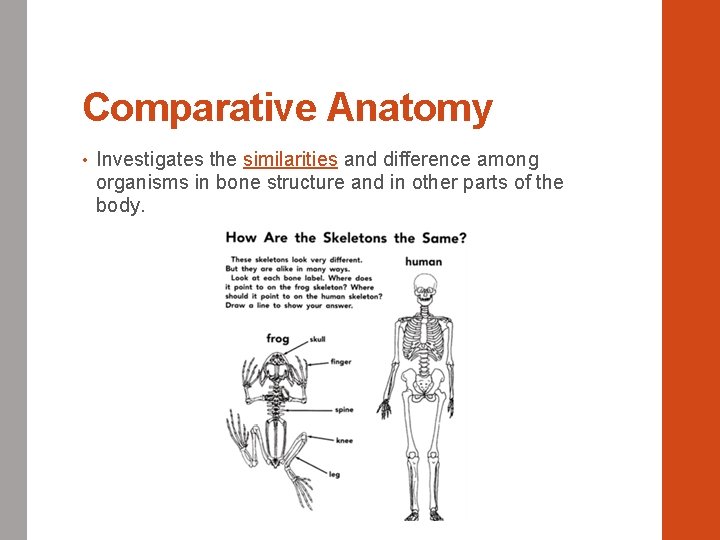
Comparative Anatomy • Investigates the similarities and difference among organisms in bone structure and in other parts of the body.
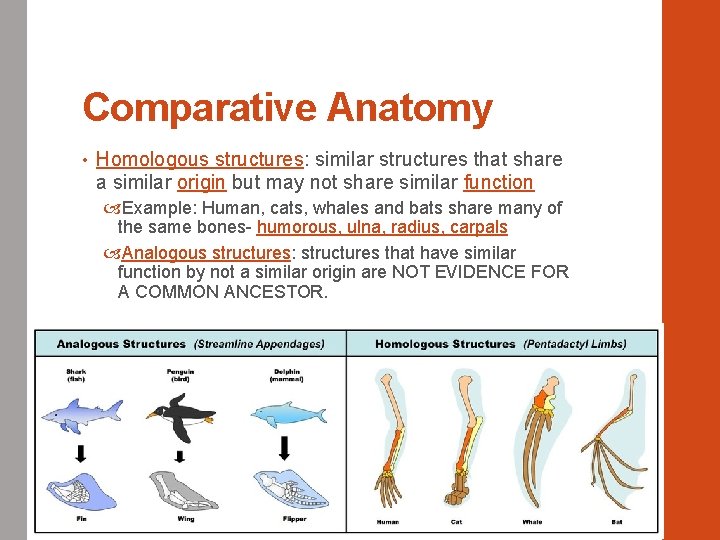
Comparative Anatomy • Homologous structures: similar structures that share a similar origin but may not share similar function Example: Human, cats, whales and bats share many of the same bones- humorous, ulna, radius, carpals Analogous structures: structures that have similar function by not a similar origin are NOT EVIDENCE FOR A COMMON ANCESTOR.
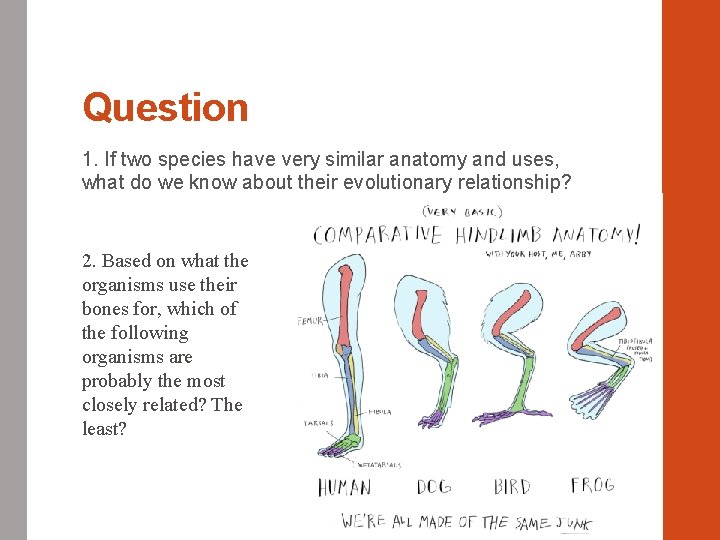
Question 1. If two species have very similar anatomy and uses, what do we know about their evolutionary relationship? 2. Based on what the organisms use their bones for, which of the following organisms are probably the most closely related? The least?
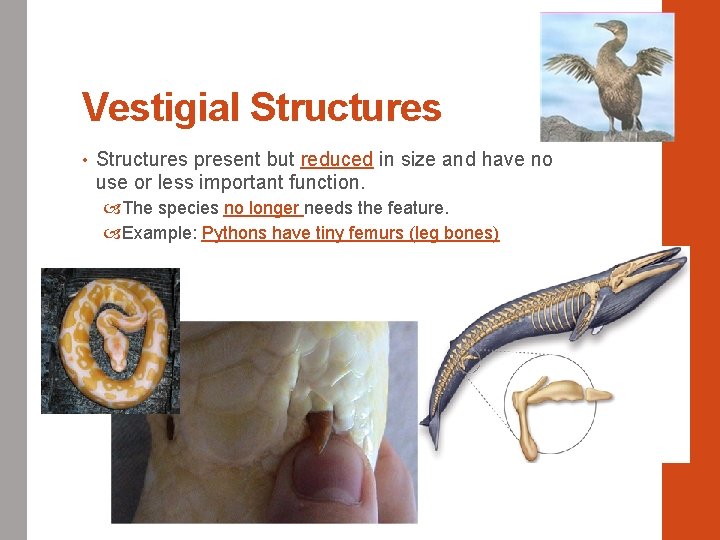
Vestigial Structures • Structures present but reduced in size and have no use or less important function. The species no longer needs the feature. Example: Pythons have tiny femurs (leg bones)
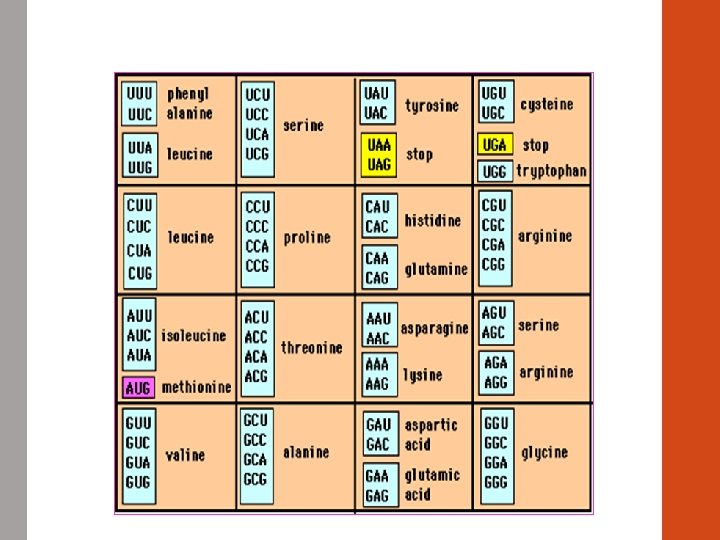
Biochemistry • Comparisons of DNA of different species can used to establish evolutionary relationships. • DNA is the universal language for making proteins. • All proteins made using just 20 amino acids. • Similar DNA among species is evidence they decent from a common ancestor • Example: humans and chimps share 98. 8% of their DNA!
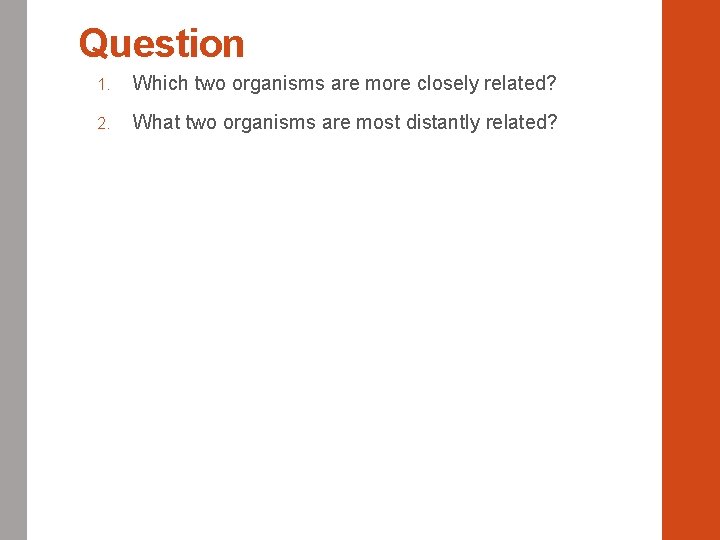
Question 1. Which two organisms are more closely related? 2. What two organisms are most distantly related?
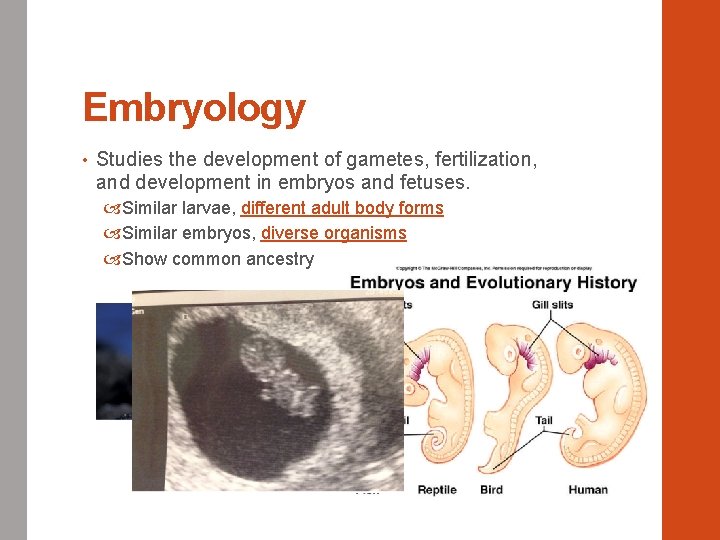
Embryology • Studies the development of gametes, fertilization, and development in embryos and fetuses. Similar larvae, different adult body forms Similar embryos, diverse organisms Show common ancestry
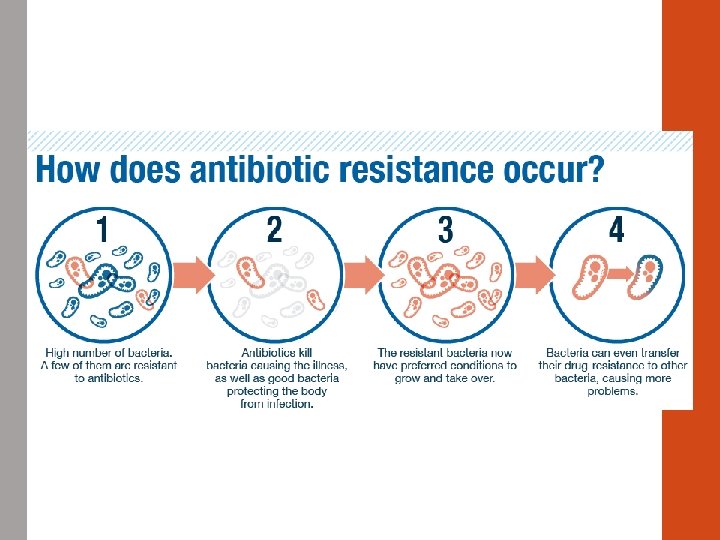
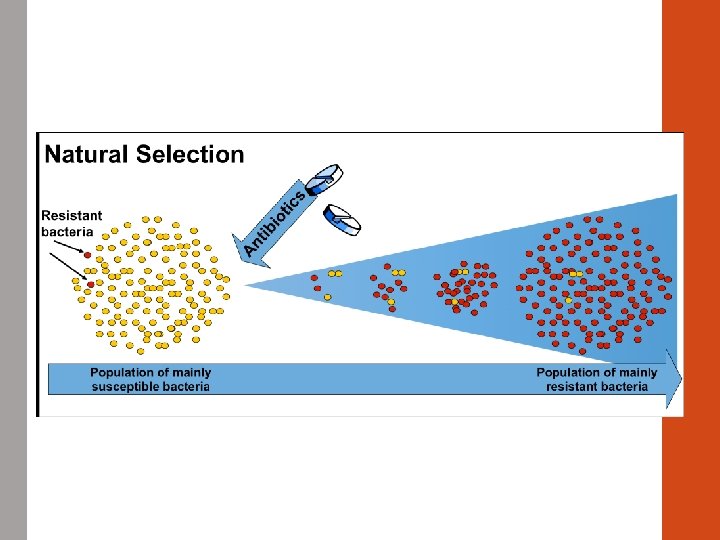
Bacterial Resistance • Antibiotic resistance is a consequence of evolution via natural selection • Antibiotic action is an environmental pressure • Bacteria which have a mutation allowing them to survive will live on to reproduce • Reproducing bacteria pass the trait to their offspring, which may result in fully resistant generation
Question • Why do you think it is important to take ALL of the antibiotics prescribed by your doctor?