
Unit 6 APES Lecture Introduction to Earth Science
- Slides: 15
Unit 6 APES Lecture Introduction to Earth Science
Geologic Time Overview • Precambrian • Paleozoic • Mesozoic • Cenozoic
Questions • How many extinctions have occurred/are occuring? • Where did the oxygen come from about 2. 7 bya? • During what PERIOD was the majority of coal formed? • What event proceeded the development of multi-celled organisms?
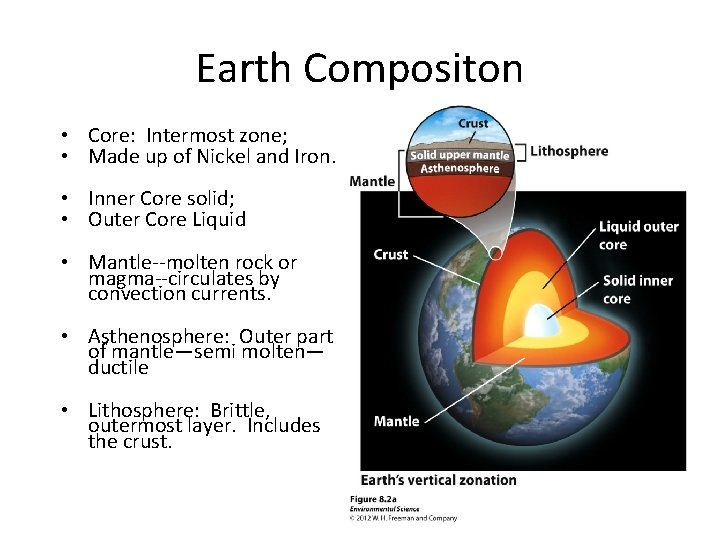
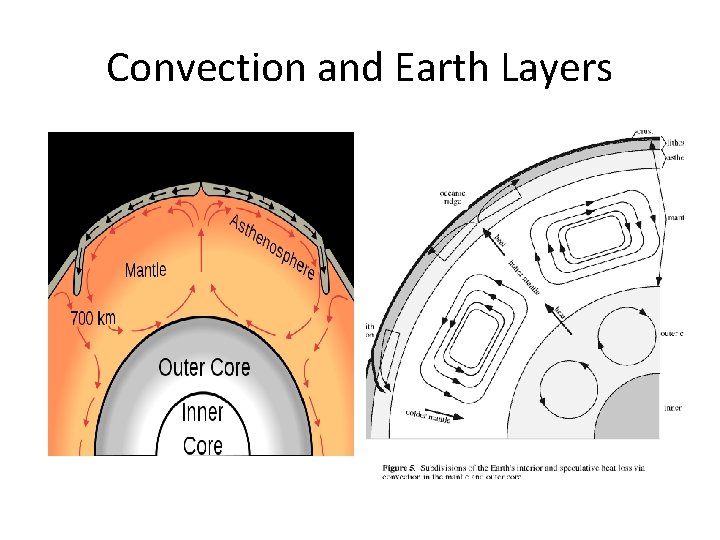
Earth Compositon • Core: Intermost zone; • Made up of Nickel and Iron. • Inner Core solid; • Outer Core Liquid • Mantle--molten rock or magma--circulates by convection currents. • Asthenosphere: Outer part of mantle—semi molten— ductile • Lithosphere: Brittle, outermost layer. Includes the crust.
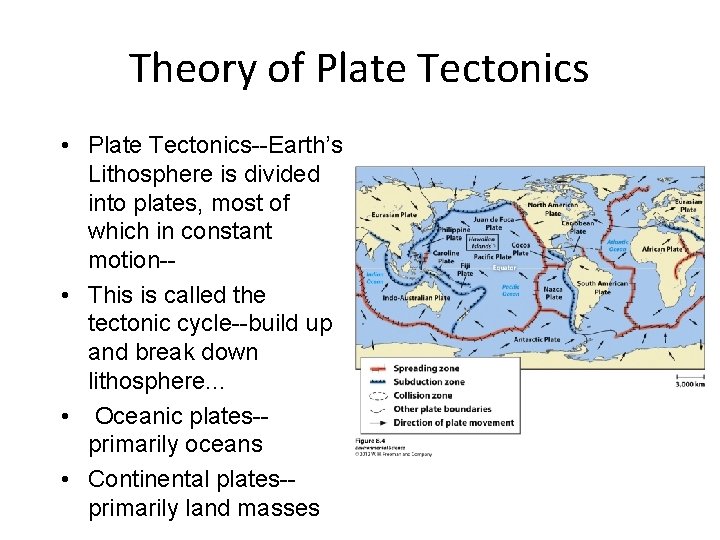
Theory of Plate Tectonics • Plate Tectonics--Earth’s Lithosphere is divided into plates, most of which in constant motion- • This is called the tectonic cycle--build up and break down lithosphere. . . • Oceanic plates-primarily oceans • Continental plates-primarily land masses
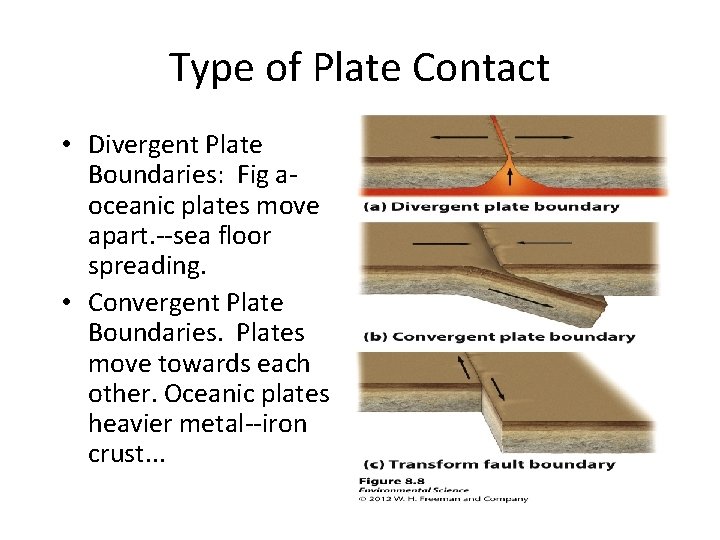
Type of Plate Contact • Divergent Plate Boundaries: Fig aoceanic plates move apart. --sea floor spreading. • Convergent Plate Boundaries. Plates move towards each other. Oceanic plates heavier metal--iron crust. . .
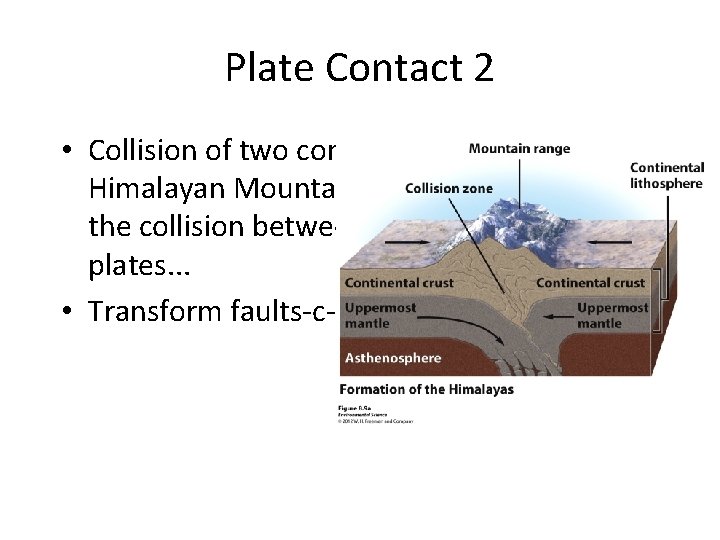
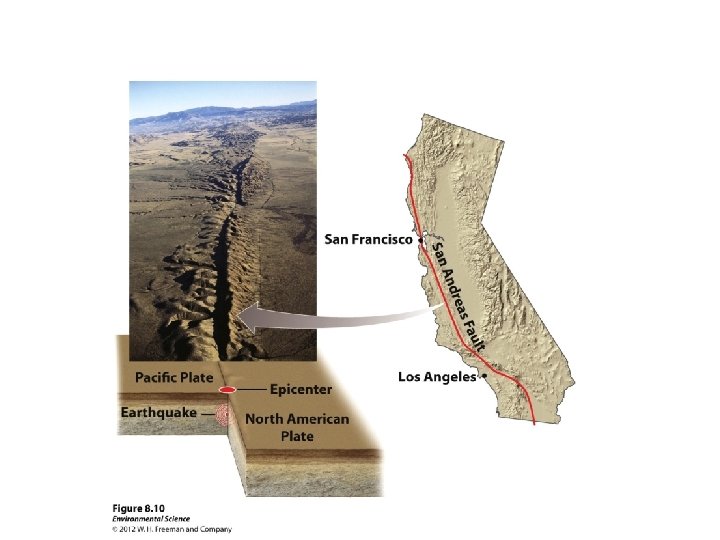
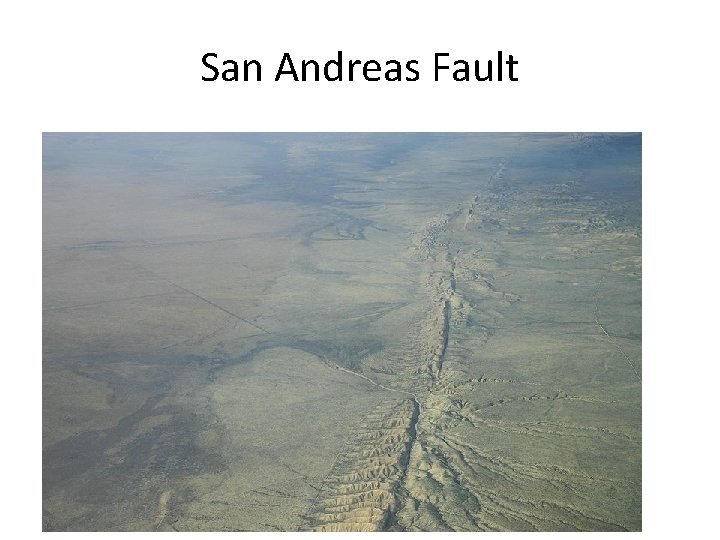
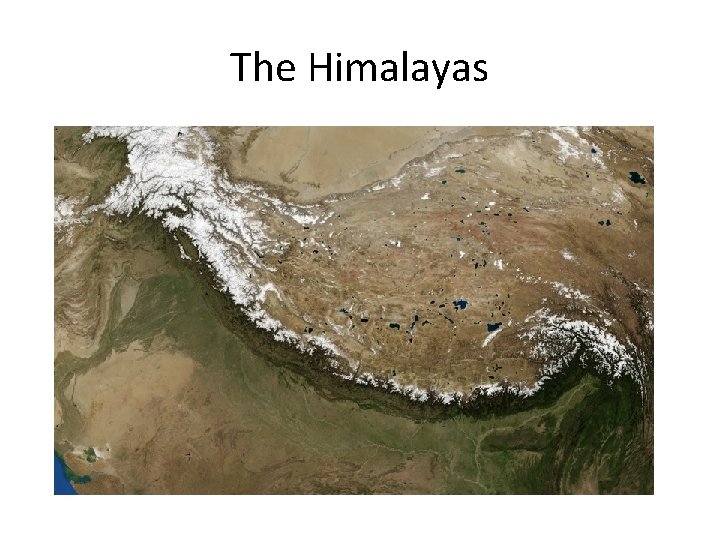
Plate Contact 2 • Collision of two continental plates--The Himalayan Mountain Range was formed by the collision between two continental plates. . . • Transform faults-c--plates slide sideways.
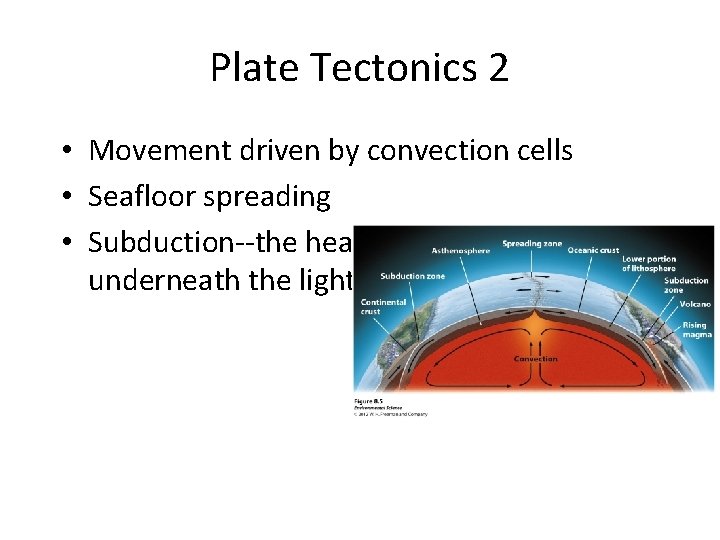
Plate Tectonics 2 • Movement driven by convection cells • Seafloor spreading • Subduction--the heavier oceanic plate slides underneath the lighter continental plate
San Andreas Fault
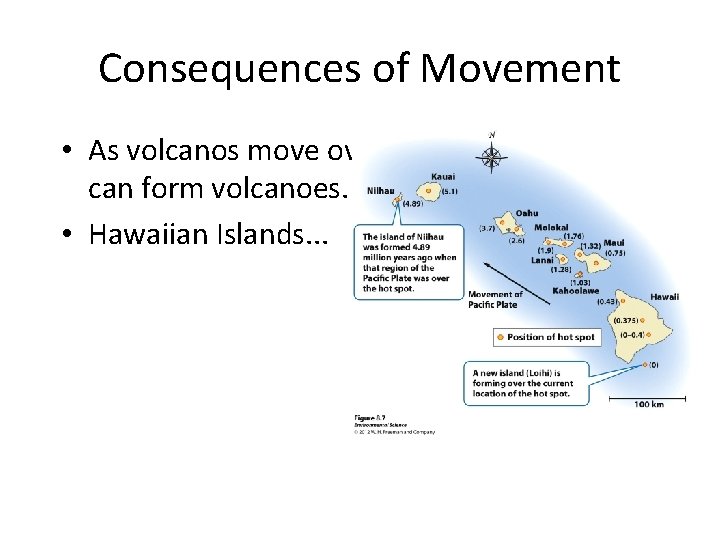
Consequences of Movement • As volcanos move over geologic hot spots, can form volcanoes. • Hawaiian Islands. . .
Questions • What kind of plate boundary formed the Rocky Mountains? • What type of boudary would be the San Andres Fault? • What type of boundary is formed by the Himalyas? • What is an oceanic trench?
The Himalayas
Convection and Earth Layers
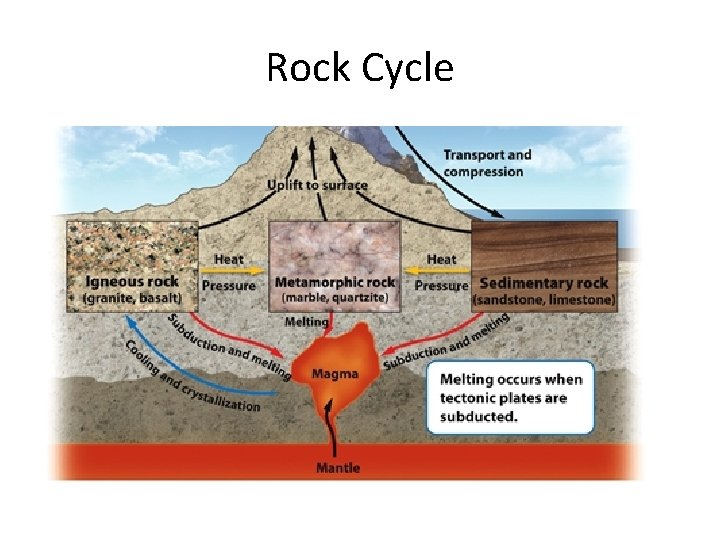
Rock Cycle