
Unit 5 Lessons Based on Master ASL J
Unit 5 Lessons Based on Master ASL, J. Zinza © 2011 Natasha Escalada-Westland Unit 5 1
Unit 5 Objectives • To improve conversational skills • To sign about school and school life • To identify and use the Agent Marker appropriately • To understand contemporary Deaf education options • To tell time and sign about time-related issues • To use basic classifiers for simple stories Unit 5 Based on Master ASL Level One by Jason Zinza 2
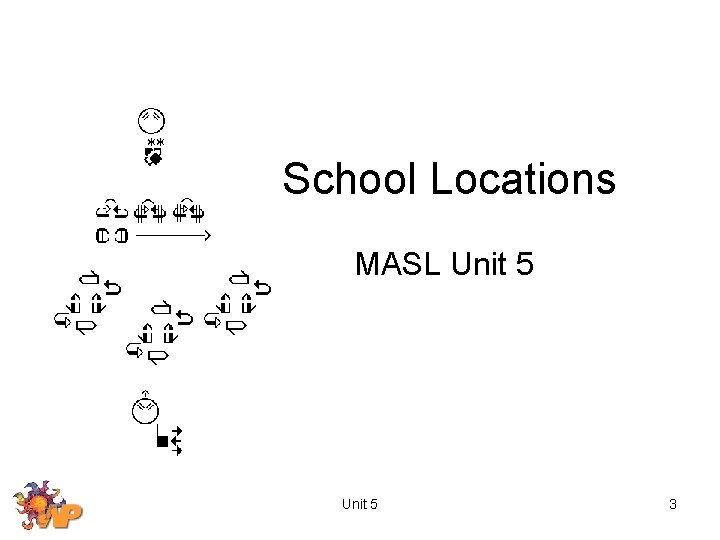
School Locations MASL Unit 5 3
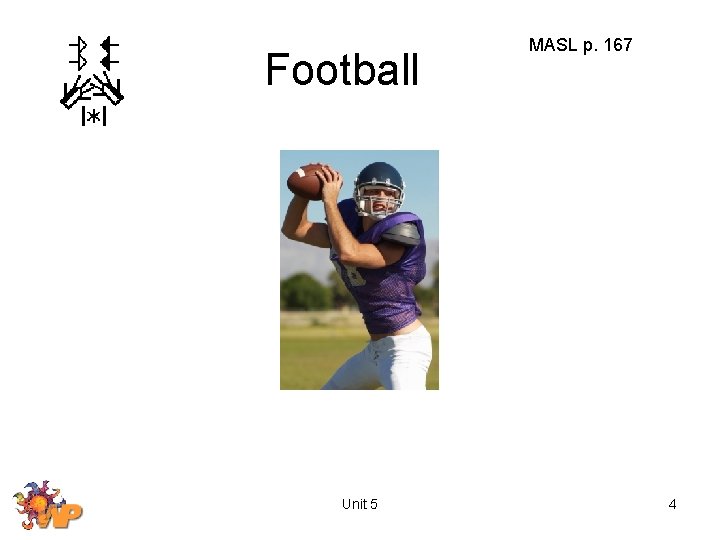
Football Unit 5 MASL p. 167 4
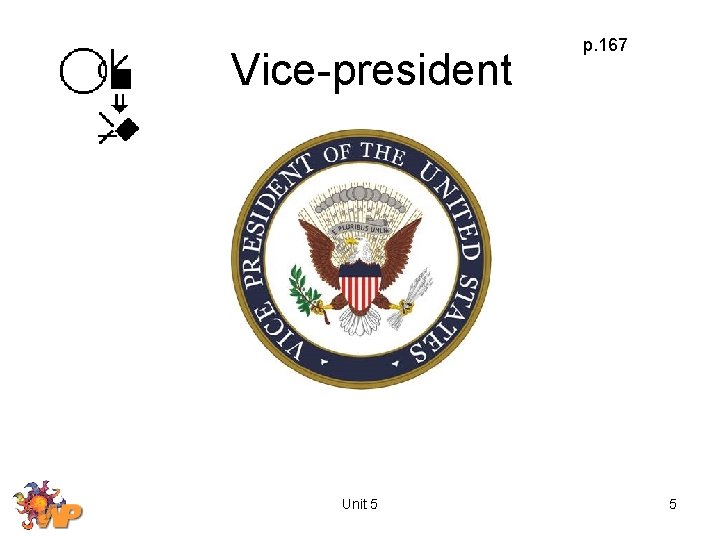
Vice-president Unit 5 p. 167 5
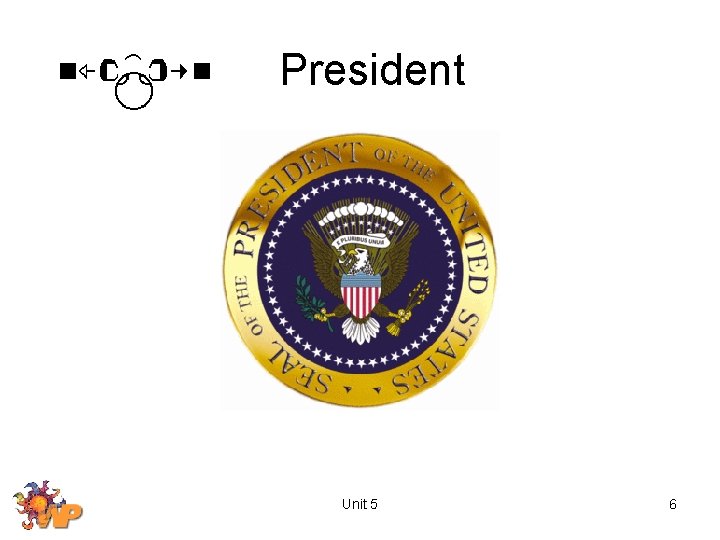
President Unit 5 6
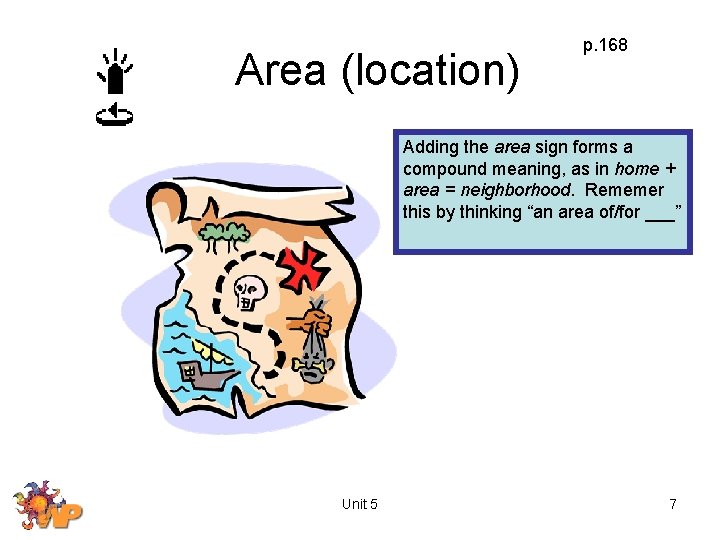
Area (location) p. 168 Adding the area sign forms a compound meaning, as in home + area = neighborhood. Rememer this by thinking “an area of/for ___” Unit 5 7

Cafeteria Unit 5 p. 168 8
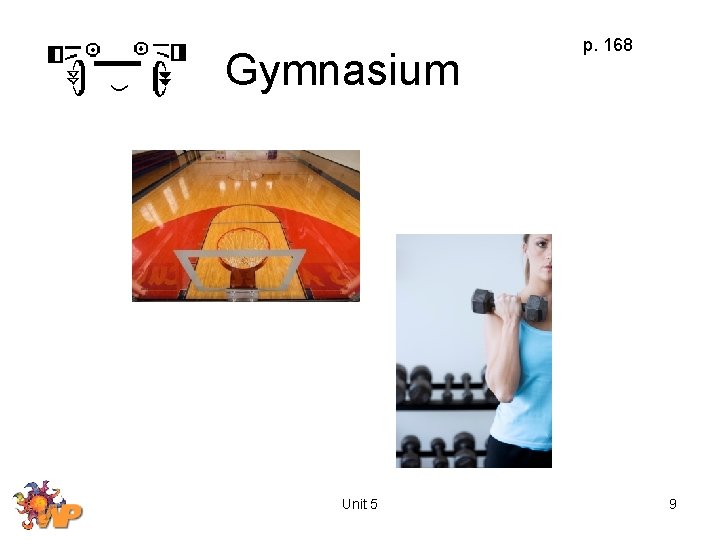
Gymnasium Unit 5 p. 168 9
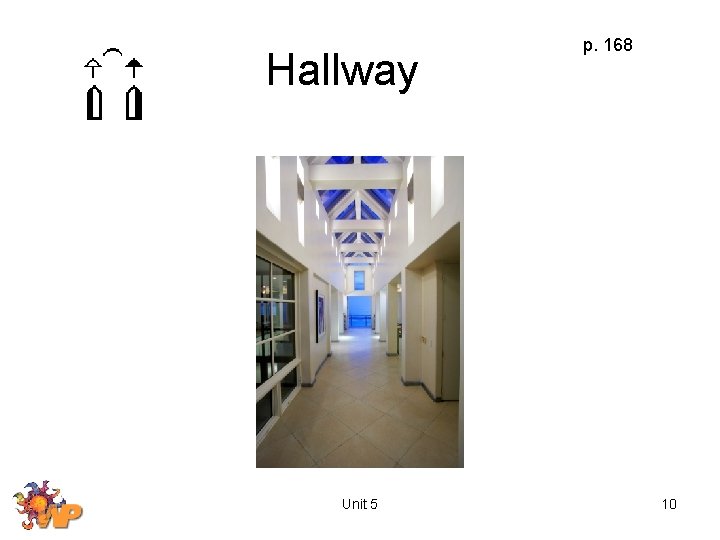
Hallway Unit 5 p. 168 10
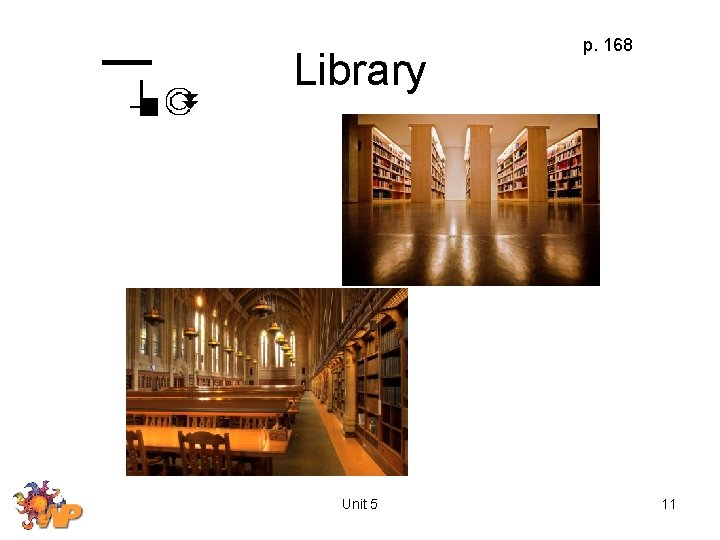
Library Unit 5 p. 168 11
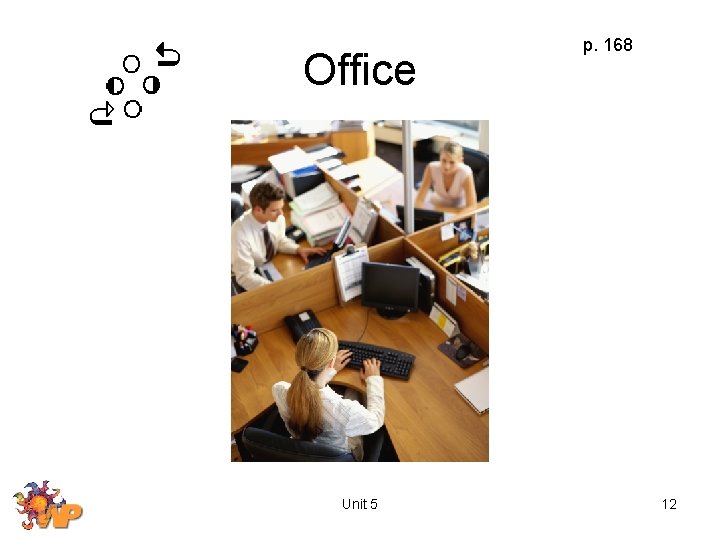
Office Unit 5 p. 168 12
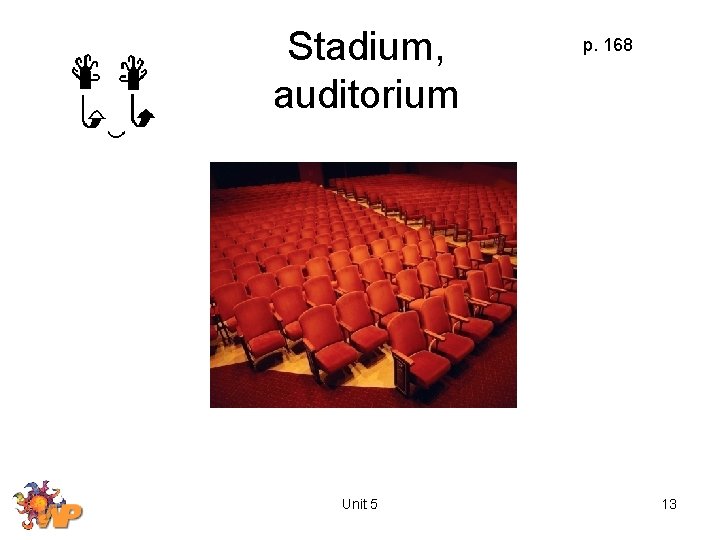
Stadium, auditorium Unit 5 p. 168 13
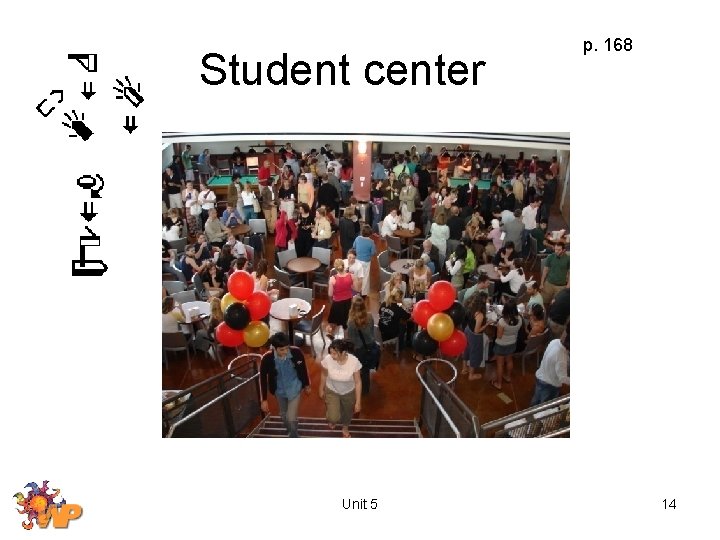
Student center Unit 5 p. 168 14
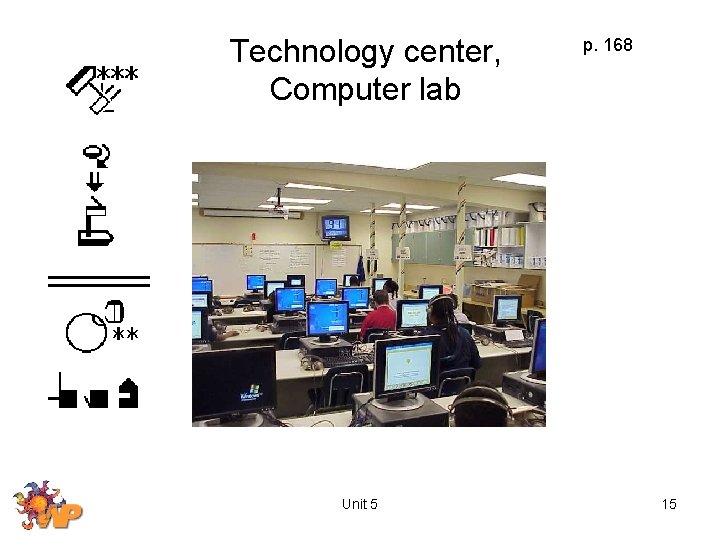
Technology center, Computer lab Unit 5 p. 168 15
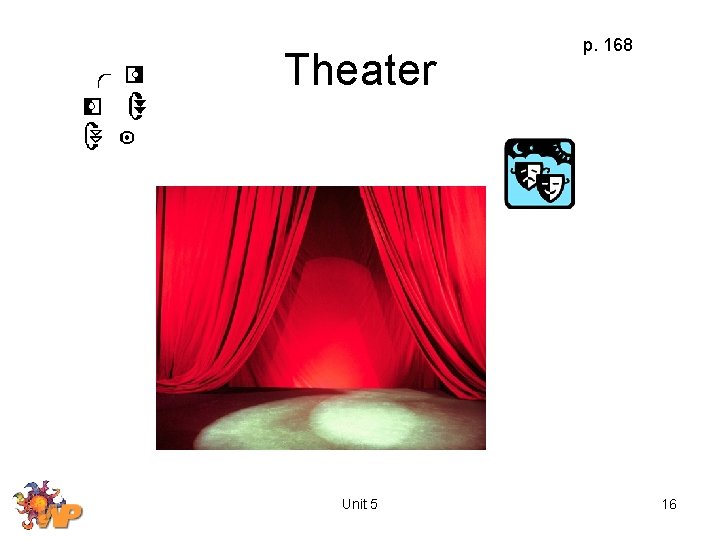
Theater Unit 5 p. 168 16
“Places Around Campus” MASL DVD Pointing to people is a basic feature of American Sign Language. Just as a signer points to a person who may or may not be present, signers can point to a location whether it is seen or not. If the location is visible, simply point directly towards the area. Modify the point to reflect the actual path someone would take to arrive at the location. Depending on how the point is made, you can sign directions like over there, around the corner, or that way. Look at the way pointing is used in the “Places Around Campus” dialogue. Unit 5 17
Show the meaning of the following using the pointing finger. 1. 2. 3. 4. 5. 6. Straight ahead Around the corner Far away Right over there Towards the left Very close Unit 5 18
Work with a partner to ask where each destination is located at your school. Your partner will point towards the location and describe what it is near. When done, switch roles and repeat the exercise. 1. 2. 3. 4. 5. 6. Theater Cafeteria Gymnasium Library Office North gym 7. Lab 8. Auditorium 9. Women’s restroom 10. Men’s restroom 11. Pool 12. Aero Building Unit 5 19
Conversation About School MASL Unit 5 20
Class Unit 5 p. 170 21
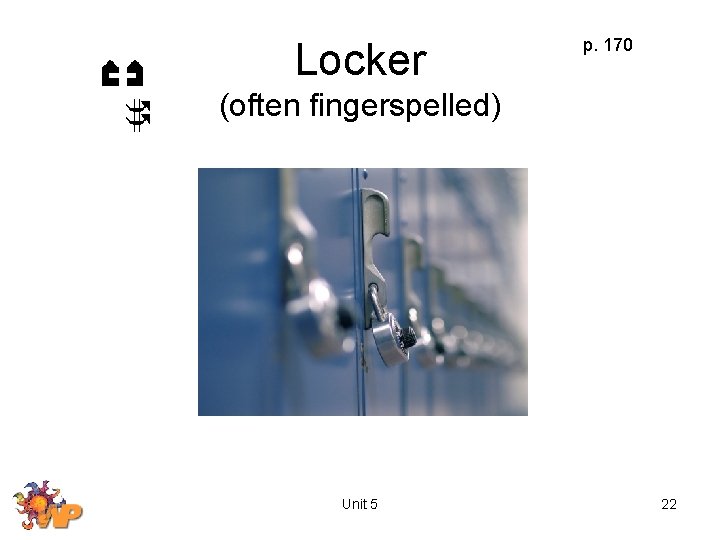
Locker p. 170 (often fingerspelled) Unit 5 22
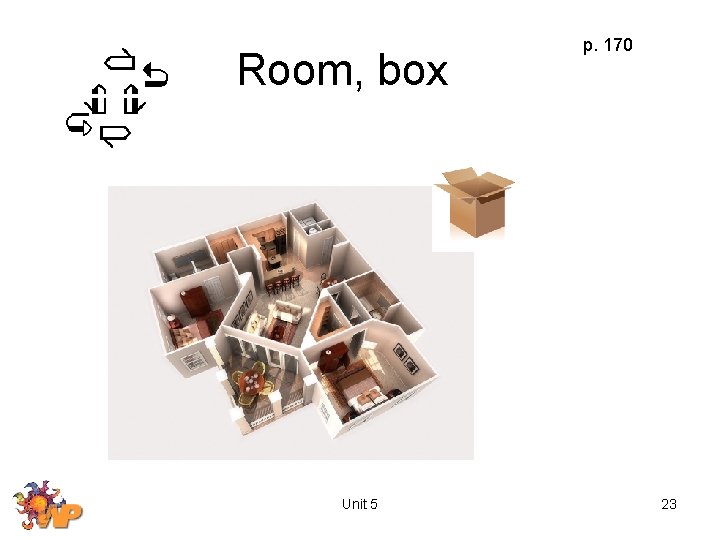
Room, box Unit 5 p. 170 23
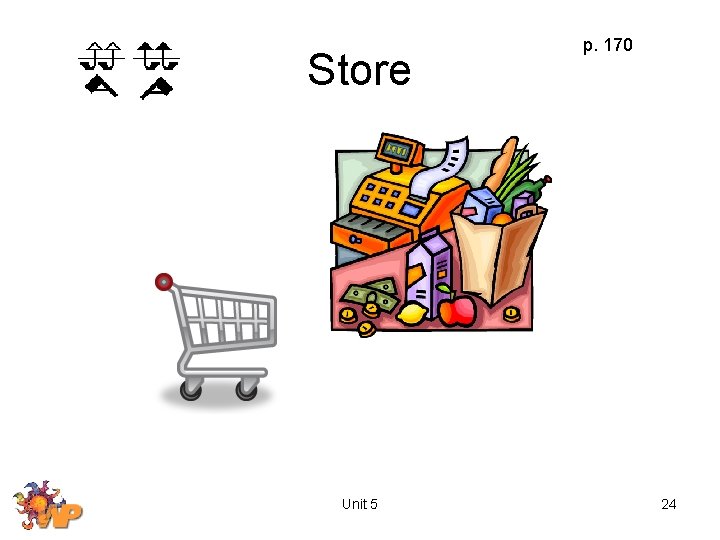
Store Unit 5 p. 170 24
You need help finding a location in the school. Use complete sentences to ask and respond using the prompts below. Include “around there” when you answer. 1. 2. 3. 4. 5. 6. Bathroom Office Computer lab Art class Women’s locker room Water fountain 7. Little Theater 8. ASL class 9. Cafeteria 10. English class 11. Football stadium 12. Pool Unit 5 25
““Where do you go to school? ” ” MASL DVD 1. Watch. 2. Discuss with group what you understand. 3. Watch until you can give an accurate translation. 4. Write translation and hand in (individually). Unit 5 26
Personnel MASL Unit 5 27
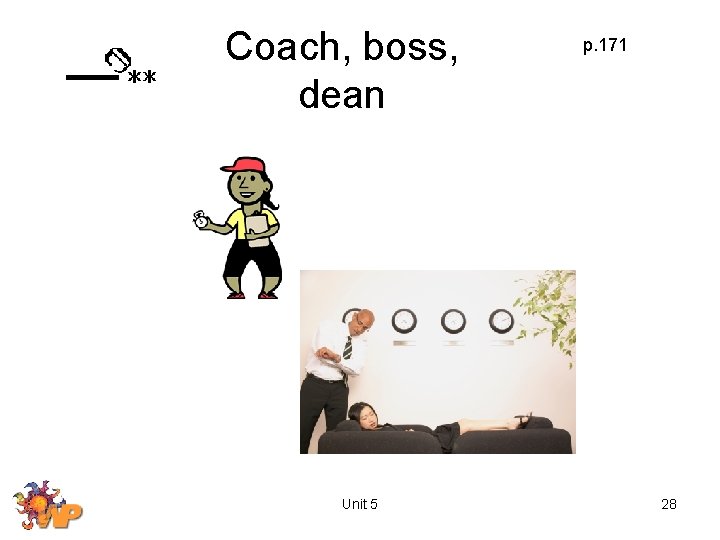
Coach, boss, dean Unit 5 p. 171 28
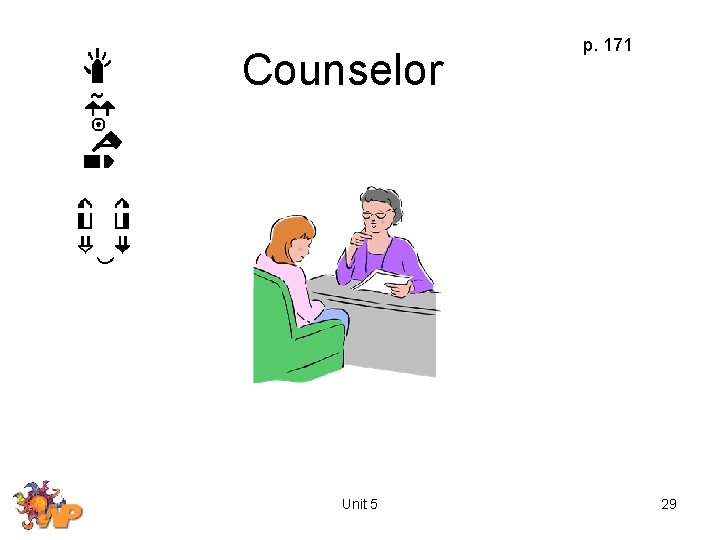
Counselor Unit 5 p. 171 29
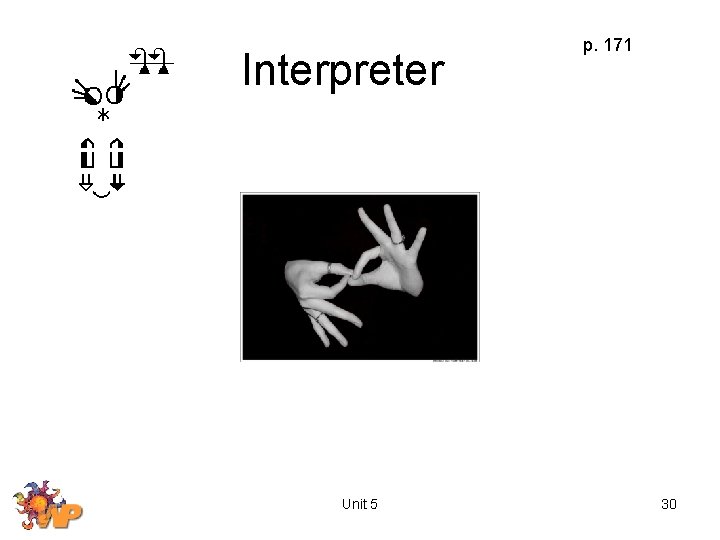
Interpreter Unit 5 p. 171 30
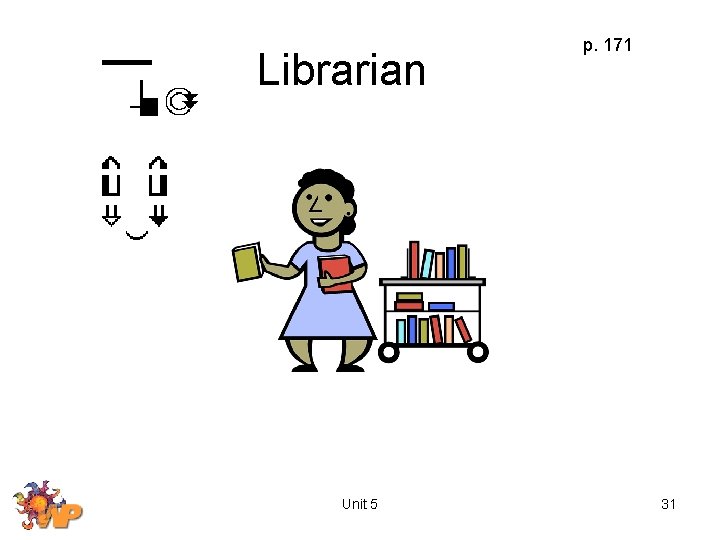
Librarian Unit 5 p. 171 31
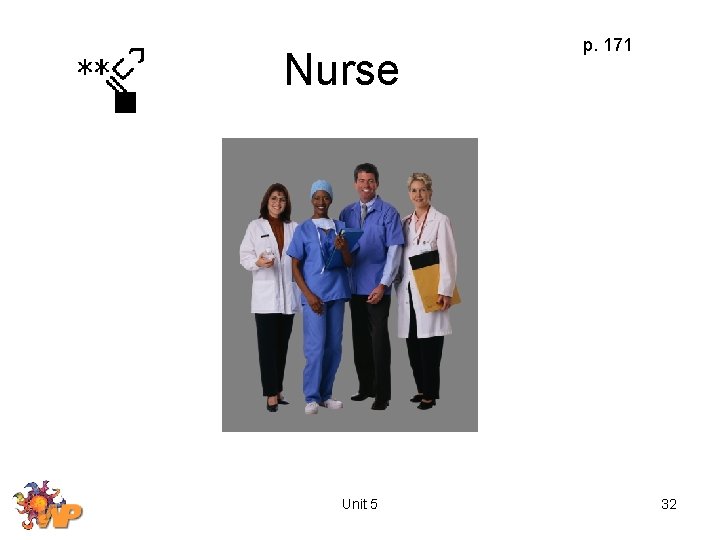
Nurse Unit 5 p. 171 32
Principal Unit 5 p. 171 33
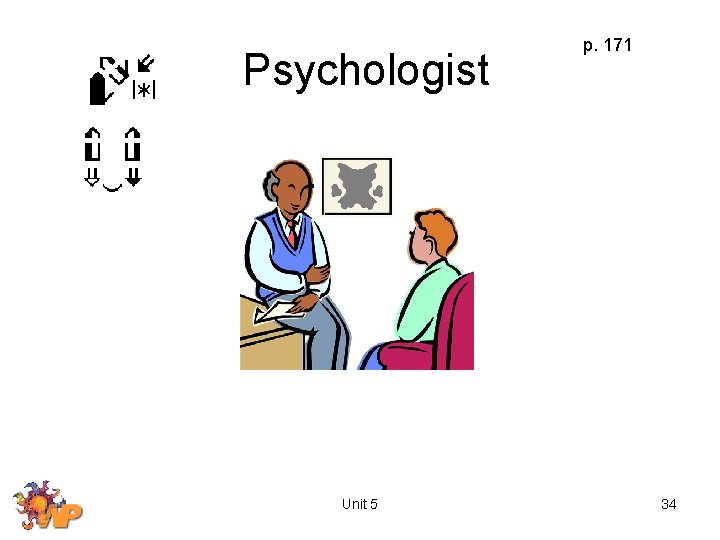
Psychologist Unit 5 p. 171 34
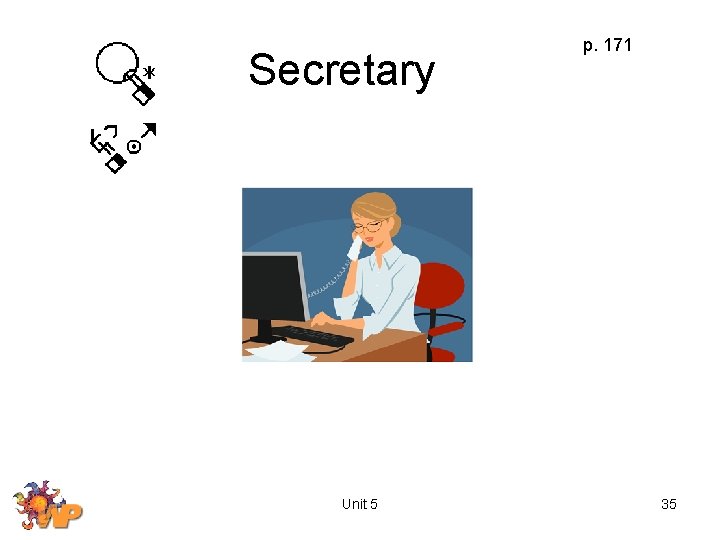
Secretary Unit 5 p. 171 35
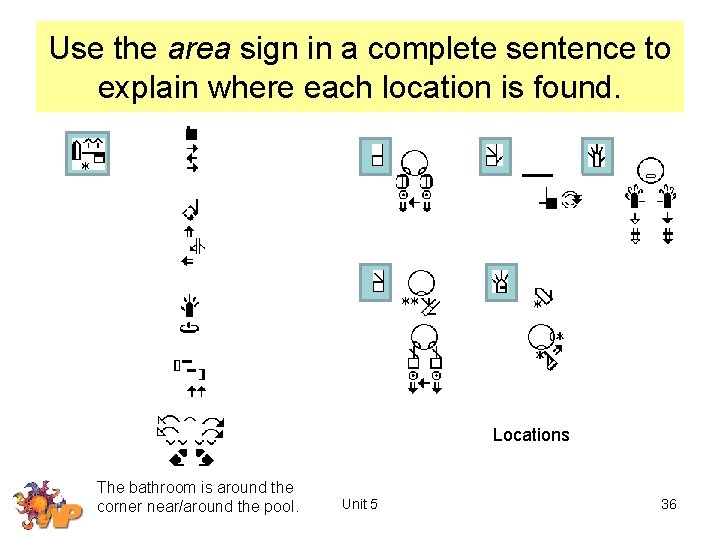
Use the area sign in a complete sentence to explain where each location is found. Locations The bathroom is around the corner near/around the pool. Unit 5 36
Use ____ + area to sign the following words. Create a complete sentence for each. 1. 2. 3. 4. 5. Food court Neighborhood Football field Movie complex Shopping center Unit 5 37
Activities (Agent Marker) MASL Unit 5 38
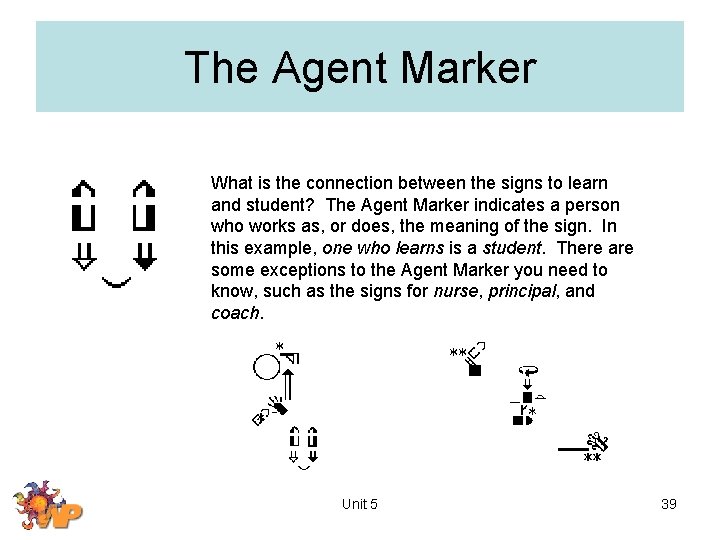
The Agent Marker What is the connection between the signs to learn and student? The Agent Marker indicates a person who works as, or does, the meaning of the sign. In this example, one who learns is a student. There are some exceptions to the Agent Marker you need to know, such as the signs for nurse, principal, and coach. Unit 5 39

To cook Unit 5 p. 175 40
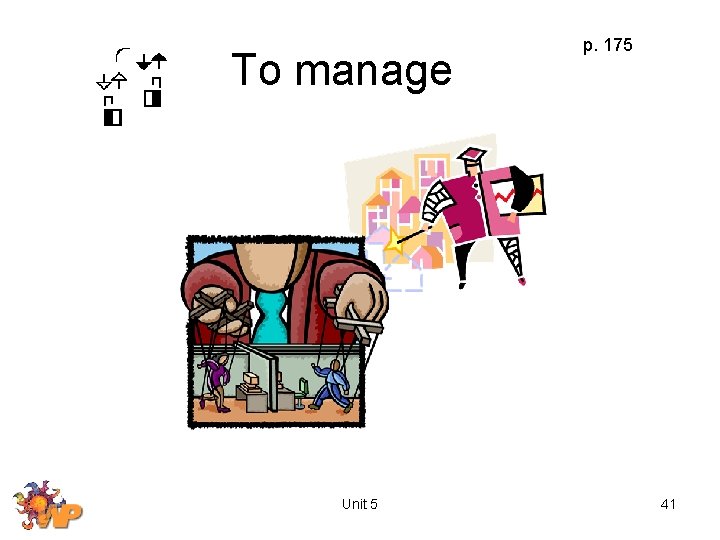
To manage Unit 5 p. 175 41
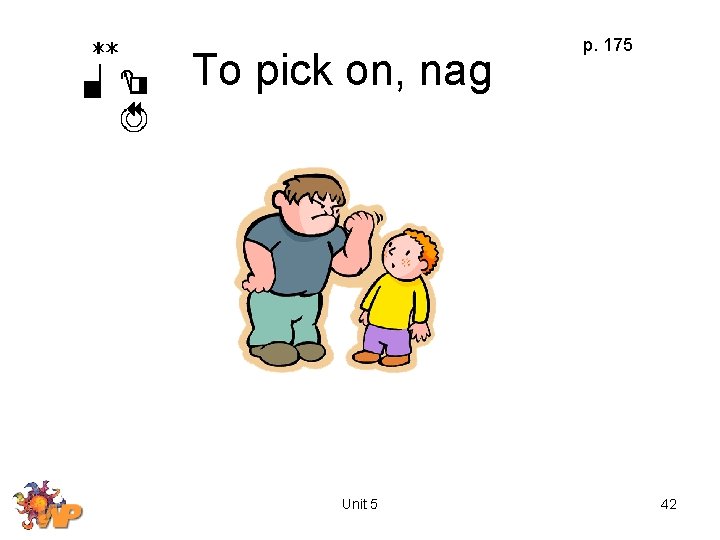
To pick on, nag Unit 5 p. 175 42
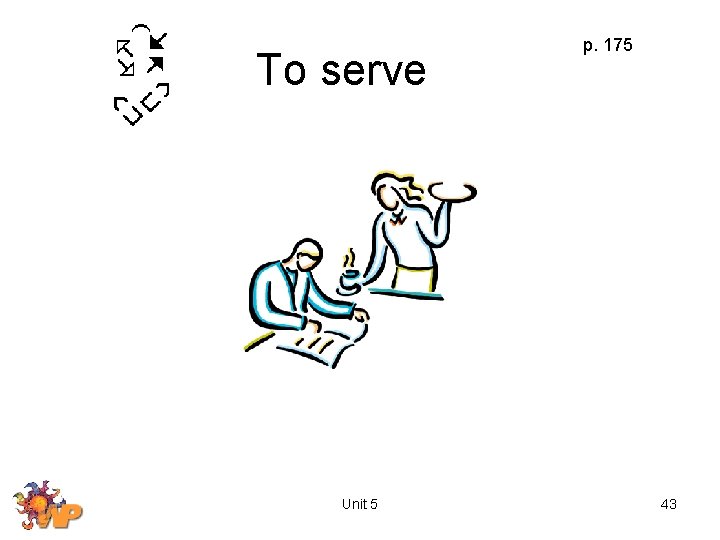
To serve Unit 5 p. 175 43
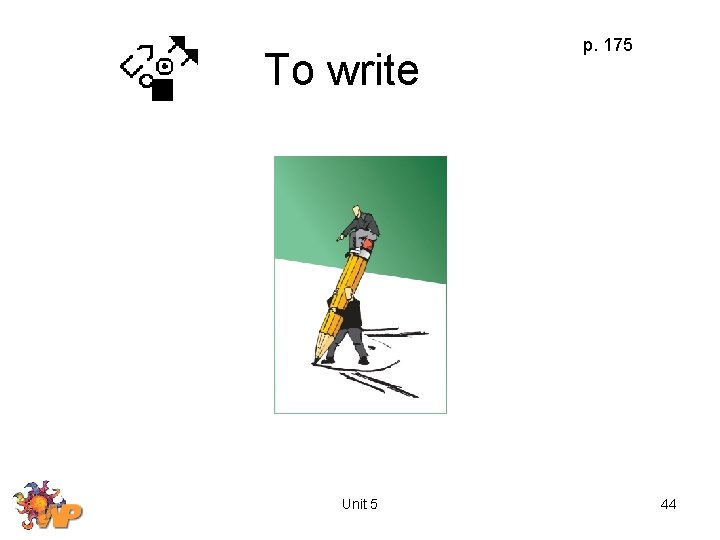
To write Unit 5 p. 175 44
Being Polite - Titles There are no signs for Mr. , Mrs. , or Miss in ASL. * Within the Deaf community, and individual is known by his or her name sign and children are permitted to address their elders by name. Titles like Mr. and Mrs. Are used to show respect, so signing someone’s name with a respectful facial expression achieves the same purpose. p. 174 MASL *If it is important to communicate someone’s title, fingerspell the abbreviation Unit 5 45
Pair Signs with the agent marker (person sign) to make the following words. Think carefully about vocabulary you have learned and their meanings before deciding. 1. 2. 3. 4. 5. 6. 7. Voter Trainer Driver Troublemaker Visitor Skier Employee 8. American 9. Canadian 10. Waiter 11. Actor 12. Manager 13. Chef 14. Writer 15. Bully Unit 5 46
More Locations MASL Unit 5 47
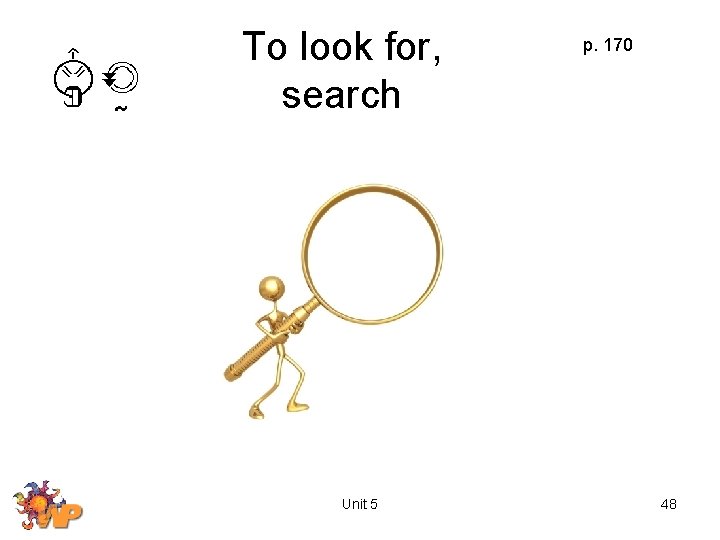
To look for, search Unit 5 p. 170 48
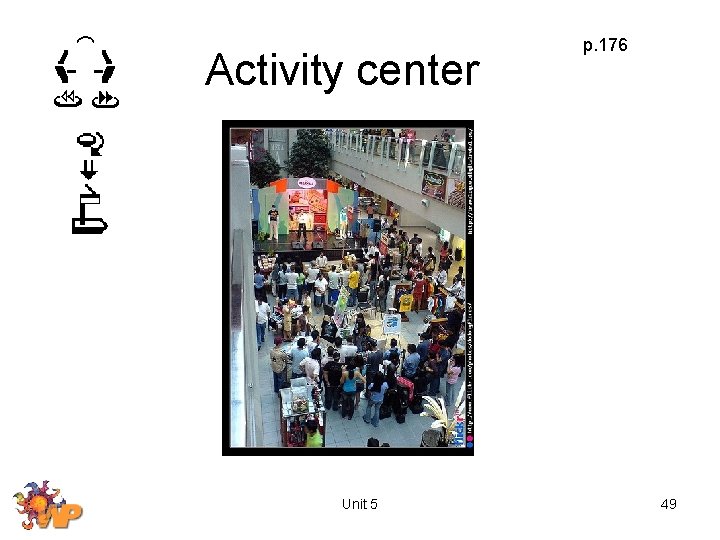
Activity center Unit 5 p. 176 49
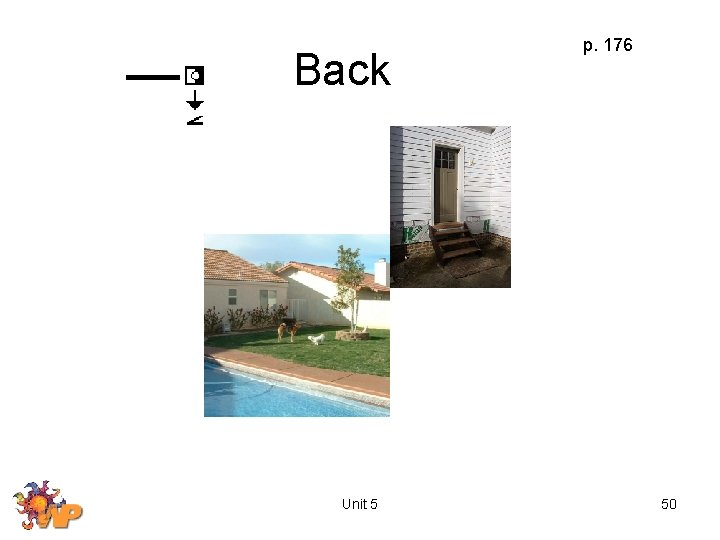
Back Unit 5 p. 176 50
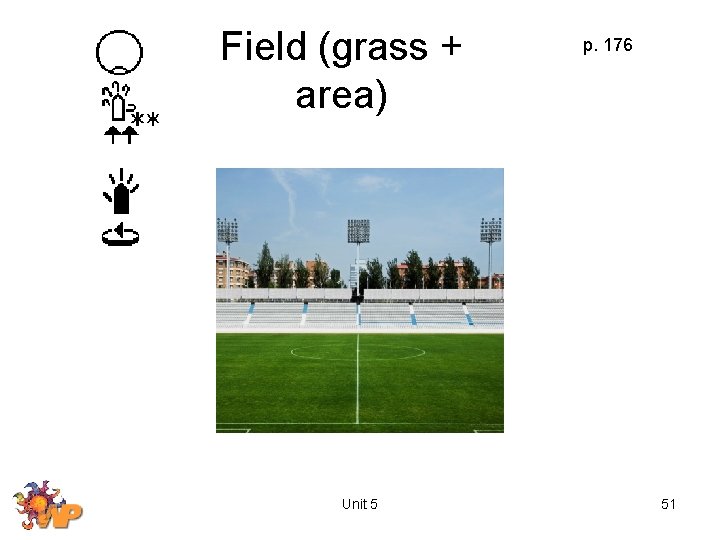
Field (grass + area) Unit 5 p. 176 51
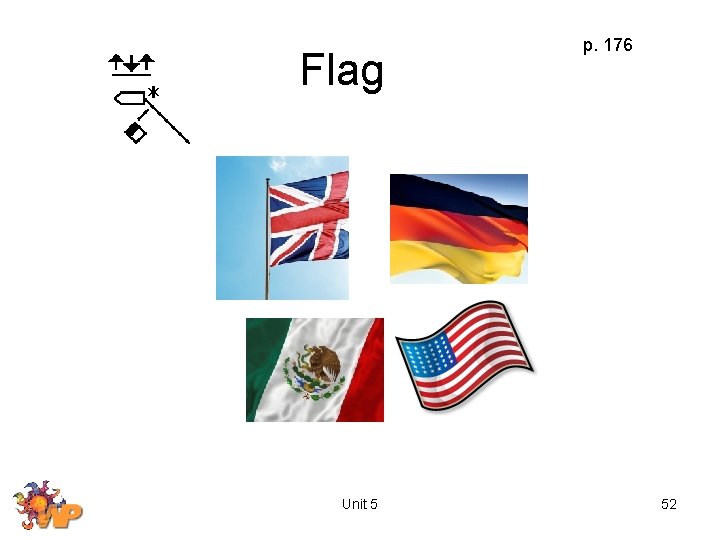
Flag Unit 5 p. 176 52
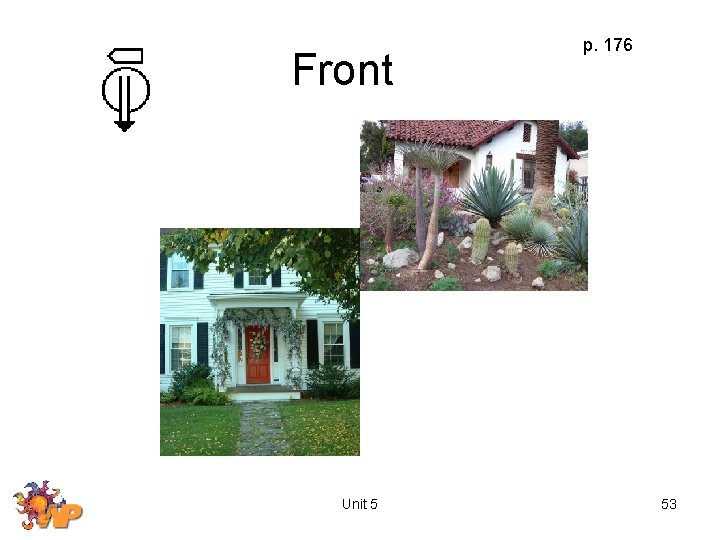
Front Unit 5 p. 176 53
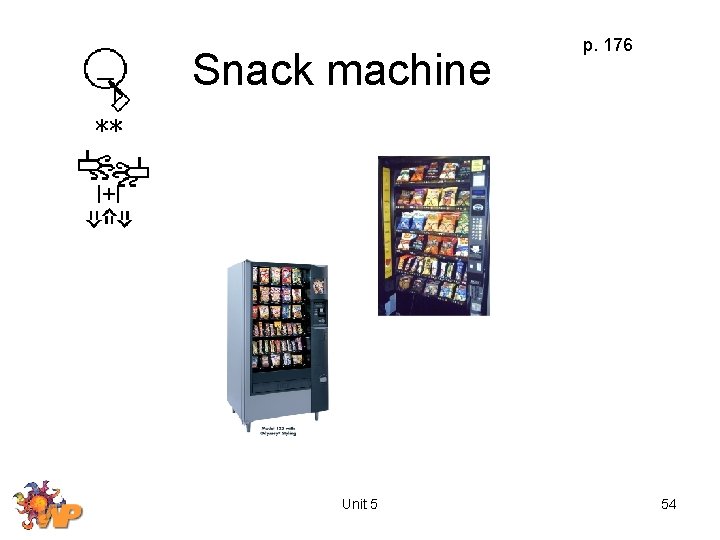
Snack machine Unit 5 p. 176 54
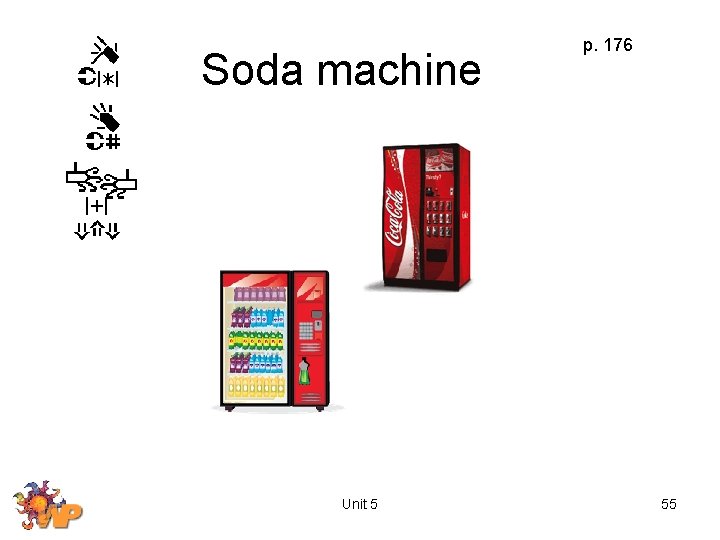
Soda machine Unit 5 p. 176 55
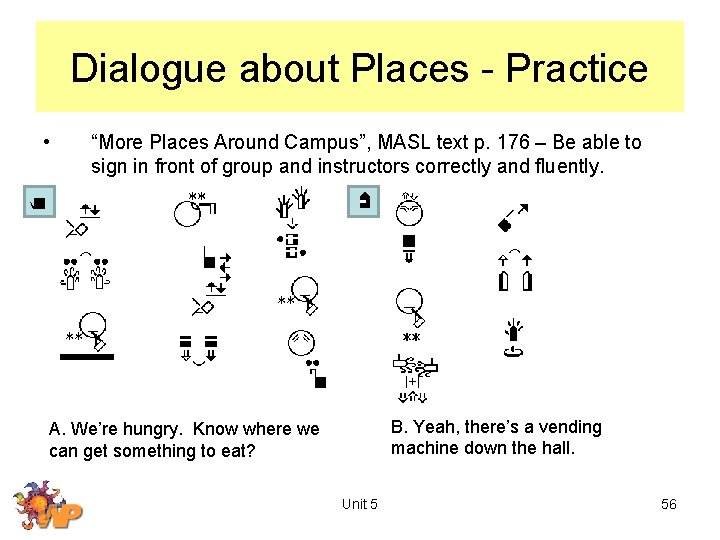
Dialogue about Places - Practice • “More Places Around Campus”, MASL text p. 176 – Be able to sign in front of group and instructors correctly and fluently. B. Yeah, there’s a vending machine down the hall. A. We’re hungry. Know where we can get something to eat? Unit 5 56
Create a new dialogue that includes the following: 1. Agent marker (person sign) 2. Two locations around school 3. Three school personnel Unit 5 57
Unit 5 58
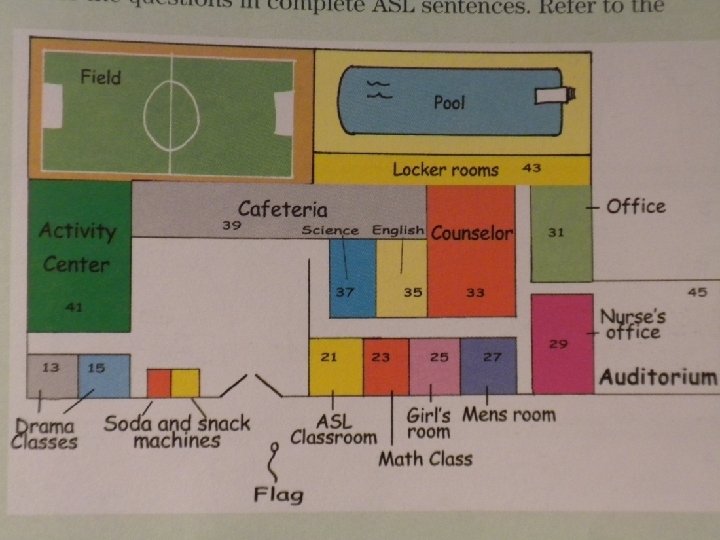
Ask a partner to explain where items 1 -6 are located. When done, switch roles and locate items 7 -12. Ask and answer questions in complete ASL sentences. Use map illustration on previous slide. 1. Where is the soda machine? 2. Where is the ASL classroom? 3. Where is the nurse’s office? 4. Where is the flag? 5. Is there a counselor or psychologist? 6. Where are the locker rooms? 7. Does this school have an activity center? 8. Where is the cafeteria? 9. Where is the field? 10. Where is the men’s restroom? 11. Does the school have a pool? 12. Where’s the snack machine? Unit 5 59
Interpreting Federal law requires equal access to information and services for all people, regardless of disability. For both hearing and Deaf people, sign language interpreters are a popular way to obtain equal access to each other. Have you seen interpreters at public events, on television, or at your school or workplace? Interpreters are required to sign what is heard, and to voice what is signed so everybody has access to the information and services provided. While the majority of interpreters are hearing, don’t be surprised if you encounter a Deaf interpreter! When using an interpreter, remember these tips: • Talk directly to the Deaf person instead of saying “Ask him” or “Tell her. ” • Make eye contact with the Deaf person, not the interpreter. To learn more about interpreters, visit http: //www. rid. org Unit 5 MASL p. 177 60
What Year Are You? MASL Unit 5 61
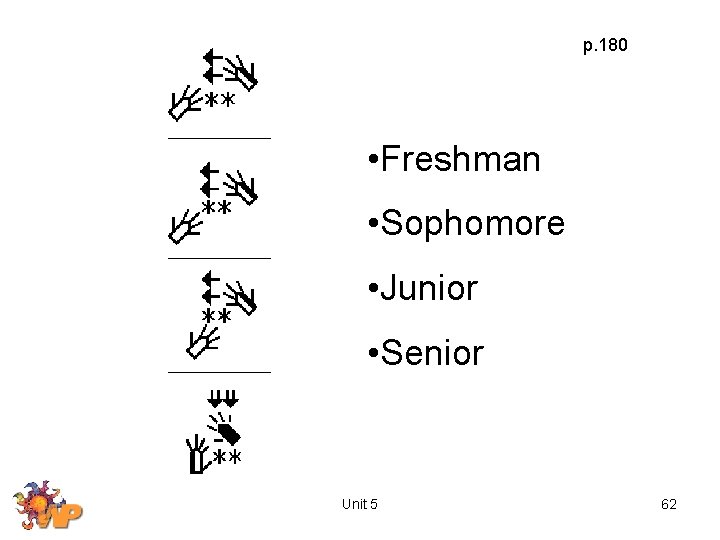
p. 180 • Freshman • Sophomore • Junior • Senior Unit 5 62
What year are you? Unit 5 p. 180 63
Use the list below and ask a partner a person’s name and their year in school. Partner should use a pronoun (pointing/diexis) and answer correctly. 1. Carolyn (freshman) 2. Kevin Miles (senior) 3. Shane (junior) 4. Tisha Leung (sophomore) 5. Jon (freshman) 6. Blanche (senior) Unit 5 7. Abby Fiore (don’t know) 8. Darrel Jamison (junior) 9. Brigitte Cowley (sophomore) 10. Aaron (junior) 11. Van Nguyen (senior) 12. You (? ) 64
DVD: Year Whatare are. You? You Studying? What - Practice Write a translation of the dialogue and hand in. Discuss with classmates to make sure you understand. Unit 5 65
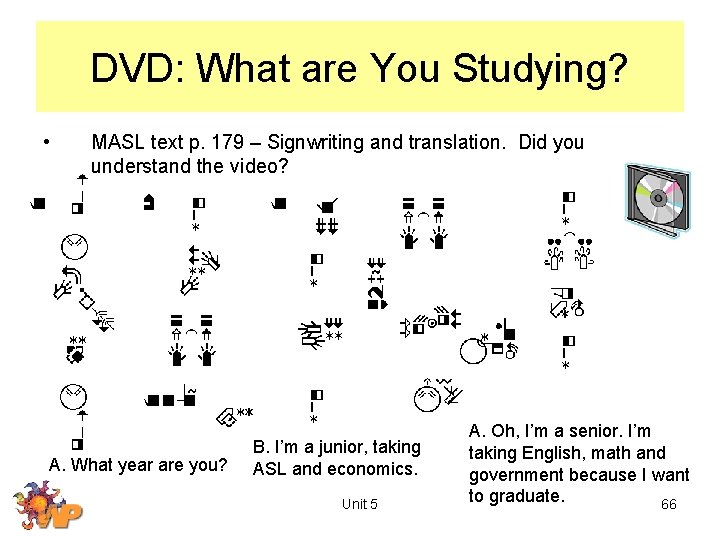
DVD: What are You Studying? • MASL text p. 179 – Signwriting and translation. Did you understand the video? A. What year are you? B. I’m a junior, taking ASL and economics. Unit 5 A. Oh, I’m a senior. I’m taking English, math and government because I want to graduate. 66
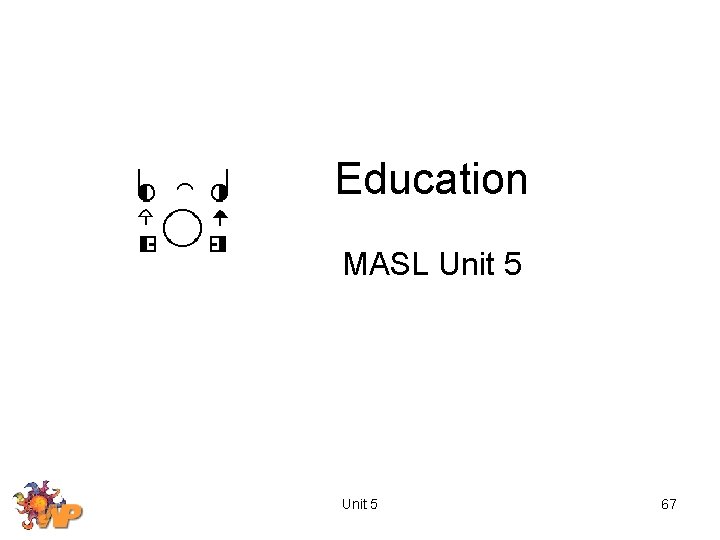
Education MASL Unit 5 67
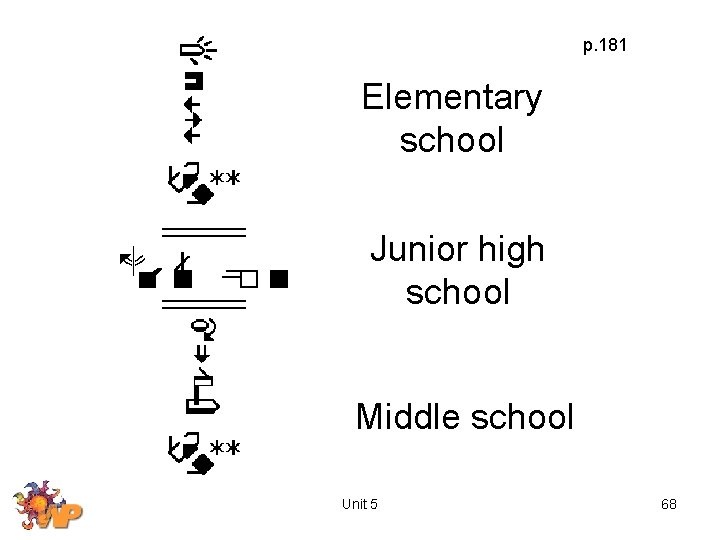
p. 181 Elementary school Junior high school Middle school Unit 5 68
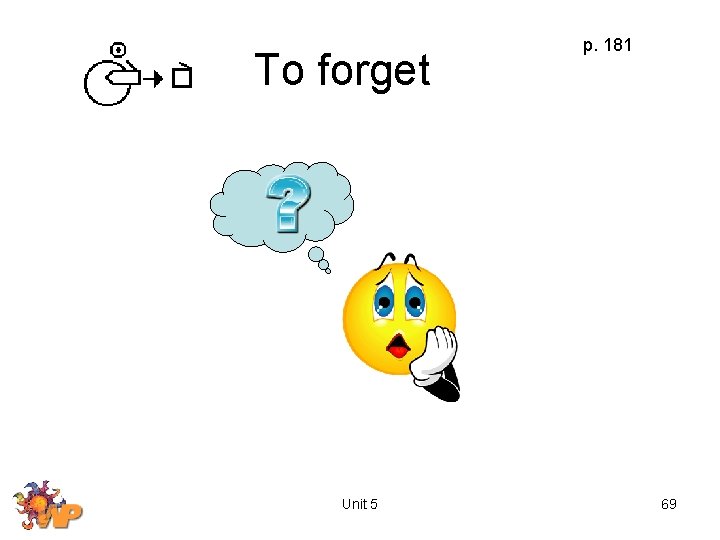
To forget Unit 5 p. 181 69
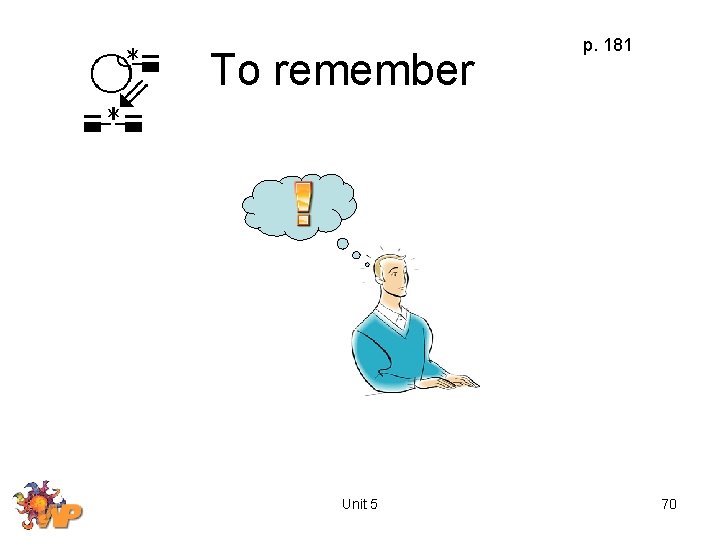
To remember Unit 5 p. 181 70
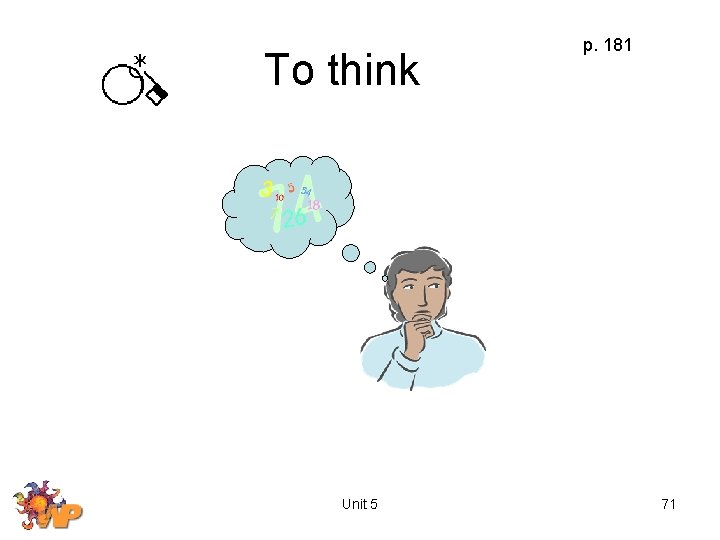
To think Unit 5 p. 181 71
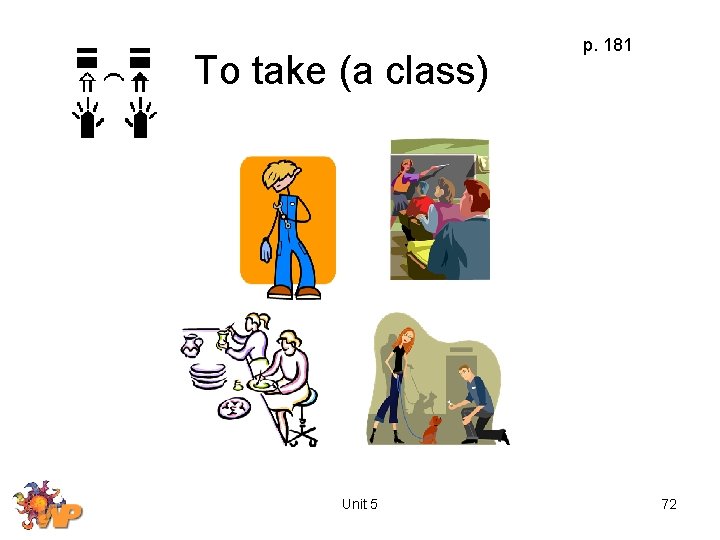
To take (a class) Unit 5 p. 181 72
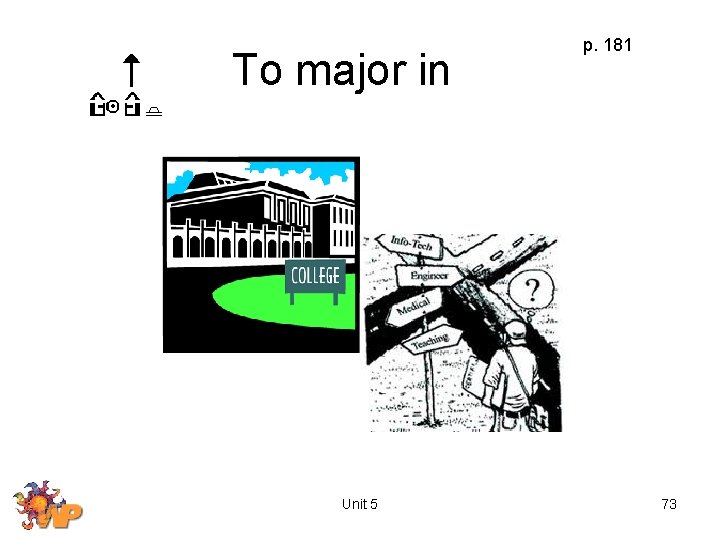
To major in Unit 5 p. 181 73
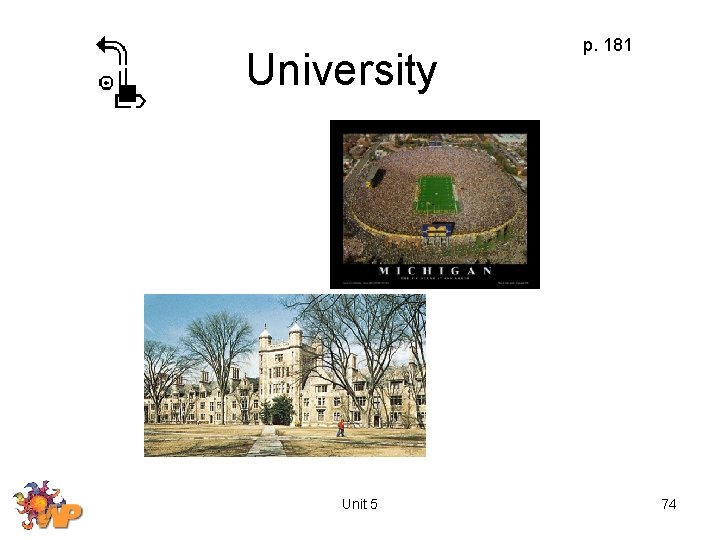
University Unit 5 p. 181 74
Tell the student’s year in school and at least two other details about them in a complete sentence. 1. 2. 3. Angela – age 20, junior, majoring in Deaf studies Brent – 17 years old, junior, works at a restaurant, wants to go to college Claro – age 15, sophomore, plays baseball, has 2 brothers 4. Kelly – 22 years old, freshman, works as a manager, studying nursing 5. Sheri – age 23, senior, majoring in ASL, wants to teach ASL 6. Brian – sophomore, has twin brother, doesn’t have a major, enjoys acting Unit 5 75
Exchange the following information with a partner 1. Name of your favorite teacher 2. Names of all schools attended (use Listing and Ordering Technique) 3. Two things you remember from elementary school 4. Why you’re taking ASL 5. Going to high school/college/university. Where? Unit 5 76
What do people tend to do during each level of education? Include age range and likely activities. Education Level • • Elementary school Middle school High school College / University Suggested Topics • • • Unit 5 • Take art Learn ASL Ride a bike to school Play sports Have a locker Learning to read Moving away from home Have 1 teacher all day Have a major 77 Learn to write
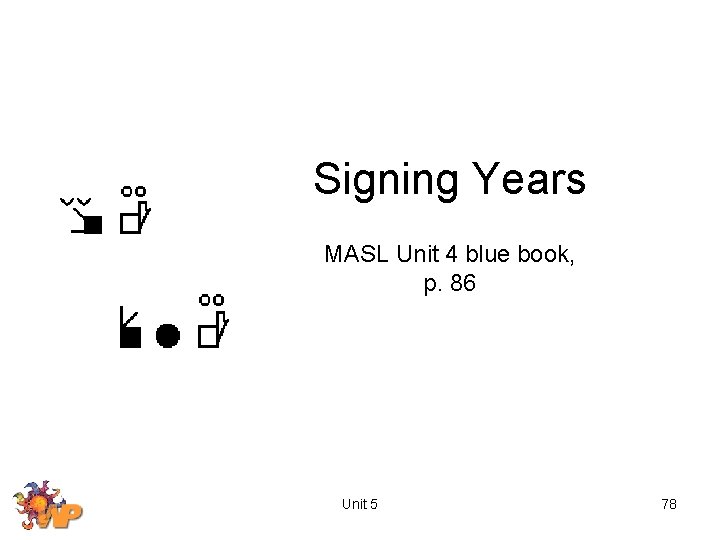
Signing Years MASL Unit 4 blue book, p. 86 Unit 5 78
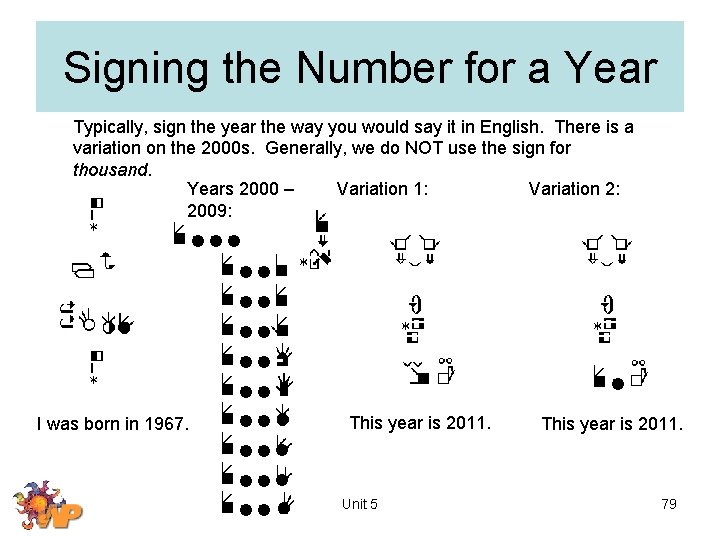
Signing the Number for a Year Typically, sign the year the way you would say it in English. There is a variation on the 2000 s. Generally, we do NOT use the sign for thousand. Years 2000 – Variation 1: Variation 2: 2009: I was born in 1967. This year is 2011. Unit 5 This year is 2011. 79
Coursework MASL Unit 5 80
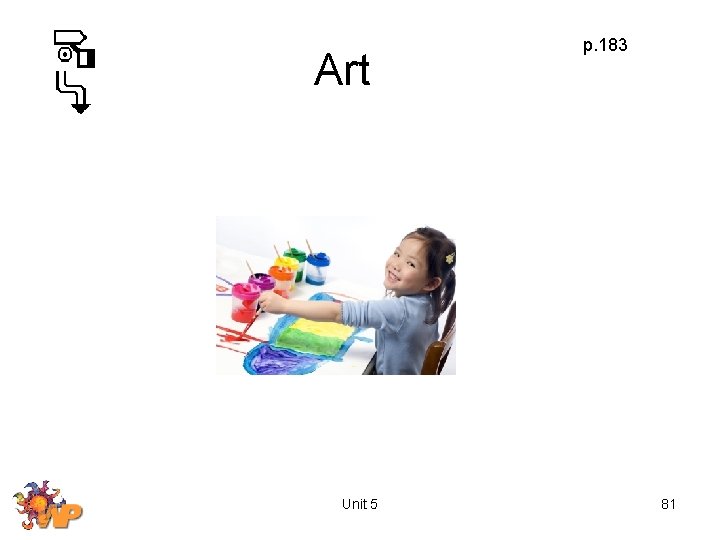
Art Unit 5 p. 183 81
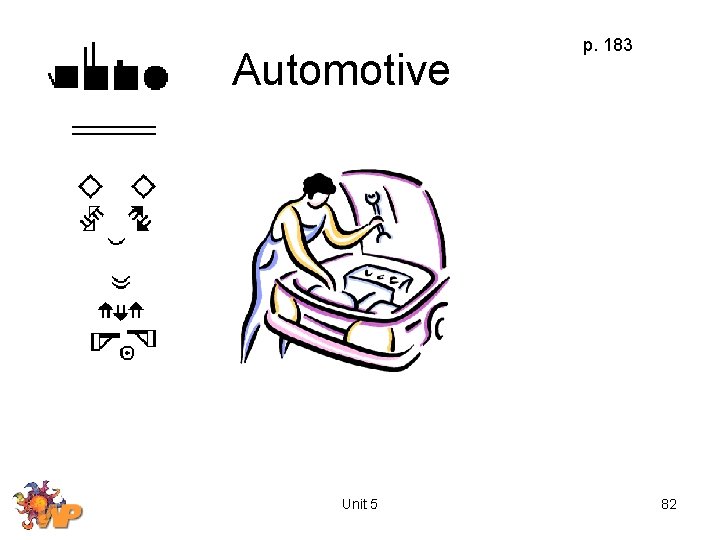
Automotive Unit 5 p. 183 82
p. 183 • Science • Biology • Chemistry (initialized signs) Unit 5 83
Business Unit 5 p. 183 84
Computers p. 183 & 184 (3 sign variations) Laptop Unit 5 85
Drama, acting Unit 5 p. 183 86
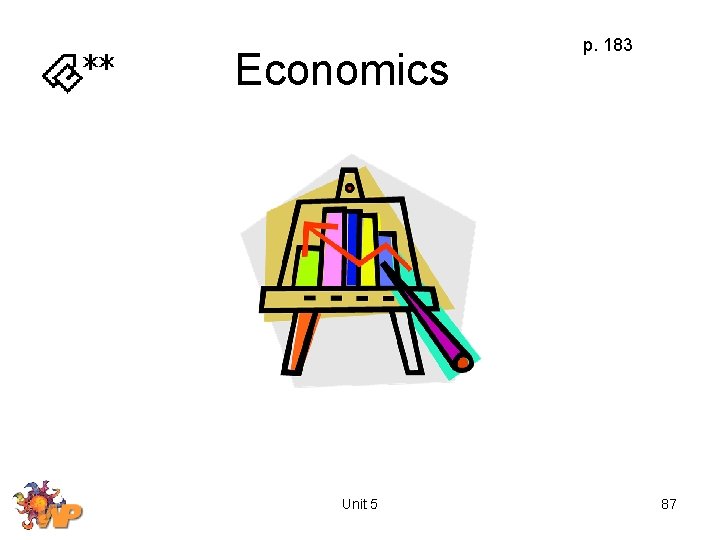
Economics Unit 5 p. 183 87
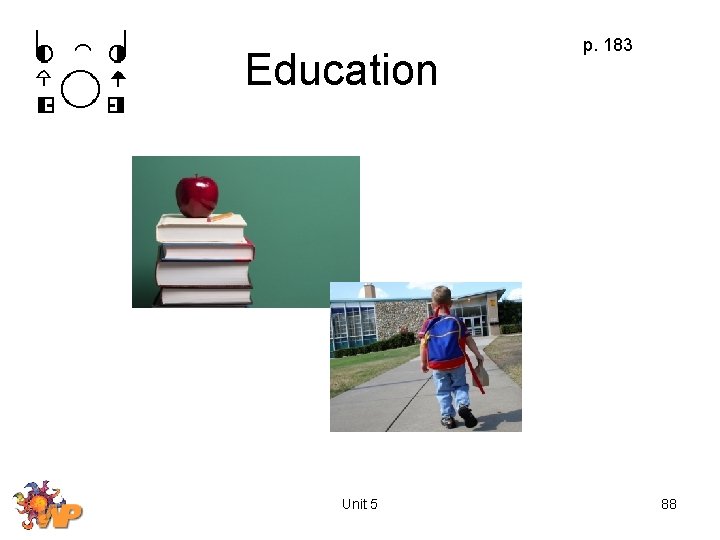
Education Unit 5 p. 183 88
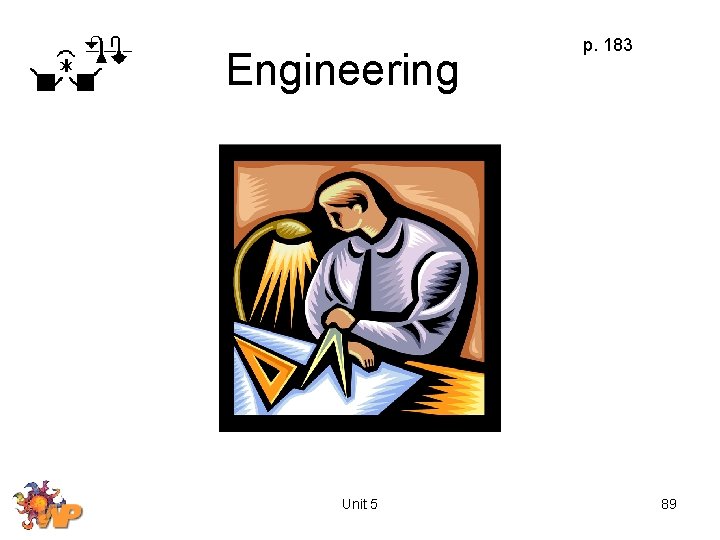
Engineering Unit 5 p. 183 89
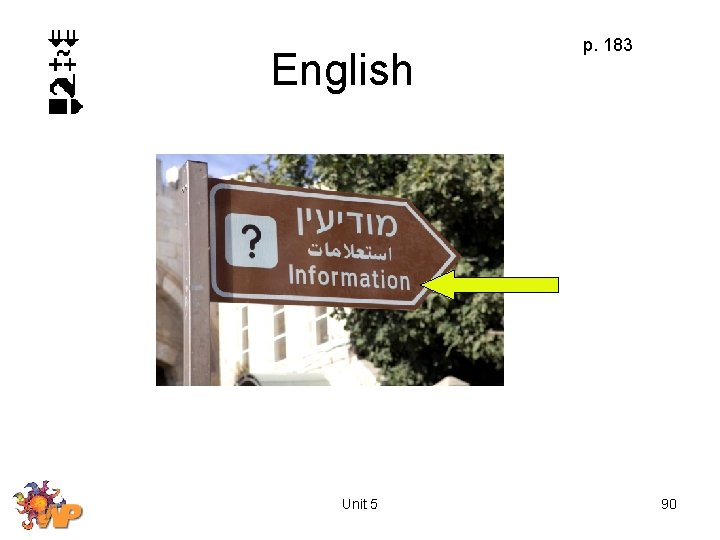
English Unit 5 p. 183 90

Geography Unit 5 p. 183 91
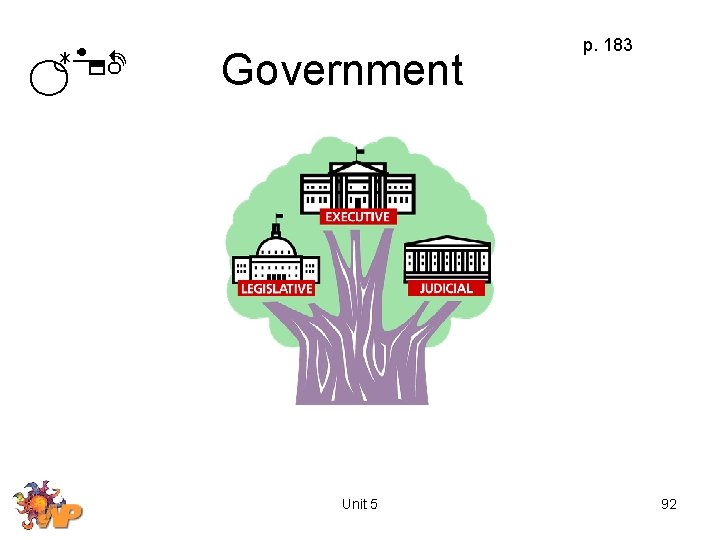
Government Unit 5 p. 183 92
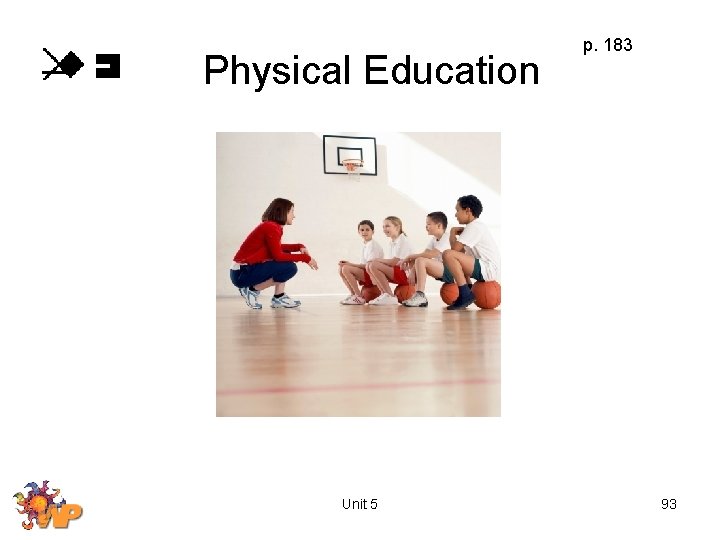
Physical Education Unit 5 p. 183 93
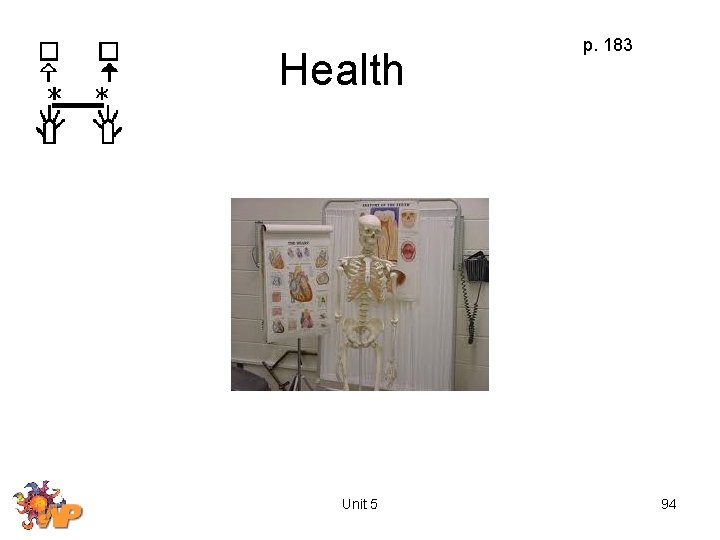
Health Unit 5 p. 183 94
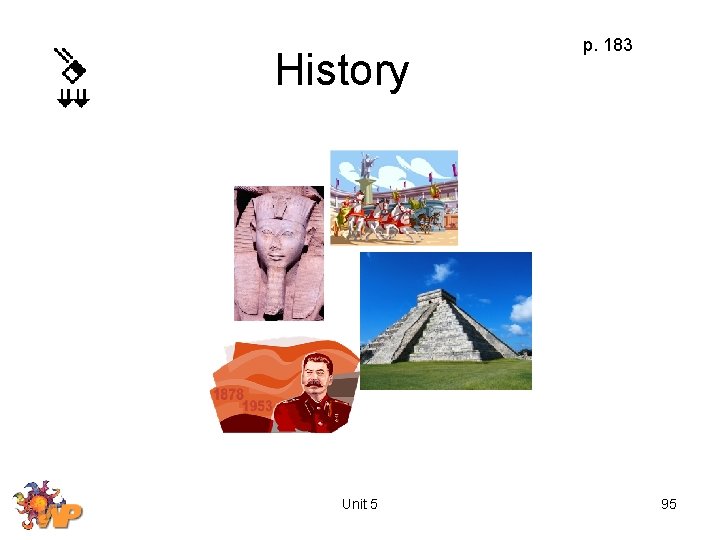
History Unit 5 p. 183 95
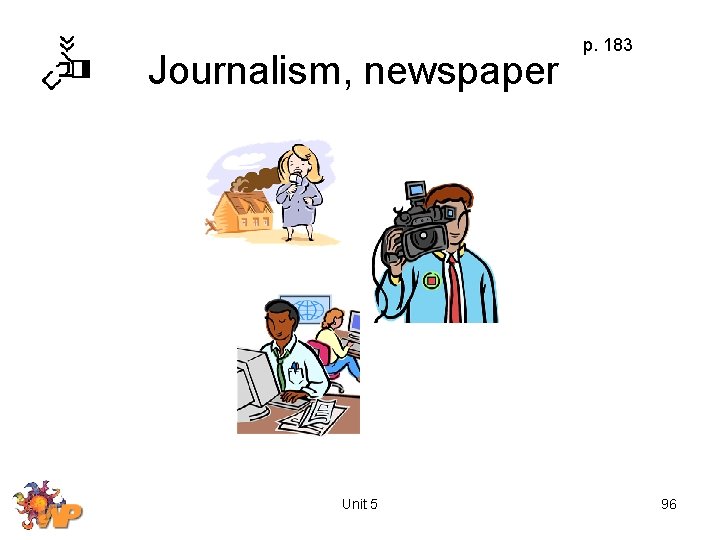
Journalism, newspaper Unit 5 p. 183 96

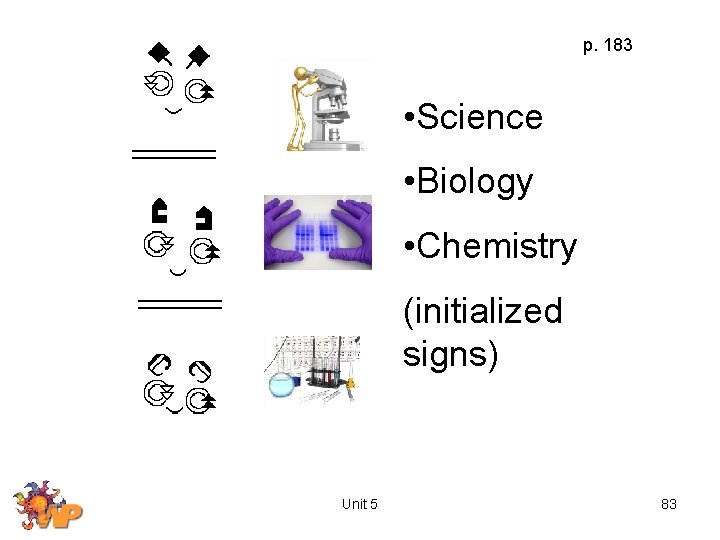
Math p. 183, 188 Initialized Signs • Math • Algebra • Calculus • Geometry • Trigonometry Unit 5 97
Initialization p. 188 Initialization refers to meanings related to a particular root sign, such as the sign for math. The signs for algebra, calculus, geometry and trigonometry are all related to the basic math sign, except for the initials added to each. An initialized sign is one that incorporates a fingerspelled letter as part of the sign. What other signs do you know? Consider science and compare that to the signs biology and chemistry. Are they related? Unit 5 98
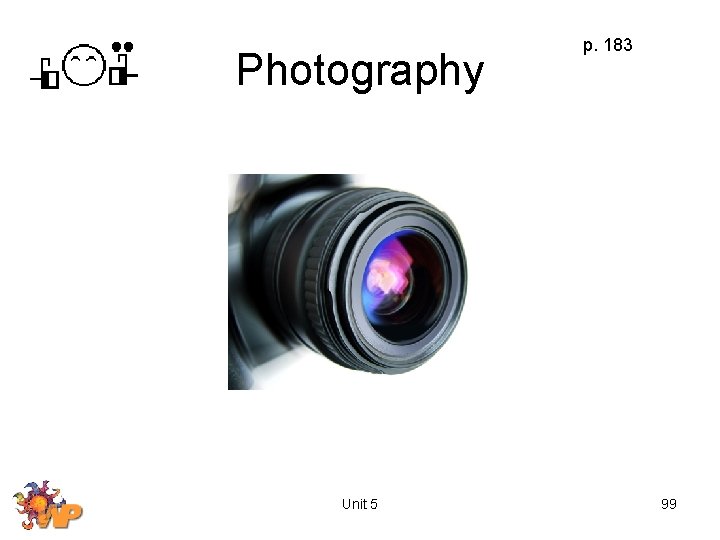
Photography Unit 5 p. 183 99

Physics Unit 5 p. 183 100
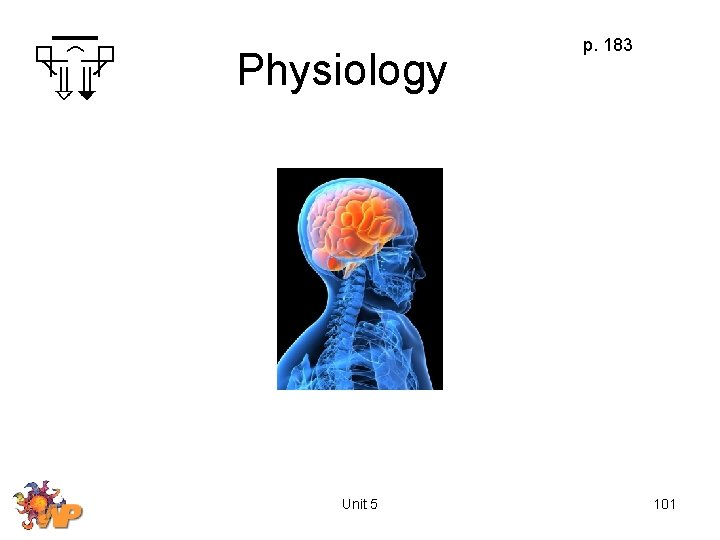
Physiology Unit 5 p. 183 101
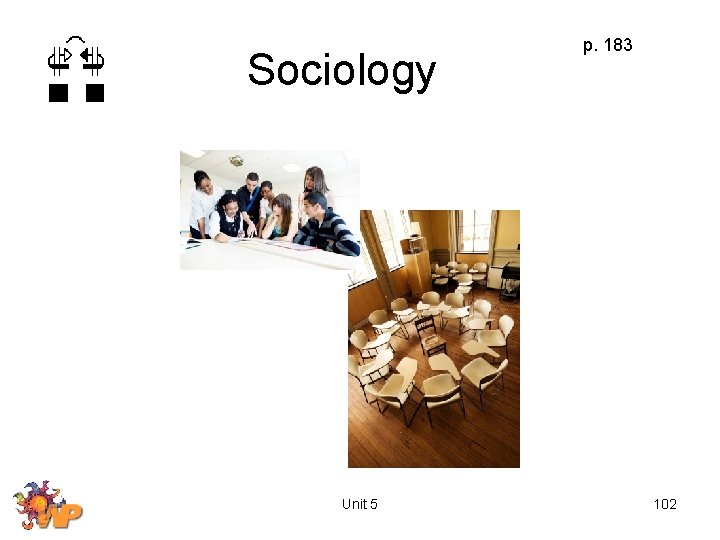
Sociology Unit 5 p. 183 102
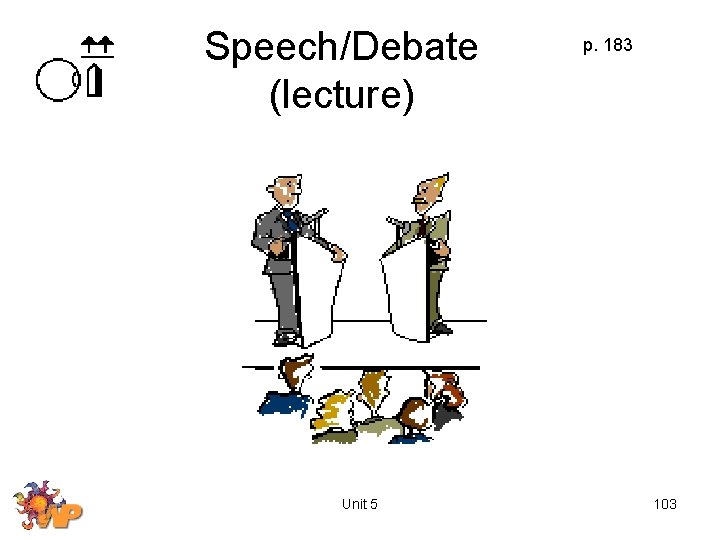
Speech/Debate (lecture) Unit 5 p. 183 103
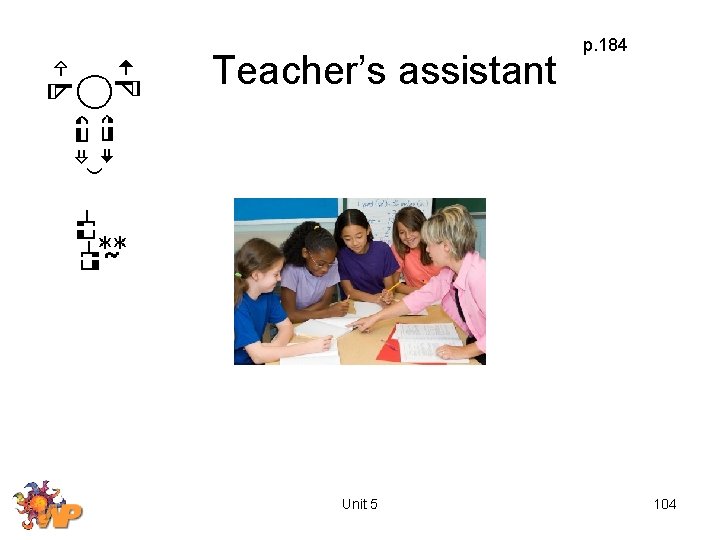
Teacher’s assistant Unit 5 p. 184 104
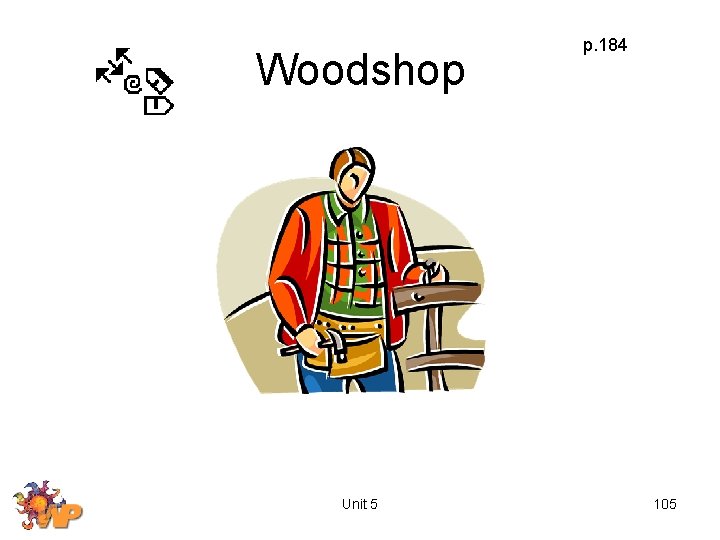
Woodshop Unit 5 p. 184 105
Yearbook Unit 5 p. 184 106
In complete sentences, sign the following to a partner: 1. What classes are you taking right now? Use the Listing & Ordering Technique to list the courses. Include a comment about each course. 2. Compare your course load with a partner’s. Who is taking the more difficult classes? The easiest? 3. Ask your partner to list his or her top 3 favorite classes. Find out why they like these classes. Switch roles. Unit 5 107
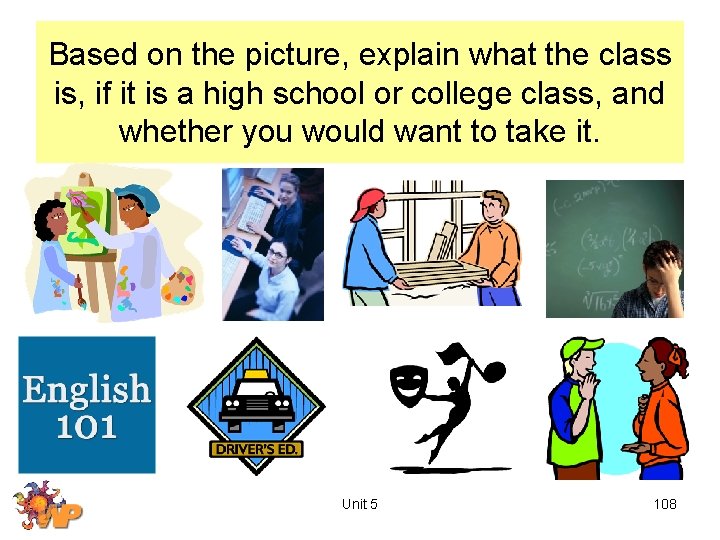
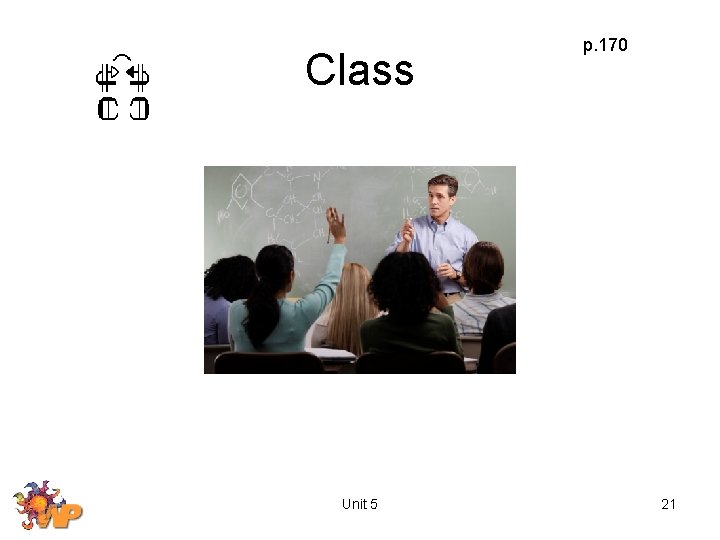
Based on the picture, explain what the class is, if it is a high school or college class, and whether you would want to take it. Unit 5 108
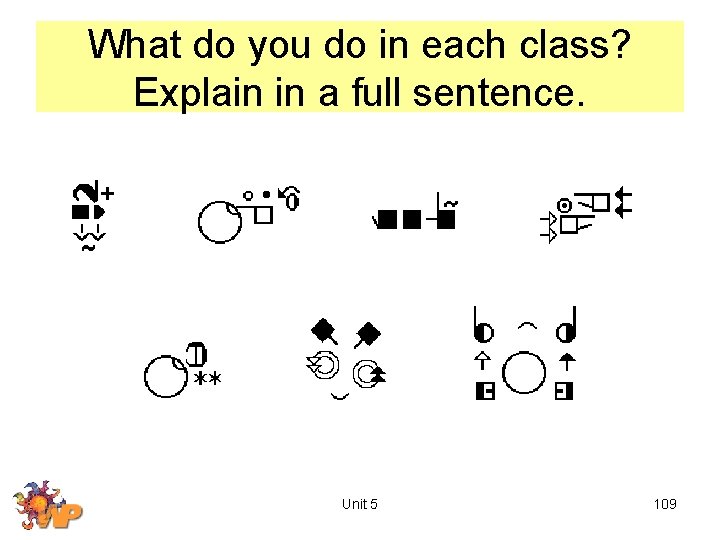
What do you do in each class? Explain in a full sentence. Unit 5 109
Skilled/Unskilled & Grades MASL Unit 5 110
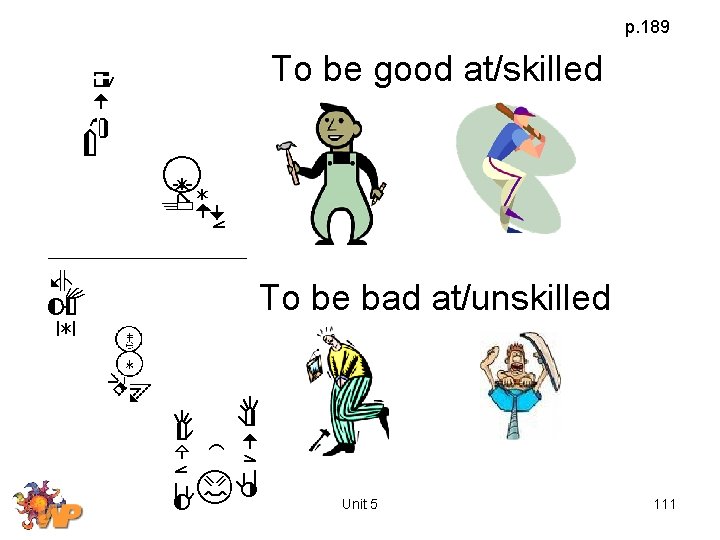
p. 189 To be good at/skilled To be bad at/unskilled Unit 5 111
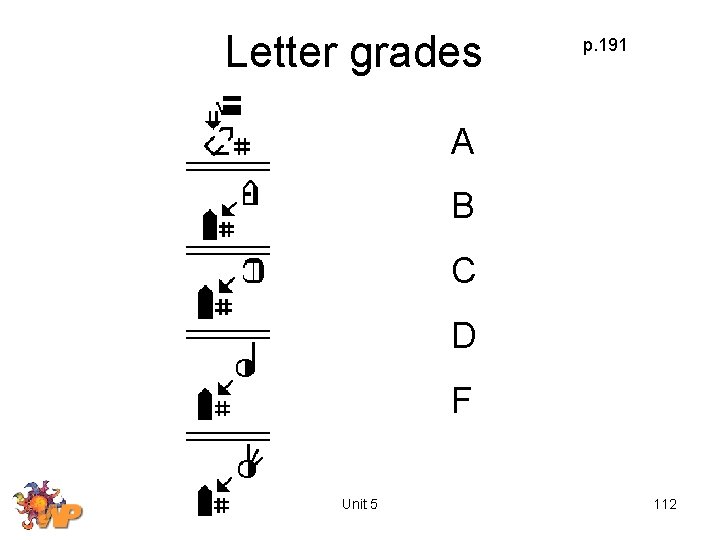
Letter grades p. 191 A B C D F Unit 5 112
Skilled/Unskilled – Work with a partner to develop a list of English words and phrases that mean to be good at… and to be bad at… To be good at (something) To be bad at (something) Unit 5 113
Take turns asking a partner if they are good or bad at the following things. Answer in a full sentence, using a letter grade to explain. • • • Math Cooking Writing papers Facial expressions Science • • • Unit 5 Taking tests Sign language Algebra Art Singing or music 114
You and a friend have opposite opinions on several issues. Take turns signing and responding to each sentence with your partner, using the information in provided. • I think s/he’s a terrible actor. (No, s/he’s a very good actor) • I think college is boring. (No, college is exciting and fun!) • I think he’s a lousy teacher. (No, he’s a great teacher!) • I’m not a good signer. (No, you’re a very good signer!) • I’m no good at math. (No, you’re a math genius!) • I think s/he’s a great musician. (No s/he’s a terrible musician!) Unit 5 115
Deaf Education Controversies & Gallaudet University MASL Unit 5 116
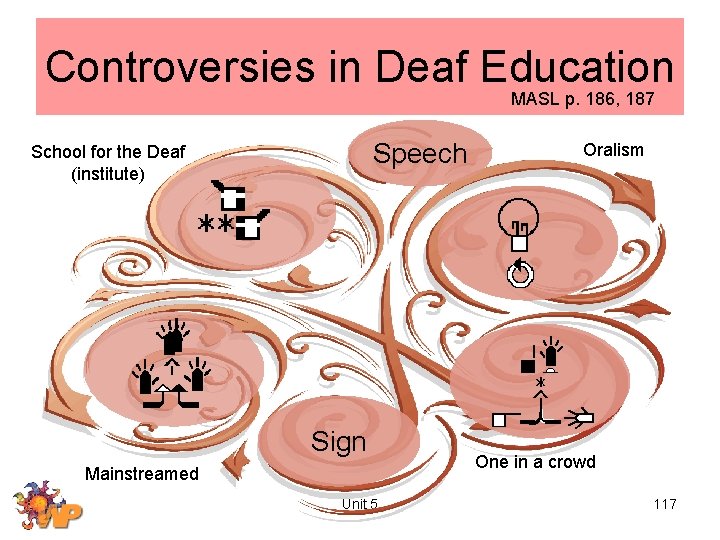
Controversies in Deaf Education MASL p. 186, 187 Speech School for the Deaf (institute) Sign Mainstreamed Unit 5 Oralism One in a crowd 117
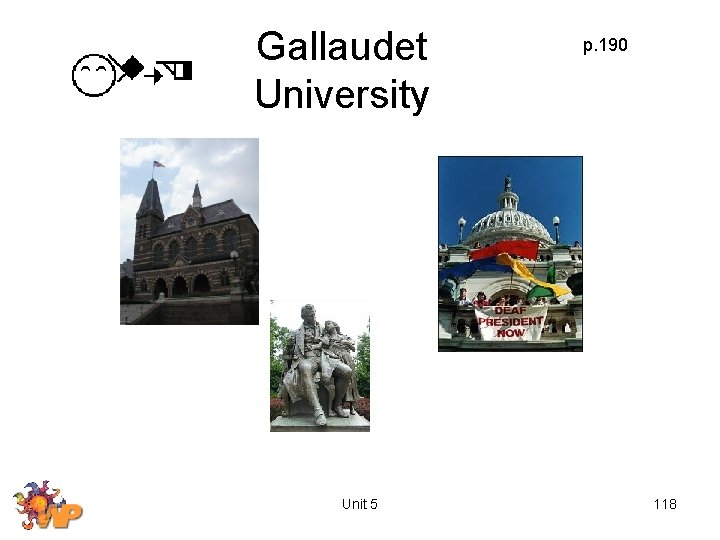
Gallaudet University Unit 5 p. 190 118
Read & Take Notes 1. MASL text p. 186 -187, Focus, Deaf Education… 2. MASL text p. 190, Gallaudet University Unit 5 119
The Time Spot MASL Unit 5 120
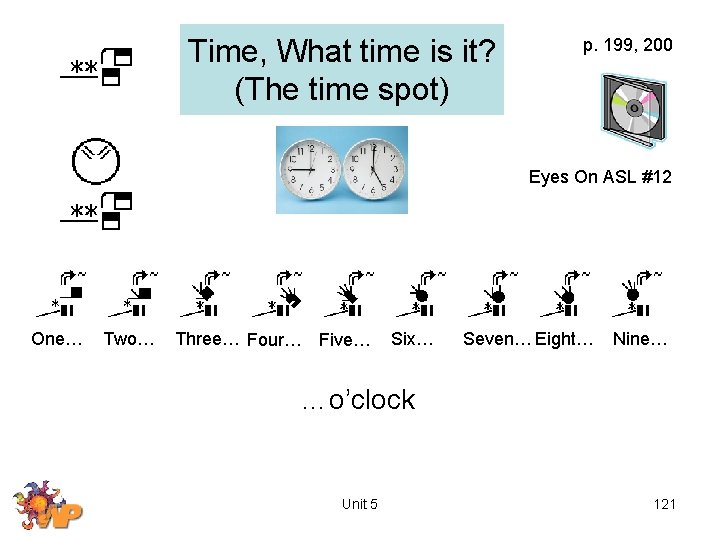
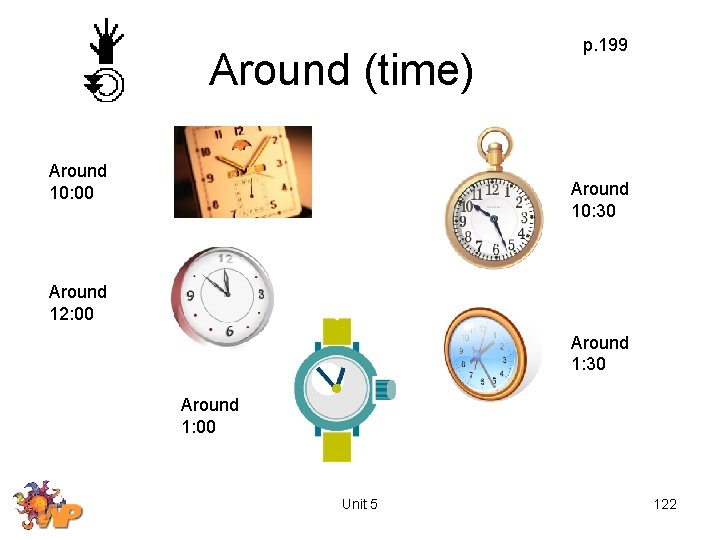
Time, What time is it? (The time spot) p. 199, 200 Eyes On ASL #12 One… Two… Three… Four… Five… Six… Seven… Eight… Nine… …o’clock Unit 5 121
Around (time) Around 10: 00 p. 199 Around 10: 30 Around 12: 00 Around 1: 30 Around 1: 00 Unit 5 122
Hour Unit 5 p. 199 123
Half Hour Unit 5 p. 203 124
Noon Unit 5 p. 199 125
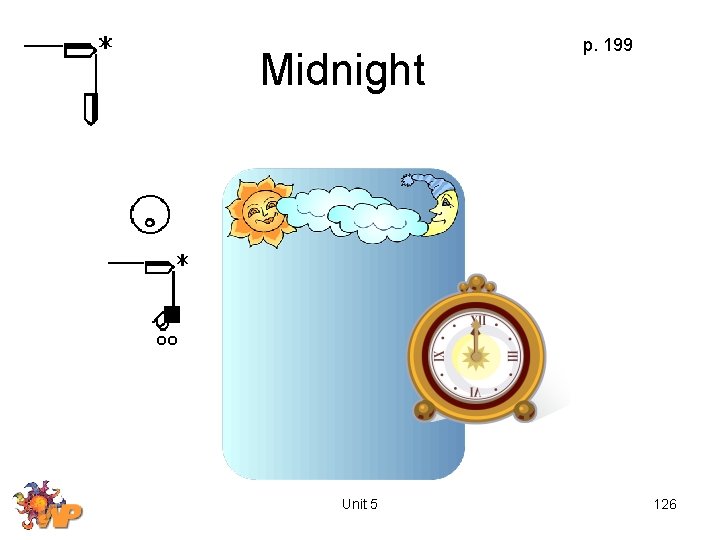
Midnight Unit 5 p. 199 126
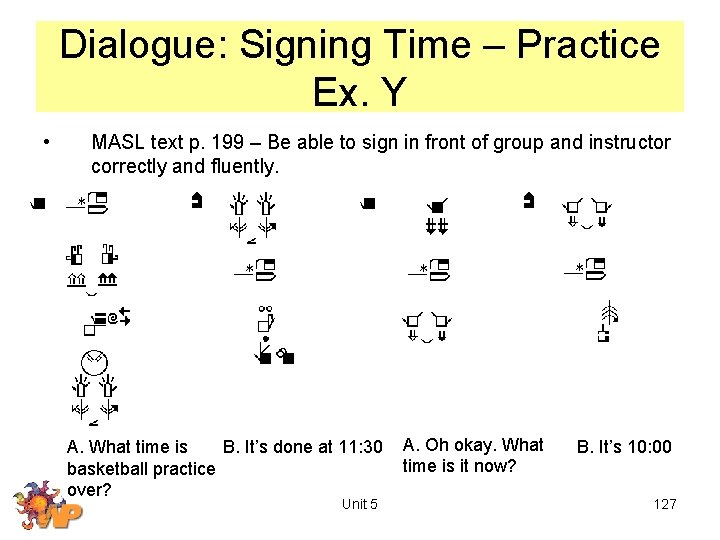
Dialogue: Signing Time – Practice Ex. Y • MASL text p. 199 – Be able to sign in front of group and instructor correctly and fluently. A. What time is B. It’s done at 11: 30 basketball practice over? Unit 5 A. Oh okay. What time is it now? B. It’s 10: 00 127
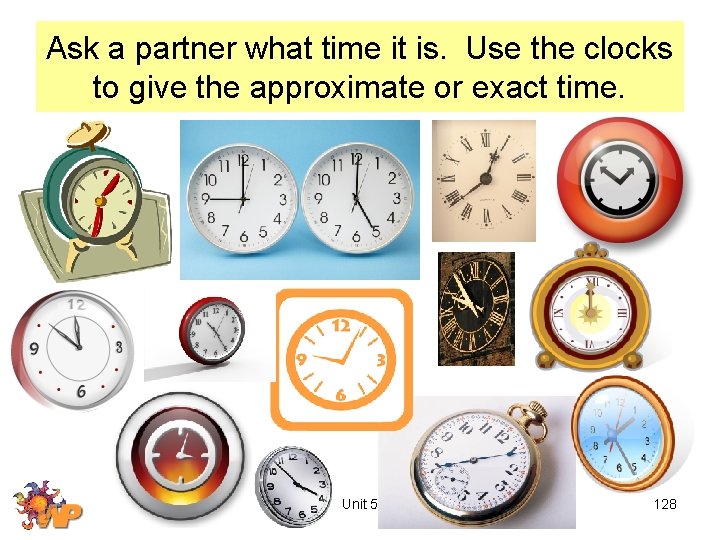
Ask a partner what time it is. Use the clocks to give the approximate or exact time. Unit 5 128
Provide the correct sign for each item below in a complete sentence. Remember, sign time first in a sentence. 1) 2: 00 2) Midnight 3) 6: 30 4) 1: 00 5) Around 10: 00 6) 3: 15 7) 7: 20 8) Noon 9) 11: 45 10)2: 21 11)4: 00 12)5: 00 13)6: 45 14)9: 15 15)15 minutes 16)Around 8: 30 17)12: 05 18)9: 10 19)6: 00 20)7: 00 Unit 5 129
Beginnings & Endings MASL Unit 5 130
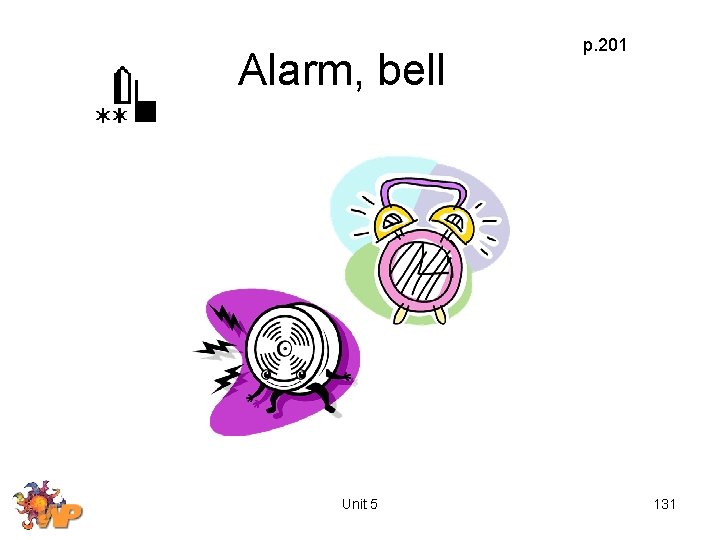
Alarm, bell Unit 5 p. 201 131
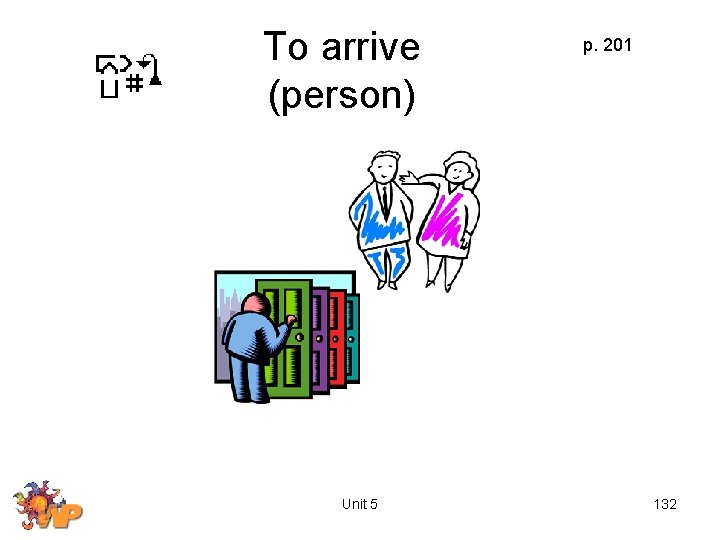
To arrive (person) Unit 5 p. 201 132
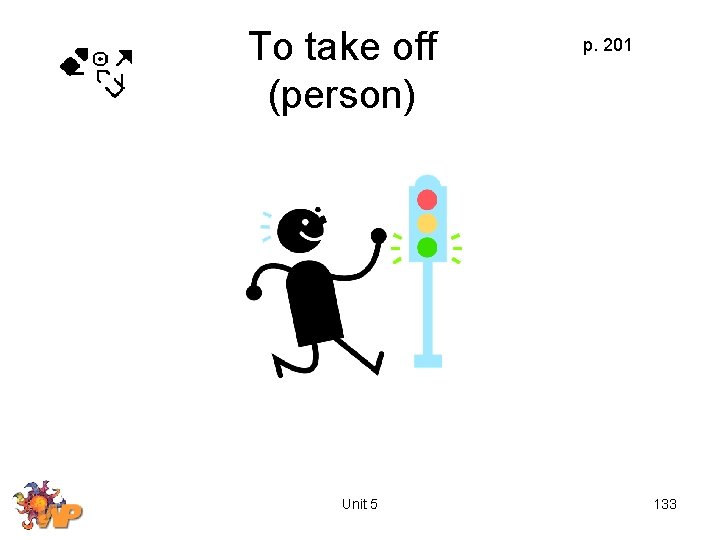
To take off (person) Unit 5 p. 201 133
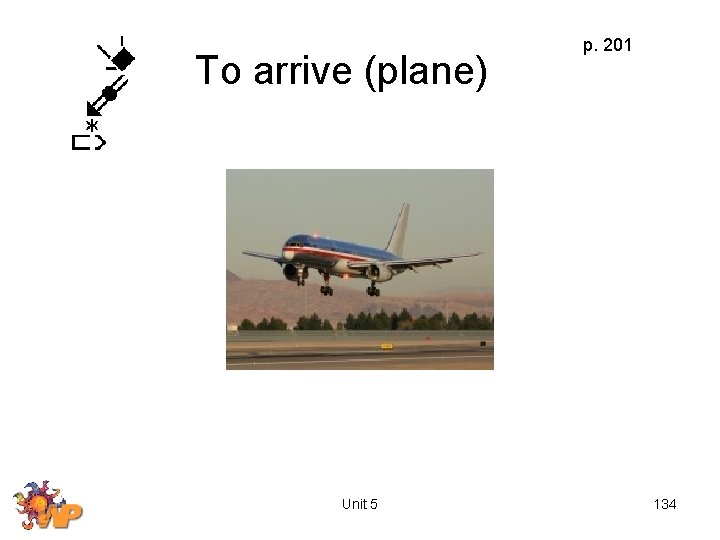
To arrive (plane) Unit 5 p. 201 134
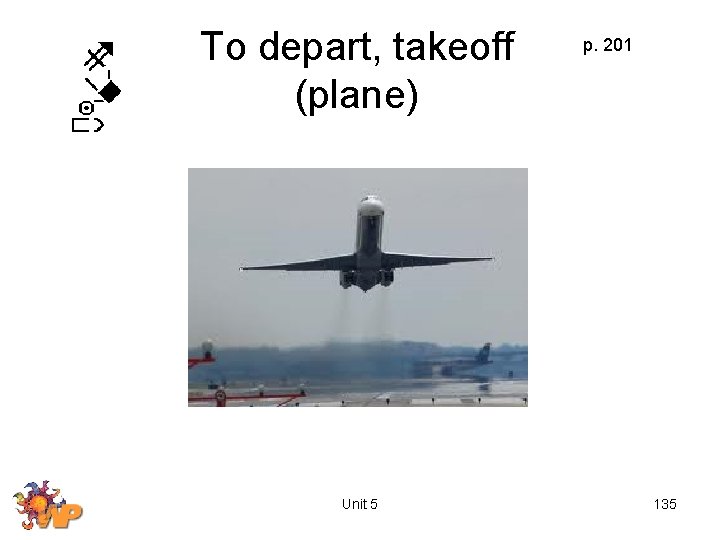
To depart, takeoff (plane) Unit 5 p. 201 135
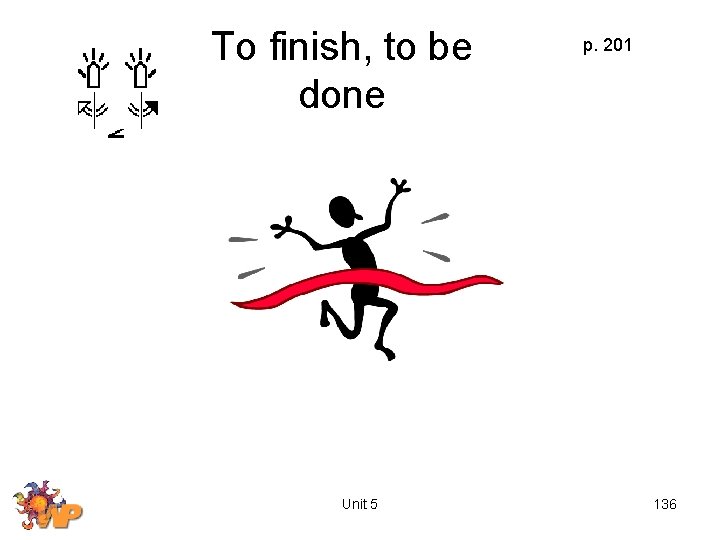
To finish, to be done Unit 5 p. 201 136
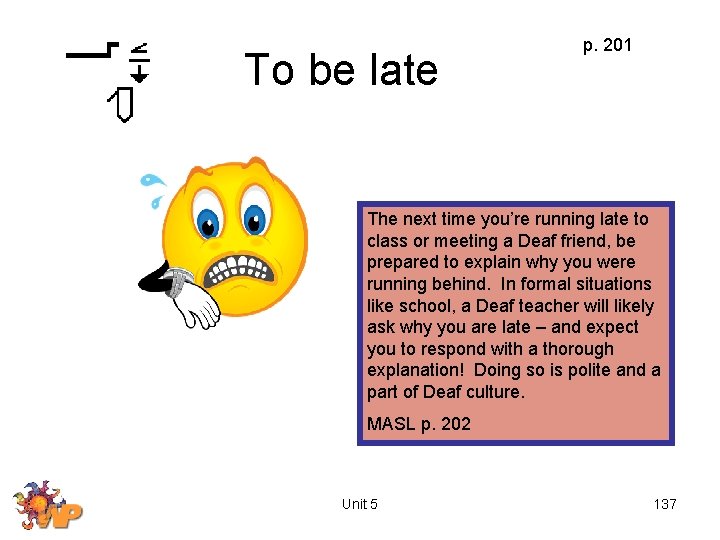
To be late p. 201 The next time you’re running late to class or meeting a Deaf friend, be prepared to explain why you were running behind. In formal situations like school, a Deaf teacher will likely ask why you are late – and expect you to respond with a thorough explanation! Doing so is polite and a part of Deaf culture. MASL p. 202 Unit 5 137
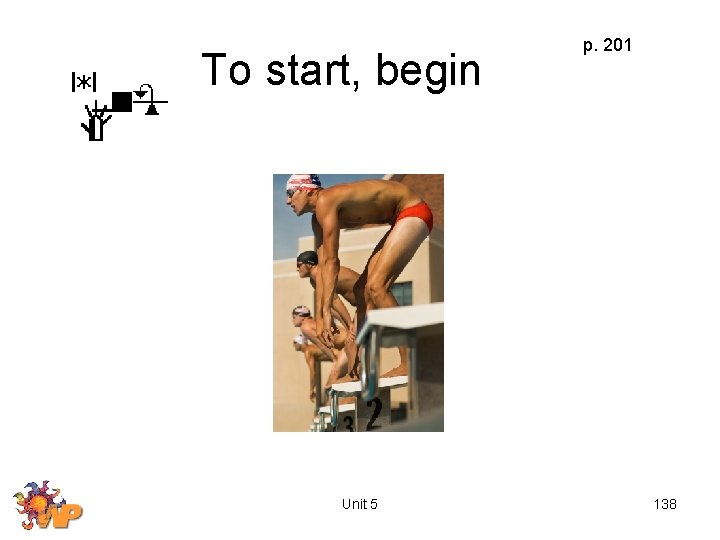
To start, begin Unit 5 p. 201 138
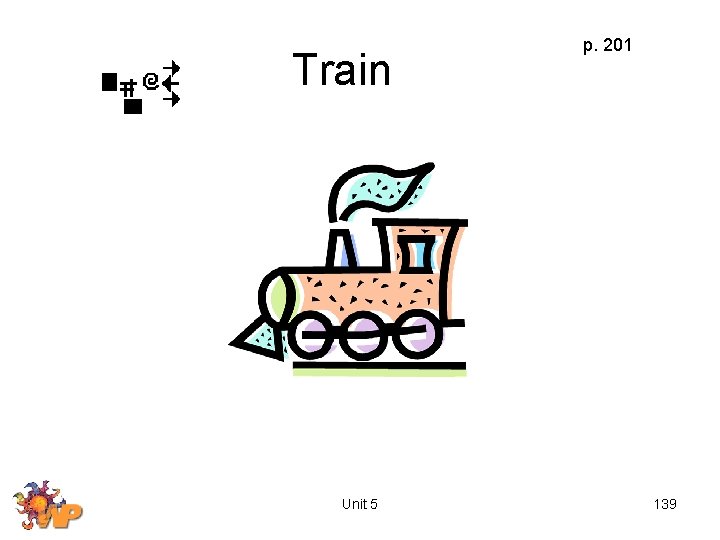
Train Unit 5 p. 201 139
Ask a partner the following questions. Partners respond using the information in parenthesis. When done, switch roles and repeat. 1. 2. 3. 4. 5. What time do you start work? (8: 00 Monday) What time is it now? (tell the actual time) What time is class over? (tell the actual time) What time do you go home? (2: 30) What time is your ASL class? (tell the actual time) 6. What time do you go to sleep? (tell an actual time) Unit 5 140
ASL has many ways to show arrival and departure based on who or what is arriving or leaving. Provide the correct sign for the phrases in bold. Sign the time first! 1. I need to take off. 2. The plane lands at 6: 00. 3. We got there at 9: 00. 4. She needs to get going. 5. The train leaves at 2: 45. 6. They need to go. 7. The bell rings at 7: 15. 8. The bus departs in 10 minutes. 9. They’ll be here at noon. 10. I’m going to hit the road. Unit 5 141
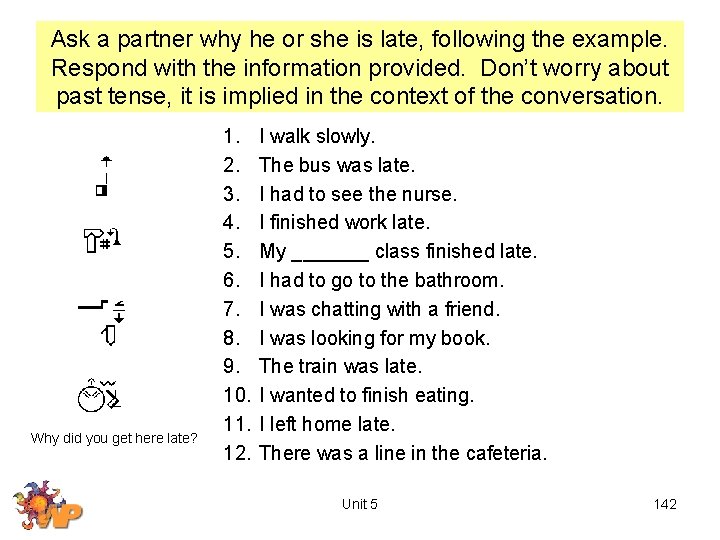
Ask a partner why he or she is late, following the example. Respond with the information provided. Don’t worry about past tense, it is implied in the context of the conversation. Why did you get here late? 1. 2. 3. 4. 5. 6. 7. 8. 9. 10. 11. 12. I walk slowly. The bus was late. I had to see the nurse. I finished work late. My _______ class finished late. I had to go to the bathroom. I was chatting with a friend. I was looking for my book. The train was late. I wanted to finish eating. I left home late. There was a line in the cafeteria. Unit 5 142
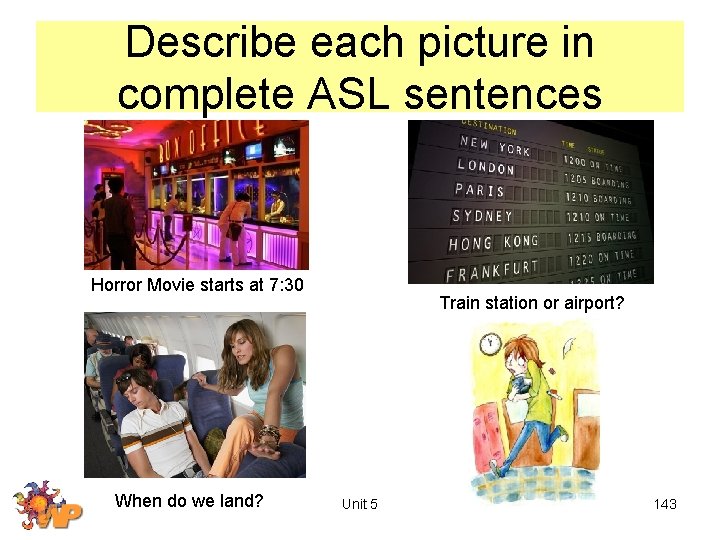
Describe each picture in complete ASL sentences Horror Movie starts at 7: 30 When do we land? Train station or airport? Unit 5 143
Multiple Meanings MASL Unit 5 144
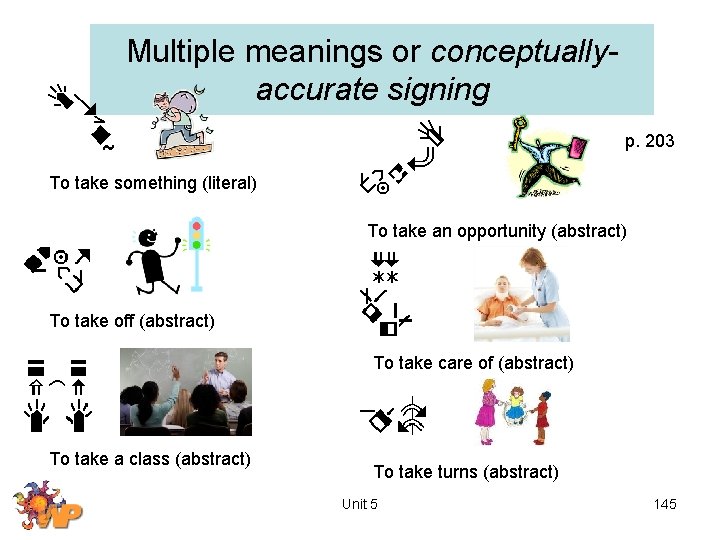
Multiple meanings or conceptuallyaccurate signing p. 203 To take something (literal) To take an opportunity (abstract) To take off (abstract) To take care of (abstract) To take a class (abstract) To take turns (abstract) Unit 5 145
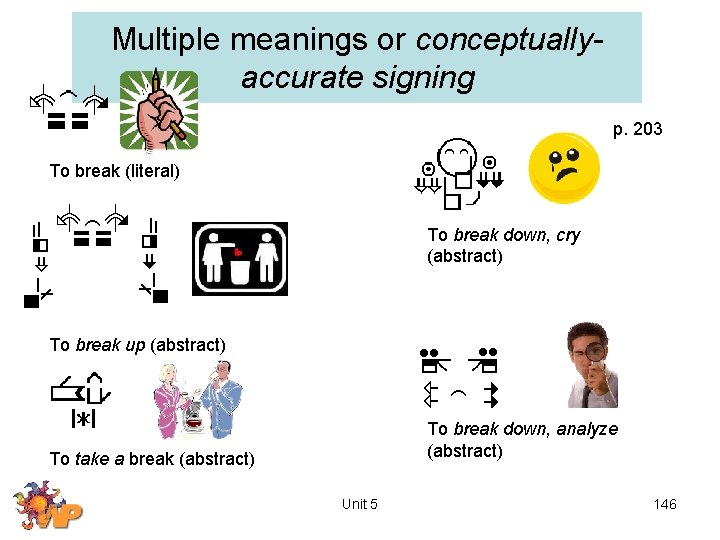
Multiple meanings or conceptuallyaccurate signing p. 203 To break (literal) To break down, cry (abstract) To break up (abstract) To break down, analyze (abstract) To take a break (abstract) Unit 5 146
Sign each sentence in conceptually accurate ASL. 1. 2. 3. 4. I have breaks at 10: 00 and 1: 00. Are you taking chemistry and drama? Did you break your phone? I work at a restaurant on the weekends. I get two half hour breaks. 5. My mother said I can take her car. Unit 5 147
Work with a partner to make a list of 10 English words or phrases that have multiple meanings, and show the sign that best matches the concept. Examples are given. 1. 2. 3. 4. 5. I’m running behind Broken heart _______________ 6. ________ 7. ________ 8. ________ 9. ________ 10. ________ Unit 5 148
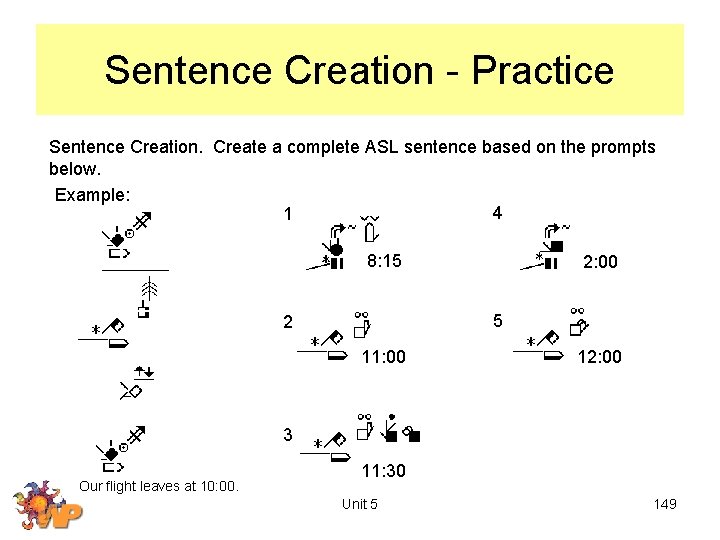
Sentence Creation - Practice Sentence Creation. Create a complete ASL sentence based on the prompts below. Example: 4 1 8: 15 2: 00 5 2 11: 00 12: 00 3 Our flight leaves at 10: 00. 11: 30 Unit 5 149
- Slides: 149