
Unit 5 Future tense with will Oxford University


- Slides: 30
Unit 5 Future tense with will 將來式 © Oxford University Press
We use the simple future tense to talk about the future © Oxford University Press
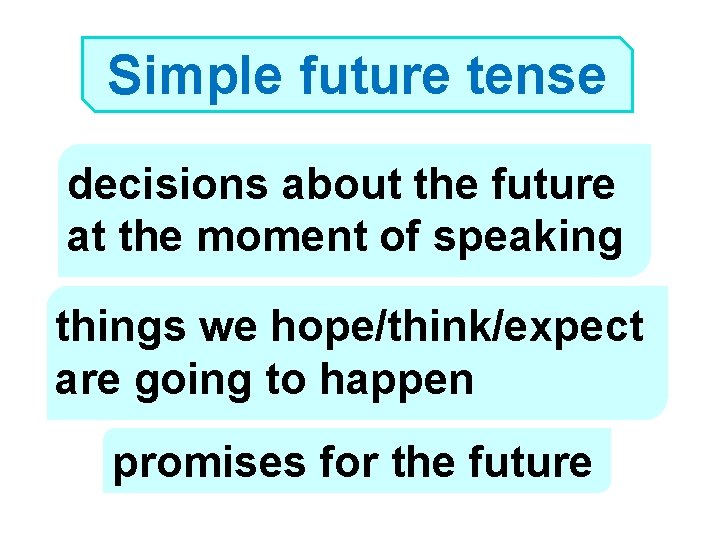
Simple future tense a decision we make at the moment of speaking © Oxford University Press
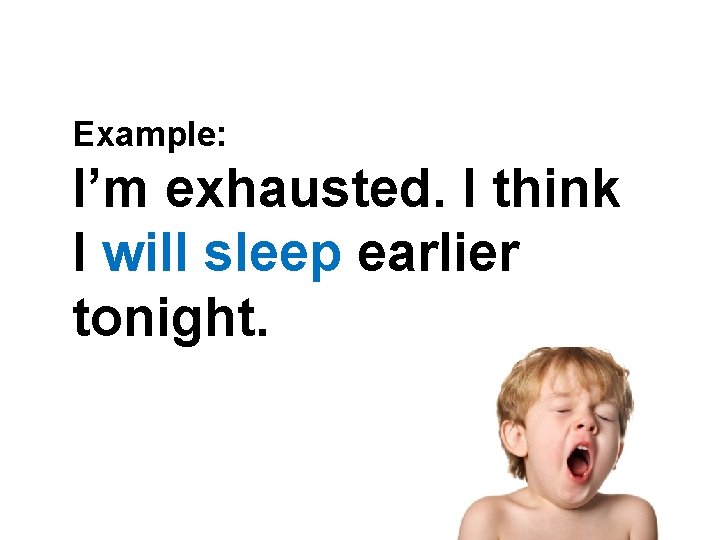
Example: I’m exhausted. I think I will sleep earlier tonight. © Oxford University Press
Simple future tense things we hope or think are going to happen in the future © Oxford University Press
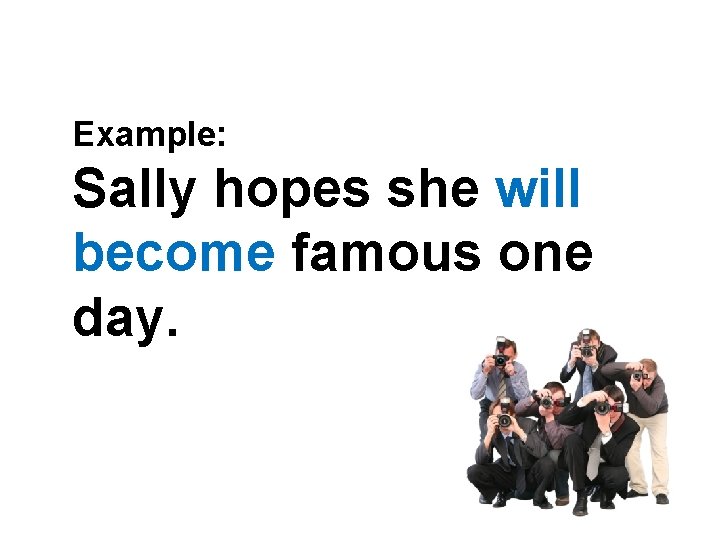
Example: Sally hopes she will become famous one day. © Oxford University Press
Simple future tense a promise to do something in the future © Oxford University Press
Example: Dad will go to the concert with you tomorrow. © Oxford University Press
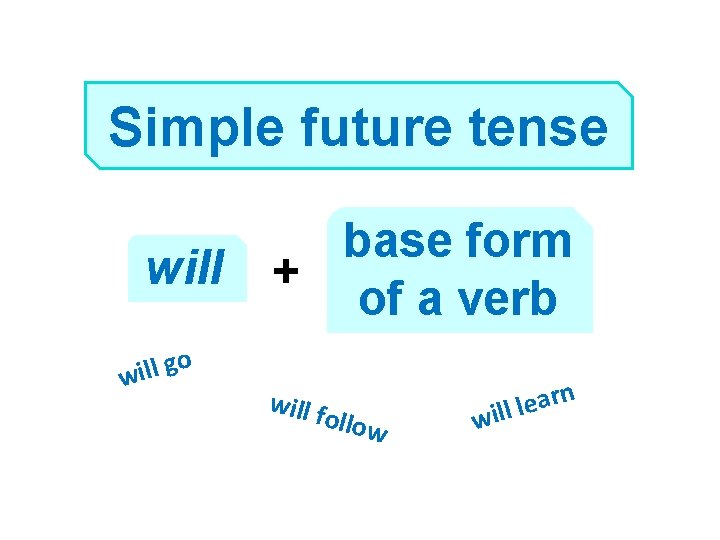
How do we form the simple future tense? © Oxford University Press
Simple future tense will o g l l i w base form + of a verb will f ollow rn a e l will © Oxford University Press
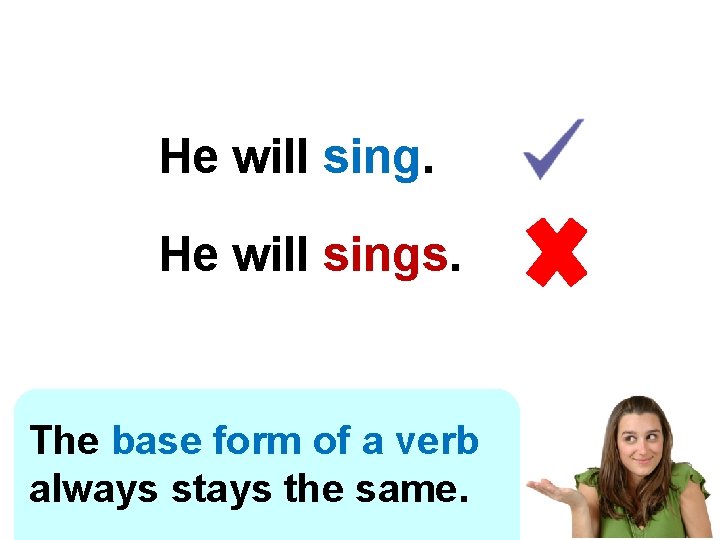
He will sings. The base form of a verb always stays the same. © Oxford University Press
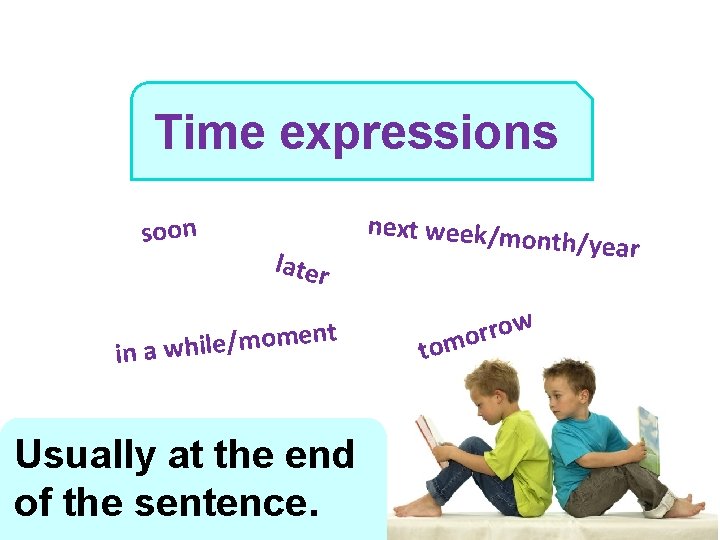
Time expressions soon later ent m o m / e l i h in a w Usually at the end of the sentence. next week/mo nth/year w o r r o m o t © Oxford University Press
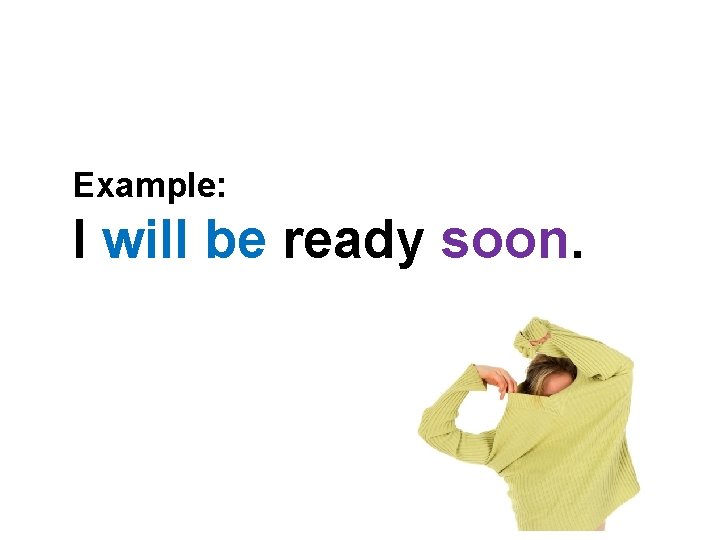
Example: I will be ready soon. © Oxford University Press
Example: Jessica will arrive in London next week. © Oxford University Press
Statements in the simple future tense © Oxford University Press
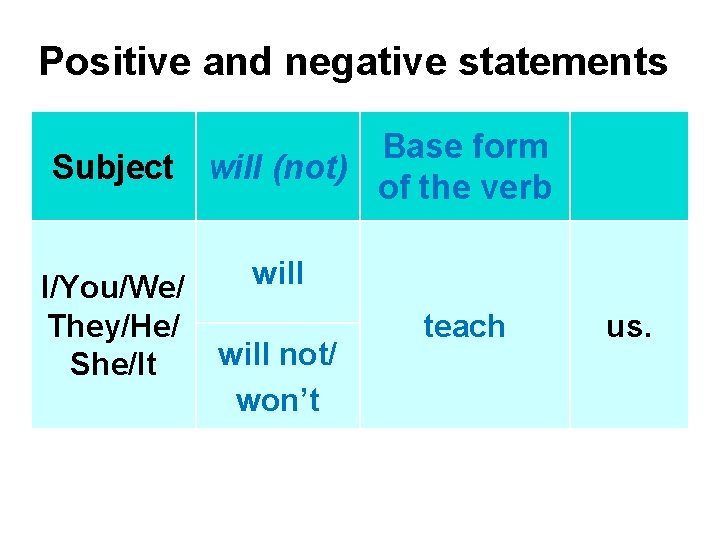
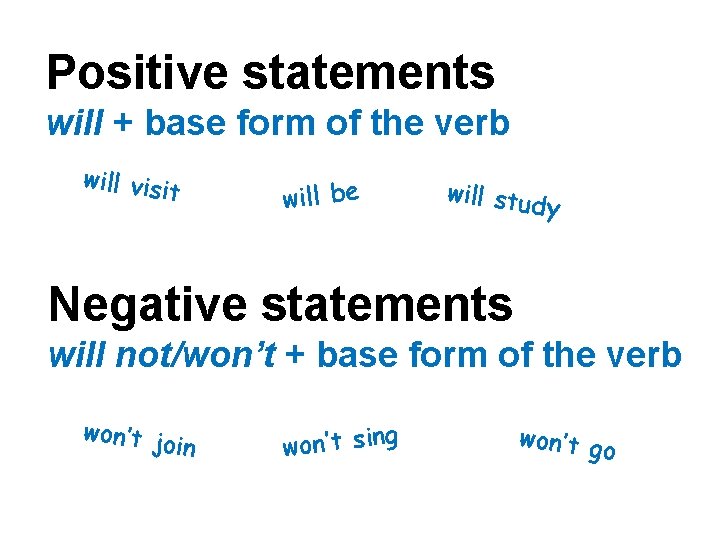
Positive and negative statements Base form Subject will (not) of the verb I/You/We/ They/He/ She/It will not/ won’t teach us. © Oxford University Press
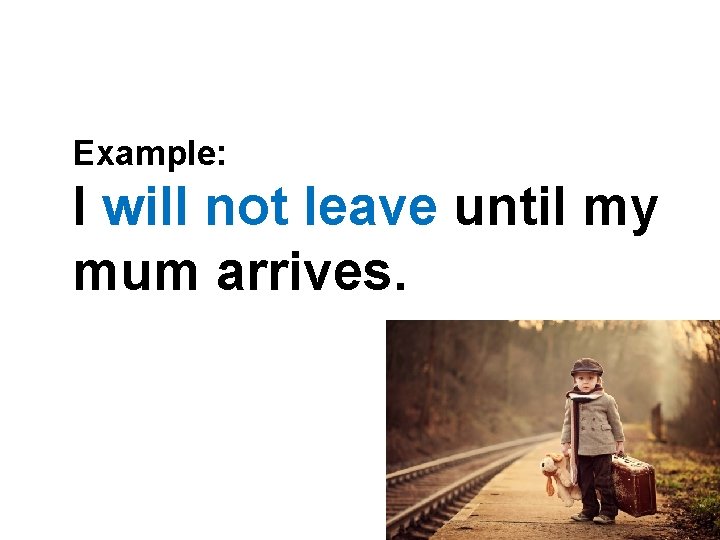
Example: I will not leave until my mum arrives. © Oxford University Press
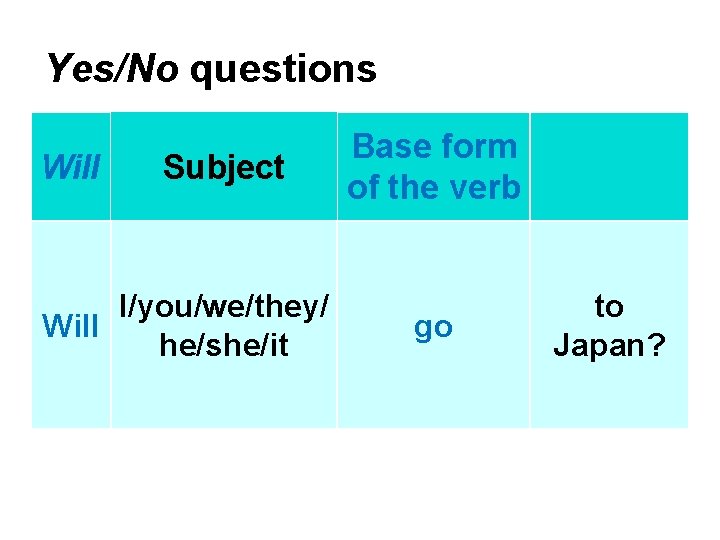
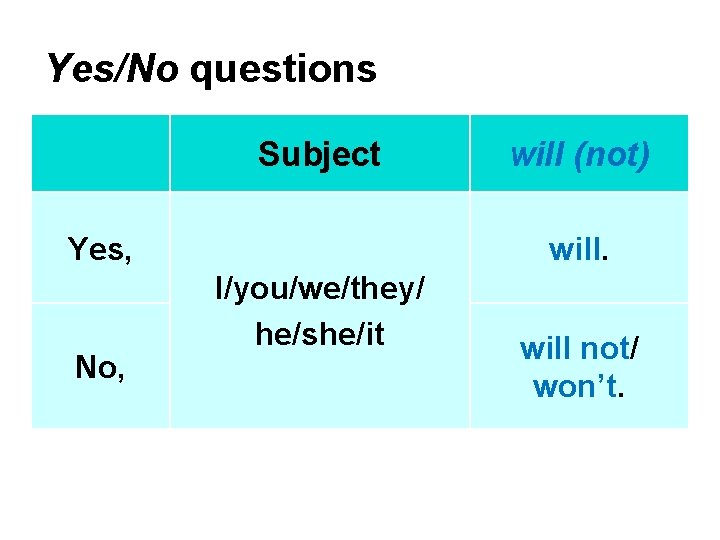
Yes/No questions in the simple future tense © Oxford University Press
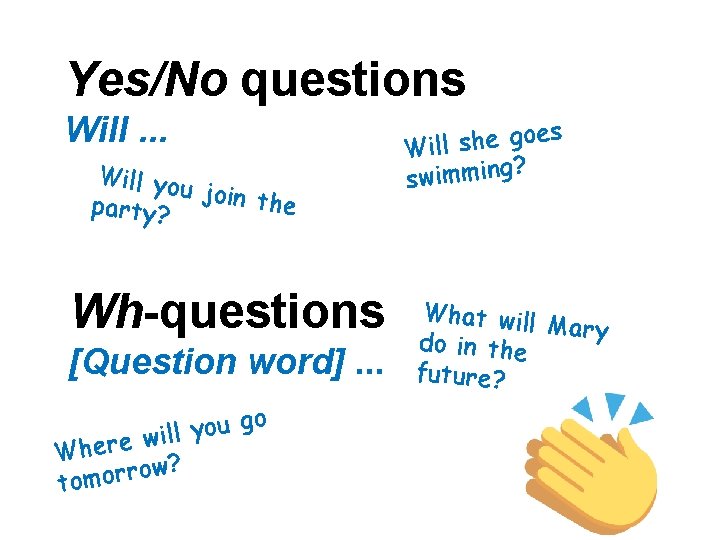
Yes/No questions Will Subject I/you/we/they/ Will he/she/it Base form of the verb go to Japan? © Oxford University Press
Yes/No questions Subject Yes, No, will (not) will. I/you/we/they/ he/she/it will not/ won’t. © Oxford University Press
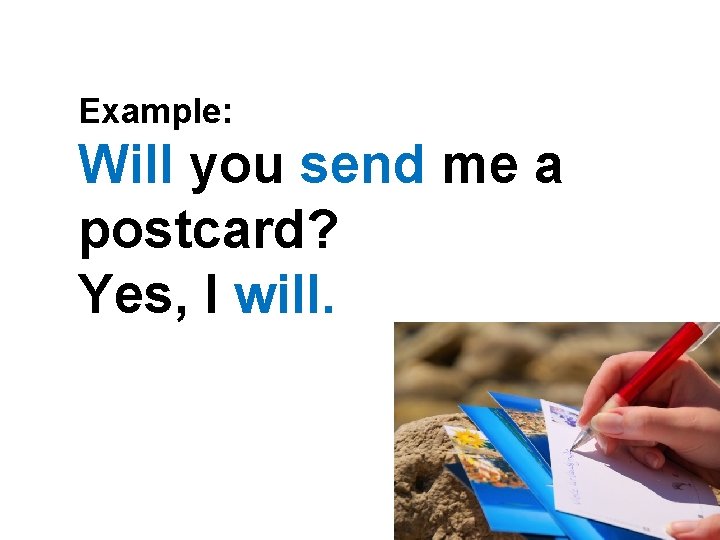
Example: Will you send me a postcard? Yes, I will. © Oxford University Press
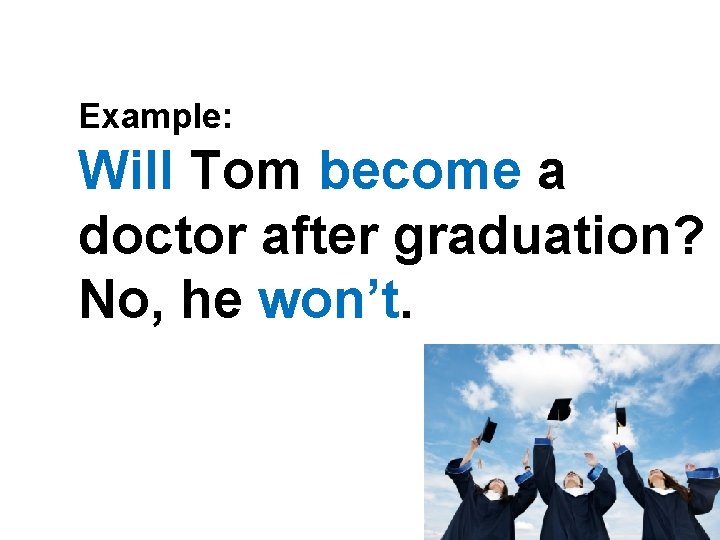
Example: Will Tom become a doctor after graduation? No, he won’t. © Oxford University Press
Wh-questions in the simple future tense © Oxford University Press
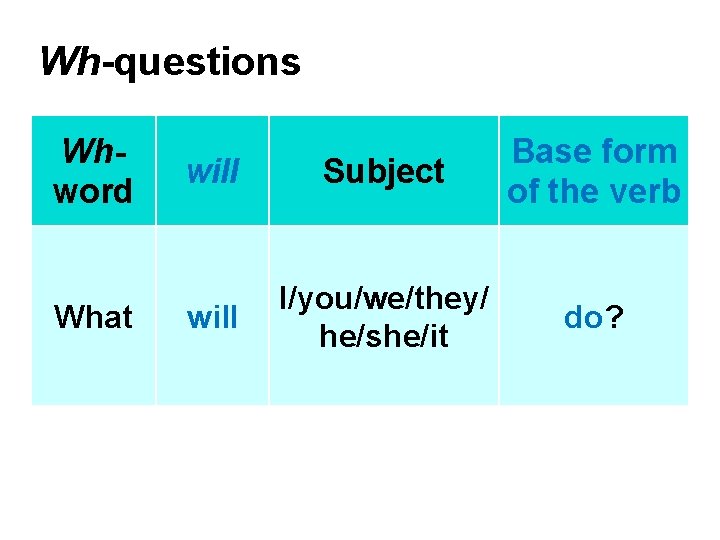
Wh-questions Whword What will Subject Base form of the verb will I/you/we/they/ he/she/it do? © Oxford University Press
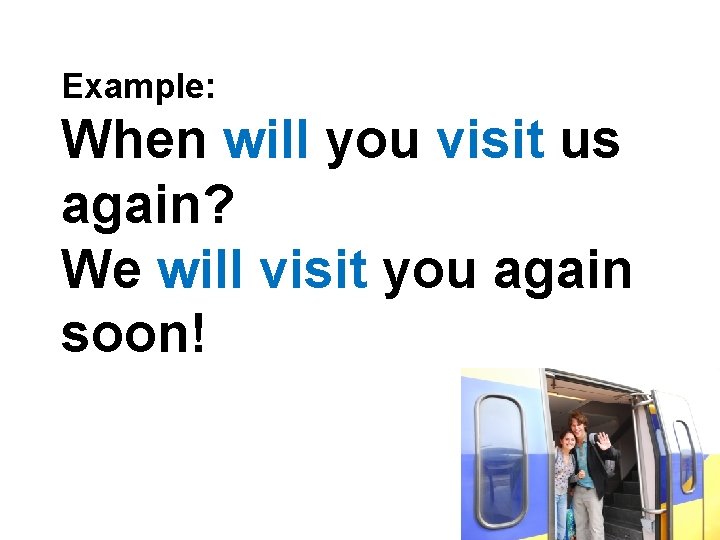
Example: When will you visit us again? We will visit you again soon! © Oxford University Press
Review: When do we use the simple future tense? © Oxford University Press
Simple future tense decisions about the future at the moment of speaking things we hope/think/expect are going to happen promises for the future © Oxford University Press
Positive statements will + base form of the verb will visi t will be will stu dy Negative statements will not/won’t + base form of the verb won’t j oin g n i s t ’ n o w won’t g o © Oxford University Press
Yes/No questions Will. . . Will yo u join t he party? Wh-questions [Question word]. . . s e o g e h s Will ? swimming What will Mary do in the future? o g u o y ill w e r e Wh w? o r r o m to © Oxford University Press
The end Images provided by Dreamstime. com and Emoji. One © Oxford University Press