
Unit 5 Design Methodologies CAUSES OF BUILDING DAMAGE
Unit 5 Design Methodologies
CAUSES OF BUILDING DAMAGE
INTRODUCTION Three types of structural systems were constructed more often • Reinforced concrete, • Unreinforced masonry and • Himis (buildings composed of timber frames and braces with some infill materials).
CAUSES OF DAMAGE IN RC STRUCTURES Earthquake damages can be classed in three categories: 1. Design deficiencies (soft-storey, insufficient lateral stiffness, short column, strong beam weak column design, irregularities, etc. ) vertical or horizontal
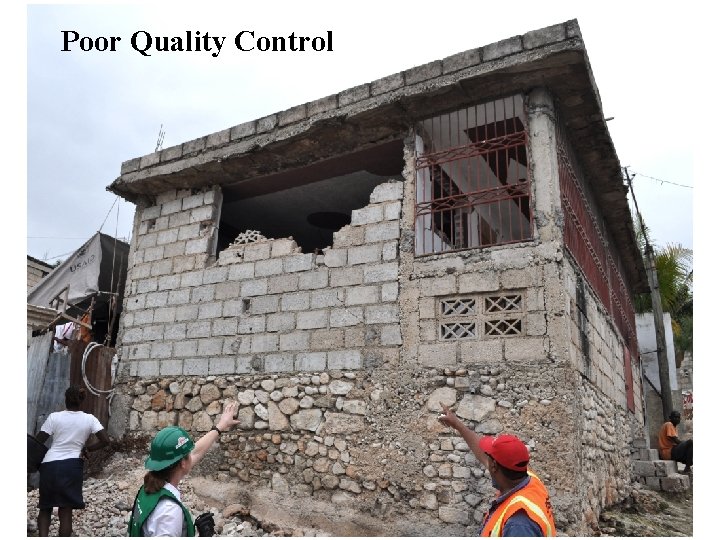
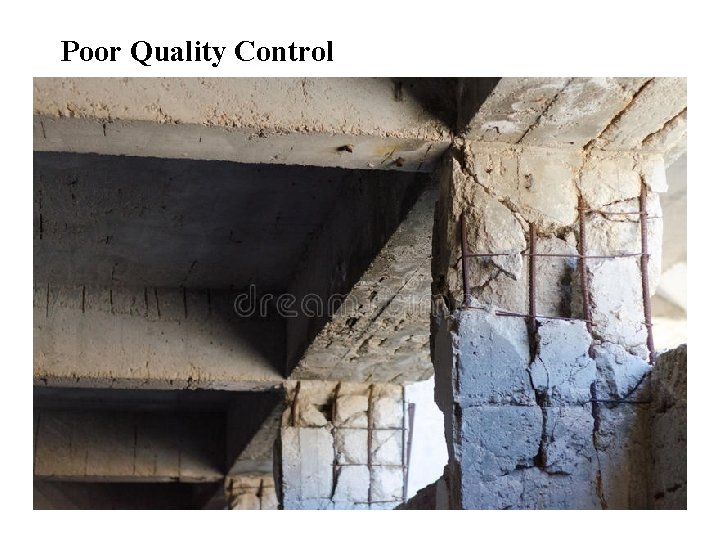
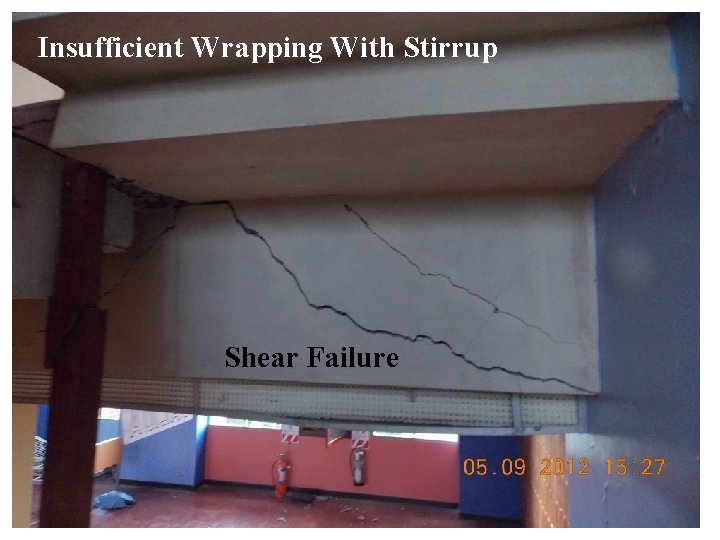
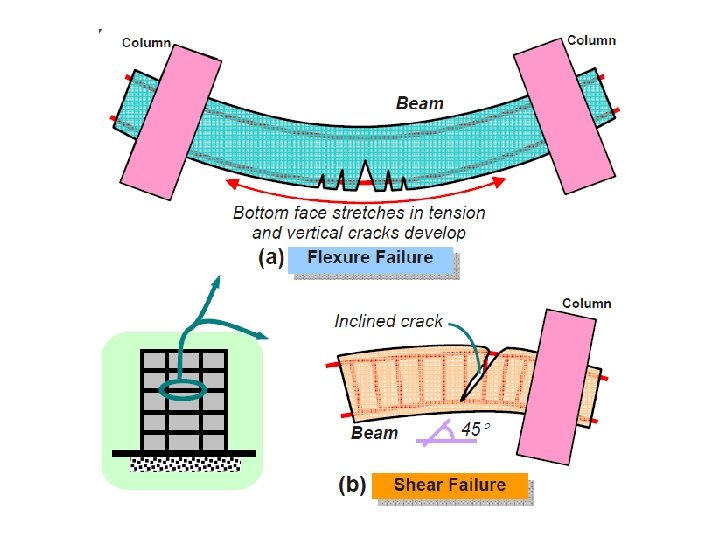
Conti… 2. Construction defects (bad workmanship, poor quality control, insufficient wrapping with stirrup, insufficient mechanical properties of material, insufficient adherence length etc. ) 3. Deficiencies in service life (cut-off or removed columns, soft story formation due to total or partially absence of masonry infill walls etc. )
Soft story • The story having less rigidity due to reduced masonry infill walls is called as “soft story”. • This soft story is the reason of a major weakness due to large retail spaces without masonry infill walls. • The soft story is often in the ground level of a building
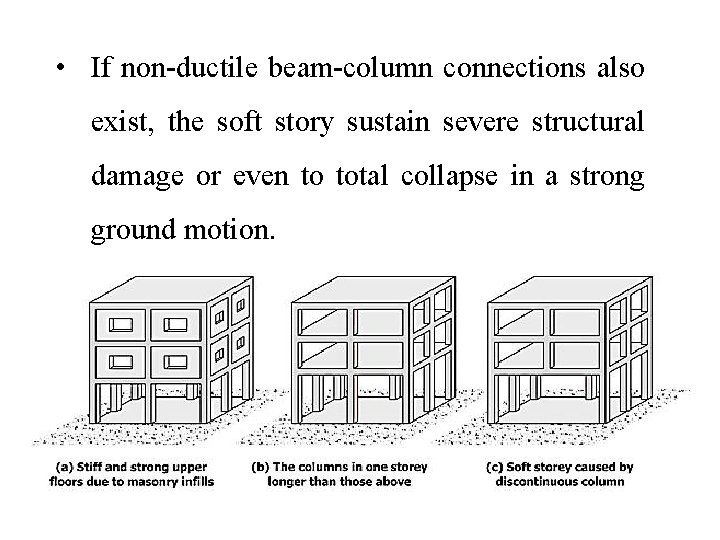
• If non-ductile beam-column connections also exist, the soft story sustain severe structural damage or even to total collapse in a strong ground motion.
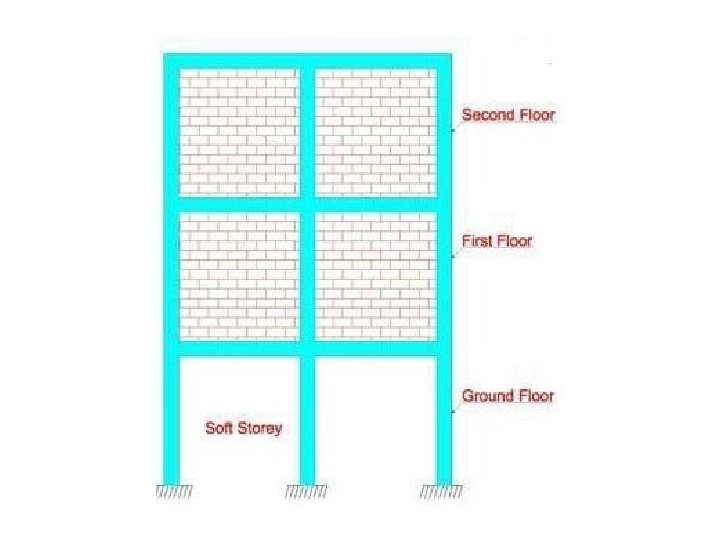

Soft Story Failure
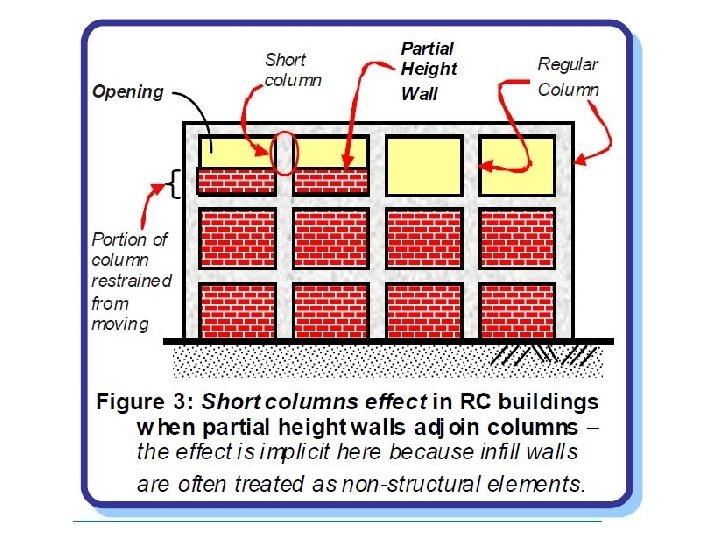
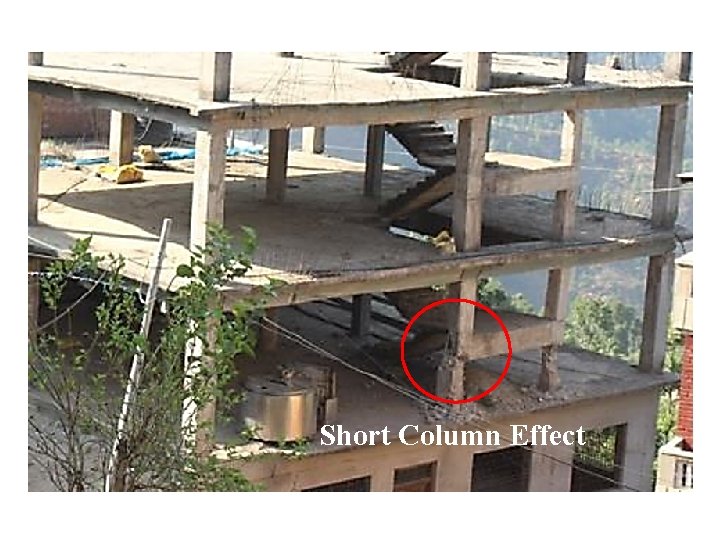
Short Column • Poor behaviour of short columns is due to the fact that in an earthquake, a tall column and a short column of same cross-section move horizontally by same amount Δ. • The short column is stiffer as compared to the tall column, and it attracts larger earthquake force.
Conti… • Stiffness of a column means resistance to deformation – the larger is the stiffness, larger is the force required to deform it. • This behaviour is called Short Column Effect. • The damage in these short columns is often in the form of X-shaped cracking – this type of damage of columns is due to shear failure
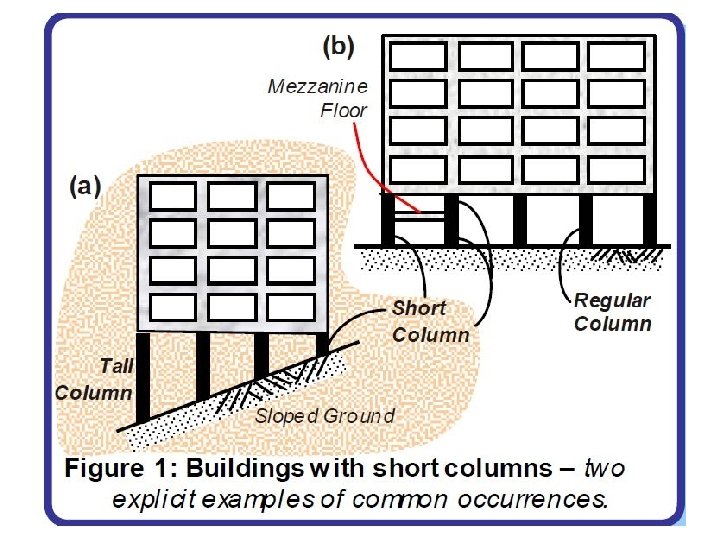
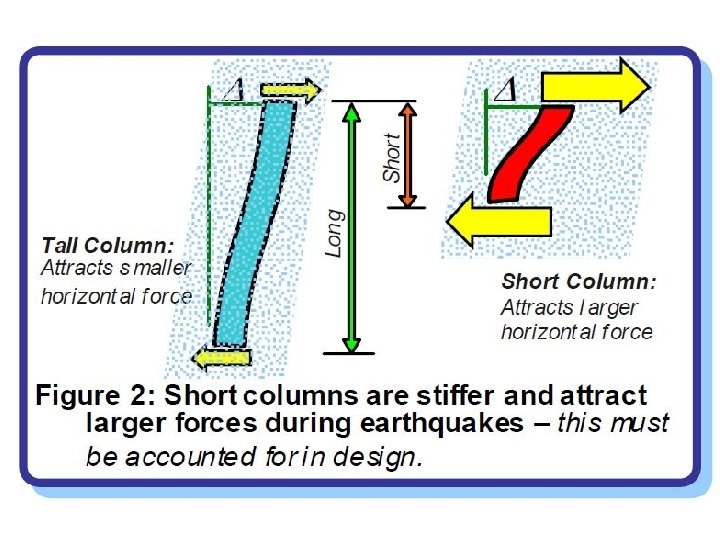
Short Column Effect
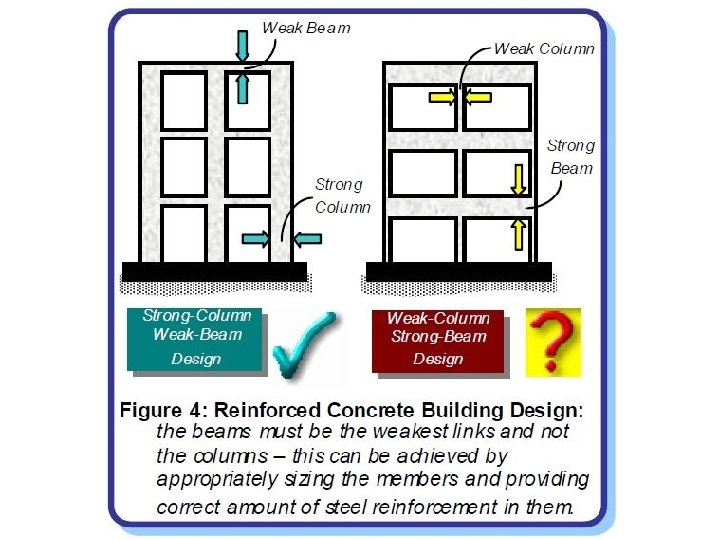
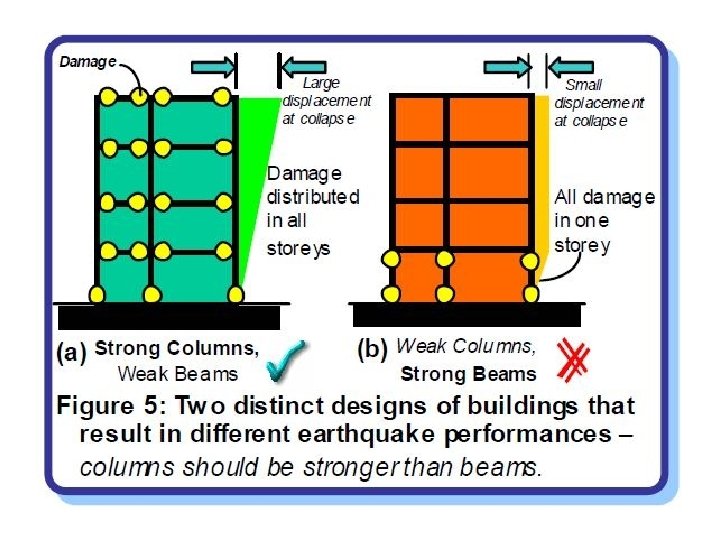
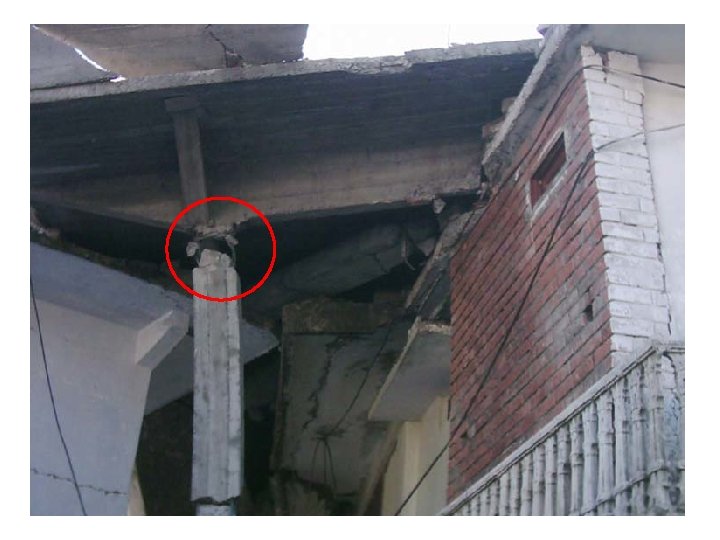
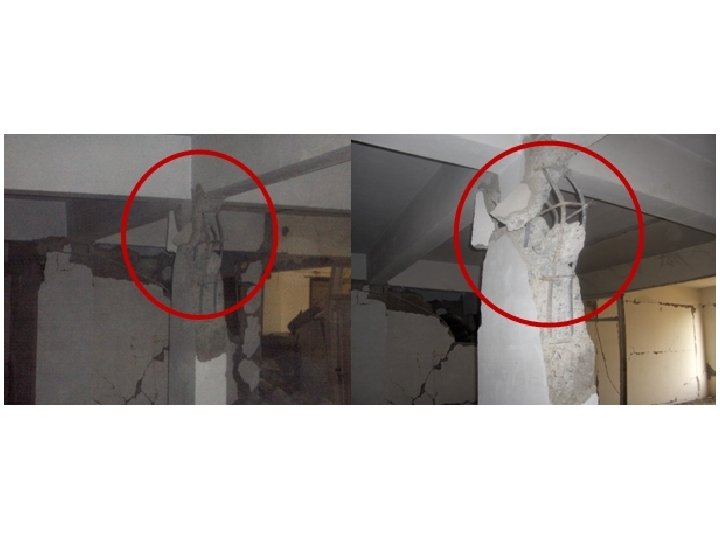
Strong Beam-Weak Column • The correct building components need to be made ductile. • The failure of a column can affect the stability of the whole building, but the failure of a beam causes localized effect. • Therefore, it is better to make beams to be the ductile weak links than columns. This method of designing is called the strong-column weak-beam design.
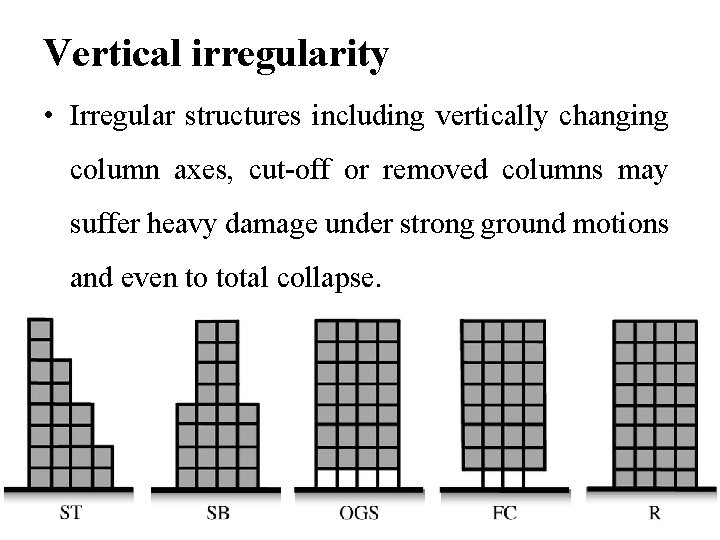
Vertical irregularity • Irregular structures including vertically changing column axes, cut-off or removed columns may suffer heavy damage under strong ground motions and even to total collapse.

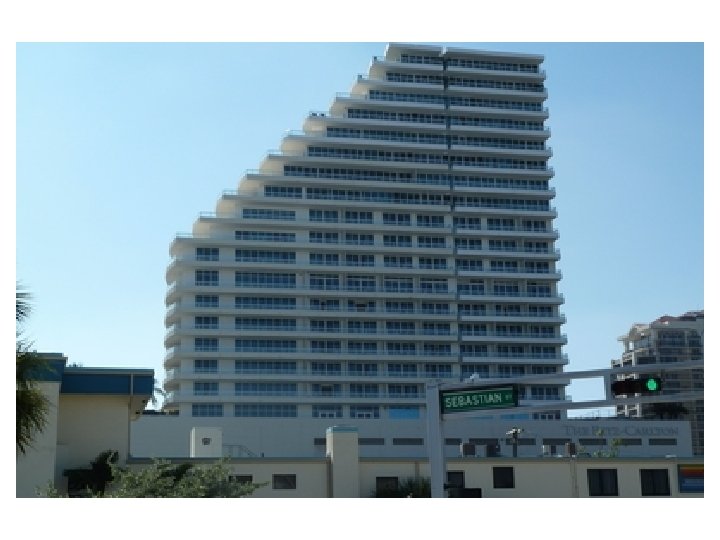
Planar irregularity • Planar irregularities can cause poor seismic performance. • If centre of mass and centre of rigidity do not coincide, the distance between them may cause to excessive torsion and total collapse. • Not coinciding beam-column axes lead to heavy damage even in a moderate earthquake as well.
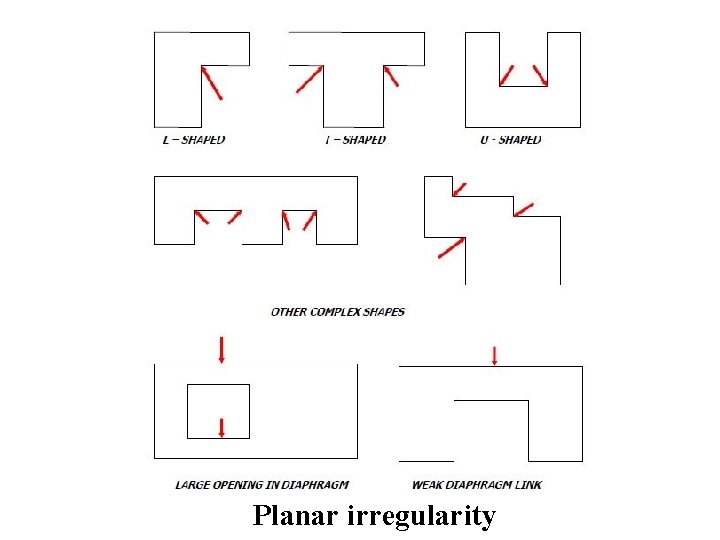
Planar irregularity
Quality control defects of material The following factors for concrete causes quality defects • The ratio of water to cementitious material is high. • The curing conditions are insufficient. • The quantity of fine aggregate is low. • Unwashed sea sand with shells is used.

Poor Workmanship

Poor Workmanship
Poor Quality Control
Poor Quality Control
Insufficient Wrapping With Stirrup Shear Failure
CAUSES OF DAMAGE IN MASONRY BUILDING • • • Inadequate brick unit Poor mortar Irregularities in plane Weak load-bearing walls Lack of vertical confining elements Weak out-of-plane response
Inadequate brick unit • Masonry materials to be used in the construction of load-bearing walls shall be natural stone, solid brick, solid concrete. • The minimum compressive strength of masonry structural materials shall not be less than 5 N/mm 2. • The compressive strength of natural stones to be used in basements shall be at least 10 N/mm 2.
Poor mortar • Mortars to be used in load-bearing walls shall be lime mortar enhanced with cement (cement/lime/sand volumetric ratio=1: 2: 9) or cement mortar (cement/sand volumetric ratio=1: 4). • Poor quality mud or cement mortar caused in the disintegration of masonry units and loss of support to floors.
Conti……… • Mud-stone masonry structures collapsed or were heavily damaged even in small earthquakes due to poor mud mortar and insufficient anchorage between mud and stone.
Irregularities in plane • Load-bearing walls of masonry buildings must be arranged in plan, regularly and symmetrically in respect of the two main axes. • Failures and cracks at the corners occurs due to insufficient connections between the walls and floors. • The free cantilever length should not be more than 1. 5 meters.
Weak load-bearing walls The ratio of the total length of load-bearing walls in each of the orthogonal directions (excluding window and door openings), to gross floor area (excluding cantilever floors) shall not be less than 0. 25 I (m/m 2 ) where I represents building importance factor. Total length/floor < 0. 25 I
Lack of vertical confining elements • Vertical confining elements should be located at the end of the load-bearing walls, at the both sides of the doors and windows opening. • Lack of these confining elements leads to collapse of the structure.
Weak out-of-plane response • Unreinforced masonry buildings are the most vulnerable to flexural out-of-plane failure. • If the connection between the walls and floors is not adequately restrained, the whole wall panel or of a significant portion of it will overturn due to seismic excitation in the perpendicular direction to the wall plane.
Conti… • Added vertical R/C confining elements contribute to earthquake resistance of the wall and out-ofplane failure does not easily occur.
- Slides: 41