
UNIT 4 SOP UNIT 4 STANDARD OPERATING PROCEDURES
- Slides: 17
UNIT 4: SOP
UNIT 4: STANDARD OPERATING PROCEDURES Lesson 4: Root Cause Analysis
COURSE INFORMATION Unit 4: Standard Operating Procedures • Lesson 4: Root Cause Analysis Lesson Description: • In this lesson you will identify and practice the culture of QMS, and will focus on writing and analyzing the Standard Operating Procedures necessary to promote efficiency, quality, safety, and customer satisfaction.
LESSON OBJECTIVES After completing this unit you will be able to: • Define QMS • Describe Enterprise Level QMS • Explain the hierarchy of a manufacturing production order • Identify a standardized process in their environment • Demonstrate knowledge of SOP and identify revisions required for increase/effective Enterprise QMS • Define Root Cause Analysis in fundamental terms.
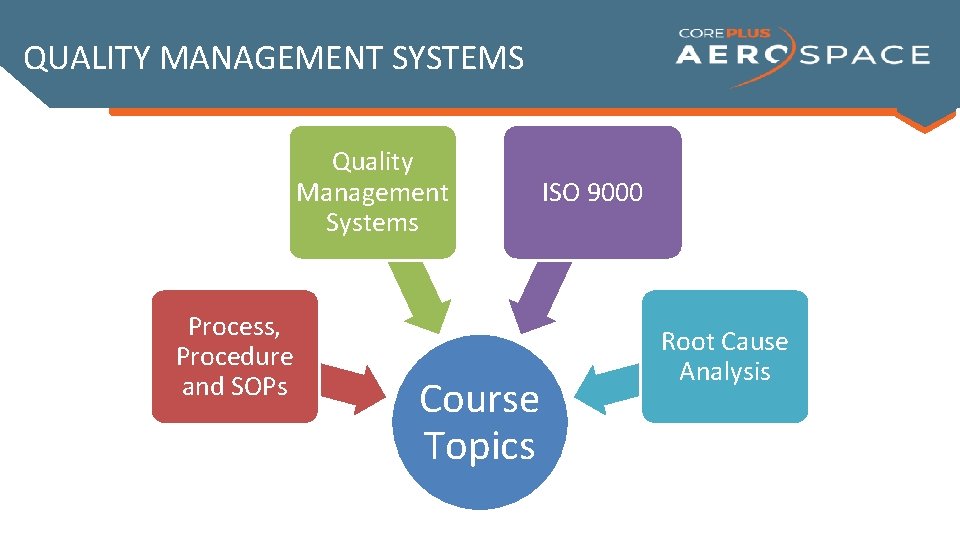
QUALITY MANAGEMENT SYSTEMS Quality Management Systems Process, Procedure and SOPs ISO 9000 Course Topics Root Cause Analysis
ROOT CAUSE ANALYSIS (RCA) WHAT HOW WHY
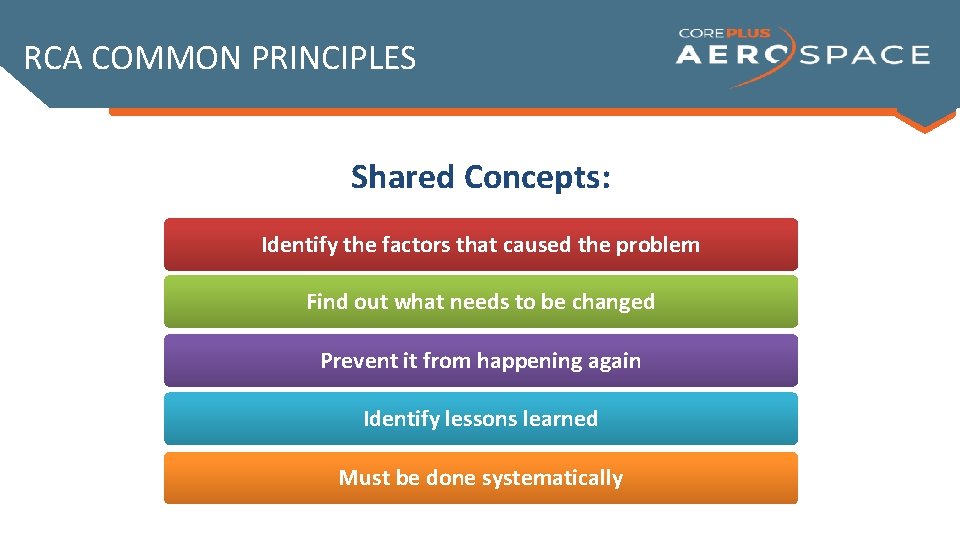
RCA COMMON PRINCIPLES Shared Concepts: Identify the factors that caused the problem Find out what needs to be changed Prevent it from happening again Identify lessons learned Must be done systematically
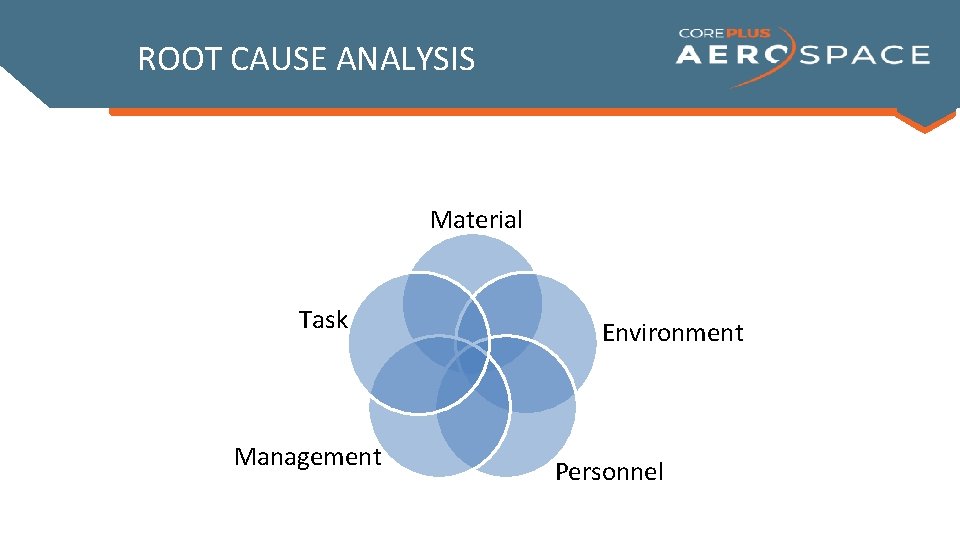
ROOT CAUSE ANALYSIS Material Task Management Environment Personnel
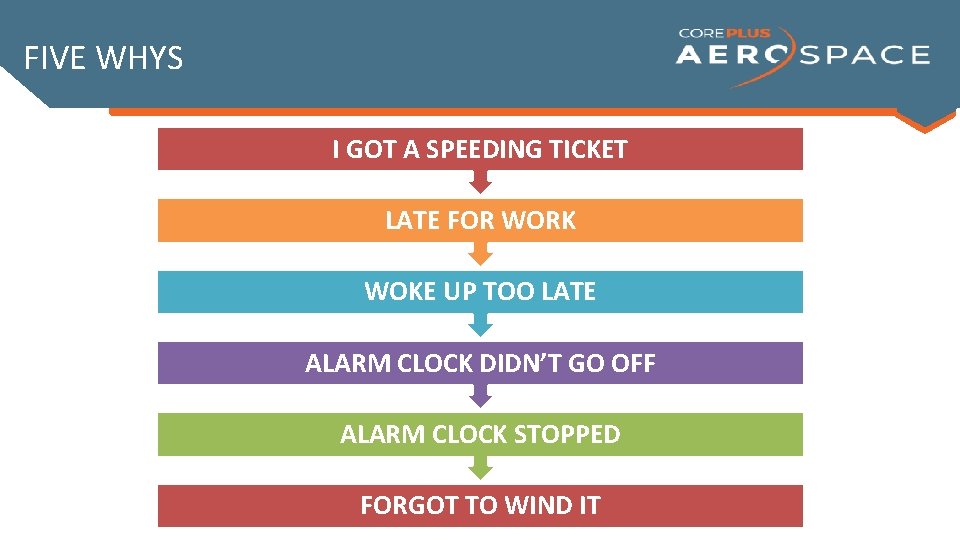
FIVE WHYS I GOT A SPEEDING TICKET LATE FOR WORK WOKE UP TOO LATE ALARM CLOCK DIDN’T GO OFF ALARM CLOCK STOPPED FORGOT TO WIND IT
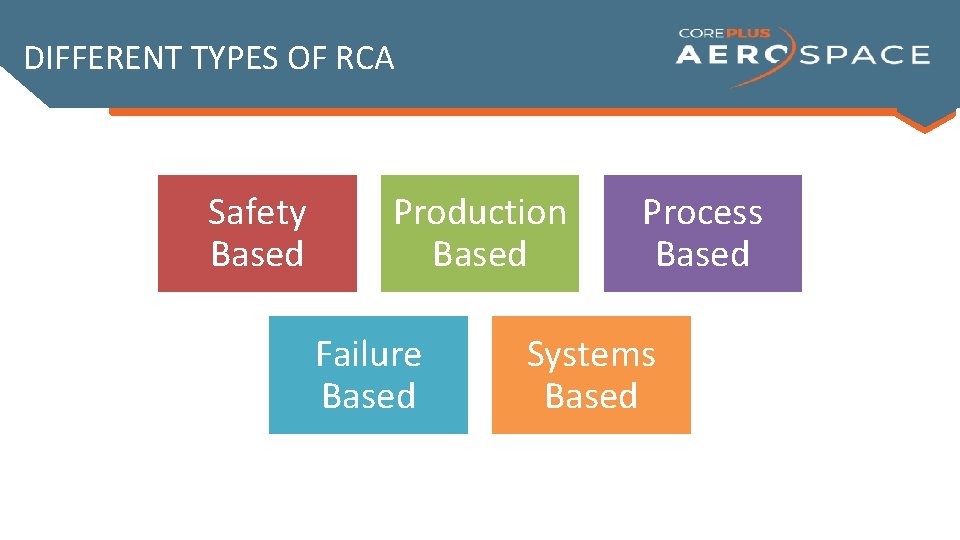
DIFFERENT TYPES OF RCA Safety Based Production Based Failure Based Process Based Systems Based
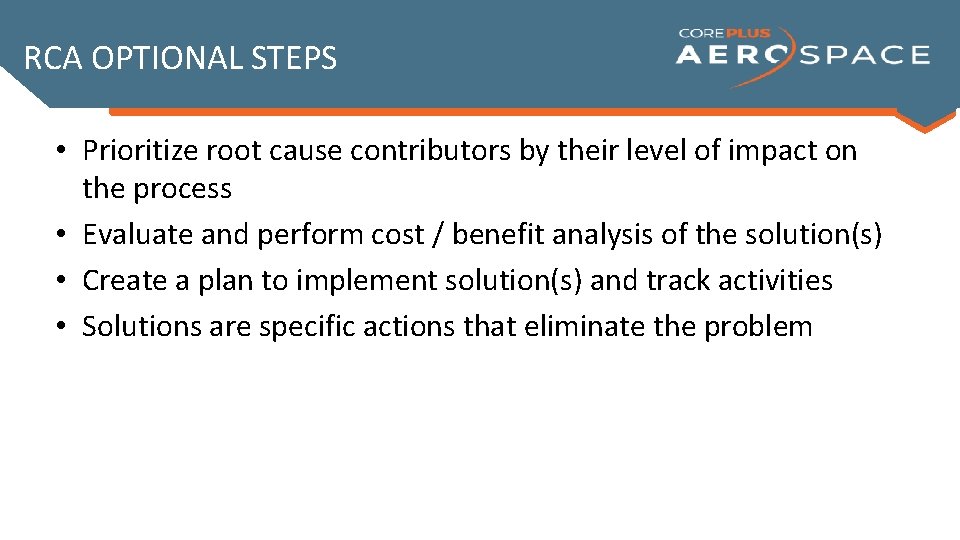
RCA OPTIONAL STEPS • Prioritize root cause contributors by their level of impact on the process • Evaluate and perform cost / benefit analysis of the solution(s) • Create a plan to implement solution(s) and track activities • Solutions are specific actions that eliminate the problem
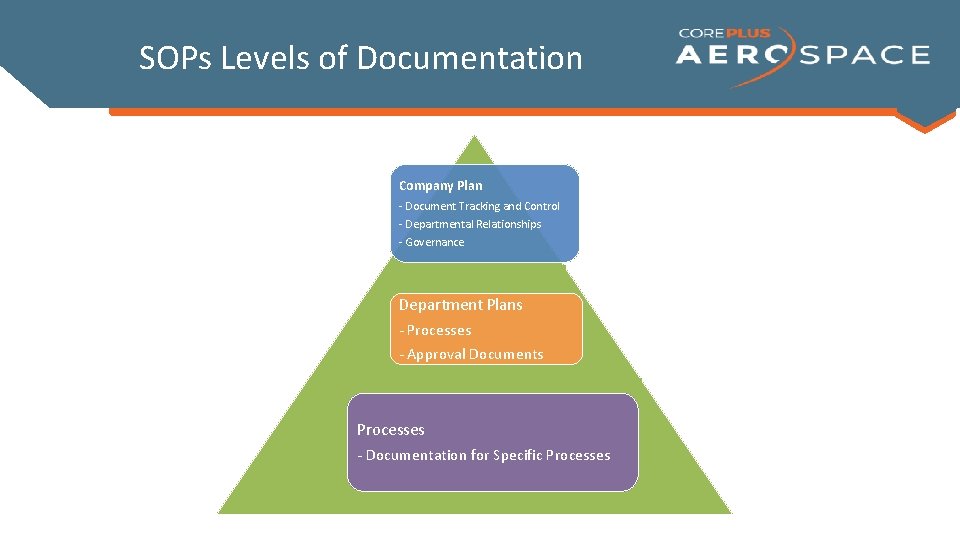
SOPs Levels of Documentation Company Plan - Document Tracking and Control - Departmental Relationships - Governance Department Plans - Processes - Approval Documents Processes - Documentation for Specific Processes
ACTIVITY: UNIT PROJECT CAPSTONE
COURSE OBJECTIVES By completing this course, you are now able to: • Define QMS • Describe Enterprise Level QMS (Large Companies) • Explain the hierarchy of a manufacturing production order • Identify a standardized process in their environment • Demonstrate knowledge of SOP and identify revisions required for increase/effective Enterprise QMS
COURSE OBJECTIVES By completing this course, you are now able to: • Define QMS • Describe Enterprise Level QMS (Large Companies) • Explain the hierarchy of a manufacturing production order • Identify a standardized process in their environment • Demonstrate knowledge of SOP and identify revisions required for increase/effective Enterprise QMS
ACTIVITIES • • Standardized Manufacturing in Aerospace Journaling Traveler, Job Sheets, Work Docs: Activity and Examples The Hierarchy of Paperwork Improve It (Flow Charting) Root Cause Analysis Reading Final Unit Capstone Assignment
Acknowledgements Aerospace Joint Apprenticeship Committee (AJAC), American Society of Metals (ASM), The Boeing Company, National STEM Consortium (NSC), Skills, Inc. , WMATI About These Materials Copyright © 2015 by Washington Manufacturing Advanced Training Institute (WMATI) The Core. Plus: Manufacturing Skills Curriculum is a collaboration among Boeing and WMATI License Unless otherwise specified, this work is licensed under a Creative Commons Attribution. Share. Alike 4. 0 International License. Attribution and Citation To attribute this course please reference WMATI. To cite this course please use the following citation example: WMATI. Core. Plus Manufacturing Skills Curriculum: Precision Measurement course. [URL if applicable. ] Core. Plus, 2015. Disclaimer This workforce solution was built from open license materials from many sources. There are no guarantees, warrantees, or assurances of any kind, express or implied, with respect to such information, including any information on linked sites and including, but not limited to, accuracy of the information or its completeness, timeliness, usefulness, adequacy, continued availability, or ownership.