
Unit 4 Photosynthesis Autotrophs make their own food
- Slides: 45
Unit: 4 Photosynthesis:
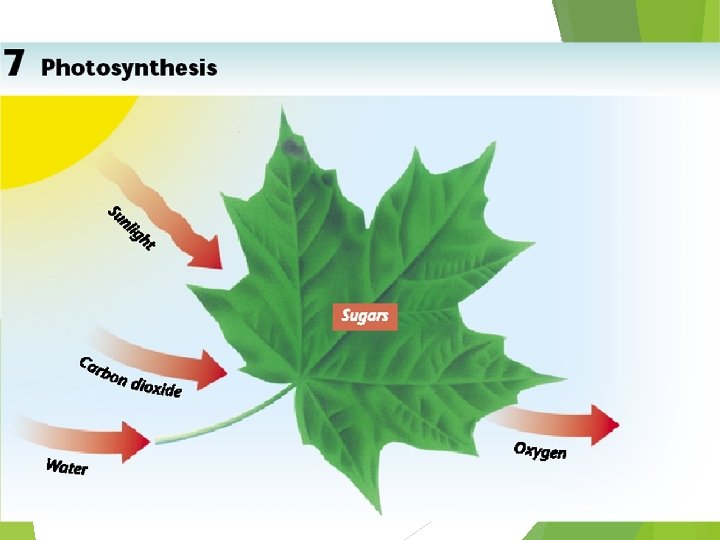
Autotrophs make their own food, and most use photosynthesis to do it. * Plants are the most common, but algae and some bacteria use it. * All life depends on autotrophs (directly or indirectly) for food. * Nearly all living things obtain energy either directly (like plants) or indirectly (like heterotrophs that eat plants) from the sun’s energy captured during photosynthesis.
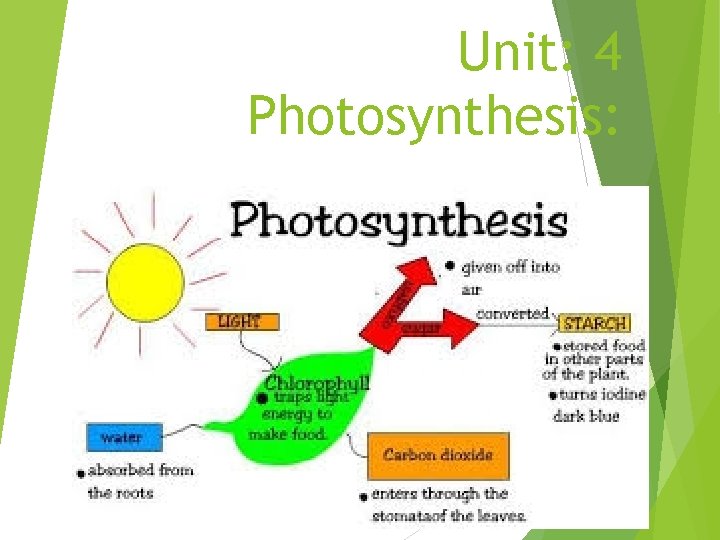
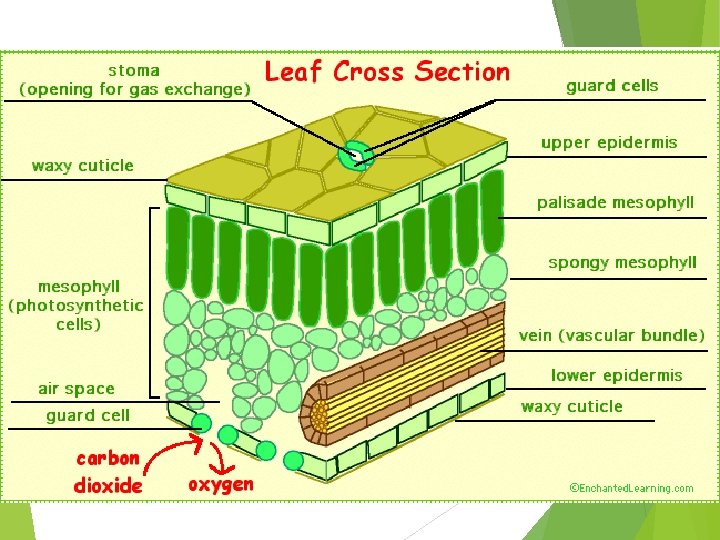
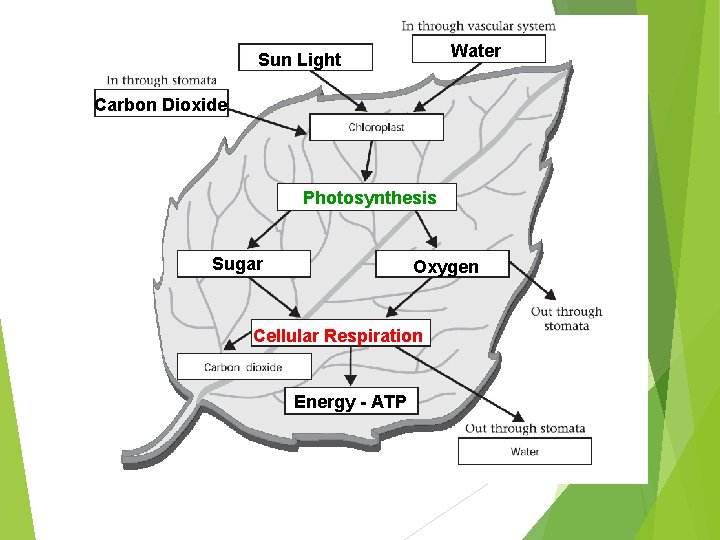
Photosynthesis (Simply Summarized) Leaves of plants have chloroplasts that are filled with chlorophyll, which capture the energy from the sunlight). * Water enters through the roots. * CO 2 enters through stomata openings on the underside of the leaves. * Water and CO 2 move to the chloroplasts. * Chemical reactions there, produce (O 2) and sugars like glucose (C 6 H 12 O 6). * Cells then use the energy in the sugars (carbohydrates) to function.
Photosynthesis Plant chloroplast capture light energy and converts it to chemical energy, which is stored in the bonds of sugar and other organic molecules synthesized from carbon dioxide and water This captured light energy is converted and stored as chemical energy know as photosynthesis
Water Sun Light Carbon Dioxide Photosynthesis Sugar Oxygen Cellular Respiration Energy - ATP
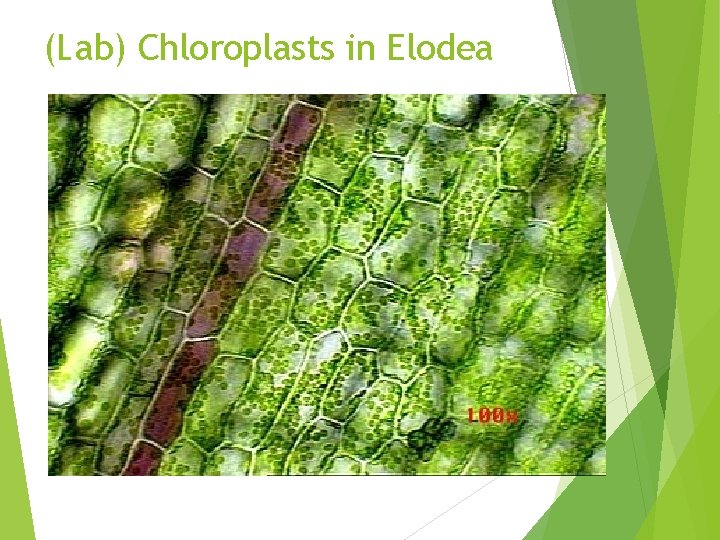
(Lab) Chloroplasts in Elodea
www. soulcare. org. Sid Galloway
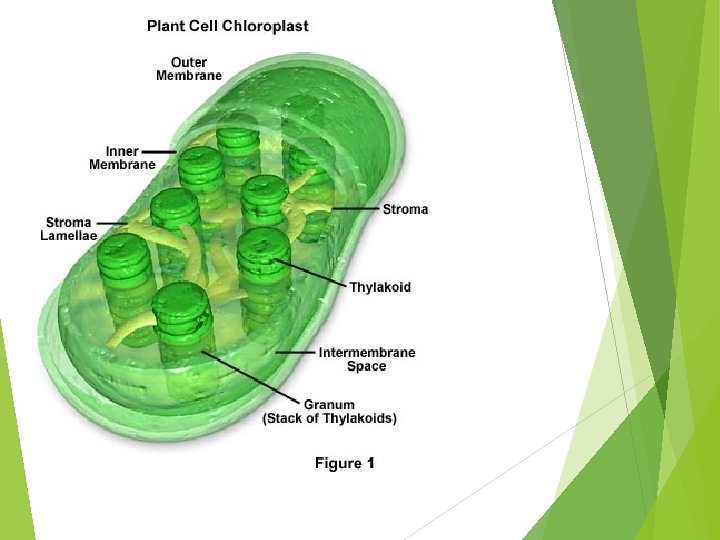
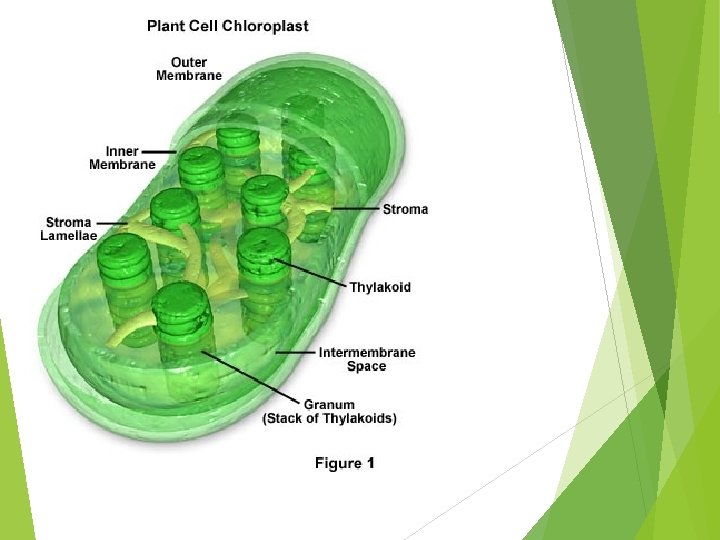
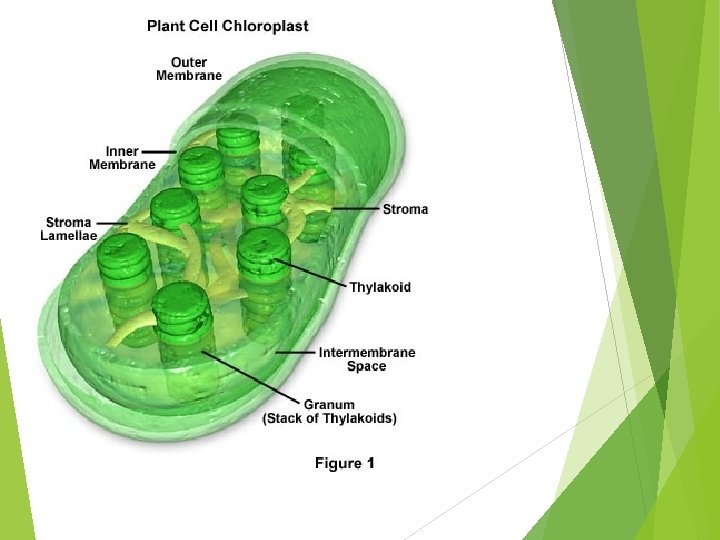
Chloroplast Chloroplasts are the site of photosynthesis Are found in all green plant parts The leaves are the major site of photosynthesis in most plants Chlorophyll is green pigment in chloroplast that gives leaf its color Chloroplast are found primarily in cells of the mesophyll ( of the leaf) Each mesophyll contains 30 -40 chloroplast
Parts of Chloroplast: 3 1. 2. 3. Stroma: fluid filled space outside thylakoid, Calvin cycle occurs here Thylakoid: flattened membranous sac inside chloroplast, light reaction occurs here. Grana: whole stack, while thylakoid is each individual Intermembrane space: a double membrane that partitions its contents from cytosol
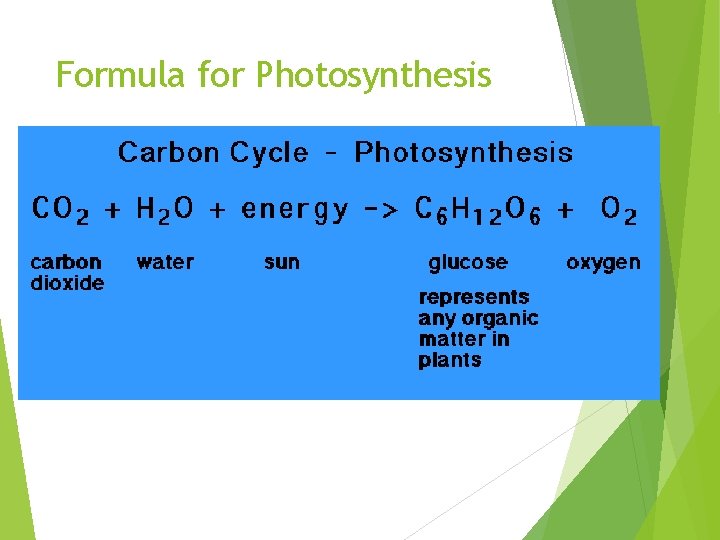
Formula for Photosynthesis
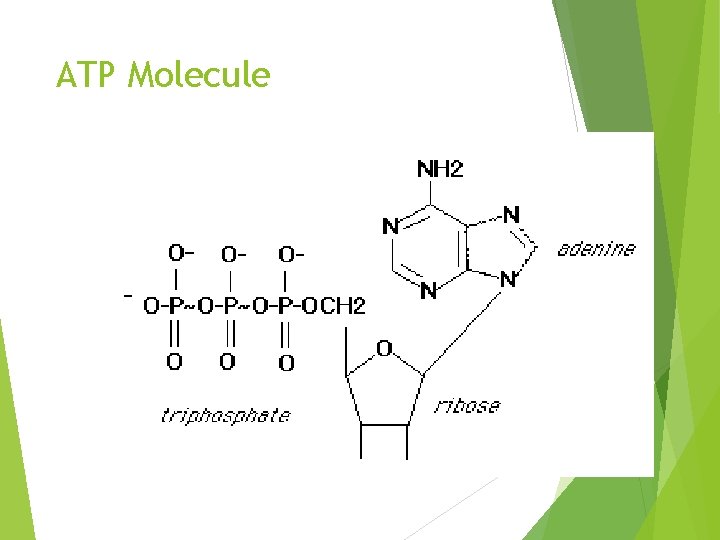
ATP Molecule
The overall photosynthetic equation has been known since the early 1880 s Glucose is the major product of photosynthesis Water appears on both sides of the equation because 12 molecules are consumed and 6 newly formed during photosynthesis
The discovery in 1930 s that oxygen given off by plants is derived from water and not from carbon dioxide was one of the earliest clues to the mechanisms of photosynthesis and indicates that chloroplasts split water into hydrogen and oxygen Products of photosynthesis are: glucose, oxygen, water and ATP
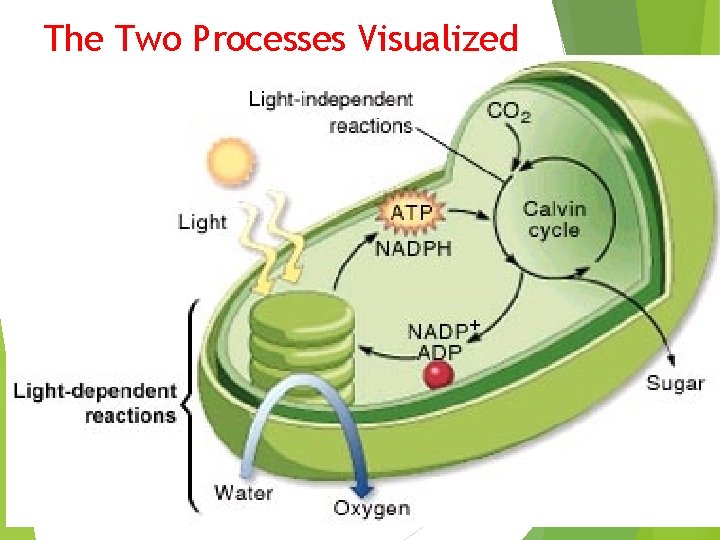
2 Stages of Photosynthesis Light Reaction: occurs in the thylakoid 1. 2. Calvin Cycle: occurs in stoma, also called dark reaction
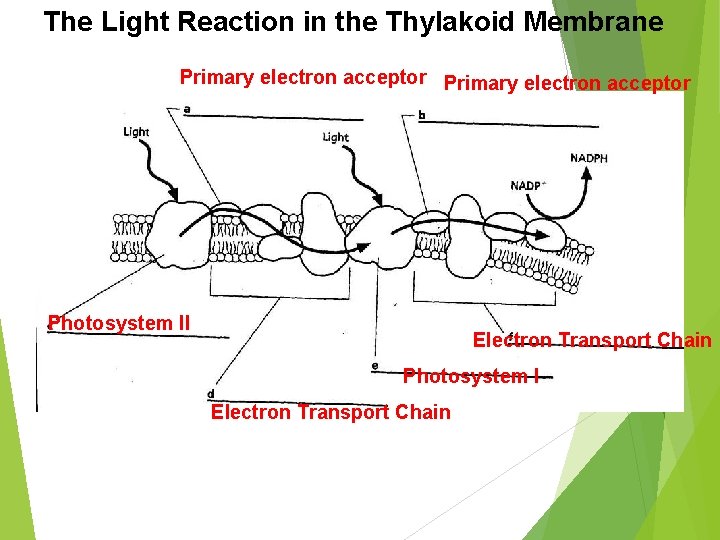
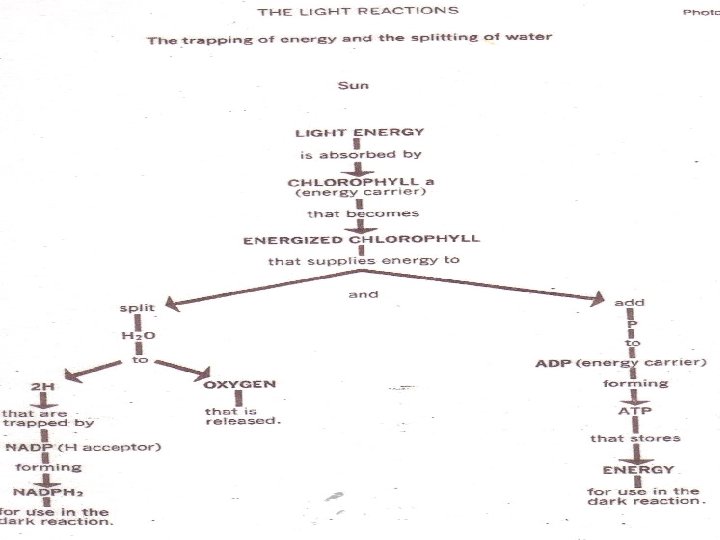
Light Reaction Occurs in Thylakoid Involves the conversion of light energy into chemical energy (photolysis) Water is split during this process and oxygen is released as a by product…reason plants make oxygen
The coenzyme NADP+ picks up hydrogen and electrons from the split water molecules and stores them for use in the Calvin cycle (dark reaction) ATP is also generated and stoed for energy for the dark reaction
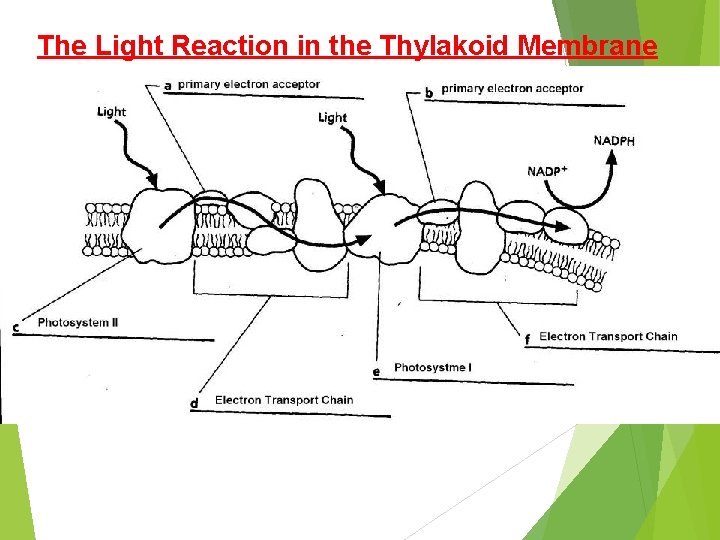
The Light Reaction in the Thylakoid Membrane
The Light Reaction in the Thylakoid Membrane Primary electron acceptor Photosystem II Electron Transport Chain Photosystem I Electron Transport Chain www. soulcare. org. Sid Galloway
www. soulcare. org. Sid Galloway
Electron flow 2 possible routes for electrons to flow during light reaction: 1. Cyclic flow: simplest pathway, generates ATP only 2. Noncyclic flow: light reaction usually happens this way NADP is formed
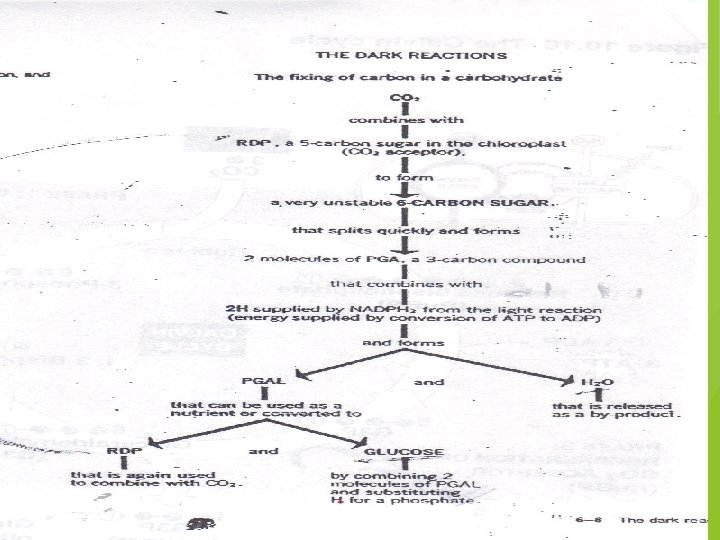
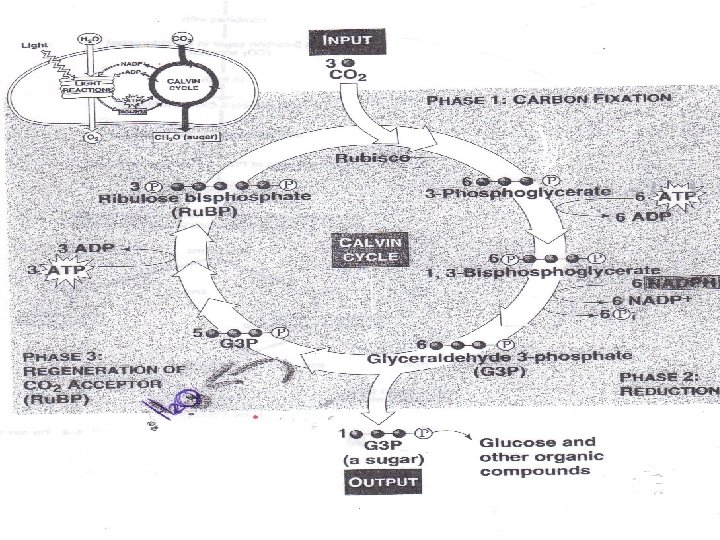
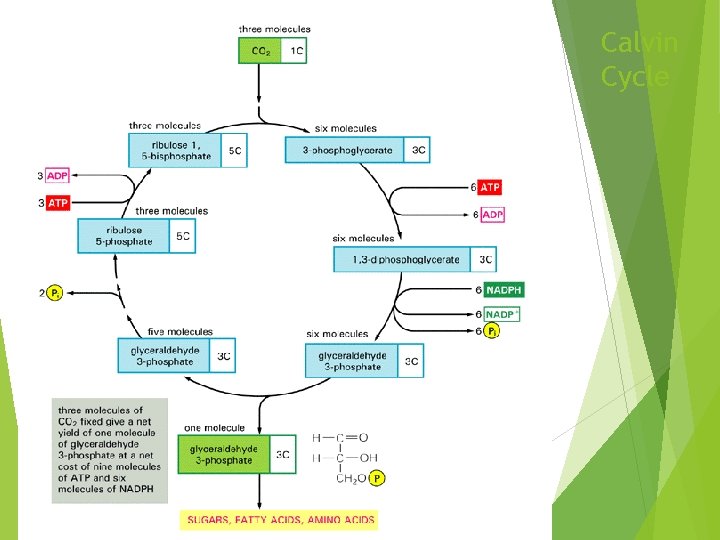
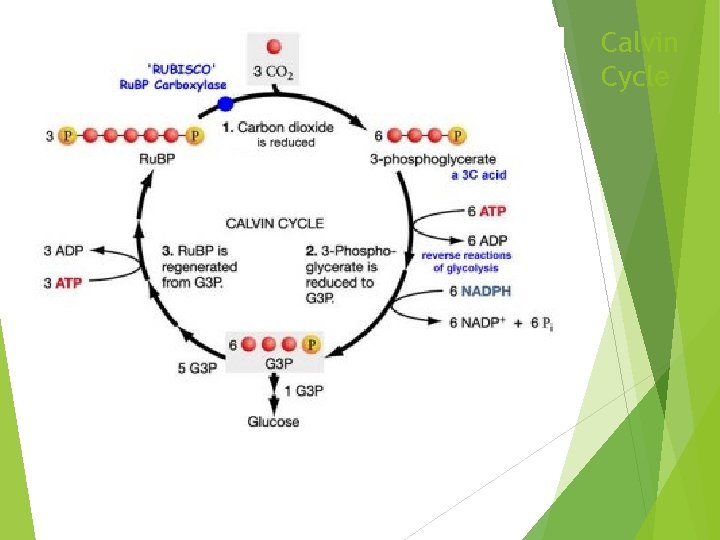
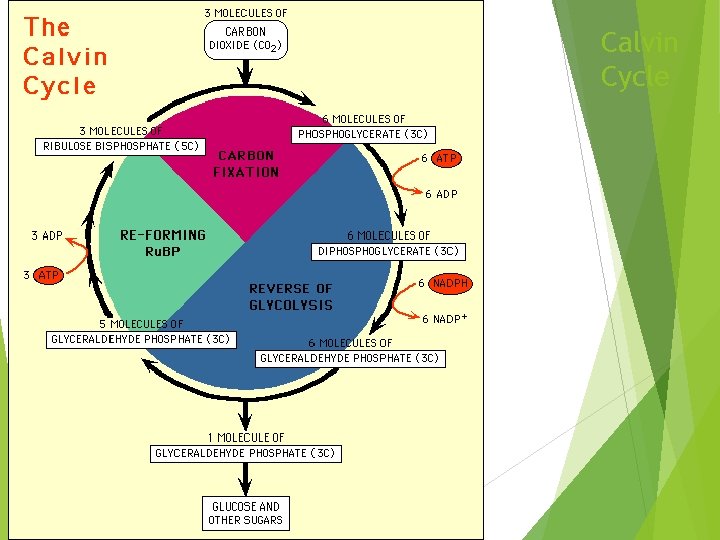
Calvin Cycle ( dark reaction) During this cycle, carbon dioxide from the air is fixed to a 5 carbon sugar (ribulose bisphosphate ) by the addition of electrons from NADP+ from the light reaction ( this is called carbon fixation) resulting in a new unstable 6 carbon sugar
This unstable 6 carbon sugar begins going through various chemical reactions The 2 necessary components for carbon fixation to occur here are: an electron source (NADP+) and an energy source (ATP)…both supplied by the light reaction Water is released as a by-product
Glucose is made as the plant energy/food supply Ribulose bisphosphate is the 5 carbon sugar made at the end of the cycle and is again used to combine with carbon dioxide for carbon fixation 9 molecules of ATP and 6 molecules of NADPH are needed to synthesis one glucose molecule
Also called dark reaction…does not require light directly, but need the products of light reaction to occur.
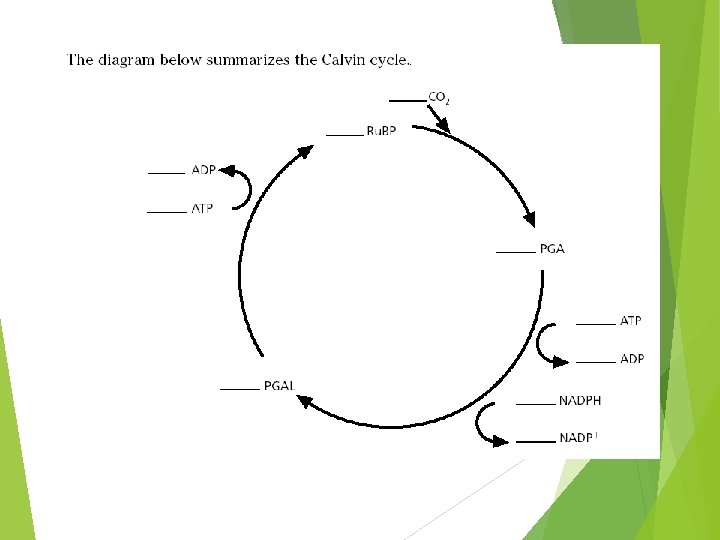
Three Steps of the Calvin Cycle: a. CO 2 combines with Ru. BP to form two molecules of PGA. b. Each molecule of PGA is converted into a molecule of PGAL. c. Most of the PGAL is converted back into Ru. BP, but some PGAL can be used later to make different organic compounds. * Ru. BP = five-carbon carbohydrate. * PGA and PGAL are both three-carbon molecule * C 3 Plants (produce the 3 -Carbon PGA), and use only the Calvin Cycle for carbon fixation.
The Two Processes Visualized
www. soulcare. org. Sid Galloway
www. soulcare. org. Sid Galloway
Calvin Cycle www. soulcare. org. Sid Galloway
Calvin Cycle
Calvin Cycle
Photosynthetic pigments Pigments: substances that absorb visible light Different pigments absorb light of different wavelengths
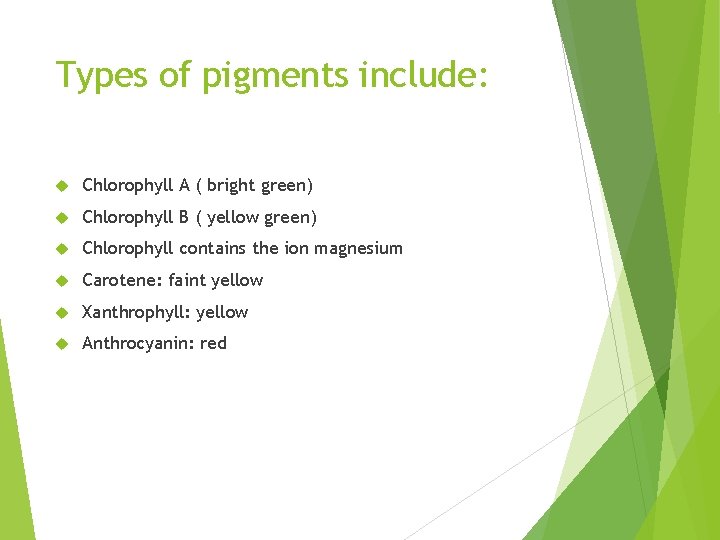
Types of pigments include: Chlorophyll A ( bright green) Chlorophyll B ( yellow green) Chlorophyll contains the ion magnesium Carotene: faint yellow Xanthrophyll: yellow Anthrocyanin: red
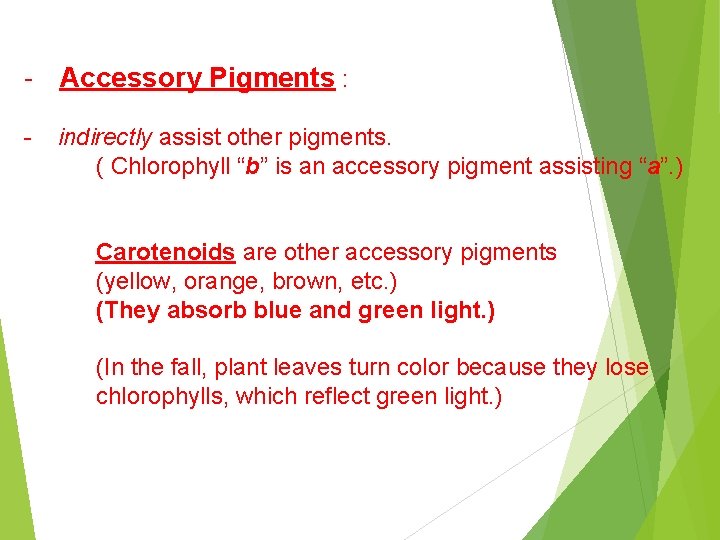
* - Accessory Pigments : - indirectly assist other pigments. ( Chlorophyll “b” is an accessory pigment assisting “a”. ) Carotenoids are other accessory pigments (yellow, orange, brown, etc. ) (They absorb blue and green light. ) (In the fall, plant leaves turn color because they lose chlorophylls, which reflect green light. )
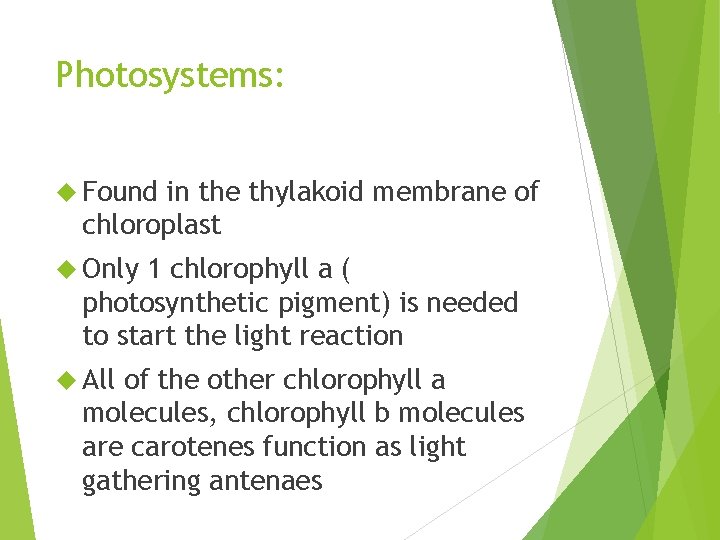
Photosystems: Found in the thylakoid membrane of chloroplast Only 1 chlorophyll a ( photosynthetic pigment) is needed to start the light reaction All of the other chlorophyll a molecules, chlorophyll b molecules are carotenes function as light gathering antenaes
The entire complex of light gathering molecules is called a photosystem. There are 2 types of photosystems: 1. photosystem I: called P 700. . absorbs light up to 700 nm wavelength 2. Photosystem II: called P 600…absorbs light up to 600 nm wavelength
Electron Transport System of the light reactions. * Photosystem = cluster of pigment molecules grouped in the thylakoid membrane. Two types: Photosystem II – Actually begins the process Photosystem I – Called “ 1” is believed to have evolved first. * Accessory pigment molecules start the light reactions by absorbing light energy. (It is passed to other pigment molecules until it reaches chlorophyll a molecules. ) *
Alternative Pathways * First, remember that C 3 Plants are those that only use the Calvin Cycle to fix carbon. - They are called C 3 plants, since they fix CO 2 into a compound with 3 carbons (PGAL). * Others in hot, dry climates supplement the Calvin cycle with alternatives (C 4 or CAM), because their stomata openings in the leaves must close to preserve moisture, so the amount of CO 2 they absorb is reduced.
C 4 Pathway – use an enzyme which fixes CO 2 into compounds with 4 carbons, which are then transported to other cells where CO 2 is available to then use the Calvin Cycle. (corn, sugar cane, are examples) CAM Pathway – These plants open the stomata only at night to reduce water loss. They take in and fix it into compounds, which then release it during the day for use in the Calvin Cycle. (cactuses, pineapples, etc. )
Rate of Photosynthesis * Increases as either light intensity or CO 2 increase, but eventually plateaus at a maximum. * Increases as the temperature increases, up to a certain temperature. (Beyond a certain high temperature, the rate of photosynthesis decreases. )