
Unit 4 Lesson 2 or Lesson 33 Mixtures

- Slides: 15
Unit 4, Lesson 2 or Lesson 33 Mixtures
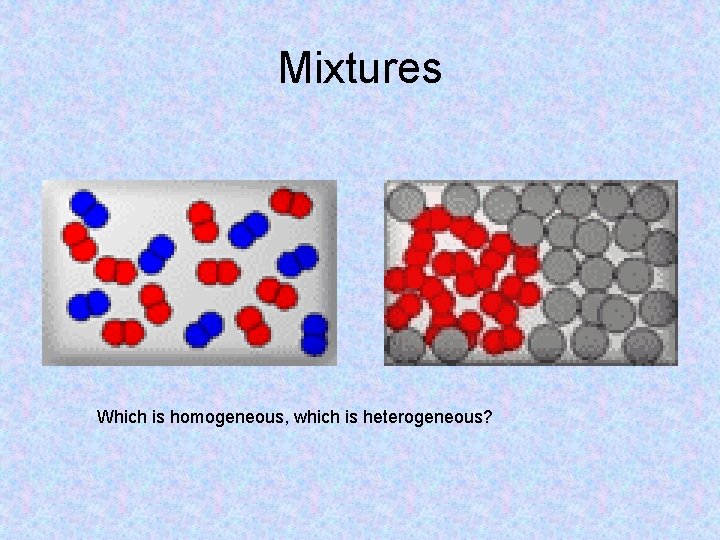
Mixtures Which is homogeneous, which is heterogeneous?
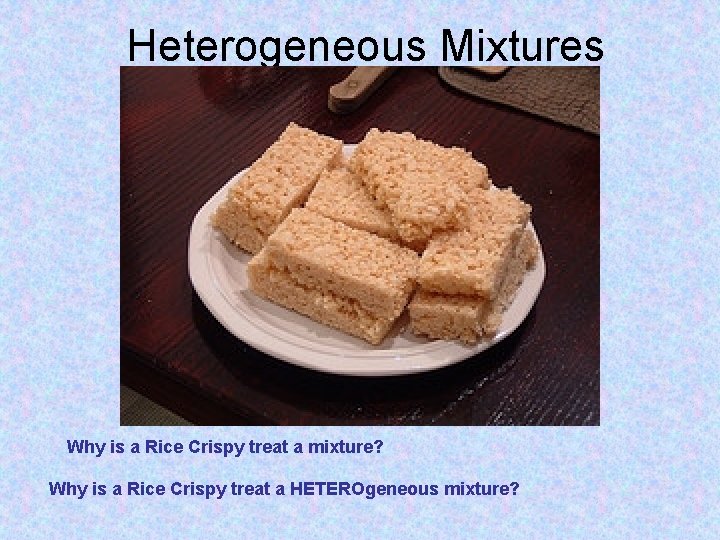
Heterogeneous Mixtures Why is a Rice Crispy treat a mixture? Why is a Rice Crispy treat a HETEROgeneous mixture?
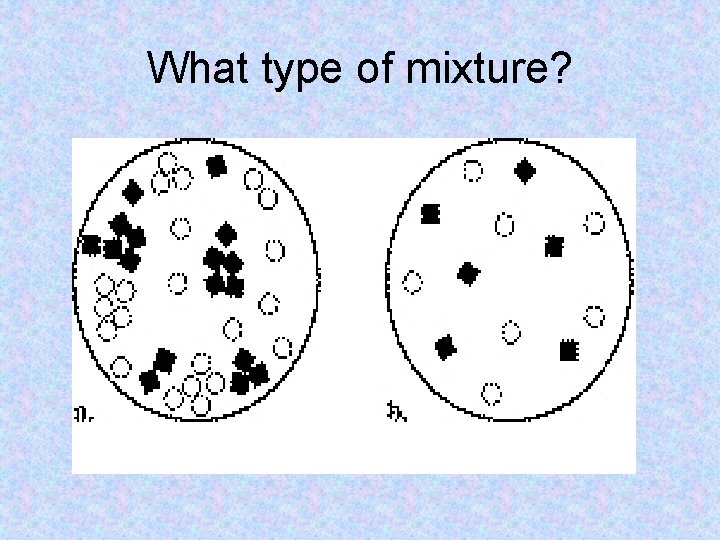
What type of mixture?
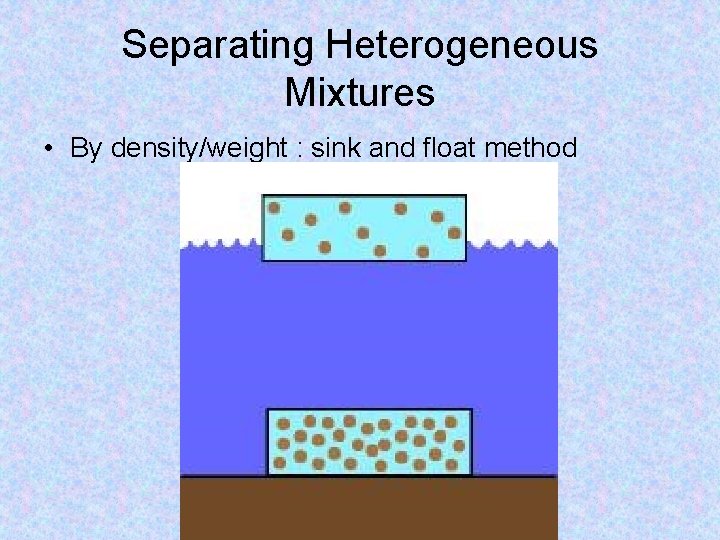
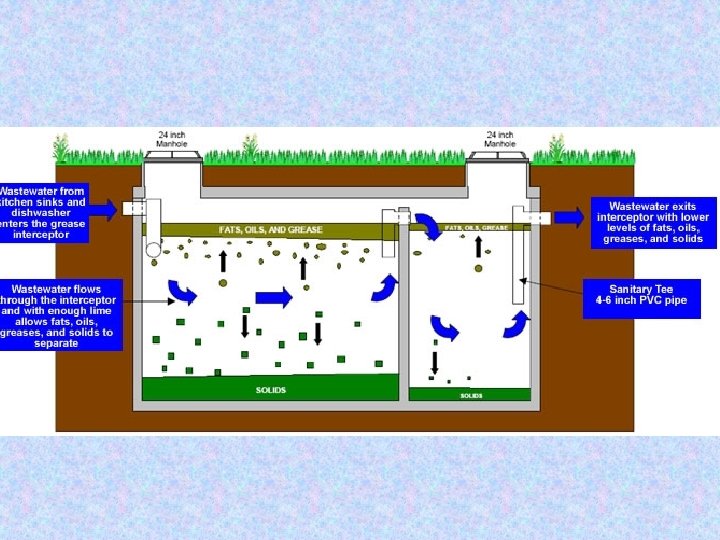
Separating Heterogeneous Mixtures • By density/weight : sink and float method
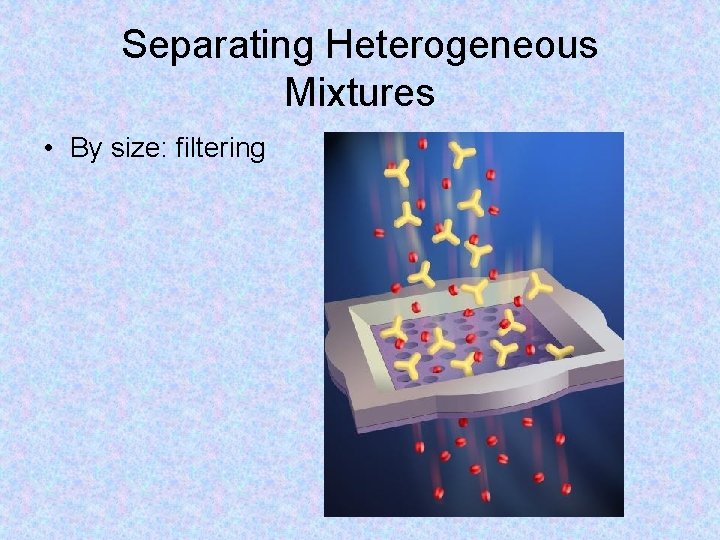
Separating Heterogeneous Mixtures • By size: filtering
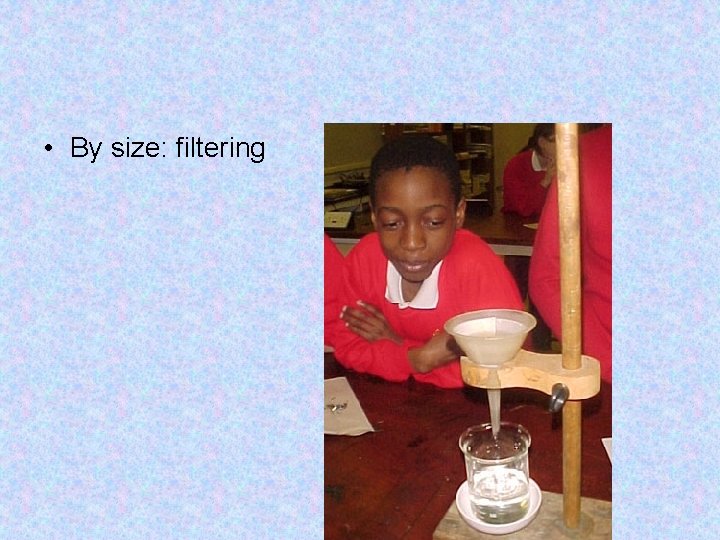
• By size: filtering
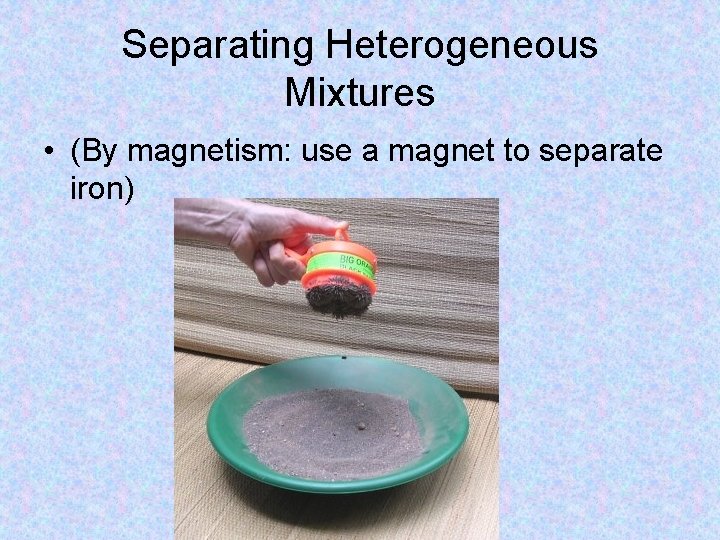
Separating Heterogeneous Mixtures • (By magnetism: use a magnet to separate iron)
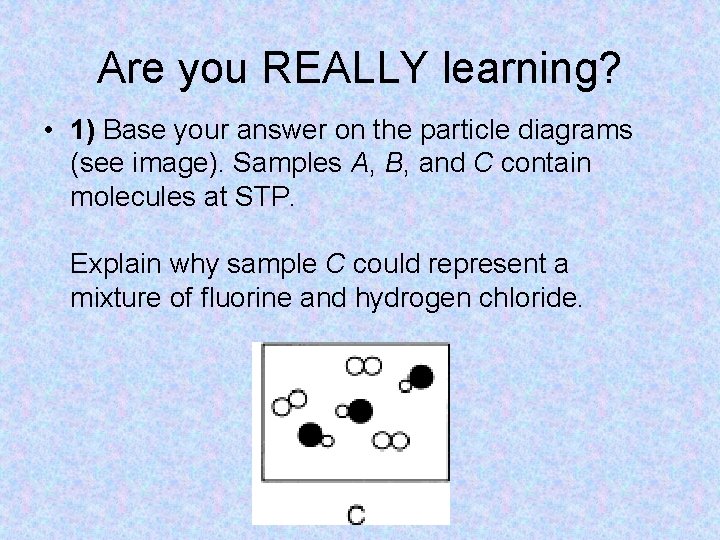
Are you REALLY learning? • 1) Base your answer on the particle diagrams (see image). Samples A, B, and C contain molecules at STP. Explain why sample C could represent a mixture of fluorine and hydrogen chloride.
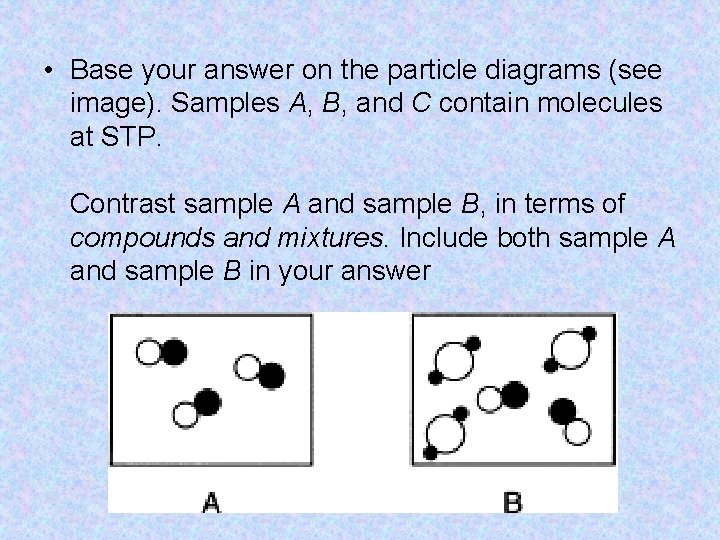
• Base your answer on the particle diagrams (see image). Samples A, B, and C contain molecules at STP. Contrast sample A and sample B, in terms of compounds and mixtures. Include both sample A and sample B in your answer
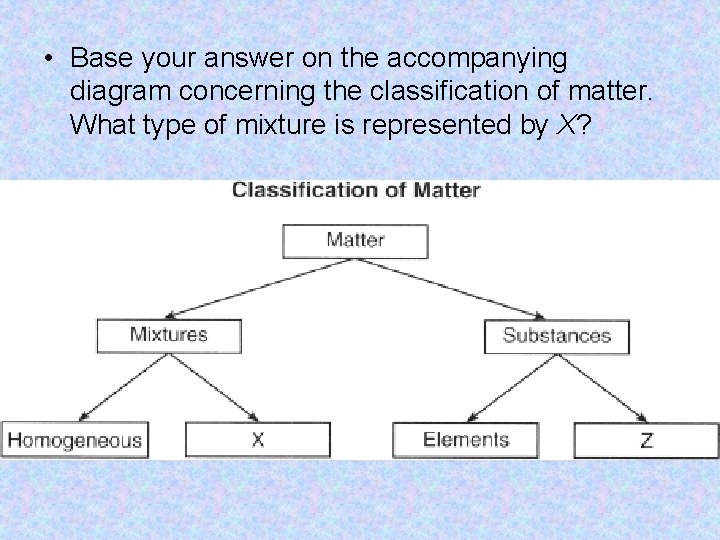
• Base your answer on the accompanying diagram concerning the classification of matter. What type of mixture is represented by X?
• Given a mixture of sand water, state one process that can be used to separate water from the sand.
• 1. 2. 3. 4. A dry mixture of KNO 3 and sand could be separated by adding water to the mixture and filtering heating the mixture to a high temperature adding water to the mixture and evaporating cooling the mixture to a low temperature
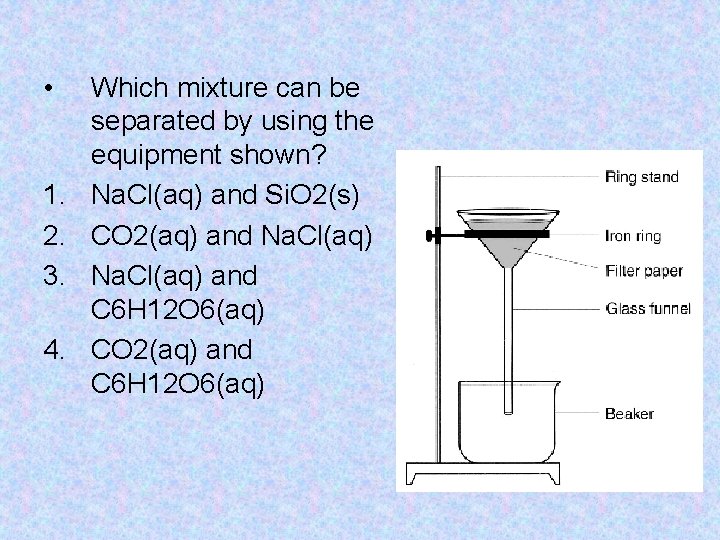
• 1. 2. 3. 4. Which mixture can be separated by using the equipment shown? Na. Cl(aq) and Si. O 2(s) CO 2(aq) and Na. Cl(aq) and C 6 H 12 O 6(aq) CO 2(aq) and C 6 H 12 O 6(aq)