
UNIT 4 How Have the Values and Principles


- Slides: 16
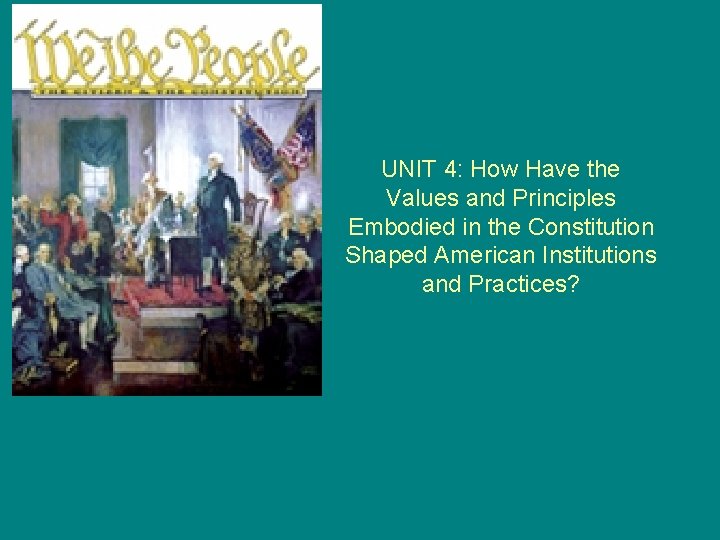
UNIT 4: How Have the Values and Principles Embodied in the Constitution Shaped American Institutions and Practices?
PRINCIPLES • • • Popular sovereignty Natural rights Limited government Political equality Rule of law
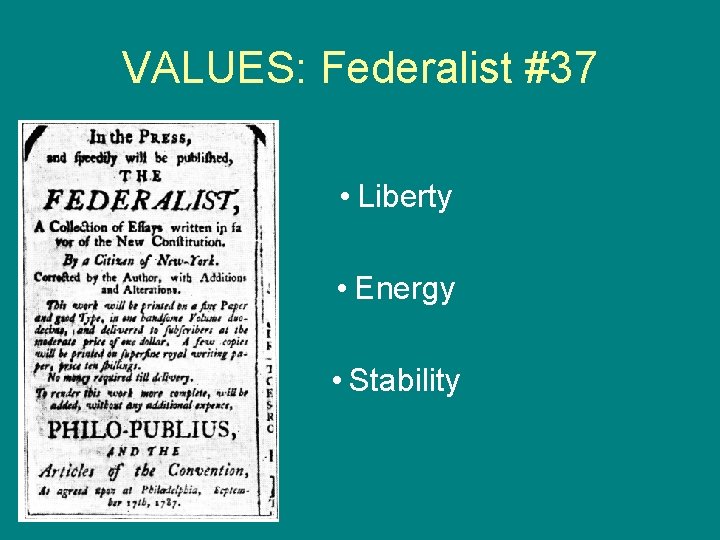
VALUES: Federalist #37 • Liberty • Energy • Stability
LIBERTY • Demands all power be “dependent on the people” • Requires trust in many, not few, hands
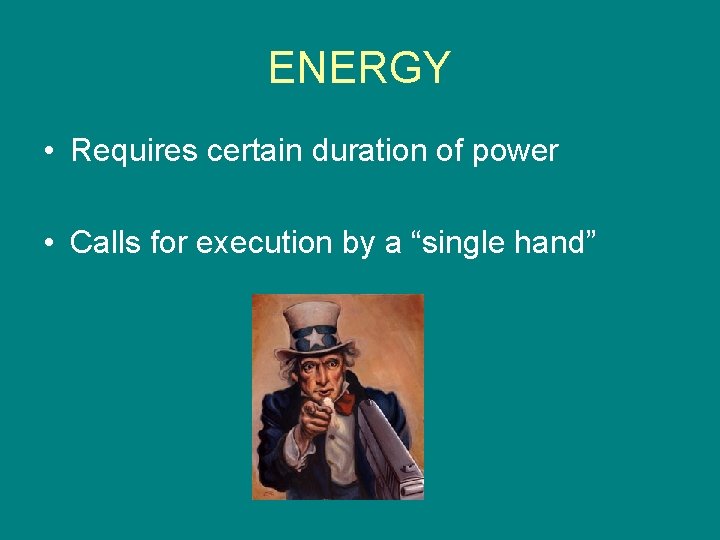
ENERGY • Requires certain duration of power • Calls for execution by a “single hand”
STABILITY • Requires power to continue for a length of time • Requires “barrier to the encroachments and oppressions of the representative body” (judicial function) (#78)
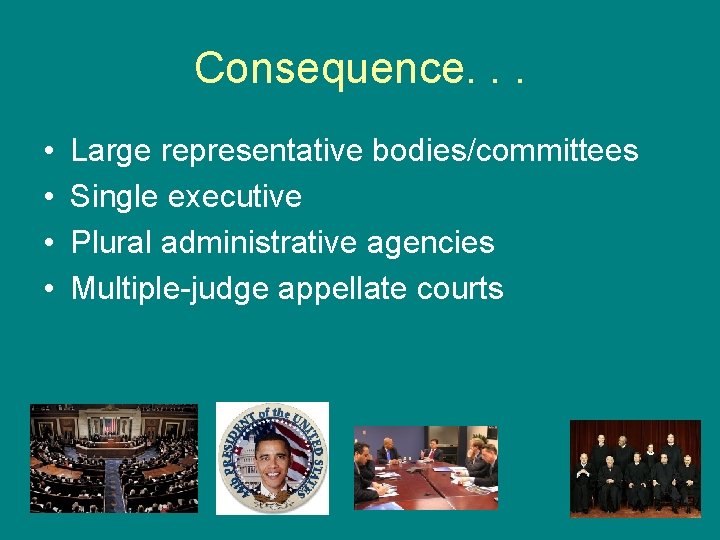
Consequence. . . • • Large representative bodies/committees Single executive Plural administrative agencies Multiple-judge appellate courts
Constitutional Challenges “Mingling” liberty, energy, stability in their “due proportions” in national government Marking “proper line of partition” between national and state governments
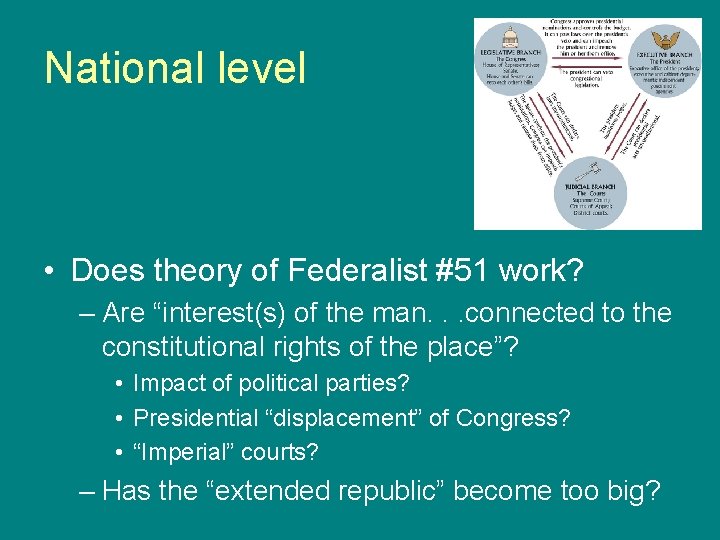
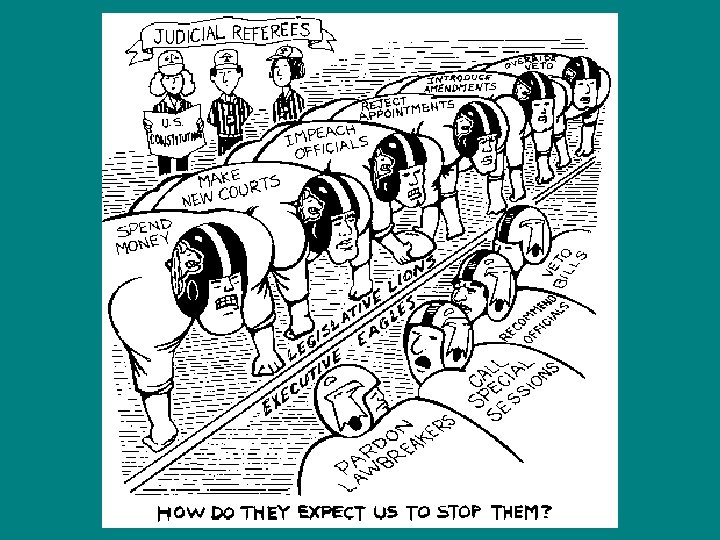
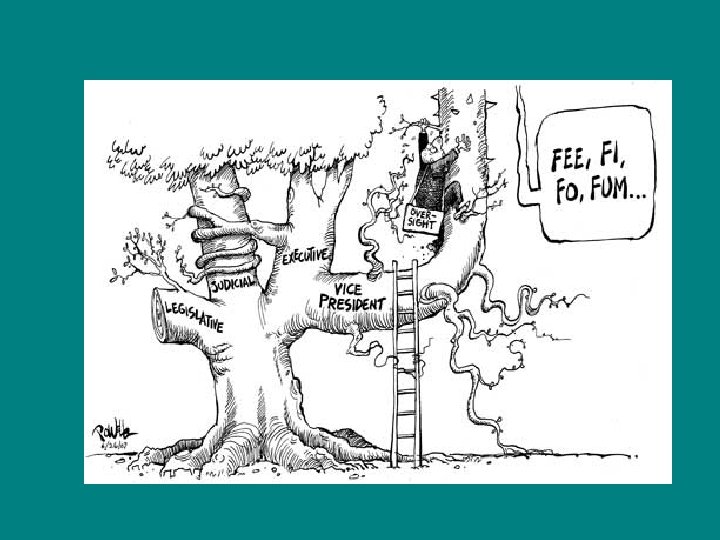
Unit 4: Are liberty, energy and stability “properly mingled” today? Do the legislative, executive and judicial departments control each other through separation of powers/checks & balances? Do the different governments (state and national) control each other?
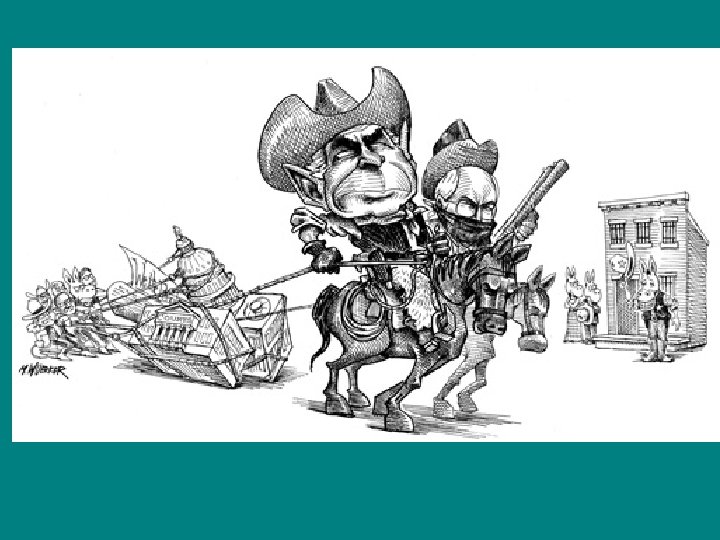
National level • Does theory of Federalist #51 work? – Are “interest(s) of the man. . . connected to the constitutional rights of the place”? • Impact of political parties? • Presidential “displacement” of Congress? • “Imperial” courts? – Has the “extended republic” become too big?
Federalism • Do state governments provide “security. . . to the rights of the people”?
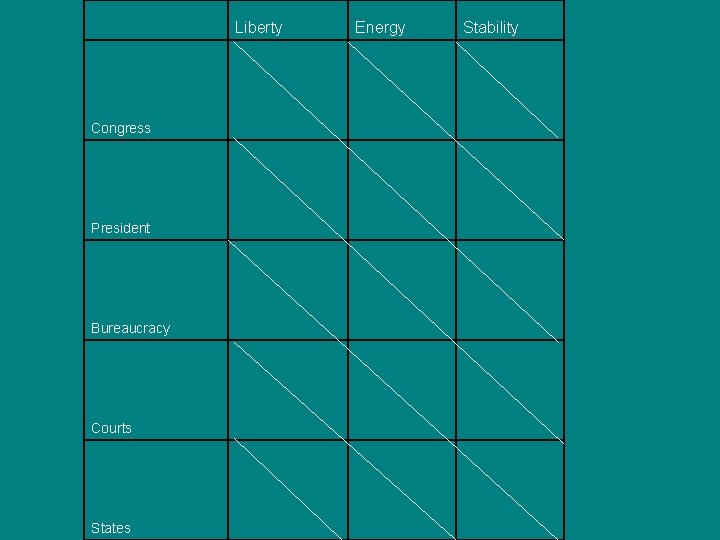
Liberty Energy Stability Congress President Bureaucracy Courts States