
Unit 4 Cell Processes Photosynthesis Cellular Respiration Movement
- Slides: 36
Unit 4 Cell Processes Photosynthesis Cellular Respiration Movement Across the Membrane
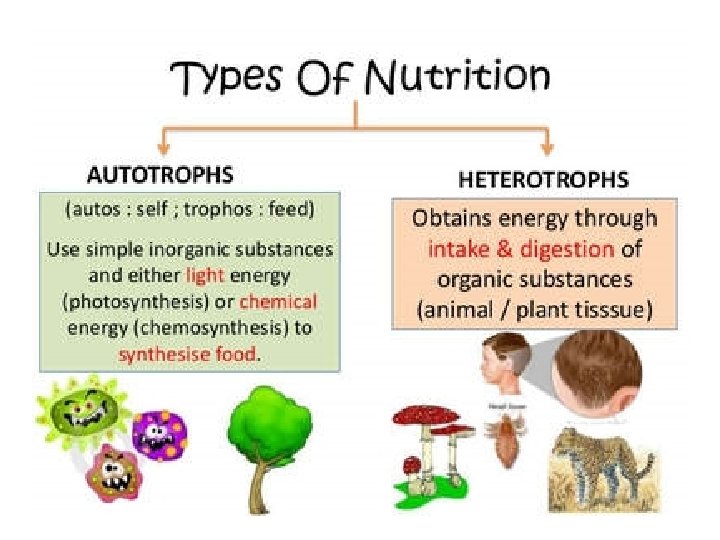
Chloroplast • Plants and some other types of organisms are able to use the light energy from the sun to produce food. We call those organisms that make the own food are autotrophs (plants, algae, bacteria) • What is the name of the process by which plants make their own food? Make a guess!
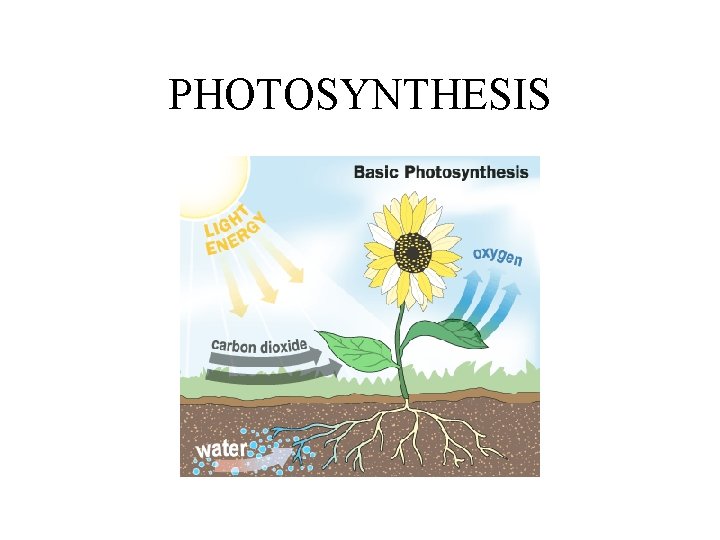
PHOTOSYNTHESIS
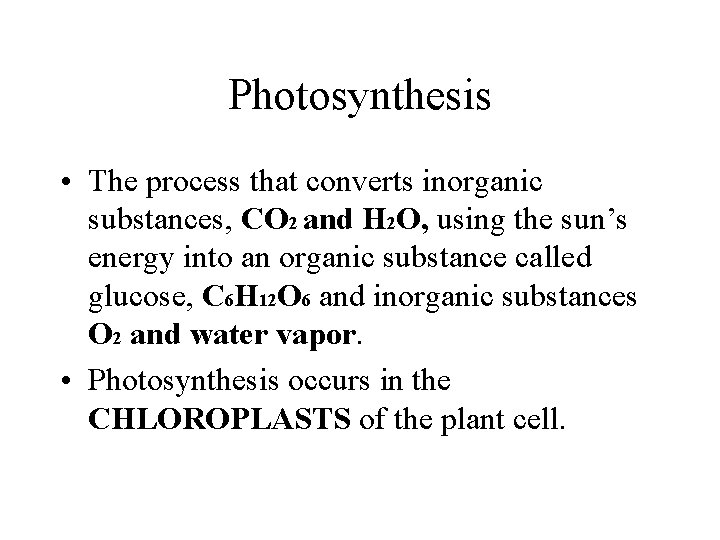
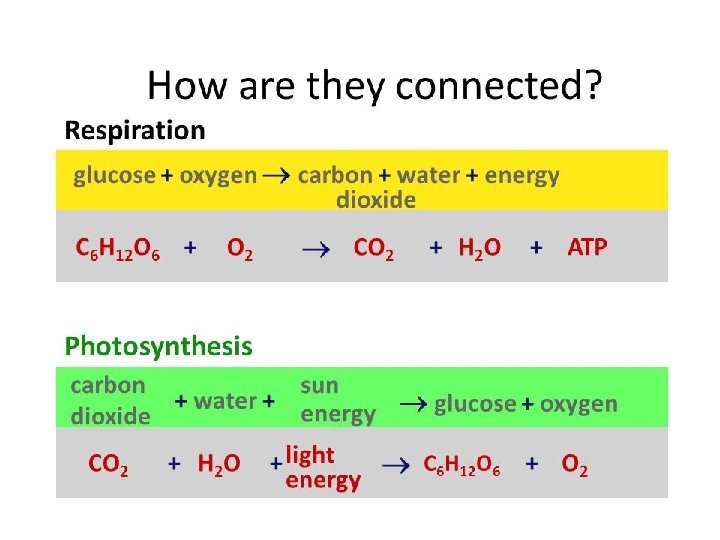
Photosynthesis • The process that converts inorganic substances, CO 2 and H 2 O, using the sun’s energy into an organic substance called glucose, C 6 H 12 O 6 and inorganic substances O 2 and water vapor. • Photosynthesis occurs in the CHLOROPLASTS of the plant cell.
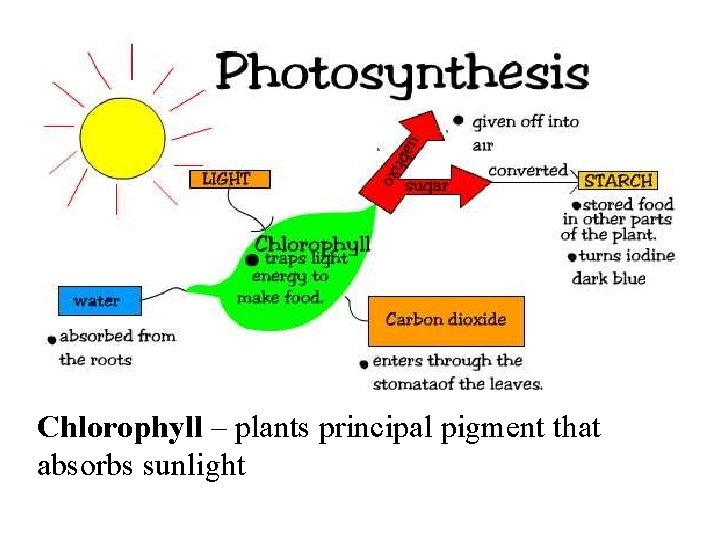
Chlorophyll – plants principal pigment that absorbs sunlight
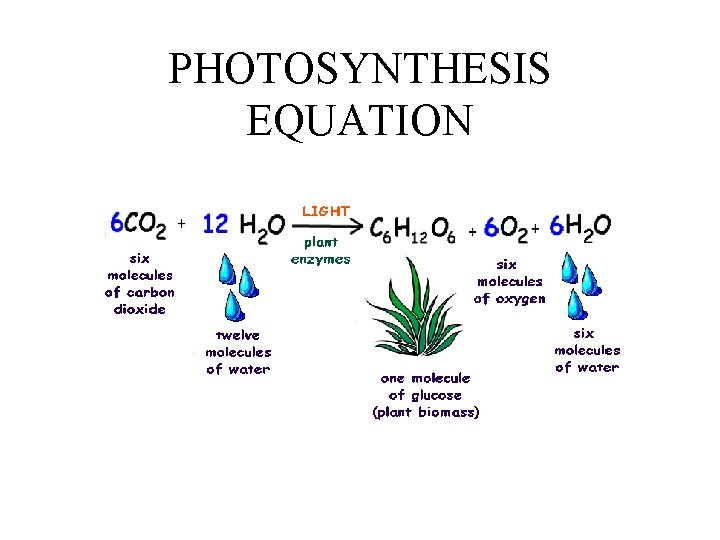
PHOTOSYNTHESIS EQUATION
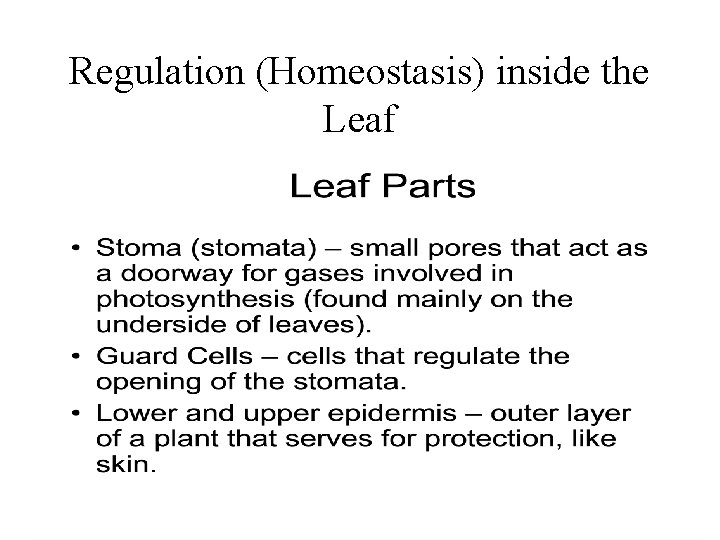
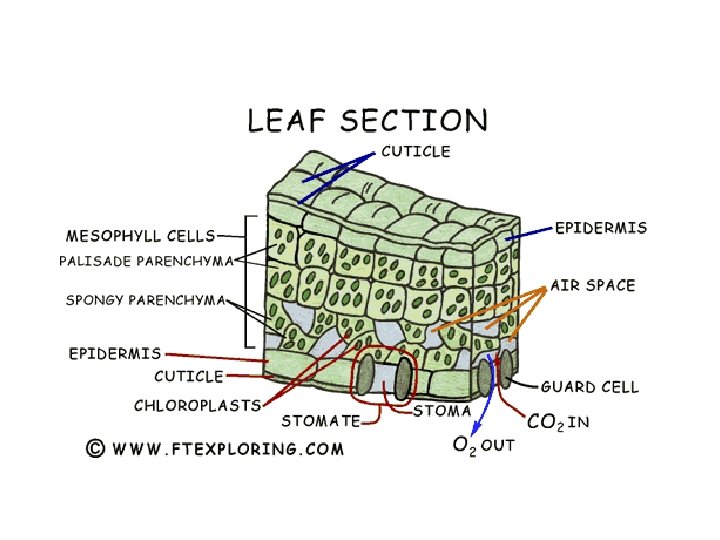
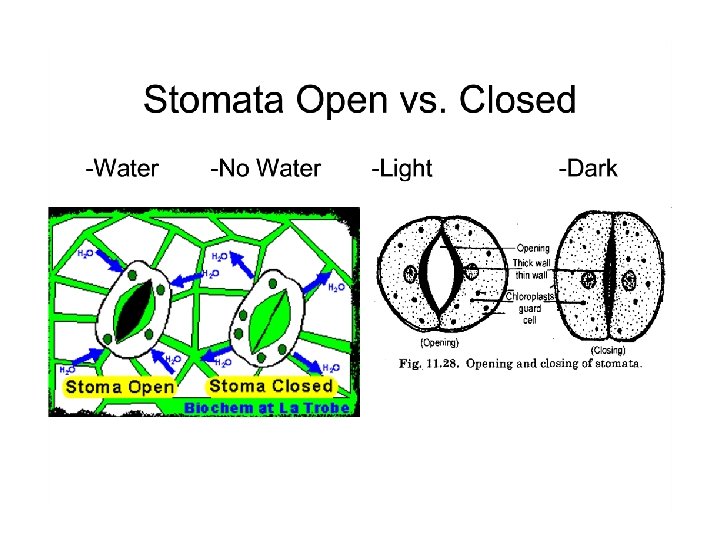
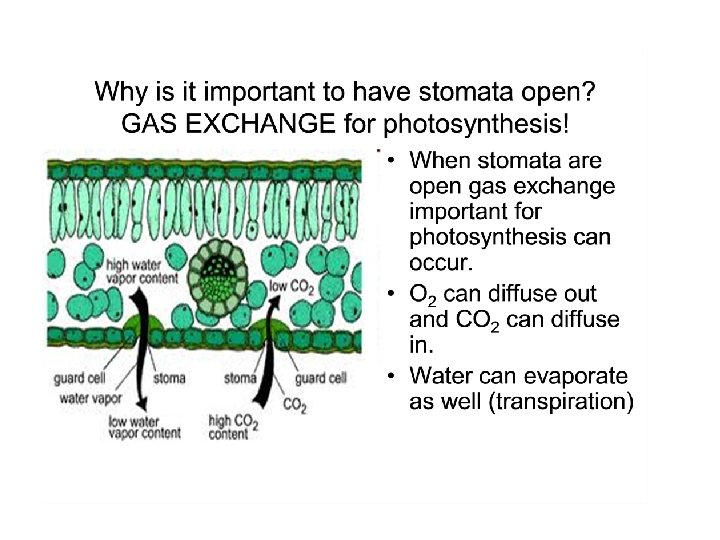
Regulation (Homeostasis) inside the Leaf
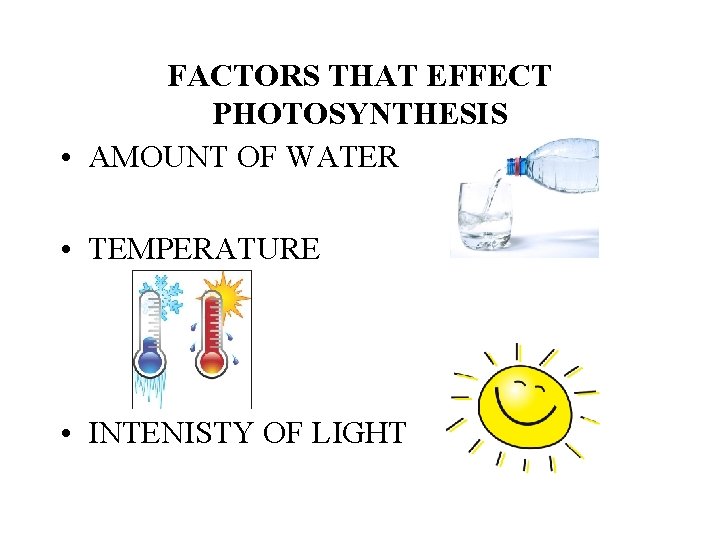
FACTORS THAT EFFECT PHOTOSYNTHESIS • AMOUNT OF WATER • TEMPERATURE • INTENISTY OF LIGHT
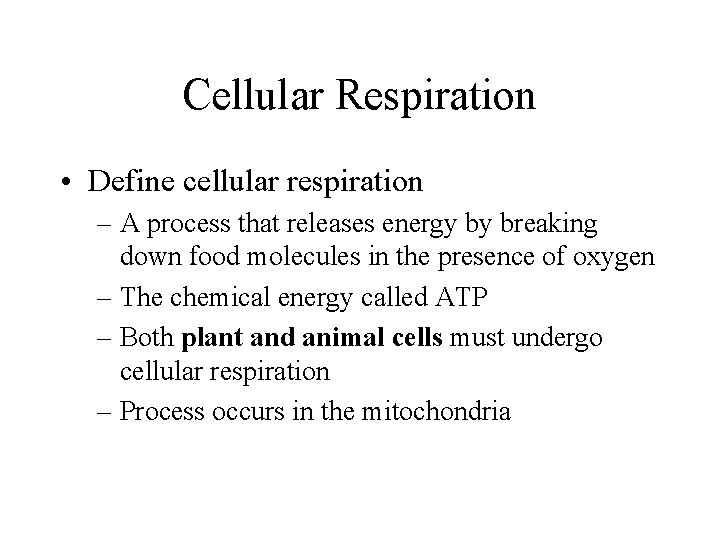
Cellular Respiration • Define cellular respiration – A process that releases energy by breaking down food molecules in the presence of oxygen – The chemical energy called ATP – Both plant and animal cells must undergo cellular respiration – Process occurs in the mitochondria
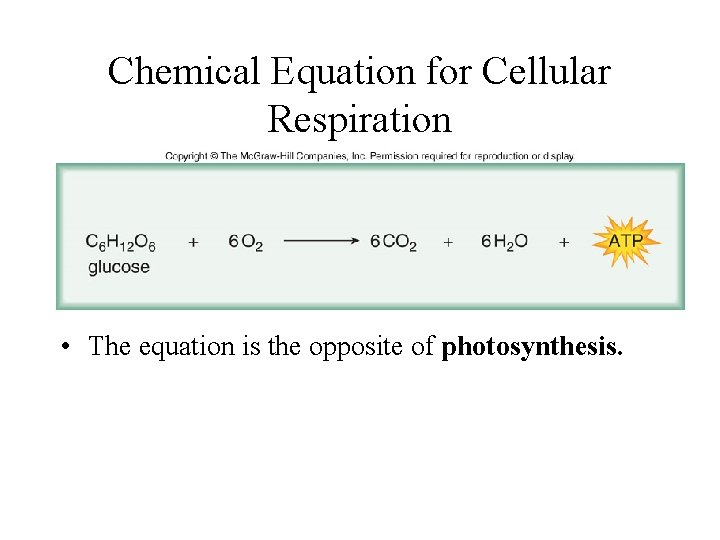
Chemical Equation for Cellular Respiration • The equation is the opposite of photosynthesis.
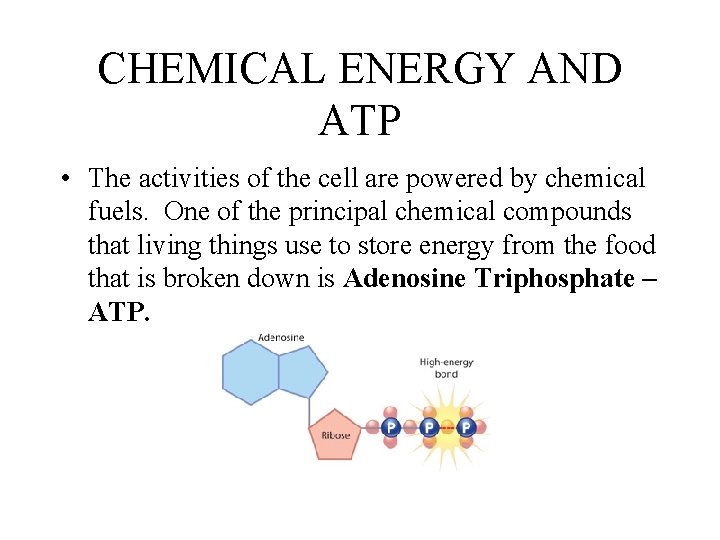
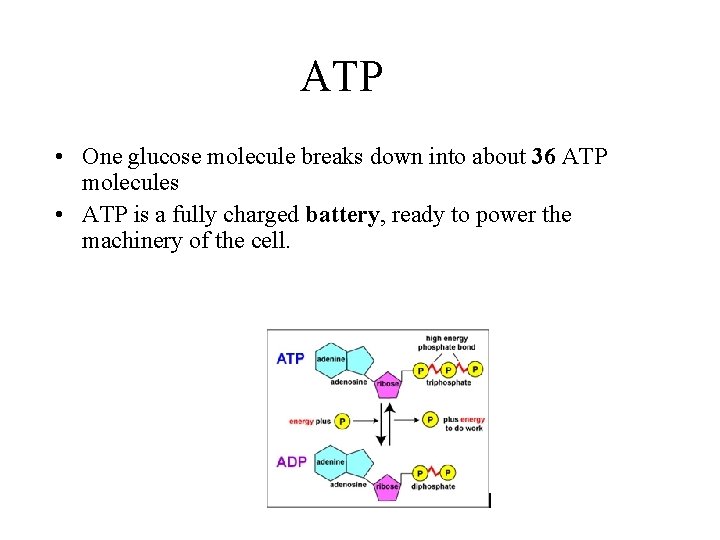
CHEMICAL ENERGY AND ATP • The activities of the cell are powered by chemical fuels. One of the principal chemical compounds that living things use to store energy from the food that is broken down is Adenosine Triphosphate – ATP.
ATP • One glucose molecule breaks down into about 36 ATP molecules • ATP is a fully charged battery, ready to power the machinery of the cell.
Energy • Cells use energy for – Active transport – Movement within the cell – Muscle Contractions – Making Proteins
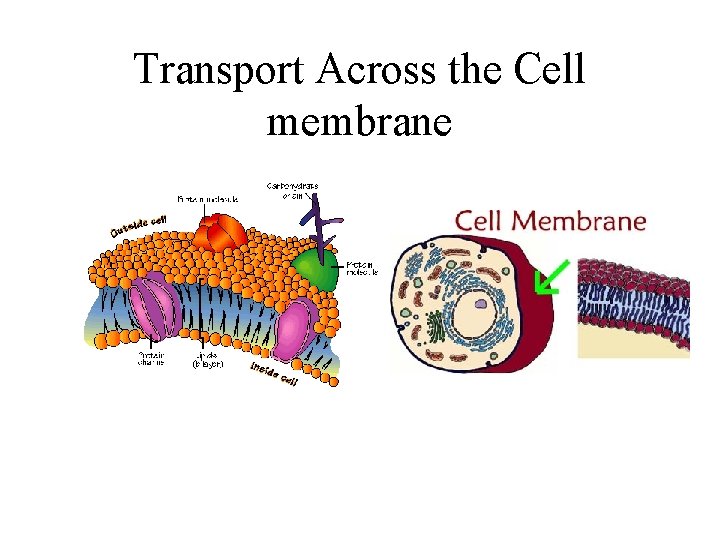
Transport Across the Cell membrane
Cell Membrane 1. Regulates what enters and exits the cell 2. Provides protection and support 3. Semi-permeable – allows small substances through and keeps larger substances out 4. Cell Membrane is made of lipids and proteins
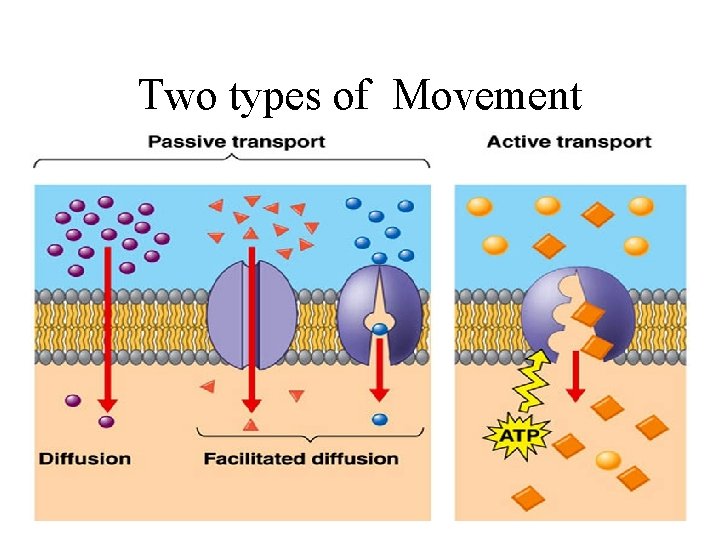
Two types of Movement
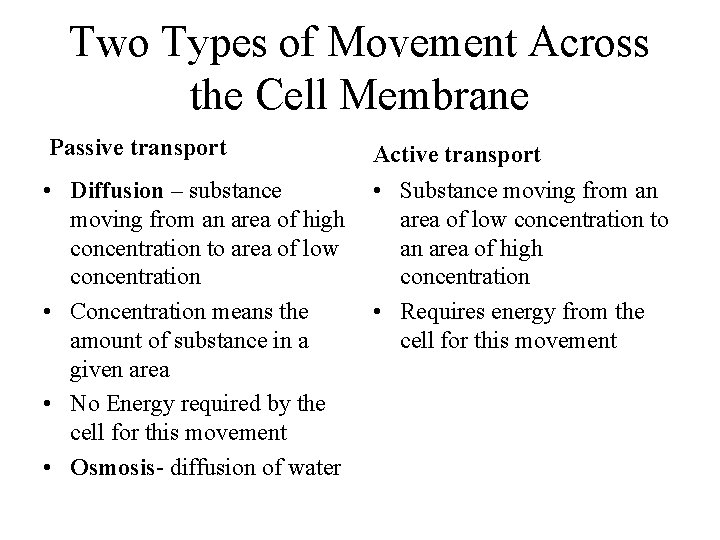
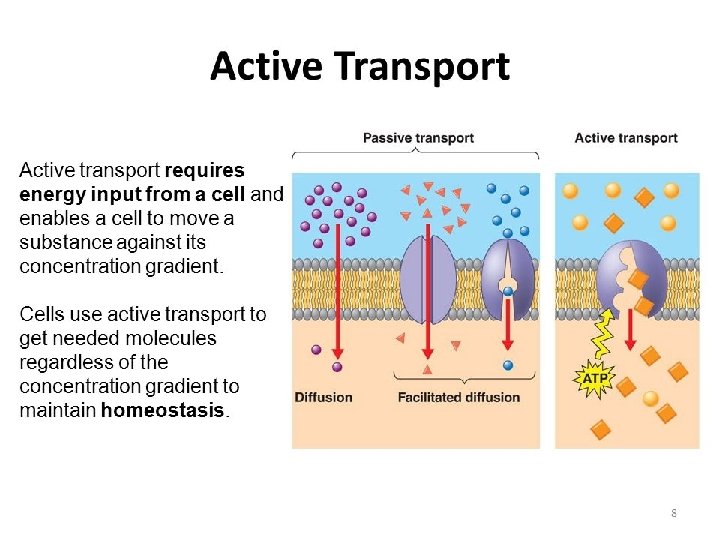
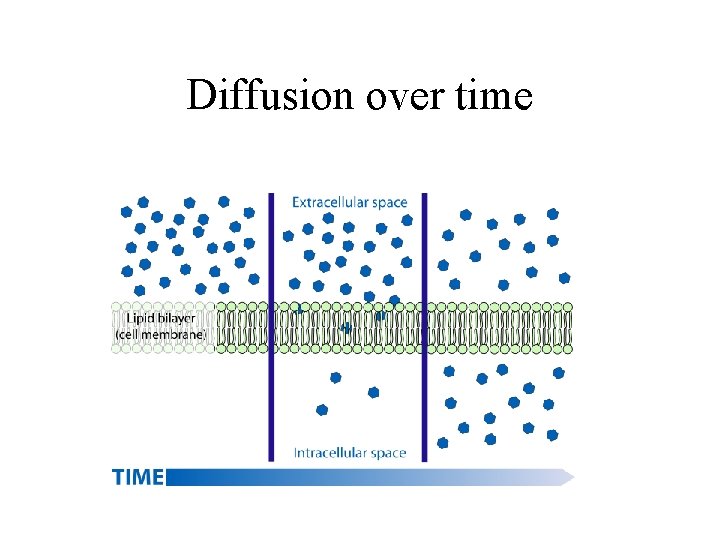
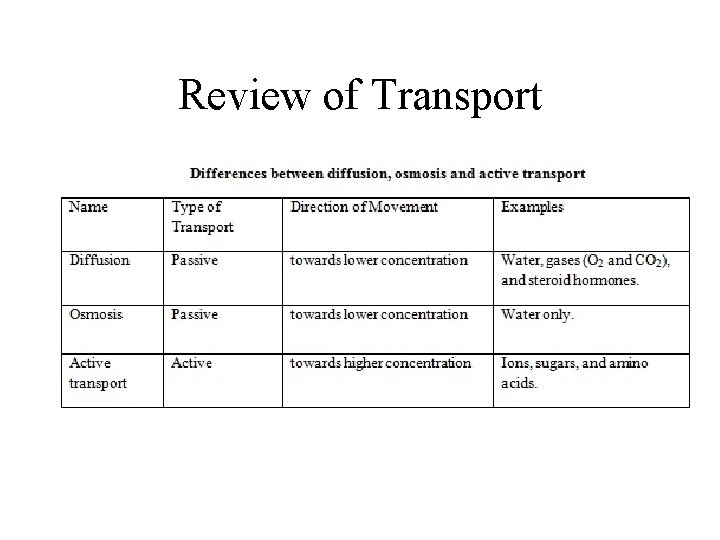
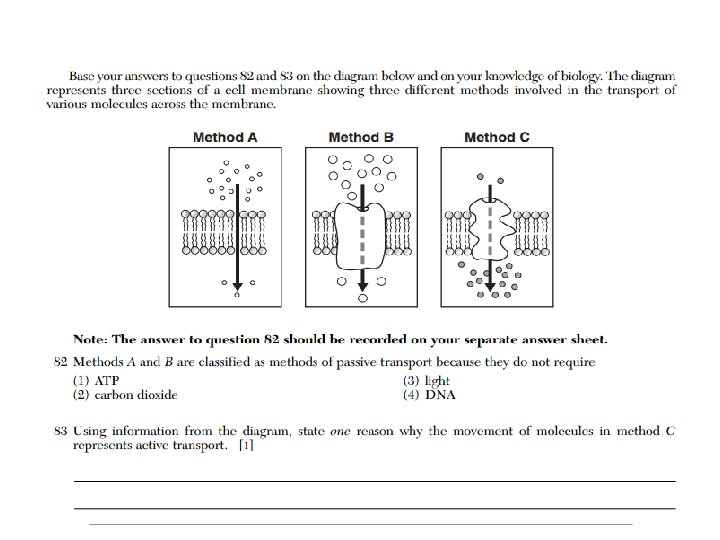
Two Types of Movement Across the Cell Membrane Passive transport Active transport • Diffusion – substance moving from an area of high concentration to area of low concentration • Concentration means the amount of substance in a given area • No Energy required by the cell for this movement • Osmosis- diffusion of water • Substance moving from an area of low concentration to an area of high concentration • Requires energy from the cell for this movement
Diffusion over time
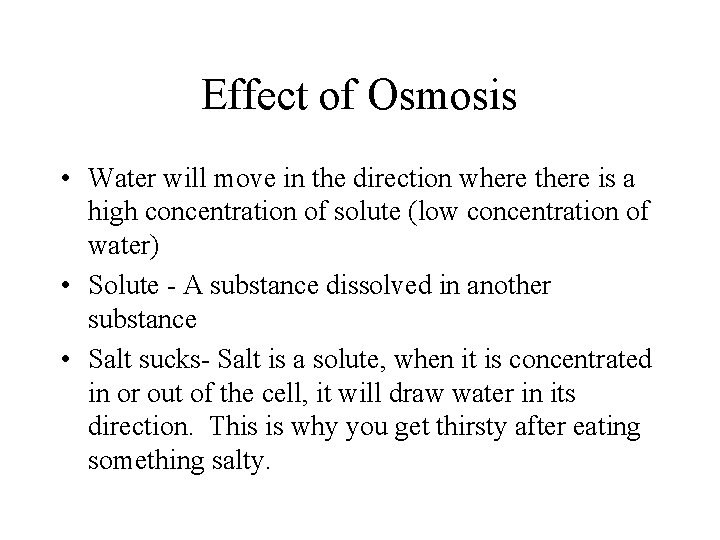
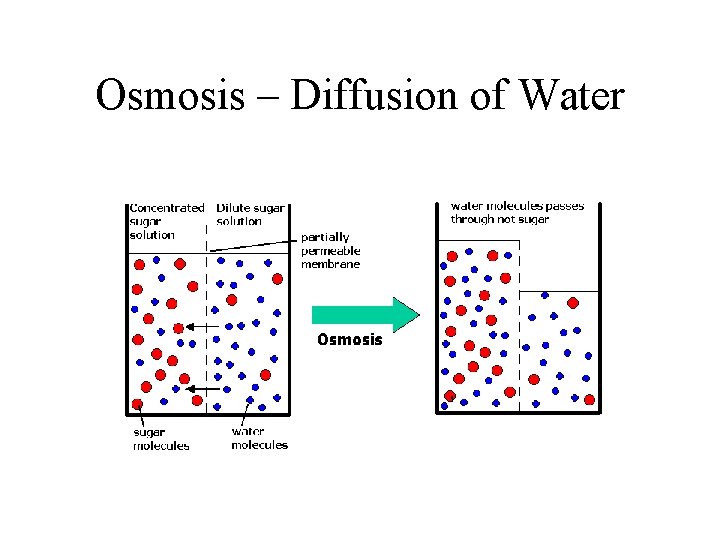
Effect of Osmosis • Water will move in the direction where there is a high concentration of solute (low concentration of water) • Solute - A substance dissolved in another substance • Salt sucks- Salt is a solute, when it is concentrated in or out of the cell, it will draw water in its direction. This is why you get thirsty after eating something salty.
Osmosis – Diffusion of Water
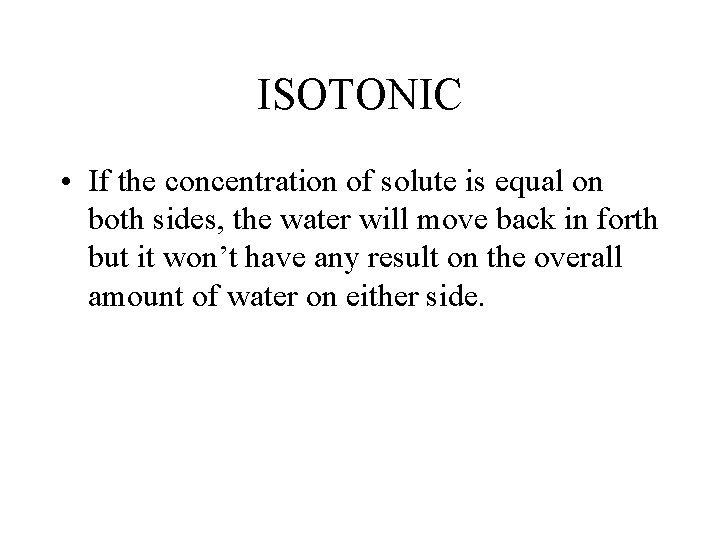
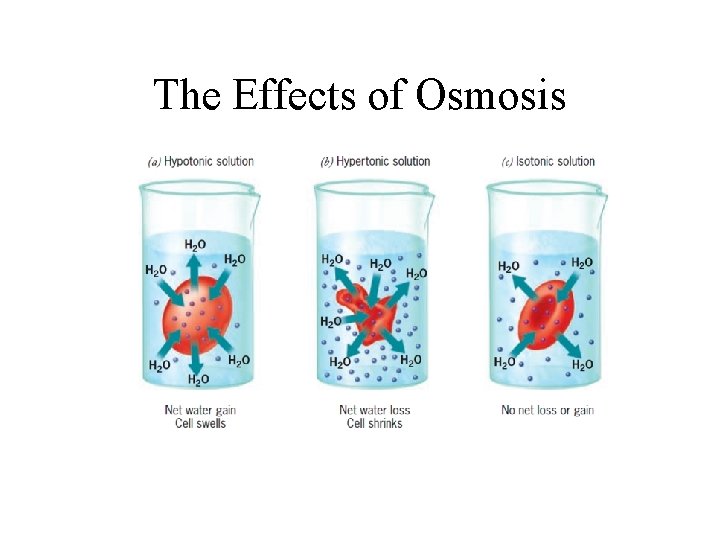
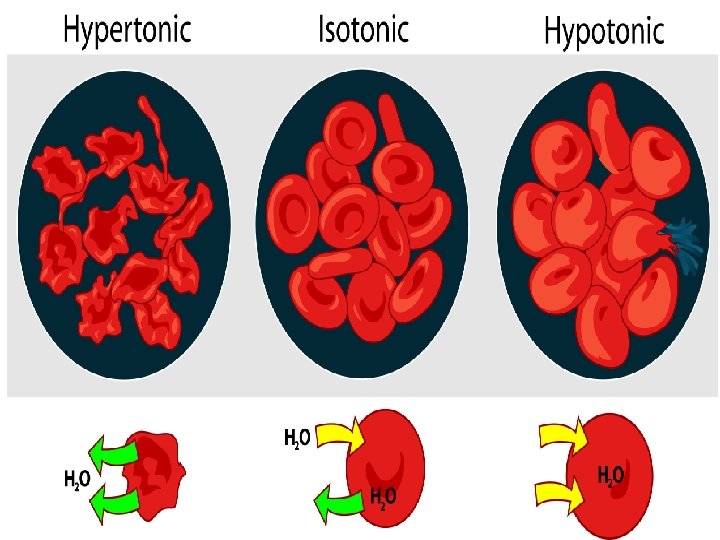
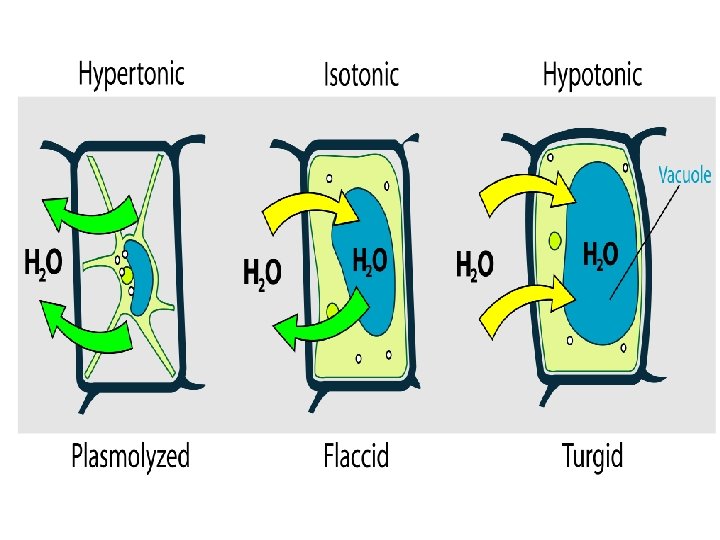
ISOTONIC • If the concentration of solute is equal on both sides, the water will move back in forth but it won’t have any result on the overall amount of water on either side.
HYPOTONIC • If the concentration of solute is higher inside the cell, the water will move into the cell. • The cell will expand possible burst in an animal cell • The cell wall protects cell from bursting.
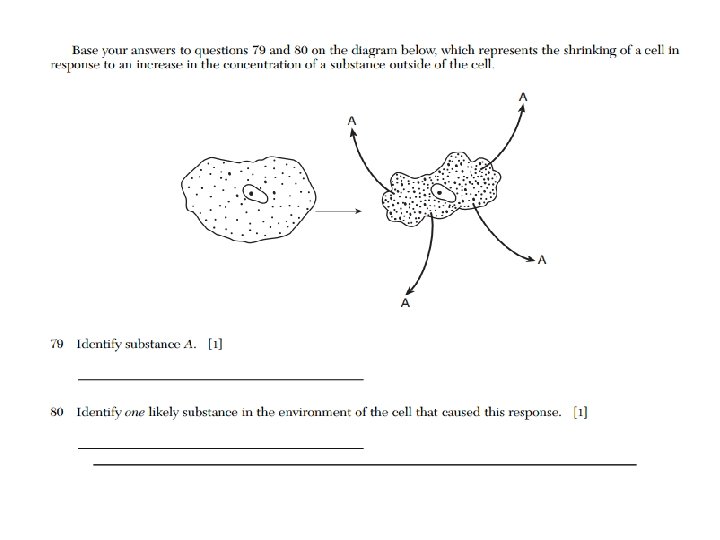
HYPERTONIC • If the concentration of solute is higher outside the cell, the water will move out of cell. • The cell will shrink.
The Effects of Osmosis
Review of Transport