
UNIT 32 FOOD RETAIL Size and Structure of

- Slides: 10
UNIT 32: FOOD RETAIL – Size and Structure of the Food Retailing Sector – P 1 • WALT • Be able to describe the size and structure of the food retailing sector • WILF • Familiarise ourselves with the unit and produce a professional presentation for P 1.
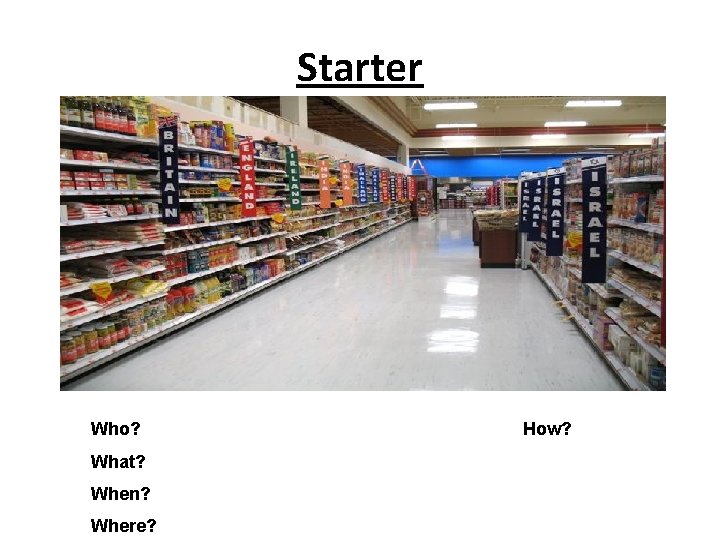
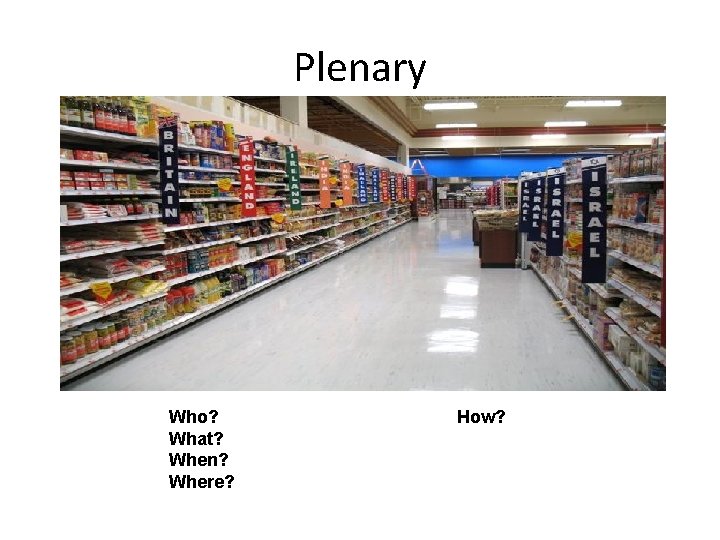
Starter Who? What? When? Where? How?
Co-Operatives • A co-operative is a business organisation owned and operated by a group of individuals for their own mutual benefit. Co-operatives are known organisations that meet the needs of social and cultural needs. Examples of cooperatives are The Co-Op. The money which is made always goes some way towards local communities or some cause. The Co-Op pride themselves on their ‘Fair Trade’ and take social responsibility for this.
Multiples • Multiple stores are stored that have 10 or more branches across a country. Multiples are profit making businesses and always want to stay ahead of their competition. Examples of retailers that are multiples are Marks and Spencer, Waitrose, Asda.
Specialist Outlets - Farmers • Farmers tend to not only sell to retailers but the public too and people tend to buy lots of products from them that range from fresh fruit and vegetables that are organic to lifestock too e. g. chickens, sheep. Some also go to regular customer’s houses in order to maintain their custom and their own profitability.
Butchers • The average butcher nowadays seem quite scarce because supermarkets tend to buy in bulk and sell a lot cheaper meat. However, there are quite a few around especially those in the HALAL MEAT market. There are two bodies that look after the regulations of meat and poultry for halal meat which are known as HMA – Halal Monitoring Authority and HMC Halal Monitoring Committee.
FOOD RETAIL SECTOR SIZE • The food and drink industry is the largest of the manufacturing sectors accounting for 15% of manufacturing overall, with a total turnover of £ 70 bn. The industry employs some 500, 000 people, equating to 13% of the UK manufacturing workforce. Food and drink remains the biggest spending category. In 2005, consumer spending on food and drink was nearly £ 153. 8 bn, 20% of total UK consumer expenditure.
ACTIVITY • In pairs, think of a supermarket you are familiar with. Can you list down all the supermarket’s departments/areas and give me a definition or some characteristics about them. • E. G. Frozen foods – They stock and sell frozen food like, ready meals, pies, etc.
ACTIVITY • Research the following KEY WORDS in pairs and write down the meanings of them. • PRODUCE, DELICATESSEN, READY COOK RANGES, DAIRY CABINET; BAKERY FOODS; DRY GROCERIES; GOURMET; ETHNIC(CHINESE, INDIAN) SEASONAL ITEMS (EASTER, CHRISTMAS), DIET AND SOCIAL DEMAND GOODS; CEREALS, BISCUITS, LOW FAT FOOD. • ONLY choose 8 and relate it to Morrisons or any other supermarket.
Plenary Who? What? When? Where? How?