
UNIT 3 SAFETY PROCEDURES OBJECTIVES Briefings preoperational and
UNIT 3 SAFETY PROCEDURES
OBJECTIVES Briefings – pre-operational and post operational Ø Communications Ø Hazardous Material Safety Data Sheets Ø Mixing hazards and PPE standards Ø Static Bonding procedures Ø Hazardous Material transportation Ø Spill procedures Ø
OBJECTIVES (cont’) Ø Job Hazard Analysis Ø Operational Safety, Go/No Go and Equipment checklists Ø Fire Protection Ø Emergency contingency plans

Briefing

Briefing Postings

Pre Operational Briefings Pilot pre-flight briefing, including load calculation, fire shelter use, flight hazards & mission objectives n Pre-operational briefing will include the pilot, fuel truck drivers, Burn Boss, Ignition Specialist, Helitorch/Helibase, and fire protection personnel. n Should cover the burn plan objectives and sequence of events n

Pre Operational Briefings (cont’) n Reference pertinent items on the Aviation Safety Plan, Helitorch Operations Checklist & Job Hazard Analysis

Pre Operational Briefings (cont) n Helitorch Manager will brief/debrief helitorch personnel on: Hazards and safety requirements n Emergency procedures n Personnel assignments n Inform pilot of helibase operation procedures and alternate emergency landing areas n
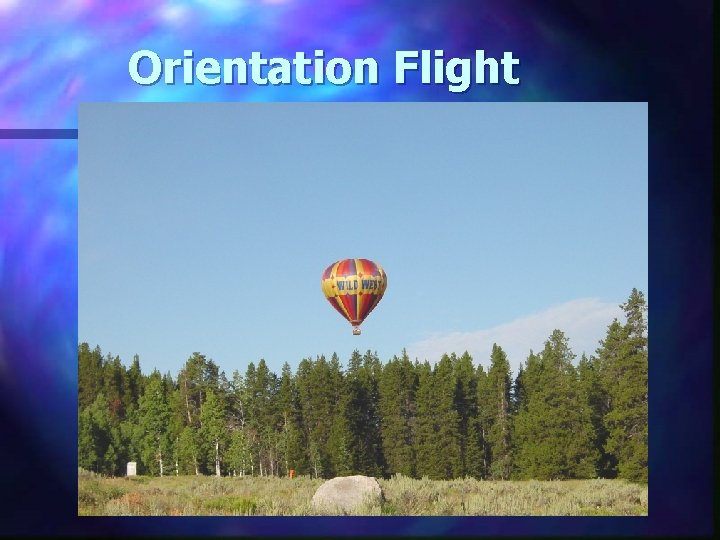
Orientation Flight

In Flight Briefing Burn Boss/Ignition Specialist shall brief the pilot separately about: n Unit orientation n Terminology/commands n Firing patterns n Fire Behavior n Unit control lines/boundaries n Equipment and personnel locations n Hang-fire flight procedures n Alternate landing areas (Helicopter Manager must approve all landing areas)

Operational De-Briefing n All personnel need attend n Discuss successes, and failures n Determine necessary corrective actions n Complete documentation Unit Log n Safecom n Commo Log n Etc!!! n
Communications Plan n n Discreet tactical frequency between Pilot, Parking Tender, and Burn/Ignition Specialist All aircraft and ground personnel must have assigned tactical frequency for operations use only Air-to-Air frequency with other aircraft Flight following communications Helibase must maintain a commo link to activate emergency services
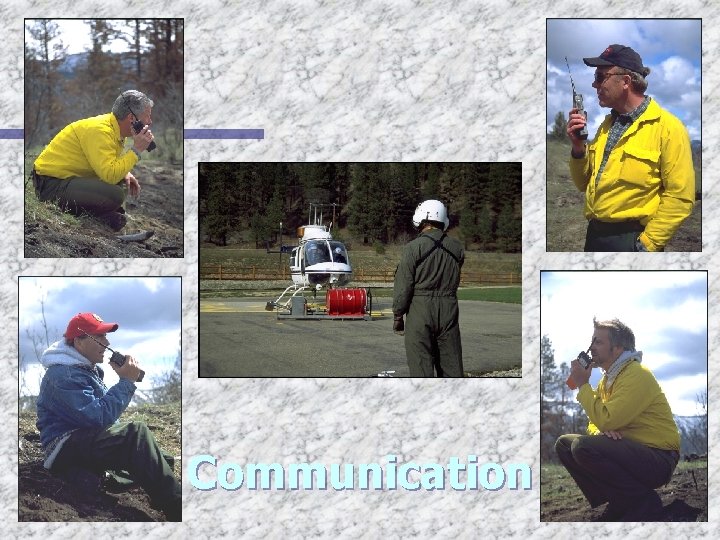
Communication
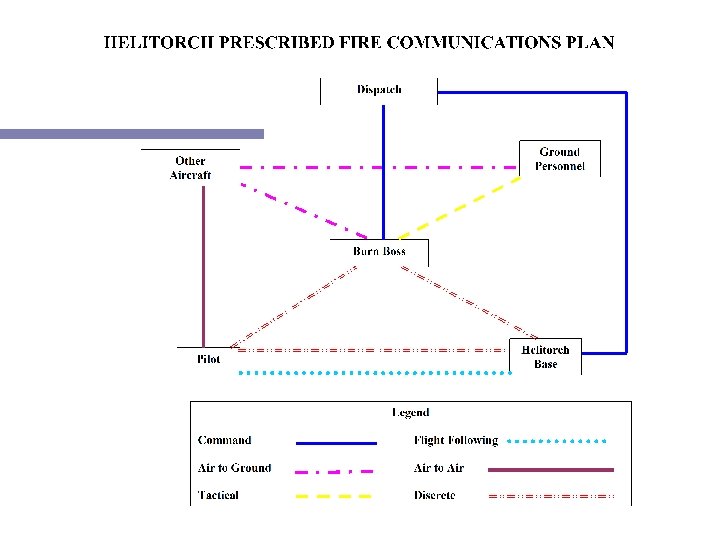
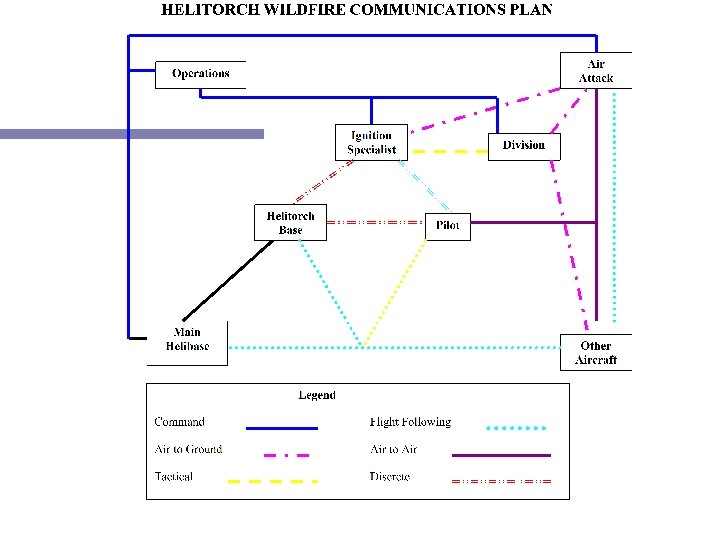
Communications Plan n Parking Tender: headset or SPH-4 or 5 helmet w/ remote transmit button to talk with pilot prior to take-off, landings , and while on the pad n Qualified radio operator should be used on complex aerial ignition operations.
Hazardous Material Safety Data Sheets ALL EMPLOYEES SHALL receive info regarding hazardous materials to which they may be exposed to n MSDS - designed to help us understand how to work safely with hazardous material n MSDS explains proper ways to use, handle, and store chemicals, health hazards, precautionary measures to follow, and emergency, procedures for spills, fire, and first aid n

Mixing Hazards n Mixing requires working with chemicals that can cause physical harm to those who don’t protect themselves n Review the Fire and Explosion, health hazard, and special precautions sections of MSDS
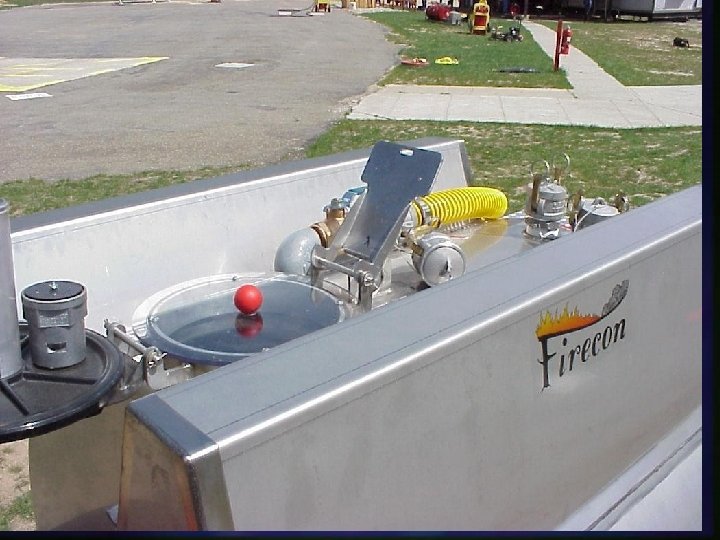

Mixing Hazards Mixing hazards include: Inhalation of gelling agent dust & gasoline vapors n Volatility/flammability of gasoline n Skin & eye contact with gasoline and gelling agent n Portable Eyewash station required onsite n
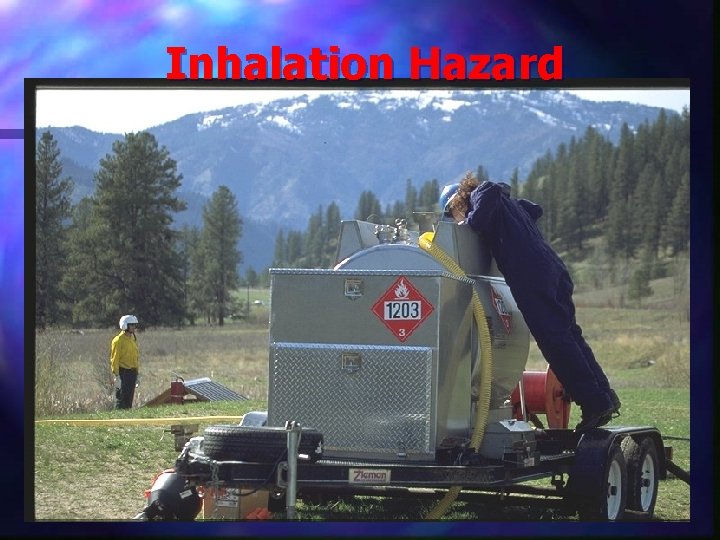
Inhalation Hazard
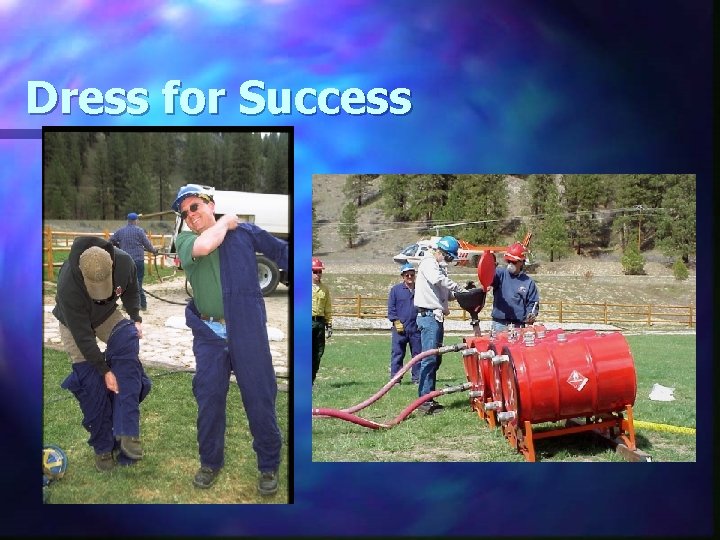
Dress for Success
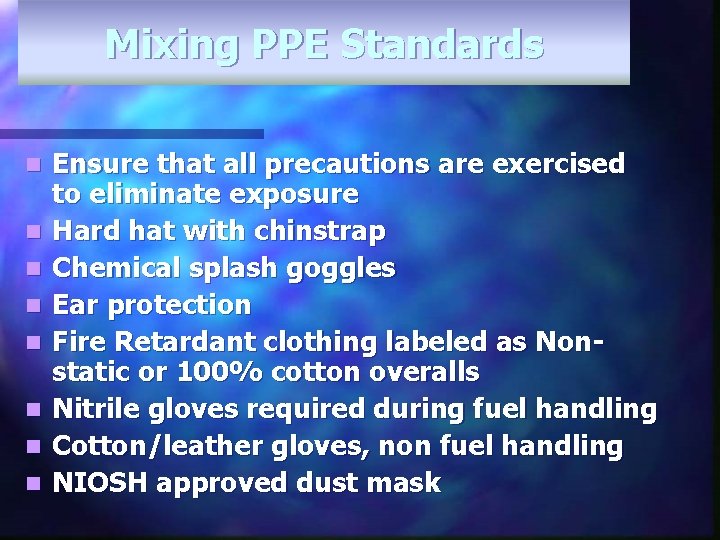
Mixing PPE Standards n n n n Ensure that all precautions are exercised to eliminate exposure Hard hat with chinstrap Chemical splash goggles Ear protection Fire Retardant clothing labeled as Nonstatic or 100% cotton overalls Nitrile gloves required during fuel handling Cotton/leather gloves, non fuel handling NIOSH approved dust mask
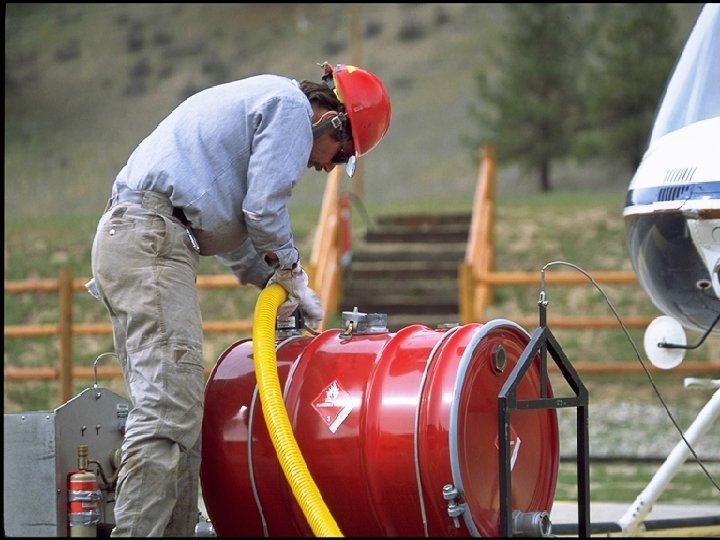
Mixing System Mechanical Hazards n High engine noise n Exhaust muffler can cause burns n Drive shaft should be protected with cover shield

Static Bonding is the process of joining objects with conductive wire to neutralize the potential charge between them n One technique for protecting against the dangers of static electricity is bonding n Federal & local codes require bonding connections during gravity transfer of flammable liquids and on fuel handling equipment n

Static Bonding All hoses used in helitorch operations Must have bonding built into their structure
Bonding Components and Testing n Use only approved 1½” or 2” gasoline transfer hose n Use only approved 2” vapor hose n All hardware and equipment will be bonded prior to contact with mixing system (bare metal) n Continuity testing shall be done on all fuel transfer and vapor hoses and bonding cables prior to use
Hazardous Material Transportation A driver must know and follow the regulations pertaining to hauling hazardous materials on public highways n There are Federal, State, and Local regulations concerning the transportation of flammable liquids on public highways n Federal regulations concerning the transportation of flammable liquids are listed in the Code of Federal Regulations, Title 49, Parts 100 -180 n
Employer Responsibility n Employer must provide to driver HM-126 F training (every 3 years) that shall at a minimum include: General awareness n Function specific n Safety n Driver training n
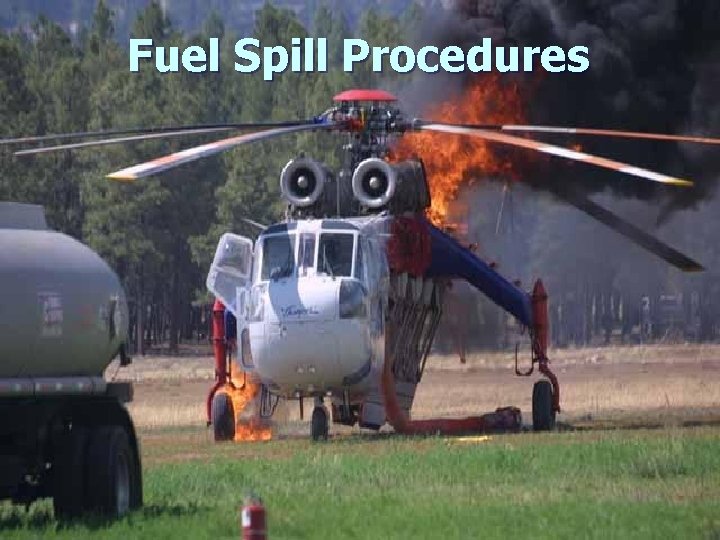
Fuel Spill Procedures
Fuel Spill Procedures n n n n Safeguard personnel Remove any ignition source Notify Agency Dispatch/Hazmat Coor. of spills in excess of 5 gallon Use appropriate PPE during cleanup Spill cleanup: soak up with sawdust, sand, or other absorbent material If spill exceeds comfort level, back off, wait for qualified personnel Disposal must be in accordance with applicable Federal, Sate, and Local regulations
Job Hazard Analysis A required document that should outline the primary tasks, identify the hazards, and describe methods to mitigate or remove any risk associated with the helitorch operation

Operational Safety & Equipment Checklists Go no/go check list must be completed prior to commencing a Helitorch operation n Checklists work as a reminder to what elements, items, and inspections are necessary before initiating a Helitorch operation n Stop operations if all checklist items do not remain a Go n

Fire Protection
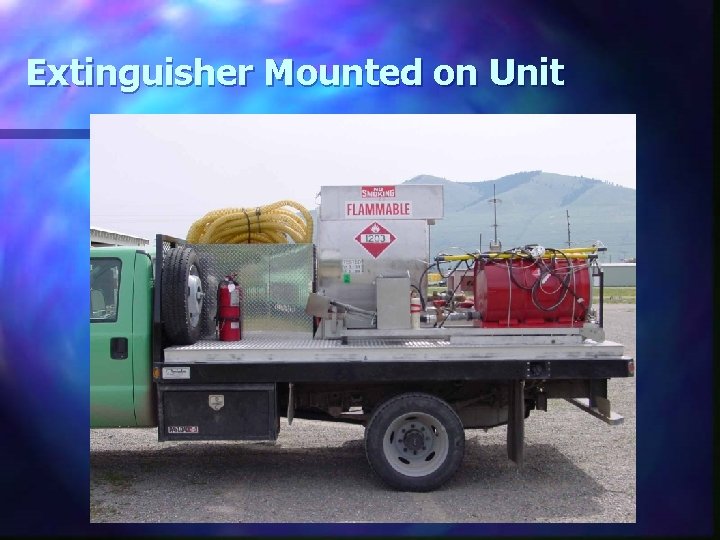
Extinguisher Mounted on Unit

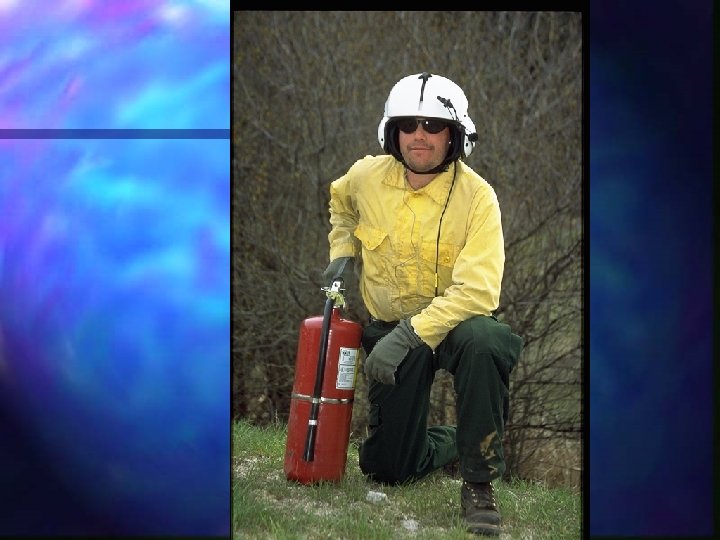
Fire Protection n n One 40 -B: C dry chemical fire extinguisher at landing pad D. O. T. regulations require Batchmixer and fuel trucks have a 40 -B: C fire extinguisher on unit Additional fire extinguishers are required during mixing & fuel transfer operation (minimum two, 3 gallon class B CAF or Engine with class B foam capability) Helitorch personnel should be trained on fire extinguisher use
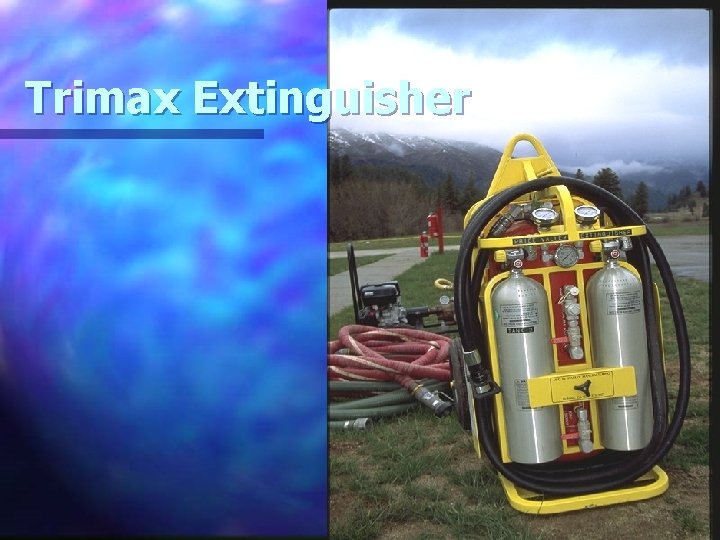
Trimax Extinguisher
Fire Protection (cont’) n Dedicated suppression personnel will staff a charged hoseline during take-off, landings, mixing operations, functional tests and fuel transfer/filling n Parking Tender will staff fire extinguisher at all times
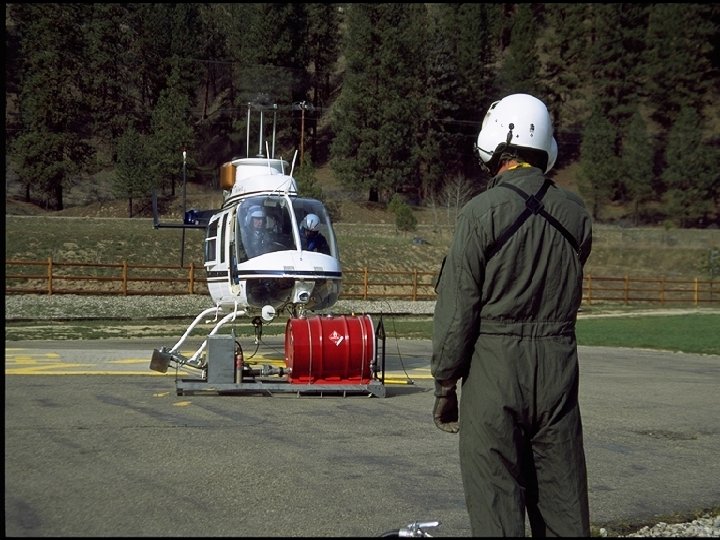
Emergency Contingency Plan n n Establish and Follow approved crash rescue plan Establish and maintain a communication link to Dispatch/ICP Establish escape routes and a safety zone to congregate for accountability Identify and brief suppression, extraction, and first aid personnel
- Slides: 44