
Unit 3 Political Process Bell Work How do
Unit 3: Political Process
Bell Work • How do people form opinions? • Notes: #1 under Unit 3: Political Process
Public Opinion
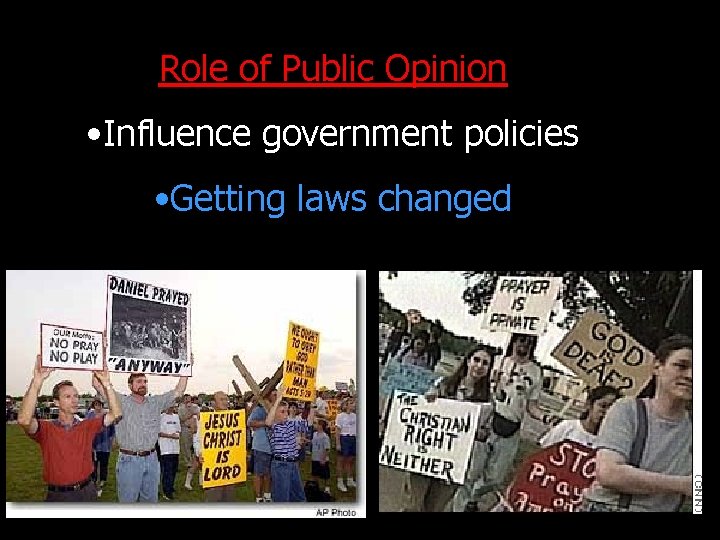
Role of Public Opinion • Influence government policies • Getting laws changed
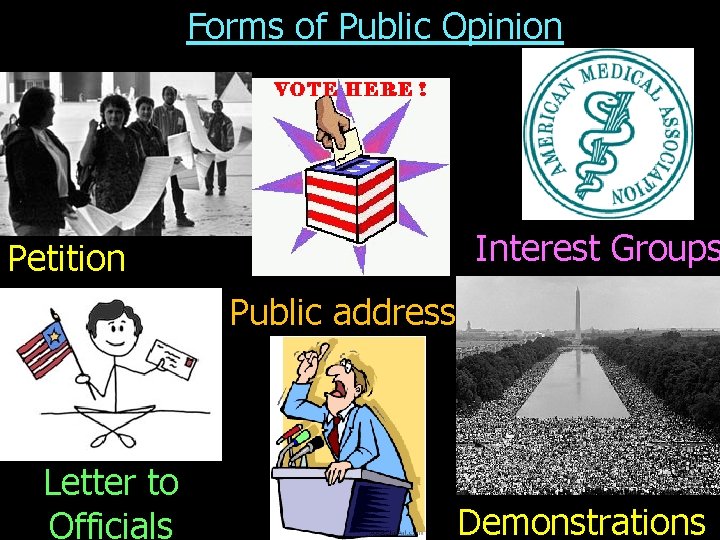
Forms of Public Opinion Interest Groups Petition Public address Letter to Officials Demonstrations
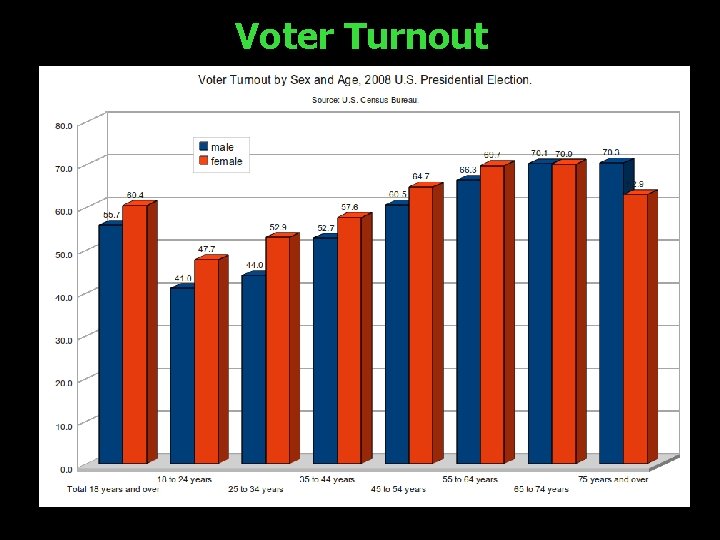
Voter Turnout
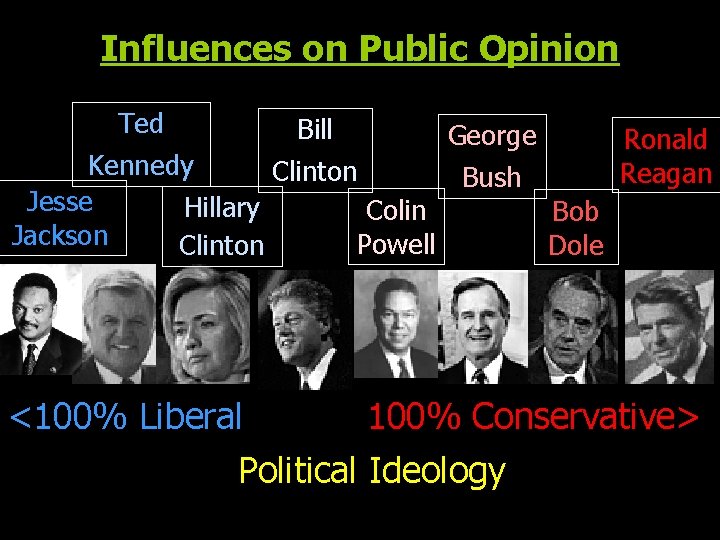
Influences on Public Opinion Ted Bill George Ronald Kennedy Clinton Reagan Bush Jesse Hillary Colin Bob Jackson Powell Dole Clinton <100% Liberal 100% Conservative> Political Ideology
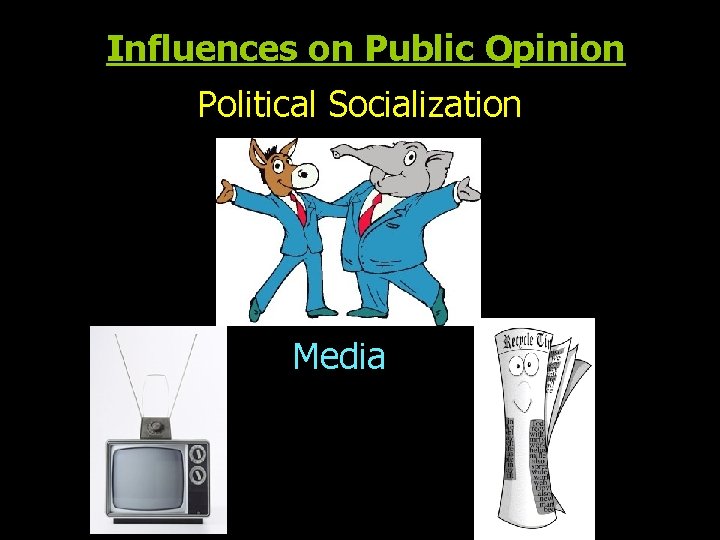
Influences on Public Opinion Political Socialization Media
Bell Work • How do we measure public opinion? • What effect does the media have on public opinion?
Objectives • Describe methods of measuring public opinion. • Examine political ads and describe the effect of media on public opinion. • Analyze political ads for effectiveness.
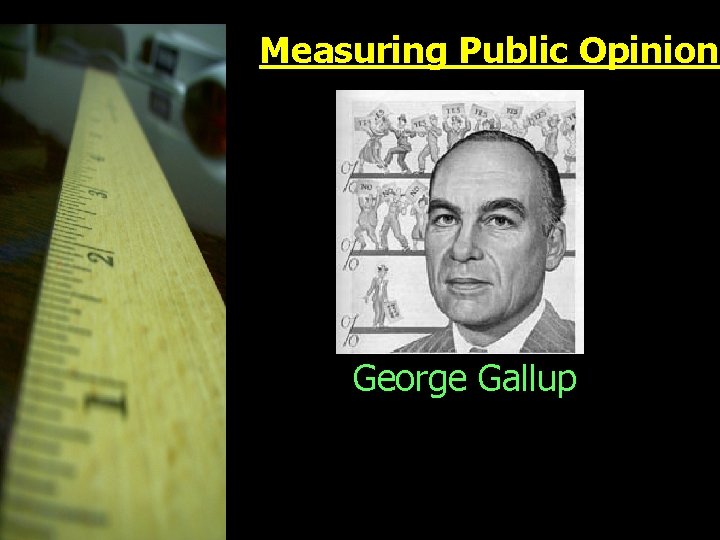
Measuring Public Opinion George Gallup

Types of Polls
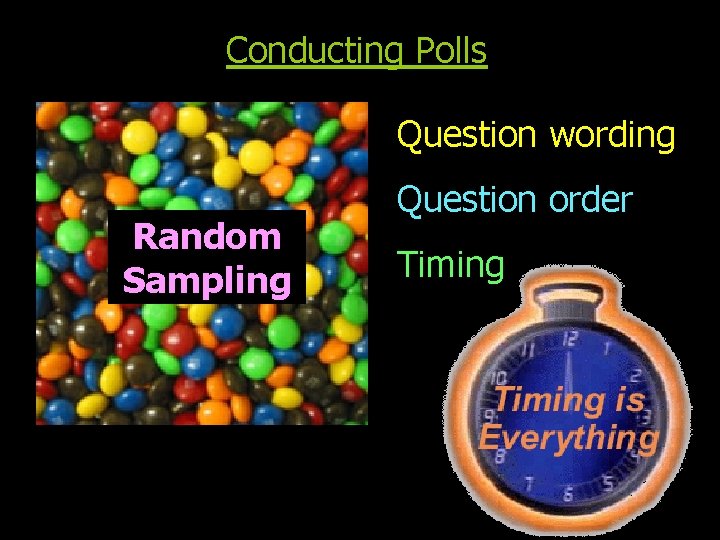
Conducting Polls Question wording Random Sampling Question order Timing
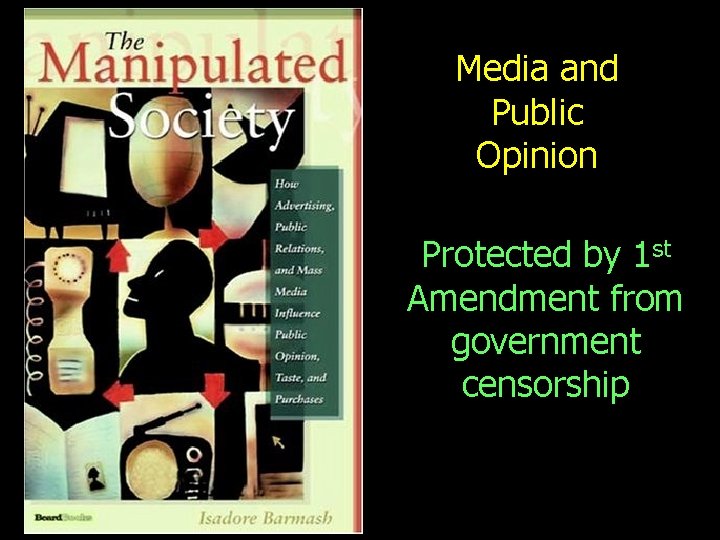
Media and Public Opinion Protected by 1 st Amendment from government censorship
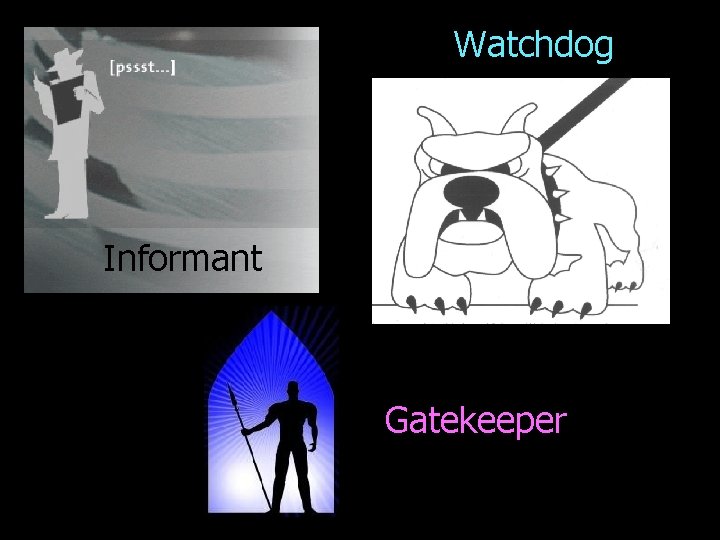
Watchdog Informant Gatekeeper
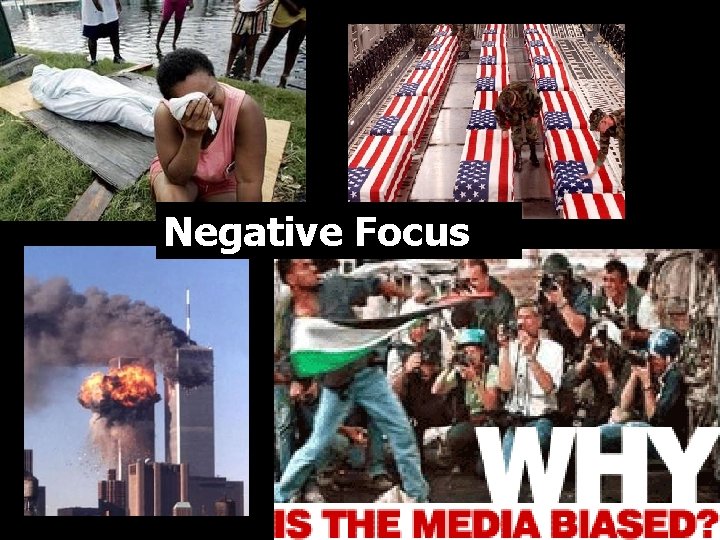
Negative Focus
Focus on imagery “Horse-race Coverage”
Classwork • Ideological Survey (#2) - Answer each question 1 -25. T for true if you agree with the statement. F for false if you disagree with the statement. Do not write anything in the L/C column. • Homework: Ideological Quiz (#3)… answer the last question in a paragraph.
Results • 21 -25 Liberal Responses = Strong Liberal • 16 -20 Liberal Responses = Weak Liberal • 21 -25 Conservative Responses = Strong Conservative • 16 -20 Conservative Responses = Weak Conservative • 10 -15 of either responses = Moderate
Interest Groups
Functions of Interest Groups • Organizing people • Political participation • Supplying information
Agricultural Groups American Farm Bureau
Business Groups
Labor Unions Fraternal Order of Police
Professional Groups
Societal Groups
Caused-based/Public Interest Groups
How They Work • Participating in the Electoral Process • Endorsing candidates • Political Action Committees (PACs) • Lobbying • Using the Legal System - Lawsuits • Influencing Public Opinion
Political Parties
Functions of Political Parties Assisting the Electoral Process • Organizing the electorate • Helping with technical aspects • Providing a political platform • Examine policies of elected officials Organizing the Government
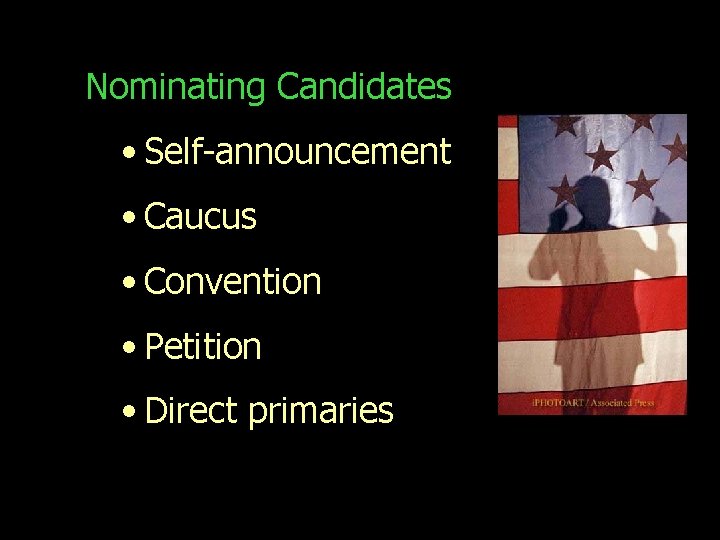
Nominating Candidates • Self-announcement • Caucus • Convention • Petition • Direct primaries
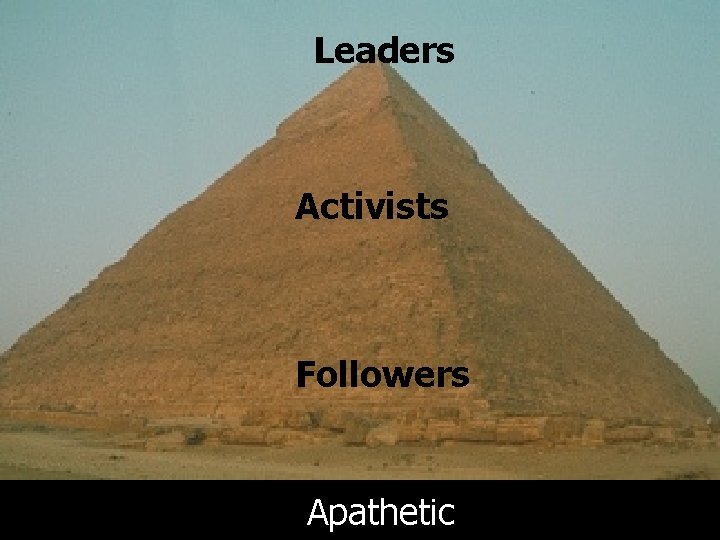
Leaders Activists Followers Apathetic
Party Finances Sources -Personal financing -Party assistance -PACs -Private Donors - "Fat Cats" or "Angels" -Public Funding - regulated government funding
Regulations Federal Election Campaign Act of 1972 -Federal Election Commission (FEC)
Regulation$ Financial disclosure Contribution limits Spending limits Donor restrictions
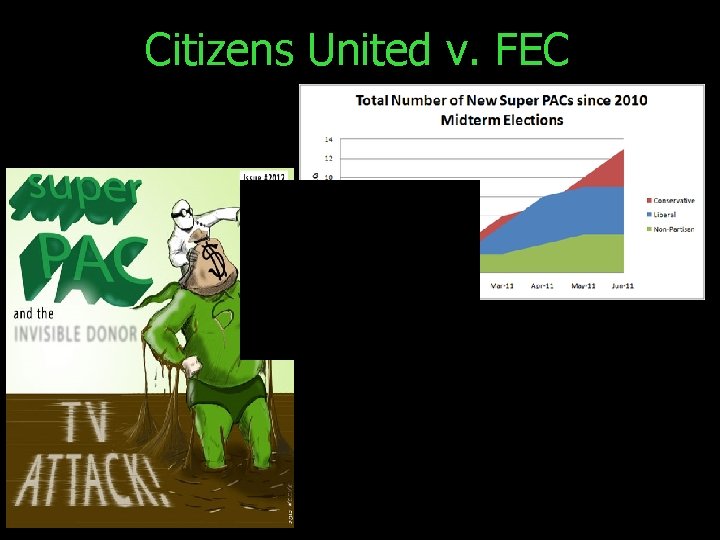
Citizens United v. FEC
- Slides: 36