
Unit 3 Latin America Physical Geography Landforms and

- Slides: 24
Unit 3: Latin America Physical Geography
Landforms and Resources
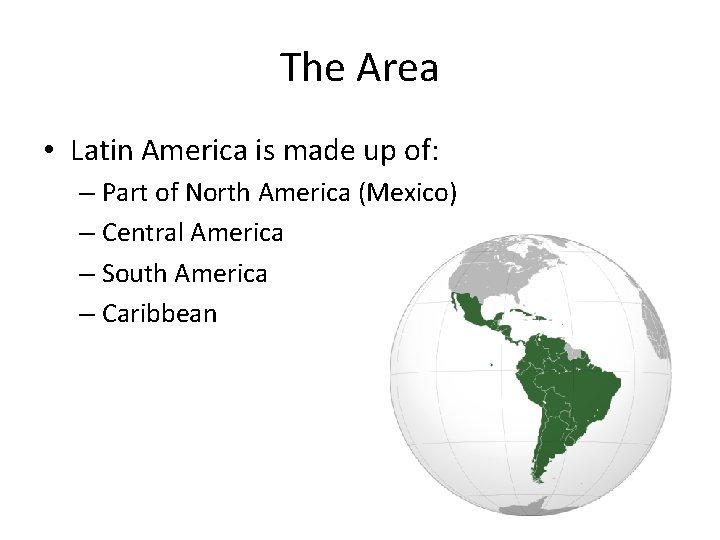
The Area • Latin America is made up of: – Part of North America (Mexico) – Central America – South America – Caribbean
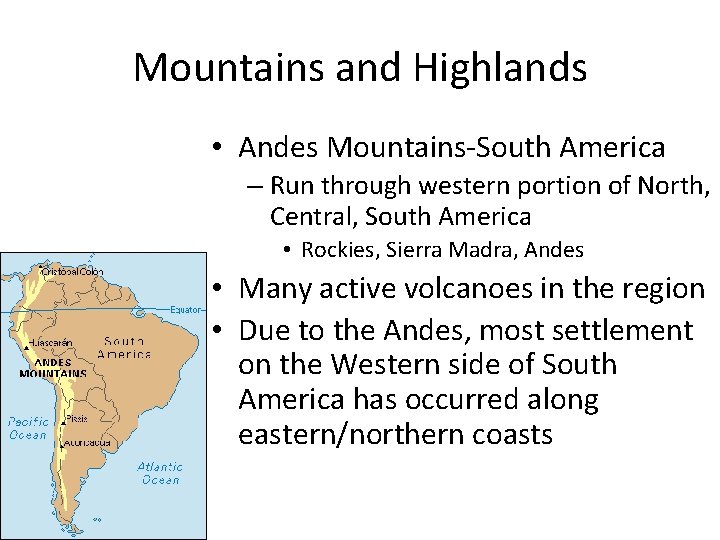
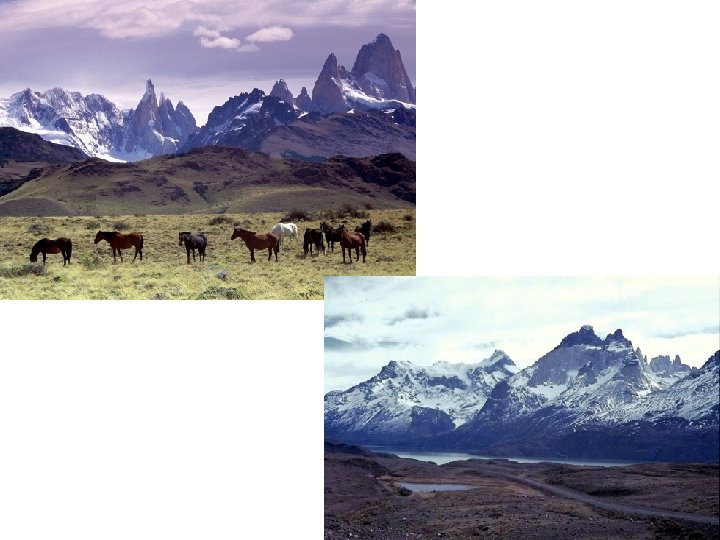
Mountains and Highlands • Andes Mountains-South America – Run through western portion of North, Central, South America • Rockies, Sierra Madra, Andes • Many active volcanoes in the region • Due to the Andes, most settlement on the Western side of South America has occurred along eastern/northern coasts
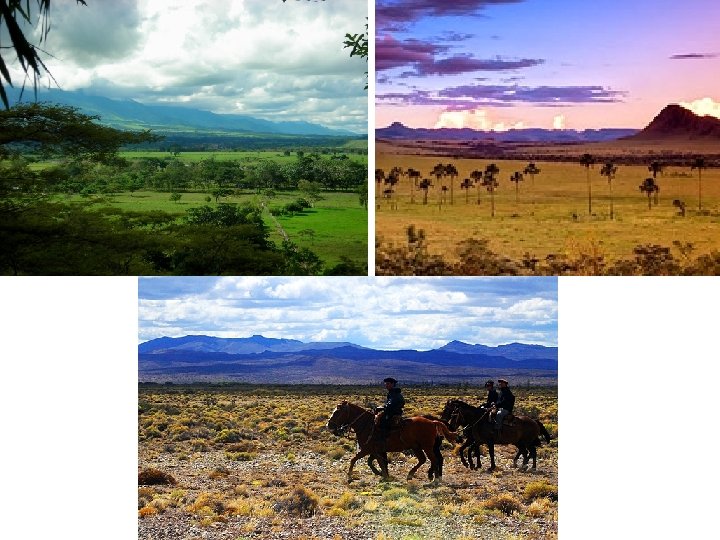
Plains • Llanos of Colombia and Venezuela – Grassy, treeless areas – Used for livestock • Plains of Amazon River Basin – Cerrado-savannas with flat terrain and moderate rainfall – Good for farming • Pampas of Argentina and Uruguay – Grasslands with rich soil – Cattle and wheat
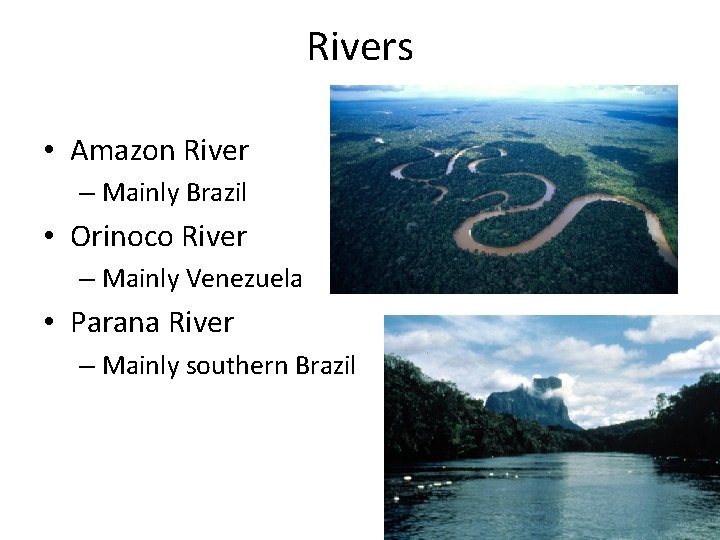
Rivers • Amazon River – Mainly Brazil • Orinoco River – Mainly Venezuela • Parana River – Mainly southern Brazil
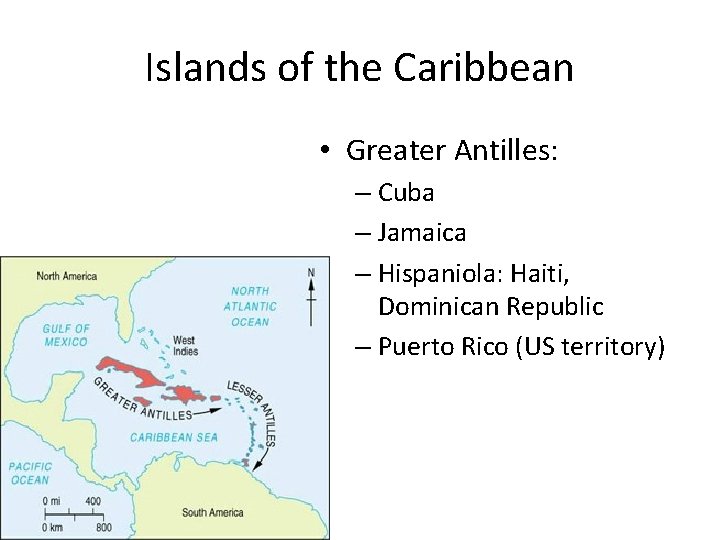
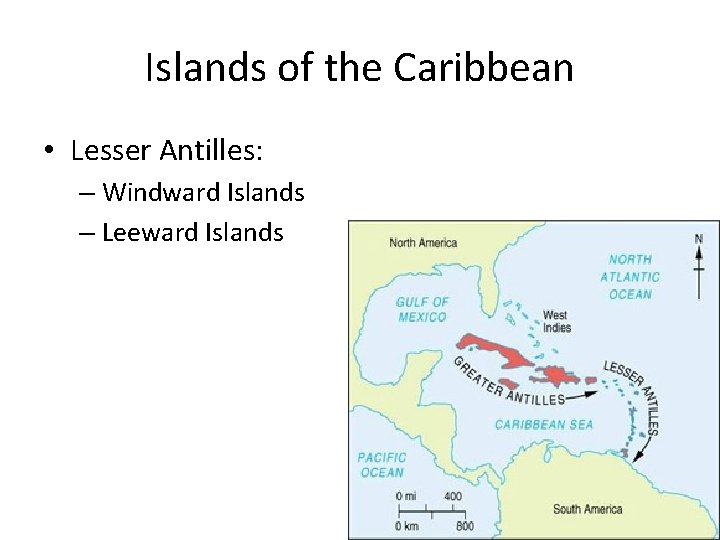
Islands of the Caribbean • Greater Antilles: – Cuba – Jamaica – Hispaniola: Haiti, Dominican Republic – Puerto Rico (US territory)
Islands of the Caribbean • Lesser Antilles: – Windward Islands – Leeward Islands
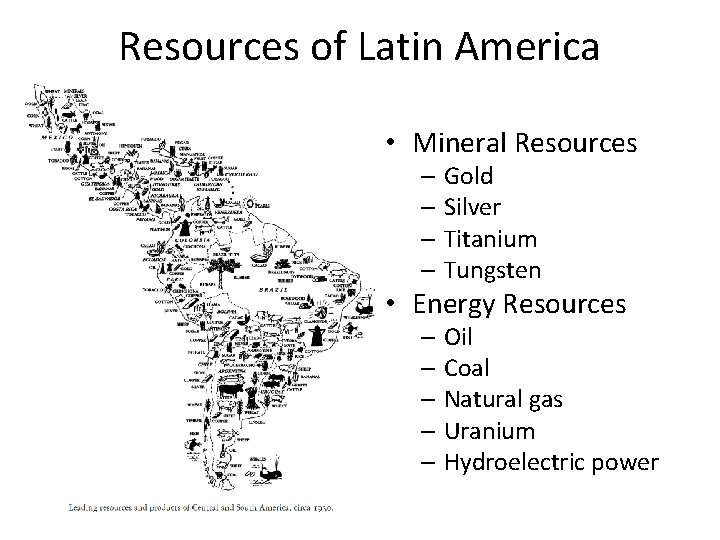
Resources of Latin America • Mineral Resources – Gold – Silver – Titanium – Tungsten • Energy Resources – Oil – Coal – Natural gas – Uranium – Hydroelectric power
Climate and Vegetation
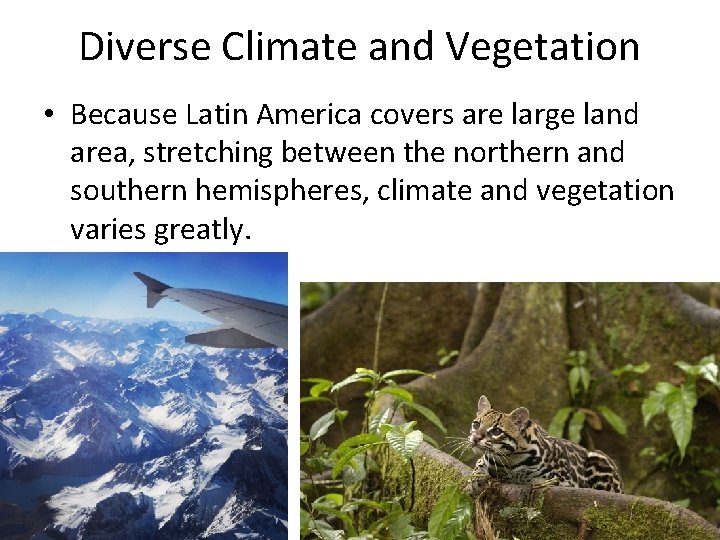
Diverse Climate and Vegetation • Because Latin America covers are large land area, stretching between the northern and southern hemispheres, climate and vegetation varies greatly.
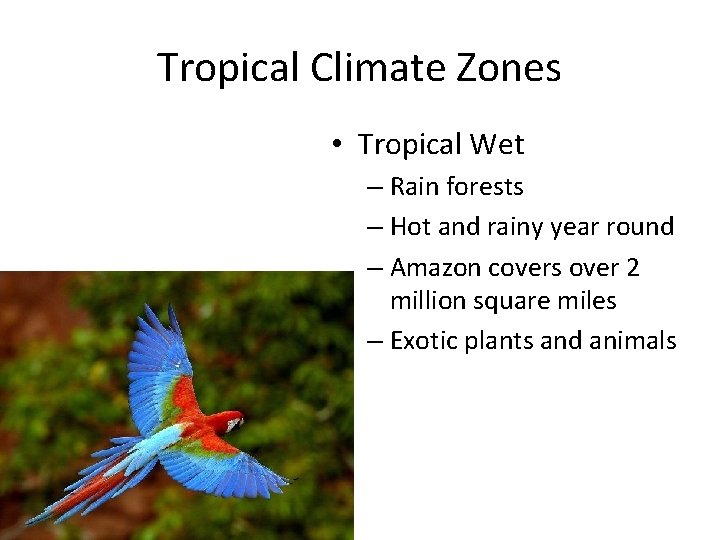
Tropical Climate Zones • Tropical Wet – Rain forests – Hot and rainy year round – Amazon covers over 2 million square miles – Exotic plants and animals
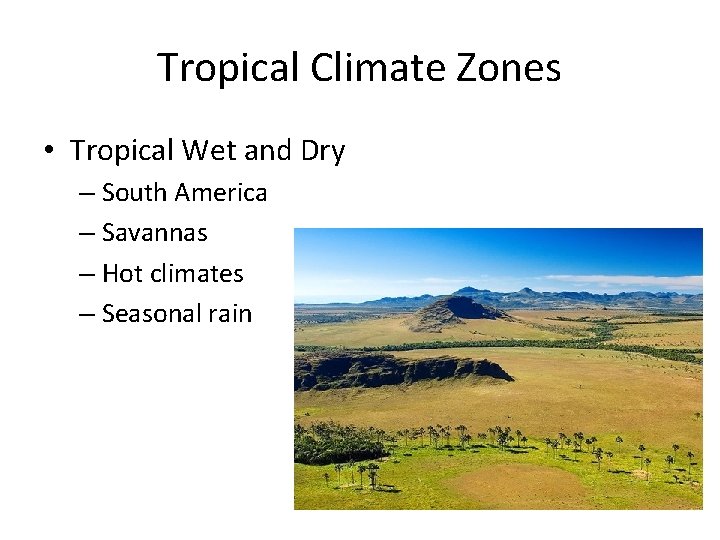
Tropical Climate Zones • Tropical Wet and Dry – South America – Savannas – Hot climates – Seasonal rain
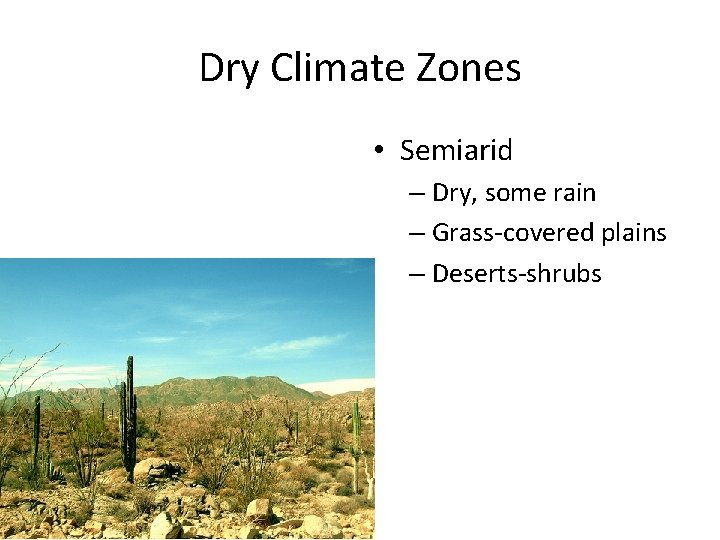
Dry Climate Zones • Semiarid – Dry, some rain – Grass-covered plains – Deserts-shrubs
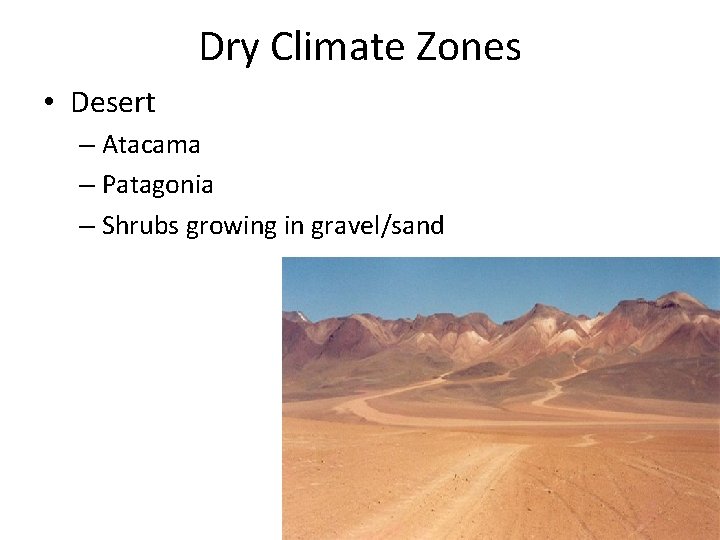
Dry Climate Zones • Desert – Atacama – Patagonia – Shrubs growing in gravel/sand
Mid-Latitude Climate Zones • Humid Subtropical – Rainy winters; hot, humid summers • Mediterranean – Hot, dry summers; cool, moist winters • Marine West Coast – Cool, rainy winters; mild, rainy summers • Highlands – Moderate to cold
Human-Environment Interaction
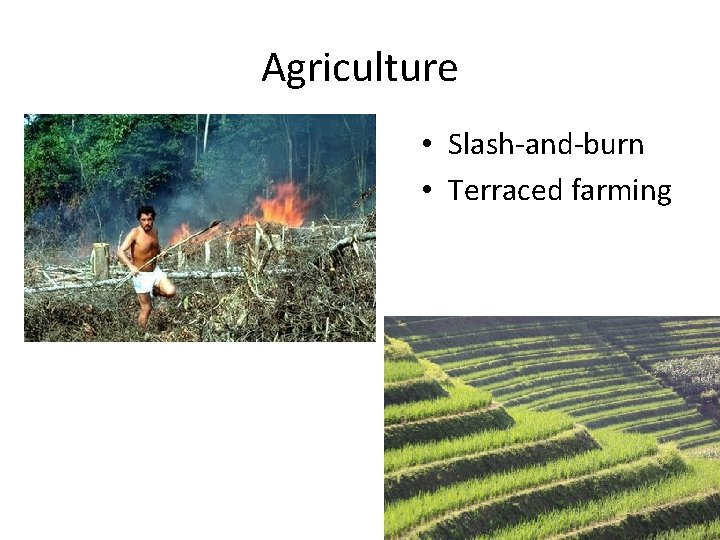
Agriculture • Slash-and-burn • Terraced farming
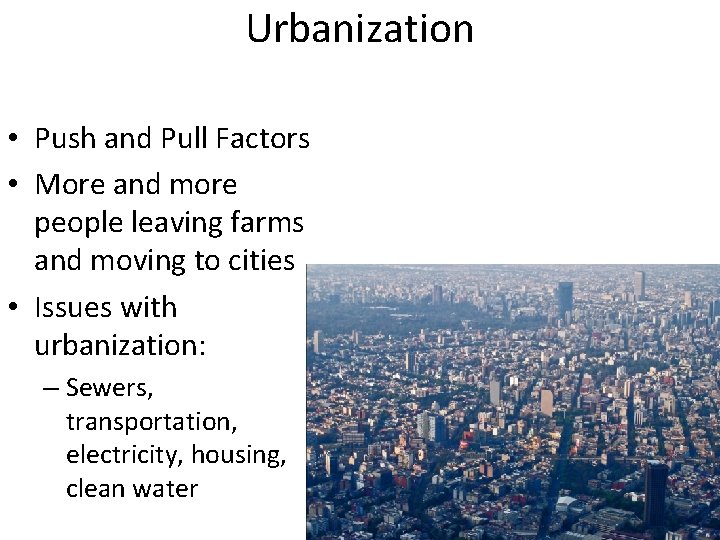
Urbanization • Push and Pull Factors • More and more people leaving farms and moving to cities • Issues with urbanization: – Sewers, transportation, electricity, housing, clean water
Tourism • Positives – Lots of money added to economy – Job creation – New businesses created • Negatives – Congestion and pollution – Sewage issues – Strain on local economy: poverty gap widens
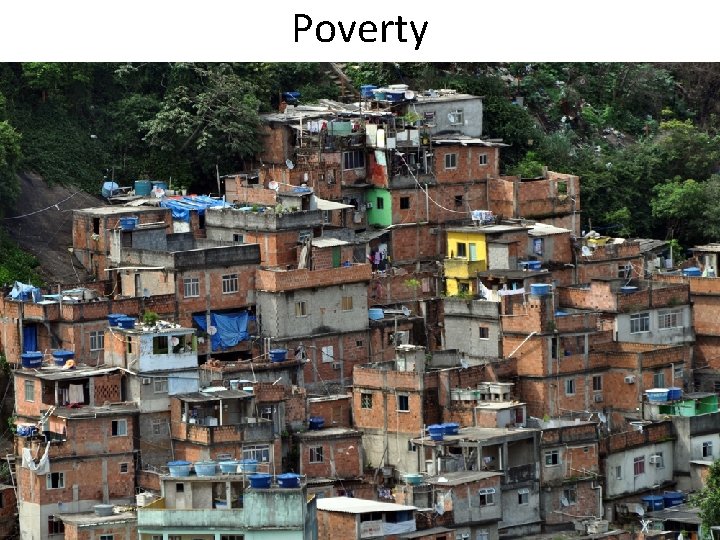
Poverty
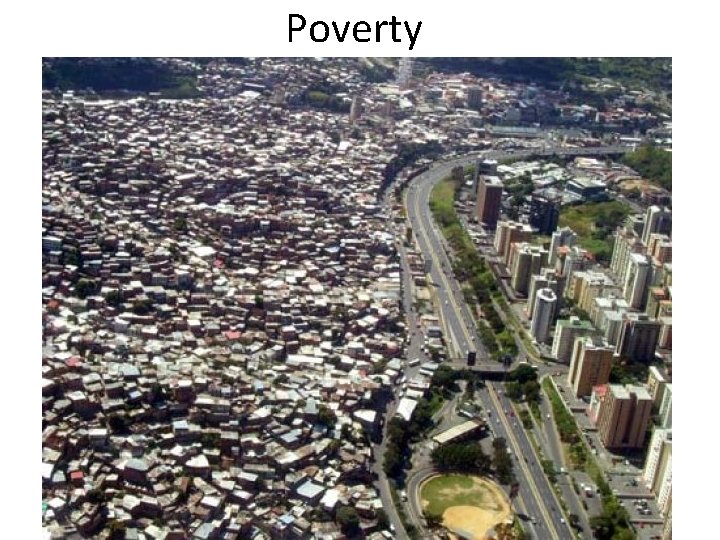
Poverty