
Unit 3 Cells and Photosynthesis Section 1 Vocabulary
Unit 3 Cells and Photosynthesis Section 1 Vocabulary Access Biology
Cells and Photosynthesis Vocabulary Cells Animal Cells and Structures Plant Cells and Structures Mitosis Meiosis Photosynthesis Cellular Respiration
SC. 912. L. 14. 1 Describe the scientific theory of cells (cell theory) and relate the history of its discovery to the process of science. • SC. 912. L. 14. In. 1 Identify that all living things are made of cells and cells function in similar ways (cell theory). • SC. 912. L. 14. Su. 1 Identify that the cell is the smallest basic unit of life and that all living things are made of cells. • SC. 912. L. 14. Pa. 1 Match parts of common living things to their functions. SC. 912. L. 14. 3 Compare and contrast the general structures of plant and animal cells. Compare and contrast the general structures of prokaryotic and eukaryotic cells. • SC. 912. L. 14. In. 2 Identify the major parts of plant and animal cells, including the cell membrane, nucleus, and cytoplasm, and their basic functions. • SC. 912. L. 14. Su. 2 Recognize that cells have different parts and each has a function. • SC. 912. L. 14. Pa. 1 Match parts of common living things to their functions. SC. 912. L. 14. 2 Relate structure to function for the components of plant and animal cells. Explain the role of cell membranes as a highly selective barrier (passive and active transport). • SC. 912. L. 14. In. 2 Identify the major parts of plant and animal cells, including the cell membrane, nucleus, and cytoplasm, and their basic functions. • SC. 912. L. 14. Su. 2 Recognize that cells have different parts and each has a function. • SC. 912. L. 14. Pa. 1 Match parts of common living things to their functions. SC. 912. L. 16. 17 Compare and contrast mitosis and meiosis and relate to the processes of sexual and asexual reproduction and their consequences for genetic variation. • SC. 912. L. 16. Su. 6 Recognize that cells reproduce by dividing. • SC. 912. L. 16. Pa. 6 Recognize that living things produce offspring (reproduce). Standards SC. 912. L. 16. 14 Describe the cell cycle, including the process of mitosis. Explain the role of mitosis in the formation of new cells and its importance in maintaining chromosome number during asexual reproduction. • SC. 912. L. 16. In. 7 Recognize that cells reproduce by dividing to produce new cells that are identical (mitosis) or new cells that are different (meiosis). • SC. 912. L. 16. Su. 6 Recognize that cells reproduce by dividing. • SC. 912. L. 16. Pa. 6 Recognize that living things produce offspring (reproduce). SC. 912. L. 16 Describe the process of meiosis, including independent assortment and crossing over. Explain how reduction division results in the formation of haploid gametes or spores. • SC. 912. L. 16. In. 7 Recognize that cells reproduce by dividing to produce new cells that are identical (mitosis) or new cells that are different (meiosis). • SC. 912. L. 16. Su. 6 Recognize that cells reproduce by dividing. • SC. 912. L. 16. Pa. 6 Recognize that living things produce offspring (reproduce). SC. 912. L. 18. 9 Explain the interrelated nature of photosynthesis and cellular respiration. • SC. 912. L. 18. In. 4 Recognize that plants give off oxygen that is used by animals and animals give off carbon dioxide that is used by plants. • SC. 912. L. 18. Su. 4 Recognize that people and animals breathe in the oxygen that plants give off. • SC. 912. L. 18. Pa. 2 Recognize that plants need water, light, and air to grow. SC. 912. L. 18. 7 Identify the reactants, products, and basic functions of photosynthesis. • SC. 912. L. 18. In. 2 Identify the products and function of photosynthesis. • SC. 912. L. 18. Su. 2 Recognize that the function of photosynthesis is to produce food for plants. • SC. 912. L. 18. Pa. 2 Recognize that plants need water, light, and air to grow. SC. 912. L. 18. 8 Identify the reactants, products, and basic functions of aerobic and anaerobic cellular respiration. • SC. 912. L. 18. In. 3 Identify that cells release energy from food so the organism can use it (cellular respiration). • SC. 912. L. 18. Su. 3 Recognize that cells get energy from food. • SC. 912. L. 18. Pa. 3 Identify that food is a source of energy. SC. 912. L. 18. 10 Connect the role of adenosine triphosphate (ATP) to energy transfers within a cell. • SC. 912. L. 18. In. 5 Recognize that energy is stored in cells. • SC. 912. L. 18. Su. 3 Recognize that cells get energy from food. • SC. 912. L. 18. Pa. 3 Identify that food is a source of energy.
Essential Questions/Big Ideas What is a cell? How do we see cells? Identifying the parts of animal and plant cells and their function Understand that cells have functions What is mitosis? Meiosis? Explain cell theory and the cell cycle Recognize major components of plant and animal cells Prokaryotic cells v eukaryotic cells Understand that animals give off carbon monoxide, which the plant needs, and plants give off oxygen, which animals need. What is photosynthesis? What is cellular respiration?
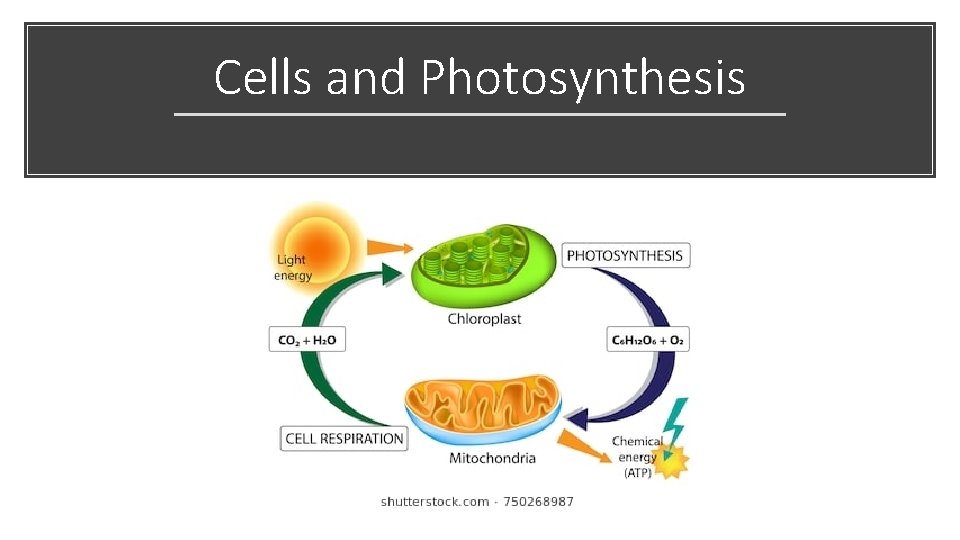
Cells and Photosynthesis
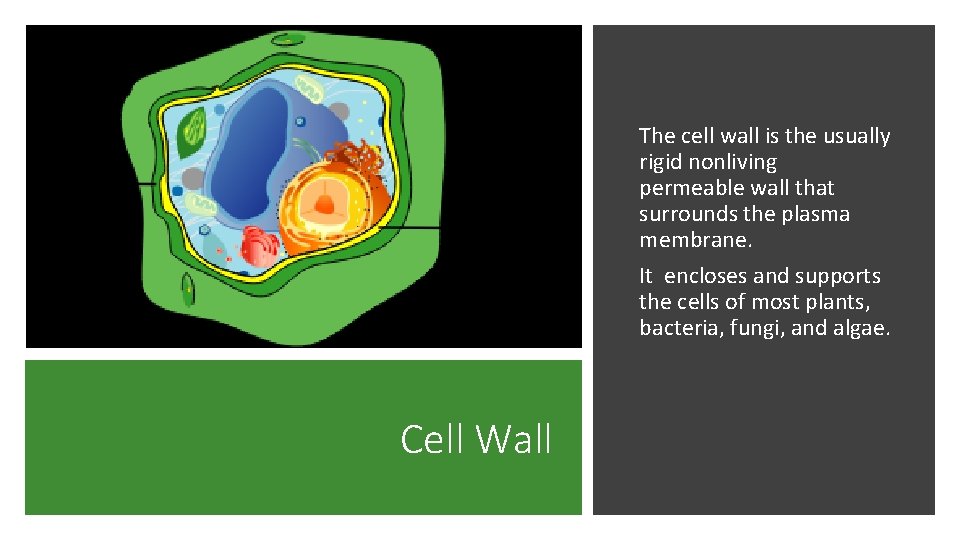
The cell wall is the usually rigid nonliving permeable wall that surrounds the plasma membrane. It encloses and supports the cells of most plants, bacteria, fungi, and algae. Cell Wall
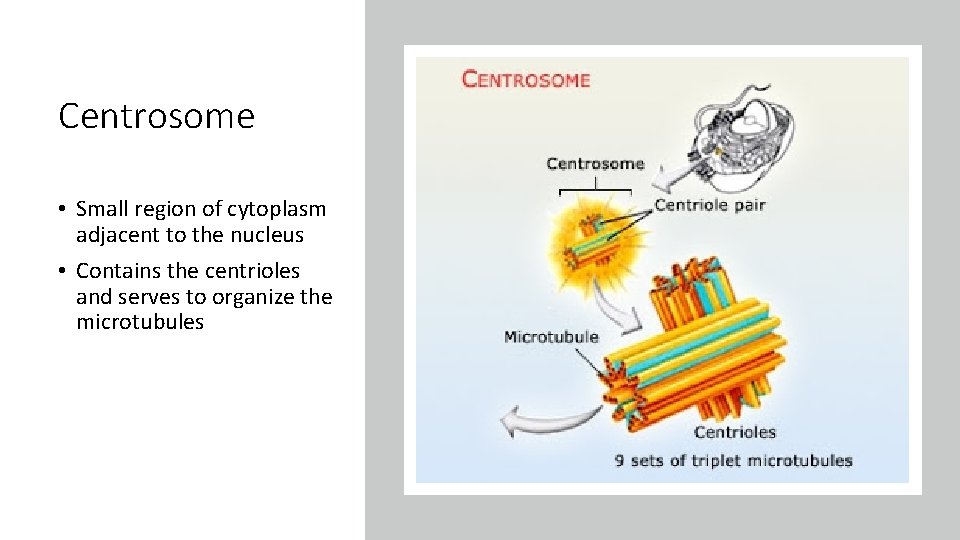
Centrosome • Small region of cytoplasm adjacent to the nucleus • Contains the centrioles and serves to organize the microtubules
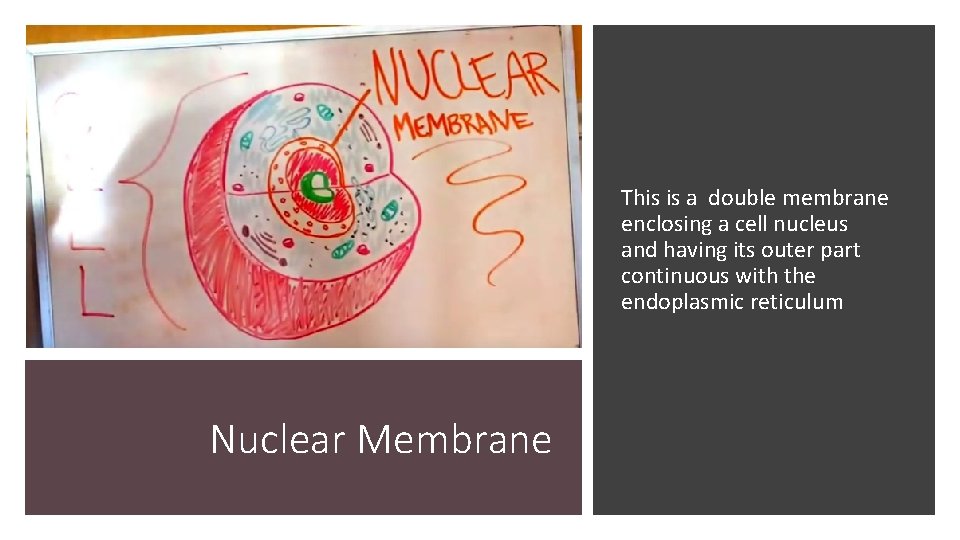
This is a double membrane enclosing a cell nucleus and having its outer part continuous with the endoplasmic reticulum Nuclear Membrane
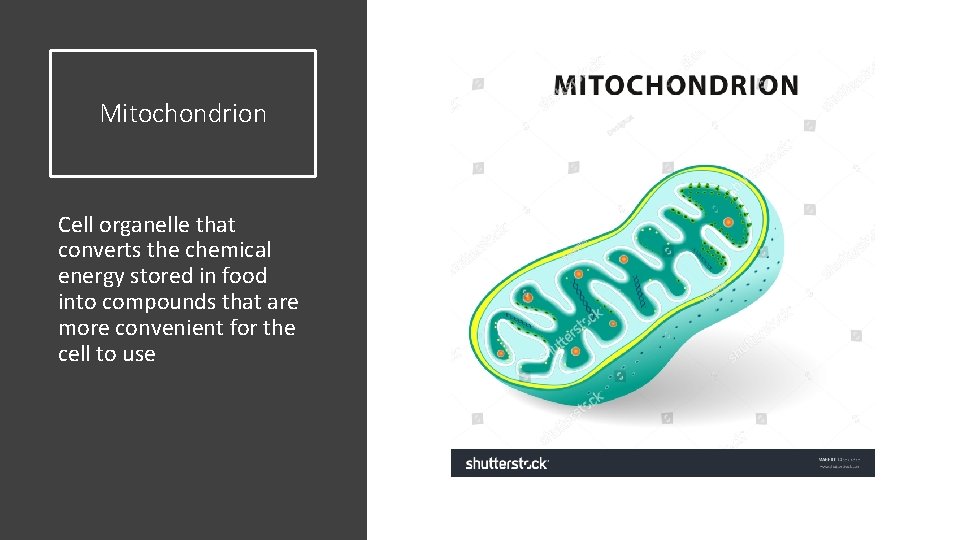
Mitochondrion Cell organelle that converts the chemical energy stored in food into compounds that are more convenient for the cell to use
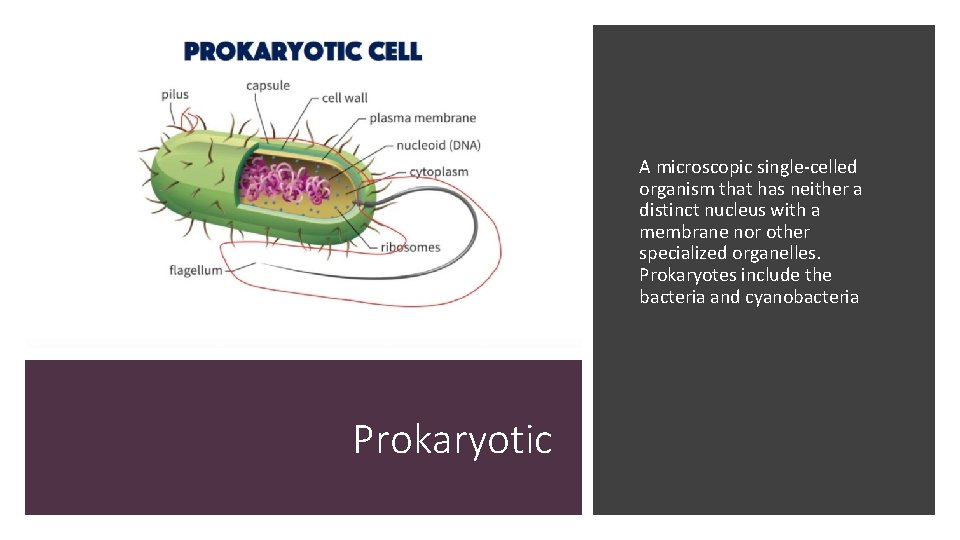
A microscopic single-celled organism that has neither a distinct nucleus with a membrane nor other specialized organelles. Prokaryotes include the bacteria and cyanobacteria Prokaryotic
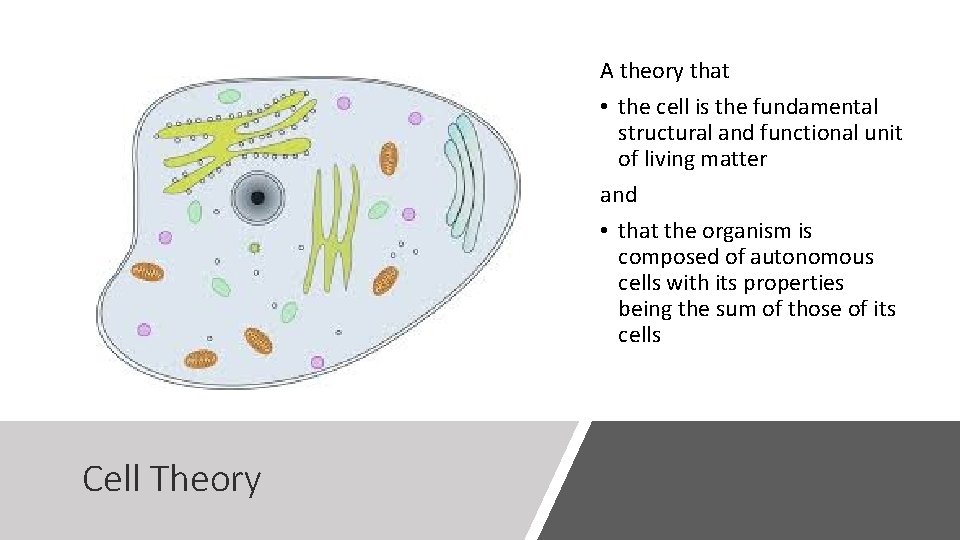
A theory that • the cell is the fundamental structural and functional unit of living matter and • that the organism is composed of autonomous cells with its properties being the sum of those of its cells Cell Theory
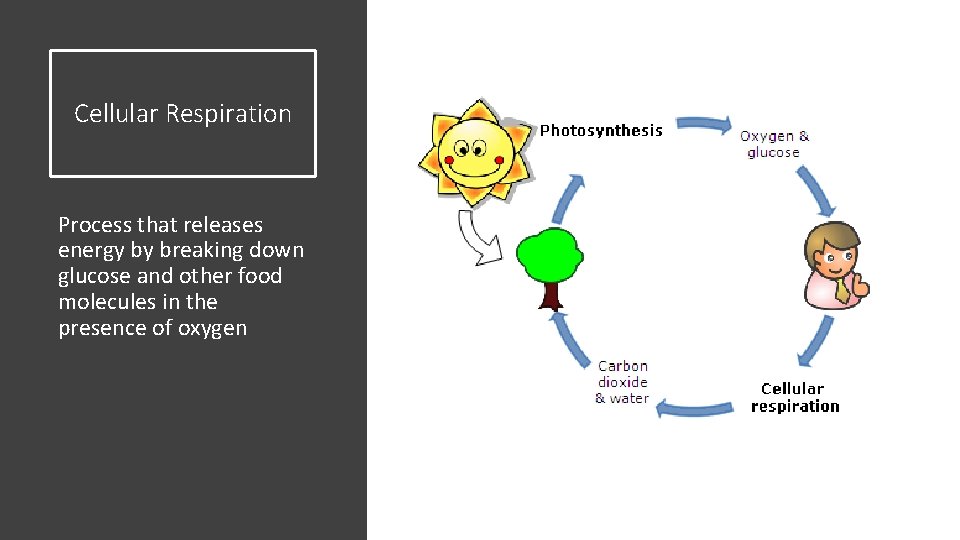
Cellular Respiration Process that releases energy by breaking down glucose and other food molecules in the presence of oxygen

Cytoplasm This is a watery, gel-like substance made of mostly salt and water It provides a structure for the cell parts so they can move freely within the cell membrane
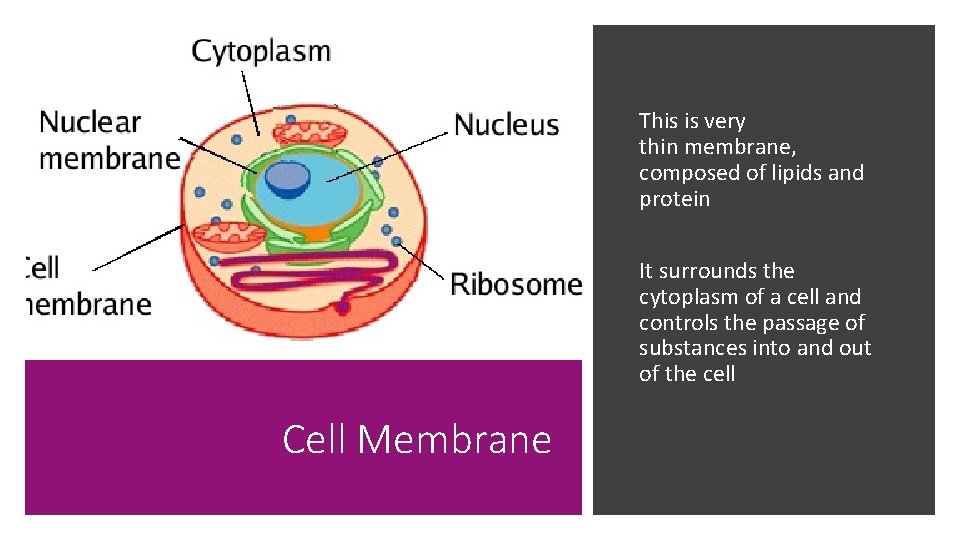
This is very thin membrane, composed of lipids and protein It surrounds the cytoplasm of a cell and controls the passage of substances into and out of the cell Cell Membrane
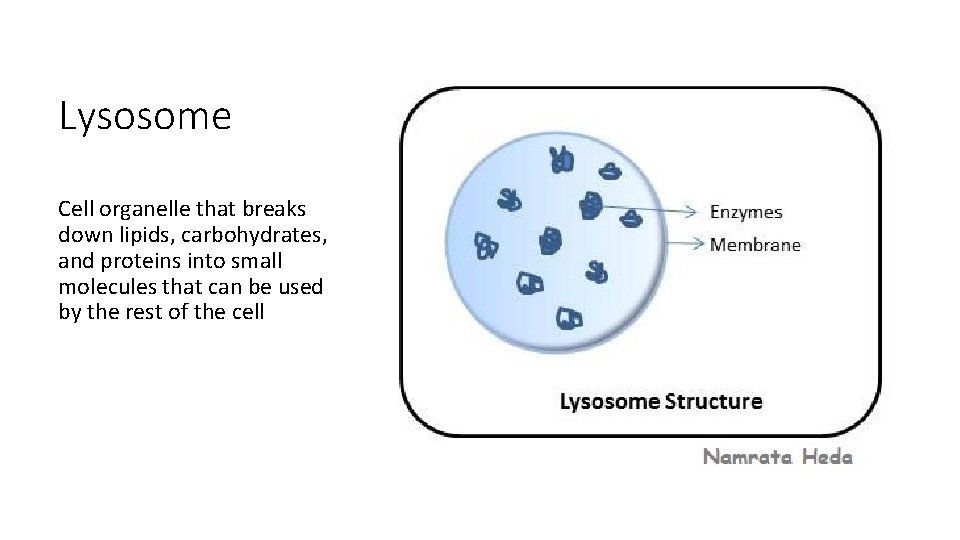
Lysosome Cell organelle that breaks down lipids, carbohydrates, and proteins into small molecules that can be used by the rest of the cell
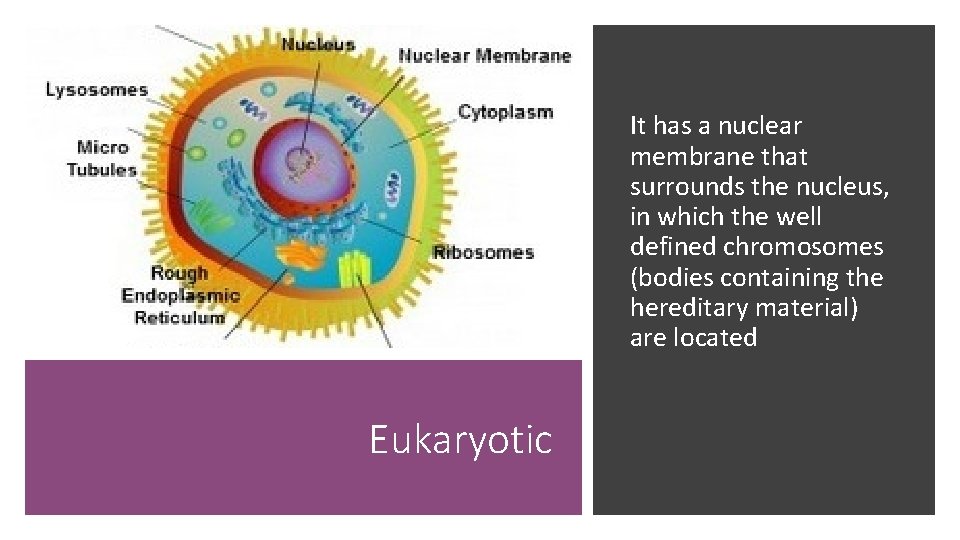
It has a nuclear membrane that surrounds the nucleus, in which the well defined chromosomes (bodies containing the hereditary material) are located Eukaryotic
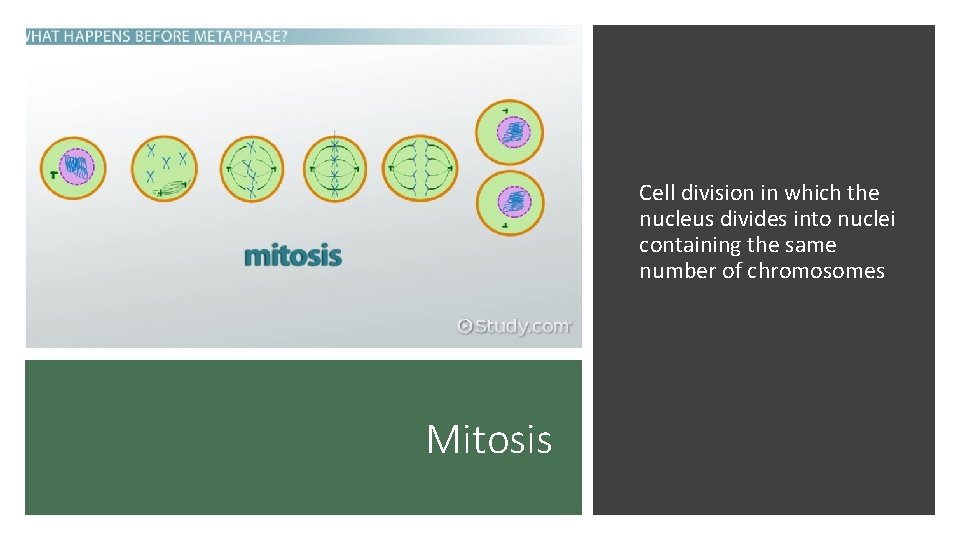
Cell division in which the nucleus divides into nuclei containing the same number of chromosomes Mitosis
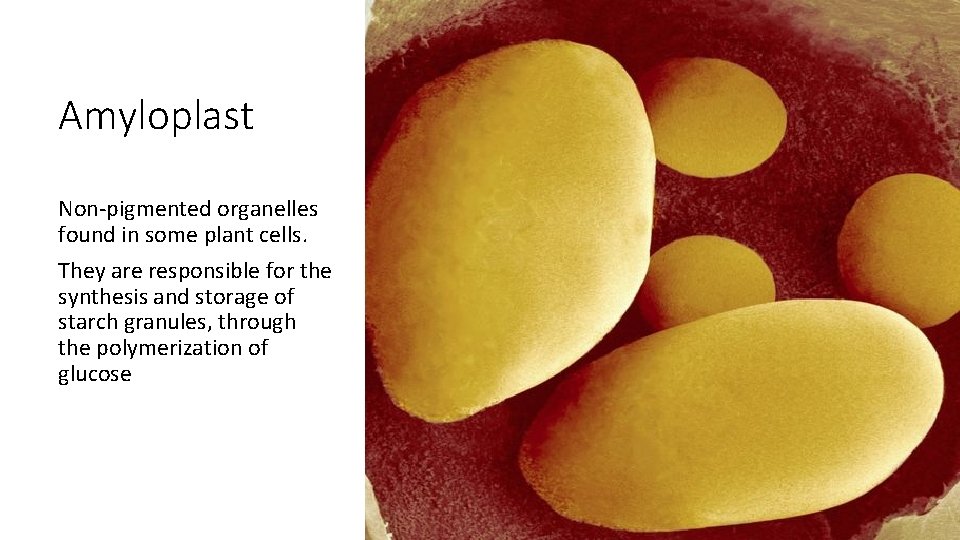
Amyloplast Non-pigmented organelles found in some plant cells. They are responsible for the synthesis and storage of starch granules, through the polymerization of glucose
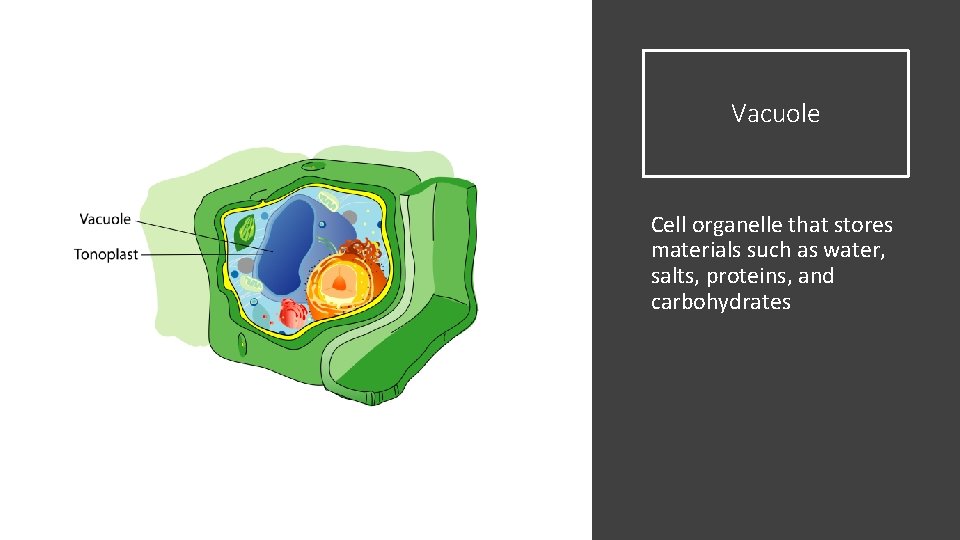
Vacuole Cell organelle that stores materials such as water, salts, proteins, and carbohydrates
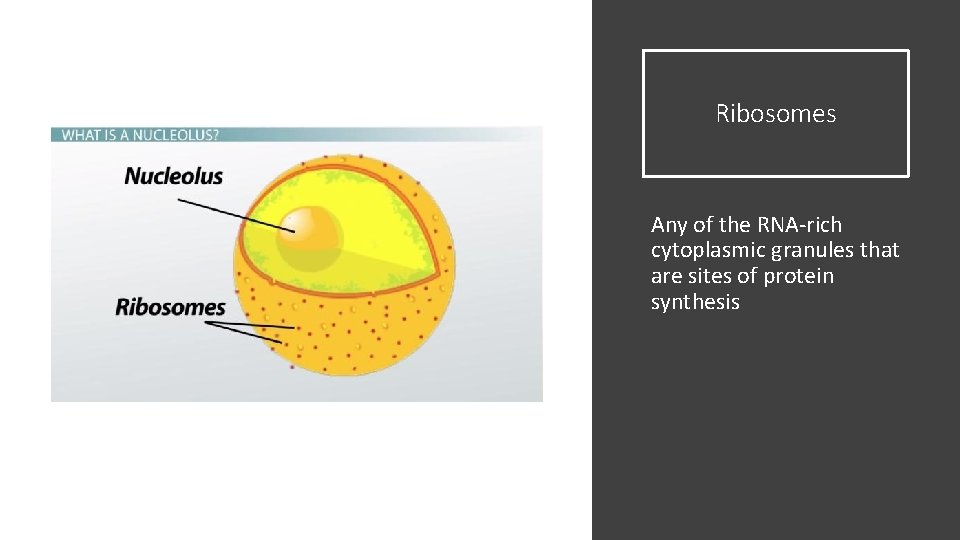
Ribosomes Any of the RNA-rich cytoplasmic granules that are sites of protein synthesis
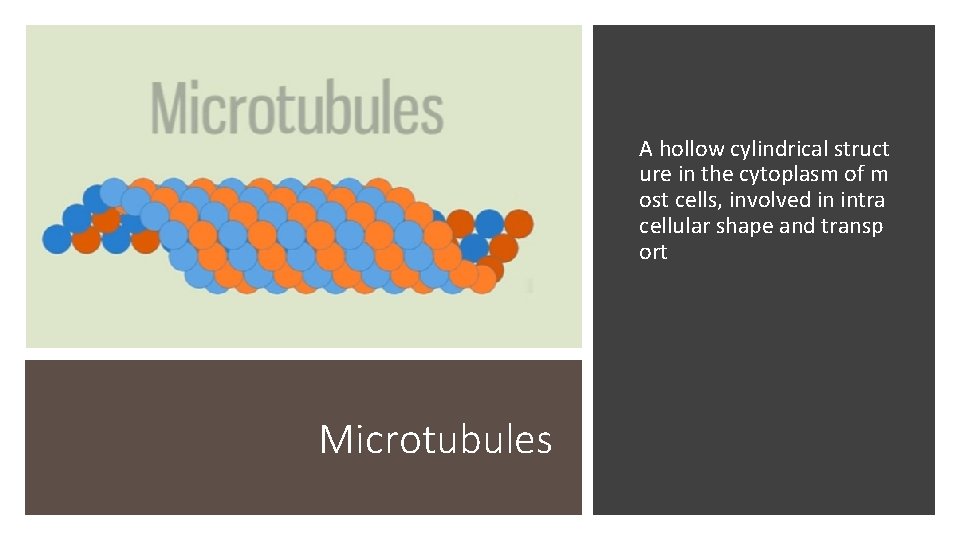
A hollow cylindrical struct ure in the cytoplasm of m ost cells, involved in intra cellular shape and transp ort Microtubules
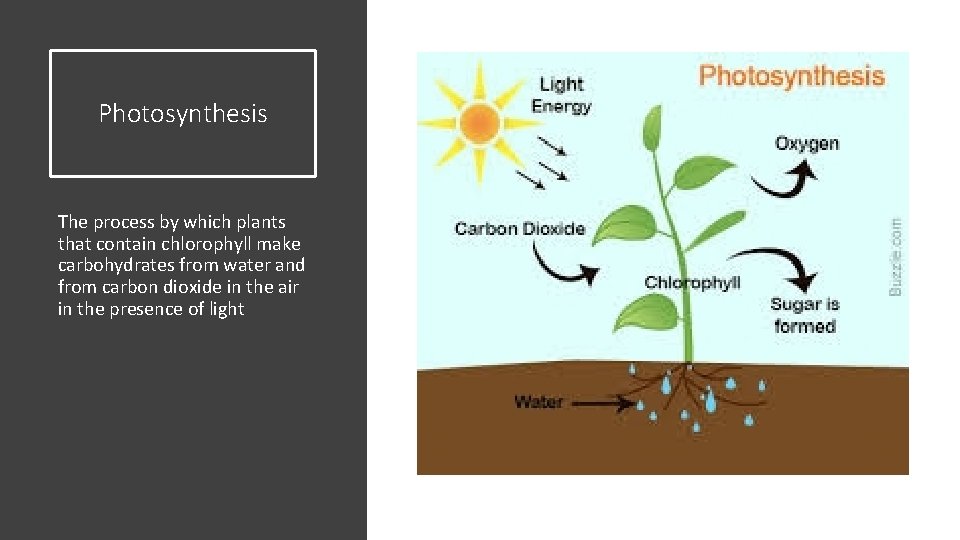
Photosynthesis The process by which plants that contain chlorophyll make carbohydrates from water and from carbon dioxide in the air in the presence of light
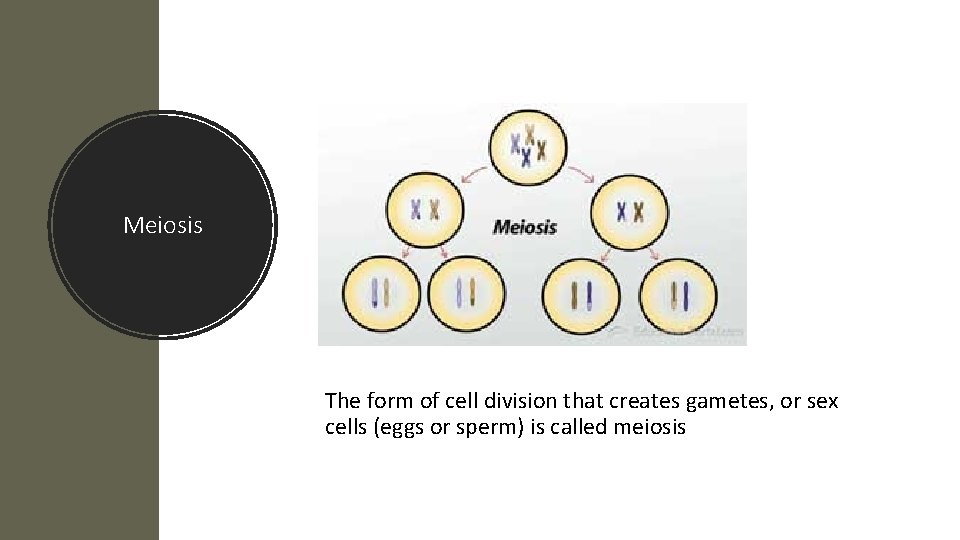
Meiosis The form of cell division that creates gametes, or sex cells (eggs or sperm) is called meiosis
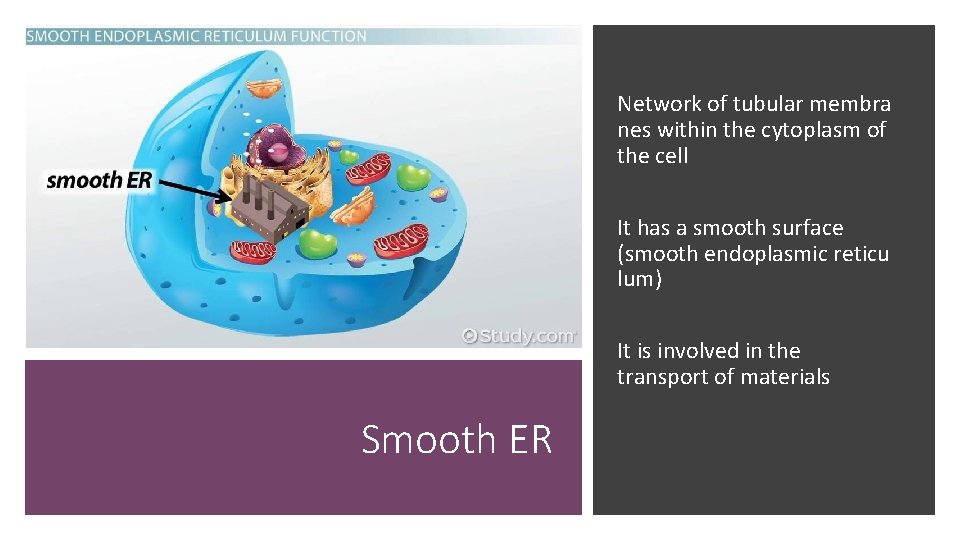
Network of tubular membra nes within the cytoplasm of the cell It has a smooth surface (smooth endoplasmic reticu lum) It is involved in the transport of materials Smooth ER
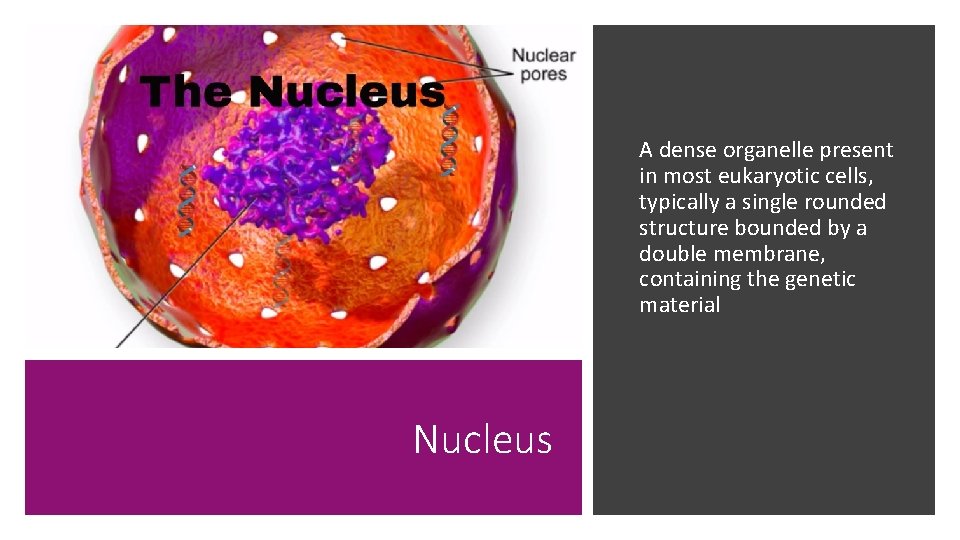
A dense organelle present in most eukaryotic cells, typically a single rounded structure bounded by a double membrane, containing the genetic material Nucleus
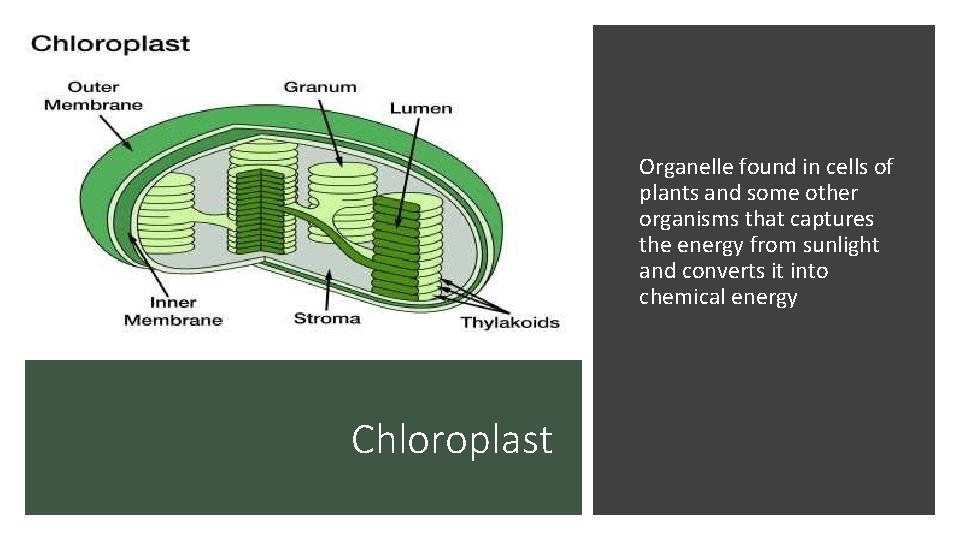
Organelle found in cells of plants and some other organisms that captures the energy from sunlight and converts it into chemical energy Chloroplast
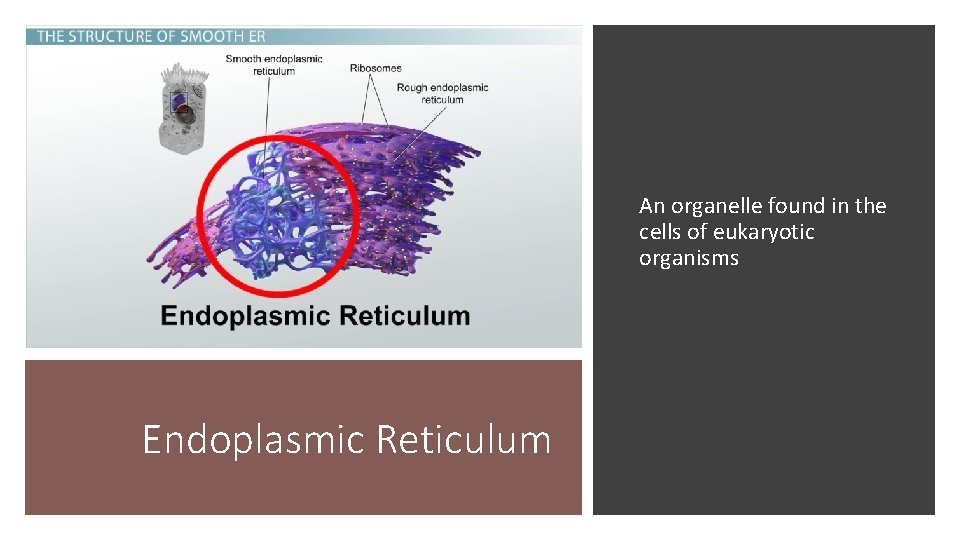
An organelle found in the cells of eukaryotic organisms Endoplasmic Reticulum
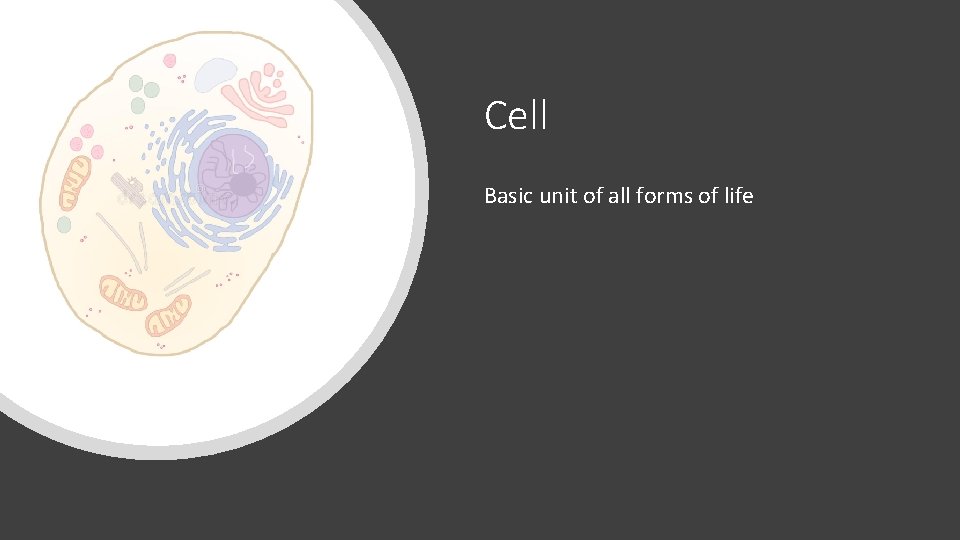
Cell Basic unit of all forms of life
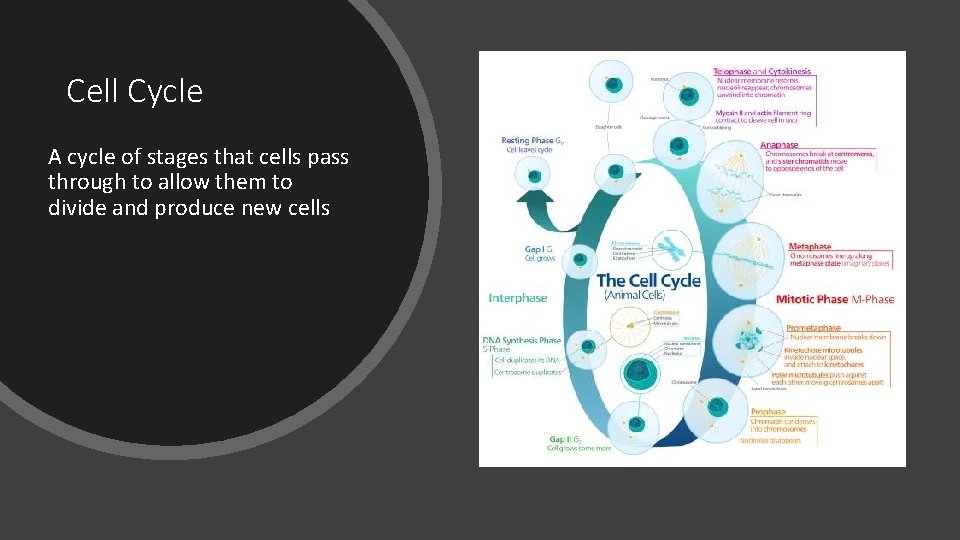
Cell Cycle A cycle of stages that cells pass through to allow them to divide and produce new cells
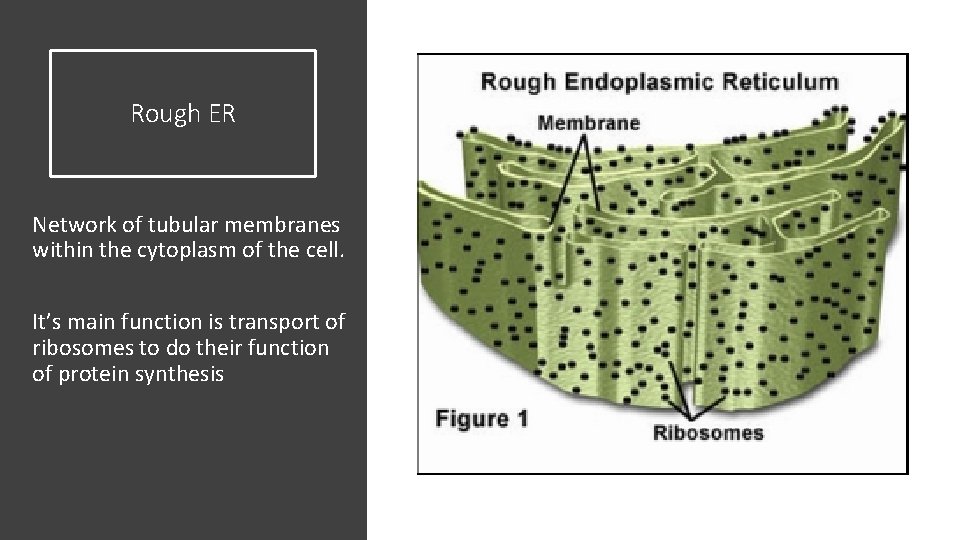
Rough ER Network of tubular membranes within the cytoplasm of the cell. It’s main function is transport of ribosomes to do their function of protein synthesis
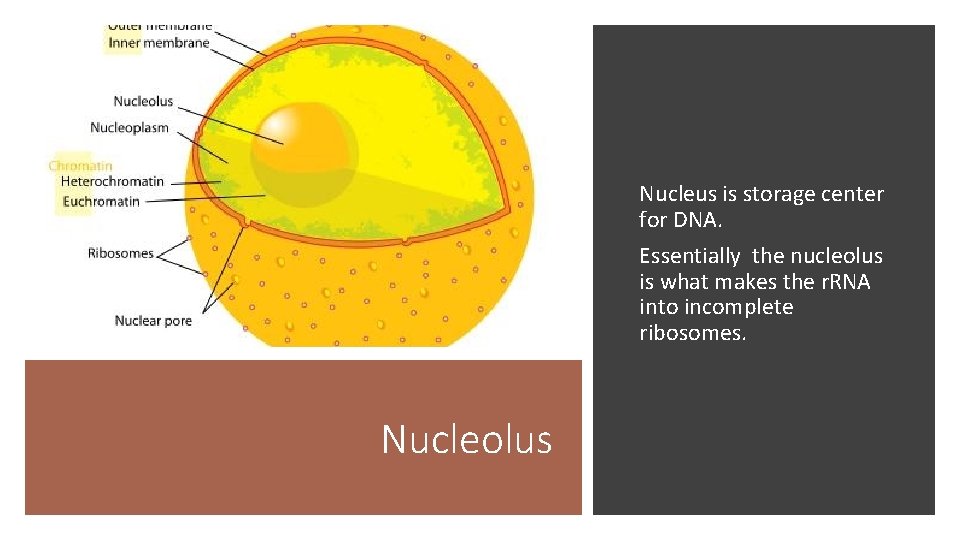
Nucleus is storage center for DNA. Essentially the nucleolus is what makes the r. RNA into incomplete ribosomes. Nucleolus
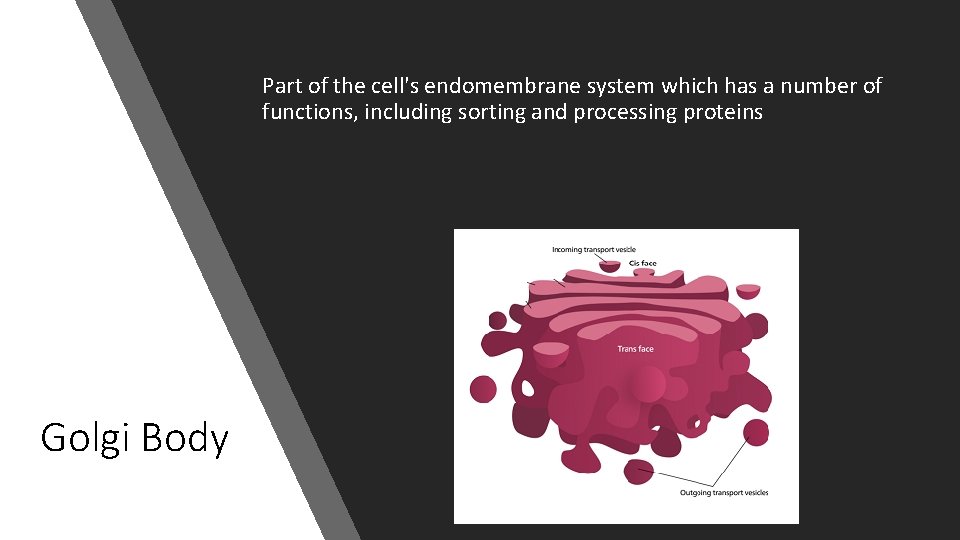
Part of the cell's endomembrane system which has a number of functions, including sorting and processing proteins Golgi Body
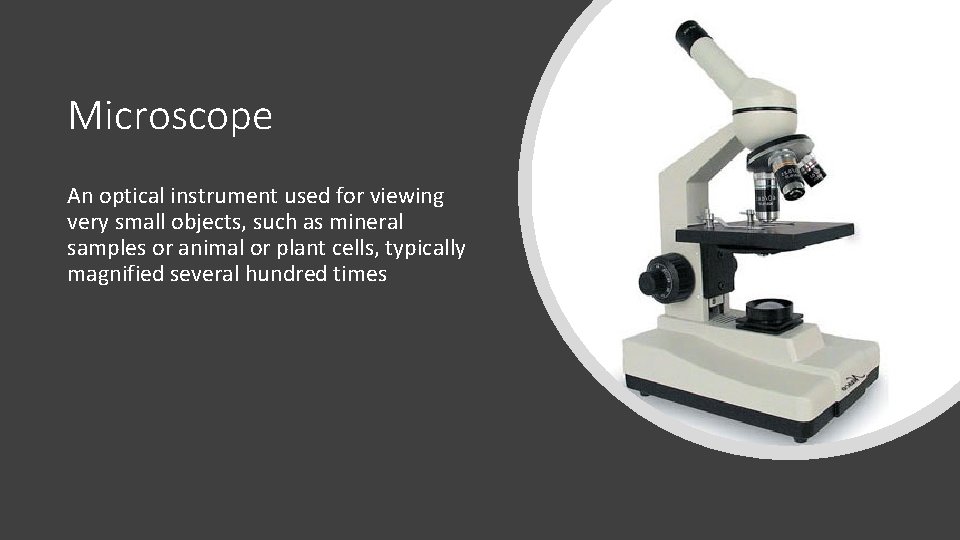
Microscope An optical instrument used for viewing very small objects, such as mineral samples or animal or plant cells, typically magnified several hundred times
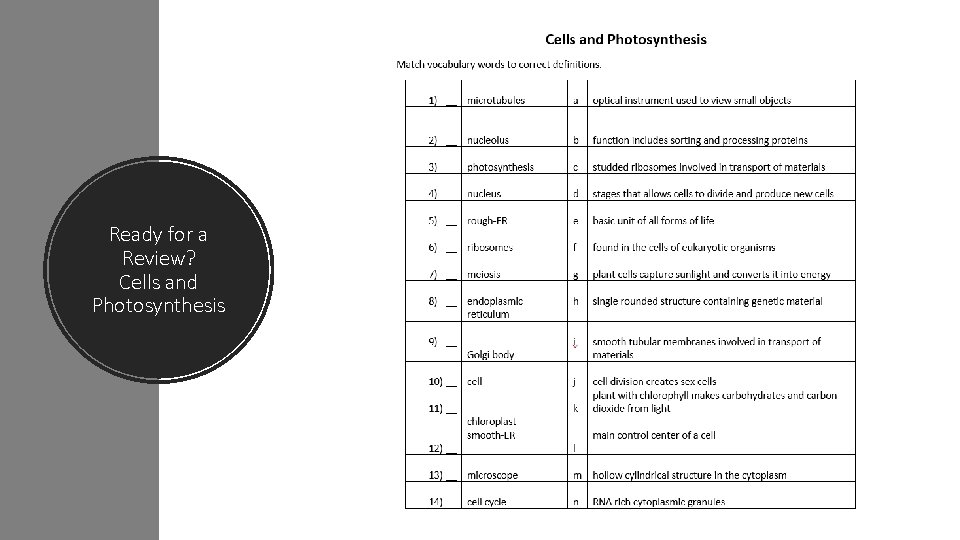
Ready for a Review? Cells and Photosynthesis
- Slides: 35