
Unit 2 Road to the American Revolution Change
- Slides: 103
• Unit 2: Road to the American Revolution: Change is Unavoidable! SSUSH 3& SSUSH 4
Themes for Unit 2 • Causes of the American Revolution • The Ideological, military, and developmental aspects of the Rev. War • Conflict = Change • Did the colonist have the right to revolt against England?
• SSUSH 3: Analyze Causes of the American Revolution.
• SSUSH 2. a. Explain how the French and Indian War and the 1763 Treaty of Paris laid the groundwork for the American Revolution.
• b. Explain colonial response to such British actions as the Proclamation of 1763, the Stamp Act, and the Intolerable Acts as seen in Sons and Daughters of Liberty and Committees of Correspondence. • c. Explain the importance of Thomas Paine’s Common Sense to the movement for independence.
• SSUSH 4: The student will identify the ideological, military, and diplomatic aspects of the American Revolution.
• a. Investigate the language, organization, and intellectual sources of the Declaration of Independence; include the role of Thomas Jefferson and the Committee of Five
• b. Explain the reason and significance of the French alliance and other foreign assistance including the diplomacy of Benjamin Franklin and John Adams
• c. Analyze George Washington as a military leader; including but not limited to the influence of Baron Von Steuben, the Marquis de La. Fayette, and the significance of Valley Fore in the creation of a professional military • d. Investigate the role of geography at the Battle of Trenton, Battle of Yorktown and Saratoga
• E. Examine the Roles of Women, American Indians, and enslaved and free Blacks in supporting the war effort • F. Explain the significance of the Treat of Paris, 1783.
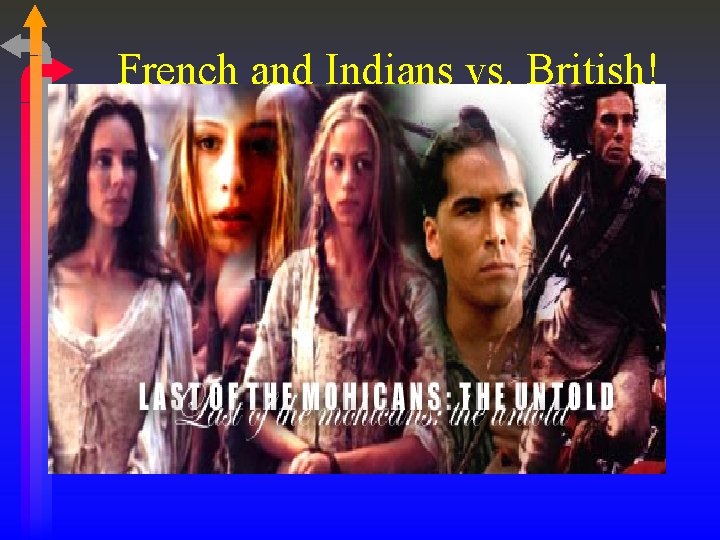
French and Indians vs. British!
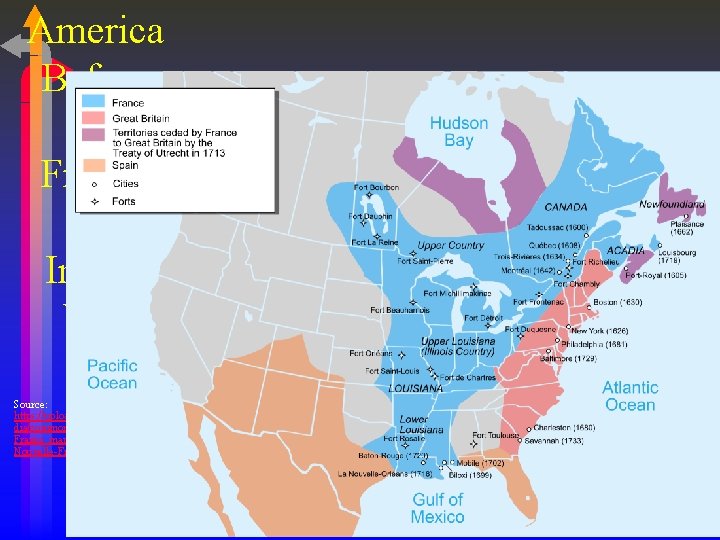
America Before the French and Indian War Source: https: //upload. wikimedia. org/wikipe dia/commons/thumb/b/b 0/Nouvelle. France_map-en. svg/2000 px. Nouvelle-France_map-en. svg. png
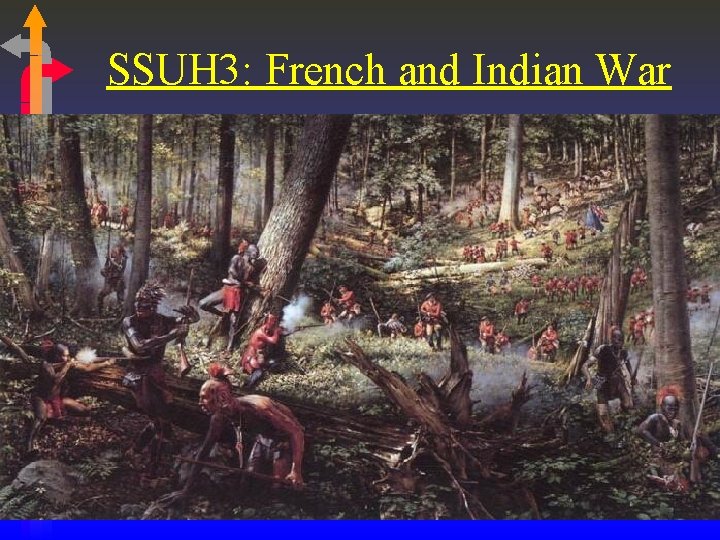
SSUH 3: French and Indian War
Causes: • Tension between the French and British • Who was most powerful?
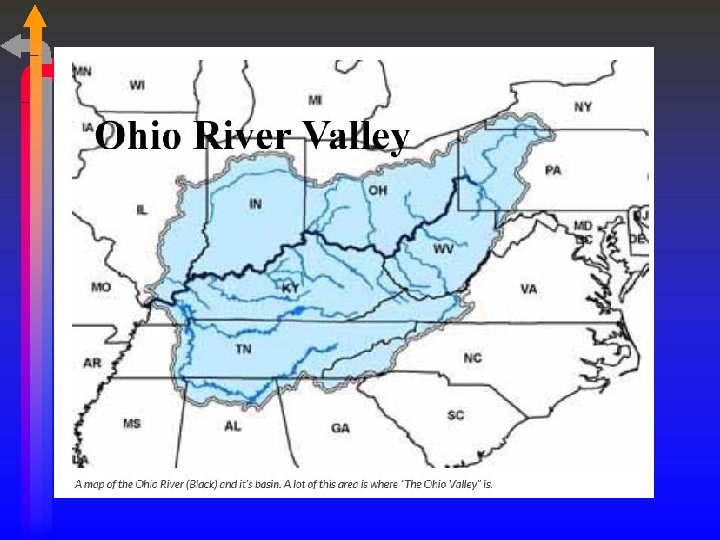
• Fought over territory in the Ohio Valley to the Mississippi River Lasted 9 years. , but called the “ 7 Years War” • George Washington a young General aided in the British Winning the war!
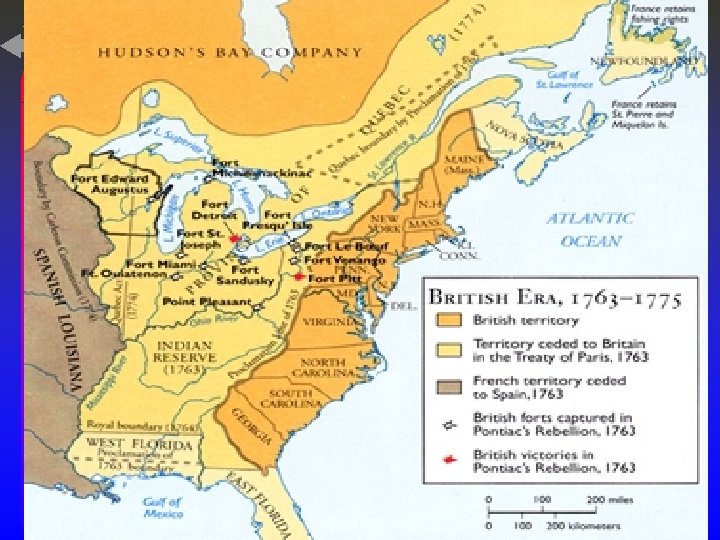
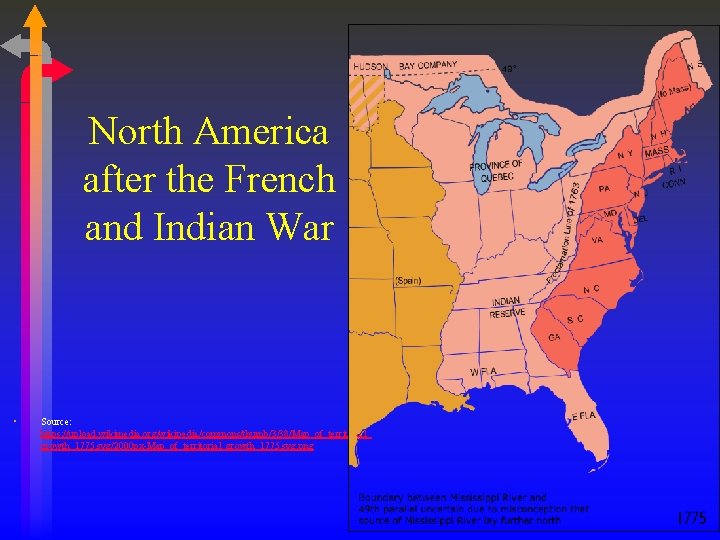
Results: • The French lost all their land in North America, except New Orleans • Settled the issue of which nation would dominate eastern North America
North America after the French and Indian War • Source: https: //upload. wikimedia. org/wikipedia/commons/thumb/3/38/Map_of_territorial_ growth_1775. svg/2000 px-Map_of_territorial_growth_1775. svg. png
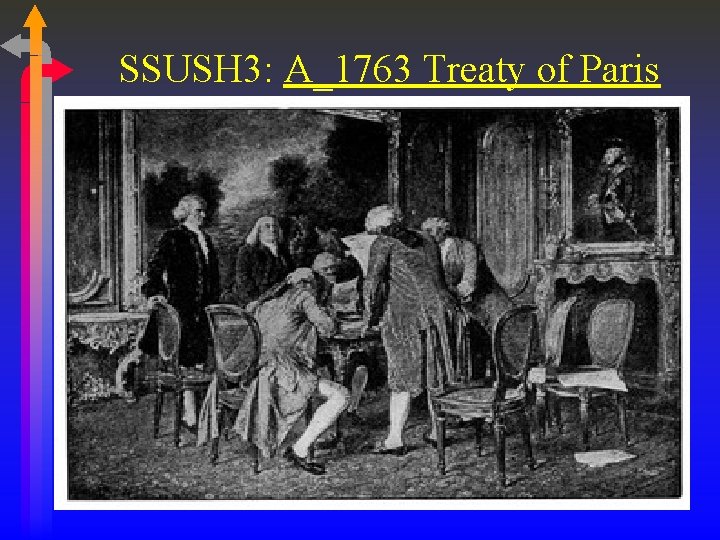
SSUSH 3: A_1763 Treaty of Paris
• Granted the United States Territory from the Atlantic Ocean to the Mississippi River • Which country is not the dominant country?
The Road to the American Revolution>>>> • The first step Britain took to tighten control of the colonists after the French and Indian war was the …. Proclamation of 1763
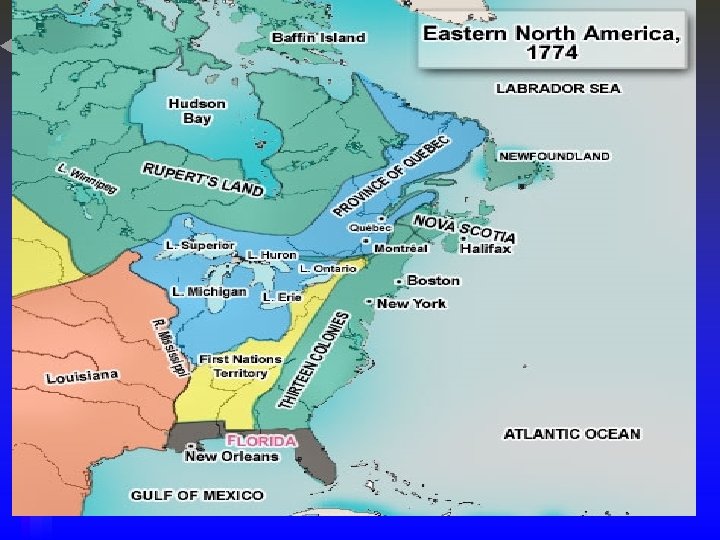
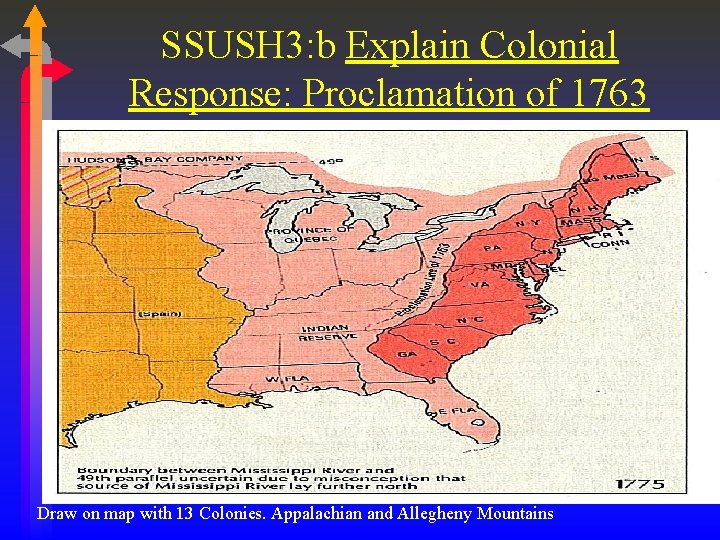
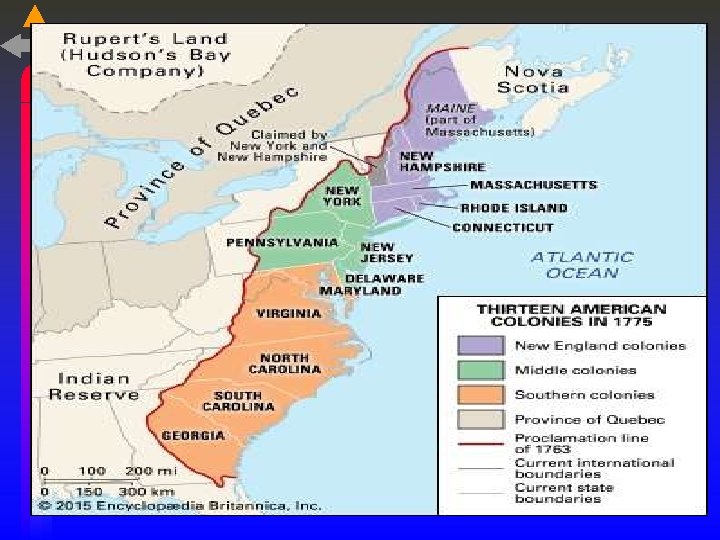
SSUSH 3: b Explain Colonial Response: Proclamation of 1763 Draw on map with 13 Colonies. Appalachian and Allegheny Mountains
Proclamation of 1763: • Forbade Colonists from settling west of the Appalachian Mnts. • The land belong to British, but it was for the Native Americans to settle, and keep peace between the Native Americans and the British.
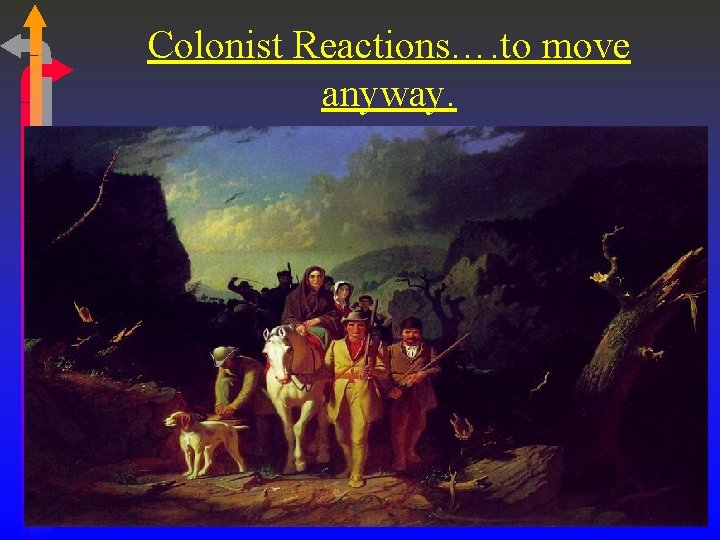
Colonist Reactions…. to move anyway.
• The first step Britain took to tighten control of the colonists after the French and Indian War.
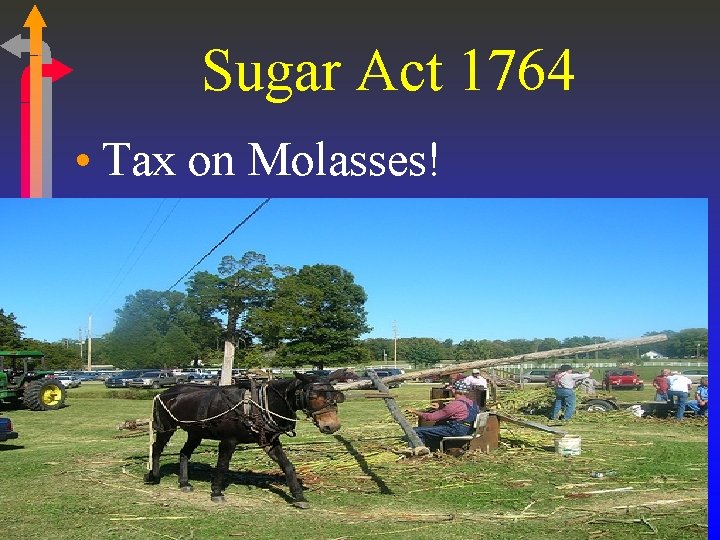
Sugar Act 1764 • Tax on Molasses!
• The treaty of Paris of ended the French and Indian war • Reduced the French threat, • British wanted to reduce their military presence • Who was responsible for paying for the war? • The Colonist felt the Taxes were unfair, which led to protest.
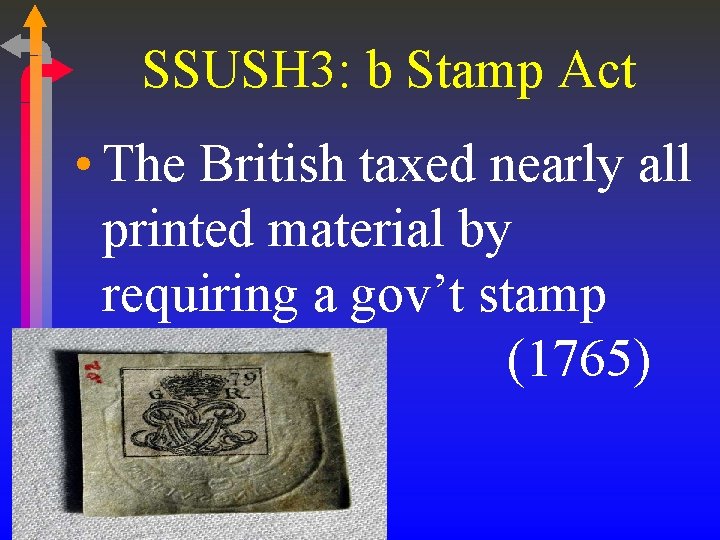
SSUSH 3: b Stamp Act • The British taxed nearly all printed material by requiring a gov’t stamp (1765)
British Acts to pay off War Debt. • Sugar Act-Molasses • Stamp Act-Paper, stamps, cards • Townshend Acts-Lead, Glass, paint
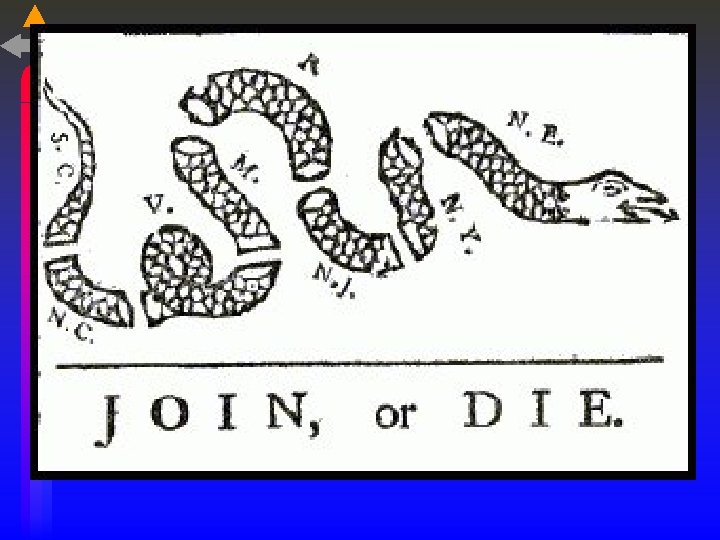
Colonist Feelings & Reactions • Taxes and regulations imposed on them without being granted a voice in the English Government…. . “No Taxation without Representation”
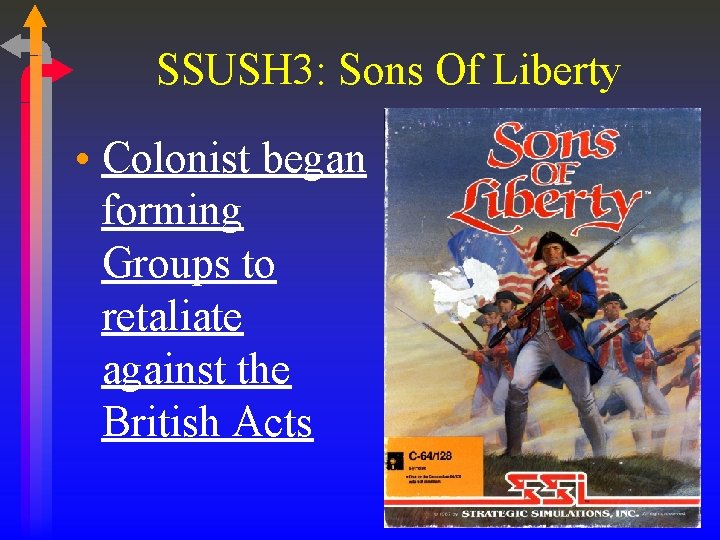
SSUSH 3: Sons Of Liberty • Colonist began forming Groups to retaliate against the British Acts
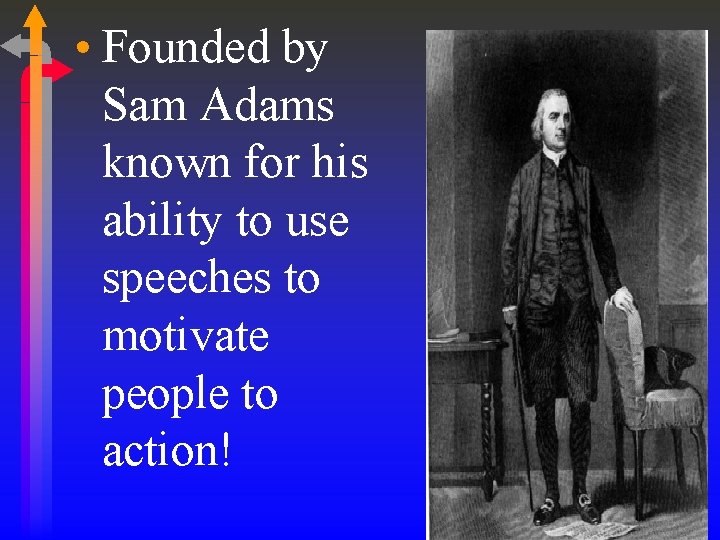
• Founded by Sam Adams known for his ability to use speeches to motivate people to action!
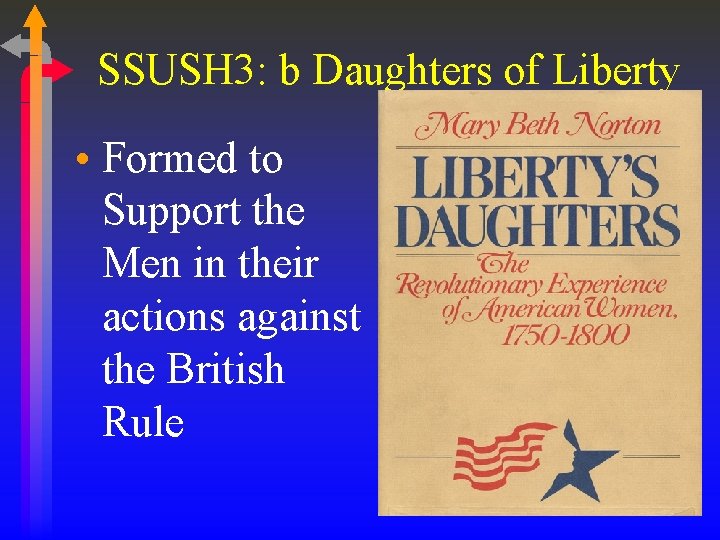
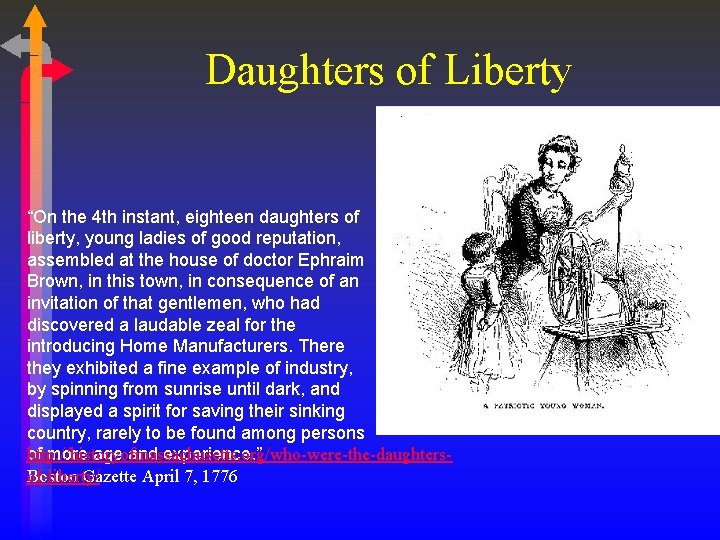
SSUSH 3: b Daughters of Liberty • Formed to Support the Men in their actions against the British Rule
Daughters of Liberty “On the 4 th instant, eighteen daughters of liberty, young ladies of good reputation, assembled at the house of doctor Ephraim Brown, in this town, in consequence of an invitation of that gentlemen, who had discovered a laudable zeal for the introducing Home Manufacturers. There they exhibited a fine example of industry, by spinning from sunrise until dark, and displayed a spirit for saving their sinking country, rarely to be found among persons of more age and experience. ” http: //historyofmassachusetts. org/who-were-the-daughters. Boston Gazette April 7, 1776 of-liberty/
Sons of Liberty…. . Supported by Daughters of Liberty • Enforced a Boycott on British Goods • Used violence to enforce & intimidate merchants or royal officials who might use the stamps • Daughters weaved fabric and other products from Britain • GA the only Colony to issue stamps, until S. C. treaten to invade Ga.
Virginia Resolutions Establishing A Committee of Correspondence; March 12, 1773 Whereas, the minds of his Majesty's faithful subjects in this colony have been much disturbed by various rumours and reports of proceedings tending to deprive them of their ancient, legal, and constitutional rights. And whereas, the affairs of this colony are frequently connected with those of Great Britain, as well as of the neighbouring colonies, which renders a communication of sentiments necessary; in order, therefore, to remove the uneasinesses and to quiet the minds of the people, as well as for the other good purposes above mentioned Be it resolved, that a standing committee of correspondence and inquiry be appointed to consist of eleven persons, to wit: the Honourable Peyton Randolph, Esquire; Robert Carter Nicholas, Richard Bland, Richard Henry Lee, Benjamin Harrison, Edmund Pendleton, Patrick Henry, Dudley Digges, Dabney Carr, Archibald Cary, and Thomas Jefferson, Esquires, any six of whom to be a committee, whose business it shall be to obtain the most early and authentic intelligence of all such Acts and resolutions of the British Parliament, or proceedings of administration, as may relate to or affect the British colonies in America, and to keep up and maintain a correspondence and communication with our sister colonies, respecting these important considerations ; and the result of such their proceedings, from time to time, to lay before this House. Resolved, that it be an instruction to the said committee that they do, without delay, inform themselves particularly of the principles and authority on which was constituted a court of inquiry, said to have been lately held in Rhode Island, with powers to transmit persons accused of offences committed in America to places beyond the seas to be tried…
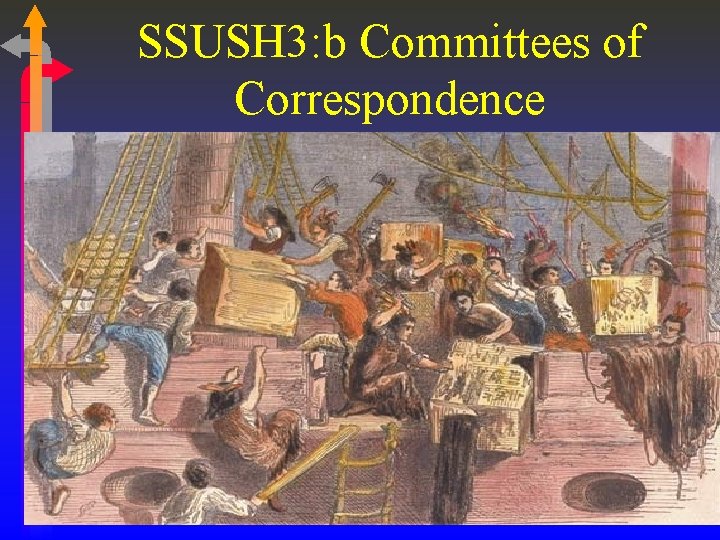
SSUSH 3: b Committees of Correspondence
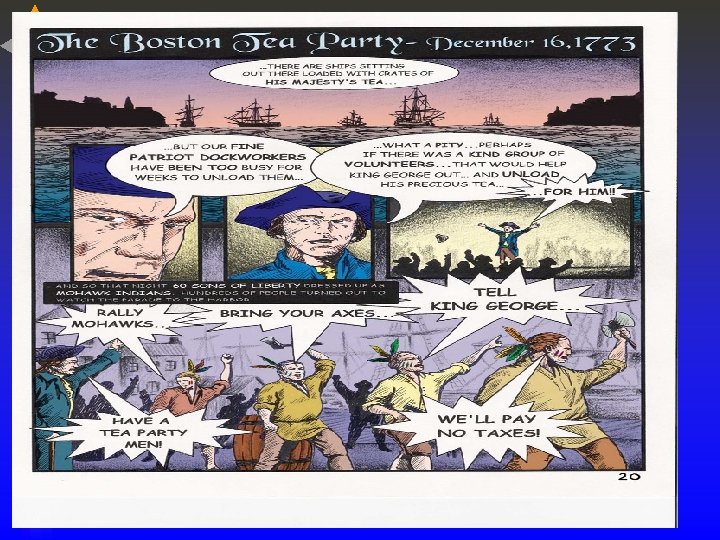
• Founded by SAM ADAMS!!! • Encouraged the colonist to be discontent! • Protested British laws • Most noted for the Boston Tea Party!
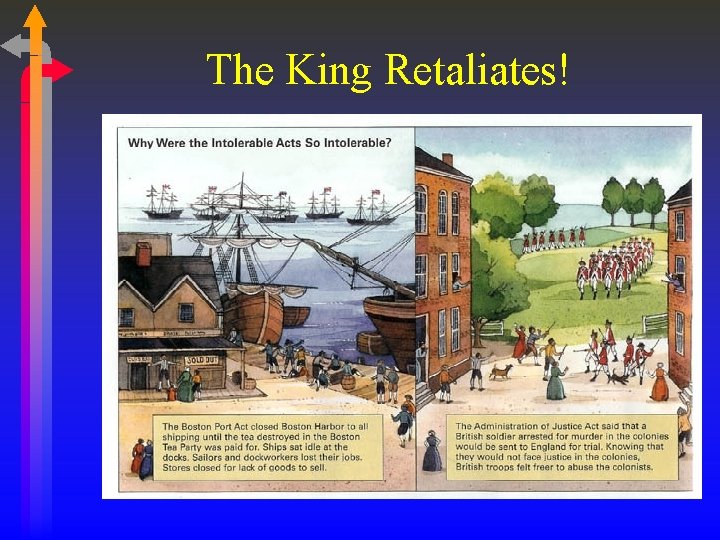
The King Retaliates!
SSUSH 3: b_Intolerable Acts 1774 • Close the Boston Harbor • Military Governor over Massachusetts • England Expanded the Canadian border…taking land away from certain colonies…. ANGERED COLONIST
Colonist Reactions to the Above Acts (to pay off war debt). • 1. Petitions • 2. Boycotts • 3. Violent Protest
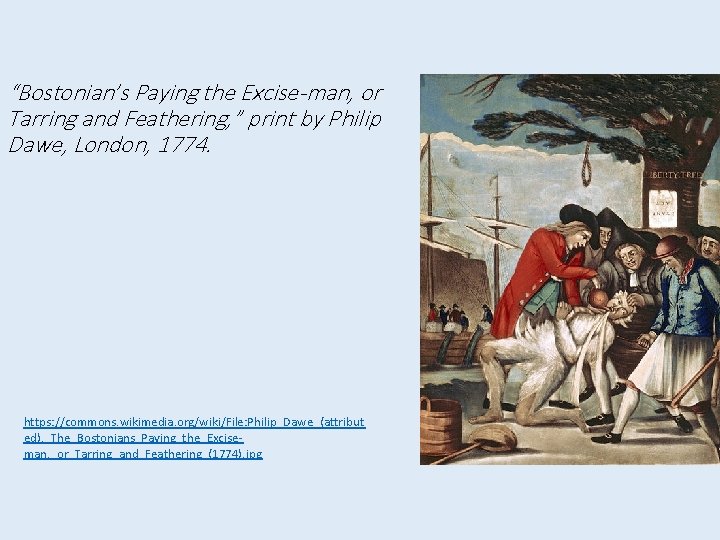
“Bostonian’s Paying the Excise-man, or Tarring and Feathering, ” print by Philip Dawe, London, 1774. https: //commons. wikimedia. org/wiki/File: Philip_Dawe_(attribut ed), _The_Bostonians_Paying_the_Exciseman, _or_Tarring_and_Feathering_(1774). jpg
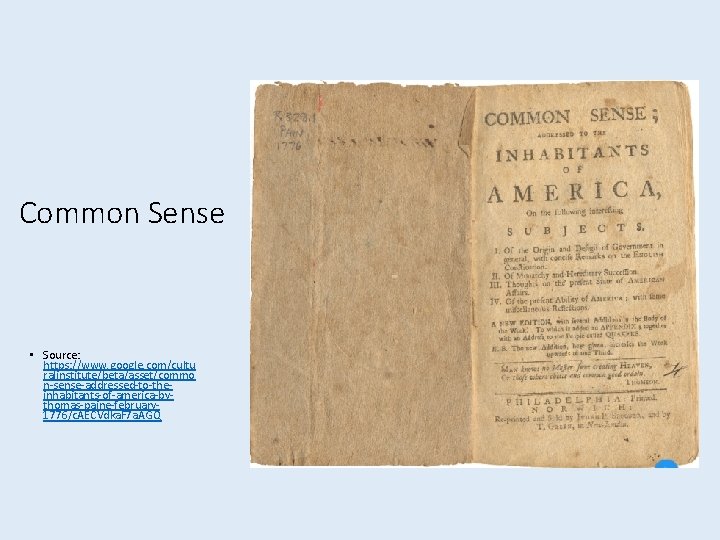
SSUH 3: C_Thomas Paine • Thomas Paine wrote Common Sense, 1776 as a public outcry to revolt against the English and fight for Independence.
Common Sense • Source: https: //www. google. com/cultu ralinstitute/beta/asset/commo n-sense-addressed-to-theinhabitants-of-america-bythomas-paine-february 1776/c. AECVdka. F 7 a. AGQ
SSUSH 4: Analyze the Ideological, Military, Social and Diplomatic aspects of the American Revolution
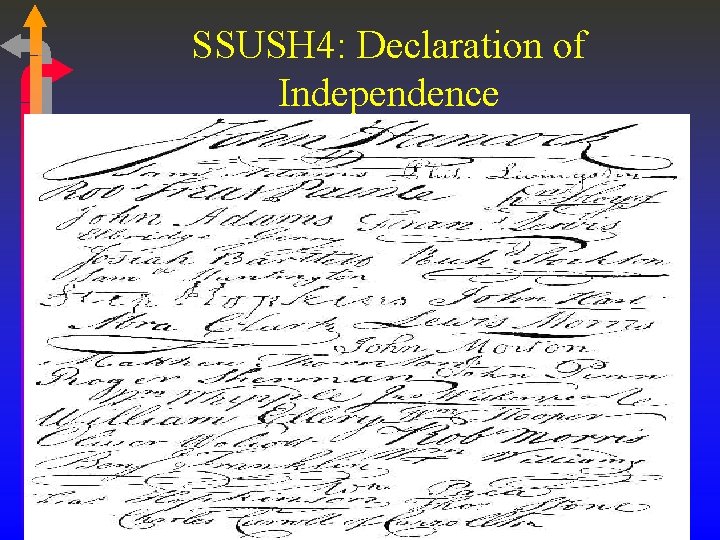
SSUSH 4: Declaration of Independence
Committee of Five • Second Continental Congress • Declare Independence from Britain • • • Benjamin Franklin John Adams Thomas Jefferson Robert R. Livingston Roger Sherman
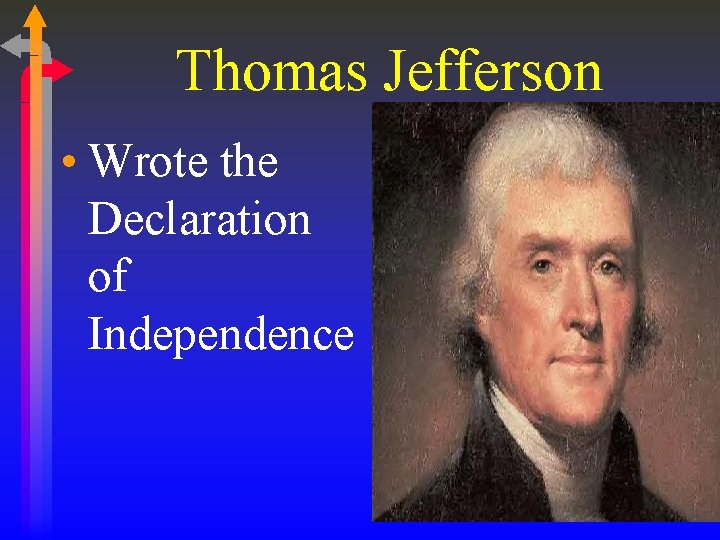
Thomas Jefferson • Wrote the Declaration of Independence
D. of I. • A product of men who studied the Enlightenment thinker John Locke • Rulers needed consent of citizens to rule
“Unalienable Rights” • Rights given by God are mentioned in the D. of I. and sent to the King of England.
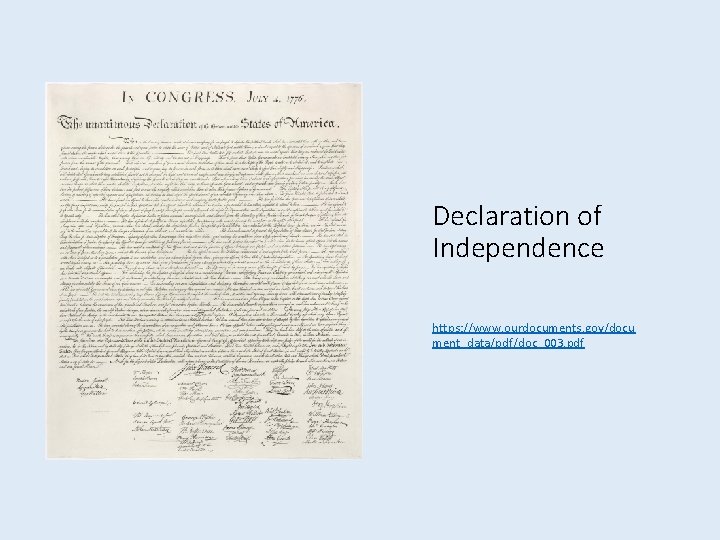
Declaration of Independence https: //www. ourdocuments. gov/docu ment_data/pdf/doc_003. pdf
SSUSH 4: b: Significance of French Alliance and Foreign Support • Benjamin Franklin & John Adams: Went to France to convince the French to Support the American Colonies (Diplomats from the American Colonies)
• France Agreed: The Battle of Saratoga Convinced France that the US Could win the War
• Significance: Supplied the Continental Army with Money, Troops, and Naval Support. • Marquis de Lafayette (Frenchman): Brought Reenforcements and commanded his own army in the Rev. War.
SSUSH 4_c: Analyze General George Washington • V. A. chosen to lead the Continental Army • he overcame defeats and hardships and lead the US to victory
c_ Con’t: Washington’s Men: • Were undisciplined and nonmilitary trained farmers, frontiersmen, and volunteers who were short supplied with a high rate of desertion.
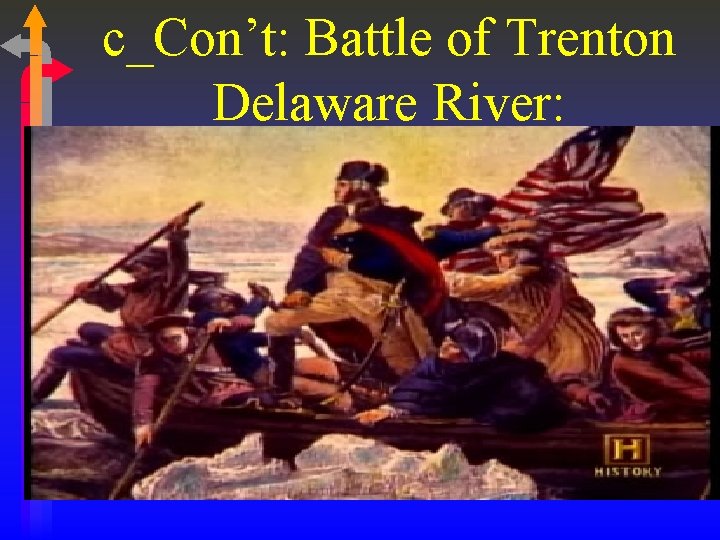
c_Con’t: Battle of Trenton Delaware River:
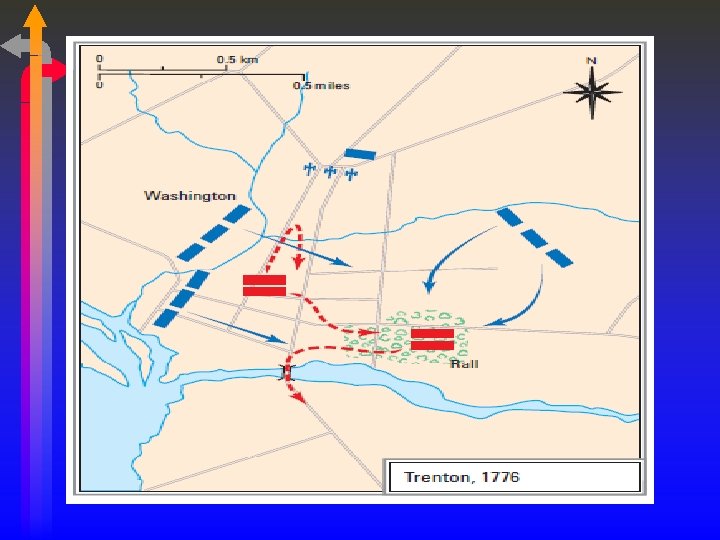
• Dec. 1776: G. Washington Experienced success. • He surprised attached the Hessians (Germans hired to fight for the British) and Mercenaries camped at Trenton, NJ.
Crucial b/c: • Soldiers would re-enlist • Moral would go up across the colonies • The Americans gained Hessians materials.
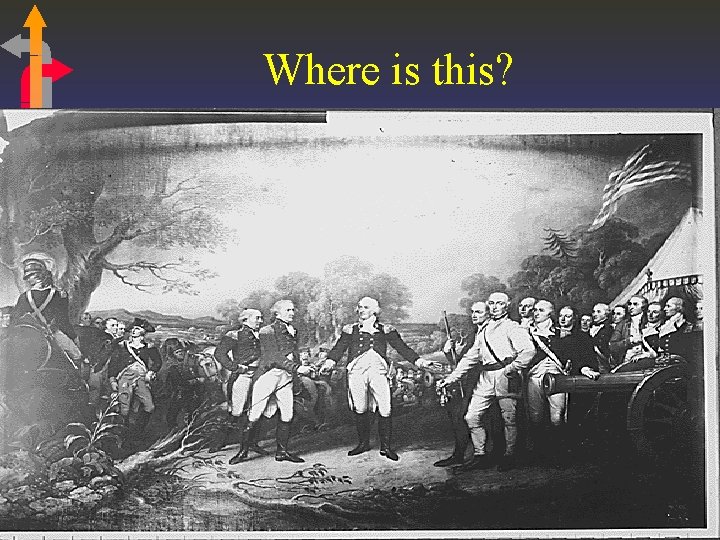
Where is this?
Battle of Saratoga, NY: • Benedict Arnold is credited w/ the Victory • France agreed to support the Americans along with Benjamin Franklins persuasion. • *Surrender of General Burgoyne!
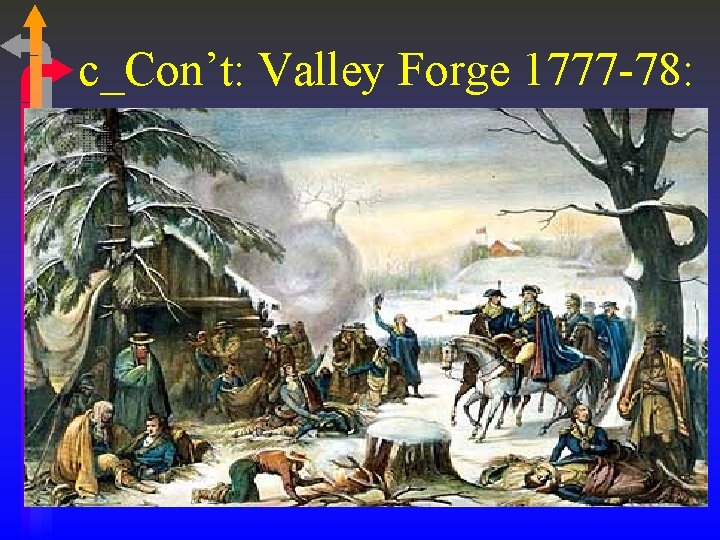
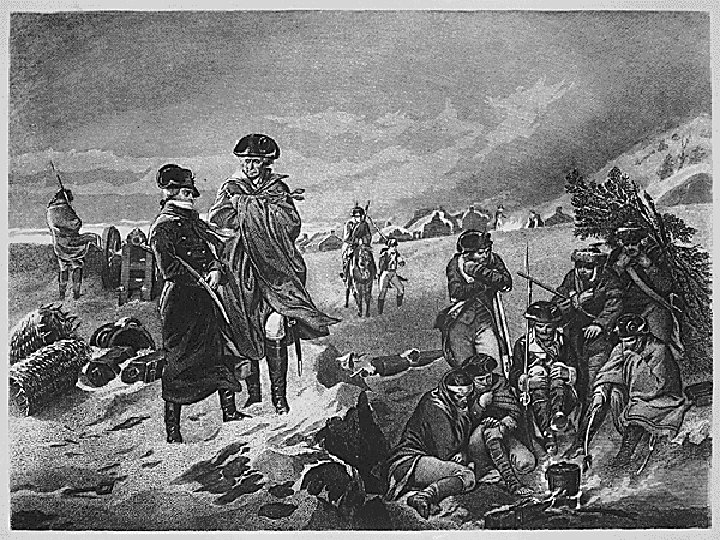
• General Washington awaits the French support and warm weather at…
c_Con’t: Valley Forge 1777 -78:
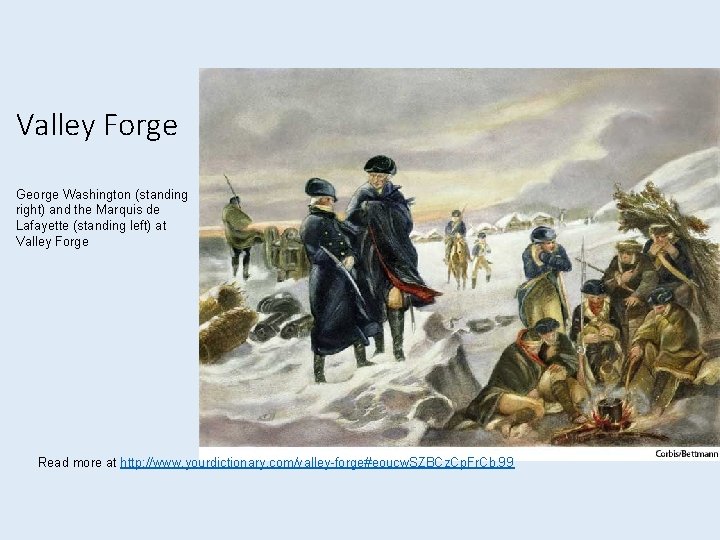
Valley Forge George Washington (standing right) and the Marquis de Lafayette (standing left) at Valley Forge Read more at http: //www. yourdictionary. com/valley-forge#eoucw. SZBCz. Cp. Fr. Cb. 99
C_Create a professional military • Washington and Prussian Baron Friedrich Von Steuben used the time at Valley Forge to train and prepare an army to fight the British.
• The Success of the training was seen at Yorktown, VA.
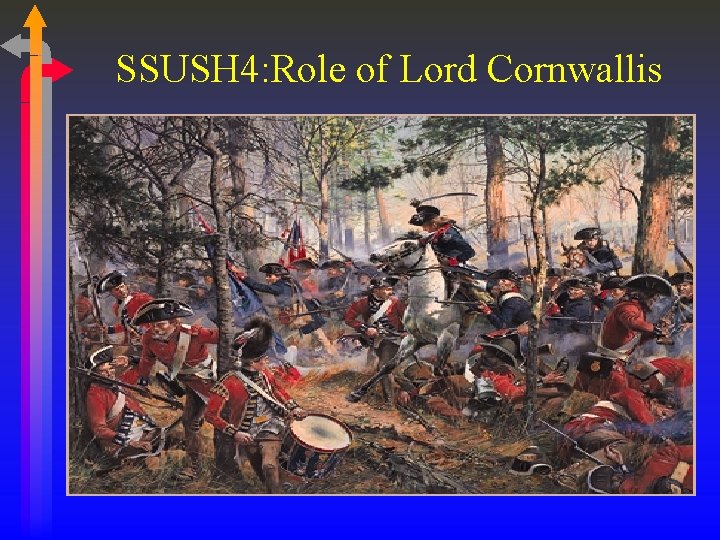
SSUSH 4: Role of Lord Cornwallis
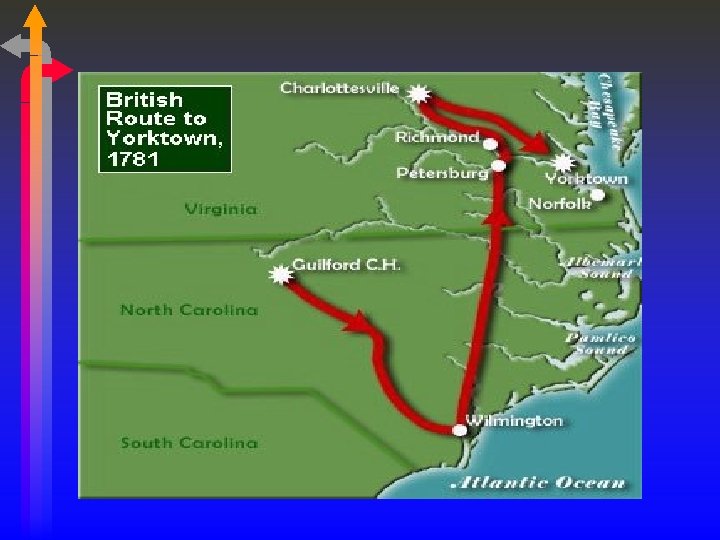
• Lord Corn Wallis was successful in SC & GA due to Local Tories, but he was defeated by Patriots in NC at the Battle of Kings Mountains and Cowpens.
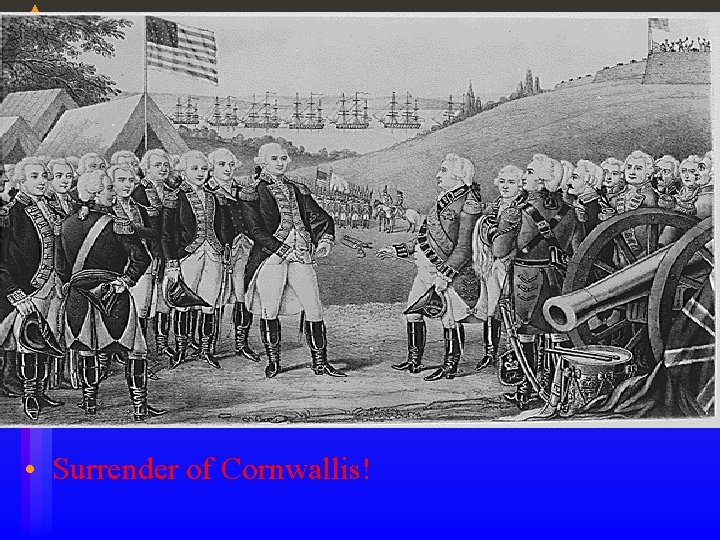
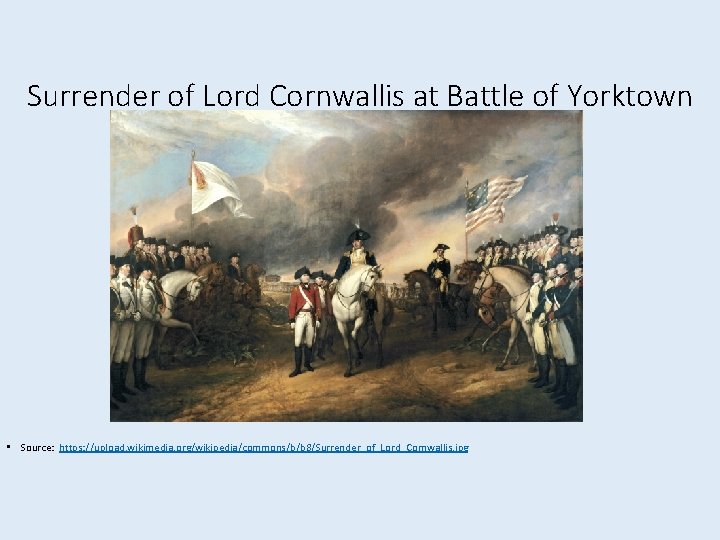
USH 4_b: Role of Cornwallis at Yorktown • Cornwallis Surrendered October 19, 1781 to the American’s on the VA peninsula. He sent his sword. • http: //www. pbs. org/ktca/liberty/chronicle_yorktown 1781. html
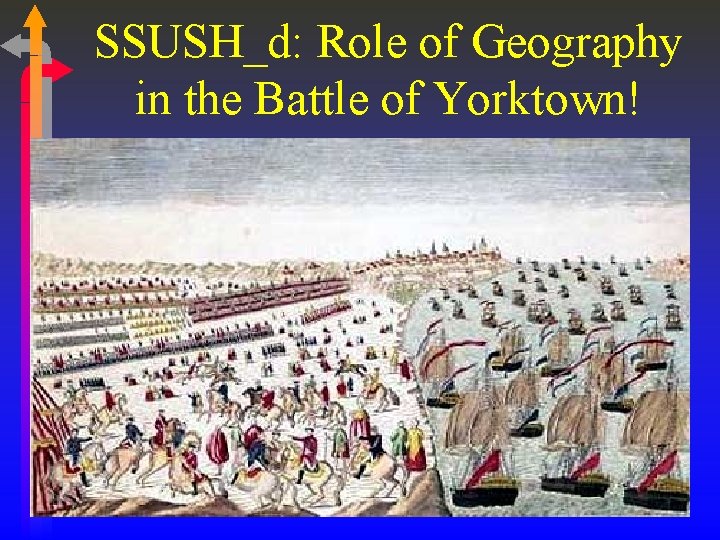
SSUSH_d: Role of Geography in the Battle of Yorktown!
• French Navy provided a Blockade on British ships • The British marched onto a peninsula surrounded by French ships & American soldiers on the land!
• Surrender of Cornwallis!
Surrender of Lord Cornwallis at Battle of Yorktown • Source: https: //upload. wikimedia. org/wikipedia/commons/b/b 8/Surrender_of_Lord_Cornwallis. jpg
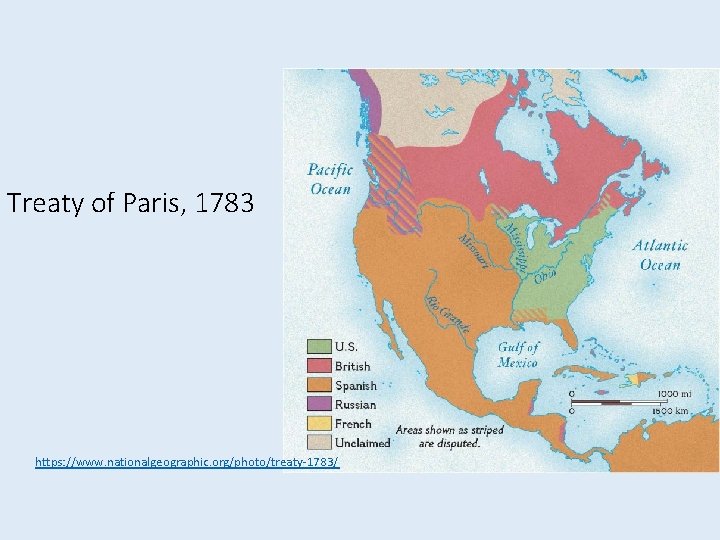
The Fighting Ends in 1781 • The British did not recognize the Independence of America until the Treaty of Paris in 1783…which gave America land from the Atlantic to the Mississippi…(Atlas).
First Continental Congress • Organized in September 1774: • 12 Colonies attended agreed to halt trade w/ England expand the Militia (Minutemen) in each colony to anticipate war.
Second Continental Congress • June 1776: Delegates from all 13 colonies • Elected VA Native George Washington to lead the Continental Army • The Gov’t body that oversaw the war effort
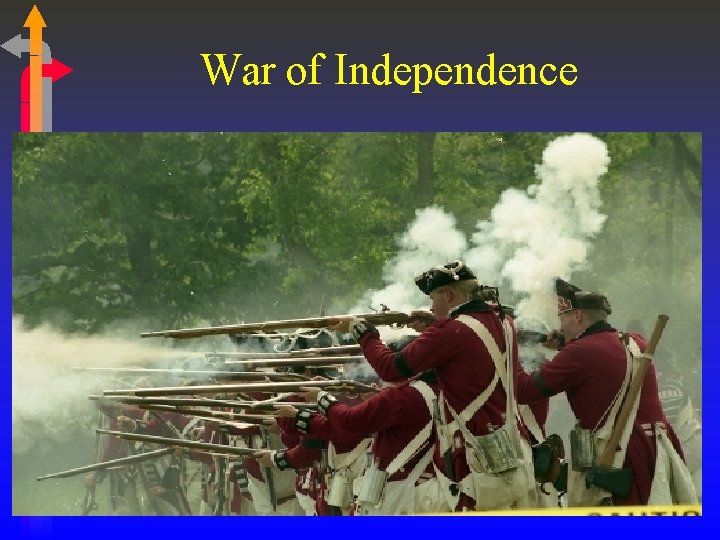
War of Independence
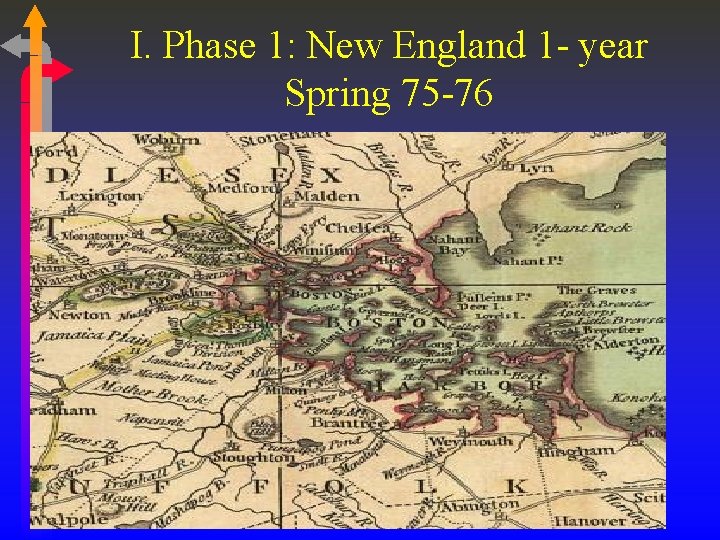
I. Phase 1: New England 1 - year Spring 75 -76
Centered around Boston: • Lexington and Concord- “Shots heard round the world” • Bunker Hill- Lost due to shortage of Amo • Boston was center of anti-British Feelings
• Uprisings in the south against the British---The British left for Canada taking loyalist refugees and they realized that the conflict: • A) was not local • B) Colonists were united-therefore British had to shift their stragegy
June-July 1775 • Thomas Paine: Common Sense • Declaration of Independence
II. The Second Phase: Middle Colonies-2 yrs 1776 -1778 • British mistakes lead to them not being able to win the war. It was the biggest Military Force Britain had ever send abroad. The British aim of the campaign of 1777 was to cut the colonies in two by campaign the Hudson River. The plan failed. Burgoyne surrendered at Saratoga. (Hudson River, NY).
• Saratoga was the Turning point b/c France came to join on the side of America: money, men ships, training!
III. The Third Phase: South – 3 years 1778 -1781 • The British decided to enlist the support of the loyalist: Failure because: • 1) There were more patriots in the South than Loyalist • 2) The supply lines were impossible to maintain
• Gen. Nathanael Greene led the British on a wild goose chase through the South, making them live off the land thus make enemies of the very people that they wanted for allies. Gen. Washington, with the French, trapped the British at Yorktown (1781) and Cornwallis was forced to surrender.
SSUSH 4: e • Examine the roles of women, American Indians, and enslaved and free Blacks in supporting the war effort
Women: • Nancy Hart-Killing the British • Betsy Ross-United America with the Flag • Culper Spy Ring- Agent 355, Sally Townshend, and Ann Strong • Cooking, Sewing, making paper!
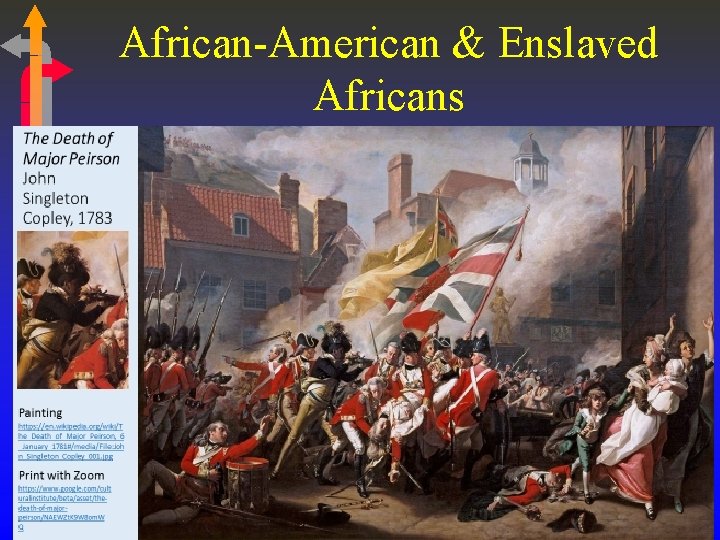
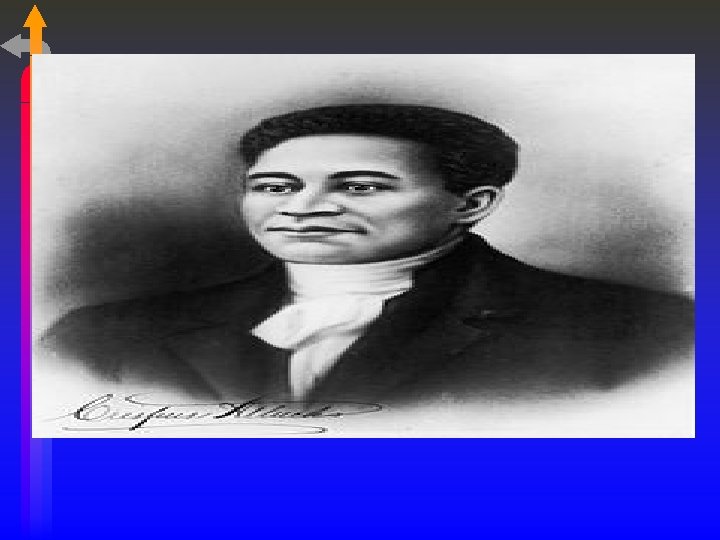
African-American & Enslaved Africans
American Indians • Joseph Brant, Mohawk Chief, (From the Mid. Atlantic Colonies) Sided with the Loyalist. • Oneida sided with the Patriots. • Why did the American Indians feel like they were in the middle of war, again?
SSUSH 4. f Explain the significance of the Treaty of Paris, 1783 • Ended the American Revolution • Great Britain had to acknowledge the US as being independent • Expanded the US boundaries.
Treaty of Paris, 1783 https: //www. nationalgeographic. org/photo/treaty-1783/
The End!
Assignment #1 • Identify the aspects of the Revolutionary War: Ideological Military Diplomatic
Put these Items in Order.