
Unit 2 part 2 Nonverbal Communication Body Language
Unit 2 part 2 • Nonverbal Communication- Body Language and facial expressions. • (Nonverbal communication accounts for 50% of all communication. ) Examples: Hook ‘em Horns Means- the bird in Italy good luck in Brazil • Body Language- Humans produce up to 700, 000 different physical signs. The face is capable of 250, 000 different expressions. There are 5, 000 different hand gestures and 1, 000 different body postures.
• Gestures around the world – Handshake- United States – Hug (Saloam)- Middle East – Slap head or shoulders- Eskimos – Back rub- Polynesian men – Rub noses- Maori tribesmen – Spit at each other’s feet- East Africa – Stick tongue out- Tibet – Handshake – 3 kinds » gentle » firm » Texan- Prince Charles states that Texas have a “finger crunching” style
– Touching Customs – Countries which enjoy touching: Middle East, Latin, Italy, Greece and Russia. – Countries where they touch often: France, China, Ireland, India. – Countries who don’t touch often: Japan, USA, Canada, England, Australia – Walking motions – Kinesics- the science of body movements – Space – Personal space- a bubble of space all around us that is our personal territory, we feel invaded if someone enters it without being invited. – Personal space varies by culture: » Americans stand 24 -30 inches apart.
Types of Space Measurement of Space Purpose of Space Intimate under 18 inches reserved for close friends Personal 1 ½ to 4 feet conversation between friends Social 4 to 12 feet social & business exchanges Public over 12 feet strangers
• Messages with two meanings • People often say one thing but nonverbally do another. – Facial Expressions – Facial expressions are more convincing than words. – 6 basic emotions fuel facial expressions: » surprise » fear » anger » disgust » happiness » sadness
• Tone- The pitch, timbre of a person’s voice, one’s pauses, rhythm, and unique pronunciation. • How to tell if someone is lying – People can learn to control their facial expressions and tone of voice but it is almost impossible to train your whole body to lie. – Behaviors to watch for – Decreased hand activity – Increased facial touching – Increased body shifting
• Conversation- a verbal and nonverbal exchange. – Starting a conversation – Use a practical opener (weather, game…) – Signals » Both pay attention » Stand close » Face each other » Feedback – Timing – Helping a conversation to continue – Posture – Eye Contact – Head nods & gestures » Applicants who nod during a job interview are hired more often than those who do not. » Short nods encourage; long nods disquiet a speaker – Taking turns- How do you know it’s your turn to talk? » rising or falling tone of voice » drawing out the last few words of a comment » the appearance of words with little meaning » grammatical conclusion » completion of a gesture
• – Keeping a Listener’s Interest – Be curious – Don’t be boring – Bad Habits » Don’t be easily distracted » Have enthusiasm » Don’t be too eager to please » Don’t be too serious » Don’t be too negative » Don’t be too passive » Don’t talk too slow » Don’t talk about yourself too much » Be original. Don’t tell the same stories over and over – Ending a conversation Watch for signals to end conversations – Sighs – Long pauses – Saying “well” – Restless body language – Less and less eye contact – Increased space
Time wheel 0 0, 0416666667 0, 0833333336 0, 125 0, 9583333334 0, 916666667 0, 0416666667 0 0, 8750000002 0, 0833333336 0, 833333334 0, 125 0, 7916666667 0, 166666667 0, 750000002 0, 2083333334 0, 7083333334 0, 25 0, 66666667 0, 2916666668 0, 6250000002 0, 33333333 0, 583333334 0, 5 0, 3750000001 0, 5416666667 0, 416666668 0, 458333333 0, 1666667 0, 2083333334 0, 25 0, 2916666668 0, 333333 0, 3750000001 0, 4166666668 0, 458333333 0, 5416666667 0, 5833333334 0, 6250000002 0, 666667 0, 7083333334 0, 7500000002 0, 7916666667
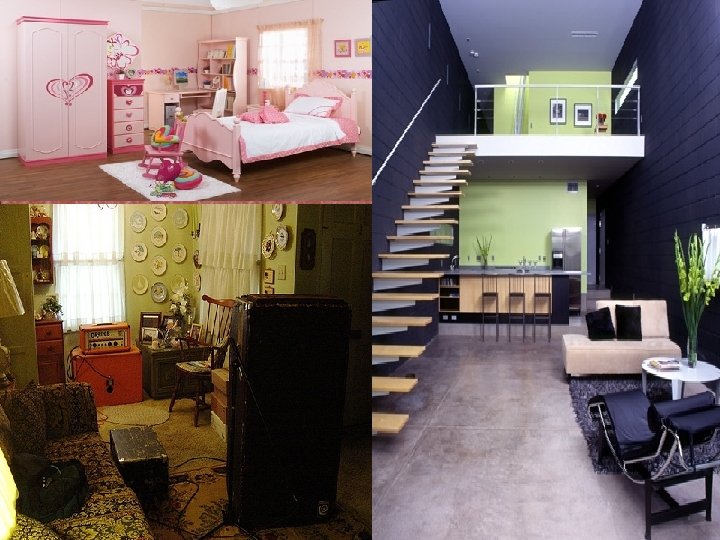
Artifacts & Environment • Use of surroundings to communicate messages. – Includes: lighting, color, temp, furniture, wall hangings, nick knacks. • Colors: What do they communicate?
Olfactics • Use of SMELL to communicate messages • Classify smells in two ways: 1. Masculine or feminine or neutral • Examples? 2. Good or bad • Examples? • Memory – How can smell be related to memory?
• We will divide into 6 groups. Each group will receive a bag with a scent in it. • As a group talk about what that smell reminds you of. Answer these questions: – – – Is it feminine, masculine, or neutral? Is it good or bad? What feelings are connected with the smell? Can you guess what the scent is? Answer these questions under your tip off from today. • We’ll rotate the bags from group to group.
- Slides: 13